Pretty Bayou homes rely on steady, clean water for everything from weekend showers to weekday laundry and family meals. When water softening works, you notice it right away: fewer hard water spots, better soap performance, and appliances that seem to last longer. When it does not, the symptoms show up across the house, often first in the places you look every day.
This is especially important in Bay County, FL, where water quality can vary and where many homes, vacation rentals, and businesses depend on reliable water treatment year round. If you are seeing signs like scale buildup around faucets, cloudy ice cubes, or metallic tasting water, it can mean your water softening system is struggling or another water quality issue is overlapping. Homeowners often ask for water filtration near me or water softener service near me, but the right fix depends on what is actually going wrong.
What water softening is supposed to protect in a Pretty Bayou home
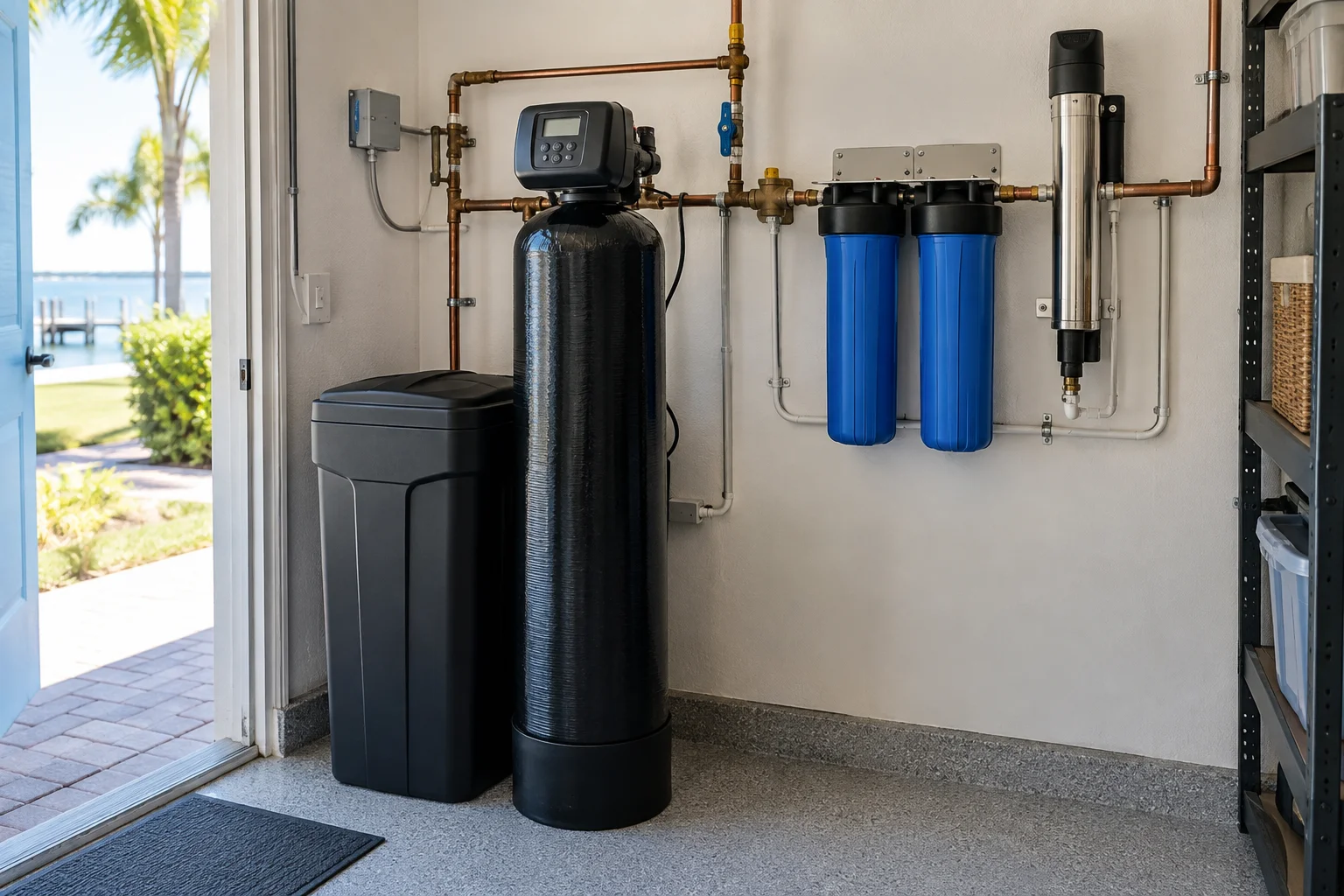
Water softening is designed to address hardness, which is mainly caused by dissolved minerals like calcium and magnesium. In many Florida homes, those minerals show up as hard water spots on glass, hard water spots on dishes, and chalky scale buildup around faucets and showerheads. Over time, that scale can reduce water flow, shorten the lifespan of water heaters and other appliances, and make cleaning more work than it should be.
When the system is operating correctly, you typically see improvements in daily life:
- Soap lathers more easily and rinses clean instead of leaving residue
- Skin and hair feel less dry or dull after bathing
- Fixtures look cleaner longer with less scale buildup
- Cooking water tastes better and coffee does not taste flat or off
- Ice cubes stay clear instead of turning cloudy
That is why water softening problems should not be ignored. They often lead to bigger issues if the cause is left unattended.
Common causes of water softening problems, even when the system is “on”
Many homeowners assume that if the system is installed, it will keep working forever. In reality, water softeners are mechanical and chemical systems. Salt, resin, water flow, and control settings all affect performance. In Pretty Bayou, where the home’s water demand may shift with seasons and occupancy, problems can become more noticeable.
1) Salt issues: empty brine tank, wrong salt type, or poor dissolving
A water softener uses salt to regenerate the resin. If the brine tank is too low, salt is bridging, or the salt is not dissolving correctly, the system may start “missing” hardness removal. You may notice that soap does not lather, rinse water leaves a slippery film, and hard water spots on glass return sooner than they used to.
Salt problems can also show up as inconsistent performance. One week the water seems fine, and the next week scale buildup around faucets looks worse. If your system uses an AO Smith water softener, the model and settings matter, but the underlying salt requirement is the same: correct salt level and reliable brine production.
2) Resin problems: exhausted media or fouling from water conditions
The resin inside the softener does the real work. Over time, resin can become exhausted or partially fouled, reducing how well it exchanges hardness minerals. When hardness removal slips, you may see scale buildup on shower glass, duller laundry, and appliances wearing out faster than expected.
Resin can also struggle if the water contains higher levels of iron or sediment than anticipated. Even when the main goal is hard water treatment, real water is rarely “one issue only.” If you are also noticing visible sediment, discoloration, or odor concerns, it may point to additional filtration needs beyond softening.
3) Regeneration settings that do not match your household use
Most modern systems regenerate based on time, water usage, or both. If your household size changes, a vacation rental sits empty for months, or you add an extra bathroom, the softener may regenerate too late or too early. That can lead to incomplete hardness removal, especially during peak usage.
This is one reason homeowners searching for water treatment near me sometimes see water quality complaints that come and go. A control setting that worked for one occupancy pattern may not work for another.
4) Flow problems: clogged filters, restricted valves, or bypass mistakes
Some systems include pre-filtration or sediment screening. If that filtration becomes clogged, water may not move through the system as intended. You might see uneven cleaning results, poor rinse performance, or a return of scale buildup around faucets. In some cases, a service valve position or bypass can leave the softener effectively out of the loop.
When you are troubleshooting, it helps to remember that a water softener is part of a bigger clean water system. Whole home water filtration upstream can be just as important as the softener itself.
5) Water quality overlap: when softening cannot fix taste, odor, or cloudiness alone
Water softening targets hardness. It does not automatically remove every contaminant. If you are noticing metallic, chlorinated, or unpleasant taste, cloudy ice cubes, or odor concerns, you may be dealing with additional issues such as:
- Chlorine taste and odor that affects drinking water and cooking water
- Fine sediment that shows up as discoloration or cloudiness
- Organic compounds that can affect smell and flavor
In these cases, homeowners often benefit from combining water softening with whole home water filtration or a drinking water filter strategy. Many families start with the softener, but they stay happiest when they also protect the kitchen tap and refrigerator ice maker with proper filtration. If you are looking at drinking water filter near me options, it is worth asking how your whole system works together.
Signs your water softener is not protecting your home the way it should
Here are the most common indicators that water softening is failing to keep up, or that another water quality problem is slipping through.
Hard water spots are back on glass, dishes, and fixtures
This is often the first visible clue. You may see hard water spots on glass shower doors, cloudy film on drinking glasses, or hard water spots on dishes after the dishwasher runs. You may also notice scale buildup around faucets and showerheads, sometimes with a chalky texture that wipes off only partially.
If the spotting is new or suddenly worse, treat it as a signal. Scale buildup is not just cosmetic. It is also a sign that minerals are accumulating where they should not.
Soap does not lather, or it rinses poorly
When hardness removal fails, soap does not lather the way it used to. You might feel that laundry detergents require extra product, or that body wash leaves a residue. This can also show up as dull-looking hair and dry skin after bathing.
If you have ever watched kids complain that bath time feels “slick” or “not as clean,” it can be related to water that is still hard enough to interfere with cleaning.
Dry skin or dull hair after bathing
Many people notice changes in comfort before they notice scale. If your family’s showers feel harsher, skin feels drier, or hair looks less vibrant, it can be a sign that the softened water is not doing its job. Hard water can leave behind mineral residue that makes it harder for skin and hair products to work properly.
Metallic, chlorinated, or unpleasant taste in drinking water
Softened water can still taste unpleasant if chlorine, sediment, or other compounds are present. You may notice metallic notes, a strong chlorinated flavor, or a scent that makes you skip a glass of water. Cloudy ice cubes often show up when water contains more particulates than it should.
For families making coffee, smoothies, and cooking water, this matters. Poor tasting coffee and cooking water can be tied to mineral content, chlorine taste, or sediment. A properly designed clean water system can help.
Visible sediment, discoloration, and odor concerns
When you see sediment or discoloration in faucets, notice unusual smells, or get cloudy water during certain times of day, do not assume it is only hardness. This can point to filtration gaps. It can also mean that water softening needs support from whole home water filtration.
Appliances wearing out faster
Scale is a slow problem. Over time, it can reduce efficiency and accelerate wear on water heaters, dishwashers, and other equipment that uses hot water. If you are replacing parts sooner than expected or dealing with recurring buildup, it is a sign that hard water treatment may not be fully working.
Why year round water softening matters in Pretty Bayou
Pretty Bayou and the surrounding Bay County area includes homes, seasonal vacation rentals, and properties that can have shifting water demand. That matters because a softener’s performance depends on consistent regeneration and correct system settings. When usage changes, the system may need adjustments or service to keep up.
Local climate can also influence how quickly issues become visible. During warmer months, more showers, more laundry, and more outdoor water use can increase hot water demand. If your softener is already borderline, the symptoms can show up in the summer first: scale buildup around faucets, soap that does not lather, and spots on glass that return faster.
Year round protection is also about planning for the long game. Scale buildup is not a one-time annoyance. It is a protective problem. When you keep hardness under control, you reduce buildup on plumbing surfaces, protect water using appliances, and maintain better water for drinking and cooking.
Solutions that address the full water quality picture
Homeowners in Pretty Bayou often start with water softening because it is the most direct fix for scale and soap problems. The best results usually come from matching the solution to the symptoms you are seeing.
Water softener service and performance checks
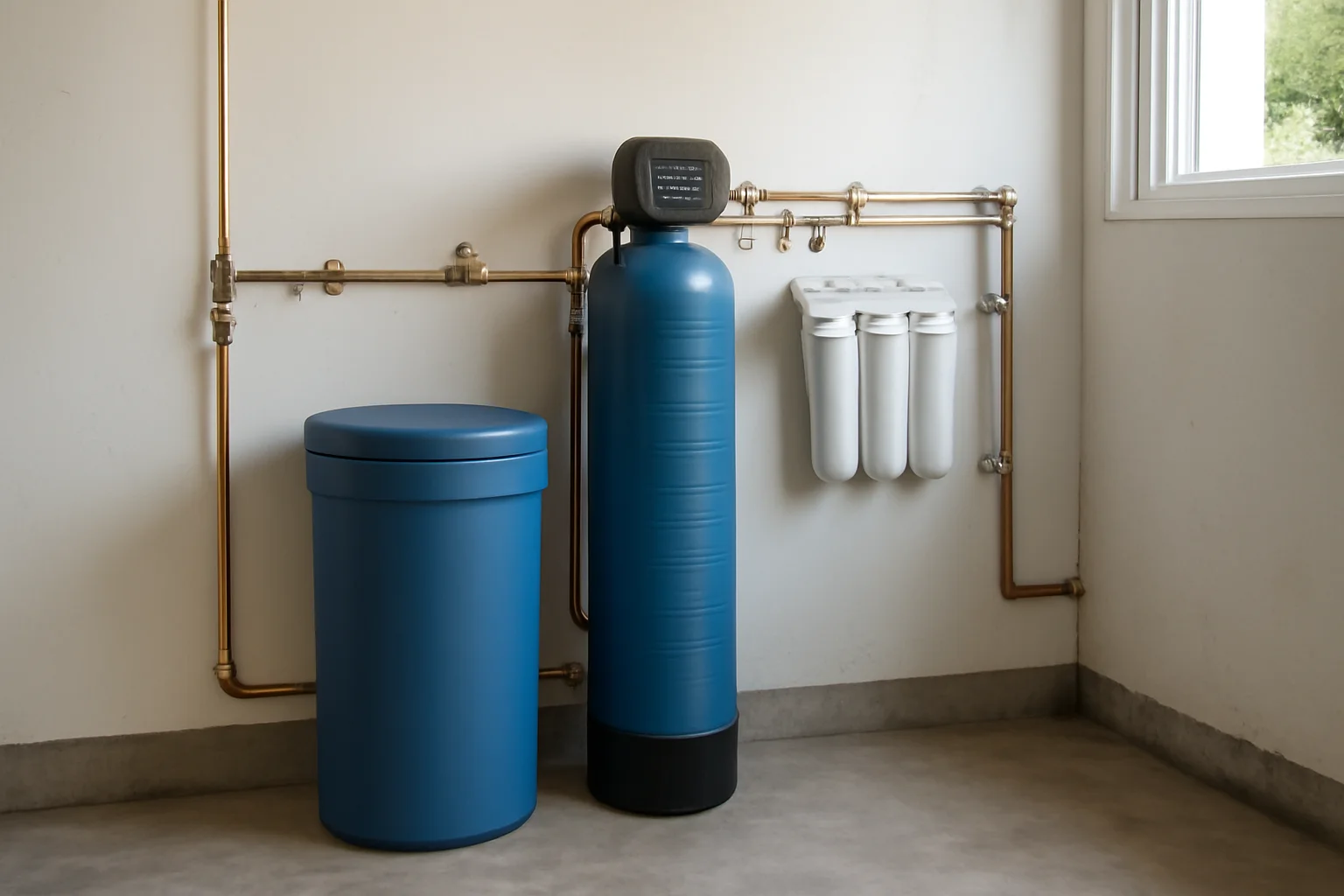
If you suspect your AO Smith water softener is not regenerating properly, a professional service visit can confirm what is happening. A technician can check salt levels, brine draw, resin condition indicators, valve operation, and control settings. They can also verify whether water is bypassing the softener and whether any pre-filters need cleaning or replacement.
This matters because “fixing it” is not always about adding salt. If the resin is exhausted or the system is not regenerating at the right times, you need more than a refill.
If you are looking for water softener service near me, it is smart to choose a provider that understands both softening and the broader clean water system.
Whole home water filtration to reduce sediment and protect your softener
When you see visible sediment, discoloration, odor concerns, or cloudy ice cubes, adding whole home water filtration can help. Whole home filtration can reduce particles that interfere with softening performance and can improve overall water quality throughout the property.
Many homeowners also find that whole home filtration improves how drinking water tastes and how kitchen cleaning performs. If you are considering a complete approach, you can explore options through this water filtration and RO water softeners landing page.
Reverse osmosis for drinking water and cooking water
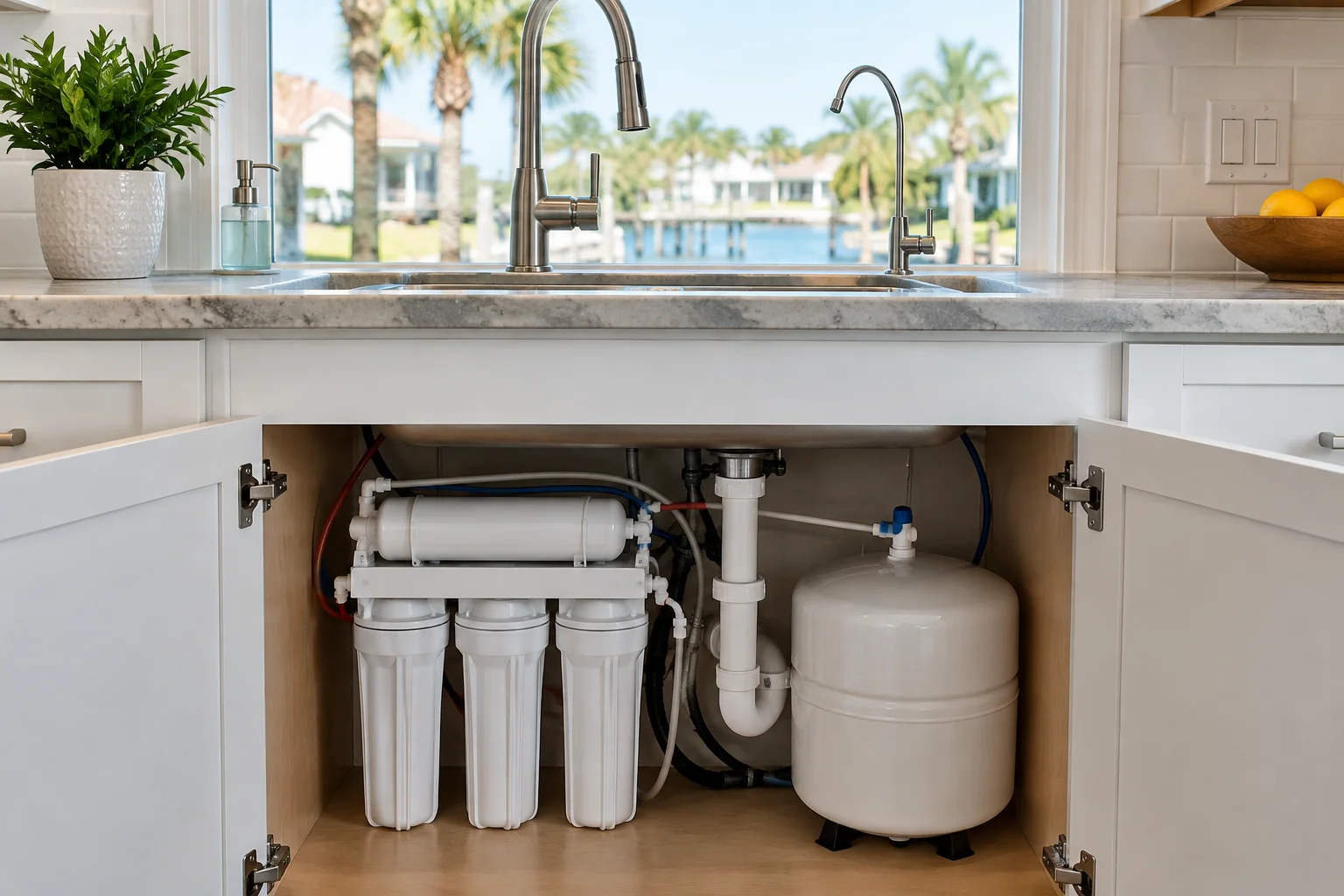
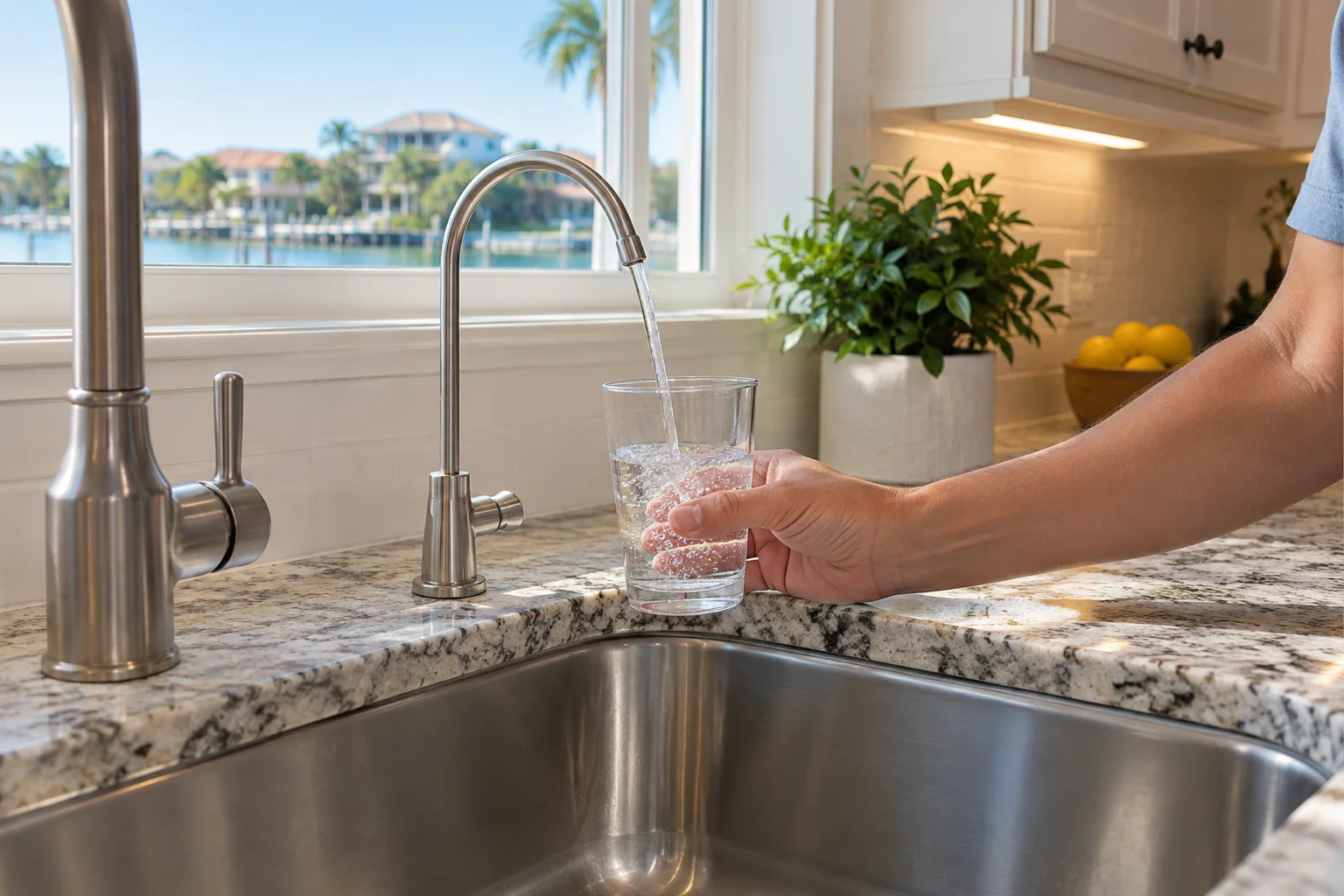
Reverse osmosis is often used for kitchen and drinking water because it targets dissolved contaminants that softeners may not address. If your family is dealing with metallic tasting water, chlorinated taste, or inconsistent flavor in coffee and cooking water, RO can be part of the solution.
For Pretty Bayou homeowners, RO is also discussed as a way to help protect plumbing by reducing mineral and contaminant load at key points. If you want a deeper look, read Pretty Bayou Homes and the Real Cost of Hard Water: How Reverse Osmosis Helps Protect Plumbing.
AO Smith water filtration and system matching
Depending on your household needs, AO Smith water filtration products and system designs can be paired with softening for better results. Some homeowners focus only on the softener and later realize that taste, odor, and cloudiness were never fully handled. A matched system can help protect fixtures and appliances while improving what your family actually drinks and cooks with.
If you are comparing options, ask how your system handles both hardness and the specific quality concerns you are noticing.
How to spot problems early with simple home checks
You do not need lab equipment to notice when water treatment is slipping. A few observations can help you catch issues before they become expensive.
- Check shower glass and faucet aerators for scale buildup on a regular schedule.
- Look at dishware after the dishwasher runs for hard water spots on dishes.
- Pay attention to laundry feel and how easily soap rinses.
- Observe ice cubes. Cloudy ice cubes can be a sign of sediment or taste issues.
- Notice how coffee tastes and whether it leaves an aftertaste.
- Watch for any new odor or discoloration from kitchen and bath taps.
If you see multiple signs at once, it can indicate either a softening failure or an overlapping filtration issue. That is the time to schedule help rather than waiting.
What happens if you ignore water quality issues?
When hardness returns, it tends to keep building. Scale buildup around faucets and showerheads can become more persistent. Soap scum can build up on bathroom surfaces. Appliances can accumulate mineral deposits that reduce performance.
Ignoring taste and odor problems can also affect daily routines. A family may stop drinking enough water, rely on bottled water, or change cooking habits. That is frustrating and often unnecessary when a properly designed drinking water filter or RO system can improve better water for drinking and cooking.
For homeowners searching for clean water systems, it helps to think beyond one symptom. Protecting year round home water quality means addressing the system as a whole, not just the visible part.
When to contact A Superior Mechanical for water softening help
If you are dealing with any of the following in Pretty Bayou, it is a good time to call for water softener service and a water quality review:
- Scale buildup around faucets, showerheads, or plumbing fixtures is increasing
- Hard water spots on glass and dishes are returning despite regular use
- Soap does not lather or rinses poorly
- Dry skin or dull hair after bathing becomes a noticeable pattern
- Metallic, chlorinated, or unpleasant taste appears in drinking water
- Cloudy ice cubes, visible sediment, discoloration, or odor concerns show up
- Appliances are wearing out faster than expected
A Superior Mechanical provides professional water softening in Pretty Bayou, FL using dependable equipment designed for better water quality and whole home protection. You can review the service area details on our Pretty Bayou water softening page, and if you want to compare water treatment options across the region, visit our Bay County service areas. For homeowners exploring broader solutions, the best starting point is often our water filtration and reverse osmosis water softeners landing page.
Related reading for homeowners planning upgrades
If you are trying to connect water softening performance to the bigger system, these posts can help:
- Why Better Water Treatment Makes Water Softening Work in Pretty Bayou, FL
- How Plumbing Wear and Tear Shapes Water Purification in Pretty Bayou Homes
- How Water Softening Protects Rosemary Beach Plumbing from Costly Water Damage
These resources are useful when you are deciding whether you need a water softener service call, whole home water filtration, or reverse osmosis for drinking water and cooking water.
Building better water habits for the family kitchen, laundry room, and bathrooms
Think about a typical Pretty Bayou day: someone fills a kettle for coffee, kids rinse off after sports, and laundry runs while the household is busy. When water treatment works, the results feel consistent. The coffee tastes cleaner. Soap lathers better. Laundry comes out feeling softer. Showers leave less residue behind.
When water softening struggles, you see the shift across these scenes. The kettle takes longer to heat because scale can build where water sits. The dishwasher leaves spots. Bath time feels drier. Ice cubes come out cloudy. These are not isolated annoyances. They are the home’s way of telling you that the water protection plan needs attention.
Year round home protection is about keeping your water softening system tuned and pairing it with the right filtration approach when hardness is not the only issue. That balance is what keeps fixtures looking good, appliances running efficiently, and better water for drinking and cooking a reliable part of everyday life.
If you are searching for water filtration near me or planning reverse osmosis installation, start with a real assessment of what is happening in your water. A Superior Mechanical can help you match the right solution to the symptoms you are seeing, so your system supports clean water systems that work year round across the Bay County area.
Find Water Softening in Pretty Bayou, FL
If you need Water Softening in Pretty Bayou, FL, visit our local service page or contact A Superior Mechanical today.
For a broader look at whole-home water filtration, reverse osmosis, and water softener options, visit our water filtration, RO, and water softener page.
Map of Pretty Bayou, FL
Frequently Asked Questions
Why does my water still feel hard even though I have a water softener?
Common causes include low or improperly dissolving salt, exhausted or fouled resin, regeneration settings that do not match your water use, clogged pre-filters, or a valve/bypass issue. If you are seeing hard water spots on glass and soap does not lather, schedule a water softener service check.
Can water softening fix metallic taste, chlorinated taste, or cloudy ice cubes?
Water softening mainly targets hardness minerals. It may not fully address taste, odor, sediment, or cloudiness. Those symptoms can point to the need for whole home water filtration and sometimes reverse osmosis for drinking water and cooking water.
How often should an AO Smith water softener be serviced in Pretty Bayou?
Many homes benefit from periodic inspections to confirm regeneration performance, salt/brine draw, and system operation. If you notice scale buildup around faucets, soap that does not rinse well, or changes in taste, service should be sooner.
What is the difference between a water softener and whole home water filtration?
A water softener reduces hardness minerals that cause scale. Whole home water filtration reduces sediment and other particles that can affect clarity, odor, and overall water quality. Many households use both for complete clean water systems.
When should I consider reverse osmosis for my kitchen water?
If you are dealing with unpleasant or metallic tasting water, chlorinated flavor, cloudy ice cubes, or you want better water for drinking and cooking, reverse osmosis can be an effective option. A technician can help confirm whether RO is the right fit for your water quality.
Related Articles
- Why Better Water Treatment Makes Water Softening Work in Pretty Bayou, FL
- Pretty Bayou Homes and the Real Cost of Hard Water: How Reverse Osmosis Helps Protect Plumbing
- How Plumbing Wear and Tear Shapes Water Purification in Pretty Bayou Homes
- How Water Softening Protects Rosemary Beach Plumbing from Costly Water Damage
Photo Gallery