A new freezer, range, or laundry appliance should make home life easier, not leave you wondering which breaker will trip next. Yet adding equipment without checking the circuit behind it can expose problems that have been developing for years.
For homeowners in Callaway, FL, dedicated appliance circuits are part of a larger electrical plan. The panel, breakers, wiring, receptacles, and grounding all need to support the equipment safely. A Superior Mechanical provides dedicated circuits for appliances in Callaway, helping property owners address existing limitations and plan for future electrical demand.
What a Dedicated Circuit Actually Does
A dedicated circuit supplies one appliance or a specific piece of equipment rather than sharing its capacity with unrelated outlets, lighting, or other loads. It has its own branch-circuit protection at the electrical panel and wiring sized for the application.
That separation matters because some appliances draw substantial current while heating, running, or starting a motor. A countertop appliance sharing a circuit with several other devices may push the total demand beyond what the circuit can safely carry. A properly designed dedicated circuit keeps the intended equipment from competing with those unrelated loads.
It does not fix a defective appliance, eliminate every possible breaker trip, or increase the capacity of the home's electrical service. Those concerns require their own evaluation.
Start With the Appliance, Not the Empty Breaker Slot
Before planning appliance circuit installation, an electrician needs the equipment's electrical specifications and installation instructions. The model number is more useful than simply saying you are installing a dishwasher or electric dryer. Different models can have different voltage, current, connection, and protection requirements.
Equipment that deserves a circuit review
Electric ranges, wall ovens, dryers, water heaters, dishwashers, built-in microwaves, and certain disposal installations often require individual circuits or specific branch-circuit arrangements. Refrigerators and freezers also deserve careful planning, particularly where loss of power could spoil stored food. Whether a separate circuit is required depends on the equipment instructions and applicable code.
Homeowners searching for appliance circuit installation near me should have the proposed appliance information ready before the visit. That helps the electrician evaluate the actual installation instead of estimating from the appliance's appearance or plug alone.
Panel Capacity Is More Than Available Space
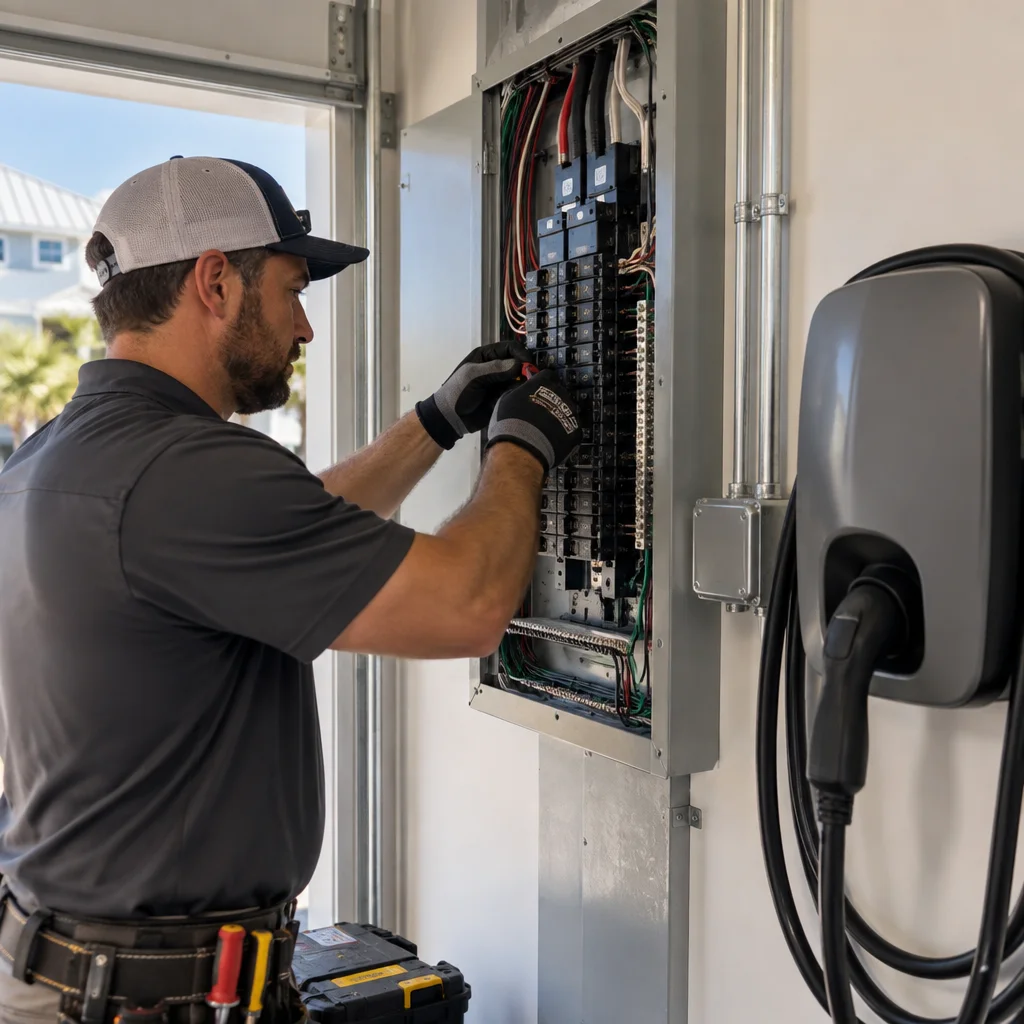
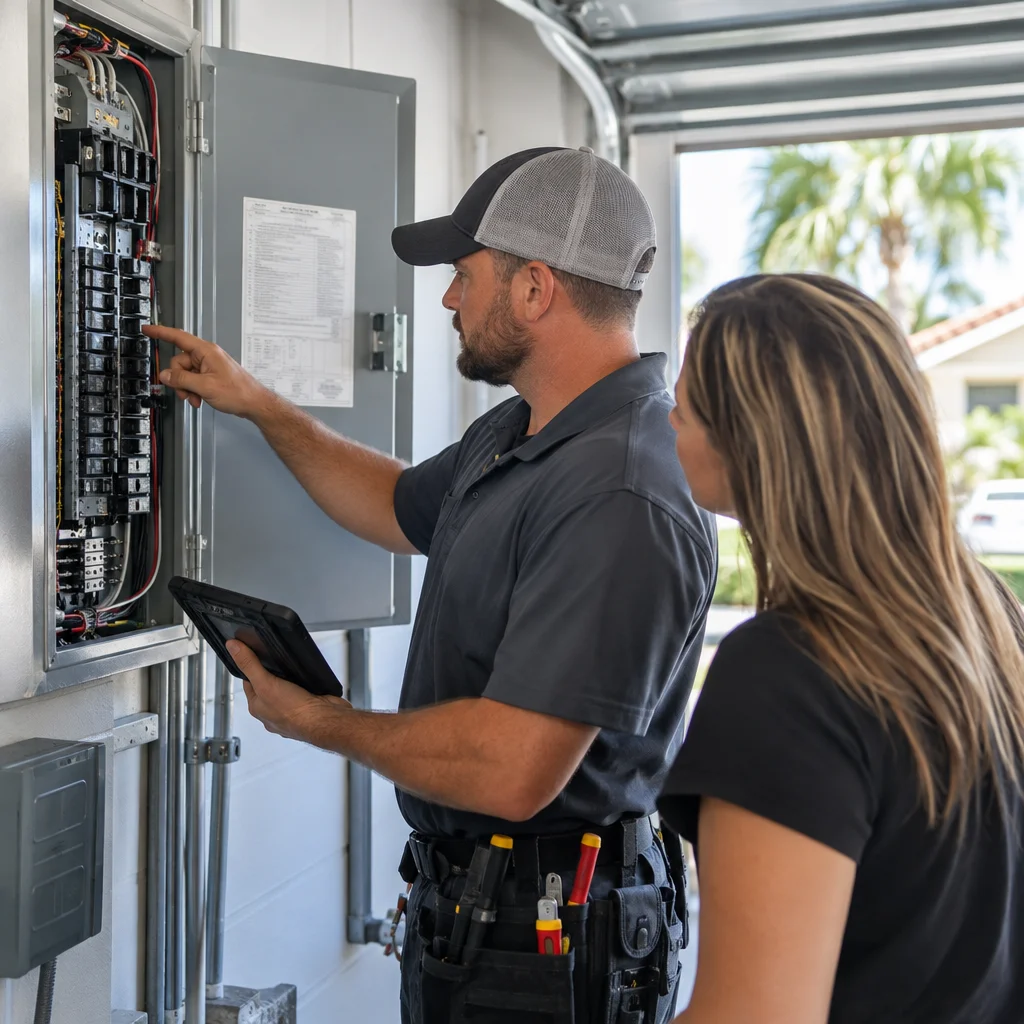
An unused opening in a breaker panel is not proof that the home can support another large appliance. The panel's rating, service capacity, existing loads, breaker compatibility, and physical condition all matter. A load calculation helps determine whether the proposed addition fits within the available capacity.
Older Callaway homes may have panels serving equipment that was never part of the original design. Newer homes can encounter similar limits after homeowners add workshop tools, pool equipment, or an EV charger. More recently built does not automatically mean unlimited electrical capacity.
A panel upgrade is not always necessary
Sometimes the correct solution is a properly installed branch circuit using an approved breaker in an existing panel. Other projects may require a subpanel, load management, or a service upgrade. A subpanel creates distribution space but does not increase the capacity of the electrical service.
If a breaker box replacement near me search started because of frequent trips, ask for diagnosis before assuming replacement is the answer. A loose connection, damaged circuit, appliance fault, or genuine overload can produce similar complaints.
Wiring, Outlets, and Protection Must Work Together
A dedicated circuit is only as reliable as its complete installation. Conductor size and type must match the load, protective device, installation conditions, and applicable requirements. Longer wiring routes may also need evaluation for voltage drop. Simply installing a larger breaker on existing wiring is unsafe unless the entire circuit is verified as suitable.
The outlet or hardwired connection must match the appliance's requirements. A receptacle that accepts a plug is not proof that the voltage, grounding, or circuit capacity is correct. Loose receptacle contacts, damaged boxes, and deteriorated insulation deserve correction before new equipment is connected.
GFCI protection reduces shock risk, while AFCI protection addresses certain arcing hazards. Their requirements depend on the circuit, location, equipment, and locally adopted code. Grounding and bonding also need verification. Do not bypass required protection because an appliance trips it; have the cause investigated.
Warning Patterns Worth Taking Seriously
A breaker that trips whenever two appliances run together may indicate an overloaded shared circuit. A trip involving only one appliance could instead point to equipment trouble, damaged wiring, moisture, or a protective device responding to a fault. The pattern provides clues, but it does not establish the diagnosis.
Other concerns include discolored outlets, loose plugs, buzzing, persistent flickering, unusual warmth, and power interruptions when equipment starts. Brief light dimming during motor startup can occur, but pronounced or worsening dimming deserves an electrical inspection.
An outlet installation near me search may begin with a homeowner wanting a more convenient connection behind a freezer. If the existing circuit is already heavily loaded, extending it may make matters worse. The safer solution could be a new dedicated circuit rather than another receptacle on the same wiring.
Separate urgent hazards from scheduling issues
Smoke, sparks, an electrical burning odor, shocks, or a hot, damaged panel require immediate attention. Stop using affected equipment. Disconnect it or switch off the circuit only if you can do so safely without approaching heat, smoke, water, or exposed electrical parts. For an active fire or immediate danger, leave the area and call 911. Do not repeatedly reset a tripping breaker or remove panel covers yourself.
Callaway Weather Adds Another Layer of Planning
Callaway's hot, humid climate and coastal storms create conditions that can affect electrical equipment. Moisture intrusion, wind-driven rain, corrosion, and storm damage are concerns for exposed equipment, outdoor connections, and areas with leaks. A dedicated circuit still needs appropriate wiring methods and protection for its location.
Garages, utility areas, and outdoor appliance locations deserve particular attention to receptacle placement, enclosure ratings, and required GFCI protection. Electrical equipment exposed to flooding should not be energized until it has been professionally assessed. Drying it out does not necessarily make it safe.
Working with a contractor familiar with electrical needs in Callaway helps connect the installation plan with local conditions, permitting requirements, and inspection expectations. Across Bay County, the condition of each property matters more than its age alone.
Use Remodels and Additions to Correct Old Limitations
Kitchen remodels, laundry relocations, and home additions offer an opportunity to review electrical demand before walls are closed. Moving an appliance may change the wiring route, connection method, and protection requirements. Adding countertop receptacles does not replace the need to evaluate the circuits supplying them.
Older homes may have undocumented alterations, shared circuits, or worn wiring that needs repair. Where problems extend beyond one appliance circuit, whole home rewiring may deserve consideration. It should follow an inspection, not an assumption that every older house needs complete replacement.
The guide to electrical replacement in Callaway homes explains why aging components warrant attention. During a remodel, coordinate appliance circuits with lighting installation, ceiling fan wiring, switches, and smoke detector installation so each system is addressed without unnecessary repeat access to finished surfaces.
Plan for Generators, EV Chargers, and Outdoor Equipment
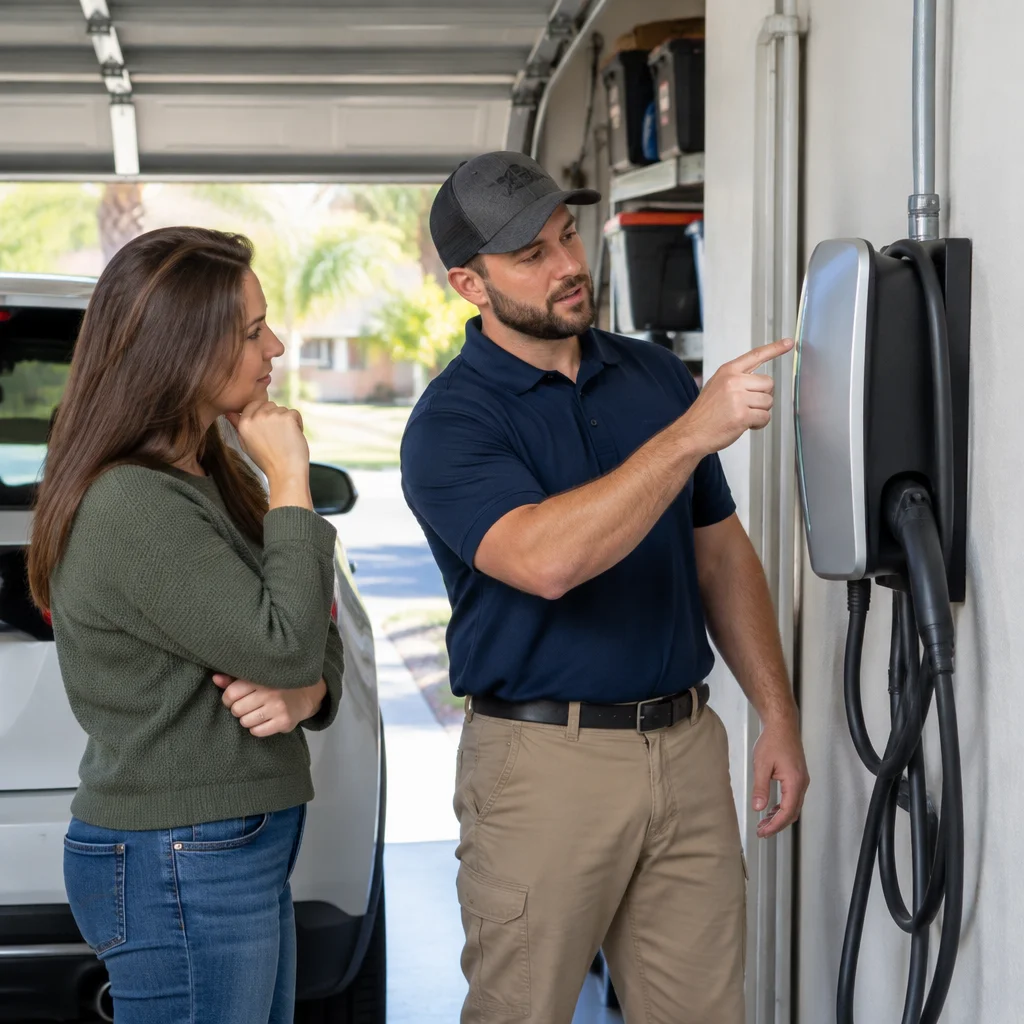
A new appliance is often only one part of a home's rising power demand. EV charger installation can add a substantial load, and pool pumps, spas, and workshop equipment need their own assessments. Mention planned purchases now, even if installation is months away. Future conduit routes or sensible panel placement may save disruption later.
For outdoor projects, pool, spa, and hot tub wiring involves specific bonding, protection, and location requirements. These systems should not be treated as ordinary appliance outlets.
Generator installation requires a different but related review. A dedicated refrigerator circuit can help organize backup priorities, but a generator still needs proper sizing and approved transfer equipment. Never backfeed power through a household receptacle. The storm-ready electrical plan for Kohler generators in Callaway offers context for coordinating backup power with household loads.
Surge Protection Complements Circuit Protection
Dedicated circuits address load separation and branch-circuit design. Surge protection serves another purpose: limiting certain transient voltage events that can damage electronics. Modern appliances often contain control boards, making surge protection a worthwhile discussion alongside circuit work.
A properly selected and installed whole-home surge protective device may reduce exposure to damaging surges, but it cannot guarantee protection from every event or compensate for defective grounding. Breakers, GFCI devices, grounding, and surge protection each perform different jobs. A safe plan considers them together rather than treating one device as a substitute for the others.
Keep the Installation Reliable After the Work Is Done
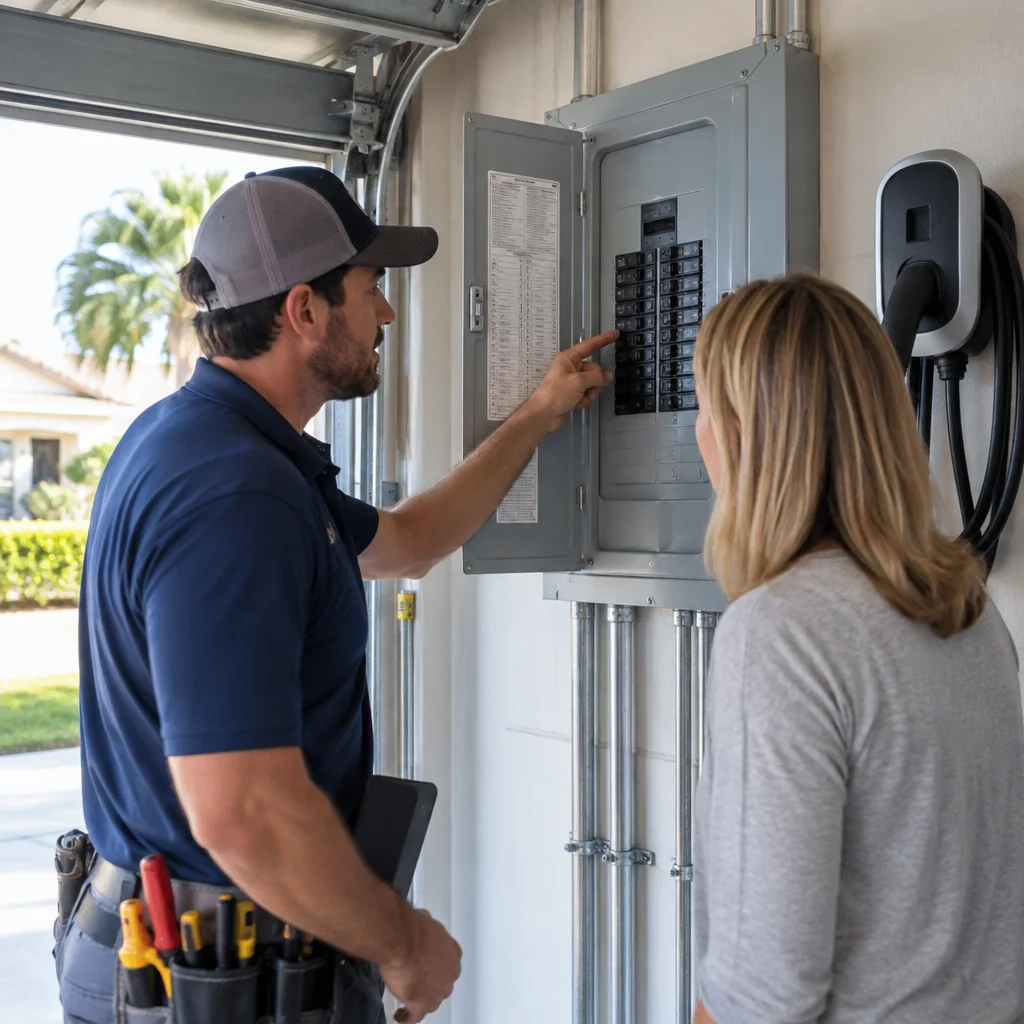
Maintain a clear, accurate panel directory so household members can identify the appliance circuit without guesswork. Keep required working space around the panel unobstructed, and retain appliance instructions and electrical project records. Avoid extension cords and power strips as permanent substitutes for a correctly located appliance connection.
Follow manufacturer instructions for testing protective devices, and report new tripping, buzzing, flickering, or heat promptly. After a significant storm or leak near electrical equipment, arrange an inspection before assuming everything is unaffected. Property managers and vacation rental owners should also make it easy for occupants to report electrical concerns.
Routine electrical maintenance in Callaway can uncover problems affecting both appliance circuits and lighting. Outlet repair, switch repair, wiring repair, and code corrections should address the underlying defect, not just the visible symptom.
Arrange a Circuit Evaluation Before Delivery Day
Before scheduling service, gather the appliance model, proposed location, and any history of breaker trips or outlet problems. Mention future equipment and whether the home uses generator backup. Leave panel covers in place; the electrician can inspect internal components safely.
When choosing a local electrician near me, ask whether the proposed work includes load evaluation, the correct connection, required protection, permits where applicable, and inspection coordination. A clear scope helps distinguish a complete installation from a price that covers only part of the job.
A Superior Mechanical can help plan dedicated appliance circuits alongside broader electrical services in Callaway. Request an evaluation before your appliance arrives so panel capacity, wiring, outlet placement, and code requirements can be addressed together.
Find Dedicated Circuits for Appliances in Callaway, FL
If you need Dedicated Circuits for Appliances in Callaway, FL, visit our local service page or contact A Superior Mechanical today.
Map of Callaway, FL
Frequently Asked Questions
Does every appliance in a Callaway home need a dedicated circuit?
No. Requirements depend on the appliance, its installation instructions, and the applicable electrical code. Large heating appliances and certain permanently installed equipment commonly require individual circuits. An electrician can determine the correct arrangement for refrigerators, microwaves, dishwashers, and other equipment.
Will adding a dedicated appliance circuit require a panel upgrade?
Not necessarily. If the existing panel is in suitable condition, accepts the required breaker, and has adequate capacity based on a load evaluation, a new circuit may be installed without replacing it. Available breaker space alone does not establish capacity, and adding a subpanel does not increase the electrical service rating.
Can a dedicated circuit stop an appliance breaker from tripping?
It can resolve trips caused by an appliance sharing an overloaded circuit, but it will not correct every cause. Appliance faults, damaged wiring, loose connections, and ground faults need separate diagnosis. Do not keep resetting the breaker or replace it with a larger one without a professional circuit evaluation.
Related Articles
Photo Gallery