A smart home should make daily routines easier, not add another layer of troubleshooting. Automated lighting, connected locks, security cameras, and energy monitoring all depend on something less noticeable than an app: a dependable electrical system.
In Blue Mountain Beach, FL, that foundation deserves careful attention. Coastal humidity, salt exposure, thunderstorms, and changing household power demands can affect electrical reliability. Whether you are updating an older beach cottage or planning automation for a newer home, start with the panels, wiring, circuits, outlets, and protective devices behind the technology.
A Superior Mechanical provides smart home integration in Blue Mountain Beach for connected lighting, security, thermostats, panels, and automation. Thoughtful electrical planning helps those features work together without overlooking existing problems.
Start With How the Home Actually Uses Power
Most individual smart controls use little electricity. The larger concern is what they control and what else shares the circuit. A smart switch operating compatible LED fixtures is different from a connected outlet feeding a portable heater or a garage circuit serving tools, appliances, and a future EV charger.
Before choosing devices, identify the routines you want to improve. That might mean scheduled porch lighting, ceiling fans controlled from the wall, alerts when power fails, or a single away setting for selected lights. Then map those goals to the existing electrical layout.
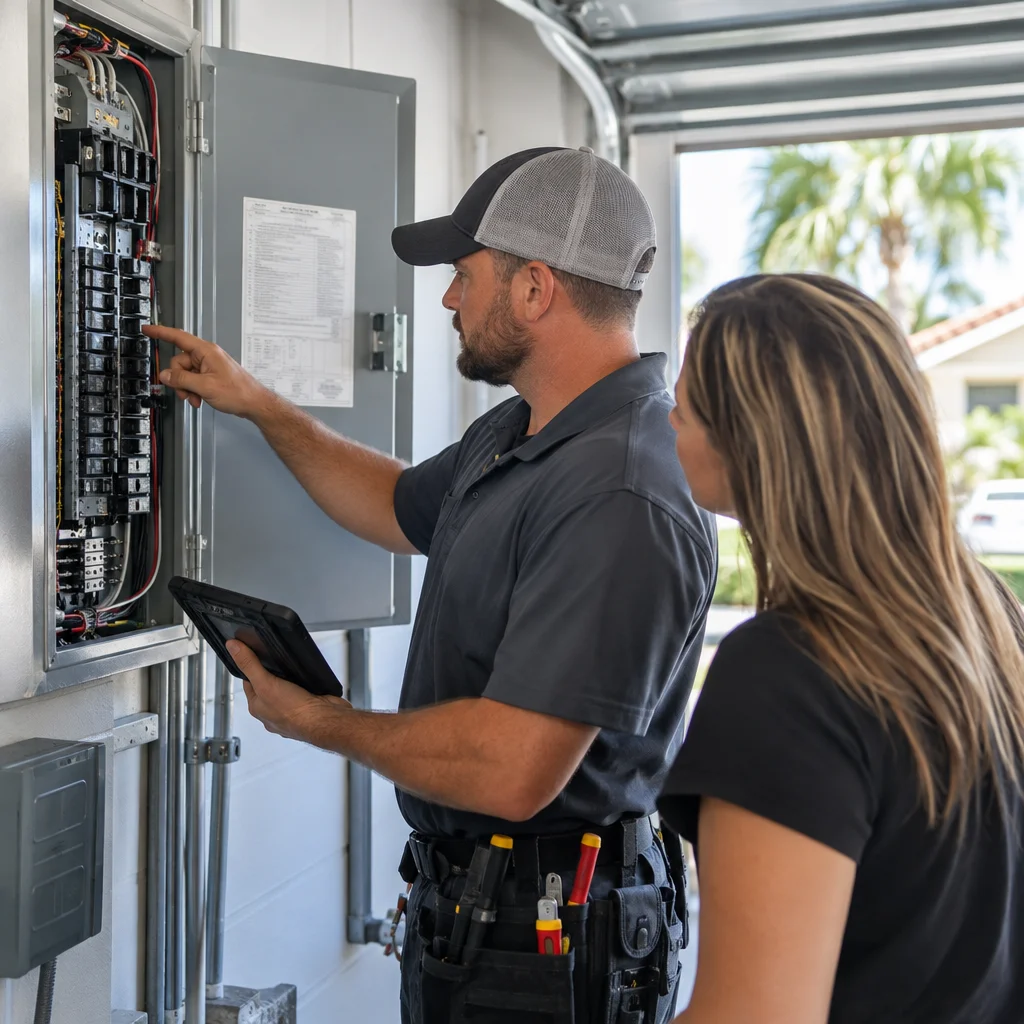
A useful assessment includes circuit labeling, major appliance loads, panel condition, outlet locations, and planned additions. For homeowners searching for a local electrician near me, this broader review is often more valuable than simply replacing several switches. It can reveal which upgrades are necessary and which can wait.
The Panel Sets the Limits, Not the App
Check capacity before adding major loads
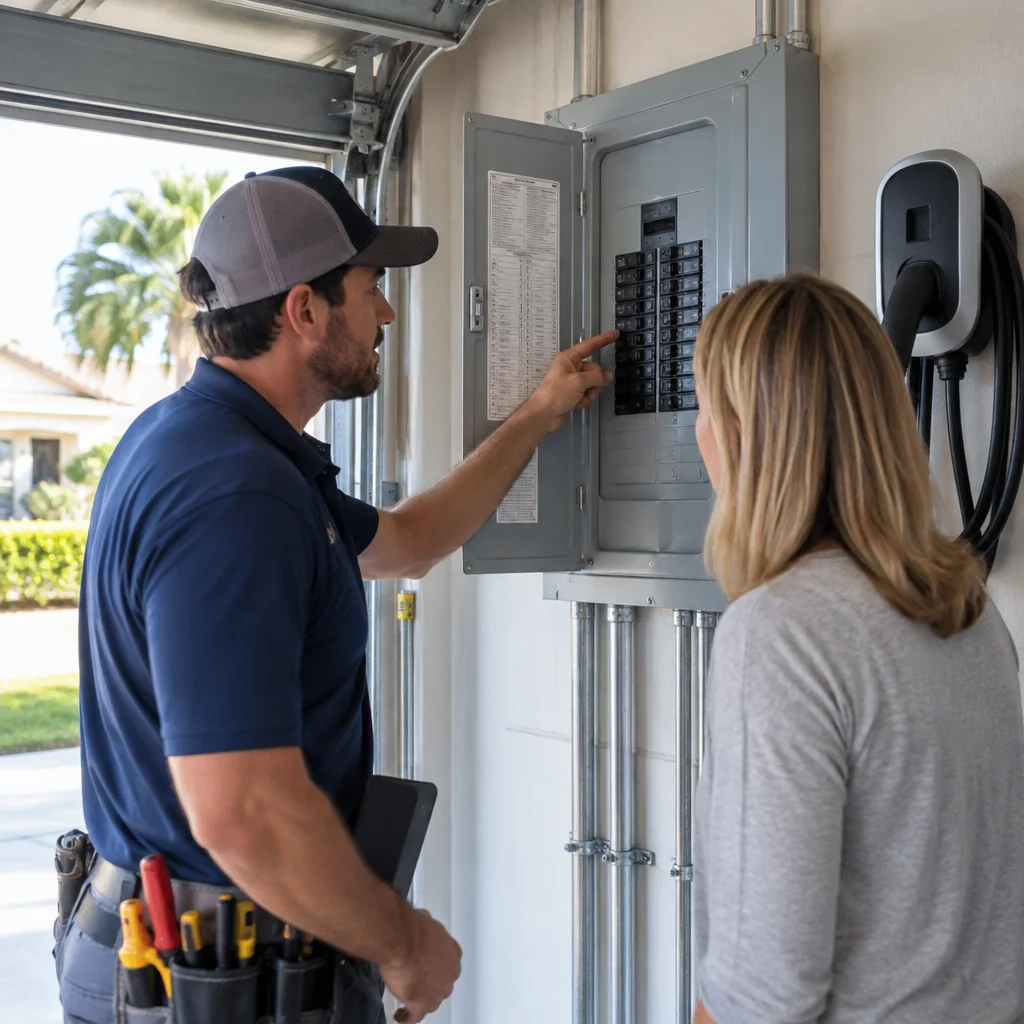
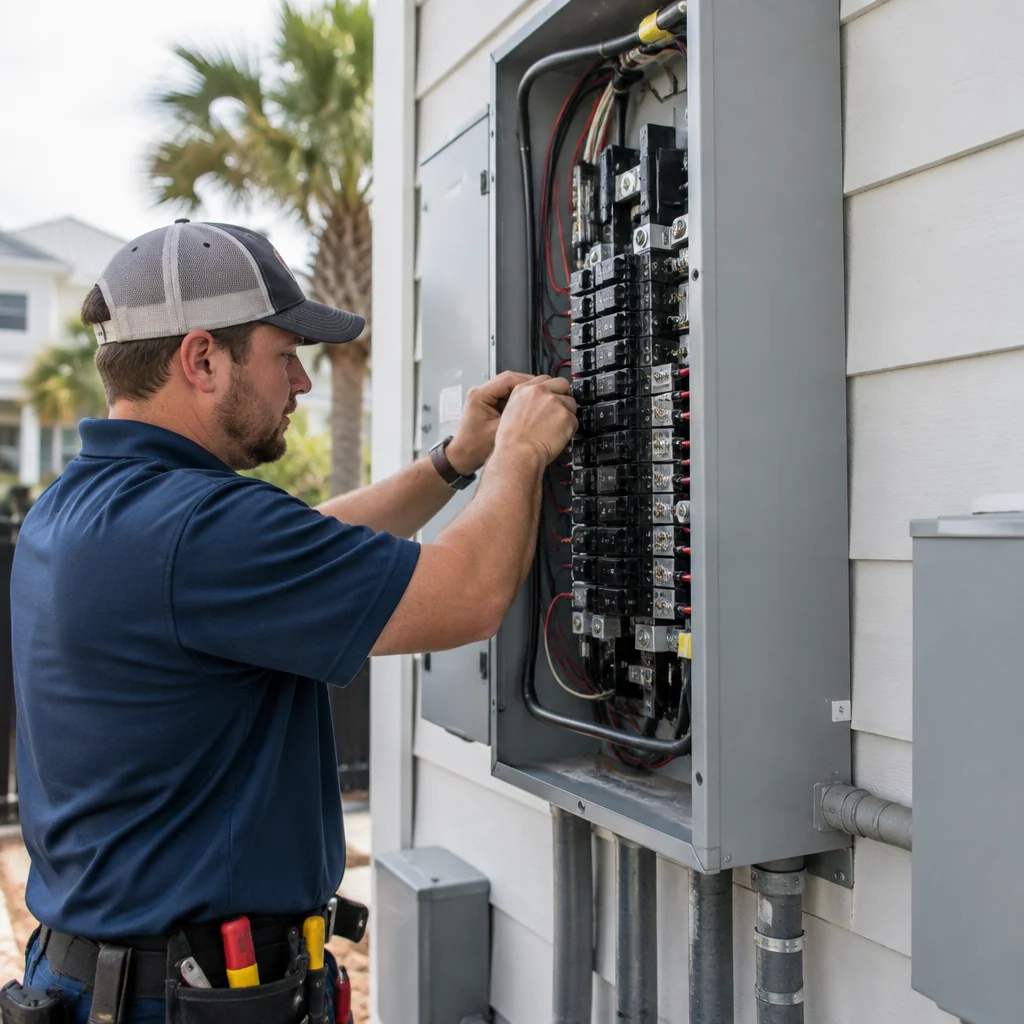
A panel with unused breaker spaces does not automatically have capacity for another large load. An electrician should evaluate the service rating, panel specifications, existing demand, and a load calculation before recommending an EV charger, electric appliance, or other substantial addition.
Smart home integration alone rarely justifies a panel upgrade. However, automation often arrives alongside a kitchen remodel, garage conversion, or home addition. Those projects can change demand enough to require new circuits, load management, or a larger electrical service.
Address breaker problems before automating circuits
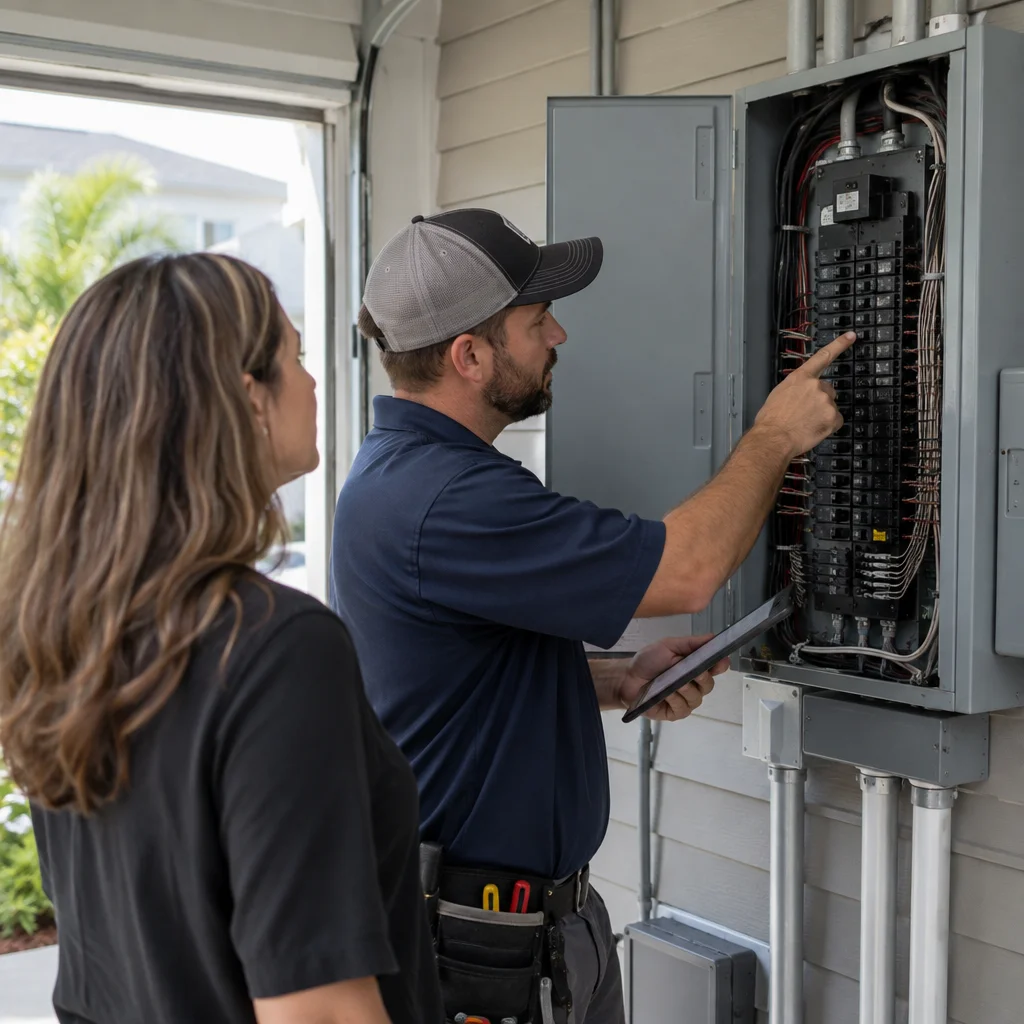
Repeated trips, corrosion, buzzing, heat, or damaged components need investigation. A breaker may be responding correctly to an overload or fault. Replacing it without diagnosing the cause can leave the real hazard unresolved, and installing a larger breaker on undersized wiring is unsafe.
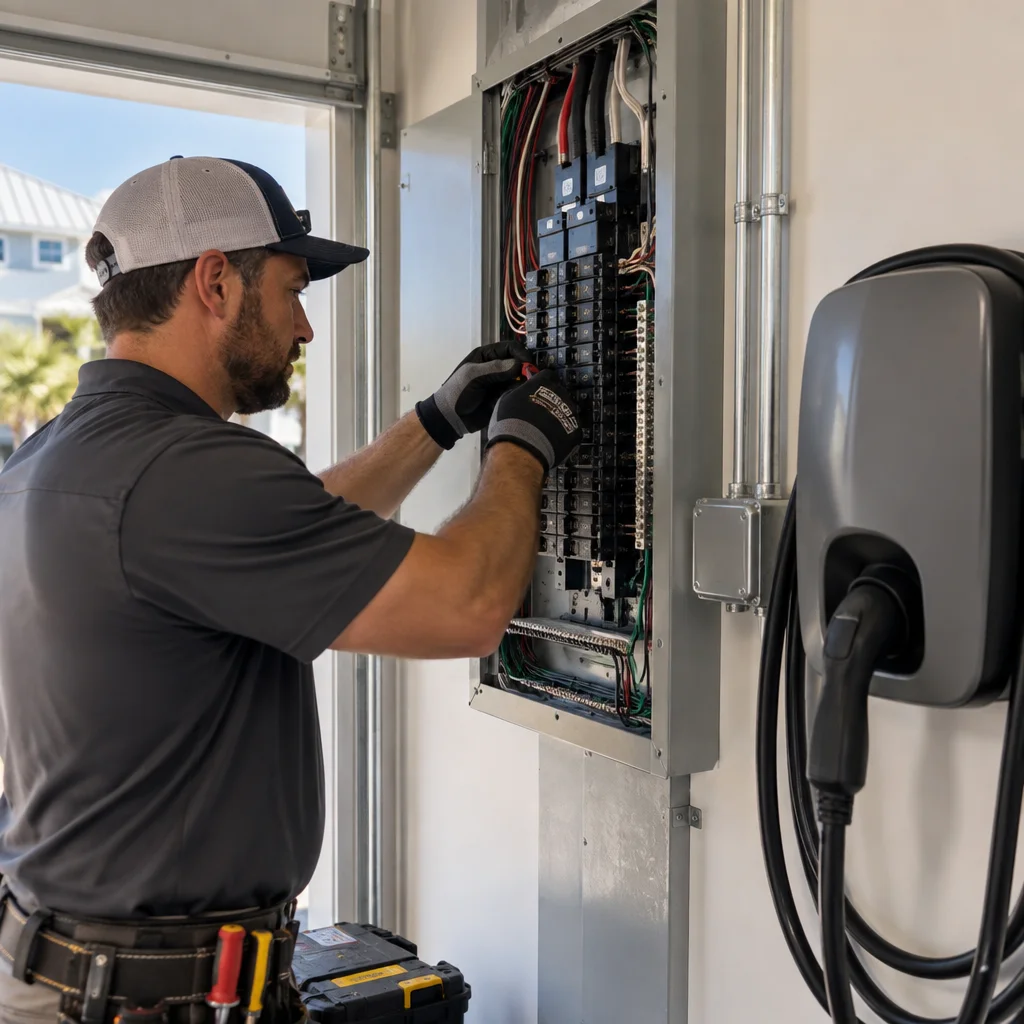
Professional breaker repair generally means diagnosing the circuit and replacing defective components with approved parts, not attempting to rebuild a breaker. Circuit breaker panel and rewiring services can address these issues before connected equipment is installed.
Smart Switches Need Compatible Wiring
A wall box can look suitable from the outside while lacking what a particular smart switch requires. Many models need a neutral conductor, adequate box space, and compatible grounding arrangements. Some older homes have switch loops without a neutral at the switch location.
That does not automatically mean extensive rewiring. Depending on the circuit and device listing, an electrician may recommend a compatible control or new wiring. A grounding conductor must never be used as a substitute neutral.
Three-way lighting circuits, dimmable LEDs, and ceiling fans also require careful device selection. A lighting dimmer is not a general-purpose fan speed control. Flickering, humming, unexpected shutoffs, or unreliable dimming may indicate incompatibility, a connection problem, or a fixture issue. During remodels, opening walls provides an opportunity to correct wiring, improve box placement, and prepare pathways for future controls.
Outlets Should Support the Room, Not Just the Device
Connected living often adds camera power supplies, network equipment, charging stations, and smart speakers. If these additions create permanent clusters of extension cords, the room may need better outlet placement. Loose receptacles, cracked covers, discolored plastic, or plugs that will not stay seated warrant electrical repair before adding smart plugs.
A smart plug does not increase a circuit's capacity. Its rating and manufacturer instructions must match the connected load. High-demand appliances may require dedicated circuits rather than shared receptacles or plug-in automation accessories.
GFCI protection is especially important around moisture, including applicable outdoor, kitchen, bathroom, garage, and pool-area locations. Someone searching for gfci outlet repair near me may have a damaged device, but repeated tripping can also result from moisture intrusion, connected equipment, or wiring faults. Have the cause identified rather than bypassing protection. Outlet and switch service in Blue Mountain Beach can combine safety corrections with convenient control upgrades.
Coastal Conditions Change Outdoor Electrical Planning
Blue Mountain Beach homes face humid air, wind-driven rain, and salt exposure that can accelerate deterioration of exposed electrical components. Covered porches still need equipment suitable for the actual environment. Weather-resistant receptacles, appropriate covers, properly rated enclosures, and sound connections matter more than whether a device offers remote control.
For outdoor lighting installation, choose fixtures and controls rated for their locations. Keep connections protected and accessible, and have damaged wiring or water entry corrected promptly. Smart schedules can improve convenience, but they cannot compensate for corroded terminals or failed seals.
Thoughtful outdoor landscape lighting can coordinate paths, entryways, and gathering areas without unnecessary glare. For project-specific considerations, read electrical planning for Blue Mountain Beach landscape lighting. Include exterior cameras, gates, and pool equipment in the same planning conversation when they share nearby power infrastructure.
Surge Protection Belongs in the Electrical Plan
Storm-related electrical disturbances can affect connected switches, security equipment, entertainment systems, and appliance controls. Switching events inside or outside the home can also produce surges. Panel-mounted surge protection helps limit transient overvoltage, while suitable point-of-use protection can provide another layer for sensitive equipment.
Homeowners searching for surge protector installation near me should ask about proper device selection, installation, grounding and bonding, and protection for incoming communication lines where applicable. A power strip is not necessarily a surge protector, and no surge protection system guarantees survival of a direct lightning strike.
Surge protective devices can lose protective capability over time. Check their status indicators according to manufacturer instructions and arrange replacement when needed. Grounding and bonding defects require their own corrections; adding a surge protector does not fix them. An electrical inspection can help distinguish protection upgrades from underlying wiring repairs.
Plan for Outages Without Unsafe Shortcuts
When storms interrupt power, smart home features may stop working even if their settings remain saved. A small uninterruptible power supply can support selected network equipment temporarily, but it does not guarantee internet service or power an entire house. Decide which functions need backup and how they should behave when electricity returns.
For longer outages, generator installation and maintenance should include load planning, properly installed transfer equipment, and any necessary load management. Never connect a portable generator to a household receptacle. Operate portable generators outdoors, at least 20 feet from doors, windows, and vents, with exhaust directed away from buildings.
Check that smart locks retain a practical backup entry method and that essential lighting has usable local controls. Smoke detector installation should follow applicable placement, power, and interconnection requirements. Phone notifications are useful extras, not replacements for working local alarms or carbon monoxide detection where required.
Leave Room for EV Charging and Future Additions
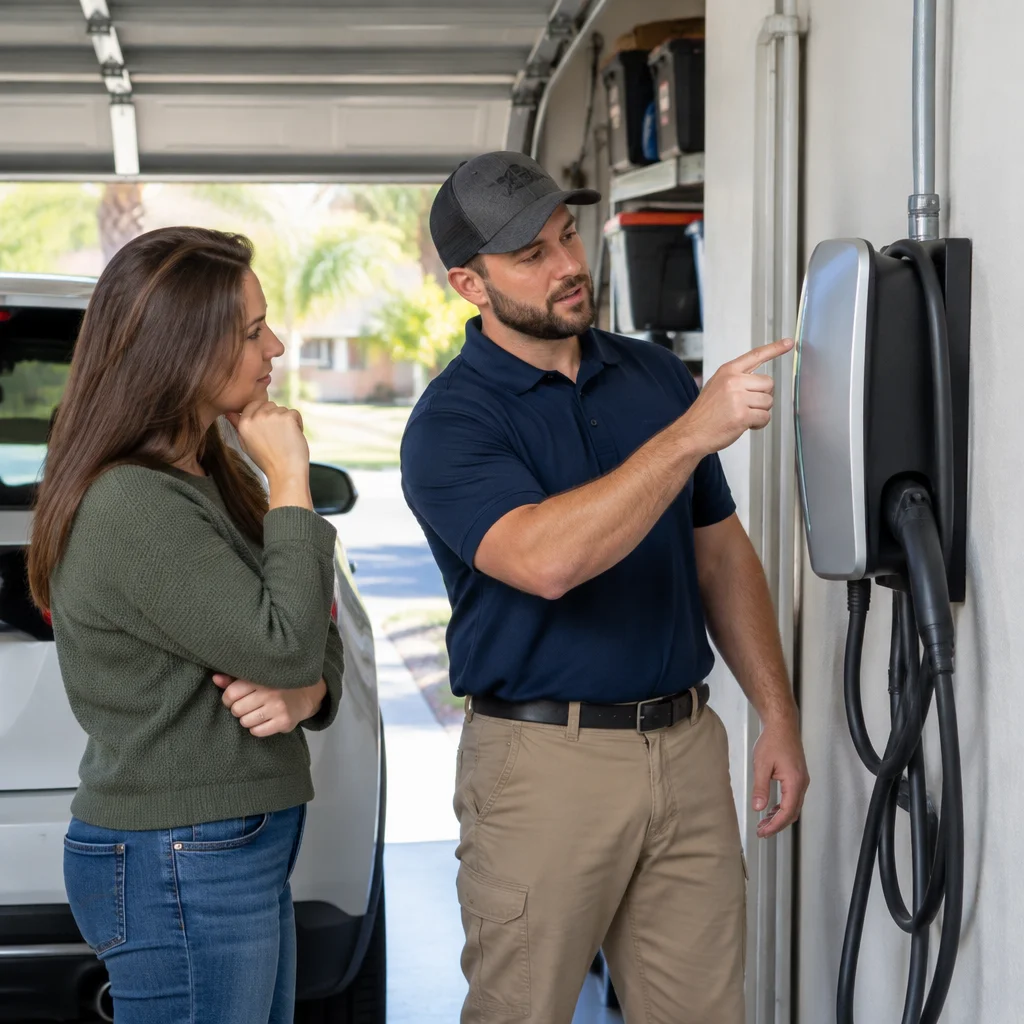
An EV charger can add a substantial sustained load. Its electrical requirements should be evaluated before selecting equipment or assuming an existing garage outlet is suitable. Depending on the installation, planning may involve a dedicated circuit, correctly sized conductors, required protection, permits, and inspection.
Approved energy management equipment may help coordinate charging with other household demand, but it must be compatible and properly configured. It is not a workaround for damaged wiring or an unsuitable panel.
Newer homes can still need these changes, particularly when the original electrical design did not anticipate vehicle charging or expanded outdoor living areas. Older homes may need wiring repair or code corrections first. For either property, planning spare pathways and sensible equipment locations during construction can reduce disruption later.
Keep Automation Simple Enough to Maintain
A reliable system should remain understandable after the installer leaves. Label circuits accurately, keep device information in one place, and document which switches control each load. Confirm that lighting still works from the wall and that essential functions do not depend entirely on a phone or cloud connection.
Check wireless coverage before installing connected devices throughout the house. Masonry, distance, and equipment placement can affect communication. Connectivity problems should be distinguished from electrical faults rather than addressed by repeatedly resetting breakers.
Maintain software updates and secure account access, but give physical equipment equal attention. Follow manufacturer testing instructions for GFCIs and smoke alarms, check accessible exterior covers for damage, and schedule professional evaluations when conditions change. The guide to keeping Blue Mountain Beach homes ahead of electrical trouble offers additional prevention considerations.
Electrical Warning Signs That Should Not Wait
A burning odor, sparking, shock, hot outlet faceplate, or repeated unexplained breaker trip calls for prompt attention. Stop using the affected equipment. If you can safely identify and reach its breaker without approaching heat, smoke, water, or damaged equipment, turn that circuit off. Do not remove panel covers or keep resetting a tripping breaker.
If there is smoke, fire, or immediate danger, leave the home and call 911. Stay away from flooded electrical equipment and downed lines. Water-exposed components may require replacement and professional evaluation before power is restored.
A search for an emergency electrician near me should lead to fault diagnosis, not an automation upgrade that hides the symptoms. Partial power loss, unusual brightening and dimming across several rooms, or damage around the meter may involve service equipment or a utility issue. Contact the utility and an electrician as appropriate without touching the equipment.
Build the Project Around the Home's Condition
Good smart home planning separates immediate repairs from convenience upgrades. Start with an electrical inspection, address unsafe conditions, confirm capacity, and then select compatible controls. For work requiring permits, verify the applicable requirements and arrange inspections through the local authority having jurisdiction.
A Superior Mechanical helps homeowners plan connected features alongside the electrical systems supporting them. Explore electrical service in Blue Mountain Beach or service options across Walton County. Local service matters when planning for coastal exposure, storm recovery, and the different needs of cottages, newer construction, remodels, and additions. To discuss your panel, wiring, and automation priorities, contact A Superior Mechanical with the features you want and any existing electrical concerns.
Find Smart Home Integration in Blue Mountain Beach, FL
If you need Smart Home Integration in Blue Mountain Beach, FL, visit our local service page or contact A Superior Mechanical today.
Map of Blue Mountain Beach, FL
Frequently Asked Questions
Does smart home integration require a panel upgrade?
Not always. Most smart controls draw very little power. A panel upgrade may be necessary if the existing equipment is damaged, unsuitable, or unable to support added loads. An electrician should evaluate panel condition and calculate demand, especially when the project includes EV charging, new appliances, or an addition.
Can smart switches work in an older Blue Mountain Beach home?
Often, yes, but compatibility needs to be checked. Some older switch boxes lack a neutral conductor or sufficient space for a selected device. An electrician can evaluate the wiring, grounding, box size, and connected lights to determine whether a compatible control or wiring update is appropriate.
How can homeowners protect smart home equipment during coastal storms?
Use properly selected surge protection, maintain grounding and bonding, and keep outdoor electrical components protected with equipment rated for their locations. Plan backup power for essential functions and retain manual controls. No surge protector guarantees protection from a direct lightning strike, and flooded or damaged electrical equipment needs professional evaluation before reuse.
Related Articles
- Keeping Blue Mountain Beach Homes Ahead of Electrical Trouble
- Smart Electrical Planning for Outdoor Landscape Lighting in Blue Mountain Beach, FL
- Smart Home Integration in Bluewater Bay Starts With Better Electrical Planning
- Smart Home Integration in Hammock Bay That Helps Protect Electrical Systems Before Problems Start
Photo Gallery