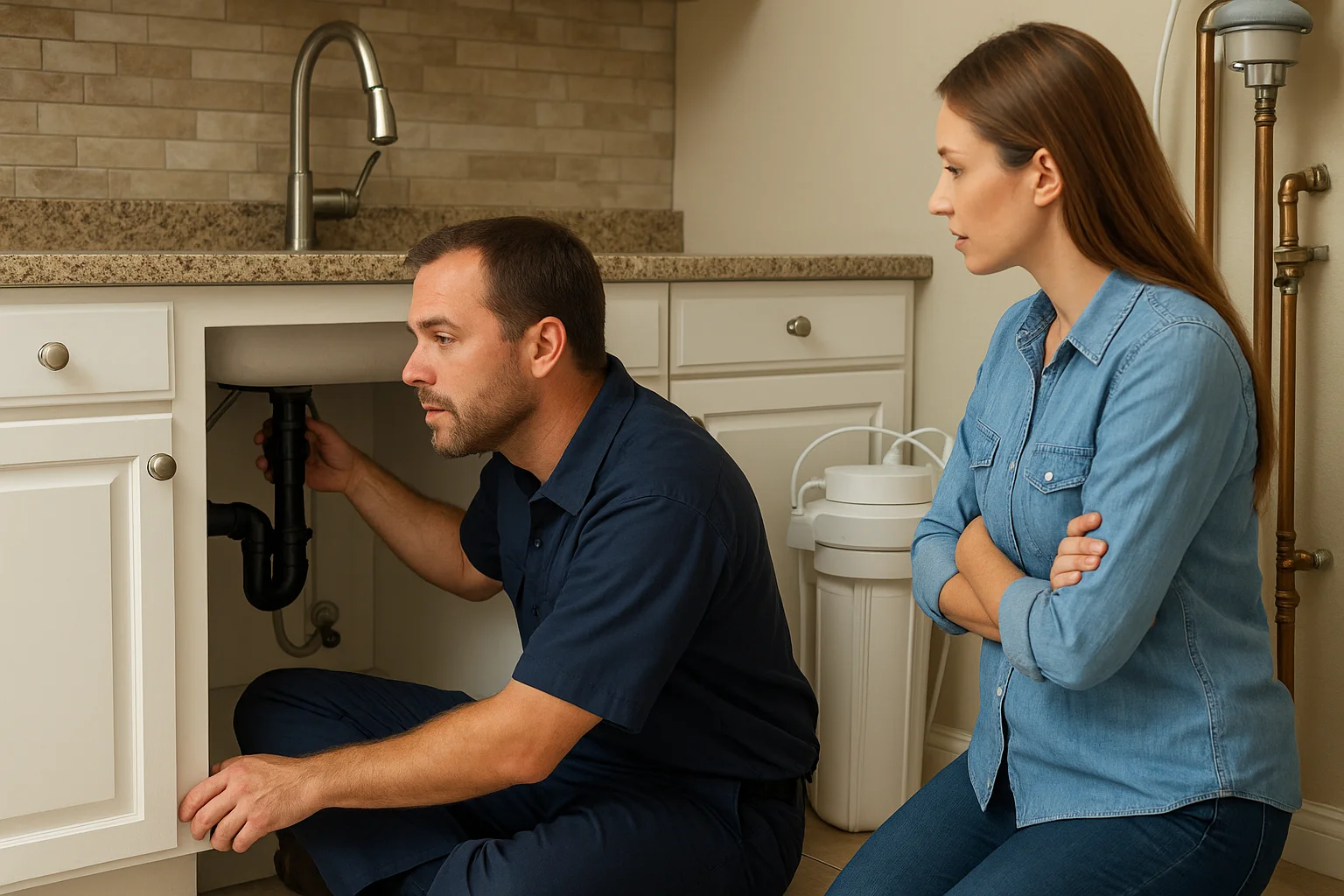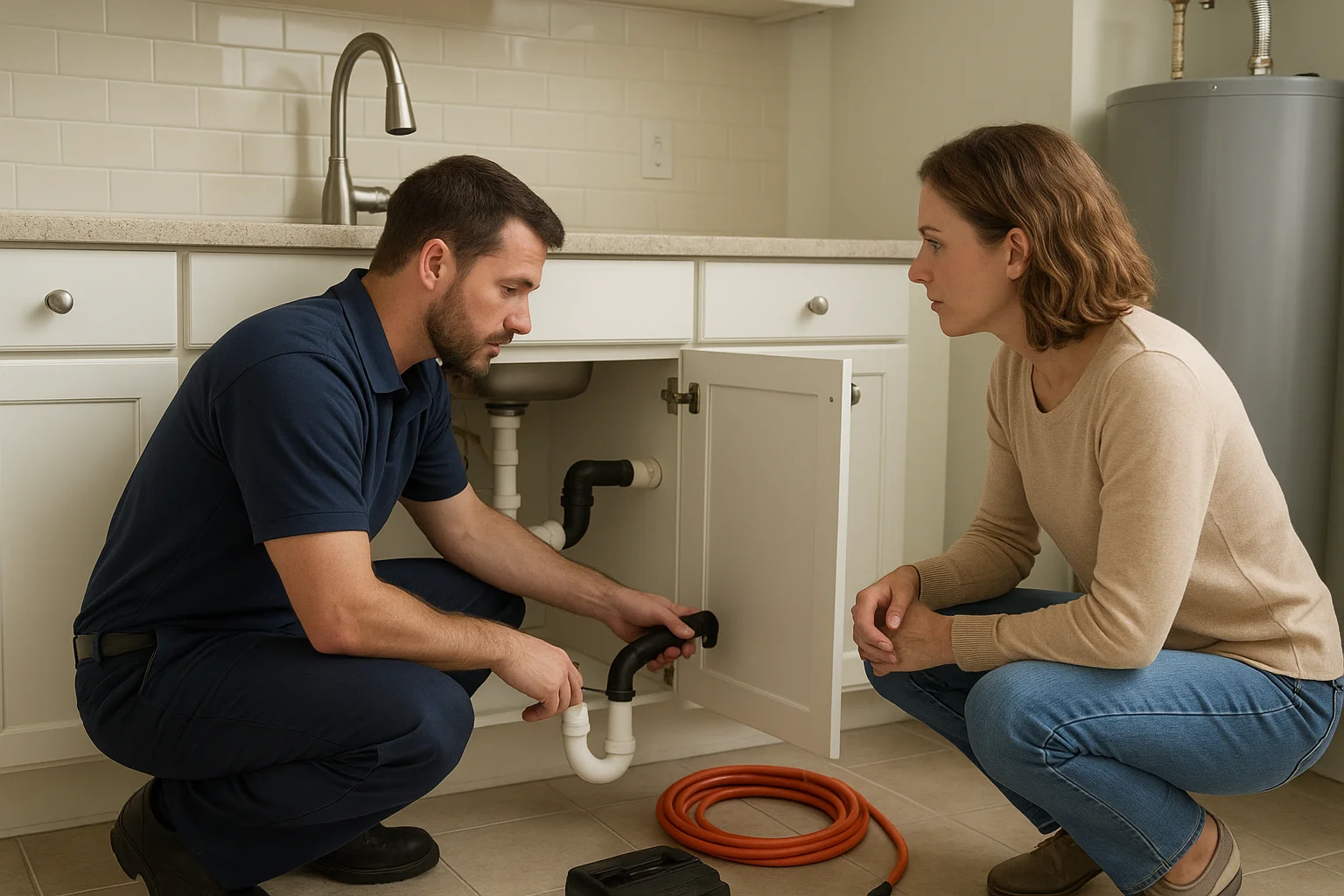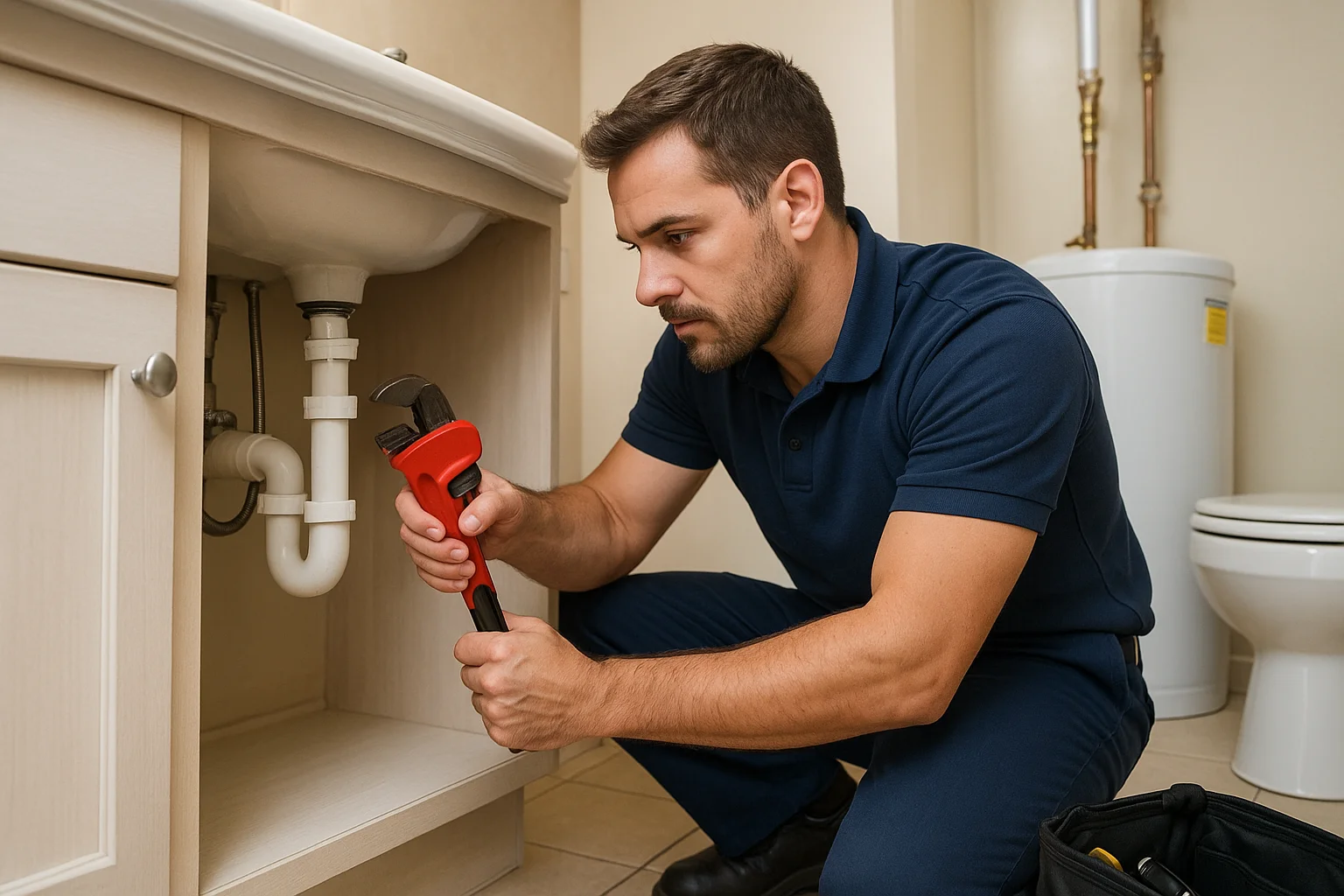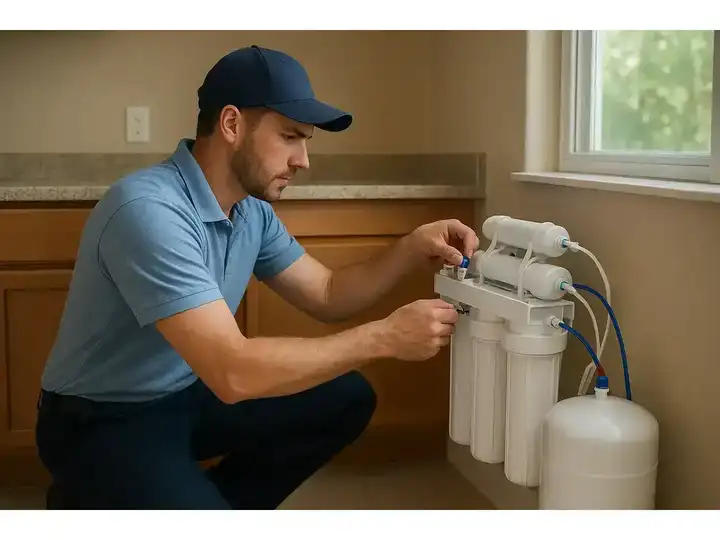
Reverse osmosis systems do a lot of quiet work in 30A homes. They help improve drinking water, reduce unwanted taste and odor, and give homeowners and vacation rental owners a dependable source of filtered water. In a coastal area like 30A, where salt air, humidity, and seasonal use patterns can all affect plumbing equipment, a little planning goes a long way.
Many homeowners do not think about their RO system until the water slows down, the taste changes, or a leak shows up under the sink. By then, a small issue may already be affecting filters, fittings, or the storage tank. If you live in Walton County, it helps to treat your system like any other important part of the home. A routine check now can prevent a more expensive repair later. For local service details, see our reverse osmosis systems service in 30A and our 30A service area page.
Why reverse osmosis systems matter so much in coastal 30A homes
Homes along 30A often face a mix of full time living, seasonal occupancy, and rental turnover. That matters because an RO system that sits unused for long stretches can develop stale water, worn filters, or pressure problems when service resumes. In homes near the beach, humidity can also affect cabinets, tubing, and connections under the sink. Even when the system itself is working, the surrounding plumbing can create issues if it is not checked regularly.
Water quality concerns in coastal Florida can also make homeowners more aware of taste, smell, and buildup. An RO system is designed to improve drinking water, but it needs clean filters, proper pressure, and sound plumbing to work the way it should. When those pieces fall out of sync, the system may still produce water, just not as efficiently or effectively.
Small warning signs that deserve attention
Reverse osmosis systems usually give a few hints before they fail. The trick is noticing them early. If your faucet flow has slowed, the storage tank seems to take longer to refill, or the water tastes less clean than usual, the system may need service. A change in taste is one of the most common signs that the membrane or filters are nearing the end of their useful life.
Another issue is noise. Air in the lines, pressure irregularities, or a valve problem can make the system sound different when it runs. Moisture around the unit is another red flag. Even a slow drip can damage cabinetry over time, especially in humid 30A homes where wood and finishes may already be dealing with moisture exposure.
Homeowners should also pay attention to changes after long trips or seasonal vacancies. If the system has not been used for weeks, it may need flushing or inspection before regular use resumes. That is especially important for vacation rental properties where guests expect clean, reliable drinking water from the moment they arrive.
What usually causes bigger RO problems
Most serious reverse osmosis issues begin with something simple. A clogged prefilter can restrict water flow and strain the rest of the system. A worn membrane can let more dissolved material pass through than it should. Loose fittings can create leaks that go unnoticed until the cabinet floor is damaged. In some cases, low water pressure or a failing shutoff valve is the real cause of the trouble, not the filter itself.
In 30A, hard-to-spot problems often come from the environment around the system. Salt air can accelerate wear on exposed metal parts. Humidity can encourage corrosion or mold growth in tight spaces. In homes that are only occupied part of the year, filters may be left in service too long because no one is there to notice the decline. Those conditions make local plumbing knowledge especially valuable. If the issue is part of a larger plumbing concern, our plumbing repair service in 30A can help address related problems before they spread.
Simple planning habits that keep the system healthier
Good planning starts with a replacement schedule. Filters and membranes do not last forever, and waiting until water quality drops is usually the most expensive way to manage them. A maintenance calendar helps homeowners stay ahead of service needs, especially if the home is used seasonally. Mark the date of the last filter change, membrane replacement, and system inspection so you can spot patterns over time.
It also helps to keep the area around the unit dry and accessible. If the cabinet is packed with cleaning supplies or stored items, small leaks are easier to miss. A clear space makes inspections faster and reduces the chance of accidental damage. Homeowners should also check the faucet and storage tank occasionally for changes in pressure or sound. These are simple habits, but they often catch problems before they become major repairs.
If your home has other plumbing or drainage concerns, do not ignore them. Slow drains, recurring clogs, and water backing up near sinks can add stress to the kitchen area where many RO systems are installed. In those cases, it may help to review our drain cleaning service in 30A and our related article, Protecting 30A Homes From Costly Water Damage Starts With Better Plumbing Repair.
How local climate affects maintenance timing
30A weather changes the way homeowners should think about maintenance. High humidity can make under sink spaces feel damp even when there is no visible leak. Heavy summer rain and storm season can also make plumbing issues harder to spot because homes are closed up more often. If the system is in a vacation rental, turnover schedules may leave little time for a careful inspection between guests.
That is why local service matters. A technician who works in Walton County understands the conditions that affect coastal homes and can look for signs that a system is being stressed by the environment. For broader local support across the area, homeowners can also review our Walton County service page and related article, What 30A Homeowners Often Miss About Reverse Osmosis Systems.
When a repair is enough and when replacement makes more sense
Not every reverse osmosis issue means the whole system needs to be replaced. A clogged filter, loose fitting, or faulty faucet can often be fixed without major work. If the membrane is still within its service life and the rest of the unit is in good shape, a targeted repair may be all that is needed.
Replacement becomes more practical when the system has repeated leaks, frequent pressure problems, or poor water quality even after maintenance. Older systems may also be less efficient than newer units designed for better performance and easier upkeep. For homeowners trying to decide whether to repair or upgrade, a professional inspection can save time and prevent guessing. If budget planning is part of the decision, this related article may help: How Plumbing Financing Can Help 30A Homeowners Stay Ahead of Costly Breakdowns.
What homeowners can do between service visits
Homeowners do not need to be plumbers to keep an RO system in better shape. A quick visual check every month can go a long way. Look for damp spots, mineral buildup, loose tubing, or a faucet that seems slower than normal. Listen for unusual cycling or hissing sounds when the system refills. If the water taste changes suddenly, that is worth noting rather than brushing off.
It is also smart to keep track of how often the home is occupied. Seasonal homes and rentals often need a different maintenance rhythm than year-round residences. A system may need service sooner if it is used heavily during peak season or left idle for long periods in the off season. Keeping a simple log makes it easier to spot trends and plan ahead.
Why professional service is worth it in 30A
Reverse osmosis systems look simple from the outside, but they depend on pressure, flow, filtration, and clean connections working together. A professional can test the system, check for leaks, confirm whether the membrane is performing properly, and make sure the installation still fits the home’s plumbing layout. That matters in 30A, where homes range from newer coastal builds to older properties that may have unique plumbing layouts or limited cabinet space.
A Superior Mechanical provides reverse osmosis system installation, replacement, and maintenance for homes, vacation rentals, and commercial properties across 30A and Walton County. Whether the issue is a slow faucet, a leaking connection, or a system that is overdue for service, local experience helps keep the repair focused and efficient. If your kitchen plumbing has other concerns at the same time, our air conditioning repair and duct cleaning pages may also be useful for homeowners coordinating whole home maintenance, especially during peak season when comfort and water quality both matter.
Planning ahead for cleaner water and fewer surprises
The best way to avoid bigger reverse osmosis problems is to treat small changes as useful information. Slower flow, odd taste, moisture around the unit, or a system that has gone too long without service are all signs that maintenance should move up the list. In a coastal area like 30A, where humidity and seasonal use can shorten the life of plumbing components, that kind of attention protects both water quality and the home itself.
Homeowners who stay ahead of service needs usually spend less over time and enjoy better results from their RO system. A clean, well maintained setup is easier to trust, whether the home is occupied year round or used as a rental. For dependable local help with reverse osmosis systems in 30A, A Superior Mechanical is ready to keep the water flowing the way it should.
Find Reverse Osmosis Systems in 30A, FL
If you need Reverse Osmosis Systems in 30A, FL, visit our local service page or contact A Superior Mechanical today.
Map of 30A, FL
Frequently Asked Questions
How often should reverse osmosis filters be changed in a 30A home?
Most RO systems need prefilters changed every 6 to 12 months, while the membrane may last longer depending on water use and water quality. Seasonal homes may need a different schedule if the system sits unused for part of the year.
What are the most common signs that an RO system needs service?
Slow water flow, changes in taste or odor, unusual noises, and moisture around the unit are common warning signs. If the system has not been used for a while, it may also need flushing or inspection before regular use.
Can humidity and salt air affect reverse osmosis systems in 30A?
Yes. Coastal humidity can affect fittings, cabinet space, and nearby plumbing components, while salt air can contribute to corrosion on exposed parts. That is one reason local maintenance matters in Walton County homes.
Should I repair or replace an older reverse osmosis system?
If the problem is limited to a filter, fitting, or faucet, repair may be enough. If the system has repeated leaks, weak performance, or ongoing water quality issues, replacement can be the better long term choice.
Related Articles
Photo Gallery