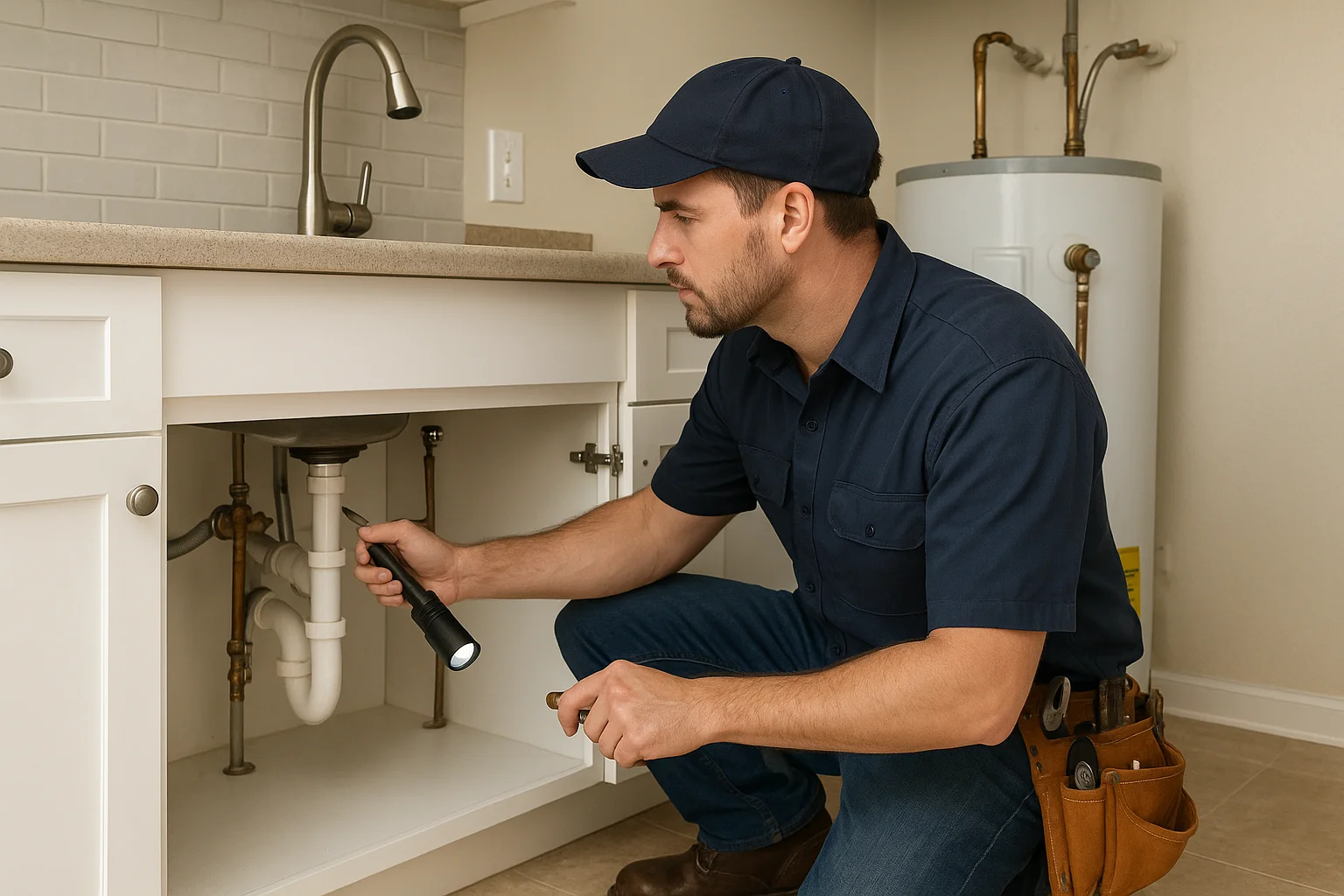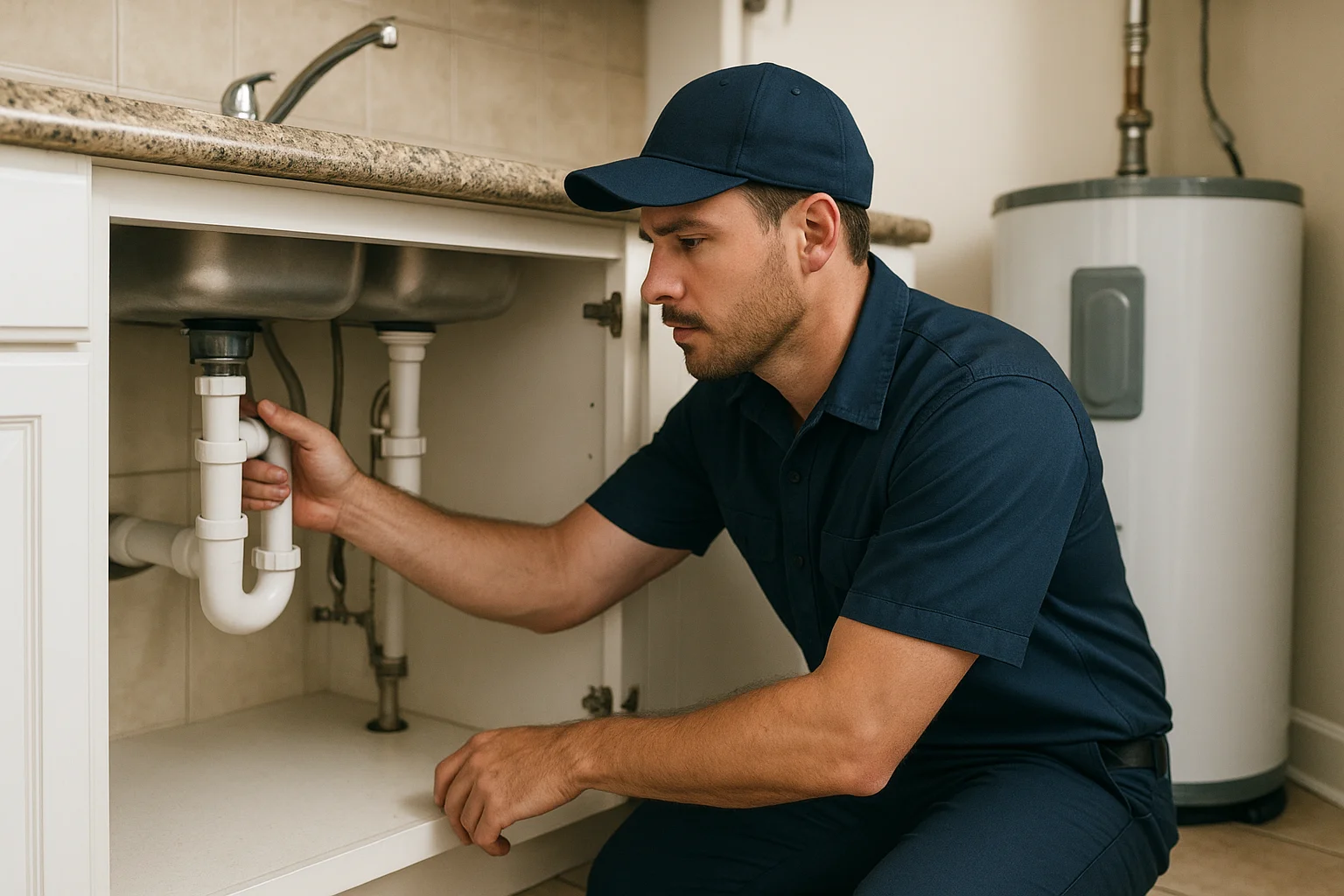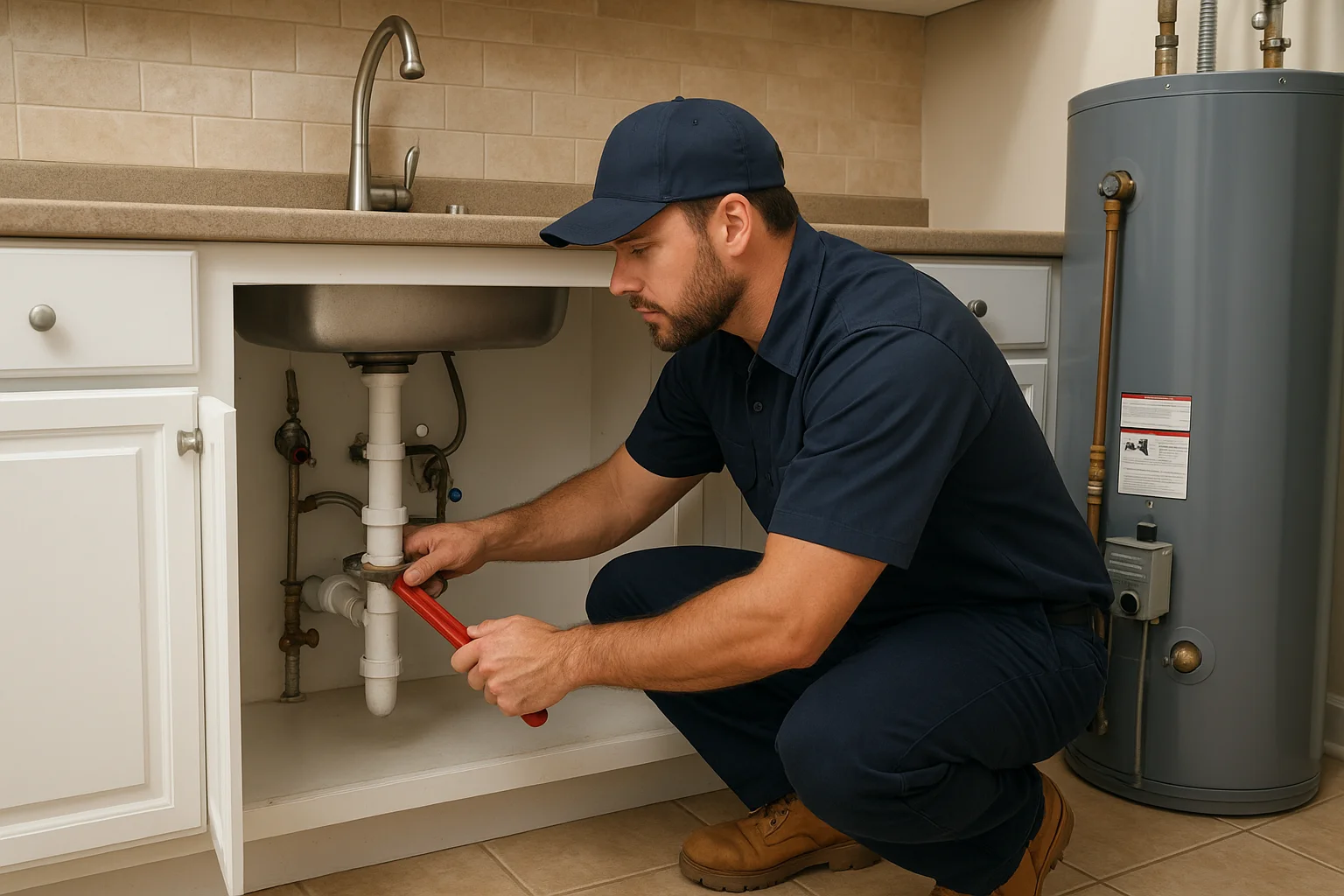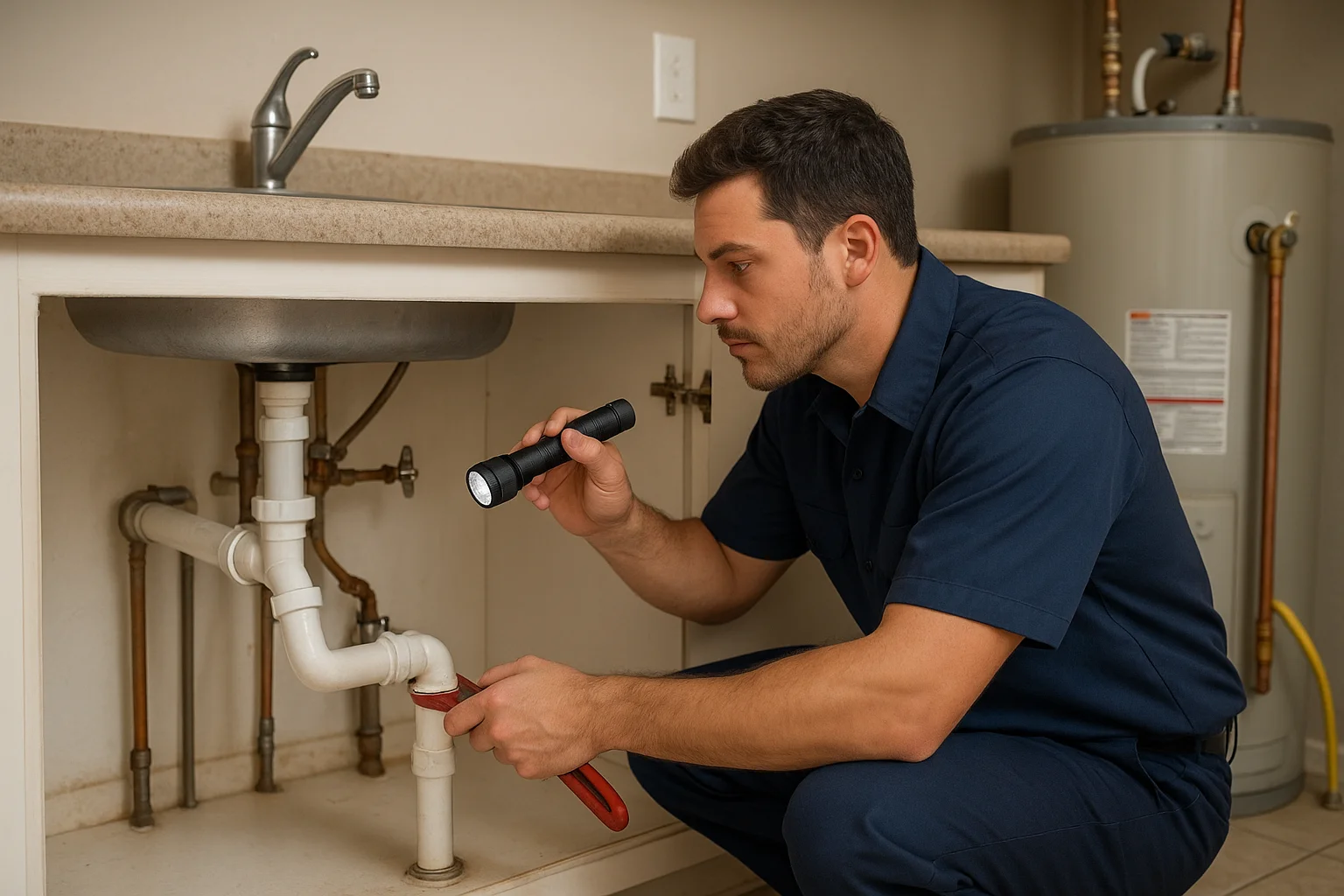
Toilets are built to handle daily use, but they are also one of the most common sources of hidden water damage in bathroom floors, cabinets, and even concrete slabs. In Panama City Beach, where homes face humid coastal air, seasonal storms, and heavy water use from families, rentals, and beach traffic, a small toilet problem can turn into an expensive repair fast.
This guide walks you through practical steps local homeowners can take to prevent toilet repair and replacement issues from leading to leaks, mold, rot, and emergency plumbing concerns. It also covers when DIY checks are reasonable and when it is smarter to call a plumber near you for professional plumbing repair.
Why toilet problems become water damage so quickly in Panama City Beach
Most toilet leaks are not dramatic at first. They start as slow drips at the base, water seeping around the supply line, or a toilet that runs just enough to waste water and quietly saturate flooring over time. In coastal Bay County, Florida, bathrooms often have less ventilation, and humidity can speed up damage to subfloors and wood trim.
Two other local factors make toilet issues more likely to show up as water damage:
- High household and rental turnover: Condos and vacation rentals can see frequent flushes, different occupants, and varied water use habits. A toilet that is fine for one household might fail under heavier usage.
- Water pressure and water quality: Water pressure swings can stress fill valves and flappers. Hard water can also contribute to mineral buildup in tank components, supply lines, and drains, which affects performance and increases the chance of leaks or clogs.
Even if the leak seems small, water can travel along joists, under tile, and into drywall before you notice staining. That is why preventing toilet repair problems is as important as fixing the immediate symptom.
Common toilet issues that homeowners in PCB notice first
If you are searching for toilet repair and replacement because something feels off, these are the early signs that often lead to water damage if ignored.
Water pooling around the toilet base
Water on the floor after a flush, damp caulk lines, or a soft spot in tile or vinyl are common indicators of a failing wax ring, damaged flange, or loose toilet connection. The toilet may look stable, but the seal can still be compromised.
A toilet that runs, whistles, or cycles on and off
Running toilets waste water and can raise your utility costs. More importantly, constant cycling can increase wear on internal parts and create overflow risk. In homes with variable water pressure, this problem can flare up during peak usage.
Slow drains and gurgling noises
Sometimes the toilet is not the only problem. A slow-draining toilet can be related to drain cleaning needs, partial clogs, or sewer line restrictions. Coastal homes with older plumbing may also have buildup in pipes that traps waste and causes repeated backups.
Frequent clogs or incomplete flushes
Toilet clogs can be caused by improper flushing habits, but repeated issues may point to venting problems, drain slope issues, or sewer line help being needed. If you have to plunge repeatedly, it is a sign to investigate the plumbing system, not just the toilet.
Loose rocking, shifting, or wobbling
A rocking toilet suggests the flange or mounting hardware may be failing. That movement can break seals and accelerate leaks. It is also a safety concern for anyone who uses the toilet regularly, including children and guests.
Preventive checks you can do before calling for toilet repair
Homeowners can do a few low-risk checks to catch issues early. These steps can help you describe the problem clearly to a plumber near me and can prevent a small leak from becoming a larger repair.
Do a 1-minute dye test for leaks inside the tank
Remove the tank lid and place a few drops of food coloring or leak dye into the tank water. Wait about 10 to 15 minutes without flushing. If colored water shows up in the bowl, you likely have a worn flapper, a fill valve problem, or an overflow tube issue. Fixing internal parts early can prevent continuous water loss and reduce mineral buildup.
Check the water supply line connections
Look under the tank for moisture at the shutoff valve and the connection to the fill valve. A small drip can add up, especially in bathrooms with tile grout lines and cabinet bases. If you see dampness, you may need a supply connection adjustment or a new supply line.
Inspect the floor seal area after a flush
Use a dry paper towel around the base after flushing. If it picks up moisture, you may have a failing wax ring or flange problem. This is one of those cases where DIY resealing often does not last if the flange is damaged or the toilet rocking is ongoing.
Listen for water running after the tank should be full
A slow refill is normal. But if the toilet continues to run, it can indicate a fill valve issue, a float adjustment problem, or water pressure stress. That is also a common reason homeowners search for plumbing repair near me because the problem tends to return quickly.
When toilet replacement is the smarter prevention move
Toilet repair can be enough when the issue is limited to internal tank parts, a supply connection, or a minor seal. Replacement often prevents recurring leaks when the toilet itself, the flange, or the surrounding setup is the root problem.
Consider replacement when:
- The toilet rocks or the flange is corroded or uneven. This can cause repeated seal failures.
- You have frequent leaks around the base. A new wax ring may not solve it if the flange is damaged.
- The toilet is old and using more water than modern models. In high-usage rentals and busy households, older units can waste significant water.
- Repairs require repeated work on the same components. If you keep replacing parts, it may be time for a full reset.
When A Superior Mechanical handles toilet repair and replacement for Panama City Beach residents, we focus on the parts that determine long-term performance: the flange condition, the correct seal approach, proper bolt seating, and safe, leak-free connections.
Service page: Toilet Repair & Replacement in Panama City Beach, FL
How water pressure and hard water affect toilet performance
Toilets depend on steady operation of the fill valve, flapper, and flush cycle. In Panama City Beach, water pressure can vary with neighborhood demand, and hard water is common in many parts of Florida. Hard water can lead to mineral buildup that interferes with seals and moving parts.
Fill valve wear and overfilling
If the fill valve does not shut off completely, the tank may run longer than expected. Overfilling increases the risk of water slipping into places it should not go, including the bowl and overflow pathways.
Flapper deterioration
Minerals can harden or warp flappers. That can cause slow leaks into the bowl. Even a small continuous leak can lead to higher water bills and moisture buildup.
Mineral buildup around connections
Supply line fittings and the shutoff valve can develop scale that makes connections less reliable over time. That can show up as a slow leak under the tank. If you are dealing with persistent dampness, it is often more effective to replace worn components than to keep tightening connections.
Clogs, drain cleaning, and why toilet issues can point beyond the bathroom
Homeowners often assume the toilet is the problem when the toilet backs up or drains slowly. Sometimes that is true, but sometimes the issue is deeper in the drain system or sewer line. In older Panama City Beach homes, pipes and fittings may have buildup that affects multiple fixtures.
If you are also noticing slow sinks, gurgling drains, or repeated toilet clogs, it may be time for Sewer & Drain Services. A plumber may recommend drain cleaning near me services that include inspection and safe cleaning methods to remove buildup.
Toilets are especially sensitive to partial blockages because they move waste through a specific path. A small obstruction can cause water to rise in the toilet and then fall, leaving the problem to worsen over time.
Emergency plumbing concerns to take seriously
If a toilet backup is overflowing, if you see sewage smell, or if water is spreading quickly across floors, treat it like an emergency. Do not wait for the water to “settle.” Shut off the water supply to the toilet if you can do so safely, and contact a local plumber for immediate help.
Seal failures: wax ring, flange condition, and proper installation
Most base leaks come down to the seal between the toilet and the flange. The wax ring is designed to create a watertight barrier. If the flange is damaged, corroded, or misaligned, the wax ring may not seal correctly. That is when you see water around the base after flushing.
Preventing water damage requires more than swapping the wax ring. A long-lasting repair depends on:
- Assessing the flange: If it is cracked or below the floor level, the seal must be corrected.
- Ensuring the toilet does not rock: Movement breaks seals and creates recurring leaks.
- Using the correct replacement parts: Depending on the condition, the plumber may use a different seal approach than a standard wax ring.
This is also a place where homeowners searching for plumbing repair near me often run into frustration. Quick fixes can fail if the underlying flange issue is not corrected.
Coastal home maintenance habits that reduce toilet problems
Toilet repairs are easier to prevent when you build small habits into your routine. These steps also help with local plumbing maintenance near me goals.
Watch water use and listen to running toilets
If your water bill jumps or you notice a toilet running intermittently, address it quickly. Running toilets can be caused by worn fill valves, flappers, or float problems. Fixing it early prevents unnecessary wear and moisture exposure.
Use the right cleaning products
Strong chemical cleaners can damage seals over time and may worsen mineral-related issues. For routine cleaning, use toilet-safe products and avoid overuse of harsh chemicals.
Be cautious with what goes into the toilet
Even if a toilet “seems fine,” repeated partial clogs can lead to drain cleaning needs. Keep wipes, paper towels, and other non-flushable items out of the toilet. In rentals, clear signage helps guests avoid common mistakes.
Keep an eye on surrounding fixtures
Sometimes the toilet is not the only leak. If you are already noticing water around a vanity, a damp cabinet base, or a sink that drains slowly, plumbing fixture repair & installation may be needed elsewhere in the bathroom. Plumbing problems often overlap.
Related service: Plumbing Fixture Repair & Installation
How to choose the right plumber for toilet repair or replacement
When you are looking for a plumber near me, prioritize experience with toilet repair and replacement, not just general plumbing repair. Toilet work is detail-oriented because small installation errors can create leaks and repeated call-backs.
Ask these practical questions:
- Will you inspect the flange and mounting area? A proper repair looks beyond the tank.
- Do you check for related drain or sewer line issues? Especially if clogs repeat.
- How do you handle water pressure concerns? If a running toilet is pressure-related, the fix should consider the full system.
- Do you recommend preventive maintenance? A good local plumbing service explains what to watch for and why.
If you want more guidance on maintaining plumbing systems in coastal conditions, these reads can help:
- A Smarter Way to Handle Plumbing Maintenance in Panama City Beach
- Keeping Panama City Beach Plumbing Ready for Coastal Living
- Small Plumbing Repairs That Save Panama City Beach Homes from Bigger Trouble
Other plumbing issues that can mimic toilet leak damage
Sometimes water damage around a toilet is not caused by the toilet at all. In older homes, a nearby pipe leak or slab leak repair need can create the same damp floor symptoms. If you notice water spreading beyond the immediate base area or the problem appears in unusual patterns, it is worth having a professional inspect the plumbing.
For example:
- Water pipe repair near me concerns: A leak near the toilet supply line or behind the wall can show up as floor dampness.
- Slab leak symptoms: If water damage appears without an obvious toilet seal issue, slab leaks can be a possibility, especially in homes with concrete floors.
- Sewer line repair near me signs: Repeated backups, slow drains, and foul odors can suggest sewer line problems.
If you are also dealing with hot water issues, it can be useful to look at your water heater setup, since plumbing systems share the same water supply and pressure behavior. For more on that, see Plumbing Clues Around the Water Heater That Panama City Beach Families Should Not Ignore. For hot water heater replacement, you may also be searching for hot water heater replacement near me, but the key point is that system-wide plumbing health matters.
When to call for same day toilet repair in Panama City Beach
To prevent water damage, timing matters. Call quickly when you notice:
- Water on the floor that appears after flushing and does not dry within a day
- A toilet that keeps running or refilling continuously
- Frequent clogs or rising water in the bowl
- Visible gaps, wobbling, or a toilet that feels loose
- Any sewage smell, overflow risk, or water spreading beyond the bathroom
Homeowners often search for same day toilet repair near me when the problem is actively spreading. If you are dealing with emergency plumbing concerns, contacting A Superior Mechanical promptly helps reduce the chance that the damage moves from the floor to the subfloor, cabinets, or nearby walls.
To learn about service coverage across the region, visit Bay County plumbing services.
And if the issue is specifically tied to water supply or nearby piping, you can also review Water Line Repair to understand how plumbers address leaks that may not originate at the toilet itself.
Find Toilet Repair & Replacement in Panama City Beach, FL
If you need Toilet Repair & Replacement in Panama City Beach, FL, visit our local service page or contact A Superior Mechanical today.
Map of Panama City Beach, FL
Frequently Asked Questions
How can I tell if my toilet leak is from the wax ring or from a supply line?
Check for moisture patterns. If water appears around the base after flushing, it often points to a failing wax ring or flange. If you see dampness under the tank near the shutoff valve or supply connection, the supply line or valve may be leaking.
Is a running toilet always a minor repair?
Not always. A running toilet wastes water and can overflow if a float or fill valve fails. It also increases wear on internal parts, which can lead to more leaks. A plumber can diagnose the cause and recommend the right repair or replacement.
When should I replace a toilet instead of repairing it?
Replacement is often the better prevention move if the toilet rocks, the flange is damaged or corroded, or you keep seeing base leaks after repairs. A proper install depends on the flange and mounting condition, not just swapping parts.
Can a toilet problem be caused by the sewer line?
Yes. Repeated clogs, slow draining, and gurgling can indicate partial blockages or sewer line issues. If multiple fixtures drain poorly, it is worth having a professional inspect the drains and sewer line, not only the toilet.
What is the fastest way to prevent water damage while waiting for a plumber?
If the toilet is actively leaking or overflowing, shut off the toilet water supply if you can do so safely, keep the area dry, and avoid repeated flushing. Contact a local plumbing service quickly for toilet repair and replacement to reduce the chance of floor and subfloor damage.
Related Articles
Photo Gallery