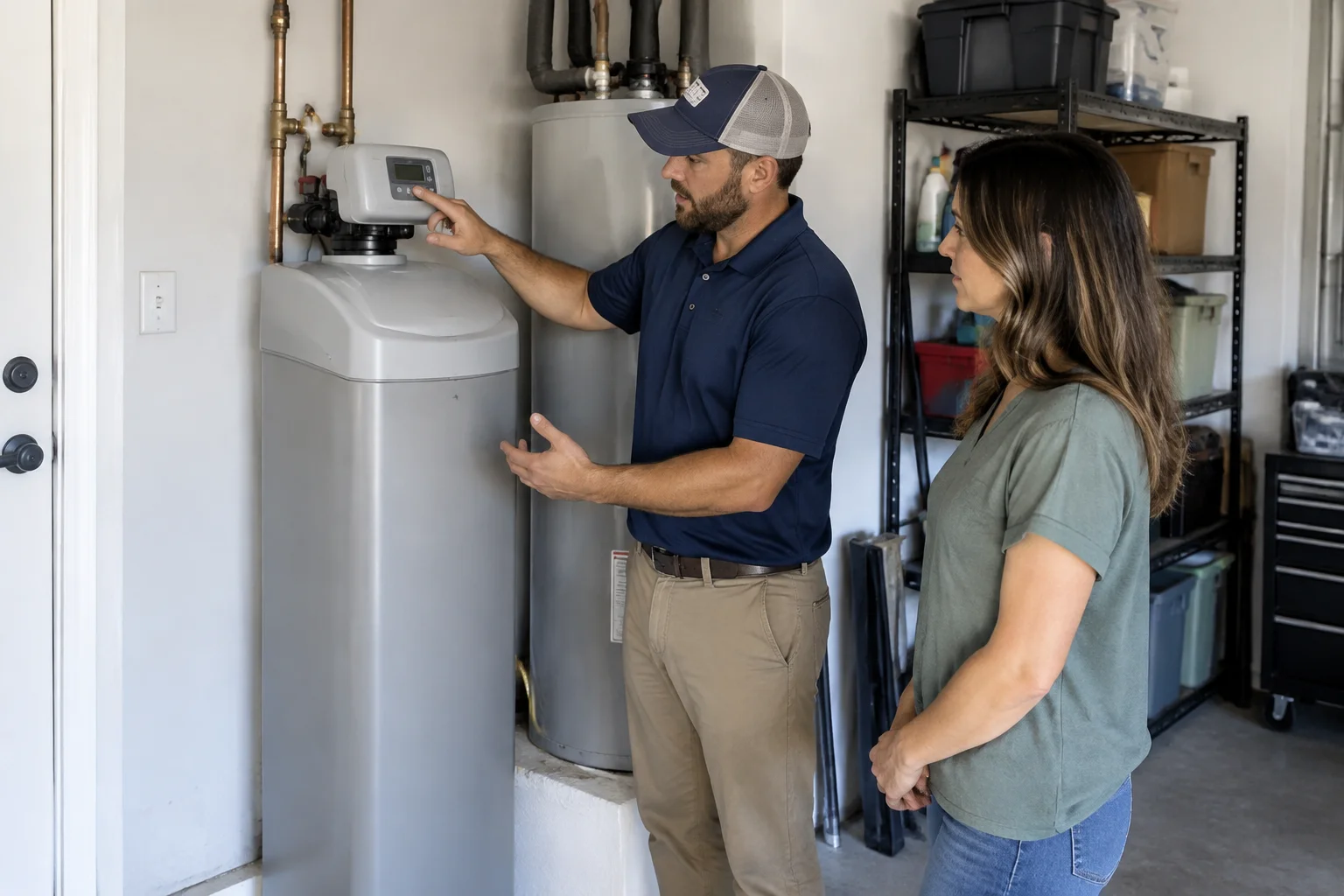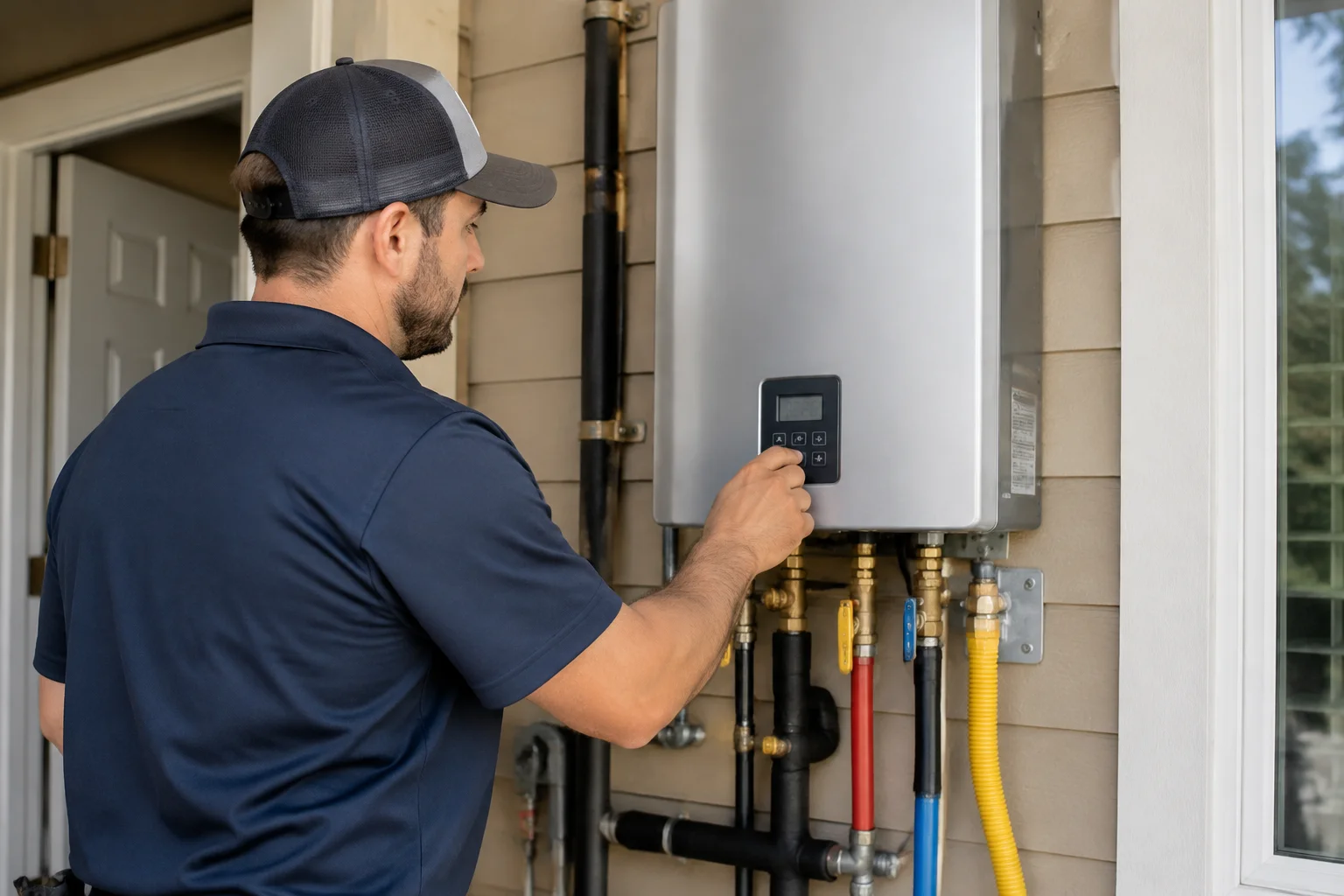
A tankless water heater can deliver steady hot water without storing a full tank, but it still depends on the plumbing around it. Restricted pipes, leaking fixtures, mineral buildup, and pressure problems can affect performance. Replacing the heater without checking those conditions may leave the original problem untouched.
For homeowners in Freeport, FL, good water heater care starts with understanding how the whole system works. A Superior Mechanical provides tankless water heater services in Freeport, including installation, repair, maintenance, and tank-to-tankless upgrades. These practical checks can help you recognize trouble, protect your home, and plan the right repair.
Why Freeport Plumbing Deserves a Whole-System Check
Freeport homes range from newer construction with multiple bathrooms to established properties with older piping and previous plumbing alterations. A heater that serves a small household well may struggle when showers, laundry, and the kitchen all need hot water together. Pipe sizing and fixture flow rates matter just as much as the number on the equipment label.
Walton County's warm, humid climate also affects where plumbing problems show up. Damp utility spaces can make condensation harder to distinguish from a leak. Storm-related outages can interrupt electronically controlled tankless equipment, and occasional freezing weather can threaten exposed water lines despite the generally mild climate.
Local plumbing service matters because installation conditions vary. Equipment location, water source, drainage, and existing pipe materials should guide the work. Explore A Superior Mechanical's Freeport service information when planning maintenance or describing a problem at your property.
Read the Hot Water Symptoms Before Blaming the Heater
One fixture acts up, but the others work
If a bathroom faucet runs lukewarm while the kitchen gets hot, the problem may be a faucet cartridge, mixing valve, or restricted aerator. A shower valve can also allow unwanted mixing between hot and cold water. Faucet repair may solve the issue without replacing any water heater components.
Try another fixture and note whether the symptom changes. Avoid taking apart valves or adjusting internal heater components. A clear description of which fixtures are affected helps a plumber separate a local restriction from a whole-house issue.
Several fixtures lose temperature or flow
Temperature swings throughout the house can point to excessive simultaneous demand, a dirty inlet filter, scale buildup, or a control problem. Tankless heaters also need a minimum flow to activate. A very low-flow fixture or restricted supply may cause the unit to cycle off.
Record any displayed error code before resetting the unit. Repeated resets can hide useful diagnostic information and will not correct an underlying restriction or equipment fault.
Small Leaks Can Become Expensive Plumbing Repairs
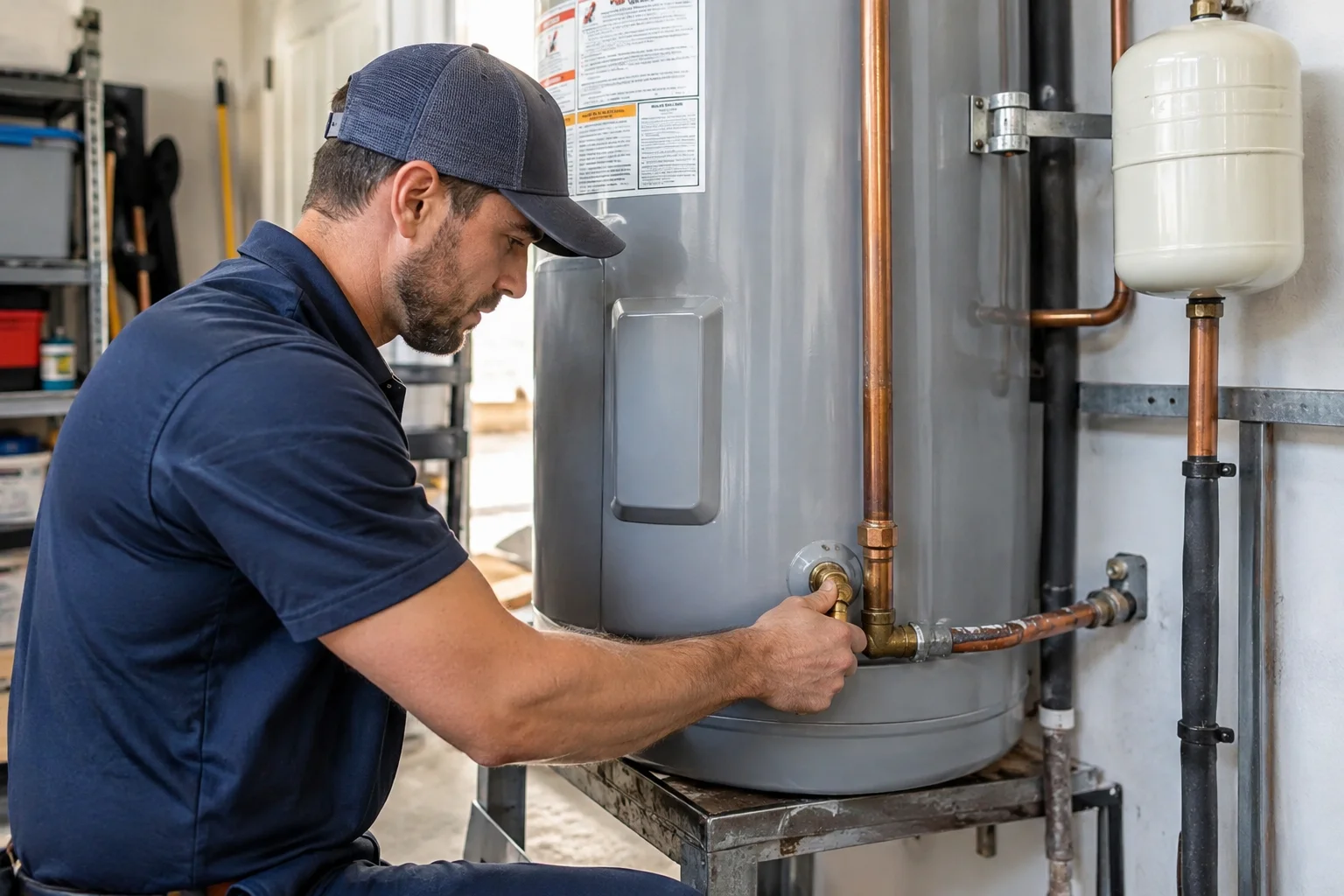
Check visible connections beneath the heater for moisture, crusty deposits, corrosion, or staining. Water can come from supply fittings, service valves, internal components, or condensate piping on a condensing model. Condensation on a cold pipe is possible in humid weather, but persistent dripping should not be dismissed.
A relief valve that releases water needs professional evaluation. Never cap its outlet or block the discharge pipe. The cause may involve pressure, temperature, a faulty valve, or another installation issue. Likewise, water leaking from inside the heater cabinet deserves prompt attention rather than a temporary patch.
For an active leak, stop using the affected equipment and close the appropriate water valve if it is safe and you know which valve to use. Follow the manufacturer's shutdown instructions and keep away from wet electrical components. Contact a plumber before restoring service.
Look beyond the utility area
A warm floor patch, unexplained meter movement, or the sound of running water when fixtures are off may suggest a concealed pipe leak. Slab leaks can waste heated water and cause the heater to operate unexpectedly. These symptoms need testing, not guesswork. Leak detection can help locate the problem before anyone opens a wall or floor.
Water Pressure and Water Flow Are Different Problems
Pressure is the force moving water through the system. Flow is the amount delivered over time. A home can have excessive static pressure yet poor flow at a shower because of a restricted valve, undersized pipe, or mineral deposits. Turning up pressure is not a safe cure for every weak fixture.
A plumber can measure pressure and evaluate the pressure regulator, shutoff valves, filters, and pipe layout. Where static pressure exceeds 80 psi, pressure regulation is generally required by plumbing codes, subject to local requirements. Closed plumbing systems may also need properly designed thermal expansion control, depending on the equipment and installation.
Homeowners searching for a licensed plumber near me should ask whether the diagnostic visit includes pressure and flow checks. Finding a failed regulator or restricted supply first can prevent unnecessary heater replacement and reduce strain on faucets, toilet valves, and pipe connections.
Hard Water Changes the Maintenance Conversation
Minerals in water can collect inside a tankless heat exchanger, restricting flow and reducing heat transfer. Hardness varies with the water source, so do not assume every Freeport property has the same conditions. Testing is more useful than relying on a neighbor's experience or judging hardness only by spots on dishes.
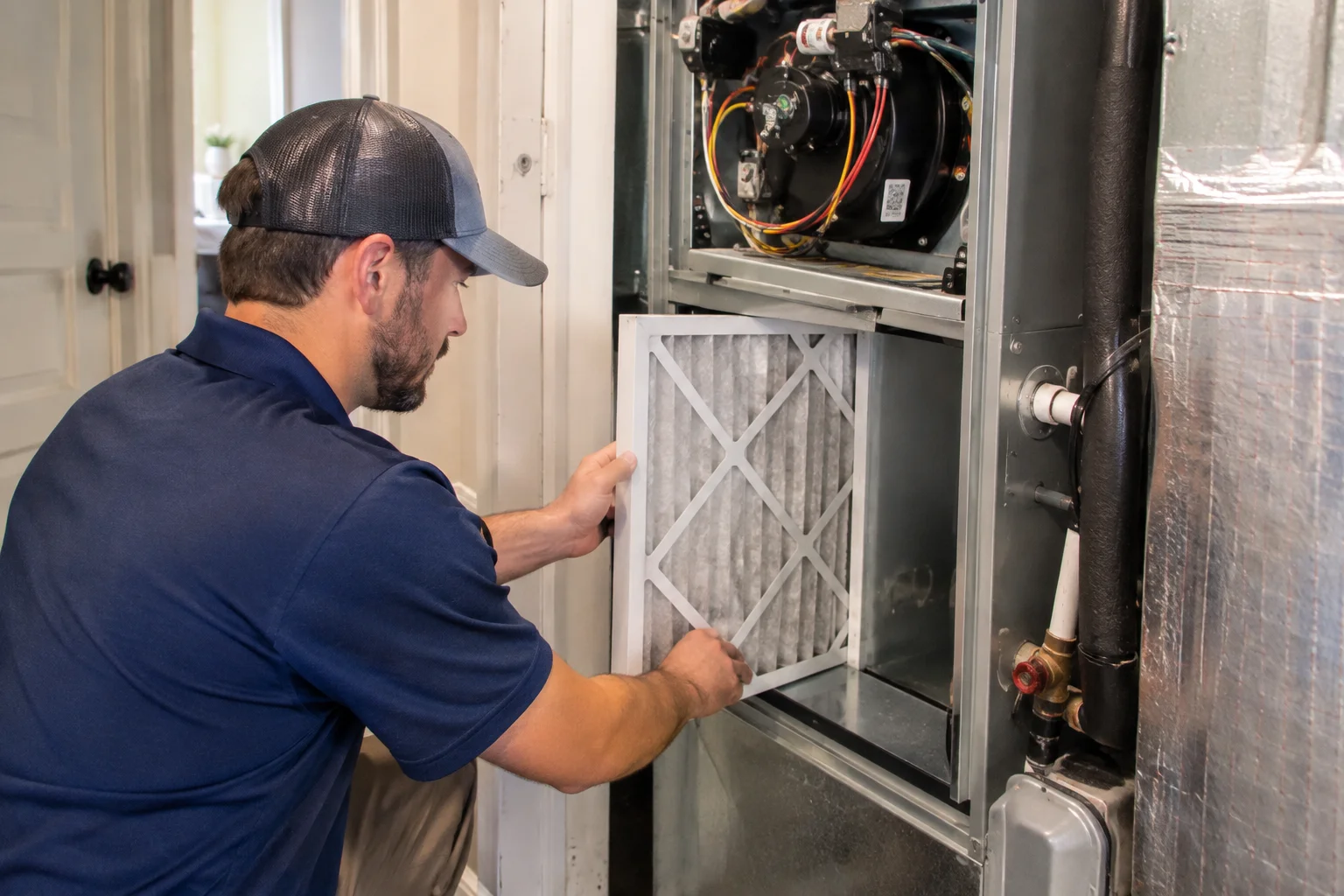
Many manufacturers recommend periodic flushing or descaling, often annually, with more frequent service under certain water-quality or usage conditions. The correct interval and cleaning solution depend on the model. Inlet screens also need inspection according to the manufacturer's instructions.
Professional maintenance should check operation, visible connections, error history, and other model-specific components, not simply circulate a cleaning solution. Ask the technician to document findings so changes can be tracked at future visits.
Choose treatment for the actual water problem
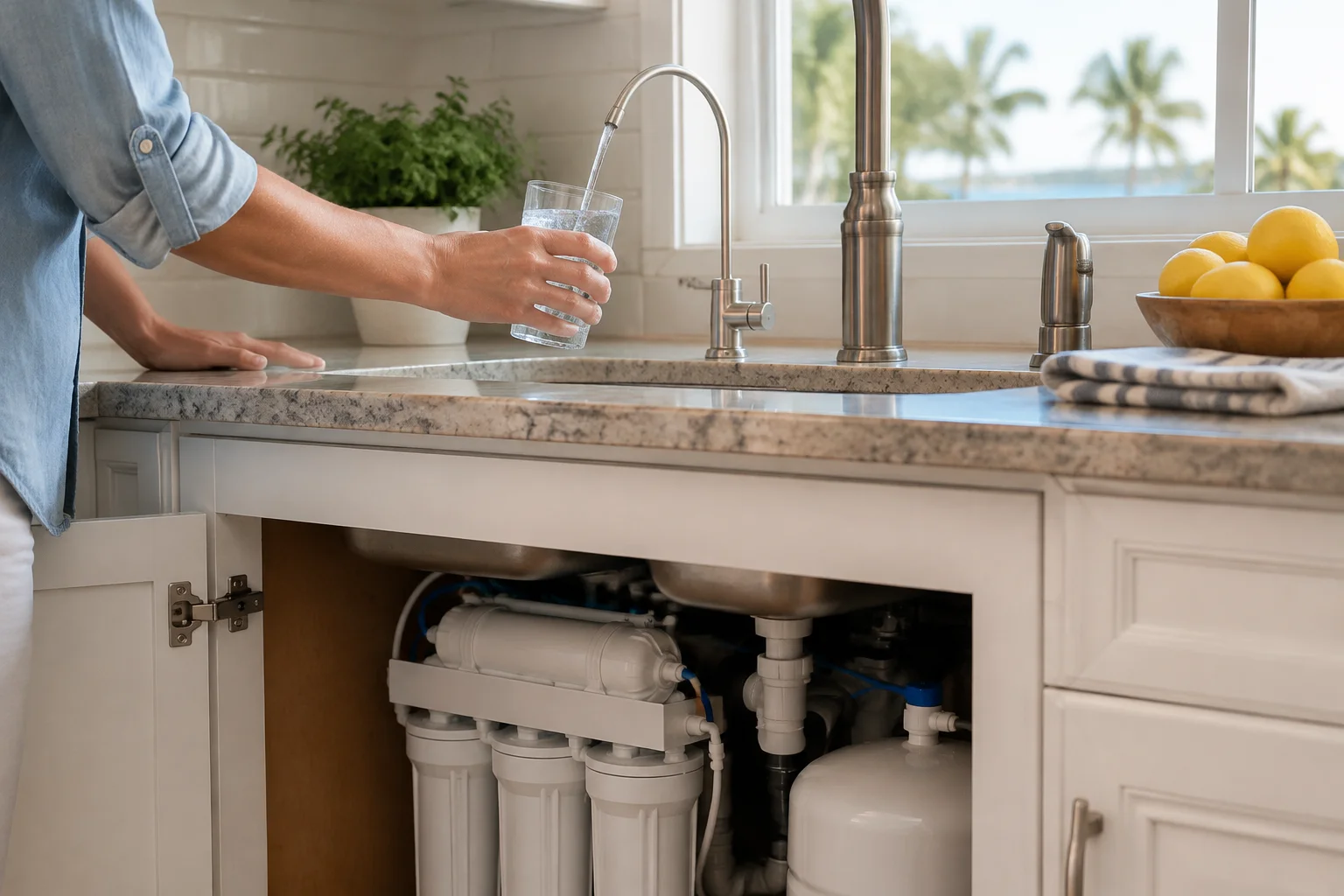
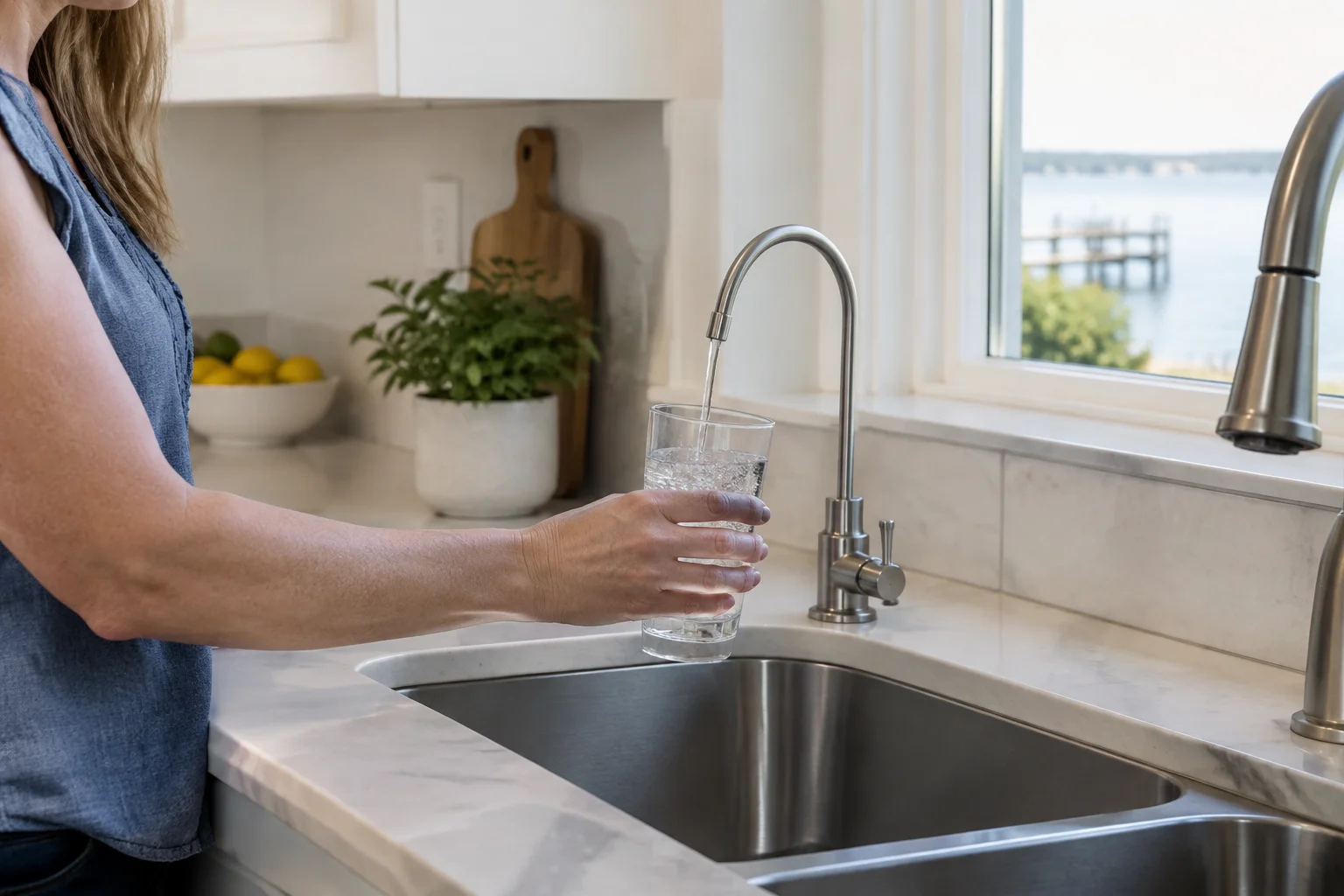
A softener addresses hardness, while other treatment systems target different contaminants or water-quality concerns. A drinking-water reverse osmosis system does not ordinarily protect the whole home's heater from scale. Learn about water purification services in Freeport and read how reverse osmosis fits into Freeport water treatment before choosing equipment.
Drain Problems Need Their Own Diagnosis
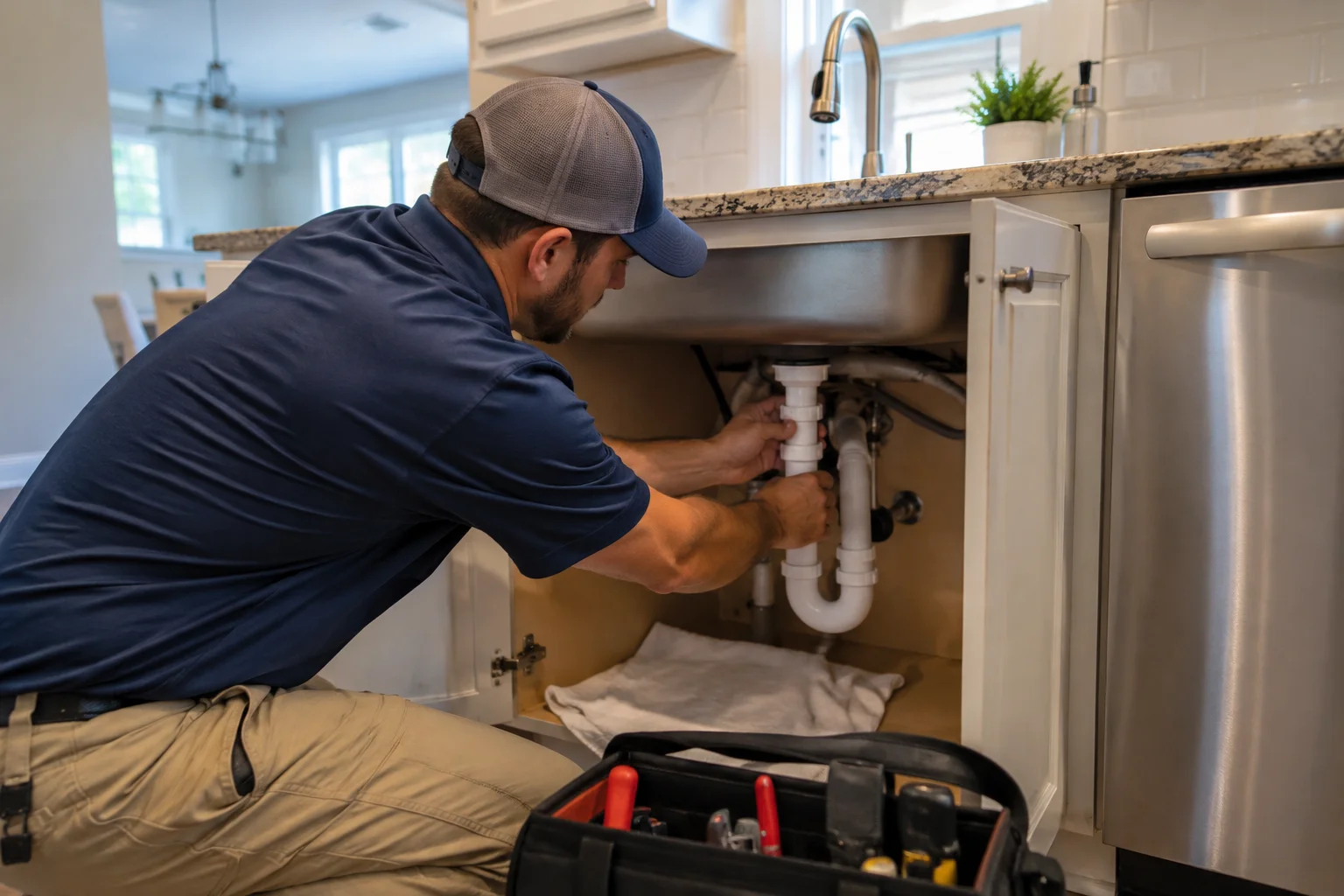
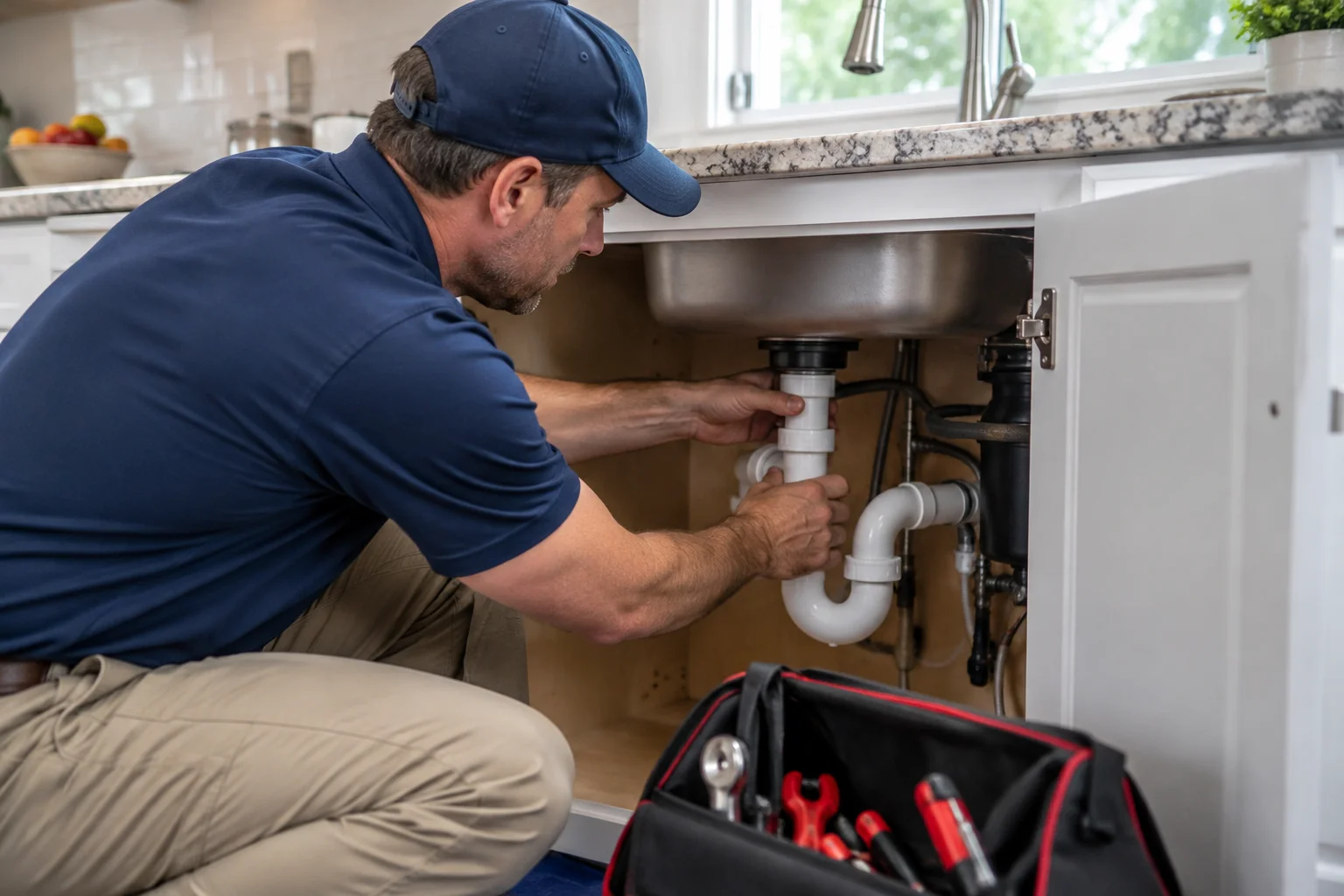
A slow shower drain does not usually explain poor hot water production. Supply plumbing delivers water; drain plumbing carries wastewater away. The problems can happen together, but they require different repairs. Hair and soap buildup often affect bathroom drains, while grease and food residue commonly restrict kitchen sink lines.
Searching for drain cleaning near me makes sense when a sink or shower repeatedly drains slowly despite basic strainer cleaning. Avoid repeated chemical drain cleaner use, especially when a blockage remains. Tell the plumber if chemicals have already been added so the line can be handled safely.
Multiple backed-up fixtures, sewage odors, or water rising in a shower when a toilet flushes may indicate a branch drain or sewer line problem. Stop using water if sewage is backing up. A sewer inspection may help identify roots, damaged piping, or another obstruction after the plumber evaluates the situation.
Do not overlook the condensate drain
Condensing tankless models produce condensate that needs an approved disposal route and, where required, neutralization. A clogged or improperly installed condensate line can trigger faults or leak near the equipment. It is separate from ordinary fixture drainage and should be checked during service.
Plan a Tankless Upgrade Around Real Household Demand
A tankless system is sized by required hot water flow and temperature rise, not just bedroom count. Freeport's relatively warm incoming water can help capacity compared with colder regions, but seasonal temperatures and simultaneous use still matter. Two showers running during laundry can create a very different load from one faucet.
If you are comparing water heater installation near me options, request an assessment of the existing water piping, shutoffs, service access, and equipment location. Gas models also require suitable fuel supply and venting. Electric models require an appropriate electrical capacity assessment by a qualified professional.
Tankless does not automatically mean instant hot water at a distant bathroom. Water already sitting in the pipe must move out first unless a properly designed recirculation arrangement is used. Discuss that expectation before installation, along with any recirculation compatibility requirements.
For a broader look at pipe layout and fixture planning, see plumbing installation considerations for Freeport homes. Homeowners comparing water heater replacement near me can also ask about plumbing financing options, subject to available terms and approval.
A Practical Maintenance Routine Between Service Visits
Once a month, look around the heater and accessible water lines for fresh stains, moisture, or mineral deposits. Keep the equipment area clear so service valves and connections remain accessible. Know where the home's main water shutoff is located, and make sure other adults in the household know too.
Pay attention to small changes: a faucet that takes longer to warm up, a shower that loses flow, or a water bill that rises without increased use. A running toilet can waste substantial water even though it normally uses only the cold supply. Arrange toilet repair or replacement rather than allowing a persistent refill cycle to continue.
Before forecast freezes, follow the heater manufacturer's cold-weather instructions and protect exposed plumbing appropriately. Built-in freeze protection may depend on power and may not protect connected pipes. After severe weather, inspect accessible plumbing safely and have damaged or flooded equipment evaluated before operation.
Get Help Before a Plumbing Problem Spreads
Active flooding, sewage backup, a suspected slab leak, or water near electrical equipment warrants prompt professional help. If you smell gas, leave the area without operating switches and contact the gas utility or emergency services from a safe location. Do not try to troubleshoot the heater yourself.
For less urgent problems, gather the heater's model information, error codes, maintenance history, and a description of affected fixtures. Photos of visible leaks can help explain the concern, but do not delay shutting off water during an active leak just to document it.
A Superior Mechanical offers tankless installation, repair, and maintenance along with plumbing services in Freeport. Whether the issue involves the heater, a leaking pipe, or a fixture restriction, request an assessment that considers the connected plumbing. Homeowners elsewhere in the area can also review Walton County service information to plan their next service visit.
Find Tankless Water Heater Services in Freeport, FL
If you need Tankless Water Heater Services in Freeport, FL, visit our local service page or contact A Superior Mechanical today.
Map of Freeport, FL
Frequently Asked Questions
How often should a tankless water heater be serviced in Freeport?
Follow the manufacturer's maintenance schedule. Many tankless heaters benefit from annual inspection and flushing, but harder water or heavy use may require more frequent service. Water testing and the heater's condition help determine the right interval.
Why does my tankless water heater turn cold during a shower?
Possible causes include demand exceeding the heater's capacity, flow dropping below its activation threshold, mineral buildup, an inlet restriction, or a faulty shower mixing valve. Note whether other fixtures are affected and record any error code so a plumber can narrow down the cause.
Does a leaking tankless water heater always need replacement?
No. A leak at a fitting, service valve, or condensate connection may be repairable. An internal heat exchanger leak can require a more extensive repair or replacement assessment. Shut down the equipment safely according to its instructions and have a professional identify the source before using it again.
Related Articles
Photo Gallery