A chilly Valparaiso morning can reveal heating problems that stayed hidden through months of cooling. The living room warms up, but a back bedroom stays cold. The heat pump runs longer than expected. Or the thermostat reaches its setting while the house still feels damp and uncomfortable.
Good heating planning looks beyond whether warm air comes out of a vent. It considers equipment condition, airflow, ductwork, humidity, and how your household uses each room. A Superior Mechanical offers heating services in Valparaiso, FL to help homeowners address repairs, maintenance, replacement, and smart controls as parts of one comfort system.
Coastal Florida Heating Has Its Own Demands
Valparaiso has a long cooling season, humid weather, and winter cold fronts that can change indoor comfort quickly. Heating equipment may sit unused for stretches, then need to perform during a sudden temperature drop. Scheduling service before the first sustained cold spell helps avoid competing with seasonal repair demand.
Coastal exposure also matters. Salt air can contribute to corrosion on outdoor units, coil surfaces, and connections. Exposure varies with location, wind, and shelter, so equipment condition deserves an actual inspection rather than assumptions based only on age. Storm debris and vegetation can restrict airflow around the outdoor coil.
Local HVAC service should account for these conditions. Homeowners comparing HVAC services in Valparaiso should look for a contractor who considers both winter heating and the long cooling season. On a heat pump, the same equipment often handles both jobs.
Know What Heats Your Home Before Choosing a Repair
Heat pumps need attention indoors and outdoors
A heat pump moves heat rather than generating all of it directly. In heating mode, it draws heat from outdoor air and releases it indoors. Air at the vents may feel less hot than furnace air without indicating a malfunction. What matters is whether the system maintains the set temperature with appropriate operation.
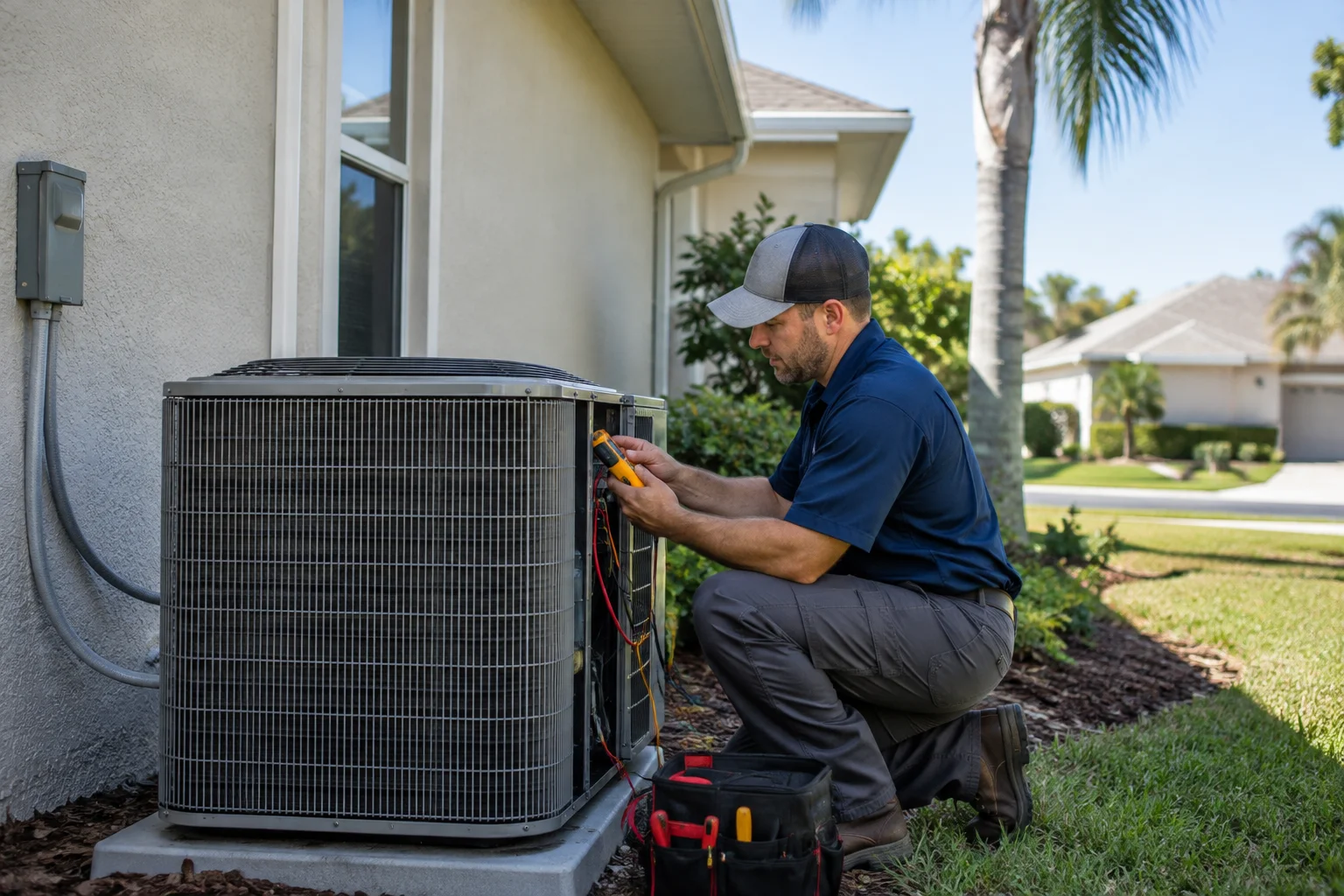
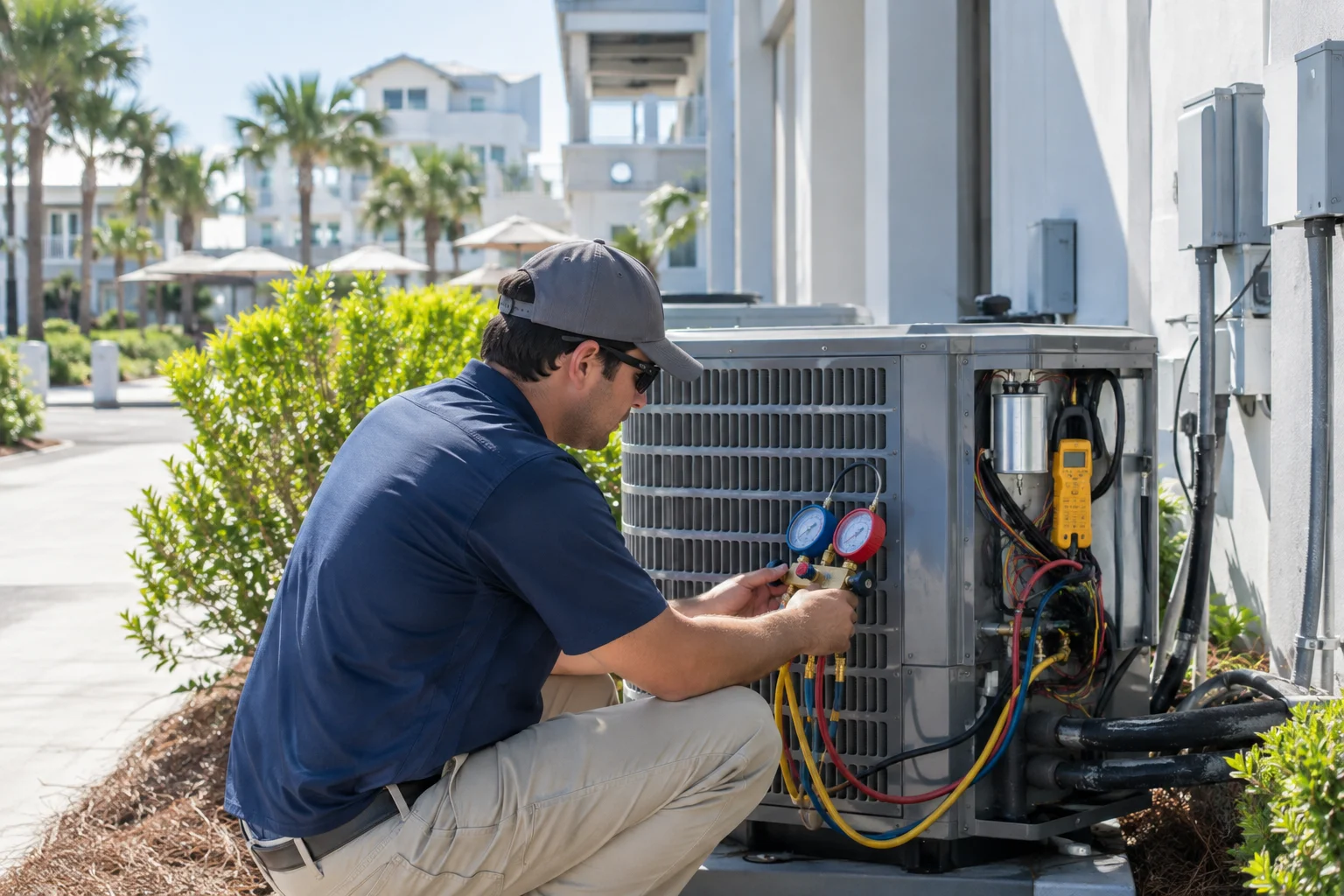
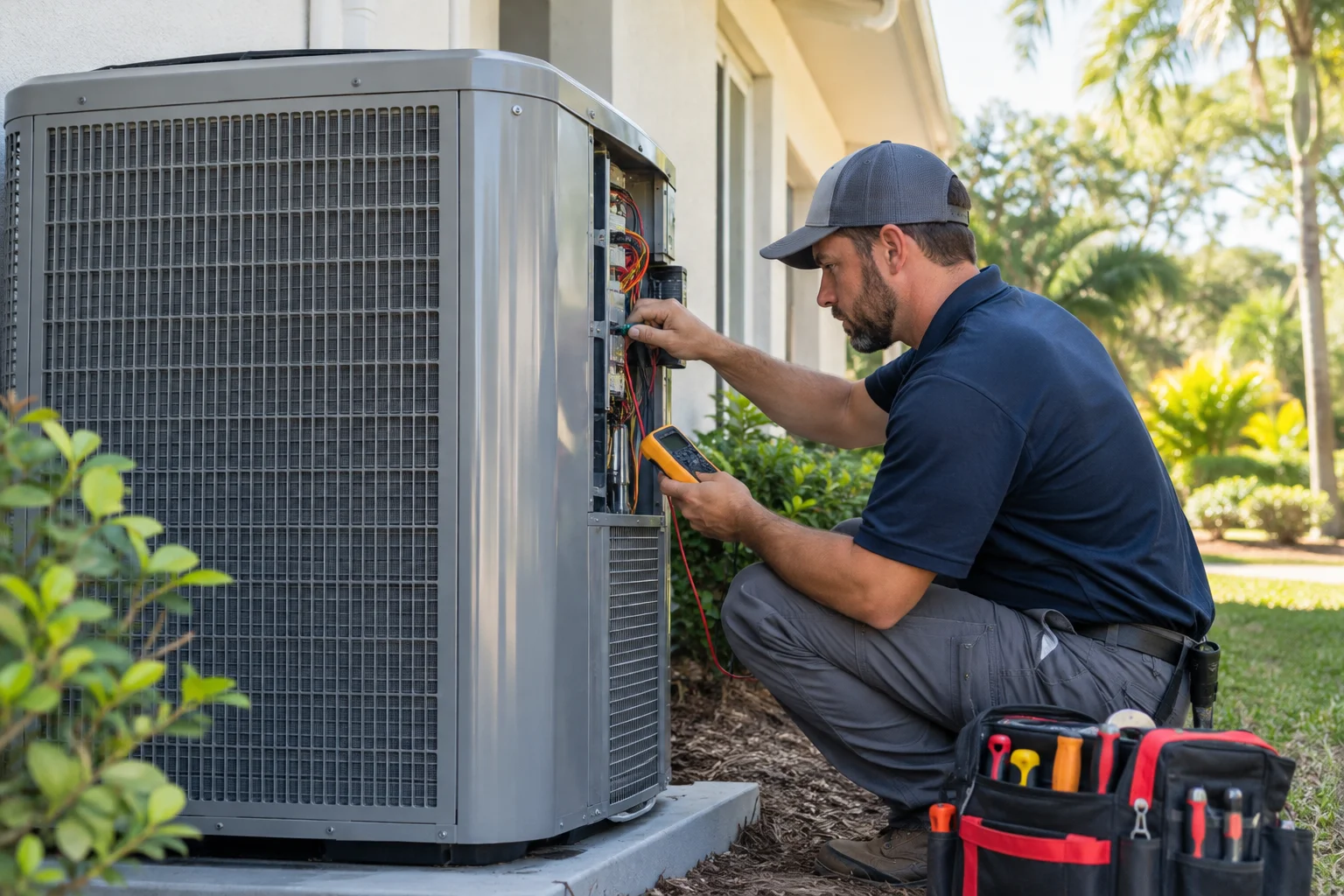
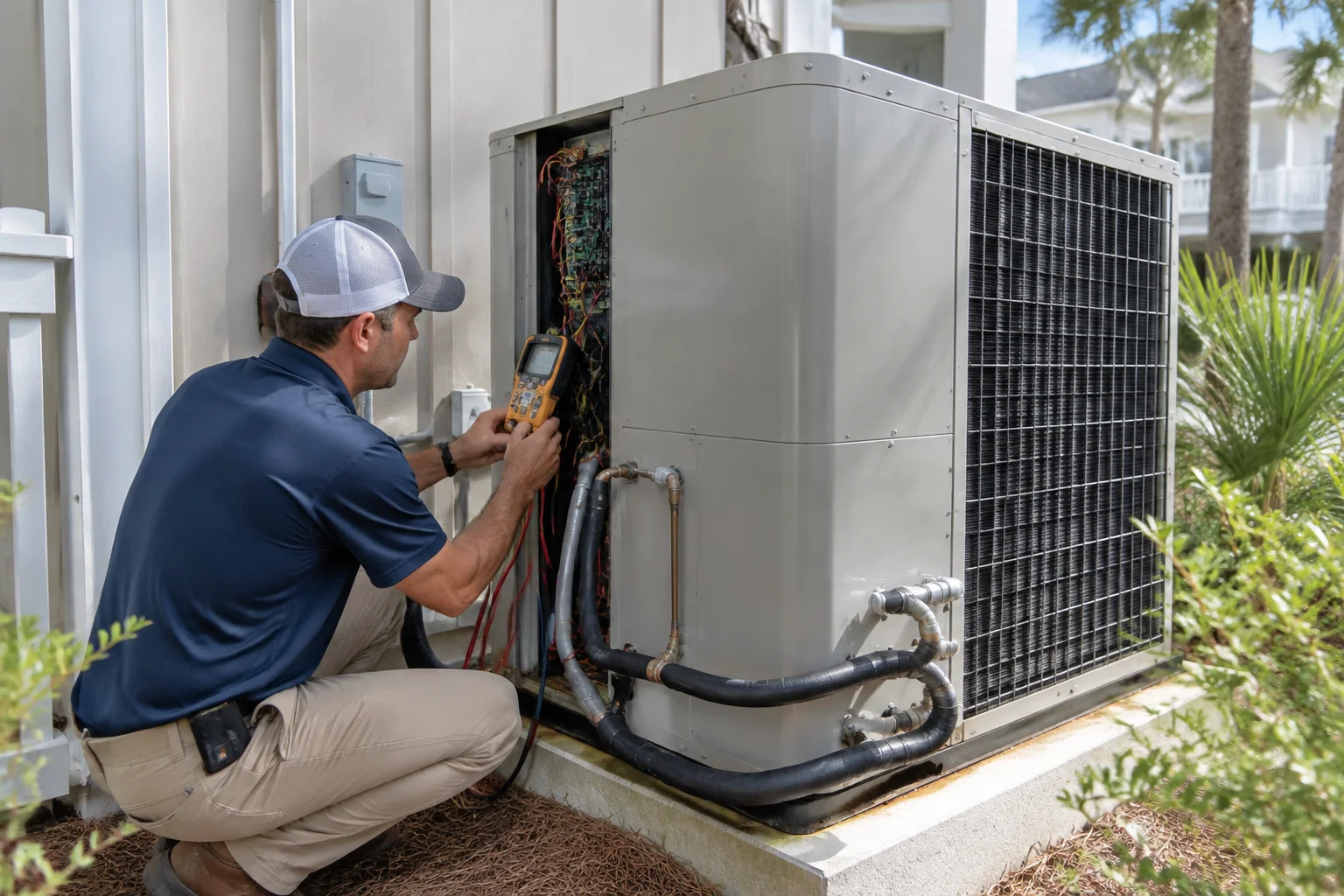
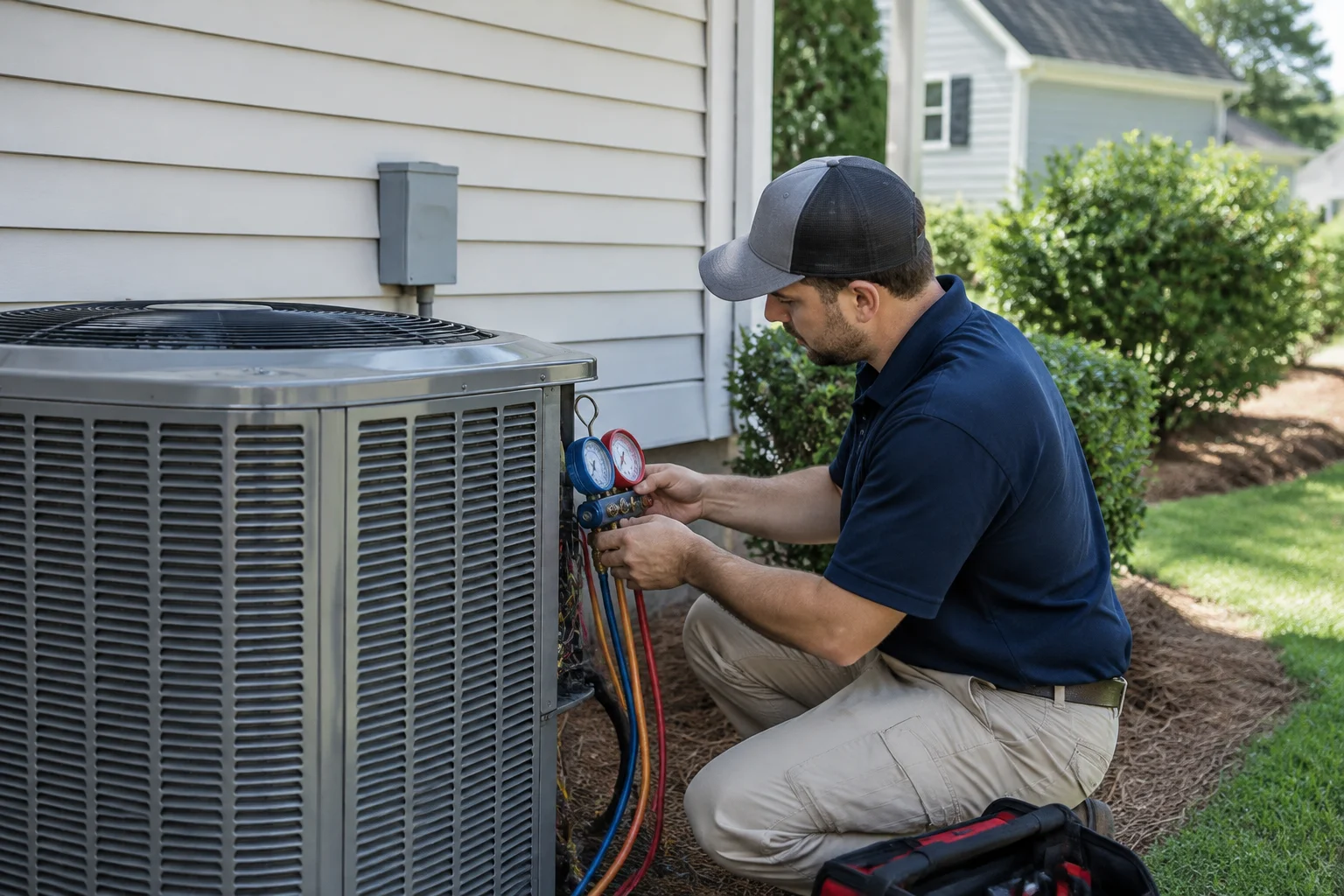
The outdoor unit and indoor air handler work together. Heat pump repair may involve airflow, controls, refrigerant leaks, defrost operation, or backup electric heat. A refrigerant problem can affect both heating and cooling, and adding refrigerant without finding the leak leaves the underlying issue unresolved.
Furnaces and mini splits require different checks
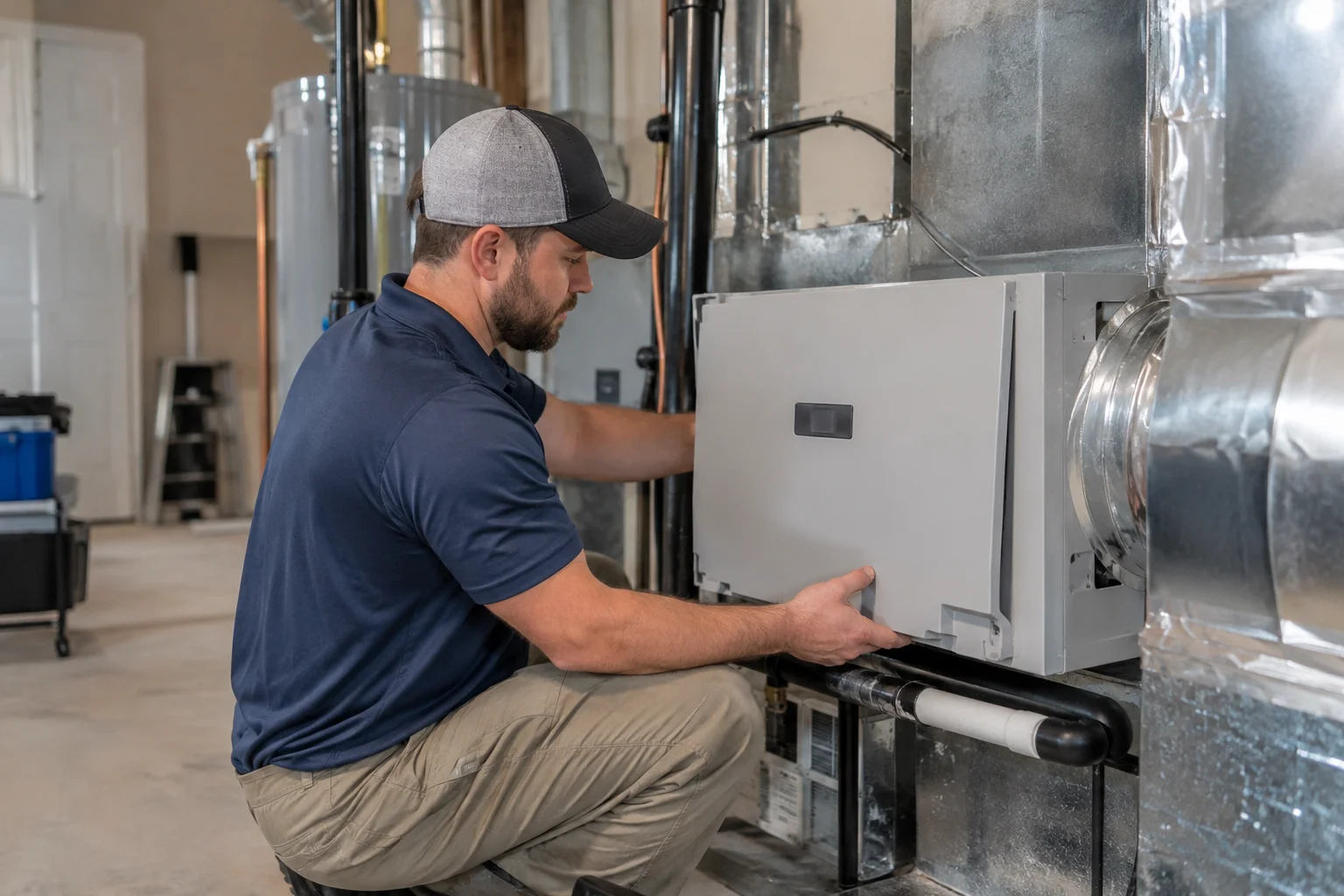
Electric furnaces or resistance heat sections depend on heating elements, controls, and adequate blower airflow. Fuel-burning furnaces also require checks of combustion, venting, and safety controls. Furnace service should match the equipment installed, not follow a generic checklist that overlooks its heating method.
Ductless mini splits can heat additions, converted spaces, or rooms that are difficult to serve with existing ductwork. Their filters, indoor coils, outdoor units, and condensate drainage still need maintenance. Before adding one, check whether the room's discomfort comes from insulation, air leakage, or a correctable duct problem.
Read the Symptoms Without Guessing at the Cause
Homeowners searching for heating repair near me often start with a cold room or an unusually high bill. Those symptoms are useful clues, but they do not identify a failed component by themselves. Note when the problem happens, which rooms are affected, and whether the thermostat displays an alert.
Long run times and frequent auxiliary heat
Heat pumps may run longer during colder weather, and auxiliary heat can be appropriate during certain conditions. However, persistent backup heat in mild weather deserves investigation. Possible causes include restricted airflow, thermostat setup, outdoor equipment trouble, or insufficient heat pump capacity. Large thermostat increases can also trigger auxiliary heat on some systems.
Short cycling, unusual sounds, and icing
A system that starts and stops repeatedly may have a control problem, airflow restriction, sizing issue, or safety shutdown. Grinding, banging, and new vibration also warrant attention. Record the sound if you can do so safely, but do not remove equipment panels to investigate.
Light frost on a heat pump's outdoor coil can be normal, and defrost operation may briefly produce steam. Thick ice that persists, repeated icing, or poor heating is different. Do not chip ice off the coil or pour hot water on it. Arrange professional diagnosis.
Airflow Is Often the Missing Part of Heating Comfort
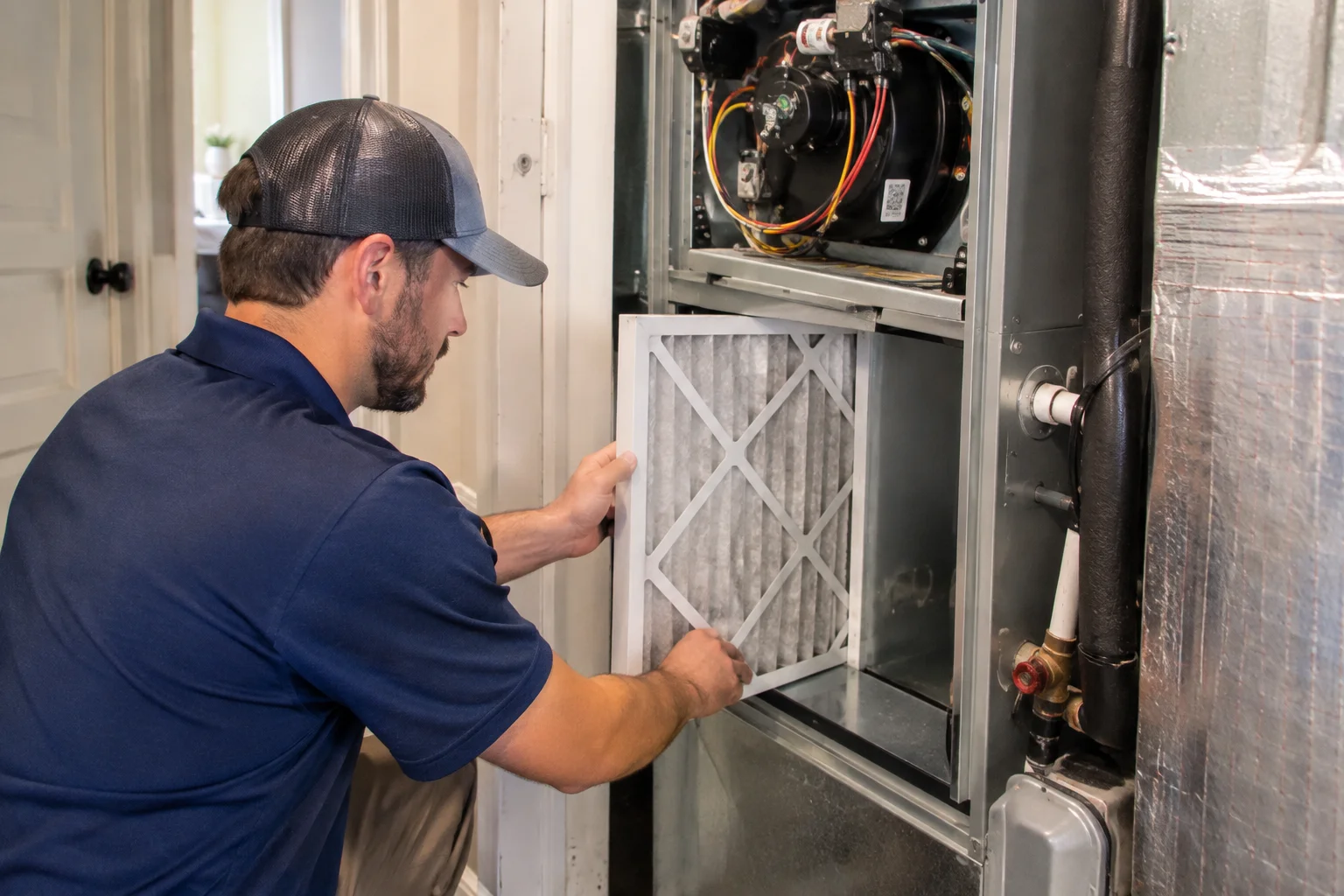
Before assuming you need a new heater, check the air path. A loaded filter, blocked return grille, closed supply vent, or damaged duct can keep conditioned air from reaching occupied rooms. Keep furniture and rugs clear of vents, and use the filter size and type recommended for your system.
Closing several vents to push heat elsewhere can raise duct pressure and reduce overall airflow. A better approach is to have a technician evaluate blower performance, static pressure, duct sizing, and return air pathways. A bedroom that becomes uncomfortable with the door closed may lack an adequate return path.
In older homes, duct connections and insulation may have deteriorated. Newer homes can also have installation or balancing problems. Remodels sometimes change room layouts without updating the duct design, leaving a larger living area or enclosed porch attached to a system never designed to serve it.
Choose duct repairs based on the condition
Disconnected sections, crushed flexible duct, and damaged insulation need physical correction. Extensive deterioration or poor sizing may justify duct replacement. For suitable systems with leakage, ductwork Aeroseal services may be an option after inspection. Duct sealing does not replace missing ducts, repair crushed sections, or solve an undersized return.
Warm Air Does Not Automatically Mean Balanced Humidity
Heating raises air temperature and usually lowers relative humidity, but it does not actively remove moisture the way a cooling coil does. During mild, humid weather, the system may run too little in cooling mode to manage indoor moisture. Turning up the heat can make the room warmer without resolving moisture entry.
A basic indoor humidity monitor can help identify patterns. A range around 30 to 50 percent relative humidity is a common comfort target, although appropriate conditions depend on the home and weather. Persistent readings above 60 percent deserve attention, especially with musty odors or condensation.
Check for air leakage, moisture sources, exhaust ventilation problems, and duct leaks before selecting equipment. A whole-home dehumidifier may help where cooling alone cannot maintain suitable humidity. This guide to whole-home dehumidification for Valparaiso living explains why moisture control should be planned around the house.
Indoor air quality also depends on filtration and cleanliness. Higher-efficiency filters or media air cleaners may reduce airborne particles, but the filter must suit the blower and duct system. A highly restrictive filter can undermine heating performance. Humidification should not be added simply because the calendar says winter.
Thermostat Settings Can Help or Hurt Efficiency
A thermostat must be compatible with the equipment and configured correctly. Heat pumps may require specific settings for the reversing valve, compressor stages, auxiliary heat, and temperature recovery. Incorrect setup can create comfort complaints that resemble equipment failure.
For homeowners searching for smart thermostat installation near me, compatibility matters more than a long feature list. Smart thermostats in Valparaiso can provide scheduling, remote access, and alerts, depending on the model. Placement also matters: direct sunlight, nearby vents, and drafty locations can distort temperature readings.
With a heat pump, modest adjustments are often preferable to large setbacks followed by rapid recovery, particularly if recovery triggers resistance heat. Ask for settings tailored to your equipment. Vacation rentals and intermittently occupied homes can benefit from temperature and humidity monitoring, but remote controls do not replace routine inspection.
Use Maintenance to Protect Heating and Cooling Together
A practical HVAC maintenance plan checks the system before cooling demand rises and before colder weather arrives. Between visits, inspect filters regularly and replace them according to condition and manufacturer guidance. Keep leaves and vegetation away from outdoor equipment while maintaining the manufacturer's required clearances.
Professional heating maintenance should evaluate operation, airflow, controls, and safety devices. Depending on the system, it may include inspection of electrical connections, heating elements, refrigerant performance, defrost controls, or combustion components. Ask what the visit includes and whether findings will be documented.
Cooling components still matter to a heating plan. In a conventional split air conditioner, the indoor evaporator coil absorbs heat and the outdoor condenser releases it; a heat pump reverses coil roles during heating. Dirty coils can impair performance, and cooling-season condensate drain lines need attention to prevent backups and water damage.
If summer brought air conditioning repair visits, weak cooling, or repeated drain blockages, share that history during heating service. It can point to shared airflow or maintenance issues. Do not wash coils with harsh chemicals or open refrigerant connections yourself.
Plan Replacement Around the House, Not Just the Old Unit
A repair may be sensible when the equipment is otherwise sound and the problem is isolated. Replacement deserves consideration when breakdowns recur, corrosion is extensive, major components fail, or comfort remains poor after correctable problems are addressed. Compare written options rather than relying on age alone.
Homeowners researching heat pump installation near me should ask for a load calculation that reflects insulation, windows, air leakage, orientation, and room use. Replacing equipment with the same nominal size can repeat an old mistake. Oversizing may contribute to short cycling and poor cooling-season humidity control.
For additions and substantial remodels, assess the existing system before extending ducts. A separate ductless system may be appropriate, or the project may require redesigned distribution. Early HVAC planning for new construction can coordinate heating and cooling loads, equipment location, and service access before walls close.
Separate Urgent Safety Issues From Routine Service
A brief dusty smell at the first seasonal startup can occur, but persistent burning odors, smoke, sparking, or repeated breaker trips are not routine. Stop operating the equipment if it is safe to do so and request professional help. Do not repeatedly reset a breaker or bypass a safety switch.
If a carbon monoxide alarm sounds or you suspect a fuel gas leak, leave the building and contact emergency services or the gas utility from a safe location. Do not stay inside troubleshooting the furnace. Read more about smoke and carbon monoxide safety in Valparaiso.
Loss of heat during cold weather can also become urgent for vulnerable occupants. Ask contractors directly about emergency availability rather than assuming round-the-clock coverage. Never use an oven or outdoor fuel-burning appliance to heat the home.
Make Your Next Service Visit More Productive
Before contacting an HVAC company near me, gather the equipment model, approximate age, maintenance history, thermostat messages, and a description of affected rooms. Mention storm exposure, recent renovations, higher bills, and recurring humidity problems. These details help focus diagnosis.
A Superior Mechanical serves homeowners seeking HVAC help across Okaloosa County. For your Valparaiso home, start with a heating evaluation that considers equipment, airflow, controls, and moisture together. Ask for a clear explanation of the problem, repair priorities, and maintenance steps that can reduce repeat trouble.
Find Heating Services in Valparaiso, FL
If you need Heating Services in Valparaiso, FL, visit our local service page or contact A Superior Mechanical today.
Map of Valparaiso, FL
Frequently Asked Questions
Why does my heat pump blow air that feels only mildly warm?
Heat pumps often deliver air that feels less hot than furnace air, especially in cooler outdoor conditions. That can be normal if the home reaches and maintains the thermostat setting. If the temperature keeps falling, airflow is weak, or auxiliary heat runs persistently in mild weather, schedule a heating inspection.
Can duct problems make one room colder than the rest of my Valparaiso home?
Yes. Leaking, disconnected, crushed, or poorly sized ducts can reduce heat delivery. A blocked return path, inadequate insulation, or air leakage can also contribute. A technician should evaluate airflow and the room's heating needs before recommending duct sealing, replacement, or additional equipment.
How often should heating equipment be serviced in Valparaiso, FL?
Have heating equipment checked before the colder season and follow the manufacturer's maintenance schedule. Because many Valparaiso homes use heat pumps for both heating and cooling, spring and fall visits are a practical approach. Coastal exposure, heavy use, and equipment condition may justify additional attention.
Related Articles
Photo Gallery