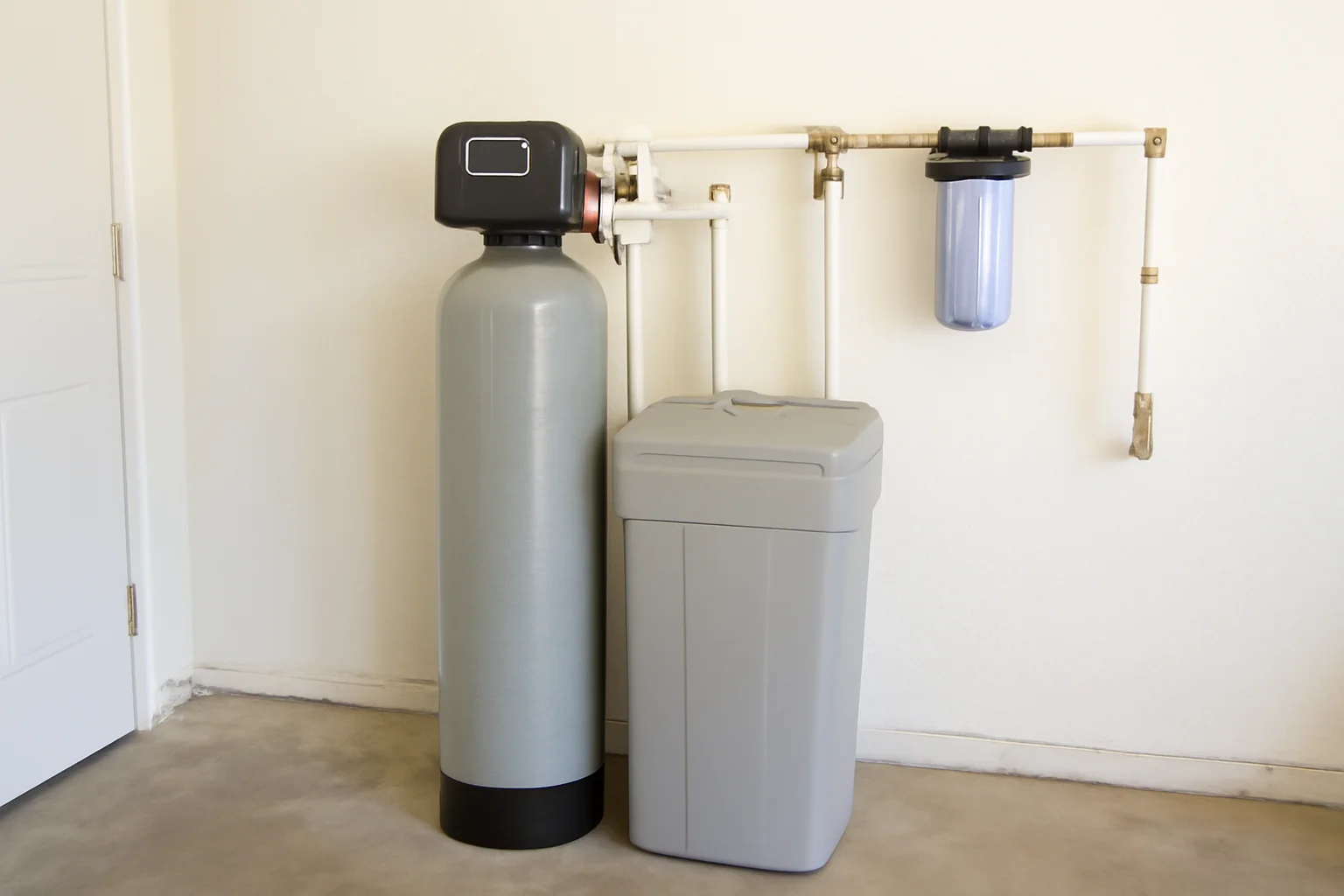
Most Lower Grand Lagoon households are used to Florida weather, salt air, and the way water can change from one street to the next. But when your kitchen and bath water starts looking or tasting off, the problem is often not “just hard water.” It is the kind of water quality issue that can affect how your family cooks, drinks, bathes, and even how long your plumbing and appliances last.
This guide walks you through the signs that hard water or related water quality concerns should not be ignored, what they can cause in everyday life, and how the right water softening services and water filtration options help. If you are searching for water treatment near me or water softener installation near me, use these details to ask better questions and choose a solution that fits your home.
Why Lower Grand Lagoon water quality can turn into a daily annoyance
Lower Grand Lagoon is part of Bay County, where many homes rely on public or blended water sources. Even when your water meets safety standards, minerals such as calcium and magnesium can still be high enough to create hard water problems. In coastal regions, water chemistry can also shift due to seasonal changes, which is why homeowners sometimes notice issues more strongly during certain months.
Hard water does not usually make water unsafe. What it does is change how it behaves. It can leave residue on glassware, build scale around faucets, and reduce how effectively soap and detergents work. Over time, that mineral buildup can affect fixtures, reduce water heater efficiency, and make appliances wear out faster.
Common signs your kitchen and bath water problems are getting worse
If you are seeing multiple symptoms at once, treat it as a signal that you need hard water treatment, not just a stronger cleaner.
Hard water spots on glass, dishes, and fixtures
One of the clearest indicators is hard water spots on glass, especially after you run the dishwasher or wipe down a mirror. You may notice a hazy film on drinking glasses, cloudy patterns on cookware, and streaks that do not come off easily.
In the kitchen, poor tasting coffee water can show up when mineral content and chlorine taste combine in a way that affects flavor. In the bath, scale buildup on faucets and showerheads can appear as chalky deposits that build up around the edges and spray nozzles.
Scale buildup around faucets, showerheads, and plumbing
When minerals keep depositing, you will often see scale buildup around faucets, on showerheads, and along visible sections of plumbing. Over time, the buildup can reduce water flow and make fixtures look permanently stained even after cleaning.
Homeowners sometimes describe the residue as “baked on,” especially if it is allowed to dry between cleanings. That is a sign the water needs conditioning, not just scrubbing.
Dry skin or dull hair after bathing
Hard water can interfere with how soap works and leave minerals behind on skin and hair. If you notice dry skin from hard water, tightness after showers, or hair that feels dull even after conditioning, it may be related to mineral buildup and detergent performance.
This often shows up during family routines. After school sports, beach days, or long showers, it is easy to assume the issue is shampoo or skin products. But when the water quality is the driver, changing products alone rarely fixes it.
Metallic, chlorinated, or unpleasant taste and odor
Some homes notice chlorine taste in water or an unpleasant odor in drinking water. If you are tasting a metallic note or smelling chlorine more than you used to, do not ignore it. Taste and odor changes can indicate the need for targeted filtration alongside water softening.
Many homeowners want better water for drinking and cooking because the water you taste in a glass also affects how food flavors come through. If your cooking water tastes “off,” it can change soups, rice, pasta, and even how coffee brews.
Cloudy ice cubes and cloudy water in daily use
Cloudy ice cubes are a common clue that dissolved minerals or contaminants are affecting clarity. If your ice looks cloudy or your water looks hazy in a glass, it can point to a filtration gap, a softening imbalance, or a need for additional treatment like reverse osmosis.
Soap does not lather or rinse well
Another classic sign is that soap does not lather or rinse well. You may notice the bathroom feels “slimy” after washing, or that you need more shampoo and body wash to get the same clean feeling.
In laundry, this can show up as clothes that feel stiff or look less vibrant. In the kitchen, it can mean residue on sinks and a film that returns quickly.
Visible sediment, discoloration, and odor concerns
While hard water usually looks like scale or spots, some homeowners also see visible sediment or discoloration. If you are dealing with odor concerns, cloudy water, or changes that feel more than cosmetic, schedule an evaluation. The right system depends on what is actually in the water.
Appliances wearing out faster
When mineral buildup goes unchecked, appliances can suffer. Water heaters may lose efficiency sooner. Dishwashers and washing machines can accumulate scale that makes them run harder and use more energy. Over time, that can translate into more repairs and shorter lifespans.
How these water issues show up in real Lower Grand Lagoon home life
Think about a typical week in a Lower Grand Lagoon home. The kitchen is where you prep meals for the family, fill a kettle for coffee, and rinse produce. The bath is where everyone showers, washes hands, and gets ready for school or work. Laundry is where hard water can quietly reduce cleaning performance.
When water is hard or has unwanted taste, the impact is practical:
- Drinking water: You might avoid tap water because of flavor or odor. Ice may look cloudy. Water that tastes “chlorinated” can make it harder to stay hydrated.
- Cooking water: Poor flavor in coffee and cooking water can mean bland results even when you use good ingredients.
- Bathing: Dry skin, dull hair, and soap residue can make showers feel less comfortable.
- Cleaning: Spots and scale can make glassware and fixtures look perpetually dull. You may spend more time re-cleaning.
- Laundry: Soap and detergent performance can drop, which can leave residue and reduce fabric softness.
These are the moments homeowners notice first. But the bigger story is what happens inside plumbing and appliances as scale accumulates.
What causes hard water symptoms, and why “stronger cleaning” is not the fix
Hard water minerals can react with soap and detergents, reducing lather and leaving residue. Scale buildup forms when mineral-rich water evaporates on surfaces or heats up in appliances. That is why the same faucet can look fine one week and then develop a chalky ring the next.
Cleaning products can help temporarily, but they do not stop new buildup. If you keep treating the symptoms, you are likely to keep paying in time, money, and appliance wear.
Choosing the right solution: softening, filtration, and reverse osmosis
Many homeowners assume a single device will solve every water issue. In practice, the best results usually come from matching the treatment to the problem you actually have.
Water softening for scale control and better everyday feel
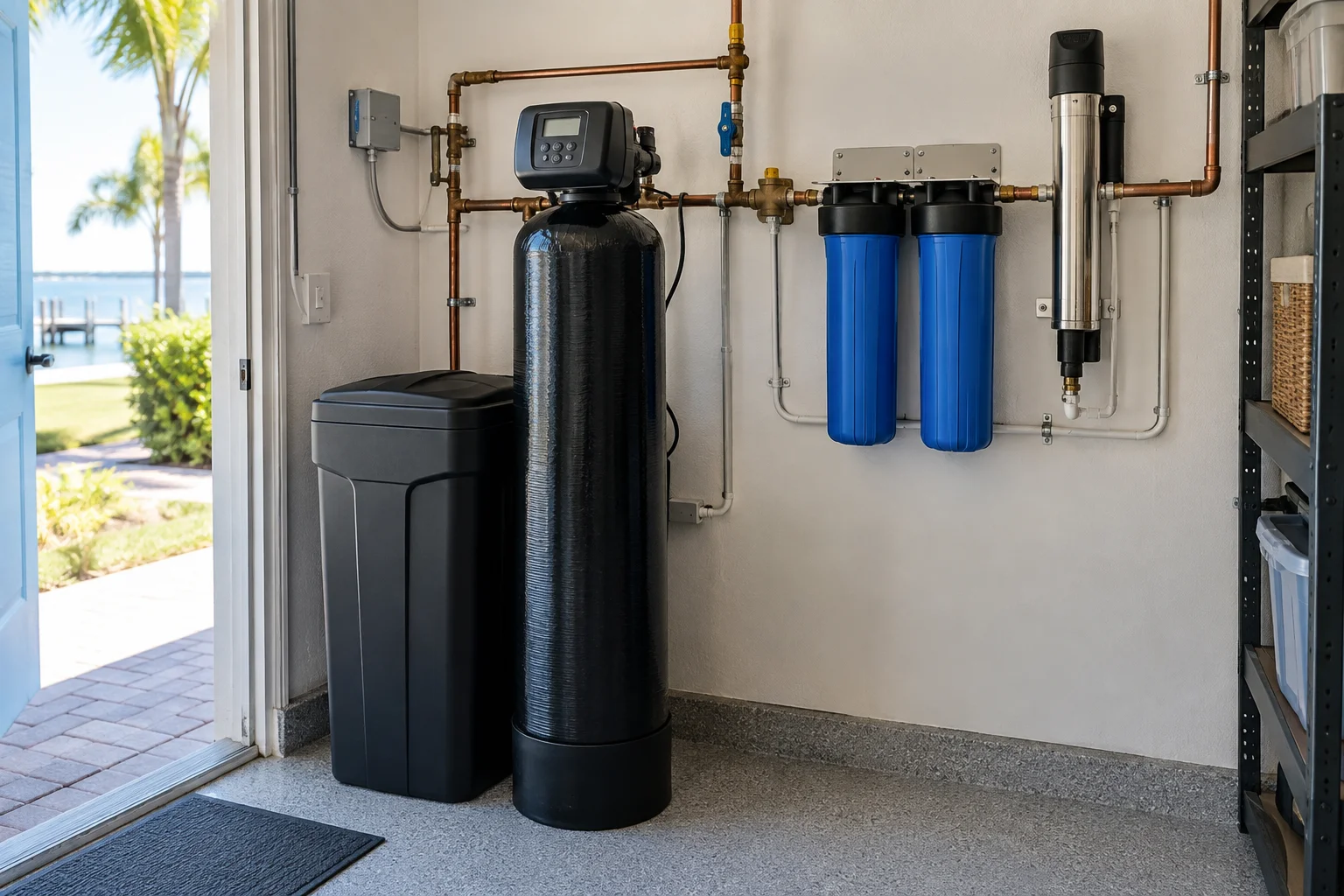
Water softening is designed to reduce hardness minerals. That helps with the visible issues homeowners see: hard water spots on glass, scale buildup around faucets, and mineral residue that makes cleaning harder.
For families who want more comfortable bathing and easier cleaning, softening is often the foundation. It can also help appliances run more efficiently by reducing scale formation.
If you are considering AO Smith water filtration and related systems, ask your provider how they recommend integrating softening with whole home filtration or drinking water treatment. A Superior Mechanical offers professional water softening services in Lower Grand Lagoon, including AO Smith water softener installation, repairs, and maintenance. You can review options here: /service-areas/bay-county/lower-grand-lagoon/water-softening-services-lglbc.
Whole home water filtration for taste, odor, and sediment concerns
Hardness is only one part of water quality. If you notice chlorine taste in water, odor concerns, or visible sediment, whole home water filtration may be the right layer.
Whole home systems treat water before it reaches your faucets, showerheads, and appliances. That can improve water quality for bathing and cleaning while also protecting fixtures from unwanted particles. Many homeowners also look for /water-filtration-ro-water-softeners to compare filtration approaches, including systems designed to support better drinking water.
Reverse osmosis for drinking and cooking water you can taste
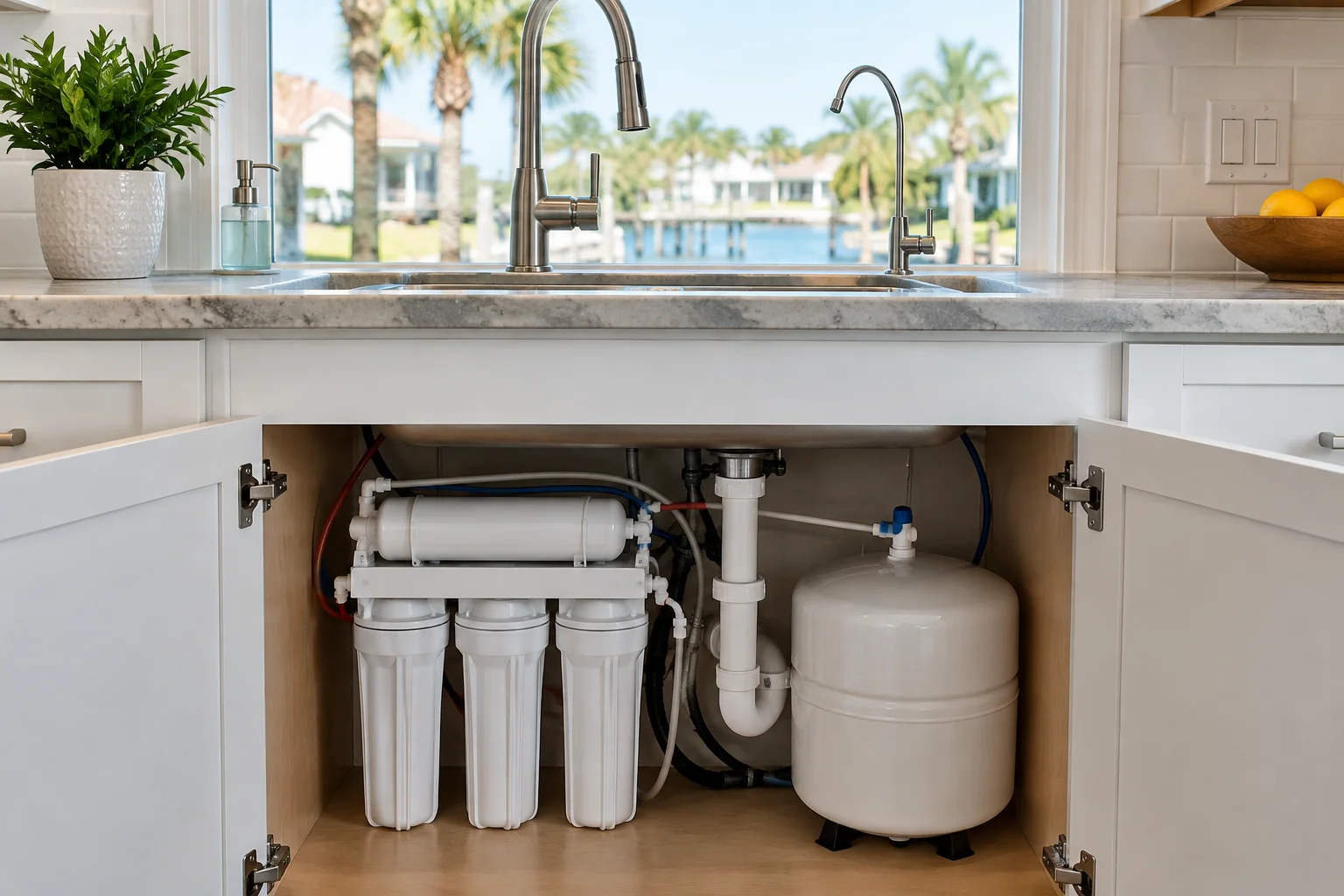
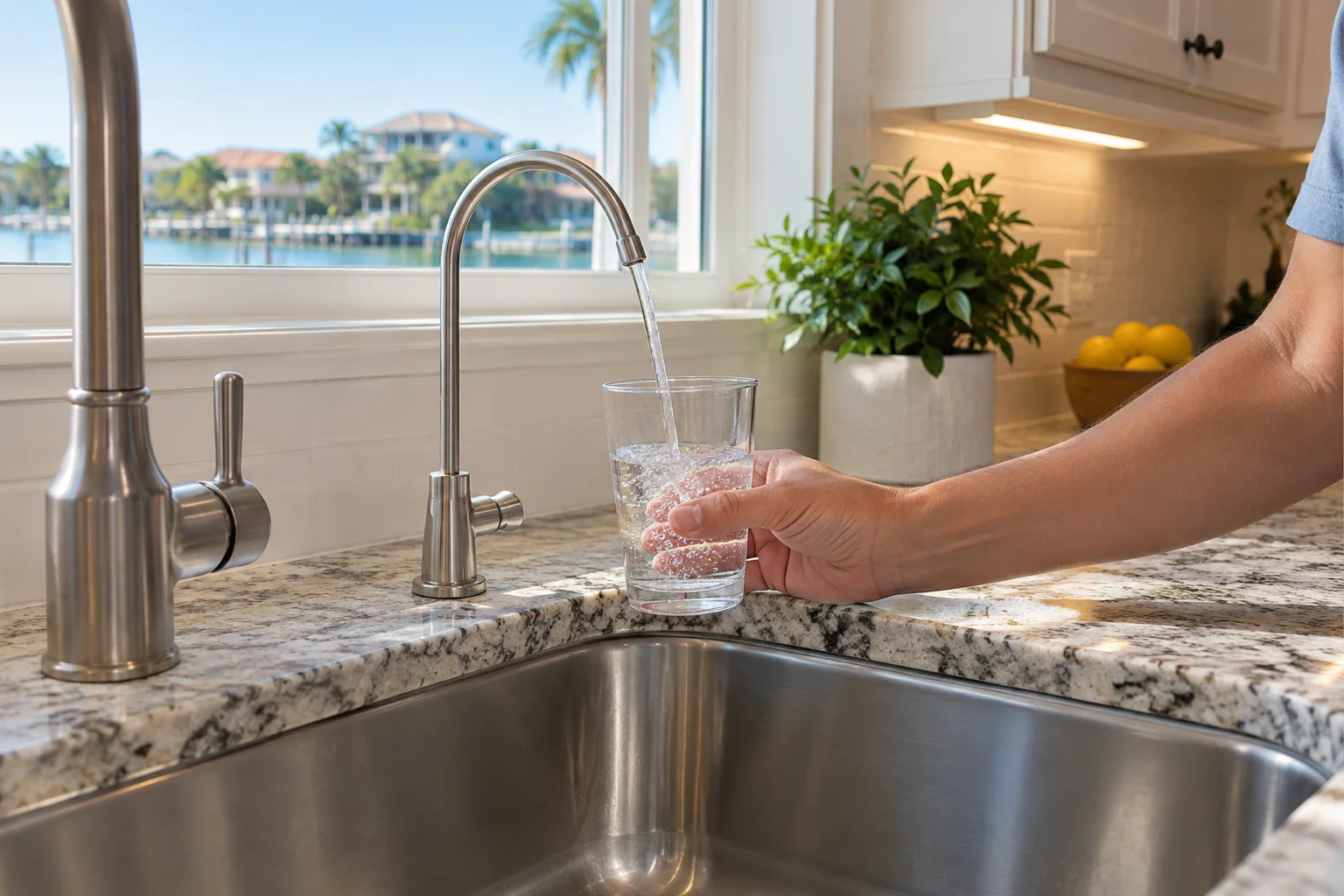
For homeowners who want the clearest difference in flavor and clarity, reverse osmosis is often the next step. RO is commonly used for drinking water and cooking water because it can reduce dissolved contaminants that affect taste.
If you are searching for reverse osmosis installation near me, it helps to ask whether you need RO at a dedicated point of use or whether your overall setup should include other filtration and softening. In many Lower Grand Lagoon homes, a combination approach provides the best results: softening for scale control, whole home filtration for broad improvement, and RO for drinking.
How to prevent problems before you feel stuck cleaning all the time
Even the best system needs maintenance. The goal is to keep your water conditioning equipment operating at the performance your family needs.
Watch for early changes in water feel and appearance
Do not wait for the worst. If you notice:
- Water spots returning faster than usual
- Soap does not rinse as cleanly
- Showerheads clog more often
- Ice looks cloudy again
it can be a sign your system needs service or adjustment. A small change now can prevent bigger issues later.
Keep an eye on appliance performance
If your dishwasher seems less effective, your water heater runs longer, or laundry feels stiff, that can connect back to hard water treatment performance. Addressing the root cause tends to be more cost-effective than replacing appliances early.
Schedule maintenance for consistent results
Water softeners and filtration systems rely on proper settings and routine upkeep. In Bay County homes, seasonal water chemistry shifts can make performance changes more noticeable. Maintenance helps your system stay ready for the conditions your household experiences.
If you want more guidance on keeping your plumbing and water systems healthy, these posts pair well with water softening planning: /news/making-smarter-plumbing-maintenance-decisions-in-lower-grand-lagoon-homes and /news/staying-a-step-ahead-of-plumbing-emergencies-in-lower-grand-lagoon.
When homeowners should not ignore water quality problems
Some issues are mostly cosmetic, but others deserve faster action. Consider contacting a professional when you notice:
- Persistent scale buildup around faucets and showerheads despite regular cleaning
- Dry skin or dull hair that does not improve with product changes
- Chlorine taste in water or unpleasant odor that affects drinking and cooking
- Cloudy ice cubes or recurring hazy water
- Visible sediment or discoloration that concerns you
- Appliances wearing out faster than expected
Also pay attention if you are using a vacation rental or have a high-turnover property. Consistent water quality matters for guest satisfaction, and it can be easier to prevent complaints when the water system is dialed in.
Questions to ask before water softener installation or upgrades
If you are comparing water treatment near me options, these questions help you get clarity and avoid guesswork:
- What hardness level do you expect in Lower Grand Lagoon, and how will you confirm it?
- Do you recommend water softening alone, or softening plus whole home water filtration?
- If we have chlorine taste in water or odor concerns, what filtration stage will address it?
- Would reverse osmosis installation near me make sense for our drinking and cooking water, or is another approach better?
- Are you recommending an AO Smith water softener or AO Smith filtration integration for our setup?
- How do you handle maintenance schedules so the system keeps performing year-round?
For a broader look at water-related service decisions in the area, you may also find this useful: /news/what-lower-grand-lagoon-homeowners-should-know-about-waterline-services. It is not a substitute for water treatment, but it can help you think about the full water system in your home.
How A Superior Mechanical helps Lower Grand Lagoon homeowners get better water
Water softening and filtration are not one-size-fits-all. Your home’s plumbing layout, household size, and specific water quality symptoms all matter. A Superior Mechanical focuses on matching the right water softening services and filtration approach to your daily needs, whether that is easier cleaning, better drinking water, or more comfortable bathing.
If you want to explore options for your area, start with the Lower Grand Lagoon service page: /service-areas/bay-county/lower-grand-lagoon/water-softening-services-lglbc. For homeowners comparing broader filtration and softening solutions, you can also review /water-filtration-ro-water-softeners. And if you want to see coverage across the region, visit /service-areas/bay-county/lower-grand-lagoon and /service-areas/bay-county.
Local water treatment is a home comfort upgrade
In Lower Grand Lagoon, better water is not just about avoiding scale. It is about making kitchen routines easier, improving drinking water quality, and getting a more comfortable feel after bathing. When you address hard water spots on glass, scale buildup on faucets, dry skin from hard water, and taste concerns like chlorine taste in water, you are also protecting appliances and reducing the constant cycle of re-cleaning.
If you are noticing multiple symptoms at once, that is usually the moment homeowners shift from “living with it” to choosing real water treatment. A professional evaluation helps confirm what is happening in your water and which combination of water softening, whole home water filtration, and reverse osmosis installation will deliver the results your family can feel and taste.
Find Water Softening Services in Lower Grand Lagoon, FL
If you need Water Softening Services in Lower Grand Lagoon, FL, visit our local service page or contact A Superior Mechanical today.
For a broader look at whole-home water filtration, reverse osmosis, and water softener options, visit our water filtration, RO, and water softener page.
Map of Lower Grand Lagoon, FL
Frequently Asked Questions
How can I tell if my water problem is hard water or something else?
Hard water typically shows up as scale buildup, hard water spots on glass, soap that does not lather, and dull or chalky residue on faucets and showerheads. If you also notice chlorine taste in water, unpleasant odor, cloudy ice cubes, or visible sediment, you may have additional filtration needs beyond softening.
Will a water softener help with dry skin and dull hair?
Many homeowners report improvement when minerals are reduced. If you are seeing dry skin from hard water, soap residue, or hair that feels coated after bathing, water softening can help by improving how soap and shampoos work and reducing mineral buildup on skin and hair.
Do I need whole home water filtration or reverse osmosis for drinking water?
It depends on your symptoms. Whole home water filtration is often used to address taste, odor, and sediment concerns throughout the home. Reverse osmosis is commonly used for drinking and cooking water when homeowners want the biggest change in flavor and clarity. A water evaluation can guide the best setup.
What maintenance is required for an AO Smith water softener or filtration system?
Systems generally need routine checks and service to keep settings correct and performance consistent. Maintenance schedules vary by household size and water conditions. A technician can recommend a plan that matches Lower Grand Lagoon water usage and seasonal changes.
Can hard water damage appliances?
Yes. Hard water scale can build up inside water heaters, dishwashers, and washing machines, reducing efficiency and causing parts to wear faster. Addressing hard water treatment helps protect appliances and plumbing over time.
Related Articles
Photo Gallery