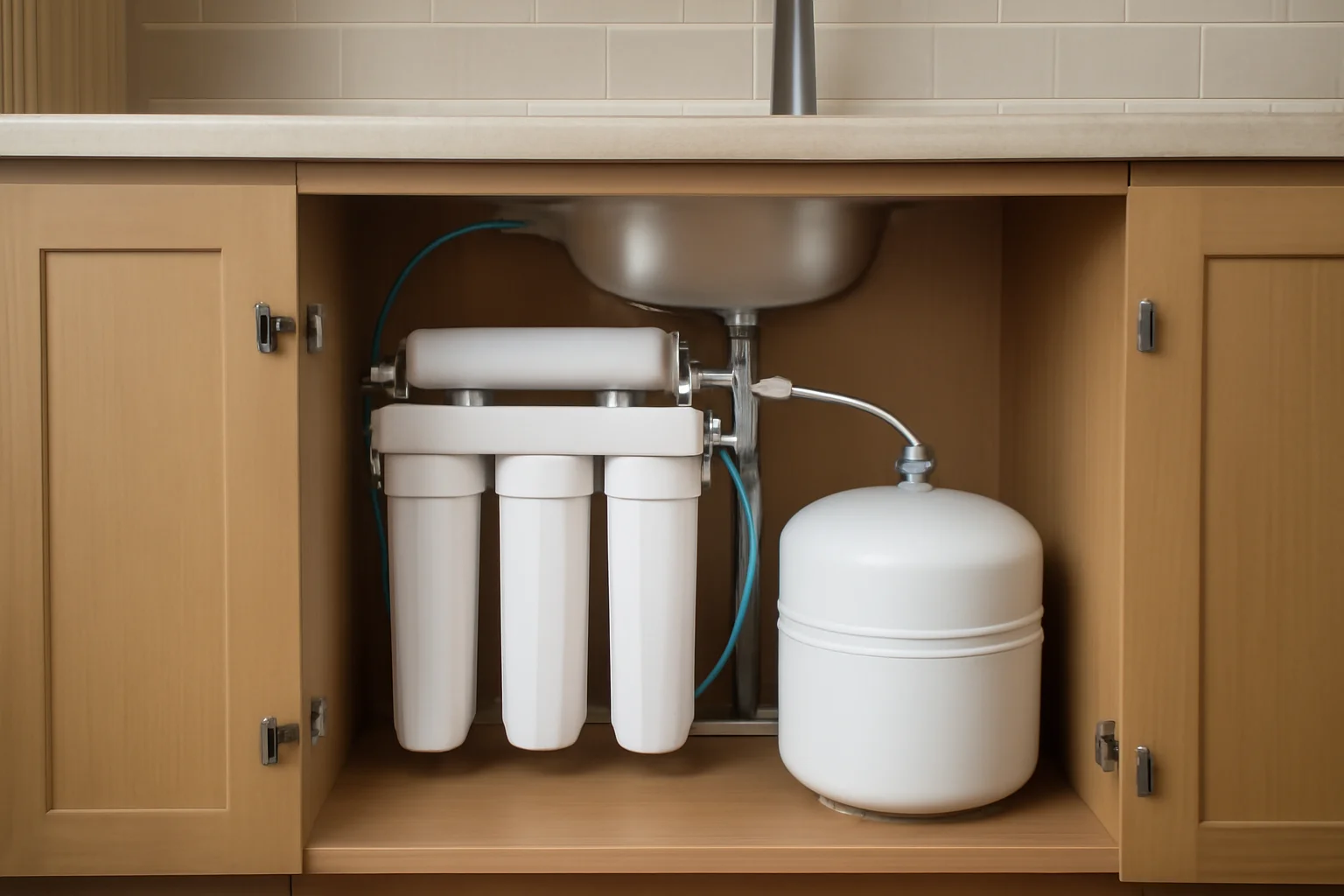
Residents in Lower Grand Lagoon, FL rely on their tap water for everything from drinking and coffee to bathing and laundry. When water starts to look or taste “off,” it is easy to assume it is a temporary problem. Sometimes it is. Other times, the issue is building behind the scenes through sediment, scale, and contaminants that can affect your family’s comfort and the lifespan of your plumbing and appliances.
This practical guide focuses on reverse osmosis systems for everyday water quality in Lower Grand Lagoon. You will see how common symptoms connect to real water chemistry problems, why delaying treatment can get expensive, and when it is worth calling a local water treatment professional for reverse osmosis installation, filter changes, or repair.
Lower Grand Lagoon water issues homeowners notice first
Every home has its own plumbing layout, water pressure, and household habits. Still, Lower Grand Lagoon homeowners often spot similar patterns when water quality is slipping. These are the clues that something more than “good manners” is going on with your water supply.
Hard water signs: scale buildup and “dry” feeling water
Hard water is a frequent concern in the region. Homeowners notice hard water spots on glass, dishes, and fixtures, and they see scale buildup around faucets, showerheads, and plumbing. Over time, scale can narrow water flow paths and make showerheads and aerators clog faster. You may also notice dry skin or dull hair after bathing, especially if you are using the same shampoo and conditioner you have always used.
Hard water treatment matters because scale is not just cosmetic. It can contribute to soap residue that makes soap feel like it does not lather or rinse well. It can also affect how well laundry detergent performs, leading to dull-looking clothes and a “stuck” residue feel.
Taste and odor concerns: metallic, chlorinated, or unpleasant
Sometimes the first red flag is taste. If you notice a metallic, chlorinated, or unpleasant taste, it can show up in drinking water and cooking water. You may also see visible sediment or discoloration. Even if the water looks “mostly fine,” those taste and odor signals can point to contaminants that a simple filter cannot address.
Cloudy ice cubes and sediment in household water
Cloudy ice cubes are a common household clue. Ice forms from water, so if you see cloudiness, it often relates to dissolved minerals, fine sediment, or other impurities that are not being removed effectively. You might also spot sediment in household water, especially when filling a glass or running a cold tap after the water has sat overnight.
Appliances wearing out faster
When water is harder or contains more sediment, appliances that rely on water can wear out faster. Coffee makers, kettles, and even some water-using lines in your home may develop scale buildup. That can reduce performance, increase energy use, and shorten service intervals. If you are descaling more often than you used to, it is worth looking at your source water quality and filtration strategy.
Poor tasting coffee and cooking water
Homeowners often describe poor tasting coffee water as bitter, flat, or “off” even when they use the same beans and grind. Cooking water can show similar effects in soups, sauces, and rice. When filtered water for coffee and cooking tastes better, the difference is usually tied to reduced impurities and improved consistency.
Why reverse osmosis is different from basic filtration
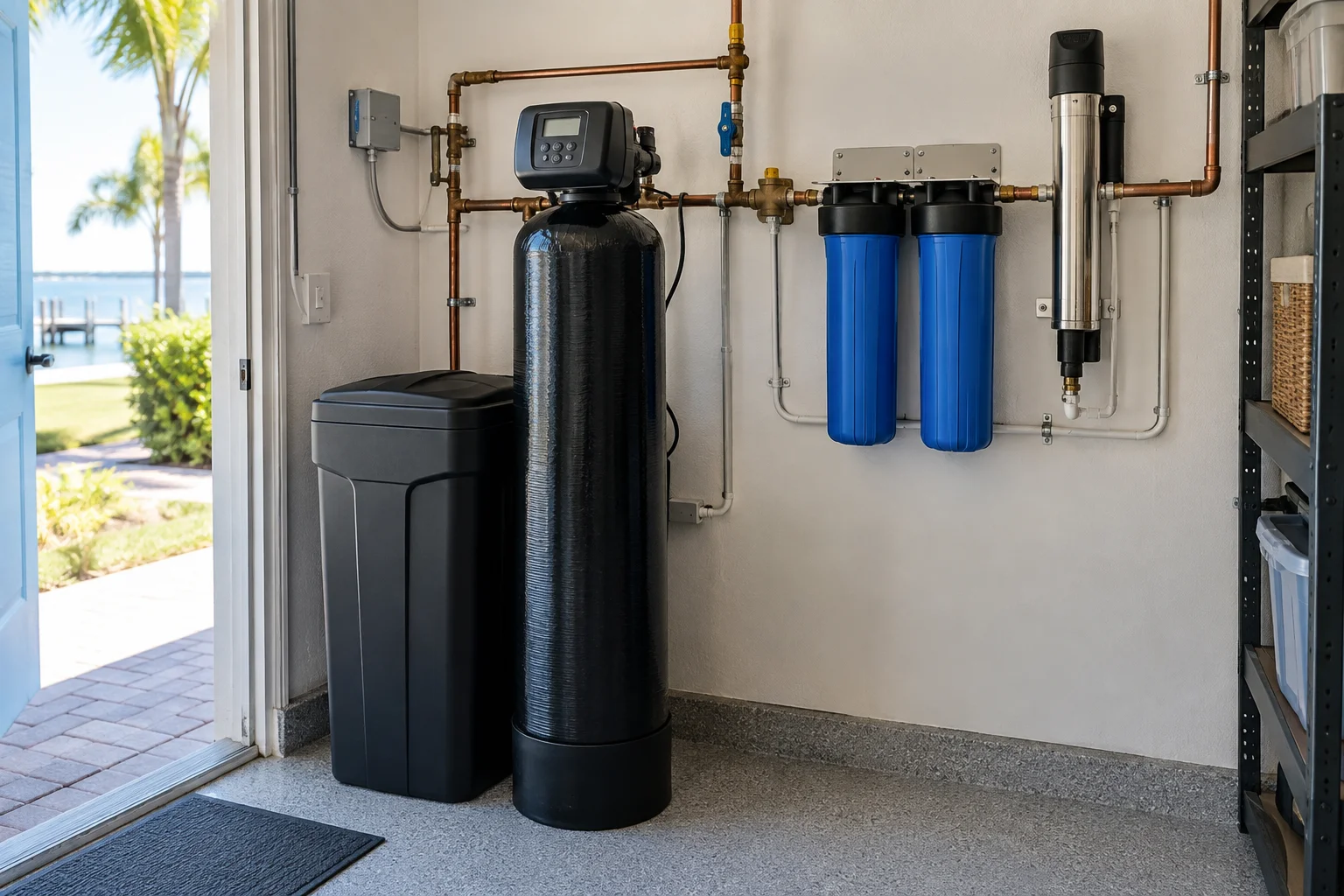
It helps to think of water treatment in layers. Whole home water filtration can reduce sediment and improve overall water clarity. Water softening can address hardness and scale buildup. Reverse osmosis (RO) is a more targeted approach designed for drinking water and specific uses where you want the cleanest water possible.
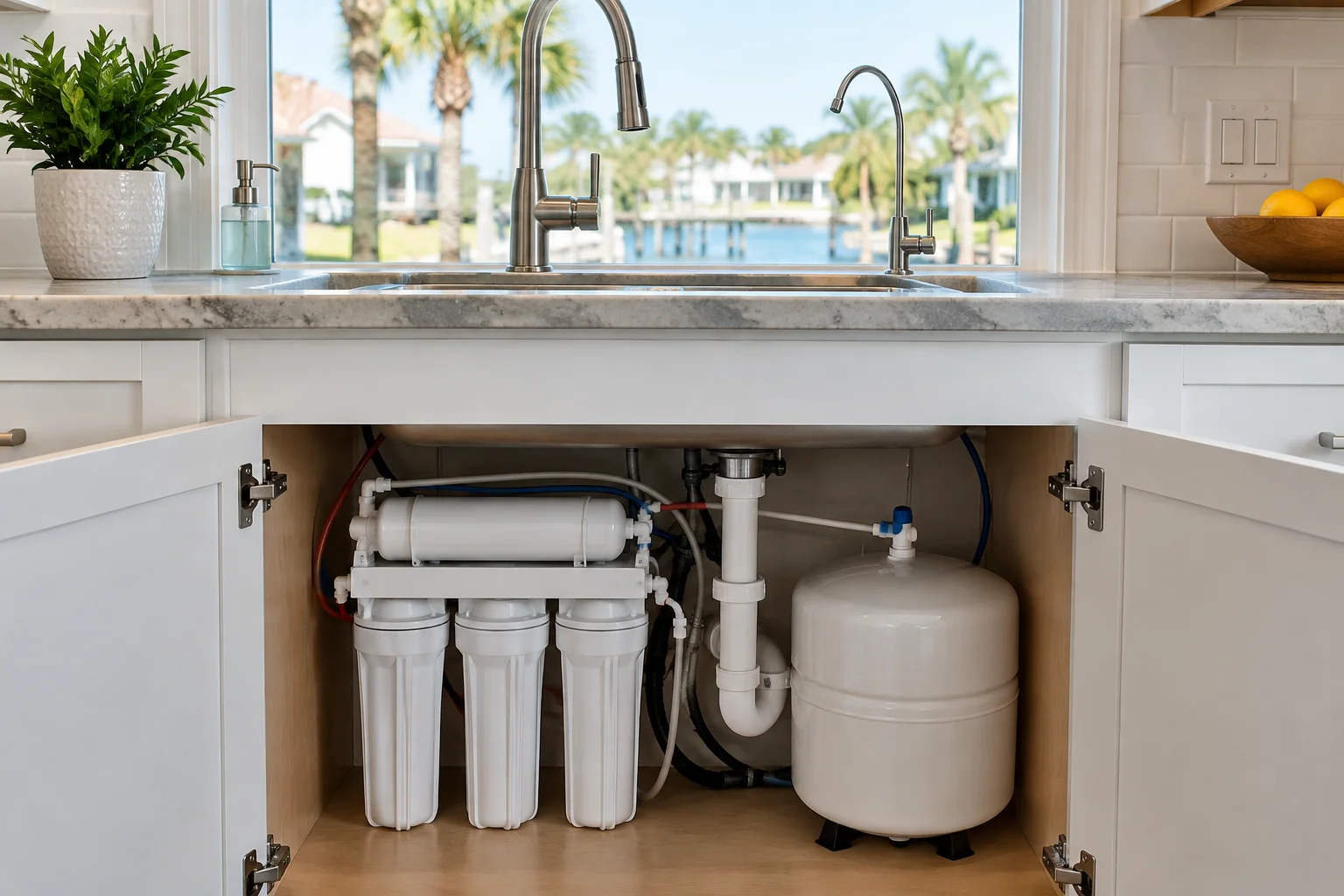
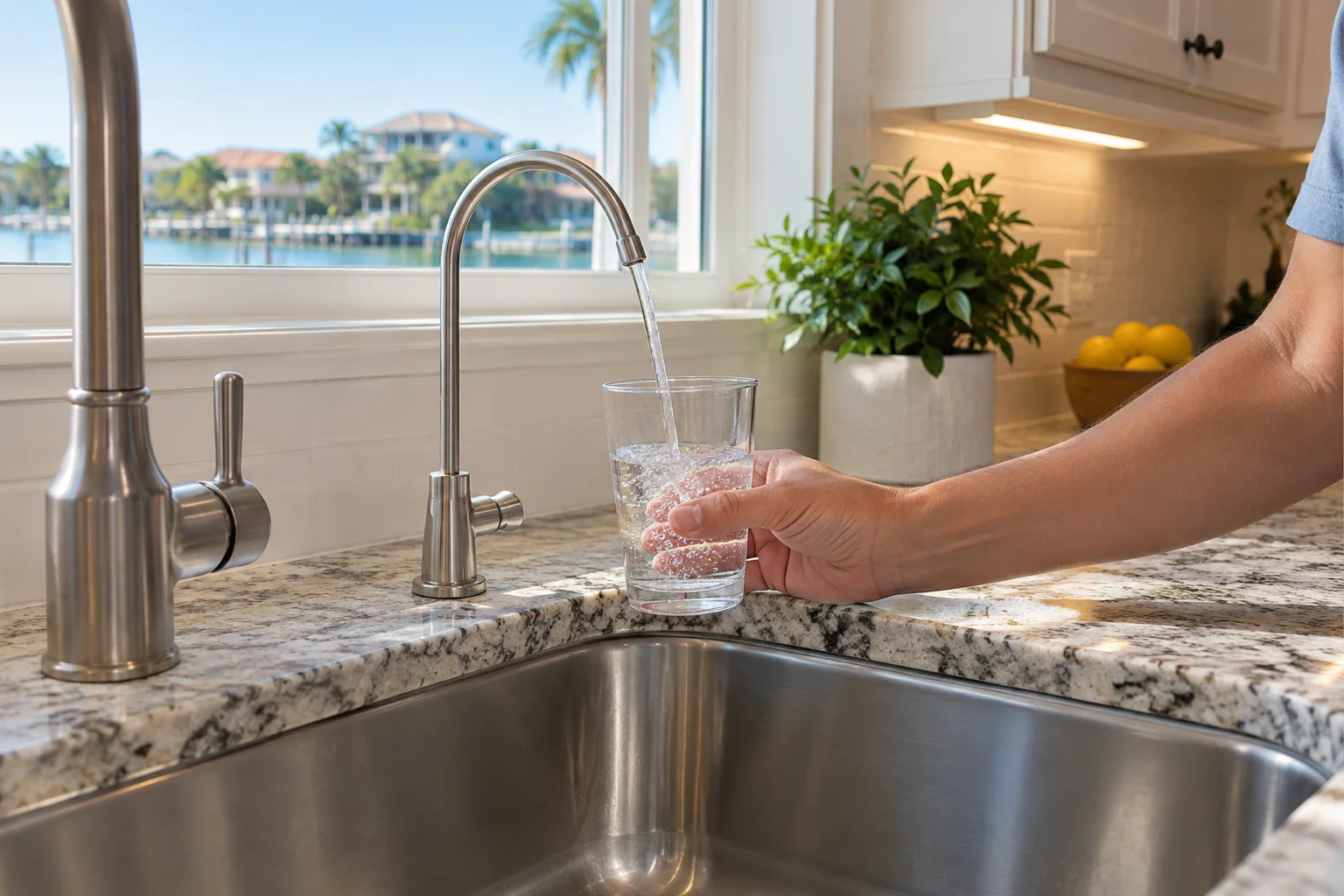
An RO drinking water system pushes water through a semi-permeable membrane that filters out a wide range of dissolved contaminants. Many systems also include carbon filtration stages to improve taste and odor. The result is often better drinking water, cleaner ice cubes, and more reliable performance for coffee and cooking.
For homeowners searching for water treatment near me or water filtration near me, it is important to match the system to the problem. RO is not always the only solution, and in some homes it is not the first step. But when you are seeing taste issues, sediment concerns, or cloudy ice cubes, reverse osmosis installation can be a practical upgrade.
Common water quality problems that should not be ignored
Some water issues are more than annoying. When you see repeated symptoms, it usually means the underlying water chemistry is consistent, not random. That is when you should plan for treatment rather than waiting for “the next flush” to fix it.
If you see scale buildup on faucets and showerheads
Scale buildup on faucets and showerheads is a sign that hardness is affecting your plumbing. Over time, scale can reduce water flow and increase maintenance needs. If you also notice dry skin or dull hair after bathing, you are likely dealing with both mineral buildup and residue that makes soap feel less effective.
In many Lower Grand Lagoon homes, a combination approach works best: water softening for the whole house and RO for drinking water. This is where local water treatment service helps you avoid the “one size fits all” mistake.
If cloudy ice cubes keep showing up
Cloudy ice cubes can be caused by dissolved minerals and fine impurities. If you keep replacing your ice tray and the problem returns, it is time to investigate filtration. RO is designed for high-quality drinking water, and it often improves the clarity of ice.
If your coffee and cooking water taste inconsistent
One day your coffee tastes fine, the next day it tastes off. That inconsistency is frustrating and it can be a sign that your tap water is carrying impurities that vary in concentration. A properly maintained RO system can help create a more consistent baseline for filtered water for coffee and cooking.
If you notice metallic, chlorinated, or unpleasant taste
Unpleasant taste and odor concerns are not something you should ignore. Even if the water is safe, it can affect how often your family drinks water and how much you rely on bottled alternatives. A well-designed RO drinking water system can reduce those taste issues, especially when paired with good pre-filtration.
If you see visible sediment, discoloration, or odor changes
Visible sediment and discoloration should be treated as a prompt to check your filtration and system condition. Sediment can clog filters quickly, reduce RO performance, and contribute to water that looks and smells different from day to day. When you see these signs, ask about filter replacement schedules and the condition of your existing equipment.
How reverse osmosis fits into a complete home water strategy
Many homeowners assume RO is the only answer. In reality, the best results often come from pairing reverse osmosis with the right upstream treatment.
RO for drinking water, whole home filtration for everyday flow
Whole home water filtration can help reduce sediment and protect plumbing and appliances. Then RO can focus on the water you drink and use for cooking. This approach is especially helpful for families who want clean water for drinking and cooking water without trying to make the entire plumbing system “RO-level” filtered.
If you are comparing options, you may see AO Smith water filtration as part of a layered strategy. AO Smith systems are commonly selected for residential water treatment because they are built for dependable performance and serviceability.
Water softening when hard water treatment is needed
Water softening is designed to address hardness minerals that cause scale buildup on faucets, showerheads, and within plumbing. When you combine water softener service with RO, you can protect your fixtures and still enjoy better drinking water.
For homeowners looking for water softener installation near me, it is worth asking how your softener and RO system will be coordinated. Ideally, the RO system gets cleaner feed water, which can improve filter life and help keep your RO drinking water system performing at its best.
Where AO Smith water softener and AO Smith RO systems can help
AO Smith water softener solutions can reduce scale-causing minerals throughout your home. AO Smith water filtration and reverse osmosis systems can then provide the taste and contaminant reduction benefits you want for drinking water. The right pairing depends on your water test results, household usage, and whether you are dealing with sediment, hardness, or both.
If your home has visible discoloration or frequent sediment concerns, whole home filtration may be the first step. If your main complaints are metallic or chlorinated taste, cloudy ice cubes, and poor tasting coffee water, RO may be the priority.
Maintenance matters: what homeowners should plan for
Reverse osmosis systems are not set-and-forget appliances. Filter changes, membrane life, and system checks are part of protecting water quality. When filters get old, water can taste worse, and RO performance can drop. That is one reason why maintenance should be scheduled rather than postponed.
Filter replacement and RO performance
RO systems typically include multiple stages, including sediment and carbon filtration ahead of the membrane. Those stages protect the membrane and improve taste. If sediment increases in your water, the pre-filters may clog sooner. That can lead to reduced flow and inconsistent water quality.
Homeowners often notice the change as:
• Drinking water tastes less clean or more metallic
• Ice cubes become cloudy again
• Water flow from the RO faucet slows down
• Coffee and cooking water taste noticeably different
How hard water and sediment can shorten equipment life
Scale buildup on plumbing and fixtures is a sign your water is carrying mineral content. If that mineral content and sediment are getting into your RO system, it can increase wear. That does not mean RO is a bad idea. It means your plan should include proper upstream treatment and regular service.
Seasonal factors in Lower Grand Lagoon
Lower Grand Lagoon homes experience humid conditions and seasonal weather shifts that can affect plumbing behavior and how quickly filters load. When water demand changes or when municipal water conditions vary, pre-filters can react. Local water treatment service matters because a local technician understands how RO systems behave in real Bay County conditions and can recommend maintenance intervals that fit your household.
Signs your RO system needs service or replacement
Even if you already have reverse osmosis, it can drift out of peak performance. Here are clear signals to watch for.
Water tastes or smells worse
Metallic, chlorinated, or unpleasant taste that returns after previously improving is a common sign that carbon filtration is no longer working well.
Cloudy ice cubes come back
If ice clarity declines, it often relates to RO stages that are no longer filtering effectively.
Soap does not lather or rinse well
Soap performance usually points to hardness. If your bathroom and kitchen are getting harder to clean, consider whether water softening still works properly. RO alone usually does not solve whole home hardness issues.
Appliances show heavy scale buildup
If coffee makers and kettles scale up faster than expected, confirm your RO system is producing clean water and that your upstream filtration is keeping sediment under control.
Visible sediment or discoloration
Any visible sediment in RO output or discoloration should be checked promptly. It can indicate filter clogging, issues with pre-filtration, or other water quality changes.
How to choose a reverse osmosis system for your Lower Grand Lagoon home
Choosing RO is not only about the brand. It is about matching the system to your household and water conditions.
Start with water testing and a realistic use plan
Ask for a water assessment. A good technician will look at sediment, hardness, taste and odor issues, and whether you need water softening or whole home water filtration as part of the plan.
Then decide how you will use the system:
• Drinking and making beverages
• Filtered water for coffee and cooking
• Ice production for clear cubes
• Filling a drinking water container for the family
Consider the role of AO Smith water filtration
Many homeowners in the area consider AO Smith water filtration and related purification solutions because they can be integrated into a broader water treatment approach. If you are comparing options, ask how the system is designed for maintenance, filter availability, and performance over time.
Plan for coordination with water softening
If your home has scale buildup around faucets, showerheads, and plumbing, you may need hard water treatment beyond RO. Coordinating water softener service with RO can protect fixtures and help maintain RO performance.
If you want to explore the local service area options, you can review the reverse osmosis installation and service details here: /service-areas/bay-county/lower-grand-lagoon/reverse-osmosis-systems-lglbc.
Everyday life improves when your water quality improves
Water treatment is not just a technical upgrade. It shows up in daily routines.
Kitchen scenes: drinking water and cooking that tastes clean
Picture a weekday morning in Lower Grand Lagoon. A pitcher sits in the fridge, the kids grab glasses, and someone refills a cup for coffee. When you have RO drinking water system performance you can trust, you are not thinking about taste every time you pour. Better water for drinking and cooking can also make it easier to rely on tap water instead of constantly buying bottled options.
Bath time comfort: fewer residue issues and better rinse
Hard water can leave a film that makes skin feel tight and hair look dull. When water softening and proper filtration are working together, it can be easier to rinse soap away. You may notice that shampoo feels like it rinses cleaner, and your skin does not feel quite as dry after bathing.
Fixtures that stay cleaner with less scale buildup
Lower Grand Lagoon homeowners who deal with hard water spots on glass and dishes often spend extra time wiping faucets and shower doors. When water treatment reduces hardness and sediment, fixtures tend to stay cleaner longer. That can mean less scrubbing and fewer “why is this still spotty?” moments.
Laundry and everyday cleaning: soap that lathers and rinses well
When hardness is managed, soap and detergent often lather more easily. Clothes can come out looking brighter, and rinse cycles can feel more complete. It is a small change that adds up across weeks and months.
Appliances run more efficiently
When scale is reduced, appliances can operate with fewer performance losses. Coffee makers and kettles may require less frequent descaling, and your household may spend less time dealing with clogs and buildup.
When to call A Superior Mechanical for reverse osmosis service
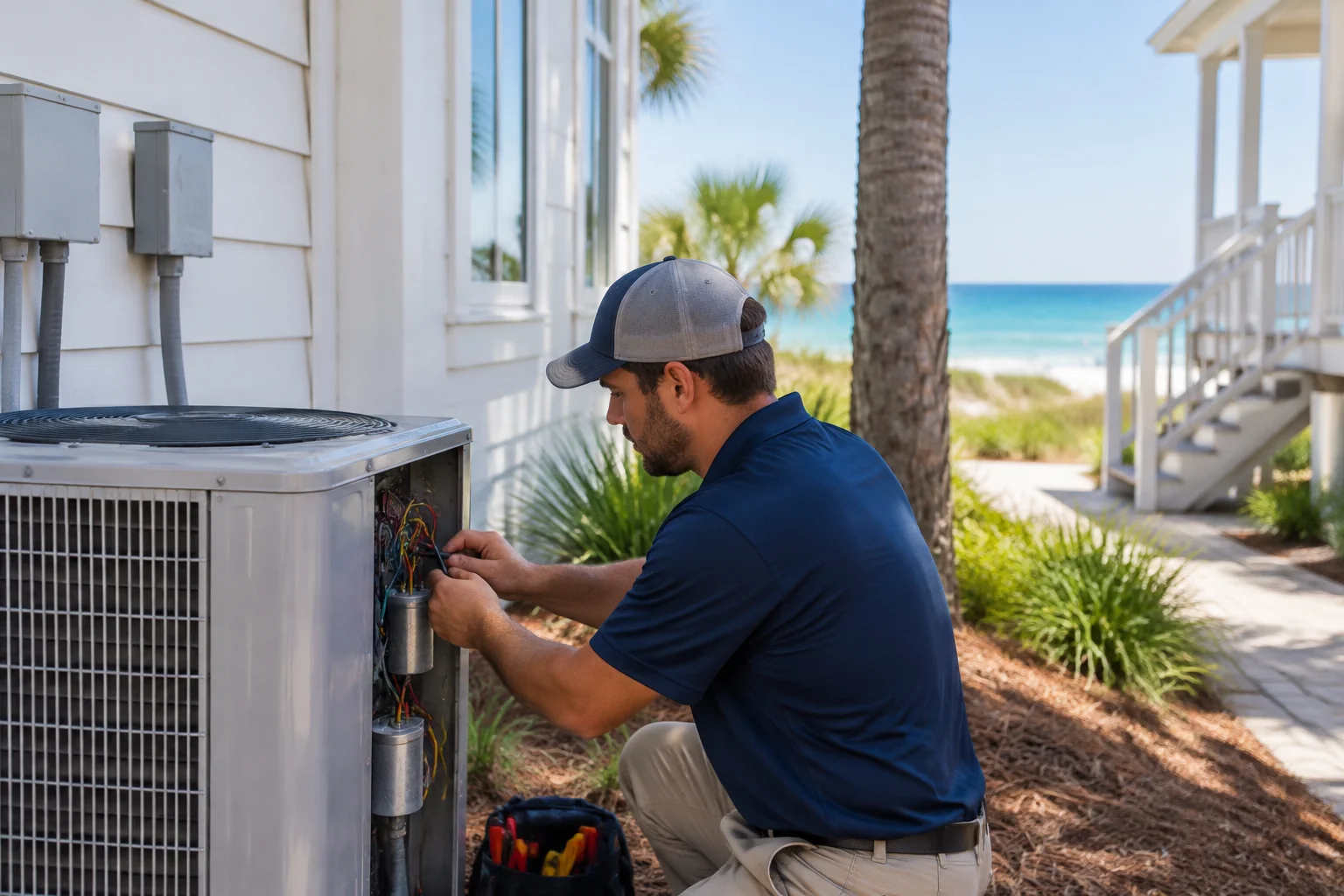
Homeowners should contact a professional when water quality problems are repeating, when RO performance is slipping, or when you are considering reverse osmosis installation near you and want the system sized correctly.
Call A Superior Mechanical if you are dealing with:
• Metallic, chlorinated, or unpleasant taste that affects drinking and cooking
• Cloudy ice cubes and sediment concerns
• Visible discoloration or odor changes
• Hard water spots on glass and scale buildup on fixtures
• Dry skin or dull hair after bathing
• Soap that does not lather or rinse well
• Appliances wearing out faster due to scale buildup
For homeowners who want to compare whole home water filtration and RO and water softener service options, the main resource page is here: /water-filtration-ro-water-softeners. If you are still deciding where to start, you can also explore service options across the city at /service-areas/bay-county/lower-grand-lagoon and Bay County at /service-areas/bay-county.
Related reading for homeowners planning smarter water treatment
If you are comparing systems or trying to build a complete water plan, these guides can help you connect the dots between RO performance, hard water treatment, and appliance protection:
• A Homeowner’s Guide to Better Reverse Osmosis Systems in Lower Grand Lagoon, FL
• Cleaner Water, Better Plumbing: Why Filtration Matters in Lower Grand Lagoon Homes
• Making Smarter Plumbing Maintenance Decisions in Lower Grand Lagoon Homes
• Staying a Step Ahead of Plumbing Emergencies in Lower Grand Lagoon
Practical maintenance checklist you can use at home
You do not need to be a water technician to monitor your system. These simple checks can help you catch performance changes early.
- Inspect ice clarity. If cloudy ice cubes return, review your filter schedule and consider service.
- Check taste and odor. Metallic or chlorinated taste is a clear sign filtration may be slipping.
- Look for scale buildup on faucets and showerheads. If scale is increasing, hard water treatment may need attention.
- Monitor soap performance. If soap stops lathering or rinsing well, hardness control may be failing.
- Pay attention to appliance scale. Faster scale buildup on kettles or coffee makers can signal water changes.
- Keep track of filter replacement dates. RO systems perform best with timely maintenance.
When water quality problems show up in everyday life, they rarely fix themselves. The right reverse osmosis installation, properly maintained AO Smith water filtration, and coordinated hard water treatment can help you protect fixtures, improve bathing comfort, and enjoy better drinking water for the whole household.
If you want help choosing the right setup for your home, start with the city-focused service information at /service-areas/bay-county/lower-grand-lagoon/reverse-osmosis-systems-lglbc.
Find Reverse Osmosis Systems in Lower Grand Lagoon, FL
If you need Reverse Osmosis Systems in Lower Grand Lagoon, FL, visit our local service page or contact A Superior Mechanical today.
For a broader look at whole-home water filtration, reverse osmosis, and water softener options, visit our water filtration, RO, and water softener page.
Map of Lower Grand Lagoon, FL
Frequently Asked Questions
Will a reverse osmosis system fix hard water spots and scale buildup around faucets and showerheads?
Reverse osmosis can improve drinking water quality, but it does not replace whole home hard water treatment. For hard water spots on glass, scale buildup on faucets, and plumbing scale, many homes need water softening plus RO drinking water for the kitchen.
How can I tell if my cloudy ice cubes are related to my water filtration?
Cloudy ice cubes often point to dissolved minerals, fine sediment, or reduced filtration performance. If the ice becomes cloudy again after you previously improved it, it is a strong sign to check RO filter stages and pre-filtration.
What is the difference between whole home water filtration and an RO drinking water system?
Whole home water filtration typically helps protect plumbing and appliances by reducing sediment and improving overall water clarity. An RO drinking water system focuses on the water you drink and use for cooking, providing a higher level of purification for taste and contaminant reduction.
How often do reverse osmosis filters need to be replaced?
Timing depends on your water conditions and the specific system. Homes with visible sediment or stronger hardness may need earlier changes. A technician can recommend a schedule after reviewing your water and system setup.
Do AO Smith water filtration and AO Smith reverse osmosis systems require maintenance?
Yes. Even high-quality AO Smith water purification systems work best with scheduled filter changes and periodic system checks. Maintenance helps protect performance, taste, and flow rate.
Related Articles
- A Homeowner’s Guide to Better Reverse Osmosis Systems in Lower Grand Lagoon, FL
- Cleaner Water, Better Plumbing: Why Filtration Matters in Lower Grand Lagoon Homes
- Staying a Step Ahead of Plumbing Emergencies in Lower Grand Lagoon
- Making Smarter Plumbing Maintenance Decisions in Lower Grand Lagoon Homes
Photo Gallery