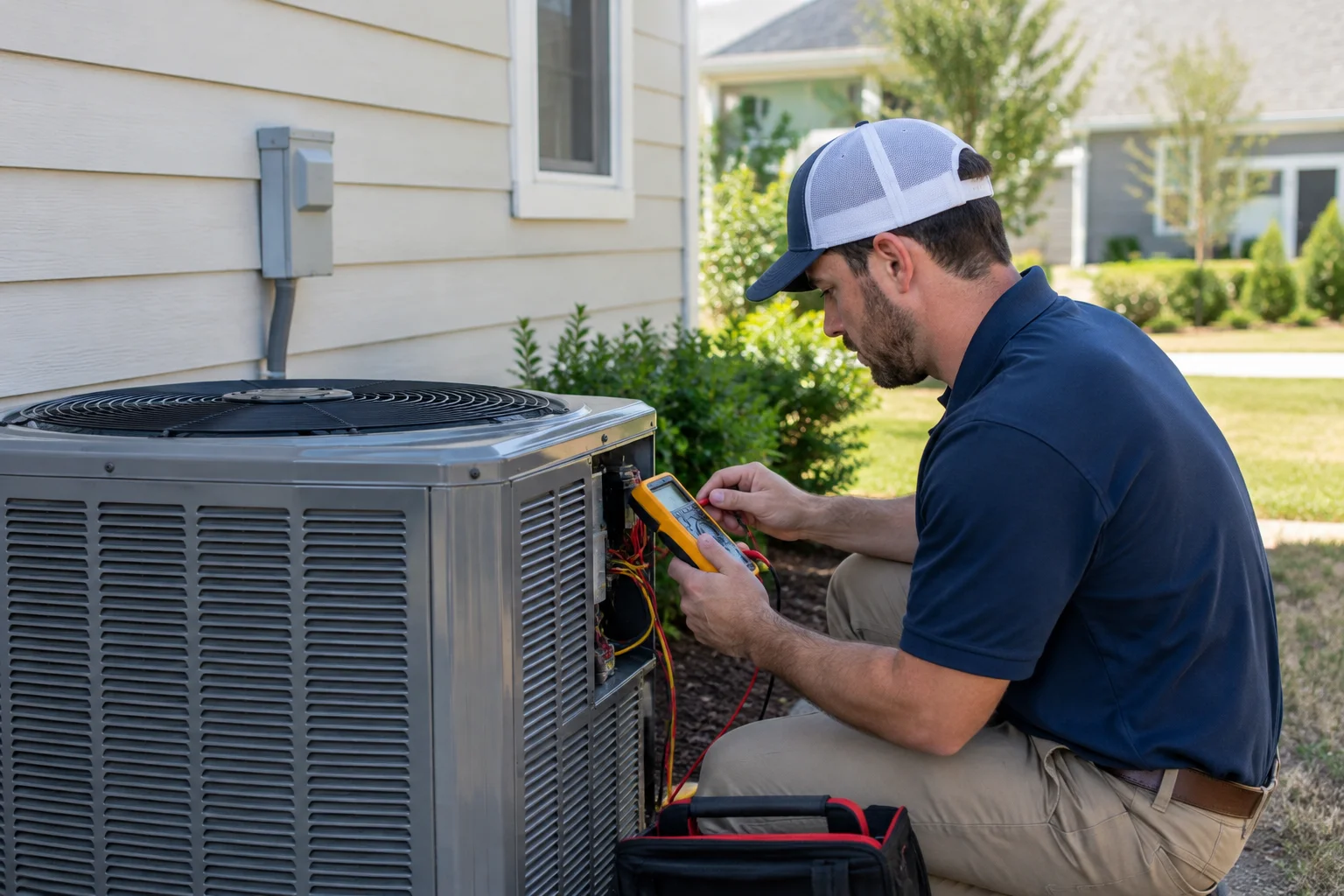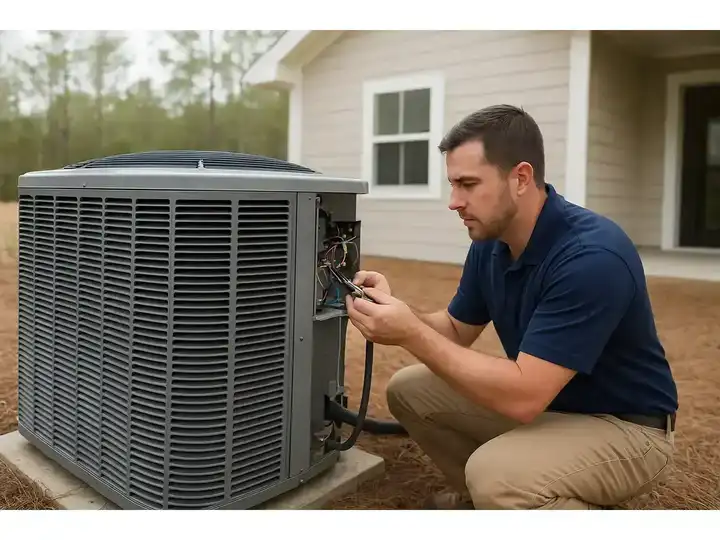
Building a home in 30A comes with a lot of decisions, and the air conditioning system deserves more attention than it often gets. Along this stretch of Walton County, homes deal with long cooling seasons, sticky humidity, salt air, and strong sun exposure that can push an HVAC system harder than many homeowners expect. A system that is sized and installed well from the start can make a big difference in comfort, energy use, and long term reliability.
That is why new construction air conditioning in 30A, FL should be planned with the home, the climate, and the way the property will be used in mind. A vacation home, year round residence, and rental property all have different cooling needs. If you are building near the coast, or even a few miles inland, the right design choices now can help you avoid expensive fixes later. For homeowners looking for local expertise, new construction air conditioning in 30A, FL should be handled by a team that understands coastal conditions and the demands of Walton County homes.
Why 30A homes need a different HVAC approach
30A is known for beautiful coastal neighborhoods, but the same environment that makes the area appealing also creates stress for HVAC equipment. High humidity is common for much of the year, and that means your air conditioner is doing more than lowering temperature. It is also removing moisture from the air so the home feels comfortable. If the system is not designed correctly, rooms can feel clammy even when the thermostat says the temperature is fine.
Salt air is another factor. Homes closer to the Gulf can experience faster wear on outdoor equipment, electrical components, and metal parts. That does not mean HVAC systems fail quickly here, but it does mean installation quality and equipment selection matter more. Local service in 30A and the broader Walton County area helps ensure the system is built for the real conditions your home will face.
Design choices that make a new system perform better
Good new construction air conditioning starts before the equipment is installed. The home’s layout, insulation, windows, ceiling heights, and duct routing all affect how the system performs. A proper load calculation helps determine the right size unit instead of relying on rough guesses. That matters because an oversized system can short cycle, cool too fast, and leave humidity behind. An undersized system can run constantly and still struggle during peak summer heat.
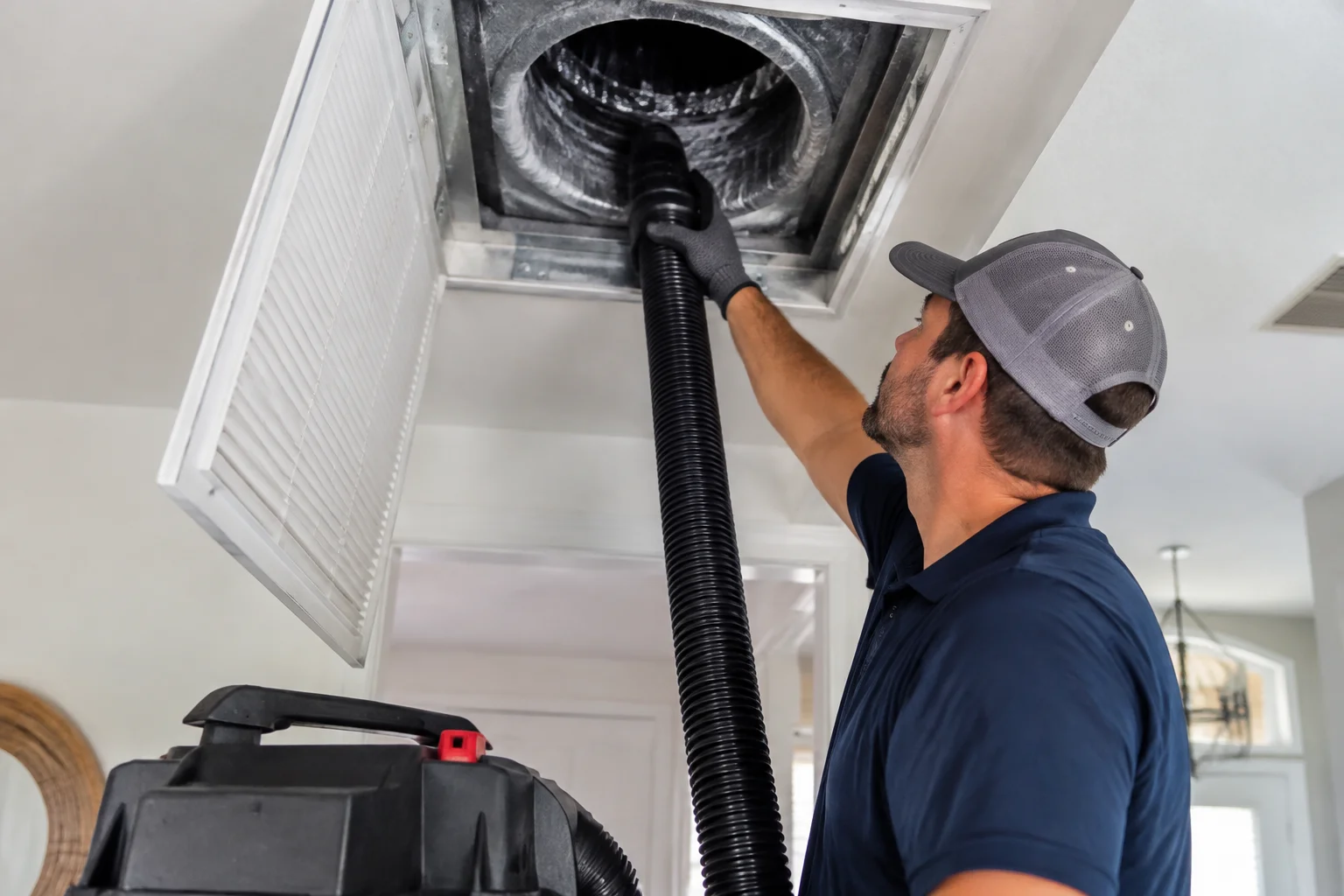
Ductwork planning is just as important. In many new homes, duct runs are tucked into attics or tight spaces where heat gain can become a problem. Poorly designed ducts can create uneven temperatures, noisy operation, and higher utility bills. If you are comparing HVAC planning with other home systems, it is similar to the care needed for ductwork services in 30A, FL where layout and installation quality often decide whether the system works well day after day.
Humidity control should be part of the plan
In coastal Florida, comfort is not just about temperature. A home can be set to 74 degrees and still feel uncomfortable if indoor humidity is too high. During new construction, homeowners should ask how the system will manage moisture. That may include variable speed equipment, properly sized returns, sealed ducts, and in some cases supplemental dehumidification.
Humidity control also helps protect the home itself. Excess moisture can affect flooring, paint, furnishings, and even indoor air quality. For families who spend part of the year away from the house, stable humidity control can be even more important because the home may sit closed up for stretches of time.
Common issues homeowners run into after a new build
Even a brand new home can have comfort problems if the HVAC system was not planned carefully. One common issue is uneven cooling. A bedroom over the garage may feel warmer than the rest of the house, or a large open living area may cool differently from smaller rooms. This often points to duct design, insulation gaps, or airflow issues rather than a bad thermostat.
Another common complaint is that the system runs often but never seems to catch up on humid afternoons. In 30A, this can happen when the unit is not matched correctly to the home or when the duct system leaks cooled air into hot attic spaces. Some homeowners also notice high utility bills during the first summer in a new build, which can be a sign that the system is working harder than it should.
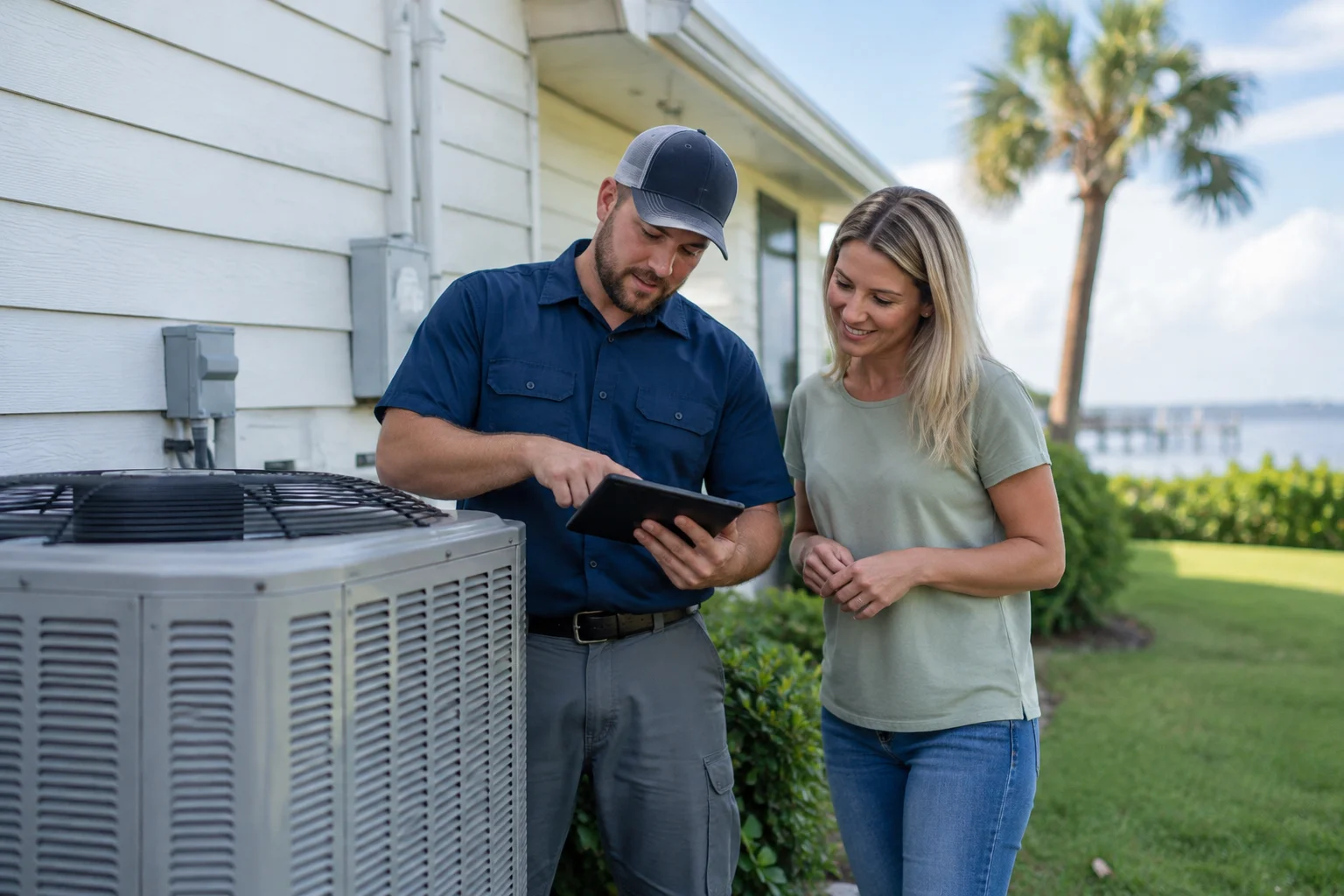
These are the kinds of issues that make local knowledge valuable. A contractor who works in coastal Walton County understands how new homes behave in this climate and can spot problems before they become long term frustrations. If the home is already experiencing serious cooling trouble, why 30A homes need fast HVAC help when cooling problems can’t wait offers a helpful look at why delays can make comfort issues worse.
How to protect a new HVAC system from coastal wear
There are a few practical steps homeowners can take to help a new system last longer in 30A. First, make sure the outdoor unit has proper clearance and airflow. Crowding the equipment with shrubs, fencing, or stored items can trap heat and make the system work harder. Second, keep the system clean. Sand, pollen, and salt can build up on outdoor components and reduce efficiency over time.
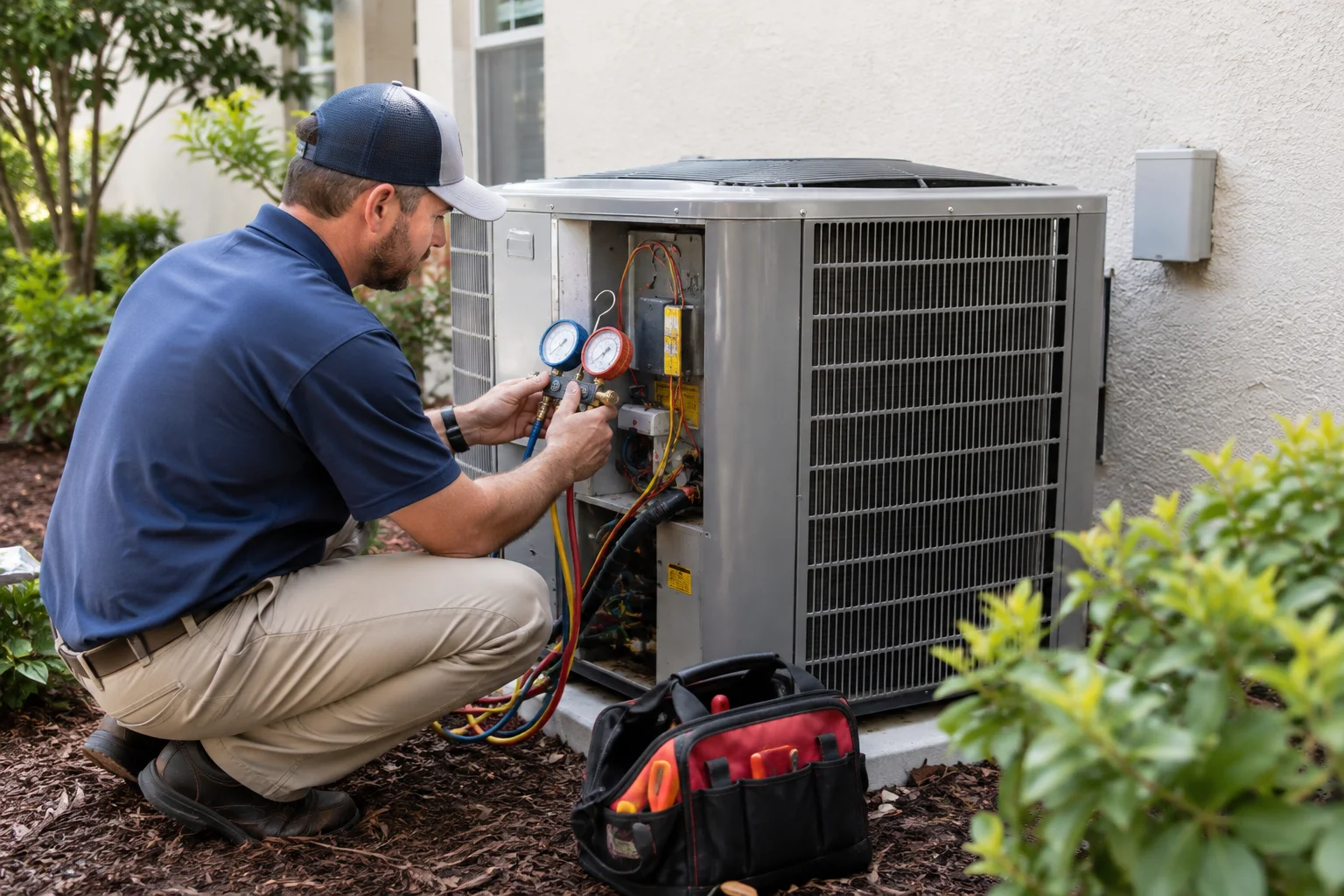
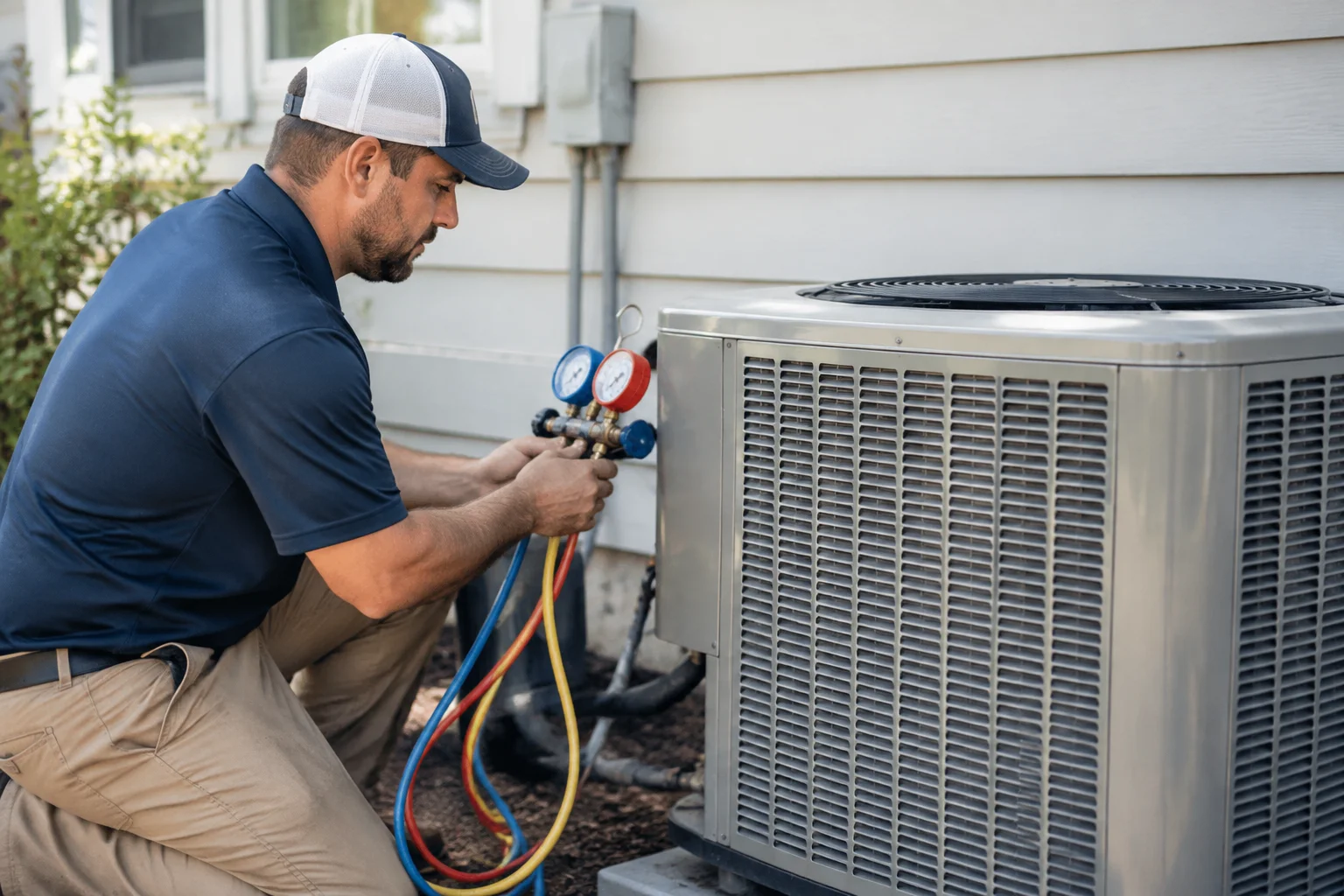
It also helps to stay on top of routine maintenance from the beginning. A new system still needs seasonal checks, filter changes, and inspections of refrigerant levels, electrical connections, and drainage. In a humid climate, condensate drainage is especially important because a clogged drain can lead to leaks, water damage, or shutdowns. Homeowners who are building with long term efficiency in mind may also want to ask about options like geothermal energy systems if the property and budget make sense for that type of design.
Don’t overlook the rest of the house envelope
A well designed AC system can only do so much if the home itself leaks air or heat. Good insulation, sealed penetrations, quality windows, and proper attic ventilation all support better cooling performance. Builders and homeowners should treat HVAC as part of the whole home system, not a standalone appliance. When the shell and the equipment work together, the home stays more comfortable with less strain on the unit.
Why local installation matters more than a one size fits all approach
New construction in 30A is not the same as new construction in a drier inland market. Gulf moisture, storm season, and the area’s mix of primary homes, second homes, and rentals all affect how an HVAC system should be designed. A local installer can recommend equipment and duct strategies that match the property’s actual use, whether the goal is steady year round comfort or dependable cooling for guests during peak season.
Local service also matters after the installation is complete. If a problem comes up during move in, a contractor based in the area can respond faster and is more likely to understand the building standards, common builder practices, and climate related issues that affect homes in 30A. That kind of support is especially helpful for homeowners who need emergency HVAC services during a heat wave or peak humidity stretch.
What homeowners should ask before the first summer
Before a new home in 30A goes through its first hot season, it is smart to ask a few practical questions. Was the system sized with a proper load calculation? Are the ducts sealed and insulated correctly? Is humidity control built into the design? Are the return air paths adequate for the home’s layout? These are simple questions, but they reveal a lot about whether the system was planned for real world use.
It is also worth asking how maintenance will be handled after move in. New construction homes often look finished when the last nail is hammered in, but HVAC systems need a little time and attention once they start running daily. A quick follow up inspection after the home has been occupied can catch small issues before they turn into comfort complaints.
Coastal comfort is easier to manage with the right team
Homeowners in 30A want cool, dry, reliable indoor air without constant adjustments or surprise repairs. That starts with a system designed for the home and the climate, installed with care, and maintained on a regular schedule. A Superior Mechanical provides new construction air conditioning in 30A, FL with custom HVAC design, proper system sizing, ductwork planning, humidity control, and energy efficient installation for Walton County properties.
If your build is still in planning or the mechanical phase is underway, it is worth getting HVAC involved early. The right decisions now can prevent the kind of comfort problems that show up after closing, especially in coastal homes that see heavy summer use. For builders and homeowners comparing service options across the area, A Superior Mechanical also supports related needs like keeping commercial HVAC systems reliable in 30A, FL starts with better installation and keeping 30A commercial HVAC systems ahead of coastal wear and tear, both of which reflect how much installation quality matters in this climate.
For homes with other plumbing or fixture projects underway during construction, coordinated scheduling can help keep the build moving smoothly. That may include services like waterline replacement or toilet repair and replacement when multiple trades need to stay aligned on the jobsite.
Find New Construction Air Conditioning in 30A, FL
If you need New Construction Air Conditioning in 30A, FL, visit our local service page or contact A Superior Mechanical today.
Map of 30A, FL
Frequently Asked Questions
Why does new construction air conditioning in 30A need special planning?
30A homes deal with high humidity, salt air, and long cooling seasons. That means the system needs proper sizing, duct design, and moisture control from the start.
What problems happen when a new HVAC system is oversized?
An oversized system can cool the house too quickly, shut off too often, and leave humidity in the air. That can create a clammy indoor feel and uneven comfort.
How often should a new HVAC system be maintained in coastal Walton County?
At least once or twice a year is a good starting point, with filter changes and drain checks in between. Coastal homes may need closer attention because of salt, humidity, and heavy summer use.
Related Articles
Photo Gallery