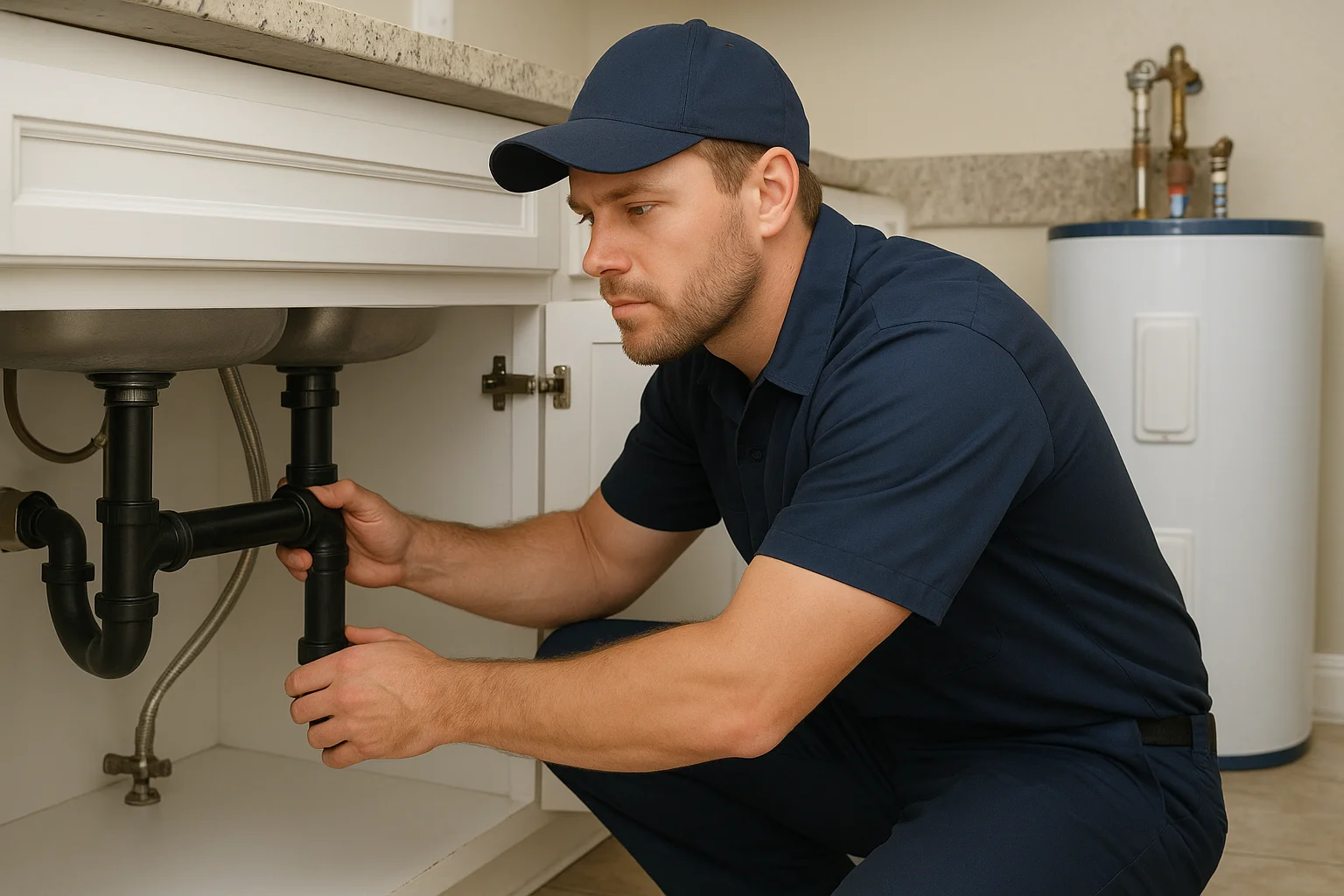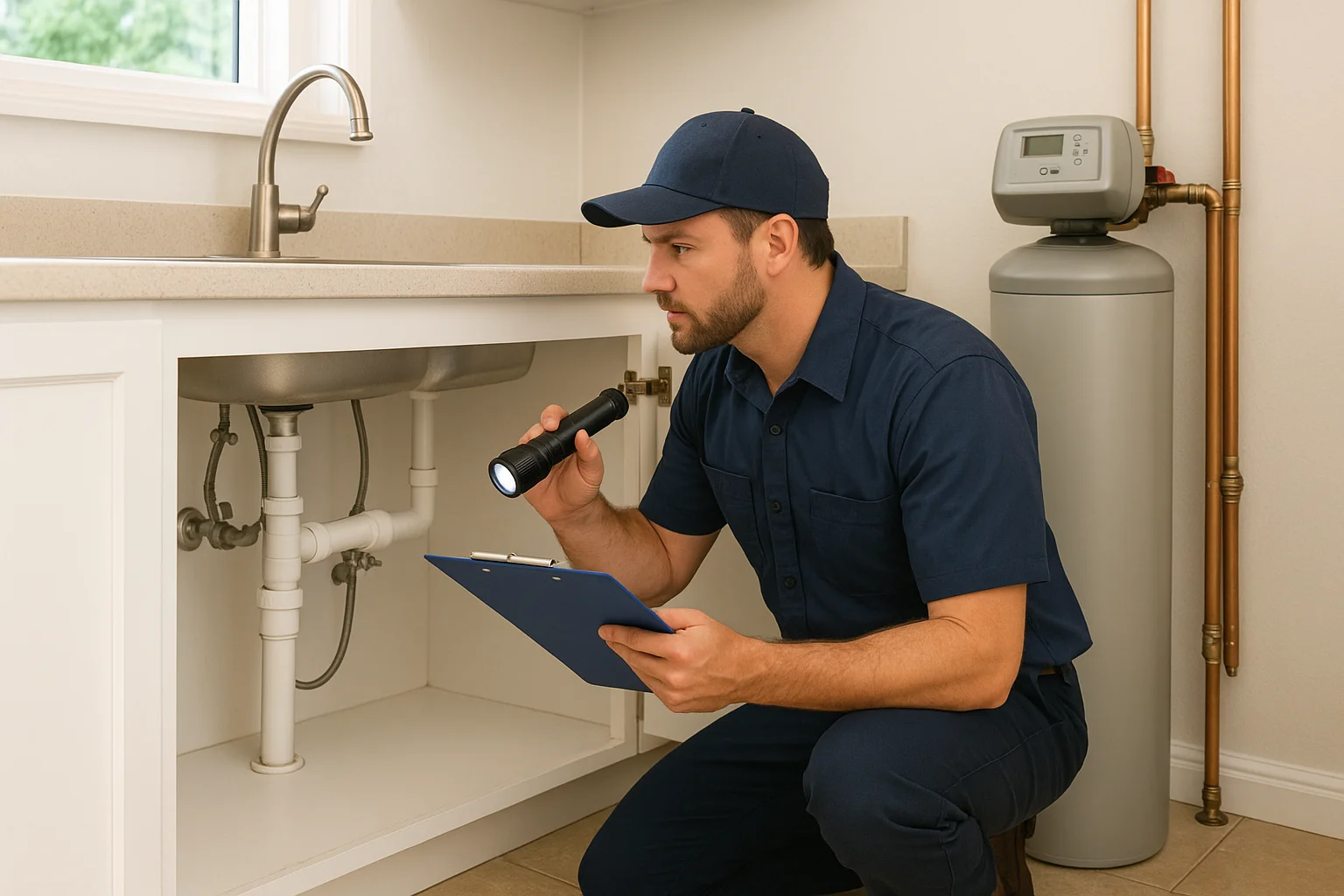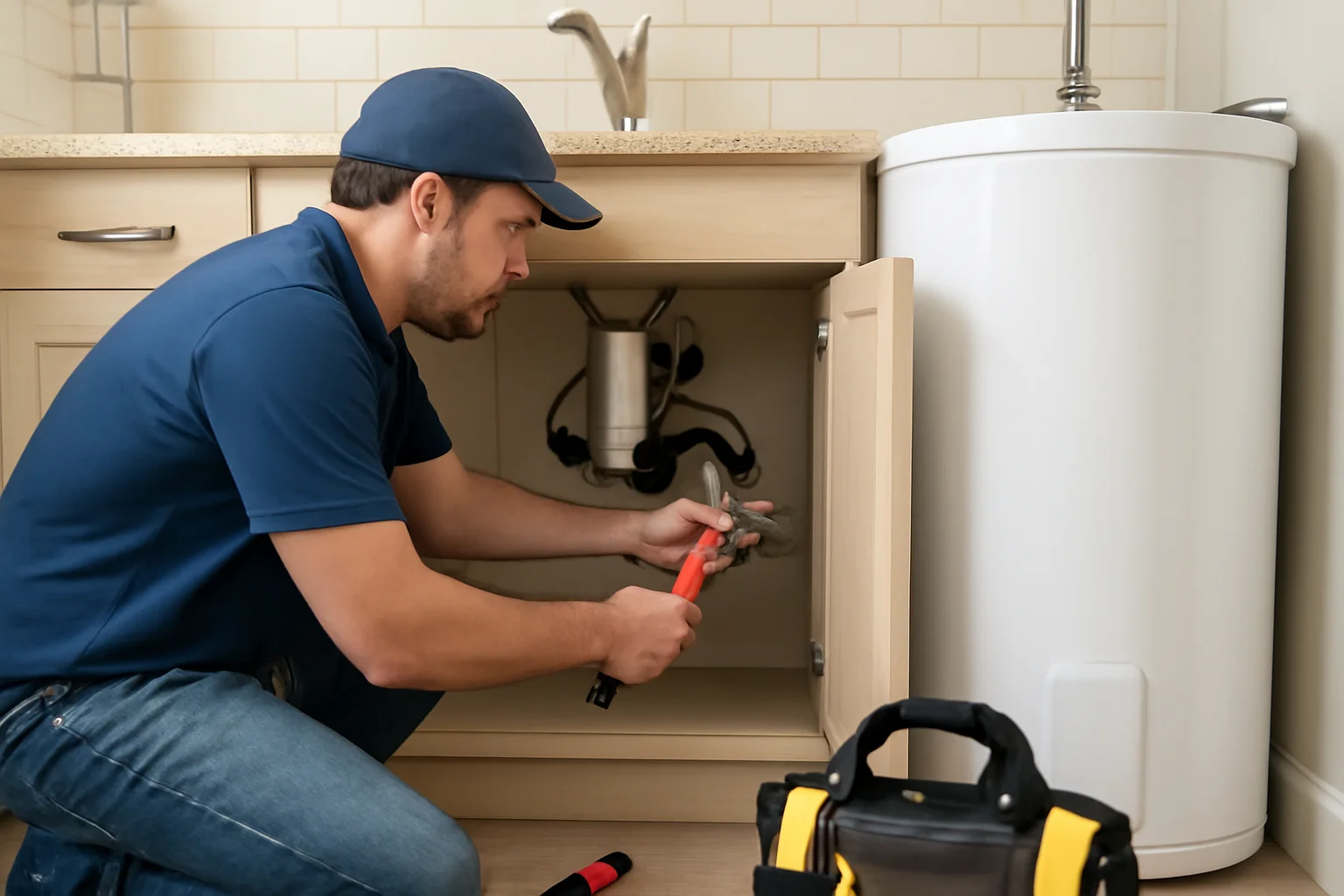
Camp Creek homes depend on steady hot water for showers, laundry, and everyday comfort. When a water heater starts acting up, the problem is not always limited to “no hot water” or lukewarm recovery. Small plumbing failures can escalate into wet drywall, damaged subfloors, and emergency cleanup, especially when leaks hide behind walls or under slabs.
This guide covers plumbing warning signs connected to water heater repair in Camp Creek, FL. It also explains how to prevent water damage, plan repairs, and understand what a local plumber will check during service. If you are searching for a plumber near me or water heater repair near me, the details below will help you recognize urgency and ask the right questions.
Why Camp Creek water heater problems can become water damage fast
Water heater leaks are rarely “just a drip.” In Camp Creek and across Walton County, homes may rely on older plumbing runs, tight crawl spaces, or interior piping that routes through closets and utility rooms. When a water heater connection fails, water can travel along framing, soak insulation, and spread before you notice a stain.
Local weather patterns also matter. Florida humidity and seasonal rain can make small leaks harder to track because dampness can linger. If you have hard water, mineral buildup can shorten tank life and increase the chance of leaks at fittings and valves. And if you have older supply lines, pressure changes from water use throughout the day can stress joints and seals.
The goal of water damage prevention is simple: catch the plumbing failure early, stop the water source, and repair the cause, not just the symptom.
Plumbing warning signs tied directly to water heater repair
Below are common warning signs homeowners in Camp Creek notice before damage becomes visible. Some are obvious. Others show up as performance issues that point to a leak or failing parts.
1) Puddles near the base, drain pan, or supply lines
If you see water around the bottom of the tank, near the discharge pipe, or under the heater, treat it as urgent. A water heater is designed to hold water under pressure. When that pressure escapes, water can run along nearby pipes and collect in spots that are not directly under the leak.
Check for:
- Wet concrete, damp flooring, or water stains
- Moisture around the cold water inlet, hot outlet, or temperature and pressure (T&P) valve
- Water pooling under the water heater closet or utility area
Even a small leak can cause swelling drywall and corrosion on nearby metal components.
2) Rust-colored or discolored hot water
Rusty water often indicates internal corrosion or sediment buildup. Sediment can reduce efficiency and increase strain on components. Over time, that strain can lead to leaks at seams, fittings, or the bottom of the tank.
Look for:
- Hot water that turns brown or orange
- Particles in faucets and shower heads
- Frequent temperature swings because the system is struggling to recover
Rusty hot water is a common reason homeowners contact a local plumber near me for water heater service and possible replacement planning.
3) Sudden drops in water pressure or inconsistent hot water
A failing water heater can affect pressure because internal valves and check components regulate flow. If you notice pressure changes only on hot water, it can point to:
- A partially blocked dip tube or sediment-filled tank
- A failing mixing valve or shutoff valve at the heater
- Air or debris moving through hot lines
In Camp Creek, households may use water heavily during mornings and evenings. If your hot water struggles during peak use, the issue can worsen quickly, especially if the system is already running at higher stress.
4) Leaking from the T&P valve or discharge pipe
The T&P valve is a safety device. If it discharges water, it usually means the tank is experiencing unsafe temperature or pressure conditions. Mineral buildup from hard water can cause valve malfunction, and that can lead to ongoing water loss.
Do not ignore discharge. This is one of the clearest plumbing warning signs connected to water heater repair and potential water damage.
5) Strange noises: popping, rumbling, or cracking
Rumbling and popping often come from sediment heating at the bottom of the tank. Over time, sediment acts like a barrier, forcing the heater to work harder and potentially contributing to premature wear. While noise alone may not mean “leak now,” it is a strong indicator that the system needs attention before failure escalates.
6) Corrosion at fittings, valves, or nearby pipe joints
Check the visible plumbing connections to the heater. If you see greenish discoloration, white crusty deposits, or wetness around threaded joints, the leak may be slow and hidden from plain sight.
Common connection points include:
- Cold water inlet line
- Hot water outlet line
- Shutoff valves
- Drain valve and associated piping
Corrosion can also weaken connections that share the same wall cavity as other plumbing lines, which increases the risk of water damage in adjacent areas.
7) Water stains on ceilings, behind walls, or near baseboards
Not all leaks show up where you expect them. If you find stains that appear after heavy hot water use, the water heater may be the source. In some Camp Creek homes, hot supply lines route through walls, and a failing fitting can drip into insulation or run down studs.
Also consider slab leak repair concerns when water shows up near flooring joints. While slab leaks are not limited to water heaters, a leak that starts at the heater can affect how water travels into the home’s plumbing routes.
Less obvious causes that increase leak risk
Warning signs are important, but homeowners also want to understand what causes the failure. Here are factors that commonly drive water heater repairs in Camp Creek, Walton County.
Hard water and mineral buildup
Hard water increases scale inside tanks and on valves. Over time, mineral buildup reduces heat transfer and stresses components. It also contributes to clogged internal pathways and can cause valve issues that lead to discharge and leaks.
If your home has hard water, it is smart to plan water heater maintenance earlier than you might elsewhere.
Water pressure spikes and inconsistent pressure
High water pressure can accelerate wear on tanks, fittings, and supply lines. Pressure changes can happen when water demand shifts across the neighborhood, or when the home’s pressure regulator is failing.
A plumber may check pressure and recommend adjustments if spikes are suspected. This is a key part of water damage prevention because it reduces stress on seals and joints.
Drain line clogs and improper discharge routing
Some heaters discharge through a drain line or discharge pipe. If the line is restricted or improperly routed, water can back up and leak where it should not. This is why plumbers often verify discharge routing during service and repairs.
While a main drain cleaning near me search may seem unrelated, clogged drains can affect how water gets removed from nearby areas during discharge events. Keeping drains clear supports safer operation.
Old plumbing components near the heater
Even if the tank is not failing yet, older shutoff valves, corroded connectors, and aging pipe sections can leak. A water heater repair appointment often includes checking the surrounding plumbing, not just swapping parts.
Improper installation or mismatched parts
Small installation details matter. A connector that is slightly misaligned, a valve that is not rated for the system, or an incorrect venting setup can create chronic problems. Homeowners who are planning plumbing replacement or new water heater installation near me should ask about fitting compatibility and proper leak testing.
If you want more context, read What Camp Creek Homeowners Often Miss During Plumbing Installation.
What to do right now if you suspect a water heater leak
When you notice water or a strong sign of failure, act quickly. Water damage prevention is about controlling the source and limiting spread.
Step 1: Turn off the water supply to the heater
Locate the cold water shutoff valve on the inlet line and close it. If you cannot access it safely, shut off the main water supply to the home.
Step 2: Reduce hot water usage
Stop using hot water fixtures. Laundry, dishwashing, and long showers can increase flow and worsen a leak.
Step 3: Check for active dripping and note where it is coming from
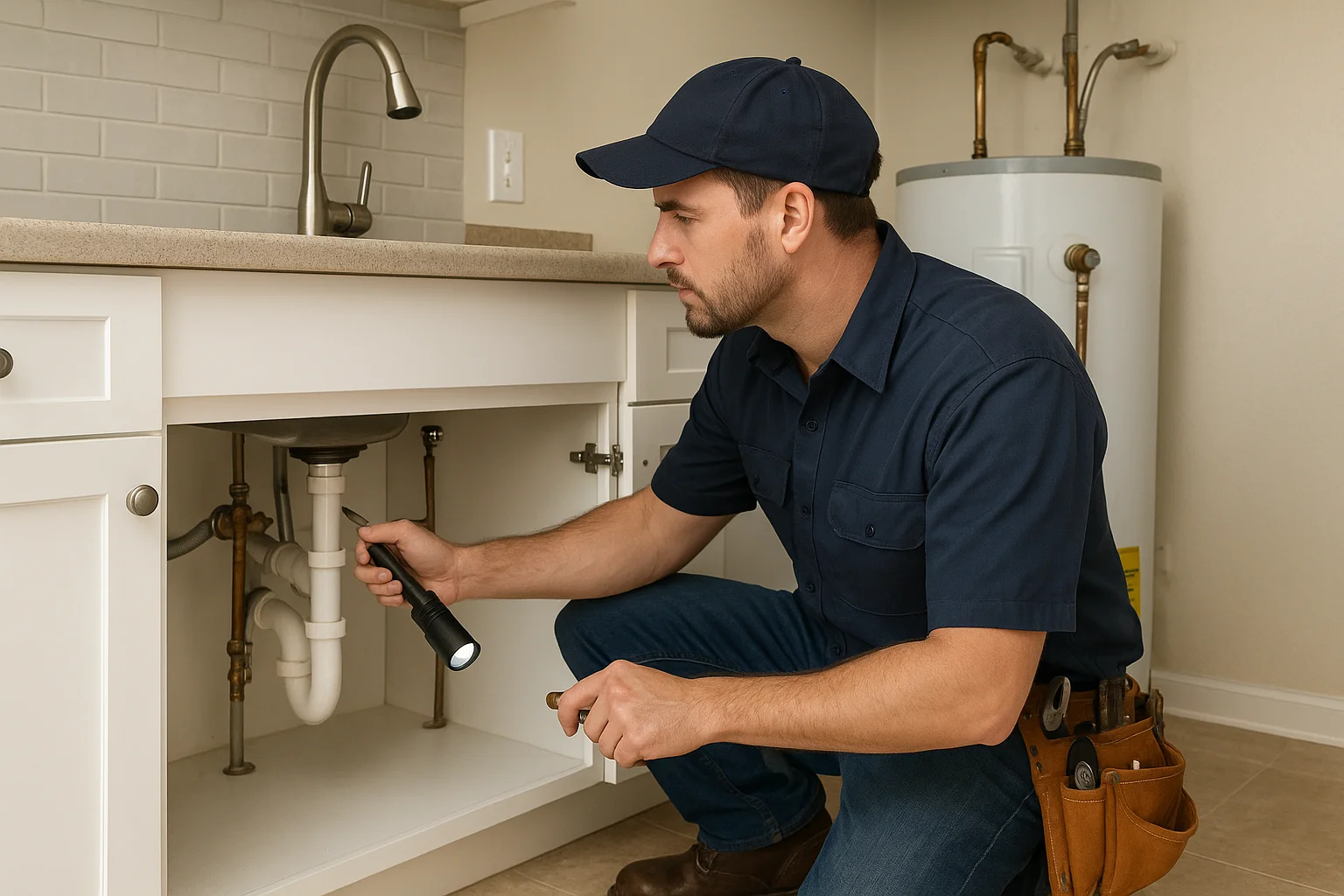
Use a flashlight to look at the base, connections, and discharge area. If you see water coming from a valve, do not attempt repairs unless you are trained. A licensed plumber can confirm what failed and why.
Step 4: Protect nearby areas
Move items away from the wet area. If the leak is near a wall or floor, place towels or a pan to catch drips while you schedule repair.
Step 5: Plan for emergency plumbing concerns
If water is spreading quickly, ceiling drywall is bulging, or you suspect a major pipe failure, treat it as an emergency plumbing concern. A same day plumber near me search is appropriate when water is actively damaging the home.
For Camp Creek homeowners, contacting a local team that understands area homes and typical plumbing layouts can shorten the time between discovery and containment.
How a plumber diagnoses water heater related leaks
When you call for water heater repair, a quality plumbing service will verify the problem source. That might include:
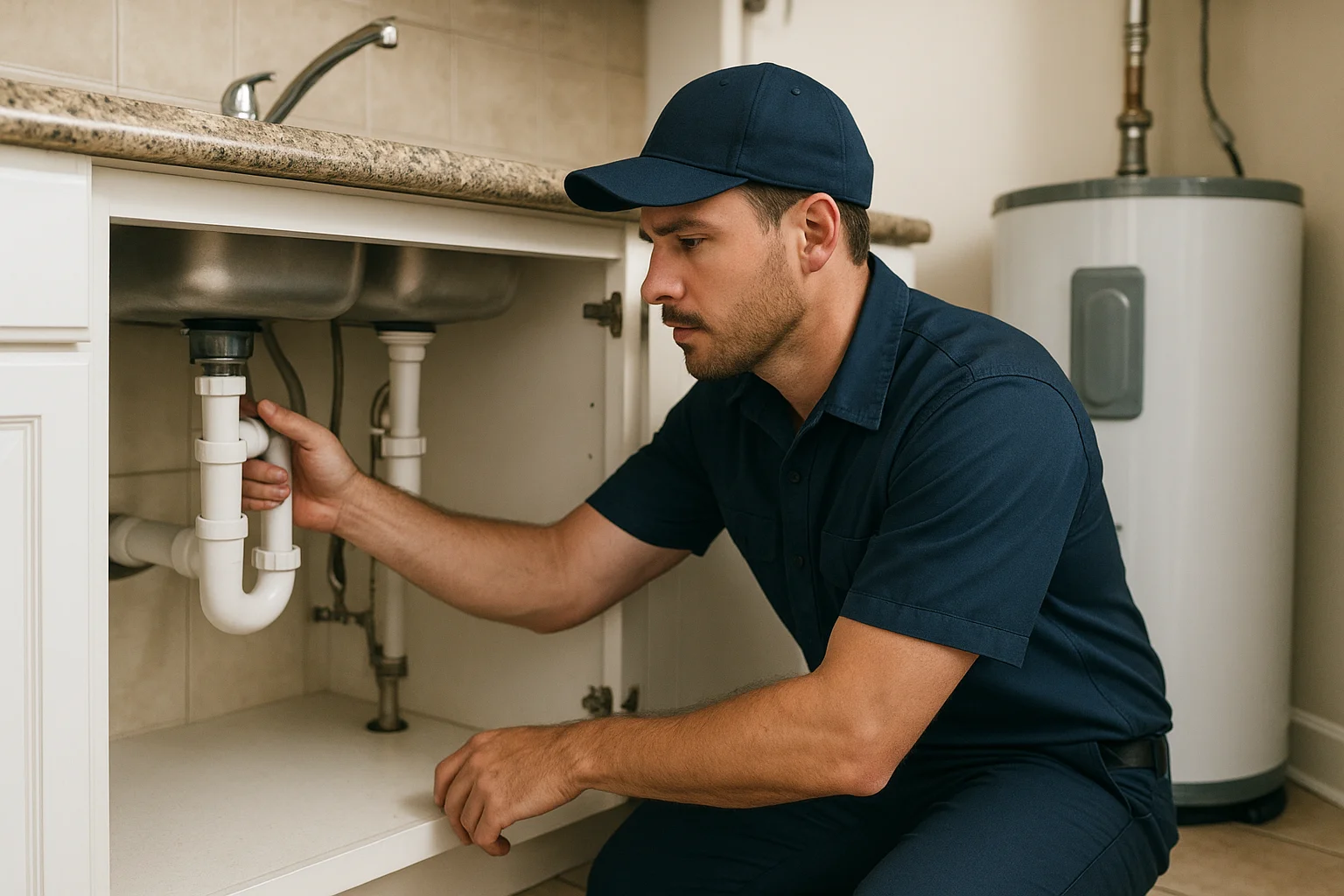
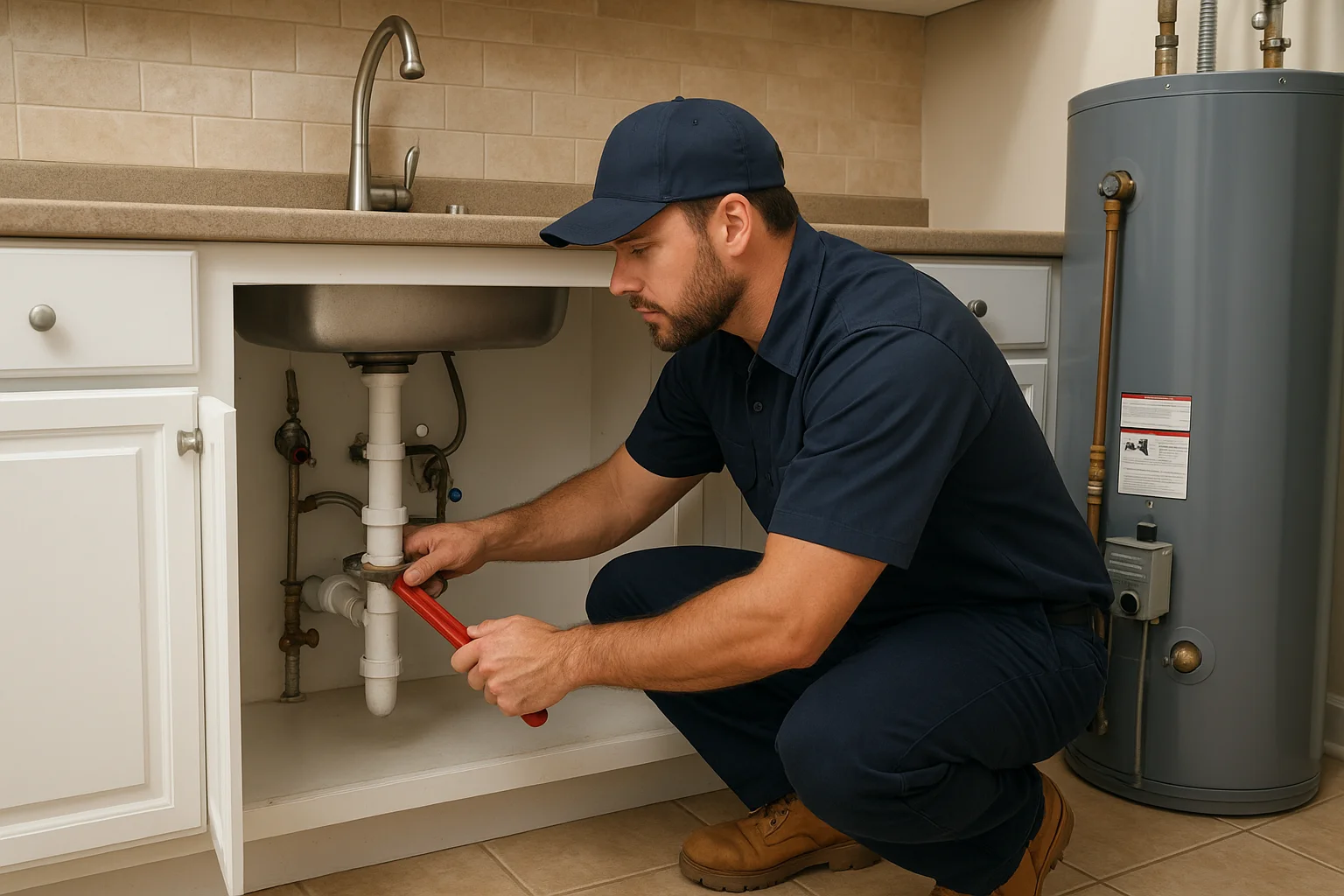
- Inspecting visible connections, shutoff valves, and discharge components
- Checking for pressure and temperature issues that could trigger safety valve discharge
- Testing hot water performance and recovery rates
- Evaluating sediment buildup and internal wear signs
- Assessing nearby pipes and fixtures that may be impacted
If the leak is not visible, the plumber may focus on how water travels through the home. That can include checking supply lines feeding bathrooms and kitchens, plus the hot water route near the water heater closet or utility room.
For homes with suspected hidden leaks, slab leak repair near me may come up. A professional will determine whether the source is above the slab, within wall cavities, or connected to the heater supply plumbing.
Prevention and maintenance that reduce water damage risk
Preventing water damage is easier when you treat water heater care as part of your overall local plumbing maintenance routine.
Schedule periodic inspections
A home plumbing inspection near me search is useful when you want a systematic look at the system, especially if your heater is older or you have noticed performance changes. Inspections can catch corrosion, loose fittings, and early valve problems before they become leaks.
To build a maintenance plan, see How Better Plumbing Management Protects Camp Creek Homes.
Watch water pressure and temperature settings
Keeping pressure within safe ranges reduces stress on tank seams and plumbing joints. Temperature settings that run too hot can increase wear and contribute to safety valve discharge. A plumber can help you confirm safe settings based on your heater type and household needs.
Address sediment before it turns into failure
Sediment buildup is a common reason for popping noises, reduced hot water output, and accelerated wear. Flushing and maintenance can extend service life for some systems, though severe corrosion may still require replacement.
If you are comparing options, review A Practical Guide to Water Heater Replacement in Camp Creek, FL and the Plumbing Problems That Shorten System Life.
Keep drains and discharge lines clear
If your heater uses a drain pan with an outlet or a discharge pipe, make sure the pathway is not obstructed. A clogged or blocked line can cause water to pool and leak into the home.
When drains act up, homeowners often look for slow drain repair near me or main drain cleaning near me. Clearing related plumbing helps reduce the chance that water has nowhere to go during discharge events.
Don’t ignore fixture symptoms that point upstream
Sometimes the issue is not the faucet or shower head. It is supply water quality, pressure, or a problem with the hot line. If you notice issues like:
- Staining around a bathroom fixture
- Toilet refill problems after hot water use
- Frequent faucet leaks
it is worth having a plumber check the plumbing system holistically. For fixture-specific issues, Plumbing Fixture Replacement can help, but the heater and supply lines should still be evaluated when hot water seems involved.
Repair vs replacement: planning for the right fix
Homeowners often ask whether they should repair or replace. The answer depends on the cause, the heater age, and the extent of corrosion or valve failure.
If the problem is a minor connection leak, a repair may be the best option. If the tank is heavily corroded, the cost and risk of repeated repairs can be higher than replacing the system. In some cases, a heater replacement is also the best way to reset the plumbing layout and reduce future leak risk.
If you are exploring replacement planning, the local timing matters. Read Why Plumbing Replacement Should Move Up the Priority List in Camp Creek Homes.
Also, if your household is considering tankless options, the planning should still be plumbing-first. A tankless water heater replacement near me search can bring up options, but installation quality and correct piping are what prevent leaks and pressure problems over time.
Choosing the right plumbing help in Camp Creek
When you need water heater repair, look for a plumbing team that treats the job as a plumbing system issue, not a single component swap. The best service will:
- Inspect the heater connections and nearby pipes
- Check water pressure and safety valve performance
- Confirm discharge and drain routing
- Help you understand prevention steps for your household’s water use
For broader needs beyond the heater, it helps to have access to related services in the same area. If you also suspect sewer line or drain issues, you can explore Sewer and Drain Services. If you need broader system updates, Plumbing Services can connect you with the right repair path.
If you want to understand what A Superior Mechanical serves locally, start with our Camp Creek area page: /service-areas/walton-county/camp-creek.
When to call A Superior Mechanical for water heater repair
Call a professional promptly when you notice any of the following:
- Visible water pooling near the tank, base, or discharge area
- Rusty or discolored hot water that keeps returning
- T&P valve discharge or repeated safety-related venting
- Pressure problems that affect hot water recovery
- Water stains on ceilings, walls, or near flooring joints after hot water use
These are the plumbing warning signs connected to water heater repair that can turn into water damage in Camp Creek if you wait too long. When you call early, you can often limit the repair to the failed component and protect the surrounding pipes, fixtures, and finishes.
If you are searching for affordable plumber near me or same day plumber near me because water is actively leaking, mention the symptoms and where you see moisture. That helps a technician bring the right tools and parts for the repair.
For Camp Creek homeowners, reliable water heater service means more than comfort. It is also about preventing wet drywall, protecting the home’s framing, and keeping plumbing lines and sewer routes operating safely during daily water use.
Find Water Heater Repair in Camp Creek, FL
If you need Water Heater Repair in Camp Creek, FL, visit our local service page or contact A Superior Mechanical today.
Map of Camp Creek, FL
Frequently Asked Questions
Can a leaking water heater cause water damage even if the leak is small?
Yes. A small leak around the base, fittings, or discharge line can travel through framing and subflooring before you notice stains. In Camp Creek homes, that can mean hidden wet drywall or moisture damage behind wall cavities.
What does it mean if my hot water looks rusty or brown?
Rusty hot water often points to internal tank corrosion or sediment buildup. That condition can shorten system life and increase the risk of leaks at the tank or connections, so it is a strong reason to schedule water heater service.
Is T&P valve discharge an emergency?
It should be treated as urgent. Discharge can indicate unsafe temperature or pressure conditions. A plumber should inspect the T&P valve, check pressure, and confirm proper discharge routing to prevent ongoing water loss and damage.
How do I prevent water heater leaks in a hard water home?
Hard water increases mineral buildup. Periodic inspections, checking pressure, and addressing sediment can reduce strain on valves and fittings. A maintenance plan helps catch corrosion early before it becomes a leak.
When should I consider water heater replacement instead of repair?
If the tank is heavily corroded, leaks keep returning, or performance is failing due to sediment and internal wear, replacement may be safer and more cost-effective. A local plumber can evaluate the system and help you plan the right option for your Camp Creek household.
Related Articles
- A Practical Guide to Water Heater Replacement in Camp Creek, FL and the Plumbing Problems That Shorten System Life
- How Better Plumbing Management Protects Camp Creek Homes
- What Camp Creek Homeowners Often Miss During Plumbing Installation
- Why Plumbing Replacement Should Move Up the Priority List in Camp Creek Homes
Photo Gallery