In Parker, air conditioning is not a luxury for very long. It is part of daily comfort for much of the year. Between high humidity, long cooling seasons, salt air moving inland from the coast, and sudden summer storms, AC systems in this part of Bay County work hard. That is why a professional inspection matters. If you are scheduling air conditioning inspection in Parker, FL, it helps to know what the visit includes, what problems a technician may find, and why local experience makes a difference.
For homeowners, an inspection is not just about checking a box before summer. It is a practical way to catch wear early, improve efficiency, and reduce the chance of losing cooling during the hottest part of the season. It can also help you plan repairs before they turn into a full system breakdown.
Why AC inspections matter in Parker, FL
Parker homes deal with conditions that put extra stress on HVAC equipment. Heat and humidity stay around for long stretches, which means systems cycle often and may run for hours at a time. Moisture can affect electrical parts, drain lines, and indoor air quality. Outdoor units are also exposed to debris, rain, and coastal corrosion that can shorten equipment life if problems go unnoticed.
Older homes in Parker may have ductwork issues, insulation gaps, aging thermostats, or electrical connections that are no longer in great shape. Newer homes are not immune either. Even a newer AC system can lose efficiency from a dirty coil, a clogged drain line, low refrigerant, or poor airflow. A detailed inspection helps identify these issues before they become more expensive.
Because Parker is part of Bay County, local systems often face similar environmental conditions, but each property still has its own challenges. A primary residence, seasonal home, vacation rental, and small commercial space can all have very different usage patterns. That is one reason local service matters. A technician familiar with Parker, FL can look at your system with the local climate and housing stock in mind.
What an air conditioning inspection usually includes
A professional AC inspection is more than a quick glance at the outdoor unit. It is a step-by-step evaluation of the system's major components, operation, and overall condition. The exact checklist may vary by equipment type, but homeowners can generally expect several core items to be reviewed.
Thermostat check
The inspection often starts at the thermostat. The technician checks whether it is reading accurately, responding properly, and communicating with the system as it should. If the thermostat is outdated, poorly placed, or not calibrated well, it can affect comfort and energy use throughout the house.
Air filter and airflow review
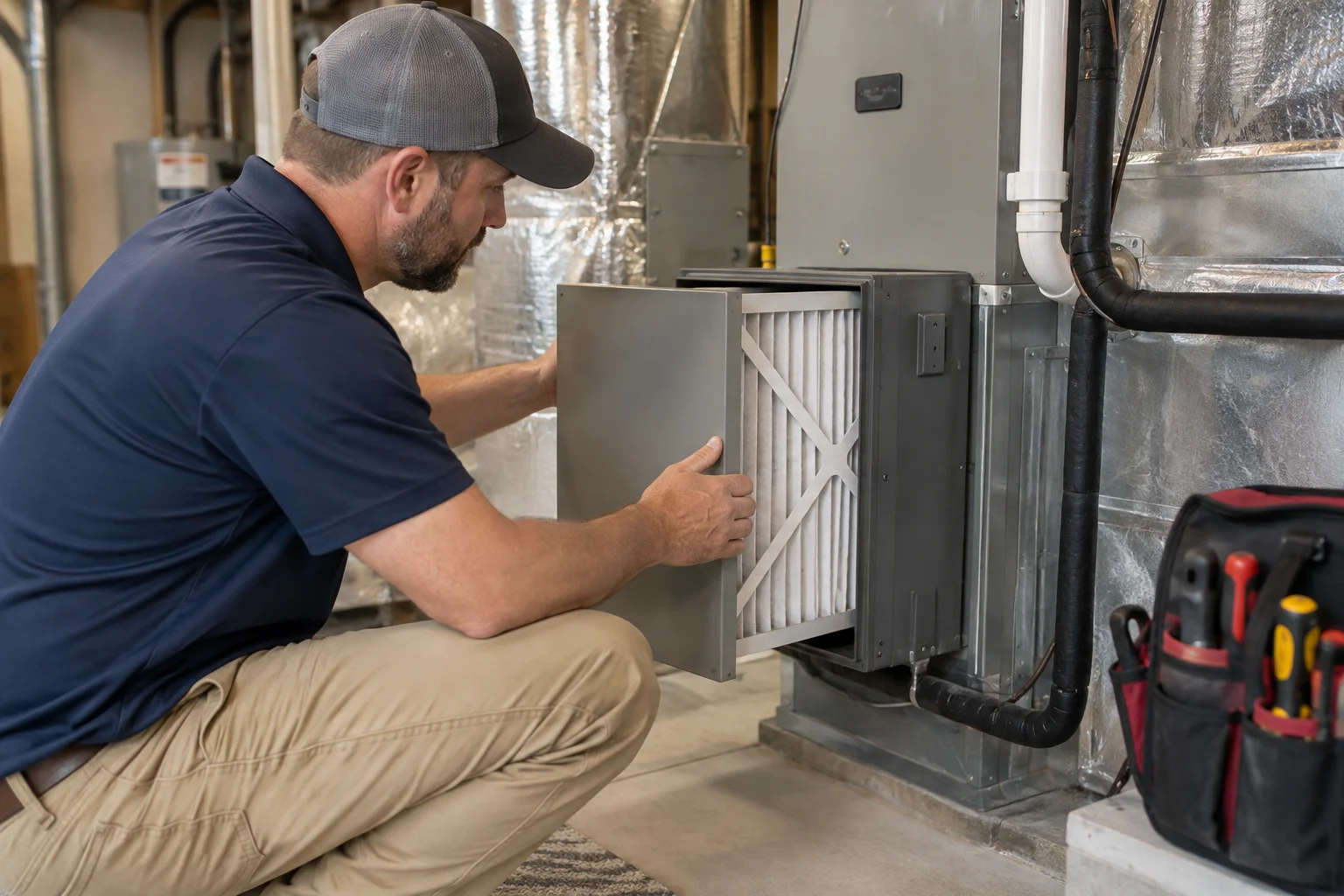
Restricted airflow is one of the most common AC problems in Florida homes. During an inspection, the technician usually checks the air filter, return airflow, supply airflow, and signs of blockage or imbalance. A dirty filter may seem minor, but it can contribute to frozen coils, reduced cooling, and extra strain on the blower motor.
Indoor coil and blower components
The evaporator coil and blower assembly are key to cooling performance. If the coil is dirty, heat transfer suffers. If the blower is worn or dirty, airflow drops. During the inspection, these parts are checked for buildup, wear, and signs of moisture-related issues. In humid areas like Parker, excess condensation can lead to mold concerns, water leaks, or drain problems.
Outdoor condenser inspection
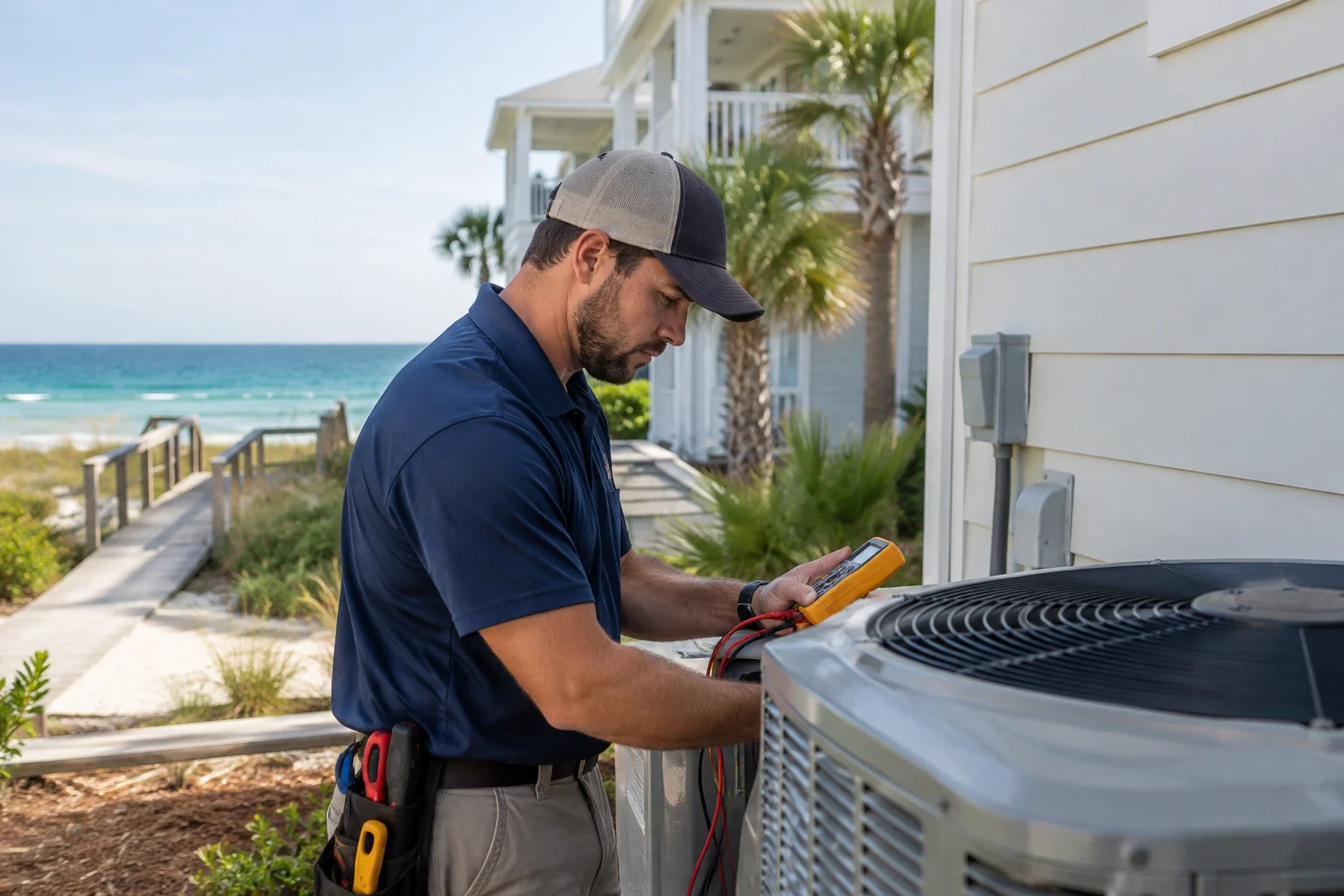
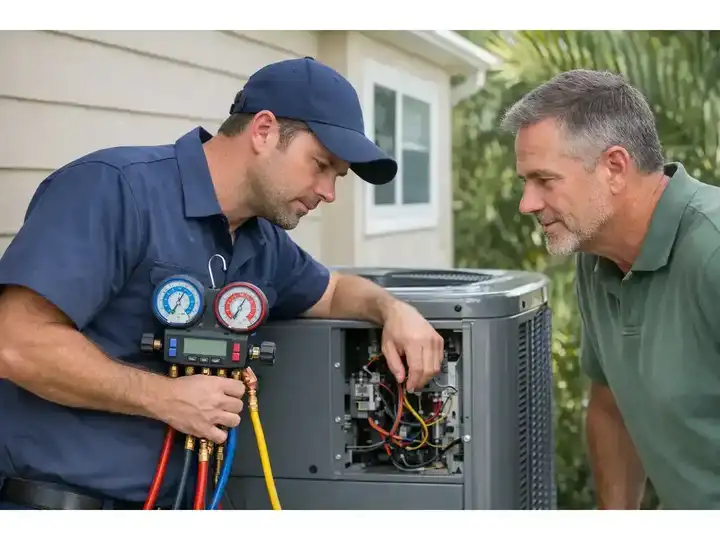
The outdoor unit is exposed to weather year-round. A technician will typically inspect the condenser coil, fan motor, electrical components, cabinet condition, and surrounding clearance. Grass clippings, leaves, dirt, and corrosion can all interfere with operation. In coastal parts of Bay County, salt exposure can also speed up wear on metal components.
Electrical connections and controls
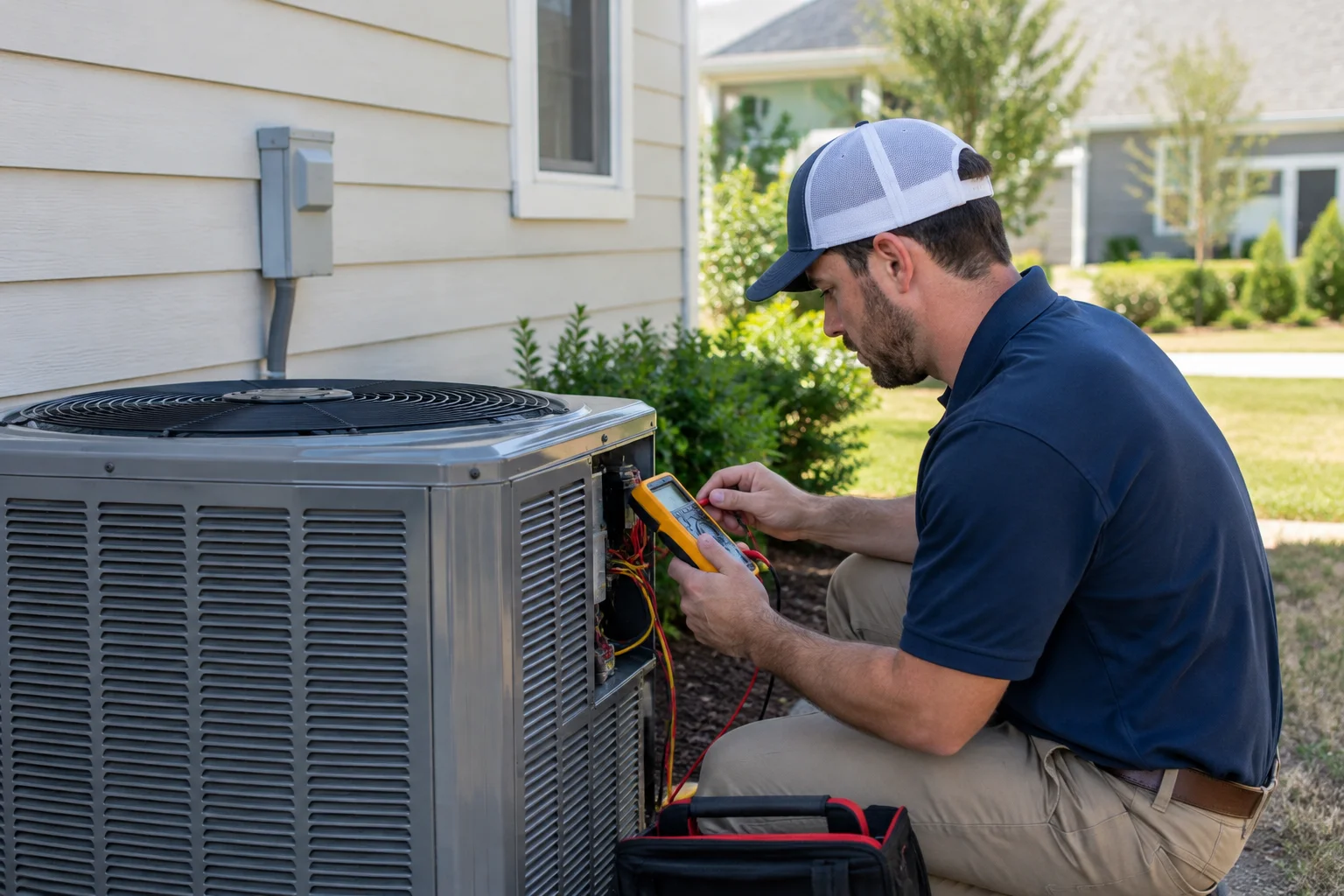
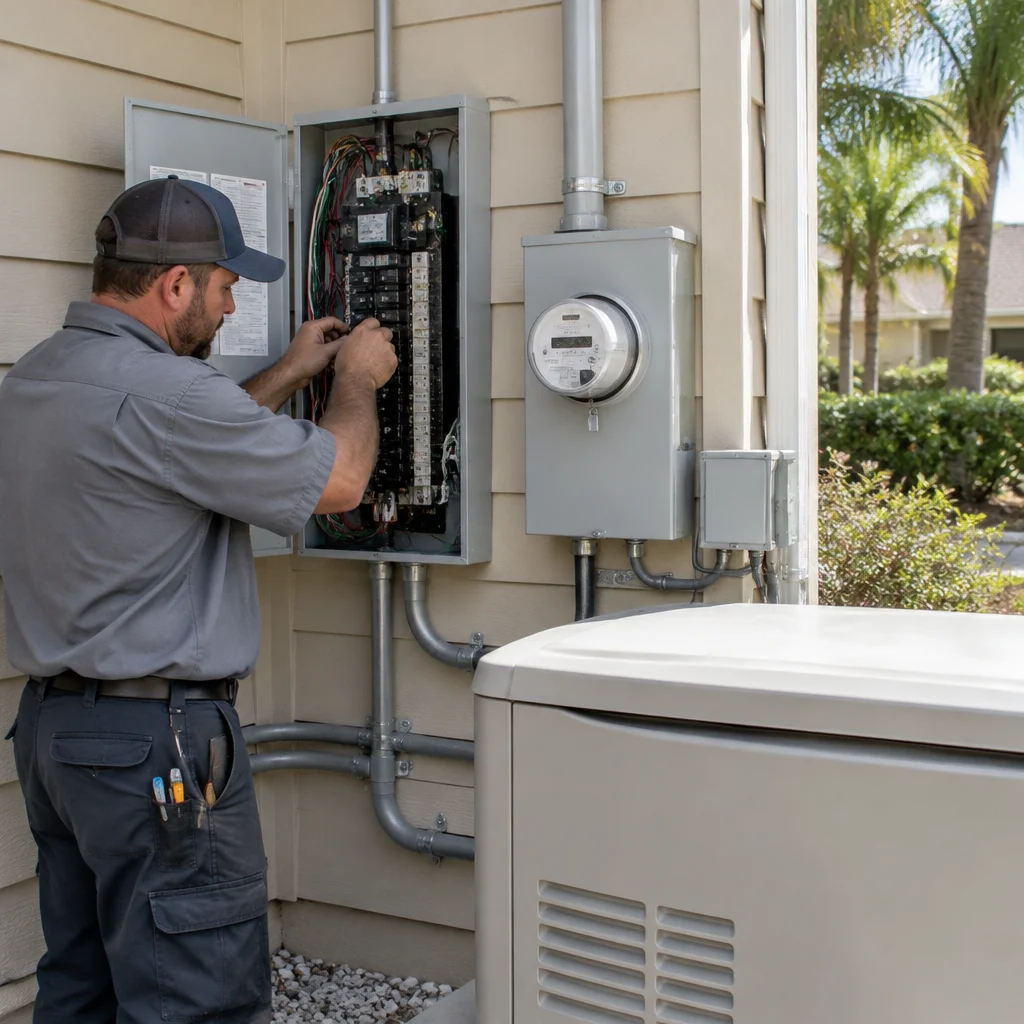
Loose or damaged electrical connections can cause intermittent cooling, hard starts, or system failure. During the inspection, the technician may test capacitors, contactors, relays, wiring connections, and safety controls. These parts are small, but they play a major role in whether your system starts and runs correctly.
Refrigerant and performance testing
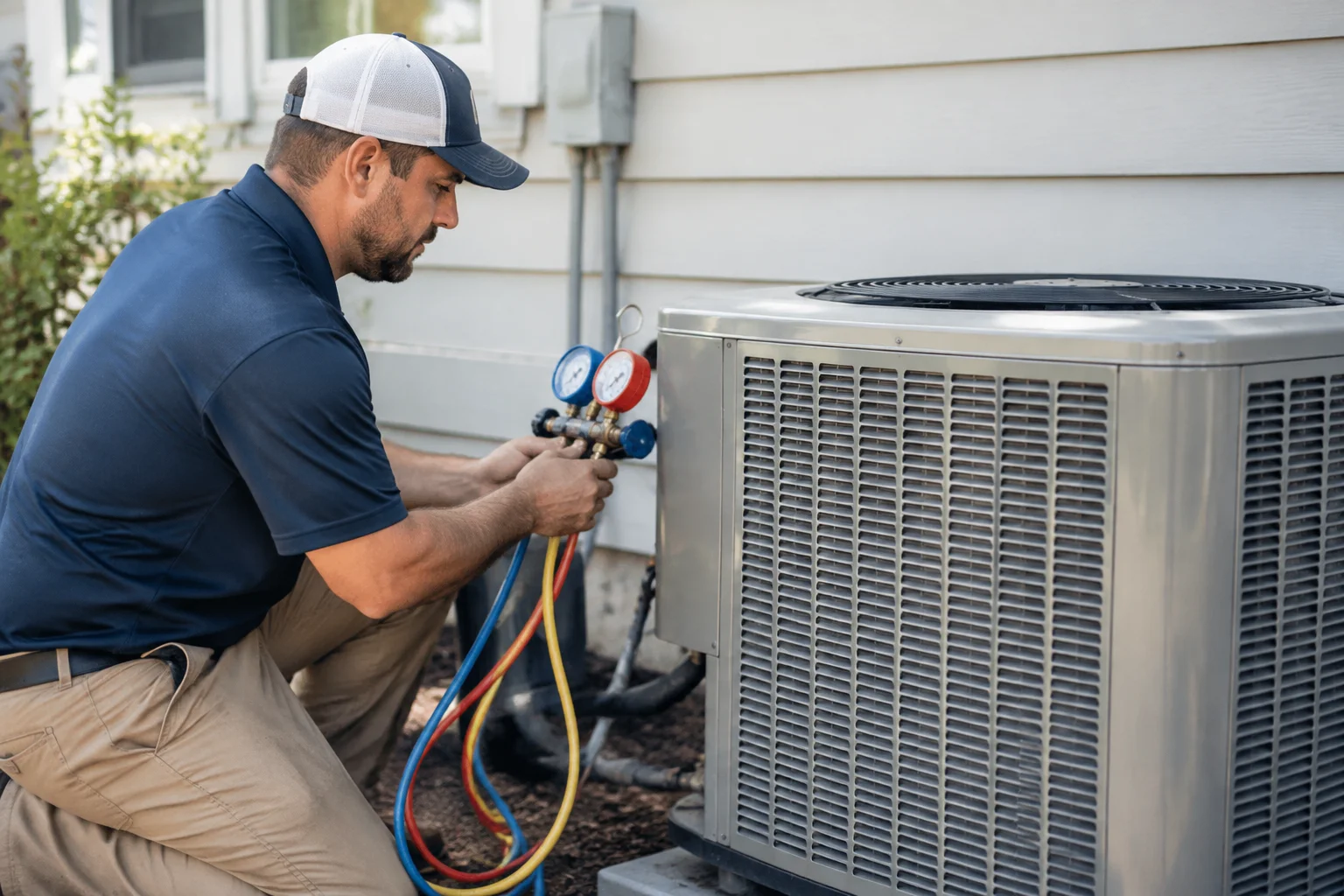
An inspection may include checking refrigerant pressures and looking for signs of low charge or leaks, depending on the equipment and service scope. Low refrigerant can reduce cooling capacity, increase energy use, and damage the compressor over time. If your system has been struggling to keep up, this is one of the first areas many technicians will evaluate.
Condensate drain and moisture check
Florida homeowners often learn quickly that clogged drain lines can create major headaches. An AC inspection usually includes checking the condensate drain line, drain pan, and any safety switches tied to overflow protection. If the line is partially blocked, it can back up and cause water damage around the air handler.
Ductwork and visible system condition
In many homes, the inspection also includes a visible review of accessible ductwork, insulation around refrigerant lines, and overall system condition. Leaky ducts, disconnected sections, or damaged insulation can waste a surprising amount of cooled air, especially in attics during hot weather.
Common problems found during AC inspections in Parker homes
Most inspections uncover either minor maintenance needs or early warning signs of larger problems. Some of the most common issues in Parker include:
Dirty coils
Indoor and outdoor coils collect dirt over time, especially during long cooling seasons. Dirty coils reduce efficiency and make the system work harder to cool the home.
Clogged condensate drains
High humidity means your AC removes a lot of moisture from indoor air. That creates a steady flow through the drain system, and algae or debris can cause clogs if the line is not maintained.
Weak airflow
This can come from dirty filters, blower issues, duct leaks, or blocked vents. Weak airflow often shows up as uneven temperatures, rooms that never seem cool enough, or longer run times.
Worn capacitors and contactors
Electrical parts wear down over time, especially in hot outdoor conditions. These components may still work during an inspection but show signs that failure is getting closer.
Corrosion
Salt air and humidity can be tough on outdoor equipment. Corrosion on coils, wiring, terminals, and metal panels is a common concern in coastal and near-coastal Florida communities.
Low refrigerant or leaks
If refrigerant is low, the system may cool poorly, ice up, or run longer than normal. An inspection helps determine whether the issue is charge-related, leak-related, or tied to another performance problem.
Signs your AC may need an inspection soon
Some homeowners schedule inspections seasonally, while others call when something starts to feel off. If you notice any of the following, it is smart to have the system checked:
Higher electric bills without a clear reason, uneven cooling from room to room, musty odors from vents, water near the indoor unit, weak airflow, loud startup noises, short cycling, or an AC that runs constantly but still struggles to keep the house comfortable. These signs do not always mean a major repair is needed, but they do suggest the system deserves a closer look.
For households managing several home systems at once, it can also be helpful to stay ahead on other maintenance needs. If you are dealing with plumbing concerns too, services like plumbing maintenance, plumbing repair, water heater installation, or hydro jetting may help keep the rest of the home running smoothly.
What homeowners can do before the appointment
You do not need to prepare much, but a few simple steps can make the inspection easier and more productive. Replace or clean the air filter if it is obviously overdue, clear debris from around the outdoor unit, make sure the thermostat is accessible, and note any comfort issues you have noticed. If one room stays warm, the system makes a noise at startup, or water appeared near the air handler last month, tell the technician. Those details help narrow down what to inspect more closely.
If the property is a rental or vacation home, it also helps to share how often the system runs and whether guests or tenants have reported any issues. Occupancy patterns can affect wear, humidity control, and maintenance needs.
How local climate affects inspection priorities
In Parker, inspection priorities are shaped by heat, moisture, and storm exposure. During long cooling seasons, systems accumulate wear faster than they might in milder climates. High humidity makes condensate management especially important. Storm season can bring power fluctuations, debris, and standing water around outdoor units. Coastal air can speed up corrosion, even for homes that are not directly on the beach.
That local context matters. A technician familiar with Bay County conditions is more likely to pay close attention to corrosion, drain line reliability, coil condition, and airflow performance under heavy humidity loads. These are not abstract concerns. They are common reasons Florida systems lose efficiency or fail when homeowners need them most.
If you are interested in how weather patterns affect HVAC performance more broadly, articles like How Local Weather Affects Commercial HVAC Repair in Destin, FL and Commercial HVAC Services in Sandestin, FL: Answers to Common Questions offer helpful context, even though they focus on commercial properties.
Inspection, repair, and maintenance: how they differ
Homeowners sometimes use these terms interchangeably, but they are not exactly the same. An inspection is an evaluation of the system's condition and performance. It identifies wear, safety concerns, efficiency issues, and parts that may need service. Maintenance often includes cleaning, adjustments, lubrication where applicable, filter checks, and other routine tasks designed to keep the system running well. Repairs address specific problems such as failed capacitors, refrigerant leaks, broken motors, or damaged controls.
During an inspection, a technician may find that your system only needs maintenance. In other cases, the inspection uncovers a repair issue that should be handled soon. The value of the inspection is that it gives you a clearer picture before a small issue becomes a no-cooling call during peak summer heat.
Why regular inspections can save money
Many AC problems get more expensive the longer they are ignored. A clogged drain line can turn into water damage. A weak capacitor can leave the system unable to start. Dirty coils can push energy bills up month after month. Low refrigerant can strain the compressor, which is one of the most expensive parts to replace.
Regular inspections help catch these issues earlier, when they are often simpler and less costly to address. They can also improve efficiency, which matters in Parker where cooling costs add up over a long season. Even modest improvements in airflow, coil cleanliness, and system operation can make a noticeable difference in comfort and monthly utility use.
When to call a professional for an AC inspection
It is wise to schedule an inspection before the hottest months arrive, but you do not need to wait for a seasonal reminder if your system is acting up. Call a professional if your AC is cooling unevenly, running longer than usual, making unusual noises, leaking water, producing musty smells, or causing a sudden jump in energy bills. You should also schedule an inspection if you recently bought a home in Parker, manage a rental property, or have an older system that has not been checked in a while.
For homeowners trying to stay ahead of broader property maintenance, it can be useful to address other hidden issues before they become emergencies. If you suspect water problems elsewhere in the house, articles like When to Call for Leak Detection & Slab Leak Repair in Parker, FL and When to Call for Toilet Repair & Replacement in Parker, FL can help you spot early warning signs.
What to expect after the inspection
After the inspection, you should have a better understanding of your system's overall condition. In many cases, the technician will explain whether the unit is operating normally, whether maintenance is recommended, and whether any components are showing wear or failure risk. If repairs are needed, the next steps should be clear. That may include replacing a worn electrical part, cleaning a drain line, addressing airflow restrictions, or investigating refrigerant loss further.
The goal is not simply to point out problems. It is to help you make informed decisions about comfort, efficiency, and equipment life. In a climate like Parker's, where AC systems put in serious work for much of the year, that kind of information is valuable.
For homeowners searching for air conditioning inspection near them, local knowledge, climate awareness, and a thorough process matter just as much as showing up on time. A careful inspection can help your system stay ready for the long, humid cooling season that Parker residents know well.
Find Air Conditioning Inspection in Parker, FL
If you need Air Conditioning Inspection in Parker, FL, visit our local service page or contact A Superior Mechanical today.
Map of Parker, FL
Frequently Asked Questions
How often should I schedule an air conditioning inspection in Parker, FL?
Most homeowners should schedule an AC inspection at least once a year, ideally before peak summer heat. In Parker, where systems run hard for long periods, some properties benefit from more frequent checks, especially rentals, older homes, and homes near the coast.
What is the difference between an AC inspection and AC maintenance?
An inspection focuses on evaluating system condition, performance, and possible problems. Maintenance usually includes routine service tasks like cleaning components, checking filters, and making adjustments. An inspection may lead to maintenance or repairs if issues are found.
Can an air conditioning inspection help lower my energy bills?
Yes. If the inspection finds dirty coils, airflow restrictions, thermostat issues, or worn components, addressing those problems can improve efficiency. In Parker's long cooling season, even small efficiency gains can help reduce monthly energy costs.
What are common AC issues in Bay County homes?
Common issues include clogged condensate drains, dirty coils, weak airflow, worn capacitors, corrosion, and refrigerant problems. Heat, humidity, storms, and coastal air all contribute to AC wear in Bay County.
Related Articles
Photo Gallery