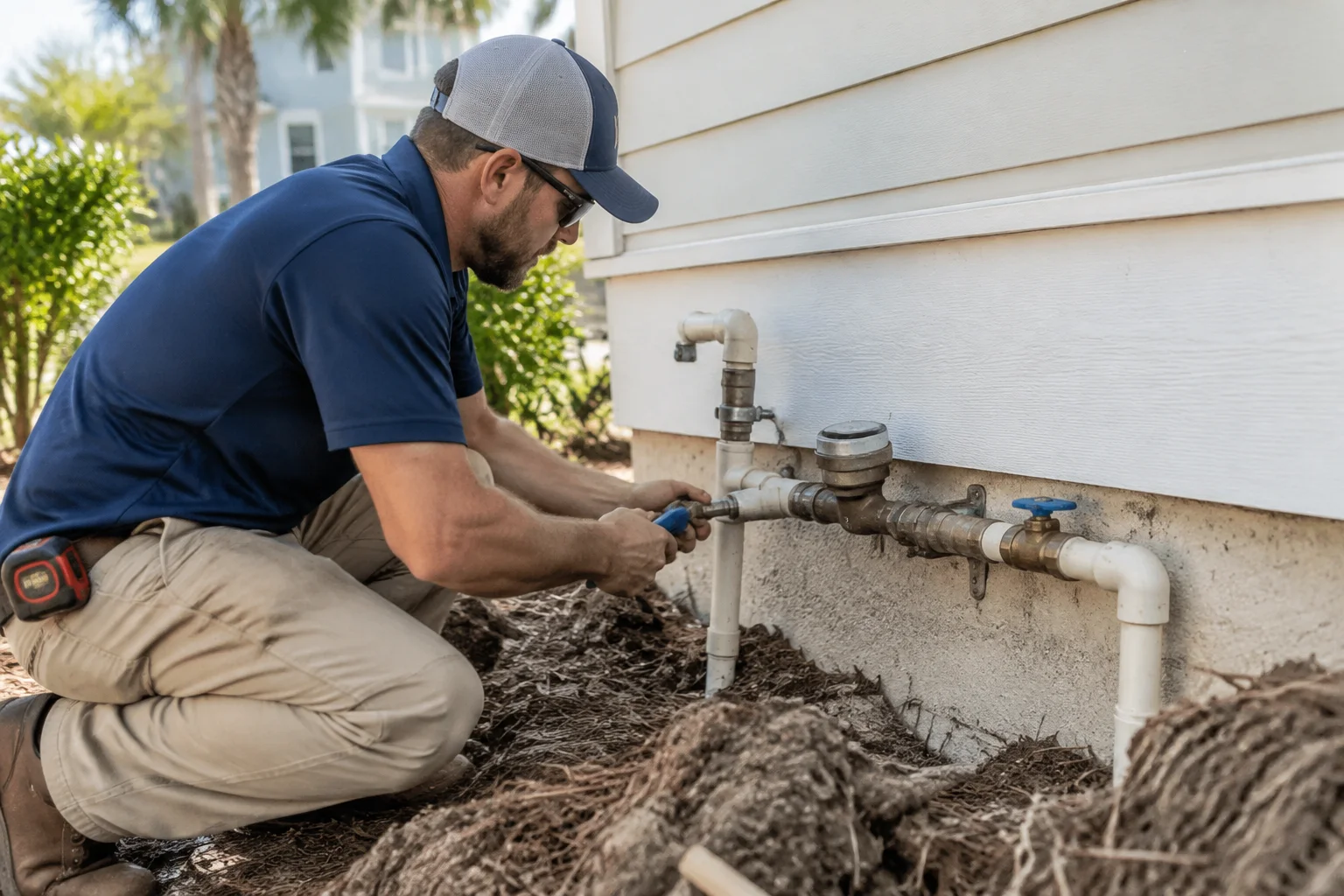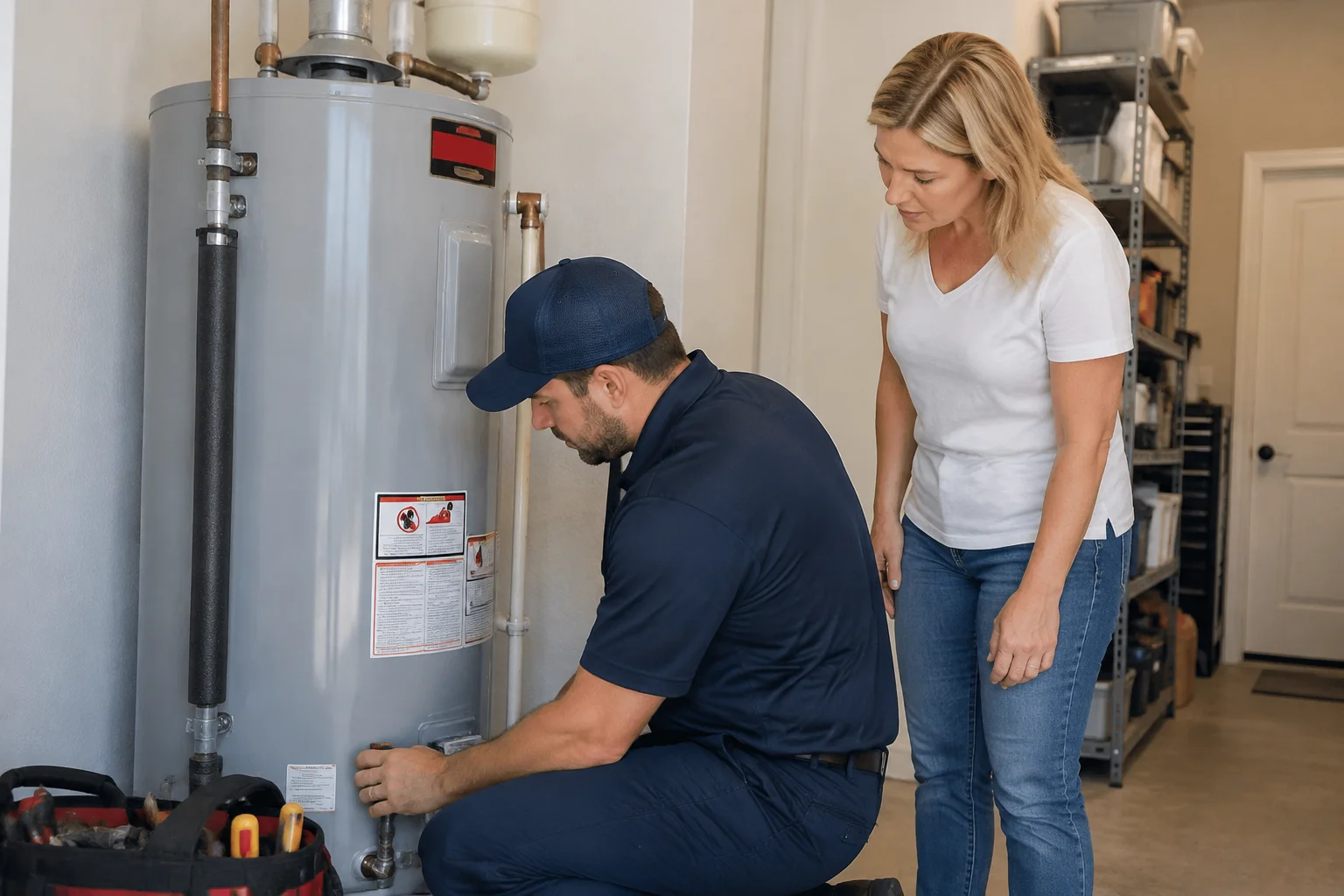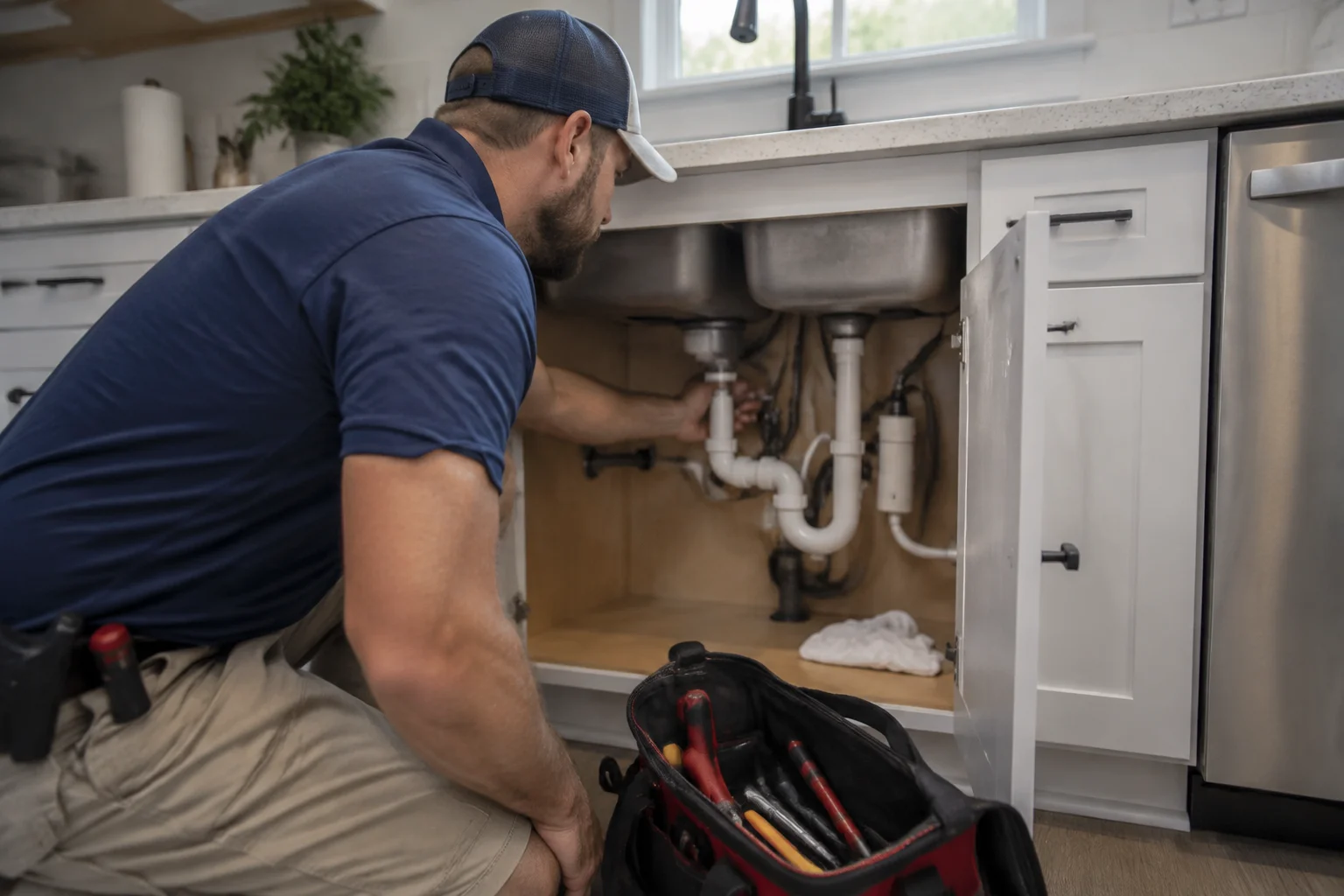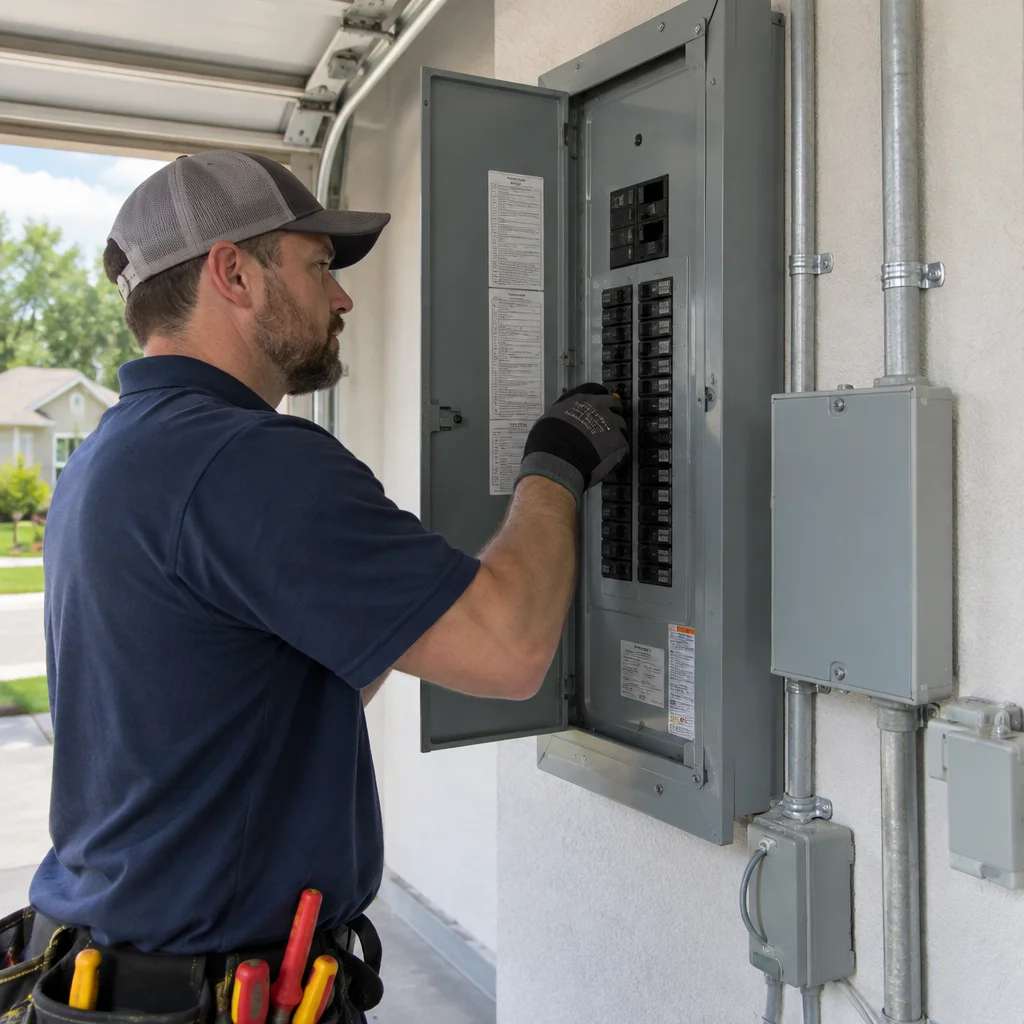
Hidden plumbing leaks can do a surprising amount of damage before you ever see a puddle. In Parker, that matters because water can move quickly through flooring, walls, and foundations, especially during humid weather when moisture problems already tend to build up fast. If you have a sudden spike in your water bill, hear water running when no fixtures are on, or notice warm spots on the floor, it may be time to schedule professional leak detection and slab leak repair in Parker, FL.
For homeowners in Parker and across Bay County, early leak detection is one of the best ways to protect a home from structural damage, mold growth, and unnecessary utility costs. Slab leaks are especially important to catch early because they happen under the concrete foundation, where they can go unnoticed for weeks or months.
Why hidden leaks are a serious issue in Parker, FL
Parker's coastal climate creates conditions where moisture-related problems can get worse quickly. High humidity, frequent rain, and warm temperatures can make it harder to tell whether dampness is coming from the weather or from a plumbing leak. By the time a hidden leak becomes obvious, the damage may already include warped flooring, stained walls, mildew odors, or foundation concerns.
Many homes in the area also deal with aging plumbing components, shifting soil, and the wear that comes from years of regular use. Even a small pipe leak beneath a slab can undermine sections of flooring, increase indoor moisture, and place stress on the foundation over time. In rental properties and seasonal homes, leaks may continue unnoticed longer because the property is not occupied every day.
That is one reason local service matters. A plumbing team familiar with Parker homes, Bay County conditions, and common regional plumbing issues can often recognize patterns faster and recommend repairs that fit the property.
What is a slab leak?
A slab leak is a water line leak that develops in the pipes running beneath a home's concrete foundation. These leaks can affect either hot or cold water lines and may be caused by corrosion, pipe abrasion, poor installation, high water pressure, shifting soil, or long-term wear.
Because the leak is hidden under the slab, homeowners usually do not see the pipe itself. Instead, they notice indirect warning signs such as damp flooring, low water pressure, unexplained water use, or the sound of water moving under the home.
Not every hidden leak is a slab leak, but every suspected slab leak should be checked by a professional as soon as possible. Accurate testing helps confirm the source so the right repair can be made without unnecessary damage to the property.
Common signs you may need leak detection
Your water bill suddenly increases
If your usage habits have not changed but your bill keeps rising, a hidden leak is one of the first things to investigate. Even a small leak can waste a large amount of water over time.
You hear running water when fixtures are off
When toilets, sinks, showers, and appliances are not in use, your plumbing system should be quiet. If you hear a steady hiss or running-water sound, there may be a leak in the line.
There are warm or damp spots on the floor
Hot water slab leaks often create warm areas on flooring. Both hot and cold line leaks can cause damp spots, loose flooring materials, or unexplained moisture around baseboards.
You notice cracks in walls or flooring
Slab leaks can gradually affect the soil and support beneath your home. Over time, that movement may contribute to cracks in tile, drywall, or the foundation itself.
Water pressure drops
If sinks and showers are weaker than usual, a leak may be reducing the amount of water reaching your fixtures. Pressure changes can also point to other plumbing issues, so proper diagnosis matters.
There is a musty smell indoors
Persistent dampness often leads to mildew and mold odors. In Parker's humid climate, that smell can spread quickly and become more noticeable after rain or during closed-up summer months.
You see water outside near the foundation
Puddles or constantly wet soil near the home, especially when irrigation is off and there has not been recent heavy rain, can be a sign of an underground plumbing leak.
What causes slab leaks in Bay County homes?
Pipe corrosion over time
Older metal piping can corrode from the inside out. As the pipe wall weakens, small leaks can form and grow.
Shifting soil and foundation movement
Soil movement is common in many Florida areas due to moisture changes, drainage patterns, and weather conditions. When the ground shifts, buried pipes can be stressed or bent.
Pipe abrasion
Pipes naturally expand and contract as water temperature changes. If they rub against concrete, gravel, or other hard surfaces over time, that friction can wear a hole in the line.
High water pressure
Excessive water pressure puts strain on the plumbing system. Over time, that added stress can contribute to leaks in vulnerable sections of pipe.
Poor installation or aging materials
Some leaks trace back to original construction issues, weak joints, or outdated materials that have reached the end of their service life.
These underlying causes are one reason professional leak detection is so important. A plumber is not just looking for where the water is escaping, but also why the problem happened and what repair approach makes the most sense.
How professional leak detection works
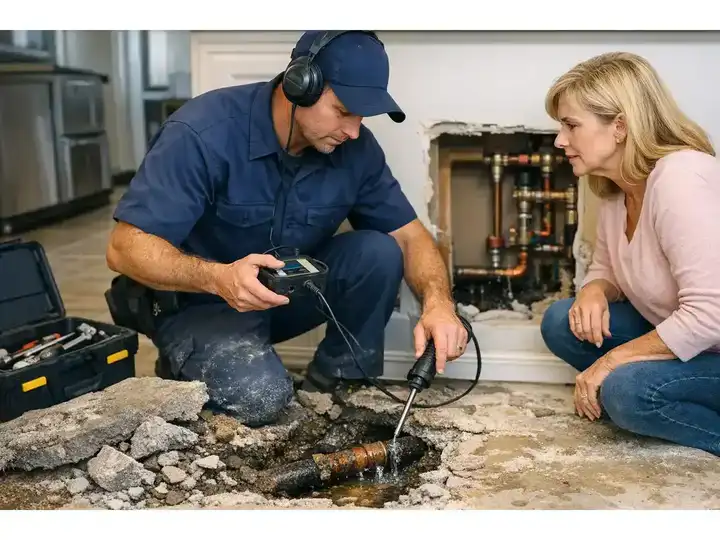
Modern leak detection is far more precise than simply breaking open floors to search for wet pipes. A professional plumber may use a combination of acoustic listening equipment, pressure testing, thermal imaging, and line location tools to narrow down the source of the leak.
The goal is to identify the leak with as little disruption to the home as possible. That saves time, reduces unnecessary demolition, and helps homeowners understand the condition of the plumbing system before repairs begin.
For Parker homeowners, this is especially helpful in homes with tile floors, finished living spaces, or rental occupancy where minimizing disruption matters. Accurate diagnosis also helps separate plumbing leaks from HVAC condensation, roof leaks, drainage issues, or appliance-related moisture problems. If your home has multiple comfort-system concerns, it can also help to stay ahead of related home issues like aging cooling equipment by reviewing signs covered in this article about air conditioning replacement.
Repair options for slab leaks
Spot repair
If the leak is isolated and the surrounding pipe is in good condition, a targeted repair may be possible. This involves accessing the damaged section and repairing or replacing that portion of pipe.
Pipe rerouting
In some cases, rerouting the affected line is the better long-term option. This allows the plumber to bypass the damaged pipe under the slab and install a new line through a more accessible route.
Repiping
If the plumbing system has multiple weak areas, widespread corrosion, or recurring leaks, a larger repiping solution may be recommended. While this is a bigger project, it can prevent repeat slab leak problems.
Trenchless or minimally invasive methods
Depending on the pipe location, material, and extent of the damage, some repairs can be completed with less invasive methods than traditional excavation.
The right repair depends on the age of the home, the pipe material, how many leaks have occurred, and whether the issue is isolated or part of a larger system problem. A trustworthy local plumber should explain the options clearly, including expected disruption, timeline, and long-term value.
When to call a professional right away
Some plumbing issues can wait a day or two for a scheduled visit. A suspected slab leak usually should not. It is smart to call for professional help quickly if:
You have water coming up through flooring or cracks.
Your water bill jumps sharply without explanation.
You hear running water under the floor.
You notice warm floor areas, especially over concrete slab sections.
You see foundation cracks getting worse.
There is visible mold, mildew, or strong musty odor near floors or walls.
Your home has had previous leak issues and new symptoms appear.
Fast action can reduce repair costs and limit secondary damage. Waiting too long can lead to flooring replacement, drywall repairs, mold remediation, and more extensive foundation work.
Why local Parker experience matters
Choosing a local company for leak detection and slab leak repair is about more than convenience. Homes in Parker and throughout Bay County can face a mix of conditions that affect plumbing performance, including humidity, storm season moisture, older infrastructure, and soil movement. A local team understands how these factors show up in real homes across the area.
That local knowledge can make a difference in diagnosis and repair planning. A plumber who regularly works in Parker is more likely to understand common home layouts, typical piping materials in the area, and the practical concerns homeowners have about protecting flooring, foundations, and indoor air quality.
It also helps to work with a company that serves the broader county, especially if you own rental property or manage multiple buildings in the region. Preventive planning is important for property owners, and some of the same habits that help avoid emergency plumbing calls are covered in these property management plumbing tips.
How to help prevent future leaks
Monitor your water bill
One of the easiest ways to catch a hidden leak early is to review your water bill each month. Sudden changes deserve attention.
Watch for moisture changes indoors
Do not ignore musty smells, peeling flooring, unexplained dampness, or recurring mildew. These can be early signs of hidden water problems.
Schedule plumbing inspections for older homes
If your home has aging pipes or a history of plumbing issues, periodic inspection can help identify risks before a leak becomes severe.
Manage water pressure
If pressure is too high, it can shorten the life of your plumbing system. A plumber can test it and recommend adjustments if needed.
Address drainage and foundation concerns
Proper drainage around the home helps reduce soil movement and moisture stress near the foundation.
Pay attention to related plumbing warning signs
Homes with one hidden plumbing issue may develop others over time. If you are noticing slow drains, backups, or sewer odors, it may be worth reading these sewer repair warning signs and scheduling an inspection before problems spread.
Leak detection for homes, rentals, and commercial properties
Leak detection is not just for owner-occupied homes. In Parker, it is also important for rental homes, vacation properties, small commercial buildings, and multi-use spaces. Unnoticed leaks in these properties can lead to tenant complaints, damaged interiors, higher operating costs, and downtime for repairs.
For homes that rely on several major mechanical systems working together, proactive maintenance across plumbing and HVAC can reduce surprises. If you are updating comfort equipment at the same time as plumbing improvements, services like air conditioning installation, heating services, and heating control systems may also be worth reviewing. For larger upgrades, some homeowners also look into HVAC financing to spread out project costs.
And if your plumbing upgrade plans include water-heating improvements, you may also find useful information in this guide to tankless water heater installation and repair.
What to do if you suspect a slab leak before the plumber arrives
If you think you may have a slab leak, a few basic steps can help reduce damage while you wait for service:
Shut off the home's main water supply if there is active leaking or obvious water intrusion.
Move rugs, furniture, and valuables away from damp areas.
Take photos of visible damage for insurance or repair records.
Avoid using hot water if you suspect the leak is on the hot line.
Do not break into flooring or concrete on your own unless a professional has advised it.
Quick action can help limit water damage, but proper diagnosis is still the key step. The sooner the leak is located accurately, the sooner the right repair can begin.
When homeowners in Parker should make the call
If you are searching for leak detection and slab leak repair near you, the best time to call is when the signs first appear, not after visible damage spreads. A hidden leak rarely gets better on its own. It usually becomes more expensive, more disruptive, and harder on the home the longer it is ignored.
For homeowners in Parker, FL, professional leak detection offers a clear path forward: find the source, understand the cause, and fix the problem before it affects more of the property. Whether you have a suspected slab leak, unexplained moisture, or a rising water bill, local help from A Superior Mechanical can protect your home and help you avoid bigger repairs later.
Find Leak Detection & Slab Leak Repair in Parker, FL
If you need Leak Detection & Slab Leak Repair in Parker, FL, visit our local service page or contact A Superior Mechanical today.
Map of Parker, FL
Frequently Asked Questions
What are the first signs of a slab leak in Parker, FL?
Common early signs include a higher water bill, warm or damp spots on the floor, reduced water pressure, musty odors, and the sound of running water when no fixtures are on. In Parker's humid climate, hidden leaks can also show up as mildew or unexplained indoor moisture.
How do plumbers detect a leak under a concrete slab?
Professional plumbers use specialized tools such as acoustic listening devices, pressure testing, thermal imaging, and pipe location equipment to pinpoint the leak with minimal disruption. This helps avoid unnecessary damage to floors and foundations.
Can a slab leak damage my foundation?
Yes. Over time, water escaping beneath the slab can affect the soil under the home and contribute to cracks, uneven flooring, and structural movement. Fast leak detection and repair can help limit that risk.
Is a sudden increase in my water bill always a sign of a hidden leak?
Not always, but it is one of the most common warning signs. If your usage has stayed about the same and the bill rises sharply, it is smart to have your plumbing checked for hidden leaks, including possible slab leaks.
Related Articles
- Tips for Avoiding Emergency Property Management Plumbing Services in Rosemary Beach, FL
- Signs You Need Sewer Repair and Maintenance in Bluewater Bay, FL
- Tankless Water Heater Install in Destin, FL | Benefits and Local Repair Help
- How to Know It’s Time for Air Conditioning Replacement in Sandestin, FL
Photo Gallery