In Upper Grand Lagoon, indoor air can change fast. Coastal humidity, warm temperatures, and long cooling seasons can all affect the air inside a home before anyone notices a problem. A room may feel a little sticky, a vent may smell musty, or family members may start dealing with headaches, congestion, or irritated eyes. Those early clues are easy to brush off, but they often point to a larger issue hiding behind the walls, in the ductwork, or around the HVAC system.
That is why indoor air quality testing in Upper Grand Lagoon, FL matters. It gives homeowners a clear picture of what they are breathing and helps catch problems before they turn into expensive repairs or ongoing health concerns. For local homeowners, vacation rental owners, and property managers, testing can also help protect comfort, equipment performance, and the value of the property.
Why indoor air can be harder to manage in Upper Grand Lagoon
Homes in Upper Grand Lagoon deal with a mix of coastal moisture, salt air, and heavy air conditioning use. In Bay County, the HVAC system often runs for months at a time, which means any hidden issue can spread through the home quickly. If the system is oversized, undersized, or not moving air properly, moisture can linger where it should not. That creates a better environment for mold growth, dust buildup, and odors that seem to come and go.
Local homes also vary a lot. Some are older properties with aging ductwork and insulation concerns. Others are newer builds that are tightly sealed but may not have enough fresh air exchange. Vacation rentals can face another challenge because they sit empty for periods of time, then get used heavily by guests. That can make humidity swings, stale air, and dust problems more noticeable.
For homeowners who want a broader look at the area and the services available locally, the Upper Grand Lagoon service area page and the Bay County service area page are helpful starting points.
What indoor air quality testing looks for
Indoor air quality testing is not just about checking whether a home smells clean. It looks for the conditions that affect air quality behind the scenes. A professional test can help identify:
Humidity levels
High indoor humidity is one of the most common issues in coastal Florida homes. Too much moisture can make a house feel warmer than it is, encourage mold growth, and put extra strain on the HVAC system. Too little humidity is less common here, but it can still happen in certain situations, especially with aggressive air conditioning or ventilation issues.
Mold and moisture concerns
Mold does not always show up as a dramatic black spot on a wall. Sometimes the first clues are a musty smell, recurring allergy symptoms, or moisture around vents, windows, or closets. Testing can help point to hidden problem areas so homeowners know where to look next.
Allergens and dust
Pollen, pet dander, dust mites, and fine particulate matter can build up indoors, especially when filters are overdue for replacement or ducts are dirty. In a place like Upper Grand Lagoon, outdoor allergens can also make their way inside during normal daily traffic through doors and windows.
Ventilation and airflow issues
Even a well maintained HVAC system can struggle if the home does not have enough airflow. Poor ventilation can trap odors, moisture, and stale air indoors. Testing helps determine whether the home is exchanging air properly or holding on to contaminants longer than it should.
VOCs and chemical odors
Volatile organic compounds, or VOCs, can come from cleaning products, paint, flooring, furniture, and other household materials. In tightly sealed homes, those compounds can build up and affect comfort. Testing helps homeowners understand whether odors are a normal part of daily living or a sign that the home needs better ventilation.
Early warning signs homeowners should not ignore
Many air quality problems start small. A room feels stuffy. One bedroom is always warmer than the rest. The air smells a little off after the AC starts. These issues may seem minor, but they often point to a larger pattern.
Common signs include lingering odors, visible dust that returns quickly, condensation on windows, uneven temperatures, frequent allergy symptoms inside the home, and rooms that feel damp even when the thermostat is set correctly. If a home has had a leak, roof issue, plumbing problem, or recent storm damage, the risk of hidden moisture problems goes up.
When those issues show up, it may also be worth checking related systems. A plumbing leak can affect indoor air quality just as much as an HVAC issue. If moisture is coming from a supply line, a drain problem, or a hidden leak, the air quality problem will keep coming back until the source is fixed. In some cases, homeowners may need support from services like Water Line Repair or Plumbing Maintenance to address the underlying cause.
How testing helps catch problems early
The biggest benefit of indoor air quality testing is timing. A small moisture problem is much easier to fix than a widespread mold issue. A clogged filter or blocked return can be corrected before it causes major strain on the HVAC system. A ventilation issue can be addressed before it creates ongoing discomfort for the household.
Testing gives homeowners a baseline. That matters because indoor air quality problems are often gradual. Without data, it is hard to know whether a change in comfort is caused by the weather, the HVAC system, a leak, or a combination of issues. With testing, the numbers and observations help narrow down the source.
For households that have tried to solve indoor comfort problems with air fresheners, dehumidifiers, or new filters but still notice the same symptoms, testing can show whether the real issue is hidden in the ductwork or tied to the way the home breathes. That is especially useful in Bay County homes where humidity and cooling demands stay high for much of the year.
Why local service matters in a coastal community
Indoor air quality testing is more effective when the technician understands the local climate and the kinds of homes common in the area. Upper Grand Lagoon properties may deal with salt air, storm season moisture, vacation rental turnover, and long AC cycles that all affect the indoor environment differently. A local HVAC company is more likely to spot patterns that fit the home, the season, and the neighborhood.
That local knowledge also helps with practical recommendations. Some homes may need better filtration. Others may need duct sealing, humidity control, or ventilation improvements. In some cases, a larger HVAC issue is the root cause, and testing helps guide the next step instead of guessing.
A Superior Mechanical provides indoor air quality testing in Upper Grand Lagoon, FL for homes, rentals, and commercial properties, with a focus on identifying humidity, mold, allergens, VOCs, ventilation issues, and other hidden concerns. That kind of targeted service is especially useful in a coastal market where indoor air can shift quickly with weather and system performance.
Simple ways to improve indoor air between tests
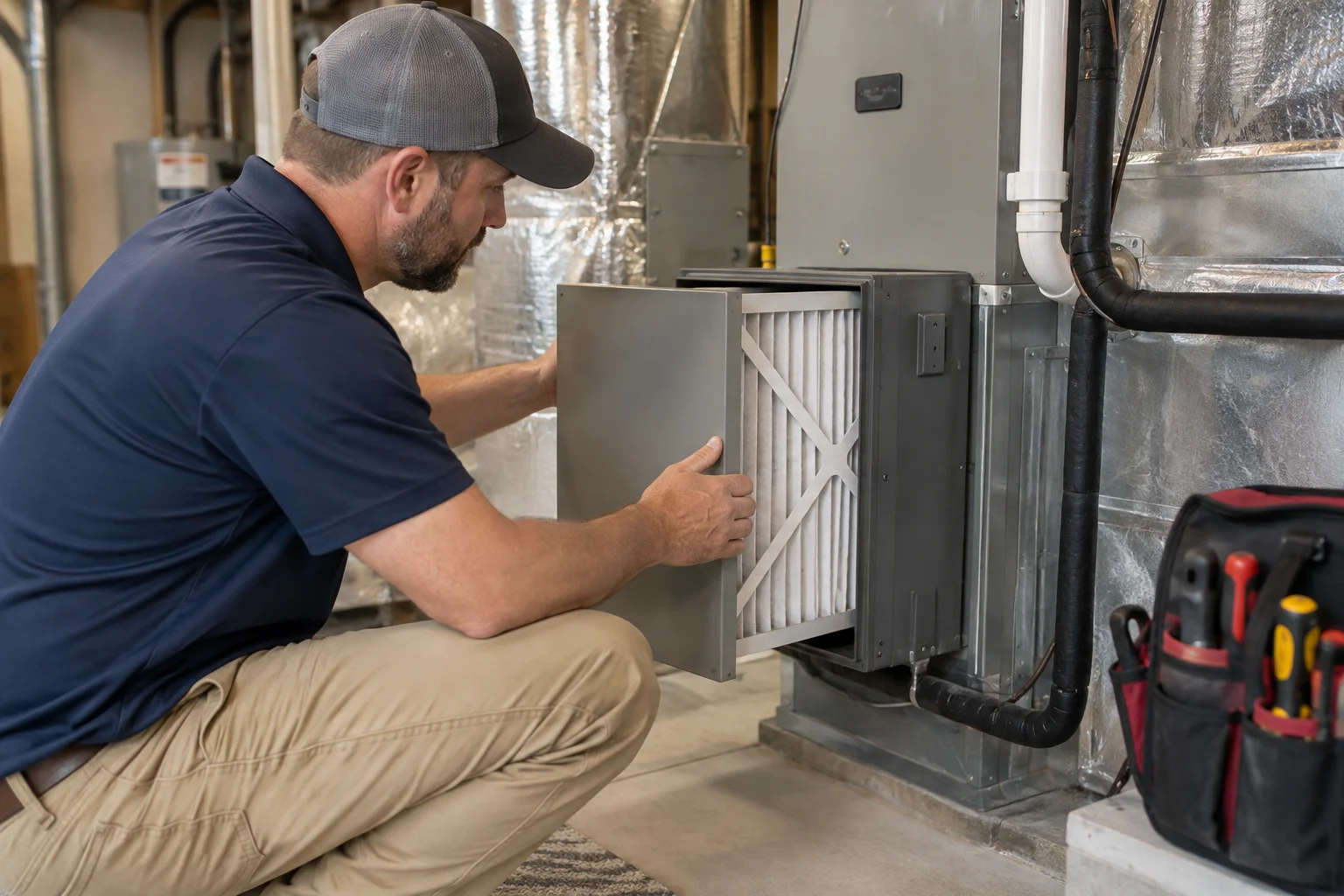
Testing is the best way to understand the problem, but a few routine habits can help keep air cleaner between visits. Replace HVAC filters on schedule, keep supply and return vents unblocked, and run bathroom exhaust fans long enough to remove moisture after showers. If the home feels damp, pay attention to closets, guest rooms, and areas near exterior walls, since those spots often show the first signs of a moisture issue.
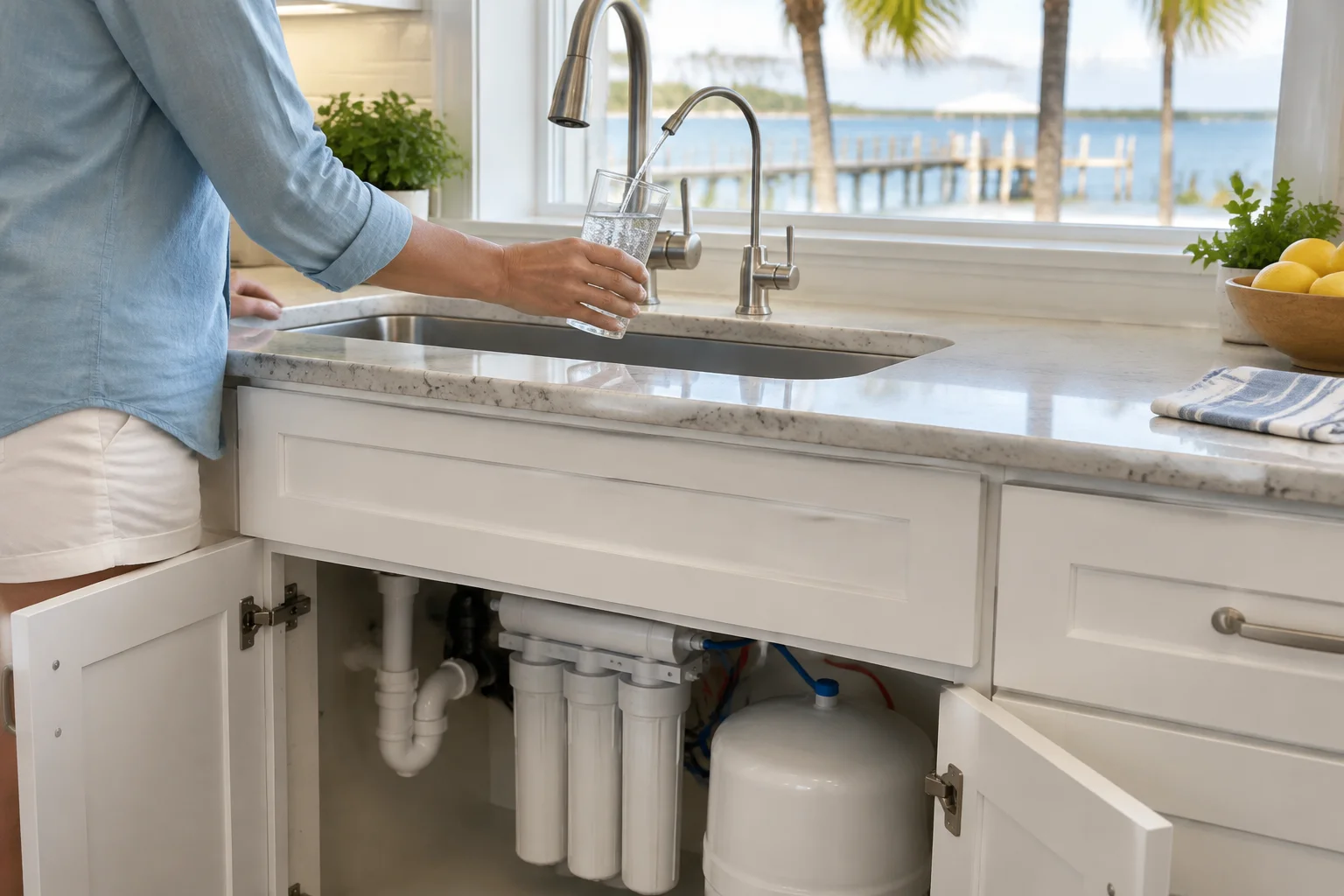
Homeowners with water filtration concerns may also want to look at indoor water quality as part of the bigger picture. Cleaner water can reduce odors and improve household comfort, especially in homes that have older plumbing or hard water issues. In some cases, a Reverse Osmosis Systems installation can be a useful companion service when homeowners are improving overall home health and comfort.
For properties with more complex heating and cooling needs, especially larger homes or multi-zone layouts, system design can affect how evenly air moves through the house. In those cases, solutions such as VRF Multi-Zone Systems may help improve control and comfort in different parts of the home.
When to schedule a professional inspection
Homeowners do not need to wait for a major problem to get answers. It makes sense to schedule testing after a water leak, before or after a mold concern, when allergy symptoms seem worse inside the house, or when the HVAC system is running but the home still feels humid or stale. Testing is also smart for property owners preparing a rental for guests or checking a home after a long vacancy period.
If the system has been struggling with uneven temperatures, poor airflow, or frequent service calls, air quality testing can help determine whether the issue is tied to the HVAC equipment or to conditions inside the home. That information can prevent unnecessary repairs and make it easier to choose the right fix.
Homeowners who want to better understand how HVAC problems can affect a property may also find these articles useful: What to Expect From Commercial HVAC Repair in Upper Grand Lagoon, FL, Keeping Commercial HVAC Trouble Small in Upper Grand Lagoon, FL, Why Commercial HVAC Maintenance Matters More Than Most Upper Grand Lagoon Homeowners Realize, and A Homeowner’s Guide to Commercial HVAC Repair in Upper Grand Lagoon, FL.
What homeowners can expect from a local air quality visit
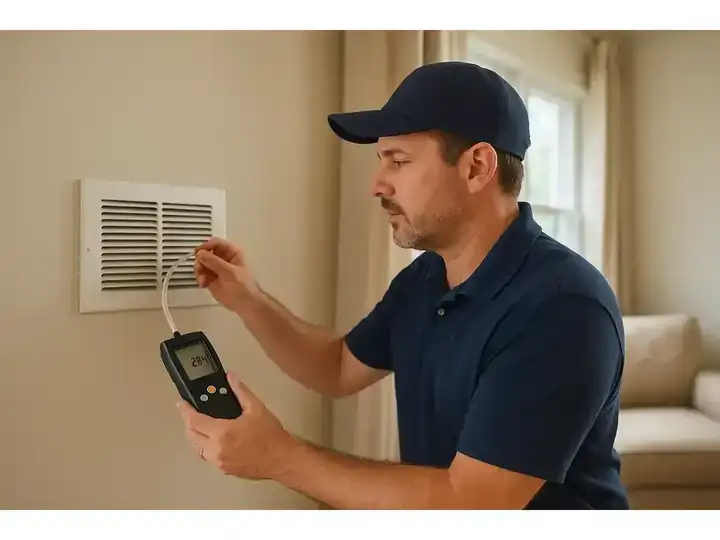
A professional indoor air quality visit should feel straightforward and informative. The technician will usually ask about symptoms, odors, moisture concerns, past leaks, and how the HVAC system has been performing. From there, testing can include humidity readings, air sampling, visual inspection, and checks around the system, vents, and problem areas in the home.
The goal is not just to identify a problem. It is to help the homeowner understand what is happening, why it matters, and what practical steps come next. In a place like Upper Grand Lagoon, that often means balancing comfort, moisture control, and HVAC performance in a climate that puts all three to the test.
For homeowners who want a healthier, more comfortable living space, indoor air quality testing is one of the most useful services to start with. It can uncover hidden issues early, point to the right repairs, and help keep a home feeling better through the long cooling season in Bay County.
Find Indoor Air Quality Testing in Upper Grand Lagoon, FL
If you need Indoor Air Quality Testing in Upper Grand Lagoon, FL, visit our local service page or contact A Superior Mechanical today.
Map of Upper Grand Lagoon, FL
Frequently Asked Questions
How often should a home in Upper Grand Lagoon have indoor air quality testing?
Many homeowners schedule testing after a leak, after mold concerns, when allergy symptoms worsen, or when the HVAC system is not keeping humidity under control. Homes with persistent moisture issues may benefit from more regular checks.
Can high humidity really affect indoor air quality that much?
Yes. High humidity can make a home feel uncomfortable, encourage mold growth, and worsen musty odors. In coastal areas like Upper Grand Lagoon, humidity control is one of the biggest parts of indoor air quality.
What indoor air problems are most common in Bay County homes?
Common issues include excess humidity, mold, dust, allergens, poor ventilation, and odors from VOCs or moisture. Homes near the coast may also deal with HVAC strain and air that feels stale or damp.
Does indoor air quality testing help with HVAC performance?
It can. Testing may reveal airflow, filtration, or humidity problems that make the HVAC system work harder than necessary. Fixing those issues can improve comfort and help the system run more efficiently.
Related Articles
Photo Gallery