If you have noticed hard water spots on glass, scale around faucets, or dry skin after bathing, you are not imagining it. In 30A and across Walton County, many homes deal with mineral-rich water that can build up over time. The sooner you address water softening and whole home water filtration, the less likely you are to pay for premature repairs, shortened appliance life, and repeated fixture replacement.
This guide walks through what water softening does, where problems show up first, and how homeowners in 30A can protect plumbing, appliances, and everyday water use.
What “hard water” looks like in real life along 30A
Hard water is primarily caused by dissolved minerals, often calcium and magnesium. When water heats, evaporates, or sits on surfaces, those minerals can leave deposits behind. In coastal Florida, where many homes see changes in water chemistry and regular use across seasons, buildup can become very noticeable.
Common signs show up everywhere you rely on water:
- Hard water spots on glass after showers or kitchen tasks
- Hard water spots on dishes and cloudy film that does not wipe away easily
- Scale buildup on faucets, showerheads, and handles
- Visible sediment or discoloration in fixtures and plumbing components
- Cloudy ice cubes, especially when water has mineral or filtration issues
- Metallic or unpleasant taste and concerns about chlorine taste in water
- Poor tasting coffee and cooking water that makes flavors fall flat
- Soap does not lather or rinse well, leading to residue in the tub and on laundry
- Dry skin or dull hair after bathing, which many families notice during vacation stays and year-round living
When you see several of these at once, it often means you are dealing with more than one issue. Scale points strongly toward hard water. Taste and odor can point toward filtration needs. The most complete clean water systems near you often address both.
How water softening prevents the expensive part
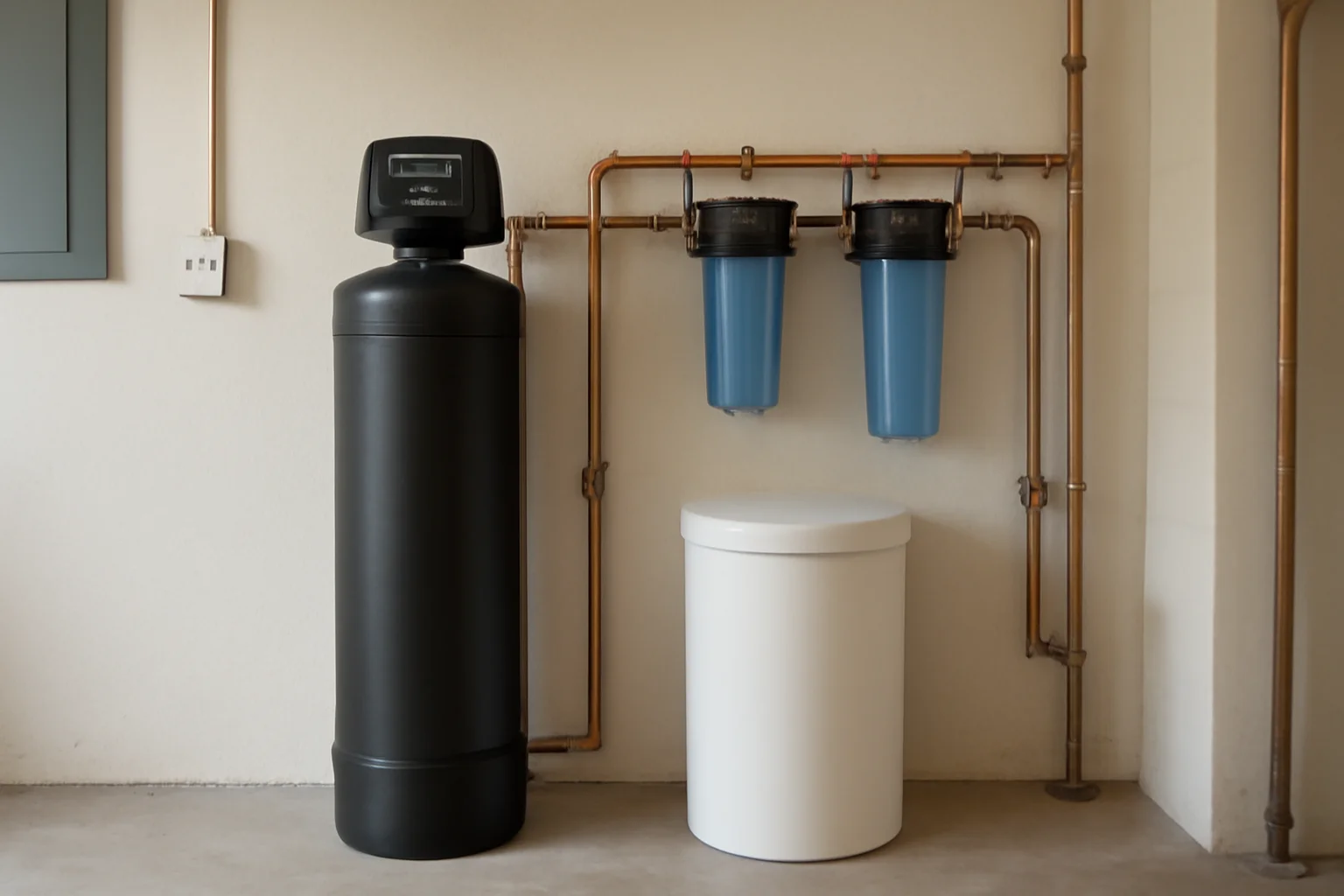
Water softening protects your home by reducing hardness minerals before they can build up. Instead of letting calcium and magnesium deposit on plumbing and fixtures, a properly sized water softener exchanges those minerals for softer substitutes. The result is less scale buildup, easier cleaning, and better performance from water-using appliances.
Here is what scale buildup can quietly do in a 30A home over time:
- Reduce water flow as mineral deposits accumulate inside pipes and valves
- Increase wear on water heaters, because scale acts like an insulating layer that makes heating less efficient
- Shorten appliance life for dishwashers, washing machines, and coffee systems
- Clog parts and sensors in equipment that relies on clean flow and stable operation
- Turn fixture cleaning into a constant chore, especially in coastal humidity where residue can look worse
For homeowners searching for water filtration near me, it helps to remember that softening is about mineral control. Filtration and reverse osmosis focus more on taste, odor, particulates, and specific contaminants. Many families benefit when both are handled as part of a clean water system.
Where scale shows up first in 30A kitchens and bathrooms
Hard water problems tend to become obvious in the places your family uses water the most. Think about weekend breakfasts, kids rinsing off sand, and a kitchen routine built around drinking water and cooking water.
Glassware, shower doors, and bathroom fixtures
After a shower, you may see water spots that look like a faint haze. Over time, those spots can become harder to remove, especially around handles, showerheads, and the lip of a tub. If you are scrubbing and still seeing a film, it is a sign that scale is forming faster than normal cleaning can keep up.
Scale can also reduce showerhead performance, which means more time adjusting spray patterns and more frustration when you just want a good shower after a beach day.
Dishes, cookware, and the dishwasher cycle
In a busy 30A home, the dishwasher runs frequently. If you notice cloudy film, spots after washing, or a “gritty” feel on glassware, hard water is a likely culprit. When soap and detergents do not lather and rinse well, you can end up using more product without getting the results you expect.
These are the same issues that can lead to premature appliance wear. When mineral scale builds up inside the dishwasher, washing machine, or hot water lines feeding them, performance declines and repairs become more likely.
Drinking water and cooking water
Even if your home has decent pressure, taste and odor can tell a different story. Some homeowners report:
- Metallic or chlorinated flavor
- Cloudy ice cubes
- Poor tasting coffee and cooking water that makes food taste “flat”
A water softener helps with mineral hardness, but it does not replace every type of filtration. Many households choose a layered approach: water softening for scale control plus reverse osmosis or targeted filtration for drinking water and cooking. That is a common path for families who want better water for drinking and cooking without compromising the rest of the home.
Softening versus filtration: they solve different problems
When homeowners start comparing systems, the choices can feel confusing. The simplest way to think about it is this:
- Water softening reduces hardness minerals that cause scale buildup on faucets, showerheads, and plumbing.
- Whole home water filtration helps protect the home from sediment and other water quality issues that can affect taste, odor, and cleanliness.
- Reverse osmosis systems focus on drinking water and cooking water quality, often improving taste, clarity, and consistency for the kitchen.
For many 30A homes, a combination delivers the best results. Whole home water filtration near me can mean fewer surprises across every tap, while reverse osmosis system near me searches often lead to a dedicated drinking water setup at the kitchen sink.
Why AO Smith water softener systems are a common choice
Homeowners in Walton County often want a system that is reliable, efficient, and built for long-term use. AO Smith water filtration and AO Smith water softener options are widely used because they are designed for consistent performance and serviceability.
A quality AO Smith water softener service plan matters because proper installation and routine maintenance help the system keep up with household demand. In 30A, where some homes are occupied year-round and others are vacation rentals, water usage patterns can change seasonally. A system that is correctly sized and tuned to your schedule is more likely to deliver consistent results, including reduced soap residue, fewer hard water spots on glass, and less scale buildup around fixtures.
Reverse osmosis and whole home filtration for better drinking water
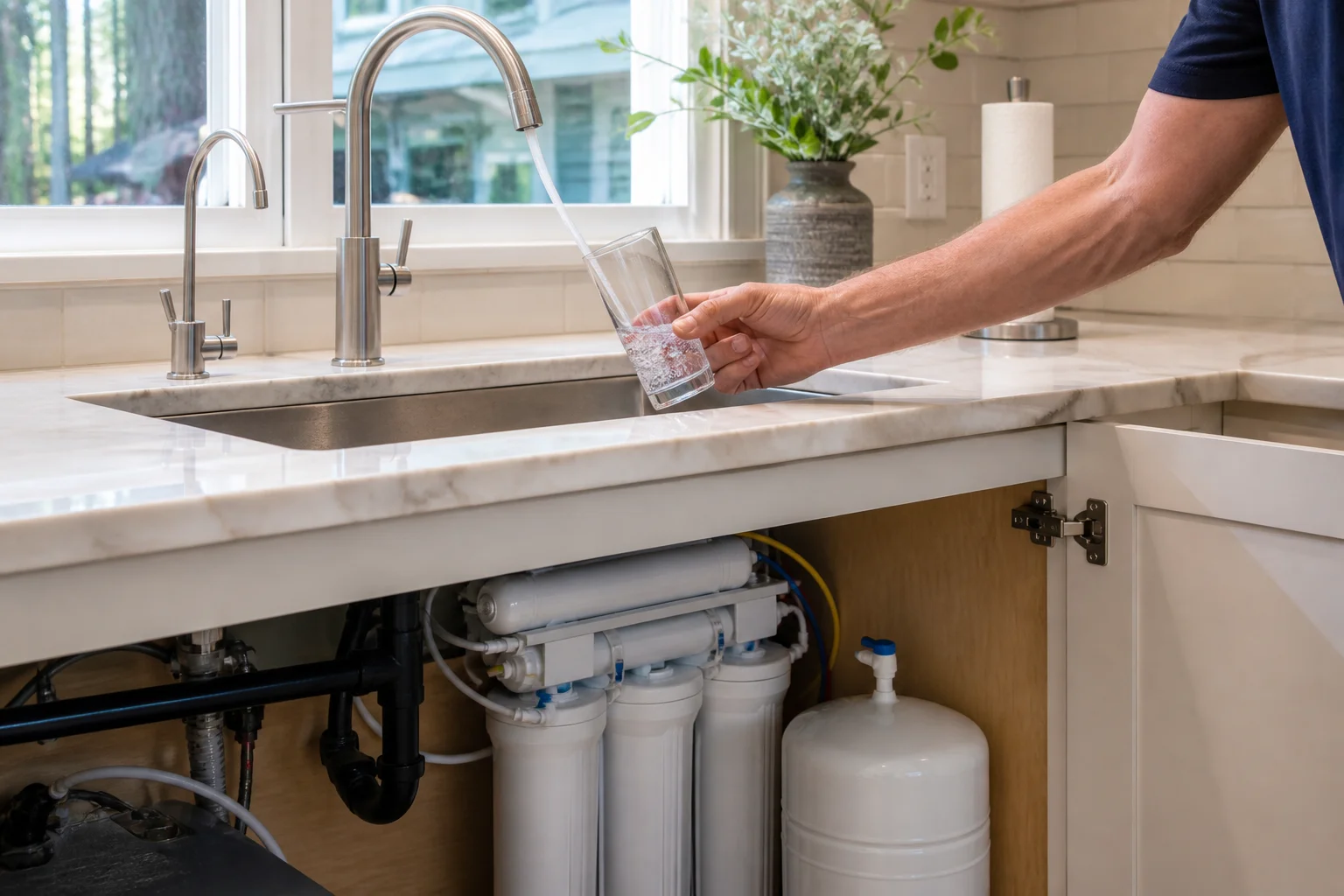
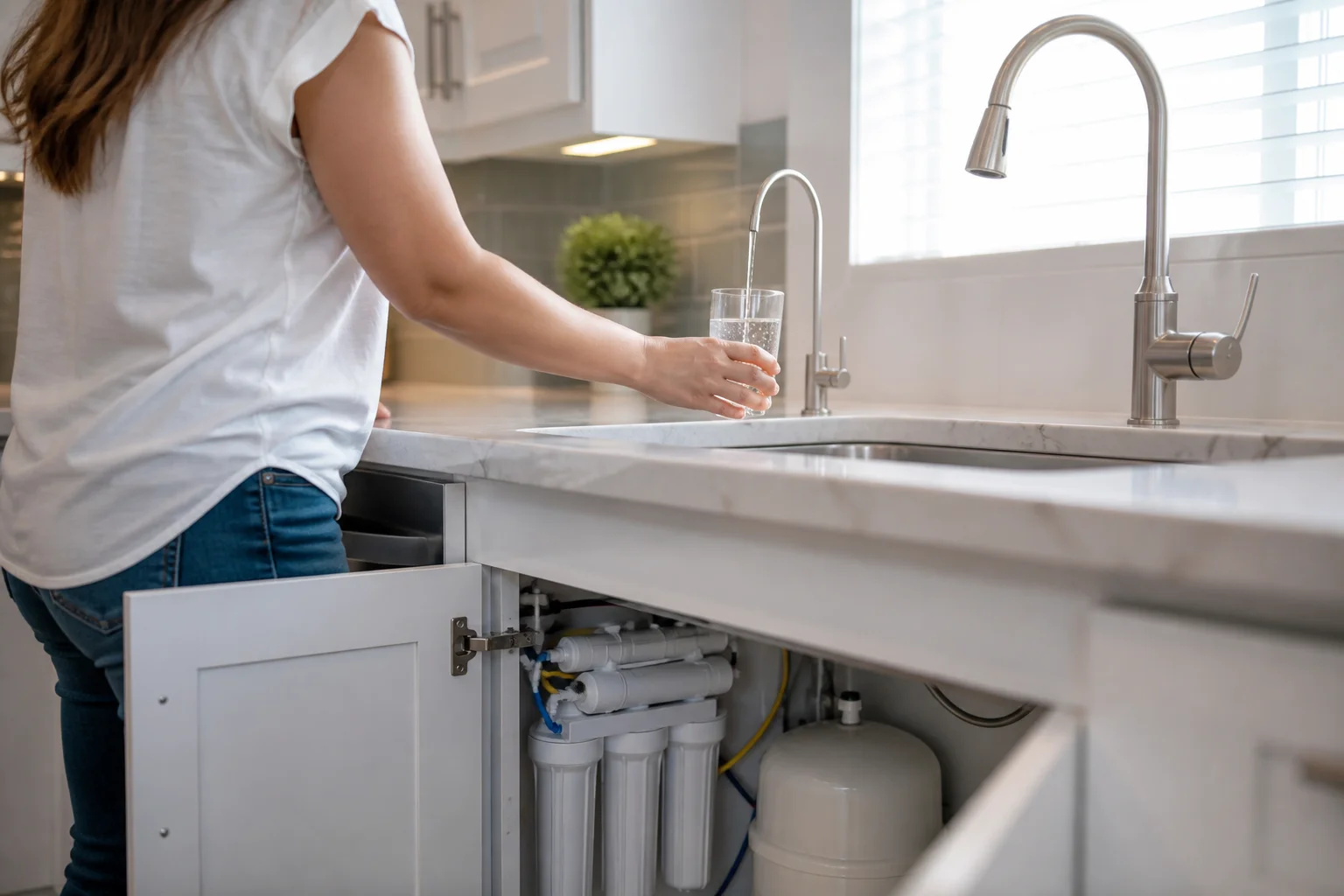
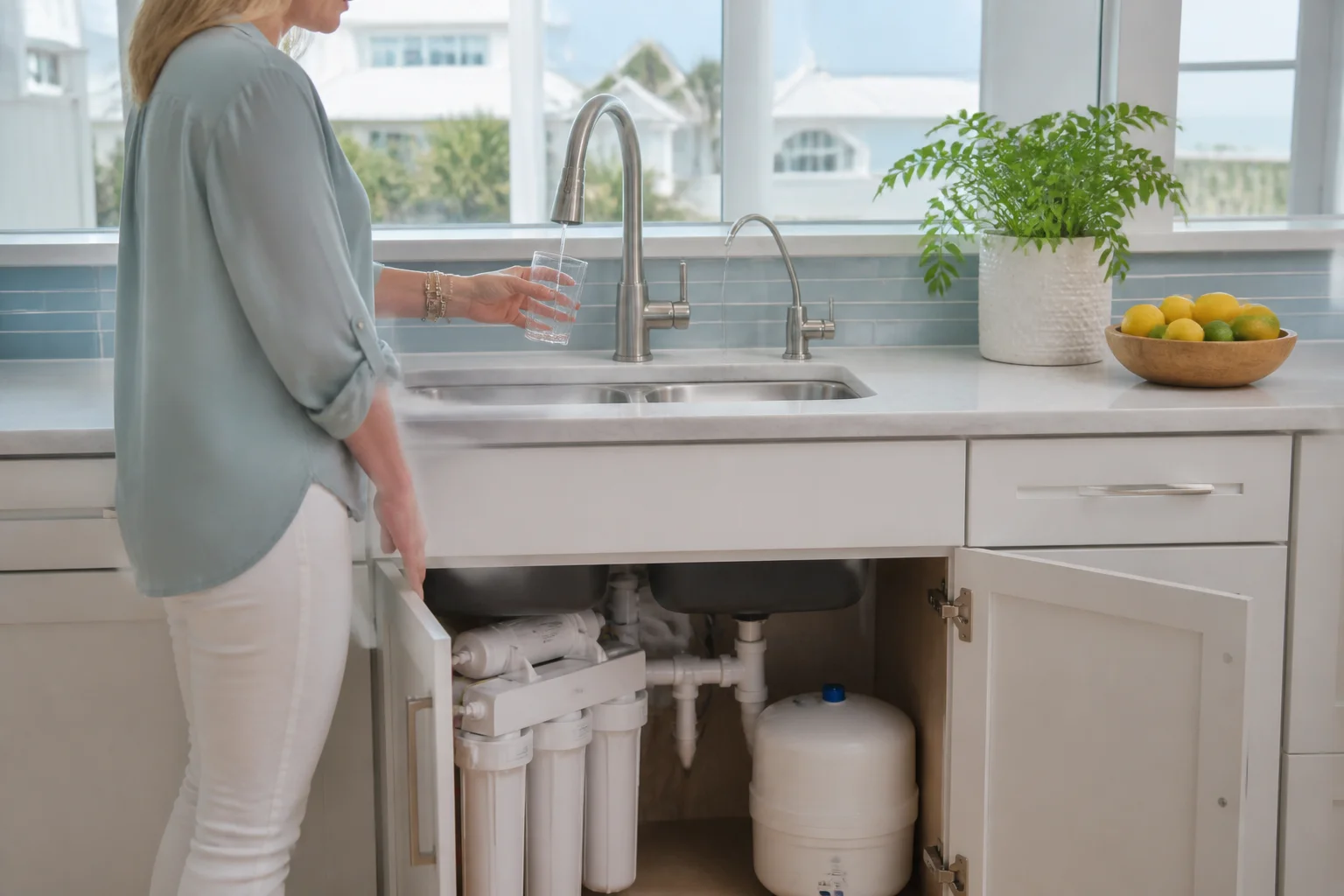
Many families on 30A want clean water that tastes good, smells neutral, and looks clear. That is where reverse osmosis can help. An RO system can reduce contaminants associated with taste and odor concerns, which is why it is frequently chosen for the kitchen and drinking water line.
Whole home water filtration can complement that by addressing sediment and improving water quality throughout the house. This matters for laundry, bathing, and appliances. When you are running a clean water system, you also tend to see fewer complaints like:
- Cloudy ice cubes
- Discoloration concerns
- Odor that shows up in the bathroom or kitchen
If you are searching for clean water systems near me, it is worth asking how the system will be integrated with water softening. Softening reduces scale, while filtration handles additional water quality factors. Together, they help protect appliances and improve everyday routines.
How 30A climate and local water habits affect water treatment
30A is known for beach weather, humidity, and seasonal travel. Those conditions influence how quickly mineral buildup becomes visible and how often people notice it. A vacation rental that sits for days or weeks can still experience scale formation when water is used repeatedly during guest stays. Meanwhile, year-round homes may see steady buildup in showers, faucets, and water heaters.
Coastal Florida homes also tend to rely heavily on:
- Hot water for showers and laundry
- Dishwashers and ice makers
- Outdoor cleaning and frequent rinsing
When hard water is not managed, the minerals keep depositing, and the “costly part” shows up as clogged fixtures, reduced appliance efficiency, and replacement timelines that arrive sooner than expected. That is why local water treatment service matters. A local team understands how Walton County homes are used and can recommend a system that fits your household or rental schedule, not just a one-size-fits-all approach.
Costs that creep up: the real “expensive” outcomes of waiting
Water softening can feel like an upfront decision, but waiting often turns into a bigger bill later. Homeowners typically notice the cost spike through:
- Shorter water heater lifespan due to scale insulating the heating element
- More frequent appliance service because mineral buildup reduces efficiency and increases wear
- Higher cleaning and replacement costs from constant scrubbing and worn fixture finishes
- Repairs tied to plumbing performance, such as flow issues or clogged components
For many families, the “before it becomes expensive” moment is not one dramatic failure. It is the slow shift from “we can keep up with cleaning” to “nothing looks clean anymore” and “the dishwasher never fully gets rid of film.”
Maintenance that keeps a water softener working like it should
Even the best system needs care. Proper maintenance helps ensure the water softener continues to reduce hardness and keeps your household water consistent.
Ask your water softener service provider about:
- Salt management and how to avoid running low
- Brine tank and injector inspection for proper operation
- System settings based on household size and water usage patterns
- Regeneration performance so the softener does not fall behind
- Water quality checks to confirm the hardness reduction you expect
If you are also using whole home filtration or reverse osmosis, you will want filter changes and monitoring scheduled on a predictable timeline. That keeps drinking water quality stable and helps prevent sediment or taste issues from returning.
When to call a professional for water softening and filtration
It is smart to contact a professional when you see multiple hard water symptoms, especially if they are getting worse. Consider reaching out if you notice:
- Hard water spots on glass and dishes that keep returning
- Scale buildup on faucets, showerheads, and plumbing fixtures
- Dry skin from hard water or dull hair after bathing
- Soap does not lather or rinse well
- Metallic, chlorinated, or unpleasant taste
- Cloudy ice cubes or concerns about discoloration and odor
- Appliances wearing out faster than expected
If you are also dealing with drinking water concerns, it can help to ask about reverse osmosis and whole home water filtration so your kitchen and bathrooms both get the right treatment.
For homeowners looking for water softener service near me in 30A, A Superior Mechanical can help evaluate your water needs and recommend a plan that protects your home. You can explore water softening for 30A and learn how local clean water systems are built around real household usage. If you want a broader view of options for better drinking water, visit the water filtration and reverse osmosis landing page. For service coverage details across the area, see our 30A service area and Walton County service coverage.
Helpful next steps for 30A homeowners planning clean water
If you are trying to decide what to do first, a simple approach often works:
- Start with hardness and scale symptoms. If you are seeing scale buildup on fixtures and soap residue, water softening is usually the foundation.
- Address taste and odor for drinking water. If your coffee and cooking water taste off, reverse osmosis can be a strong upgrade.
- Protect the whole home. Whole home water filtration can reduce sediment and help keep water quality consistent across taps.
- Plan for maintenance. A system that is serviced and adjusted properly stays effective longer, which helps you avoid expensive surprises.
Homeowners who are already thinking about upgrades like fixture changes or kitchen drinking water systems often benefit from learning how water quality affects everything from plumbing performance to daily comfort. Consider reading how water softening protects Rosemary Beach plumbing from costly water damage and smart plumbing habits for reverse osmosis systems in 30A homes as you plan your clean water system.
If you are updating bathrooms or kitchen fixtures, it is also useful to understand how better water changes results. Review what 30A homeowners should know before replacing plumbing fixtures and plumbing installation that helps 30A homes stay ahead of water damage to connect the dots between water treatment and long-term protection.
Find Water Softening in 30A, FL
If you need Water Softening in 30A, FL, visit our local service page or contact A Superior Mechanical today.
For a broader look at whole-home water filtration, reverse osmosis, and water softener options, visit our water filtration, RO, and water softener page.
Map of 30A, FL
Frequently Asked Questions
Does a water softener help with hard water spots on glass and dishes?
Yes. Water softening reduces hardness minerals that cause hard water spots on glass and hard water spots on dishes. With less scale, glassware and cookware often come out clearer and easier to rinse.
Will water softening fix chlorine taste in water?
Water softening is mainly for hardness and scale control. If you notice chlorine taste in water or unpleasant odors, you may need whole home water filtration and possibly reverse osmosis for drinking water and cooking water.
What is the difference between reverse osmosis and whole home water filtration?
Whole home water filtration treats water throughout the house. Reverse osmosis systems usually focus on the kitchen drinking water line. Many homes use both for scale protection plus better tasting, cleaner water for drinking and cooking.
How do I know if my family has dry skin from hard water?
Dry skin from hard water often shows up as tightness, irritation, or dull-looking skin after bathing. If you also see soap does not lather or rinse well and scale buildup on showerheads, hard water is a likely contributor.
How often should a water softener be serviced in a 30A home?
Service schedules vary by system type, household size, and usage patterns. A professional can check settings, verify performance, and inspect key components so the system keeps reducing hardness consistently.
Related Articles
Photo Gallery