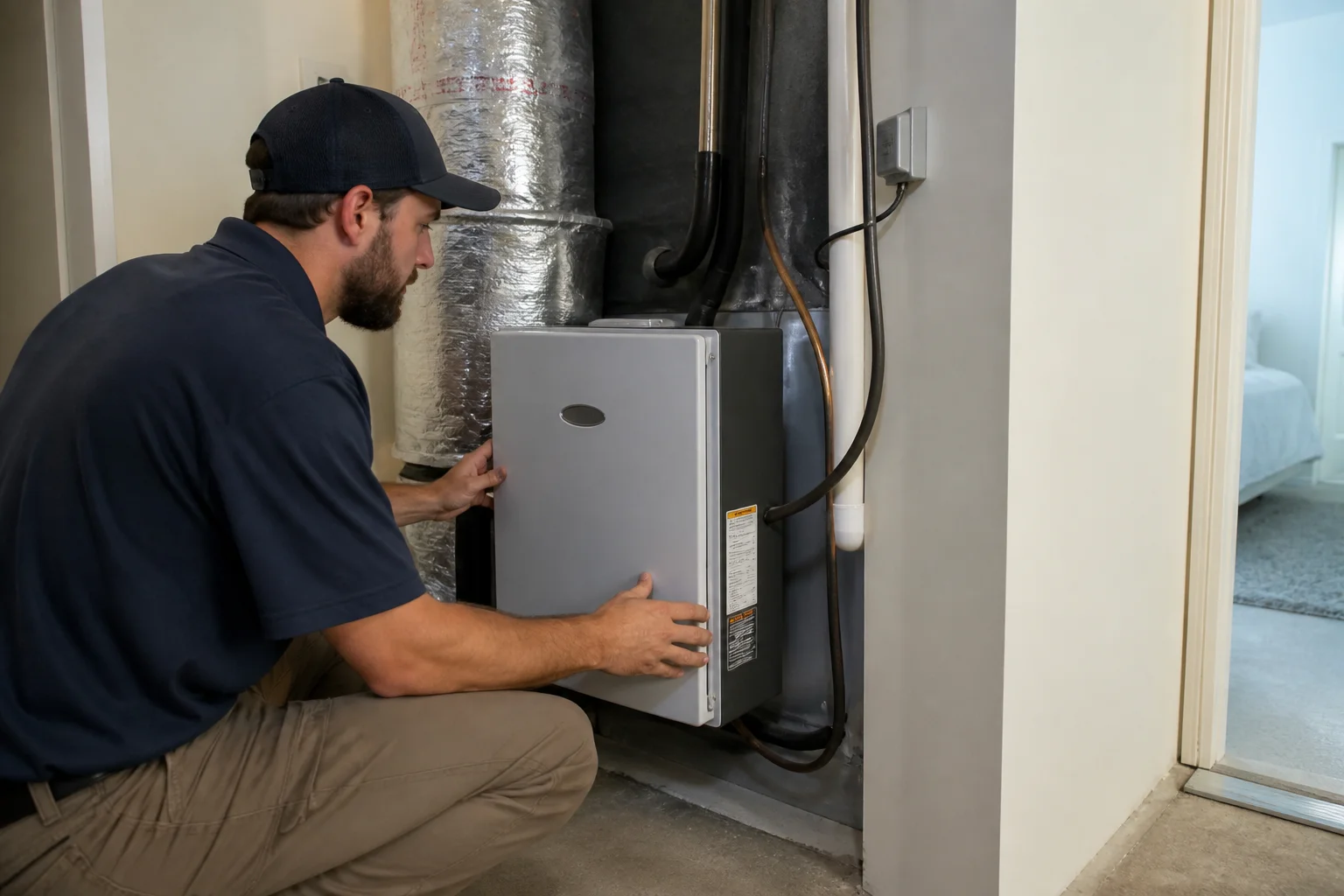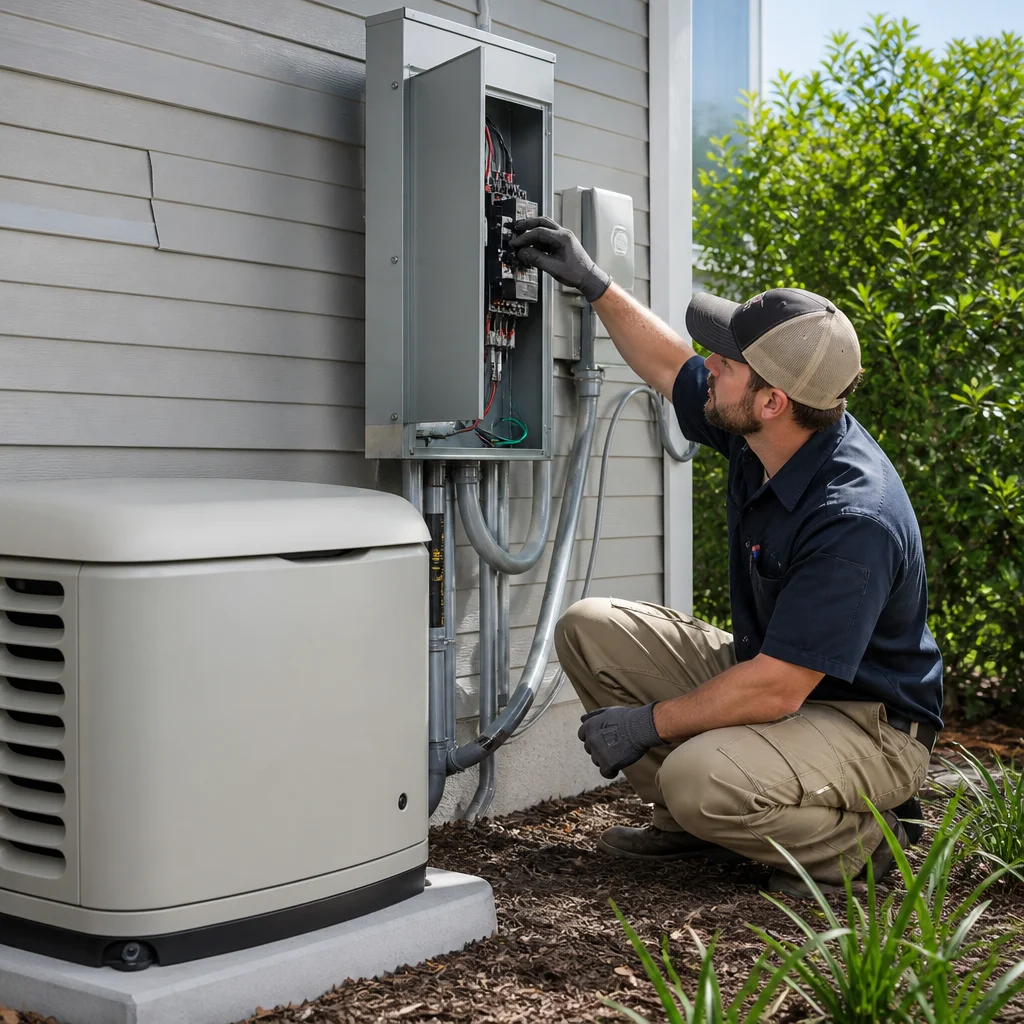
A standby generator is most dependable when the electrical system around it has been planned just as carefully as the generator itself. In Callaway, that means accounting for coastal weather, severe storms, extended outages, household power demand, and the condition of the existing service panel. A Superior Mechanical provides Kohler generator installation and maintenance in Callaway with attention to panels, breakers, wiring, grounding, surge protection, and safe transfer equipment.
Backup power begins with an electrical assessment
Before selecting a generator, an electrician should evaluate the property and determine which electrical loads need backup power. Some homeowners want to operate nearly the entire house. Others prioritize refrigeration, lighting, smoke detectors, internet equipment, well or lift pumps, medical devices, and selected heating or cooling equipment.
The assessment should include the main service rating, panel condition, available breaker spaces, conductor sizes, grounding system, meter base, and the starting demands of larger appliances. A generator that appears large enough on paper may still struggle if several motors start at once. Conversely, an oversized unit can add unnecessary installation and operating costs.
Callaway includes older homes, newer subdivisions, remodeled properties, additions, rental homes, and small commercial buildings. Each can have a different load profile. Older electrical systems may need code corrections before generator equipment can be connected. Newer homes may have substantial demand from EV chargers, induction ranges, pool equipment, workshops, and multiple air conditioning systems.
The electrical panel determines what can be backed up
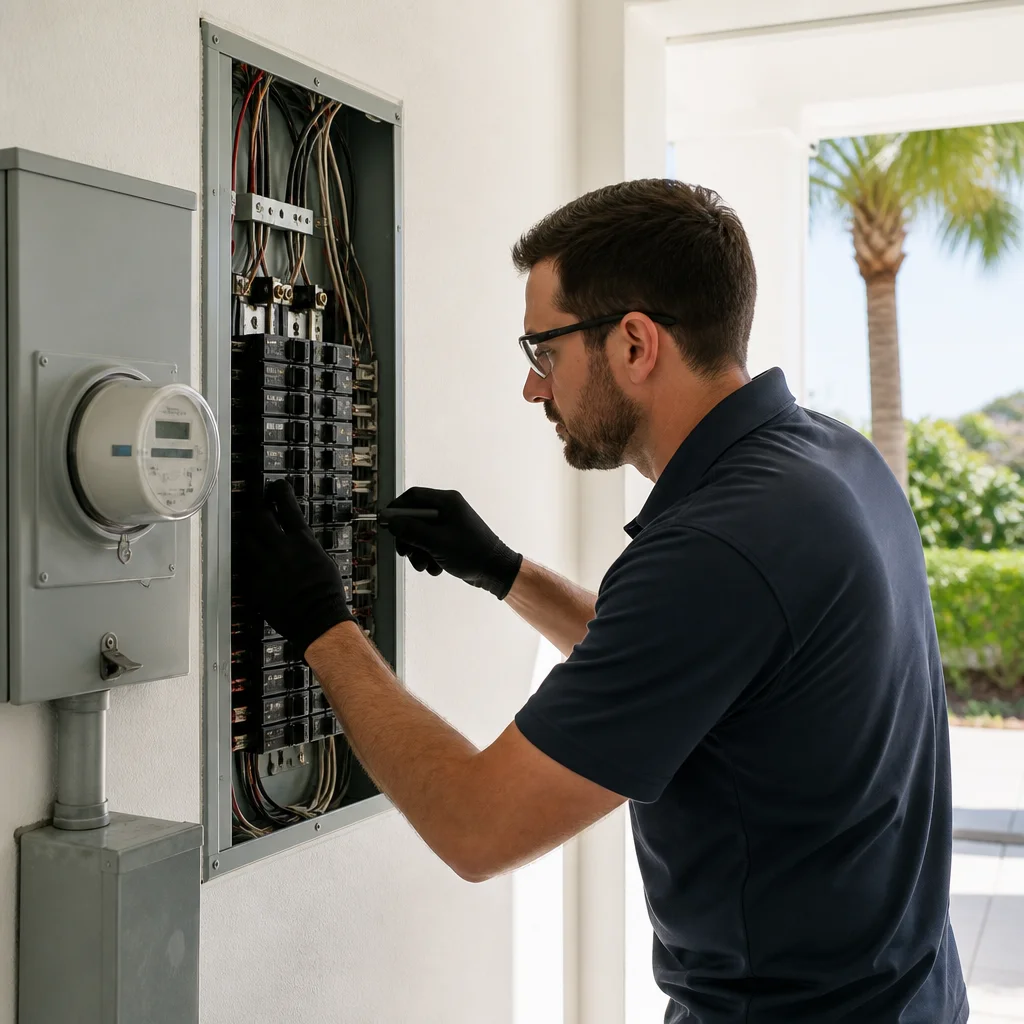
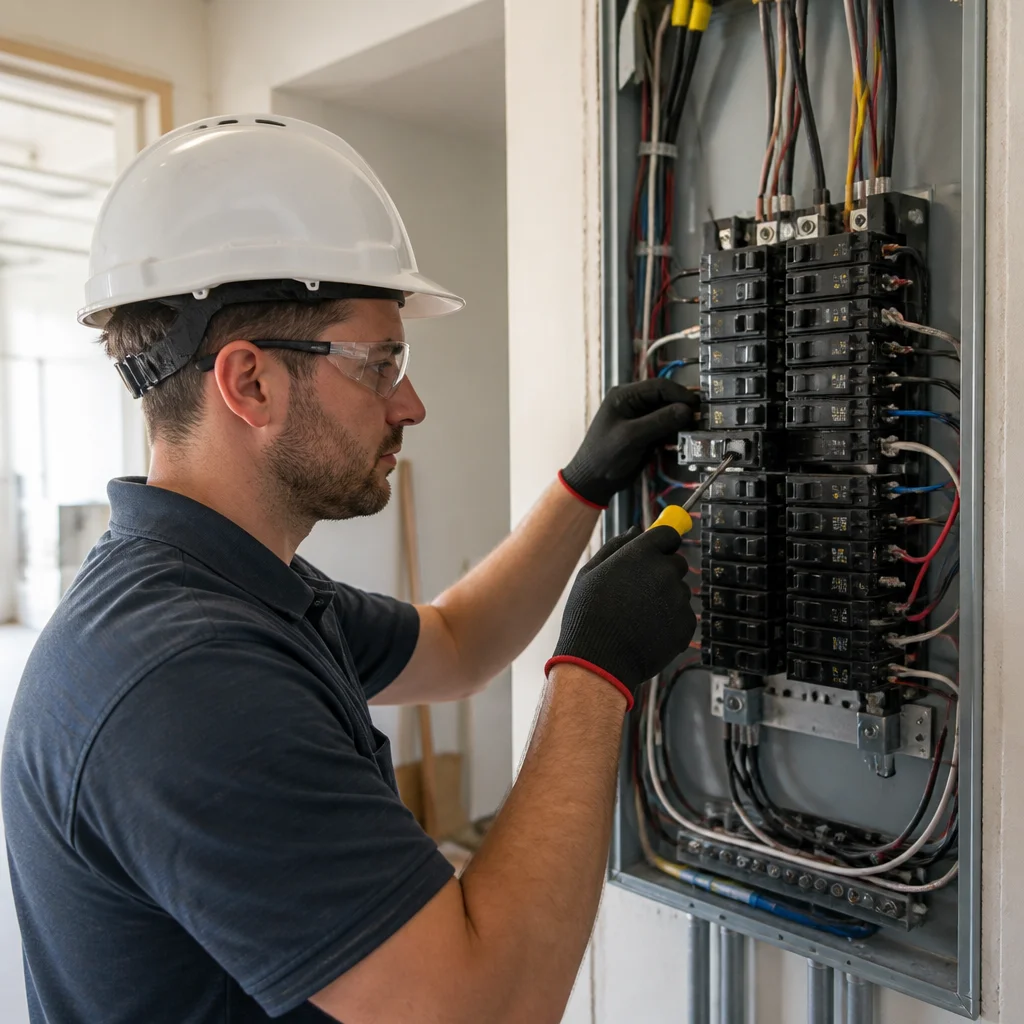
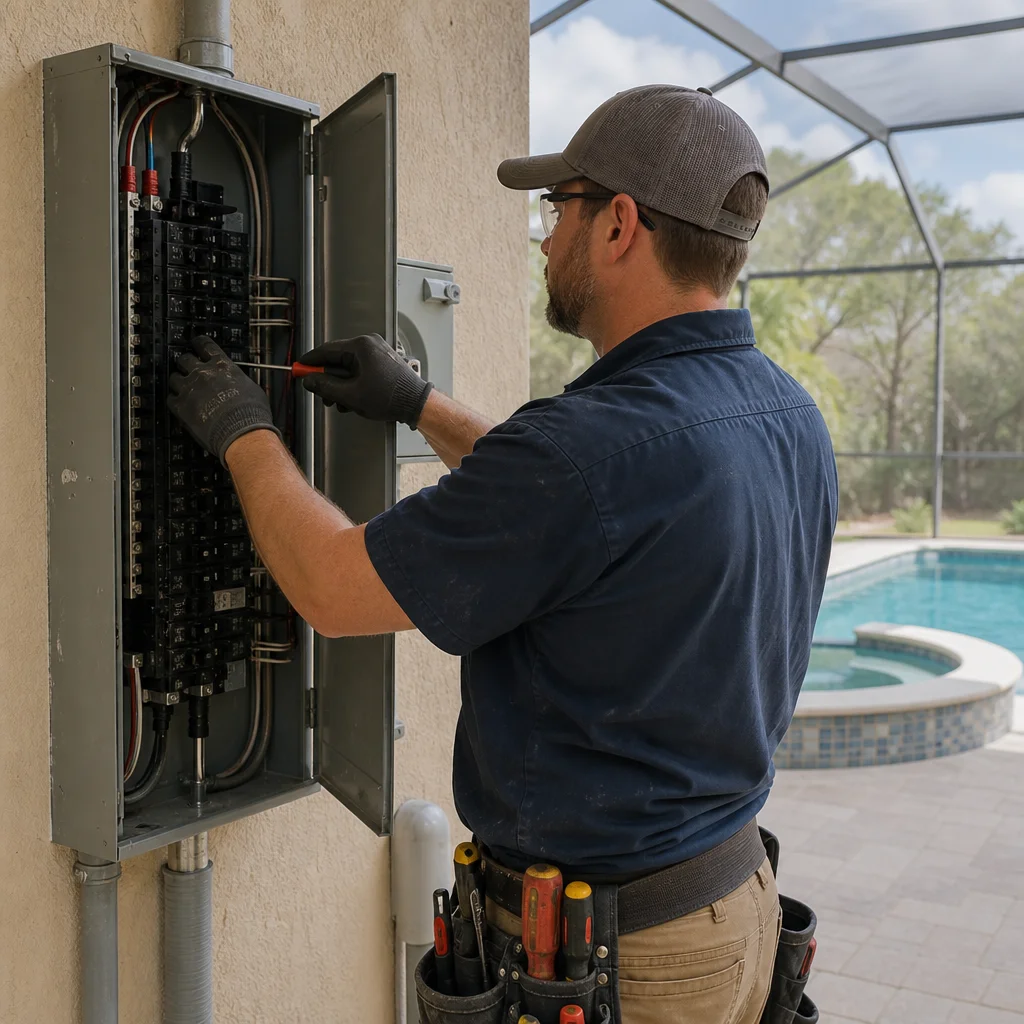
The main breaker panel distributes generator power after the transfer equipment isolates the home from the utility. It must have the correct rating, sound bus connections, properly sized breakers, clear labeling, and enough capacity for the planned backup loads. Corrosion, heat damage, loose connections, obsolete equipment, or crowded wiring should be addressed before installation.
A homeowner searching for breaker panel repair near me may initially be concerned about a tripping breaker, but repeated trips can reveal overloaded circuits, damaged wiring, or a panel that no longer supports the property’s power demand. Generator installation should not cover up those problems. It provides an opportunity to correct them.
Some projects require a panel upgrade or a dedicated emergency loads panel. An emergency loads panel carries selected circuits during an outage, helping keep generator demand predictable. Whole home configurations use load management controls to prevent too many large appliances from operating simultaneously. The appropriate arrangement depends on the service size, generator capacity, and homeowner priorities.
For more detail about aging equipment and service capacity, read why electrical replacement matters for Callaway homes or review local circuit breaker panel and rewiring services.
Transfer equipment prevents dangerous backfeeding
A permanently installed standby generator requires approved transfer equipment. The automatic transfer switch monitors utility power, disconnects the property from the utility when an outage occurs, and then connects the generator supply. When stable utility power returns, the switch transfers the electrical load back and allows the generator to complete its cooldown cycle.
This isolation is essential. Backfeeding electricity onto utility lines can injure lineworkers, damage equipment, and create a serious fire or shock hazard. A standby generator should never be connected through an improvised outlet, modified cord, or homemade panel arrangement.
The transfer switch must match the electrical service and installation design. Service entrance rated equipment may be required depending on its location. Neutral and grounding arrangements also vary by configuration, so bonding cannot be handled with a one size fits all approach. A qualified electrical contractor should follow Kohler specifications, adopted electrical codes, and local permitting requirements.
Generator wiring must withstand load, heat, and weather
Generator conductors are selected according to equipment ratings, installation method, distance, temperature, and code requirements. Long conductor runs can create voltage drop if wire sizing is not carefully calculated. Outdoor wiring also needs approved raceways, fittings, enclosures, and seals that resist rain, humidity, salt laden air, insects, and physical damage.
Coastal conditions around Callaway electrical service areas can accelerate corrosion. Connections that remain reliable inland may deteriorate more quickly near St. Andrew Bay or exposed areas of eastern Bay County. Proper enclosure selection, mounting, conductor preparation, and routine inspection help reduce that risk.
Control wiring is just as important as power wiring. Low voltage conductors allow the generator, transfer switch, battery charging system, and load management equipment to communicate. Damaged or poorly terminated control wiring can prevent an otherwise healthy generator from starting or transferring power.
Outlets, dedicated circuits, and daily power demand
Generator planning should account for how occupants actually use the house. A kitchen may have several small appliance circuits plus dedicated circuits for refrigeration, dishwashing, cooking, and disposal equipment. Garages may supply freezers, tools, door openers, and vehicle charging. Outdoor areas can include pool pumps, landscape lighting, receptacles, and security equipment.
A search for dedicated circuit installation near me often follows the purchase of a new appliance. That circuit changes the home’s load calculation and may affect which equipment can run on generator power. The same is true for an addition, converted garage, home office, or workshop.
GFCI protection is especially important for kitchens, bathrooms, garages, exterior outlets, pool areas, and other damp locations. Generator power does not eliminate shock hazards. Damaged outlets, loose switches, missing covers, and failed GFCI devices should be repaired before storm season. If broader planning is needed, this guide to panels, wiring, outlets, and prevention in Callaway homes explains how these parts work together.
Surge protection matters before and after an outage
Storm related outages are not always clean interruptions. Utility disturbances, nearby lightning, switching events, and power restoration can expose electronics to damaging voltage spikes. A whole house surge protective device installed at the electrical panel adds an important layer of protection for appliances, lighting controls, televisions, computers, security systems, and generator related electronics.
Point of use protectors can supplement panel protection for sensitive equipment, but they are not a substitute for a properly grounded electrical system. The electrician should inspect grounding electrodes, bonding connections, service conductors, and the condition of the meter base. Homeowners searching for meter base repair near me after seeing rust, heat discoloration, or loose equipment should avoid touching the enclosure and arrange a professional inspection.
Surge devices can wear out after absorbing major events. Status indicators should be checked periodically and after significant storms. If the indicator shows that protection is no longer active, the device should be replaced.
Lighting and life safety circuits deserve priority
Reliable lighting reduces fall risks during an outage, especially around stairs, hallways, entrances, and electrical equipment. LED fixtures generally use less generator capacity than older incandescent lighting, allowing more useful circuits to remain available. Flickering, buzzing, or frequently failing lights may indicate a loose connection, incompatible control, or circuit problem that needs electrical repair.
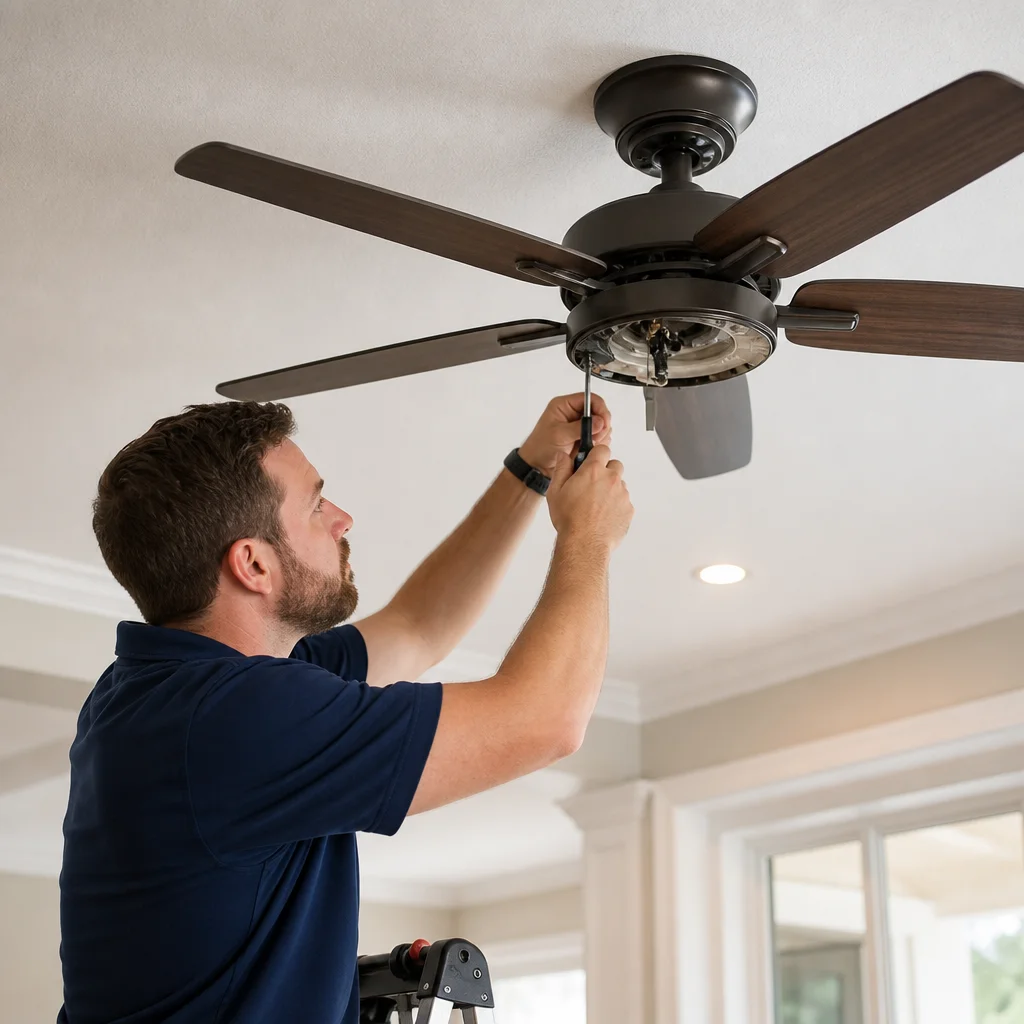
Homeowners planning fixture or ceiling fan improvements can review lighting and fixture services in Callaway. The article about better lighting through electrical maintenance also covers issues that should be corrected before adding new fixtures.
Smoke and carbon monoxide alarms should remain operational during utility failures. Battery backup is still necessary even when alarms are on generator supplied circuits because there is a brief delay before a standby unit begins carrying the load. People searching for smoke detector installation near me can learn about local smoke detector and carbon monoxide detector installation.
EV chargers and other large loads need coordination
EV chargers can represent one of the largest continuous electrical loads in a home. A Level 2 charger should not automatically operate at full output during generator use. Depending on the system design, it may be excluded from backup circuits, managed by controls, or used at a reduced charging rate supported by the equipment.
Someone searching for electric car charger installation near me should mention an existing or planned generator during the electrical evaluation. The electrician can perform a load calculation and coordinate the charger with the panel, transfer switch, and load management controls. Similar planning applies to pool heaters, electric water heaters, ranges, dryers, and large workshop tools.
Maintenance keeps the entire backup system ready
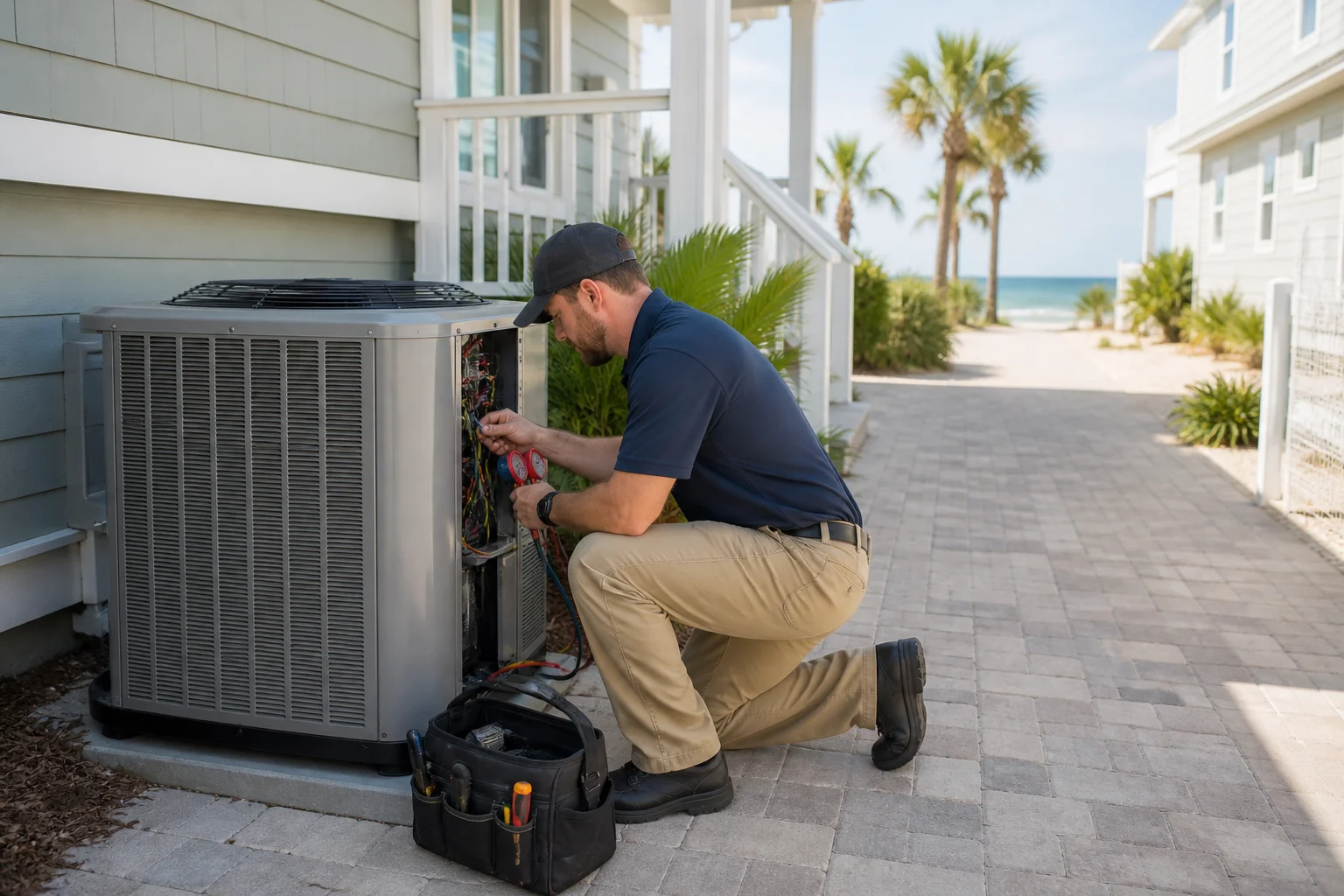
Generator maintenance involves more than changing engine oil. The electrical side should be inspected for loose terminals, damaged insulation, corrosion, moisture intrusion, battery charging problems, control faults, and transfer switch operation. Maintenance timing should follow the current Kohler manual and reflect operating hours, site conditions, and how frequently the unit runs during outages.
Routine service may include checking the battery, fluid levels, air intake, exhaust area, enclosure, warning displays, exercise history, and accessible electrical connections. The area around the generator should remain clear of weeds, leaves, stored materials, and anything that blocks ventilation. Homeowners should not open energized compartments or attempt internal electrical repairs.
The generator should complete its scheduled exercise cycle without unusual noise, repeated starting attempts, warning lights, or fluid leaks. Exercise proves that the engine can start, but a professional transfer test provides better information about whether the system can detect an outage and support the intended electrical load.
For homes and businesses across Bay County, maintenance is particularly valuable before peak storm activity. Service demand rises quickly once a tropical system threatens the region, and last minute repairs may be difficult to complete before conditions deteriorate.
Electrical warning signs should not wait for storm season
Call an electrician if breakers trip repeatedly, the panel feels unusually warm, lights dim when equipment starts, outlets show heat damage, or the generator reports recurring faults. A burning odor, crackling sound, smoke, visible arcing, or sparking service equipment is an emergency concern. Shut off power only if it can be done safely, leave the affected area, and contact emergency services when fire or immediate danger is present.
A homeowner typing burning smell electrical repair near me should not wait to see whether the odor disappears. Heat at a terminal can continue damaging insulation and surrounding materials even when the affected device still works.
Generator problems also deserve prompt attention when the unit fails to exercise, cranks slowly, starts and stops, displays a fault, or does not transfer during an outage. Do not bypass safety controls or repeatedly reset a breaker without identifying why it opened.
Plan again after remodels, additions, and equipment changes
An electrical plan that worked when the generator was installed may no longer fit the property after a kitchen remodel, room addition, pool installation, panel change, or EV charger project. New circuits and larger appliances can alter both utility and backup demand. Security cameras, gates, internet equipment, and alarm panels may also become outage priorities. Local security system wiring should be coordinated with available backup circuits where continued operation is important.
Commercial properties require the same disciplined approach on a larger scale. Essential lighting, refrigeration, communications, access controls, and business equipment must be identified before sizing backup power. The principles discussed in electrical planning for new commercial construction in Callaway also apply when integrating a generator into a growing facility.
Bring in a local electrician before an outage exposes a weak point
Local electrical service matters because Callaway properties face high humidity, salt exposure, lightning, tropical weather, and seasonal storm preparation. An electrician familiar with area homes can evaluate older panels, newer high demand systems, remodel wiring, grounding, transfer equipment, and local inspection requirements as one connected system.
If an electrician near me search is prompted by generator faults, breaker trouble, outlet damage, or planned upgrades, schedule an assessment before the next major weather event. A Superior Mechanical can review the generator installation, panel capacity, circuits, surge protection, and maintenance needs. Use the contact page to request electrical service in Callaway.
Find Kohler Generator Installation & Maintenance in Callaway, FL
If you need Kohler Generator Installation & Maintenance in Callaway, FL, visit our local service page or contact A Superior Mechanical today.
Map of Callaway, FL
Frequently Asked Questions
How is the right Kohler generator size determined for a Callaway home?
An electrician calculates the required load using the circuits and equipment the homeowner wants to operate during an outage. The calculation considers continuous demand, motor starting current, panel capacity, large appliances, and possible load management. Square footage alone is not enough to size a standby generator accurately.
How often should a Kohler standby generator receive maintenance?
Maintenance should follow the schedule in the current Kohler manual and account for operating hours, outage use, coastal exposure, and site conditions. Regular checks should cover the battery, fluids, filters, enclosure, electrical connections, control faults, exercise history, and transfer switch operation.
Can a standby generator power an EV charger, pool equipment, and the whole house?
Possibly, but those are substantial electrical loads. An electrician must compare their demand with the generator capacity and service design. Load management may temporarily prevent selected equipment from operating, and some large circuits may be excluded from backup power to protect the generator from overload.
Related Articles
- Built for the Load: Smart Electrical Planning for New Commercial Construction in Callaway
- Why Electrical Replacement Matters for Callaway Homes
- Better Lighting Starts With Better Electrical Maintenance in Callaway, FL
- Smart Electrical Planning for Callaway Homes: Panels, Wiring, Outlets, and Prevention
Photo Gallery