Humidity control in Upper Grand Lagoon requires more than lowering the thermostat. Coastal air, afternoon storms, long cooling seasons, and moisture brought indoors can leave a home feeling damp even when the air conditioner maintains the selected temperature. A properly planned whole home dehumidifier can remove that excess moisture while supporting comfort, indoor air quality, and HVAC performance.
The best results come from treating the dehumidifier as part of the complete heating and cooling system. Sizing, duct connections, airflow, drainage, filtration, thermostat controls, and maintenance all affect how well the equipment performs.
Why Upper Grand Lagoon homes struggle with humidity
Upper Grand Lagoon experiences warm coastal weather for much of the year. Outdoor humidity stays high during summer, but moisture problems are not limited to the hottest days. Spring and fall can be especially challenging because the home may not need enough cooling for the air conditioner to run long cycles. Indoor temperatures remain acceptable while relative humidity climbs.
Salt air, frequent rain, tropical weather, and storm related power interruptions add to the challenge. Older homes may have leaky ductwork, limited return air, aging windows, or additions that were not incorporated into the original HVAC design. Newer homes can also develop humidity problems if tightly sealed construction traps moisture or the air conditioning system is oversized.
Local experience matters because equipment should be selected for the actual conditions found around Upper Grand Lagoon and throughout Bay County. A system designed around a drier climate may not provide dependable moisture removal near the coast.
Cooling and dehumidification are connected, but not identical
An air conditioner removes some moisture as warm indoor air passes over the cold evaporator coil. Water condenses on the coil, enters the drain pan, and leaves through the condensate drain line. This process works well when the system has correct refrigerant charge, clean coils, balanced airflow, and sufficiently long run times.
Problems begin when cooling demand and moisture demand do not match. An oversized AC system may cool rooms quickly and shut off before removing enough water. A refrigerant leak, dirty filter, weak blower, blocked drain line, or damaged duct can also reduce moisture control. Lowering the thermostat further may make the house cold and clammy without solving the underlying issue.
A whole home dehumidifier is designed to respond directly to humidity. It can continue removing moisture when little cooling is needed. For homeowners comparing whole home dehumidifiers in Upper Grand Lagoon, the goal should be coordinated operation rather than adding a separate appliance without evaluating the existing HVAC system.
Clues that moisture is affecting the home
A humidity problem is not always obvious at first. Rooms may feel sticky, bedding may seem damp, or the thermostat may need to be set unusually low for the home to feel comfortable. Musty odors, condensation on vents, sweating ductwork, peeling paint, swollen trim, and recurring spots on ceilings or closets deserve attention.
Uneven humidity can point to airflow problems. A bedroom at the end of a duct run may feel damp while the central living area feels normal. Closed vents, crushed flexible ducts, disconnected runs, dirty filters, undersized returns, or an unbalanced addition can limit circulation. If the ducts are deteriorated or badly sized, duct replacement may provide a better foundation for humidity control.
Moisture near an air handler is not automatically an indoor humidity issue. It could come from a clogged condensate line, cracked drain pan, frozen evaporator coil, missing insulation, or plumbing leak. Homeowners who notice water around equipment should have the source identified before assuming a dehumidifier is the only solution.
Planning the system around the house
Start with moisture load and equipment sizing
Dehumidifiers are rated by the amount of water they can remove within a defined period. Square footage is useful, but it is only one part of sizing. Ceiling height, occupancy, outdoor air leakage, insulation, crawl spaces, window quality, bathroom ventilation, and how often exterior doors open all affect the moisture load.
A unit that is too small may run continuously without reaching the desired setting. A severely oversized unit can cost more than necessary and may not integrate well with the available ductwork. A licensed HVAC contractor should assess the building and existing equipment before recommending capacity. That is more useful than selecting a model based solely on an online dehumidifier installation near me search.
Protect airflow through the air handler and ducts
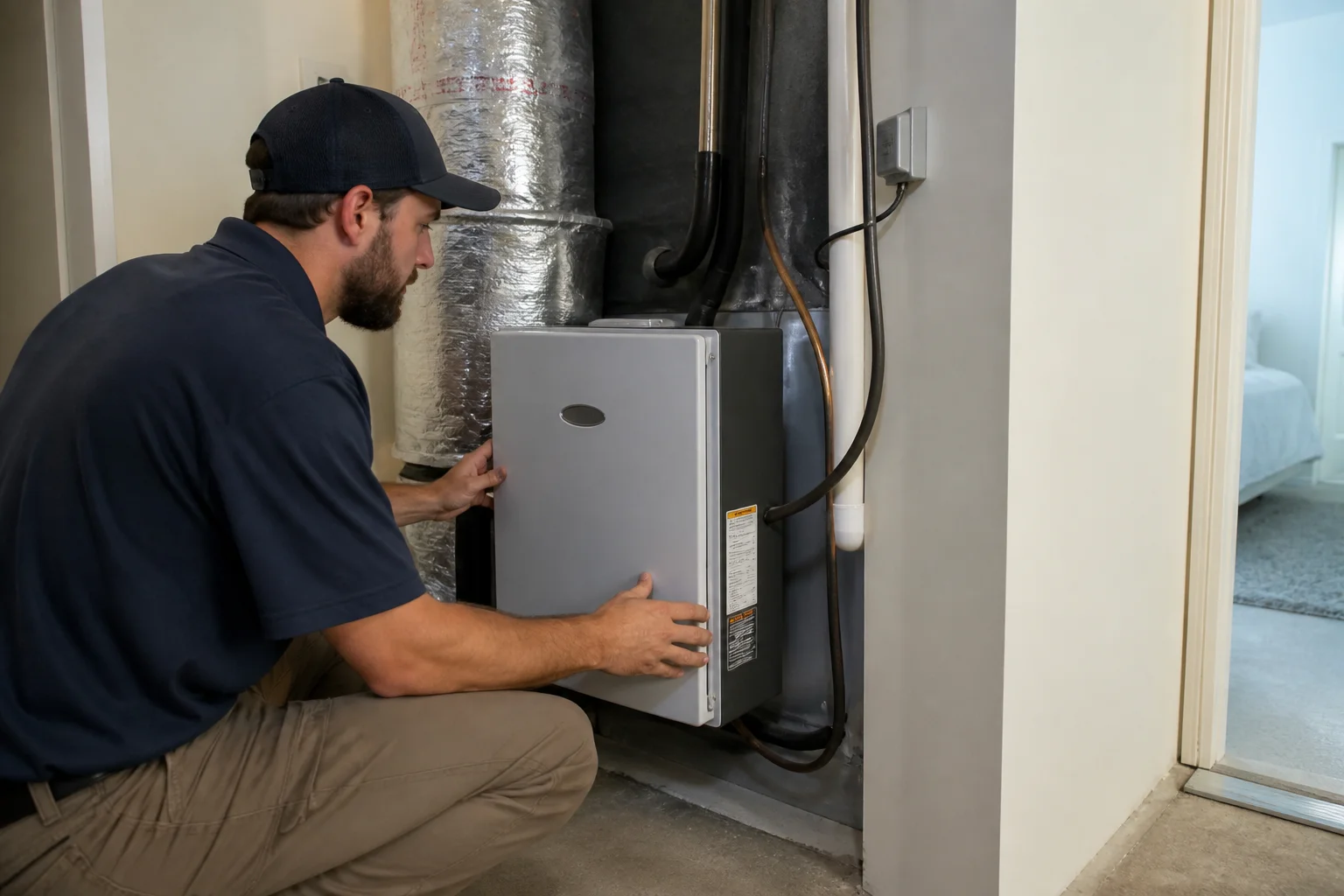
A whole home unit may use dedicated ducts or connect to the central return and supply system, depending on the home and manufacturer requirements. The connection points matter. Poor placement can create unwanted pressure, short circuit conditioned air, or interfere with the blower inside the air handler.
Static pressure measurements help determine whether the ductwork can handle the intended airflow. The contractor should also inspect filters, return grilles, dampers, supply vents, and accessible duct joints. Duct sealing can prevent humid attic or outdoor air from being pulled into the system. If one area has persistent comfort problems, zoning or a dedicated return may be worth considering.
Ductless mini splits need separate evaluation. They can cool individual rooms efficiently, but they do not always circulate or dehumidify air throughout an entire house. A home with mini splits may need a dedicated ducted dehumidifier design rather than a connection intended for a central heat pump.
Plan dependable drainage
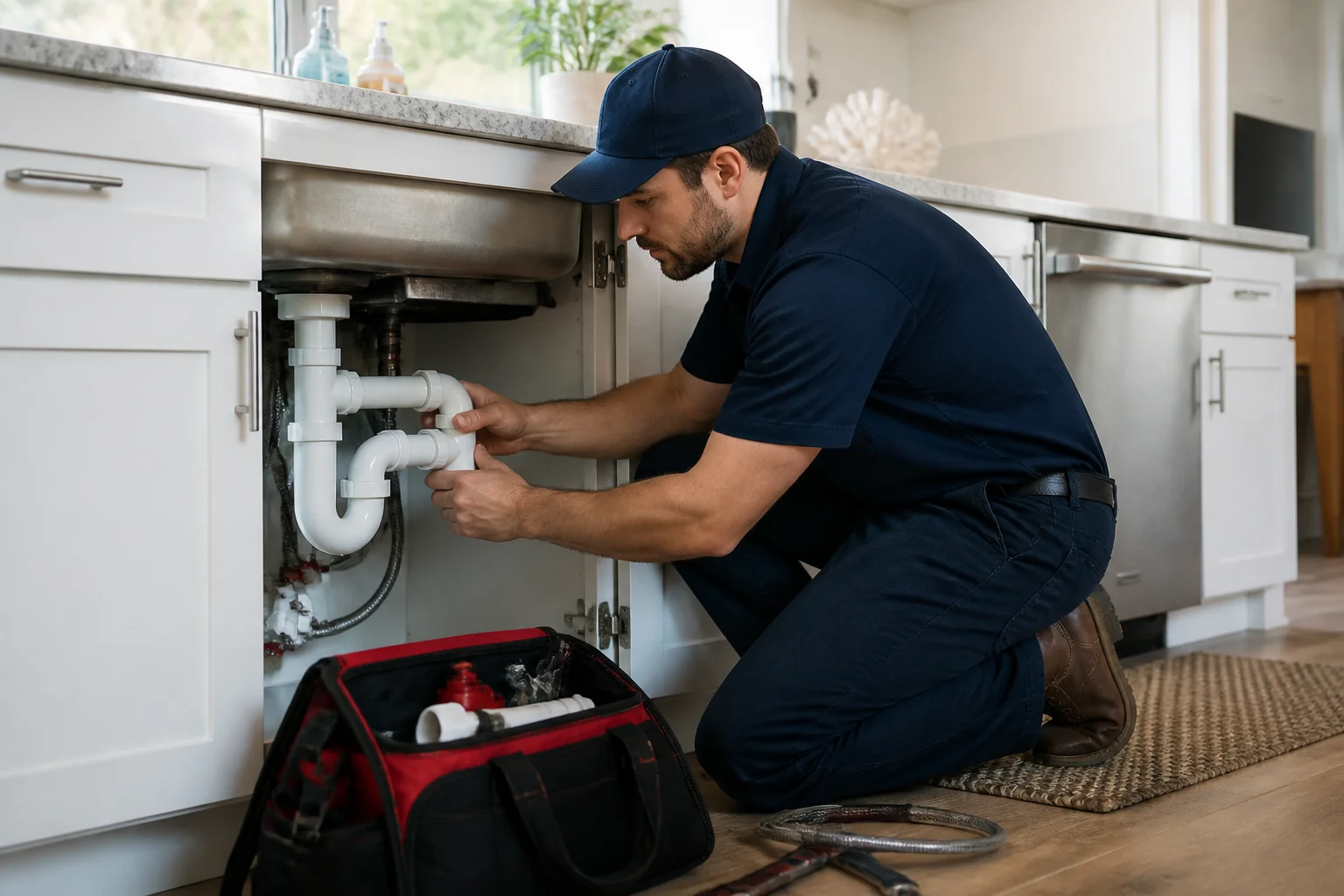
Every pint of moisture removed from the air must go somewhere. The drain should have proper slope, approved piping, a suitable trap when required, and an accessible cleanout. Some layouts require a condensate pump. Float switches can shut equipment down if water backs up, helping reduce the chance of ceiling, wall, or floor damage.
Drain lines need regular inspection because algae and debris can create blockages in Florida conditions. If moisture appears near a utility area but its source is unclear, the guidance in this Upper Grand Lagoon leak and drain article can help homeowners understand why identifying the source matters before repairs begin.
Coordinate thermostats and humidity controls
A humidistat measures relative humidity and signals the dehumidifier to operate. Some communicating thermostats can coordinate cooling, blower operation, and dehumidification from one control. Others require a separate wall control or remote sensor.
Many households are comfortable around 45 to 55 percent relative humidity, although the appropriate target depends on the building and season. Setting the control extremely low can waste energy and cause unnecessary runtime. Anyone searching for smart thermostat installation near me should confirm that the selected thermostat is compatible with the dehumidifier and existing heat pump, furnace, or air conditioner.
Different homes call for different approaches
Older Upper Grand Lagoon homes often benefit from air sealing and ductwork repair alongside dehumidifier installation. Gaps around attic penetrations, return chases, recessed fixtures, and remodel transitions can admit humid air. A dehumidifier can manage a reasonable moisture load, but it should not be expected to overcome major building leaks indefinitely.
Newer homes can retain humidity because modern insulation and windows reduce natural air exchange. Kitchens, showers, laundry, and occupants add moisture every day. Mechanical ventilation should be balanced carefully so it does not introduce more outdoor moisture than the HVAC system can handle.
Remodels and additions deserve special attention. Converting a garage, enclosing a porch, or adding a bedroom changes both sensible cooling load and moisture load. Extending a small duct into the new area without recalculating airflow can leave it uncomfortable. A local HVAC contractor can determine whether the answer is duct modification, zoning, a mini split, a larger return, or dedicated dehumidification.
Rental properties and commercial spaces near the coast may have changing occupancy and frequent door openings. These buildings need durable controls and clear maintenance schedules. Businesses with moisture or cooling trouble can use local commercial HVAC repair to evaluate equipment operation and airflow.
Maintenance that protects humidity control
A dehumidifier and air conditioner share many maintenance priorities. Filters must be changed or cleaned according to equipment requirements. Coils need to remain clean, drain lines must stay open, and blowers should deliver the designed airflow. A dirty filter can lower airflow across the evaporator coil, contribute to icing, and reduce both cooling and moisture removal.
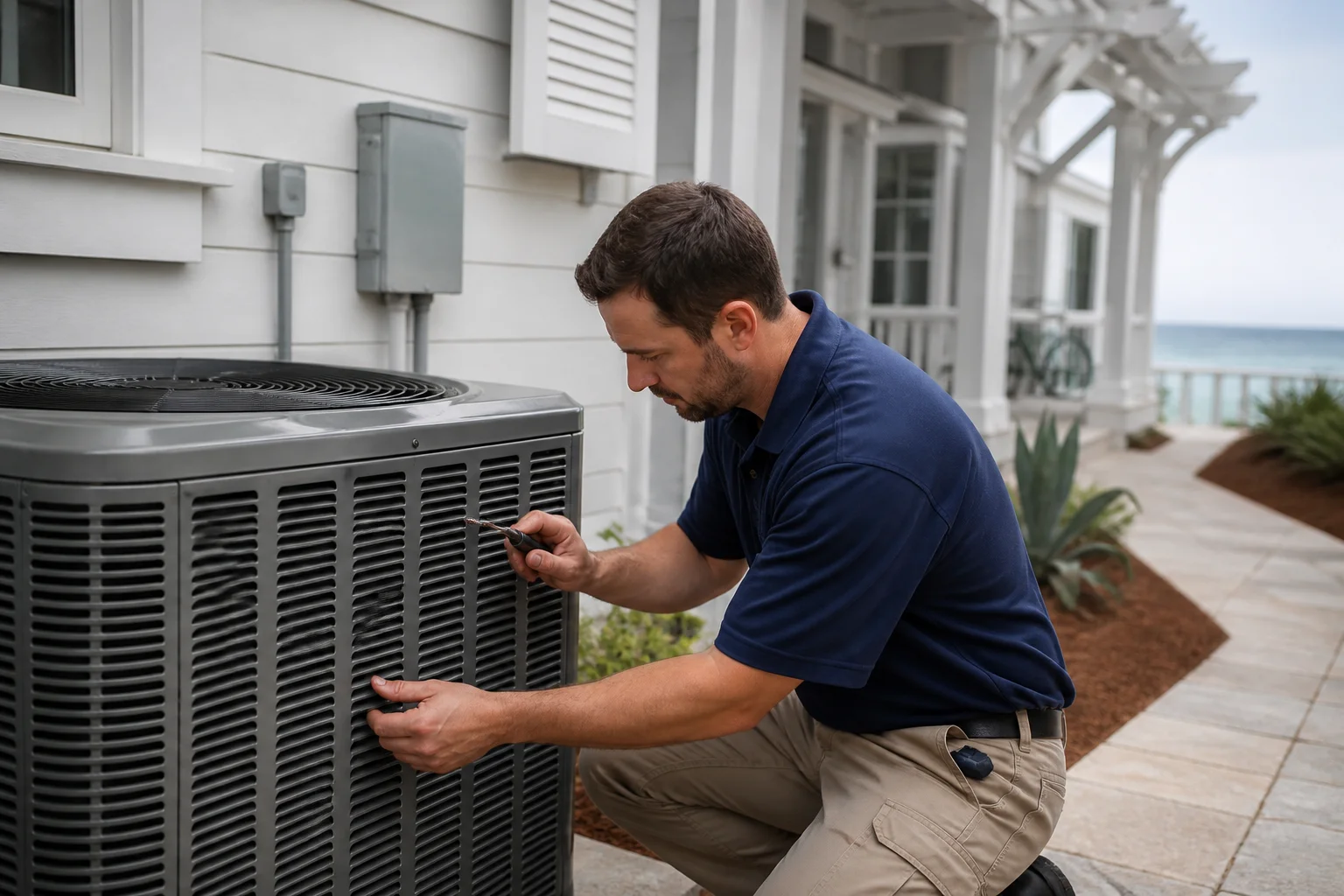
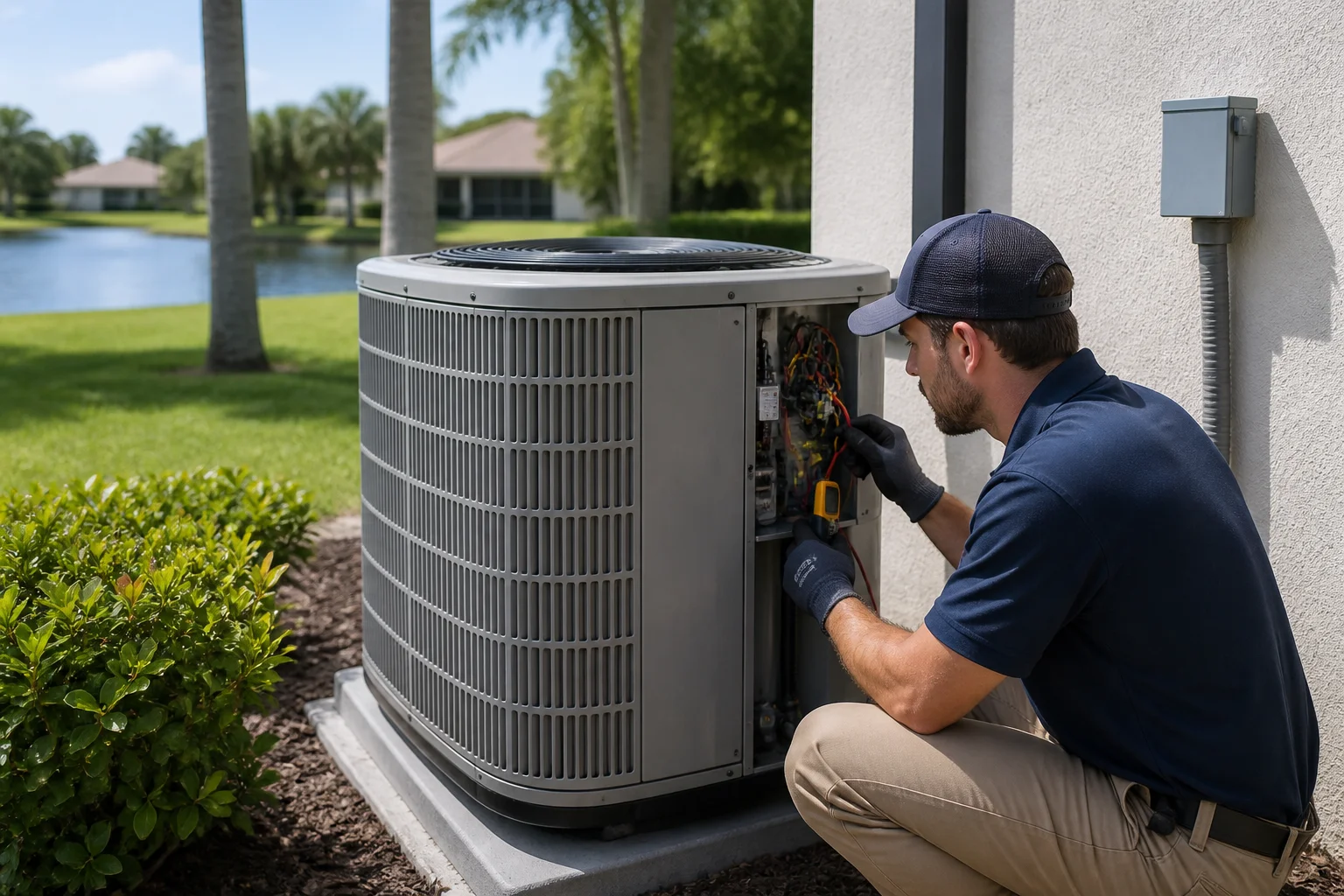
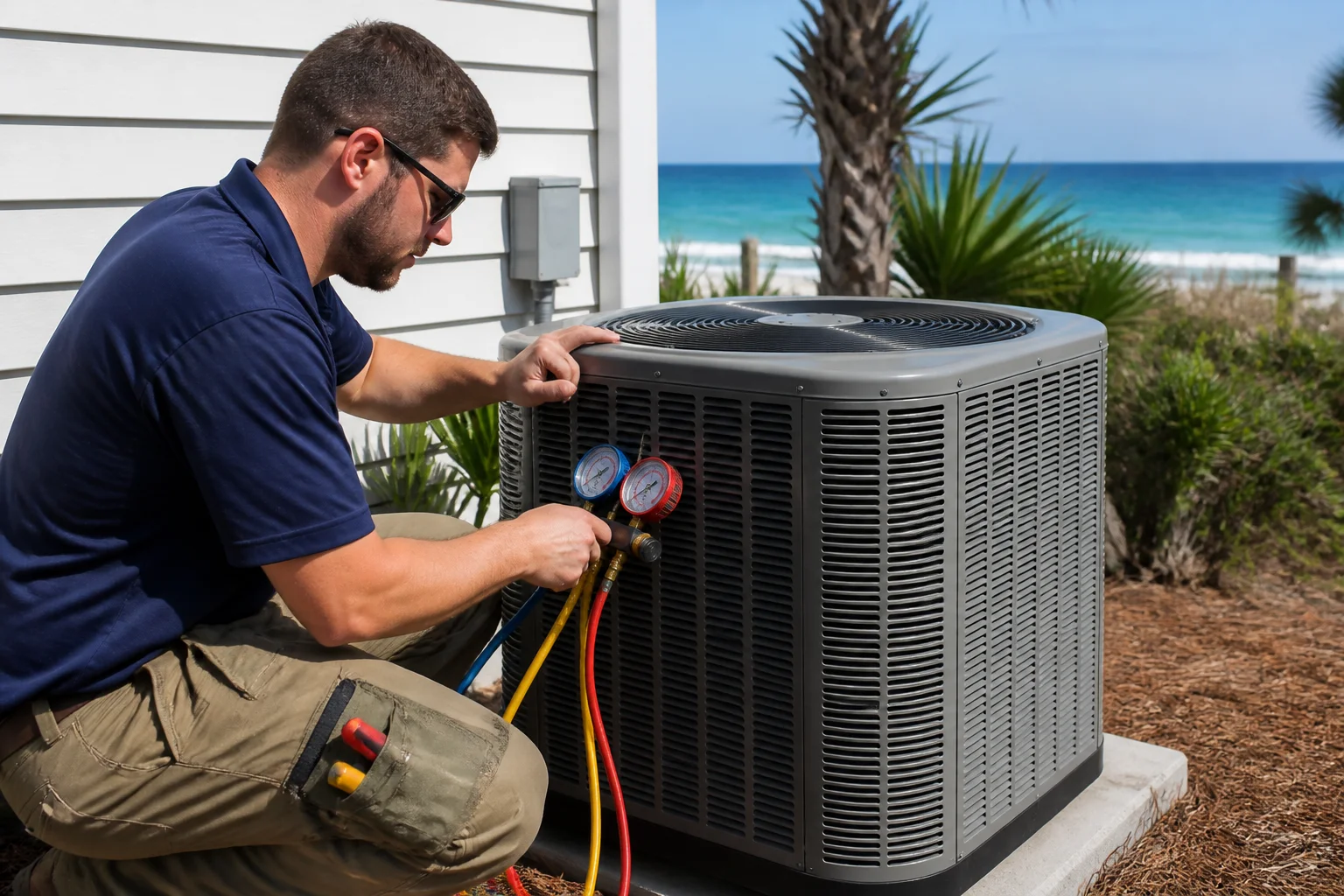
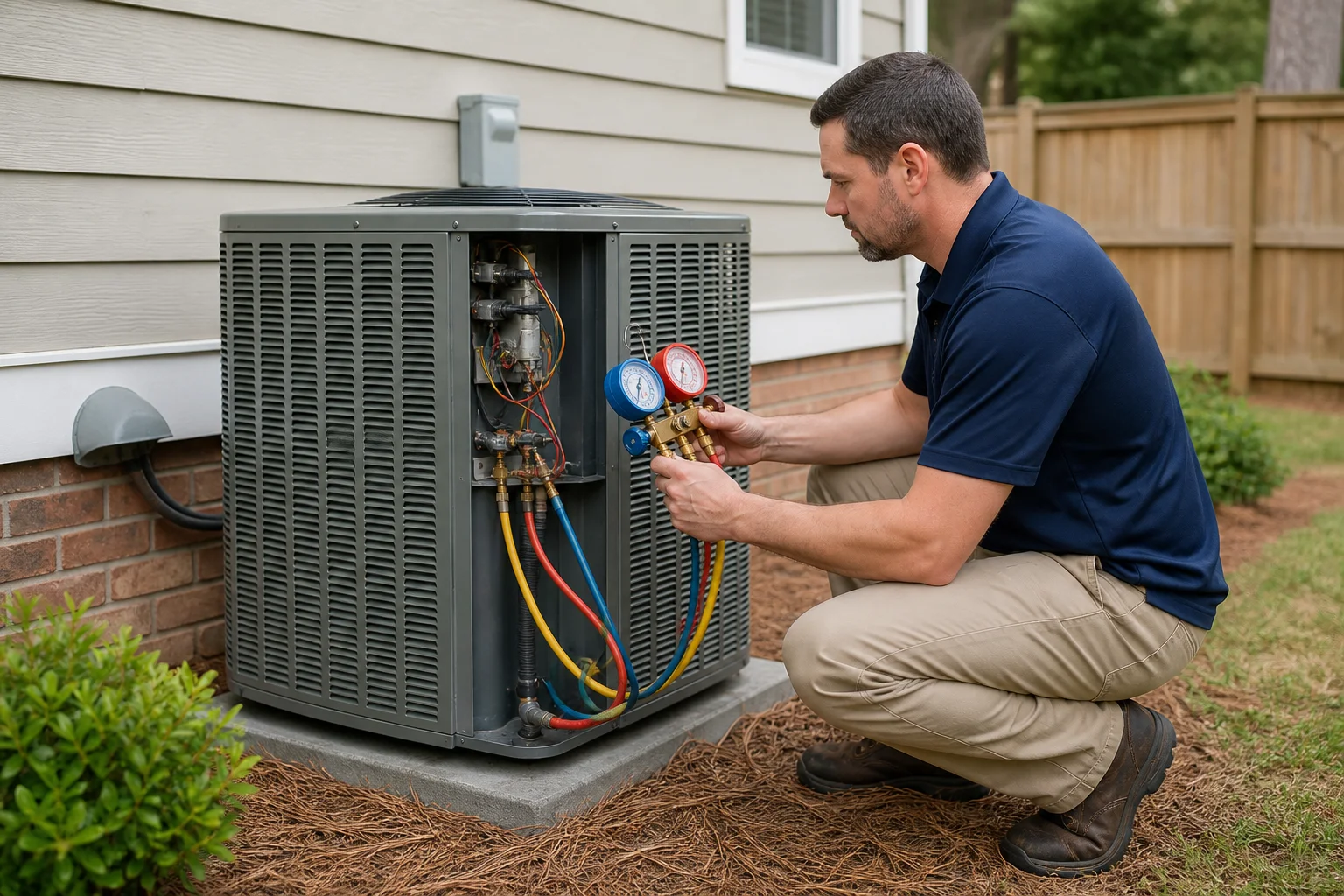
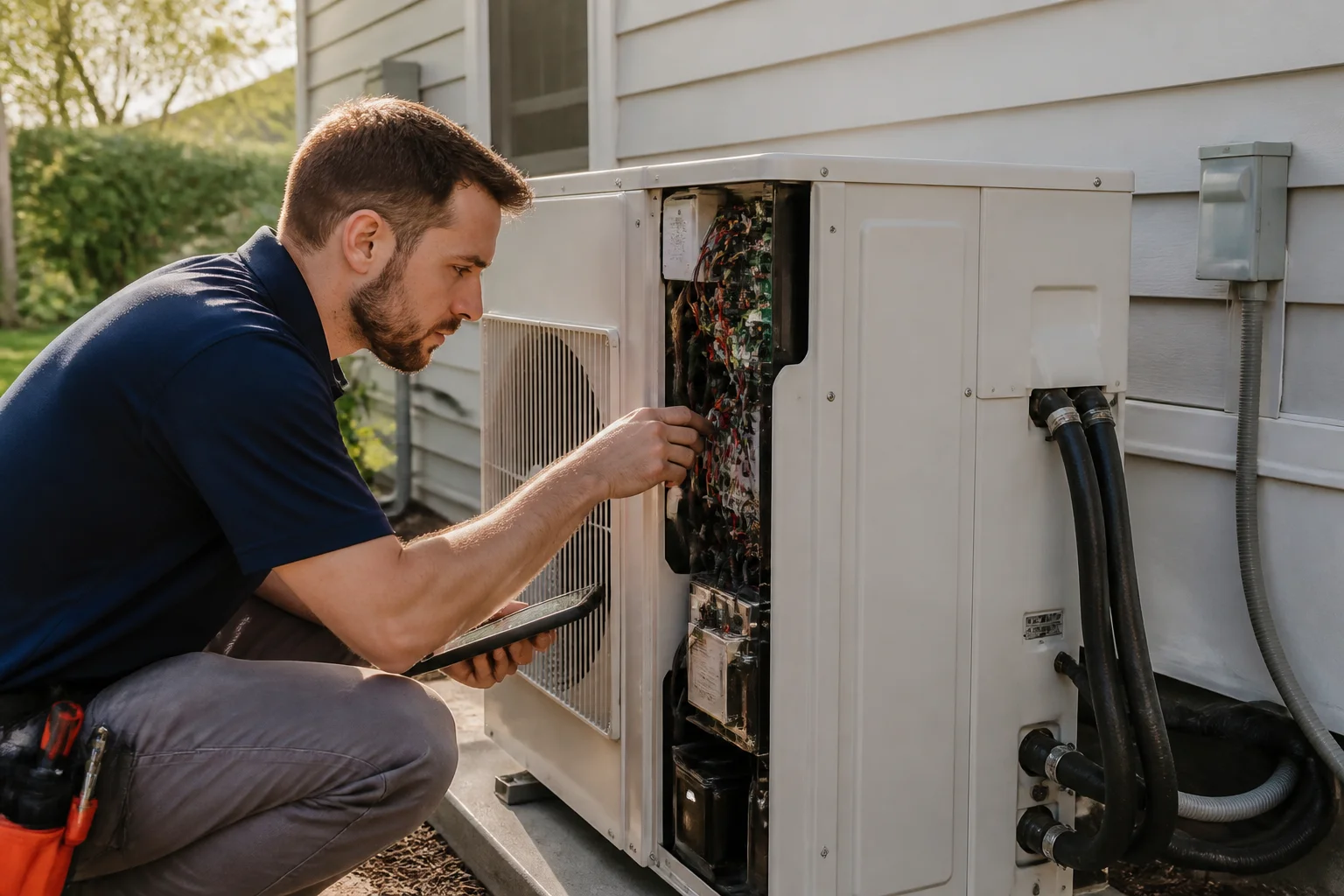
Outdoor units also need attention. Grass, leaves, and debris should not block the condenser. Salt deposits can accelerate corrosion on coils, cabinets, electrical connections, and fasteners. Professional cleaning methods should protect delicate coil fins rather than using excessive pressure. Regular air conditioning maintenance gives a technician an opportunity to inspect refrigerant performance, capacitors, contactors, drain safety switches, and temperature changes across the system.
Homeowners searching for HVAC maintenance near me should ask whether humidity controls and dehumidifier drainage are included in the visit. The service should verify the humidity reading, inspect duct connections, test controls, and check whether the unit cycles correctly. Lessons from dehumidifier maintenance in another coastal community also apply to homes facing salt air and long cooling seasons in Upper Grand Lagoon.
Storm preparation is part of prevention. Secure outdoor equipment, keep the condenser area clear, and avoid operating damaged equipment after flooding or a surge. After a long outage, indoor humidity can rise quickly. Restore normal temperature and moisture settings gradually, and inspect for water intrusion rather than asking the HVAC equipment to dry wet building materials.
Comfort and efficiency without overcooling
Removing excess moisture can make indoor air feel more comfortable at a moderate thermostat setting. That may reduce the habit of lowering the temperature simply to feel drier. Actual energy savings depend on equipment efficiency, controls, duct condition, humidity target, and how the system is installed.
Useful comfort habits still matter. Run bathroom exhaust fans during showers, use the kitchen exhaust when cooking, keep exterior doors closed, and replace filters on schedule. Do not close multiple supply vents in an attempt to redirect air because that can raise duct pressure and reduce system performance. Furniture, curtains, and rugs should not block return grilles or supply vents.
Heating equipment also needs adequate airflow. Most local homes use heat pumps, though some have furnaces or supplemental heat. A humidity project is a good time to note weak heating, unusual odors, or blower problems before seasonal demand increases. Cooling, heating repair, furnace service, and dehumidification all depend on sound airflow.
When the problem needs professional HVAC service
Professional diagnosis is appropriate when humidity remains high despite normal AC operation, rooms have different moisture levels, ducts sweat, the evaporator coil freezes, or water repeatedly collects near the air handler. A technician can separate a humidity load problem from a refrigerant leak, failing blower, clogged drain, thermostat error, dirty coil, or improperly sized system.
Searches for HVAC repair near me or air handler repair near me often begin after comfort has already declined. Prompt service can limit further damage, especially if water is approaching ceilings, electrical components, or finished floors. Burning odors, sparking equipment, severe refrigerant icing, a tripped safety switch, or cooling failure during dangerous heat may justify 24/7 emergency HVAC service.
A Superior Mechanical provides local evaluation, installation, and service for humidity control systems across Upper Grand Lagoon. Careful planning connects the dehumidifier with the home’s air conditioner, heat pump, thermostat, ducts, vents, filters, and drainage so each part supports reliable coastal comfort.
Find Whole Home Dehumidifiers in Upper Grand Lagoon, FL
If you need Whole Home Dehumidifiers in Upper Grand Lagoon, FL, visit our local service page or contact A Superior Mechanical today.
Map of Upper Grand Lagoon, FL
Frequently Asked Questions
Does a whole home dehumidifier work with an existing air conditioner?
In many homes, yes. The dehumidifier may connect to the central duct system or use dedicated ductwork. A contractor should check the air handler, static pressure, available space, drainage, electrical requirements, and thermostat compatibility before choosing the installation method.
What indoor humidity level is appropriate for an Upper Grand Lagoon home?
Many homeowners are comfortable between 45 and 55 percent relative humidity. The best setting varies with outdoor weather, building construction, occupancy, and personal comfort. A very low setting can increase energy use without providing a practical benefit.
Can a dehumidifier fix sweating vents and musty odors?
It can help when excess indoor moisture is the cause, but those symptoms may also indicate leaking ducts, missing insulation, restricted airflow, a clogged drain, or an AC performance problem. An HVAC inspection should identify the source before equipment is installed.
Related Articles
- Why Better HVAC Maintenance Matters for Whole Home Dehumidifiers in Sandestin
- A Smarter Plumbing Playbook for Leaks, Drains, and Pipes in Upper Grand Lagoon
- A Homeowner’s Guide to Smarter Water Heater Repair in Upper Grand Lagoon
- A Practical Guide to Clean Water Systems in Upper Grand Lagoon, FL: Hard Water Spots, Scale, Taste, and Odor
Photo Gallery