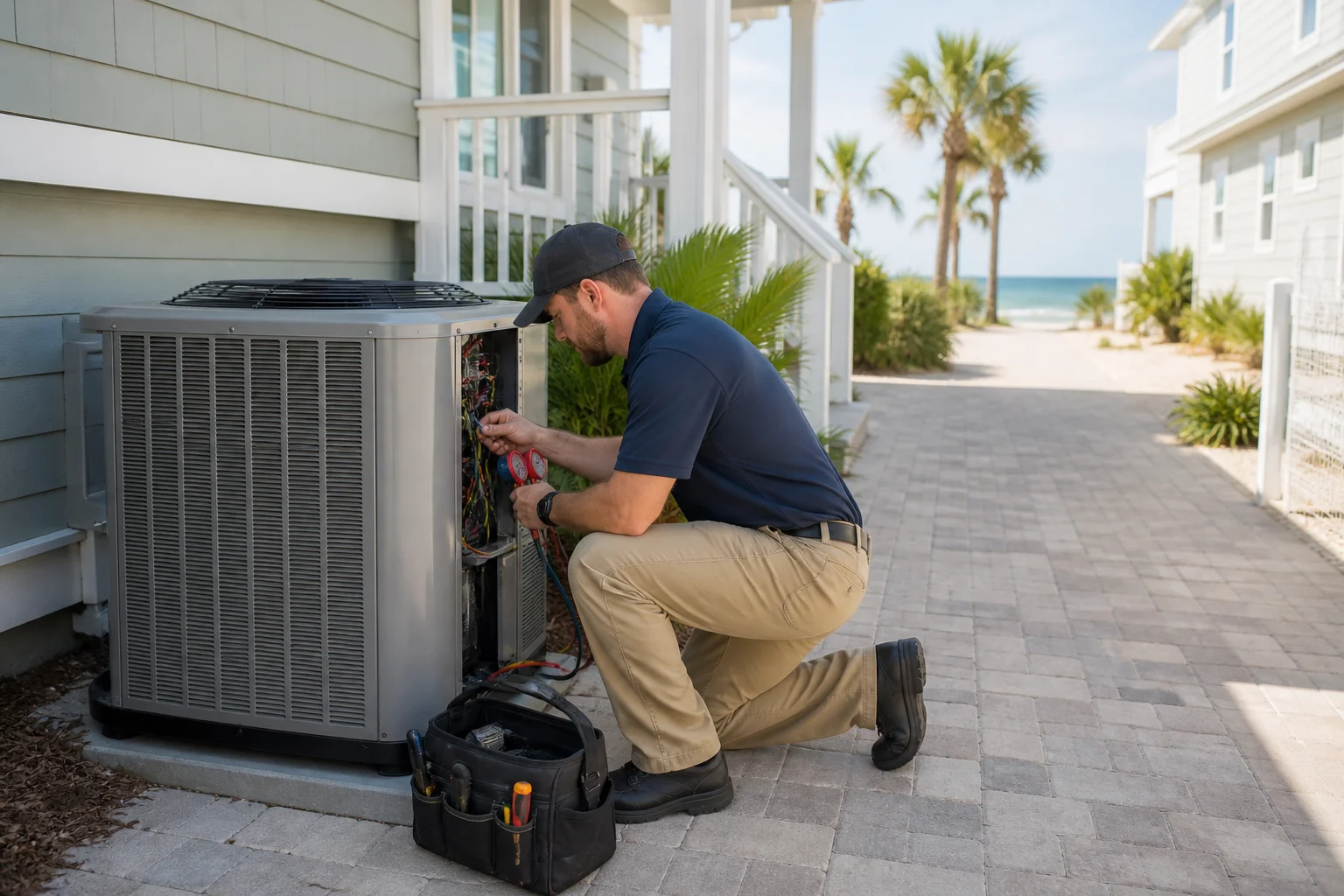
Air conditioning in Seaside has to do more than lower the temperature. It must remove moisture, move air evenly through the home, withstand coastal conditions, and operate reliably during long stretches of hot weather. A system that is poorly sized, restricted by leaky ductwork, or overdue for service may run constantly without making the house feel comfortable.
Thoughtful HVAC planning helps homeowners prevent those problems. Whether you live in Seaside full time, manage a vacation rental, or maintain a second home, professional air conditioning services in Seaside, FL can address cooling performance, humidity, airflow, equipment condition, and energy use as one connected system.
Why Coastal Cooling Requires a Local Plan
Seaside experiences warm temperatures, high humidity, strong sun, salt air, storms, and periods of intense seasonal demand. These conditions affect outdoor units, air handlers, evaporator coils, drain lines, ductwork, thermostats, and indoor air quality. Equipment selected or maintained without coastal weather in mind can lose efficiency and develop avoidable problems.
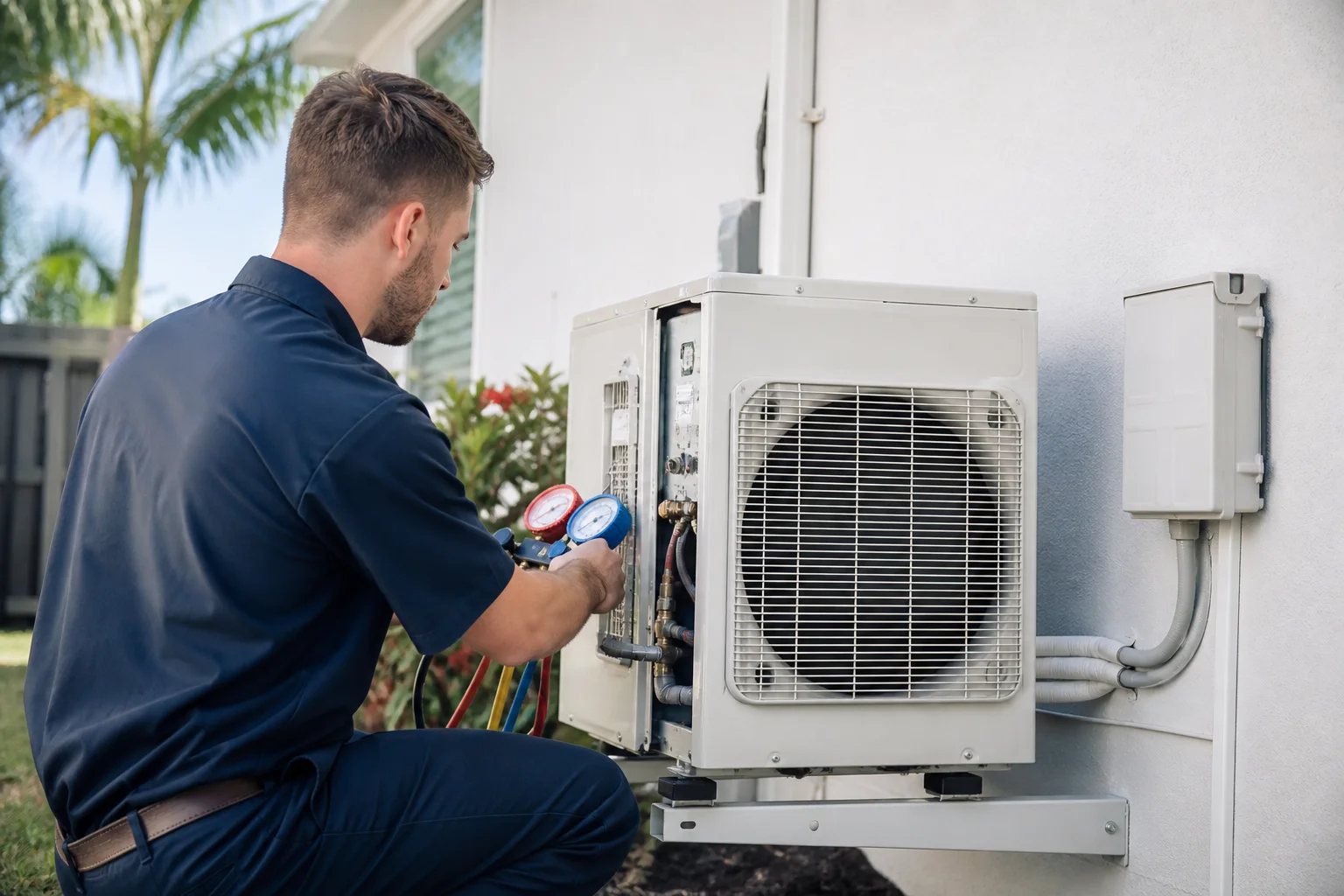
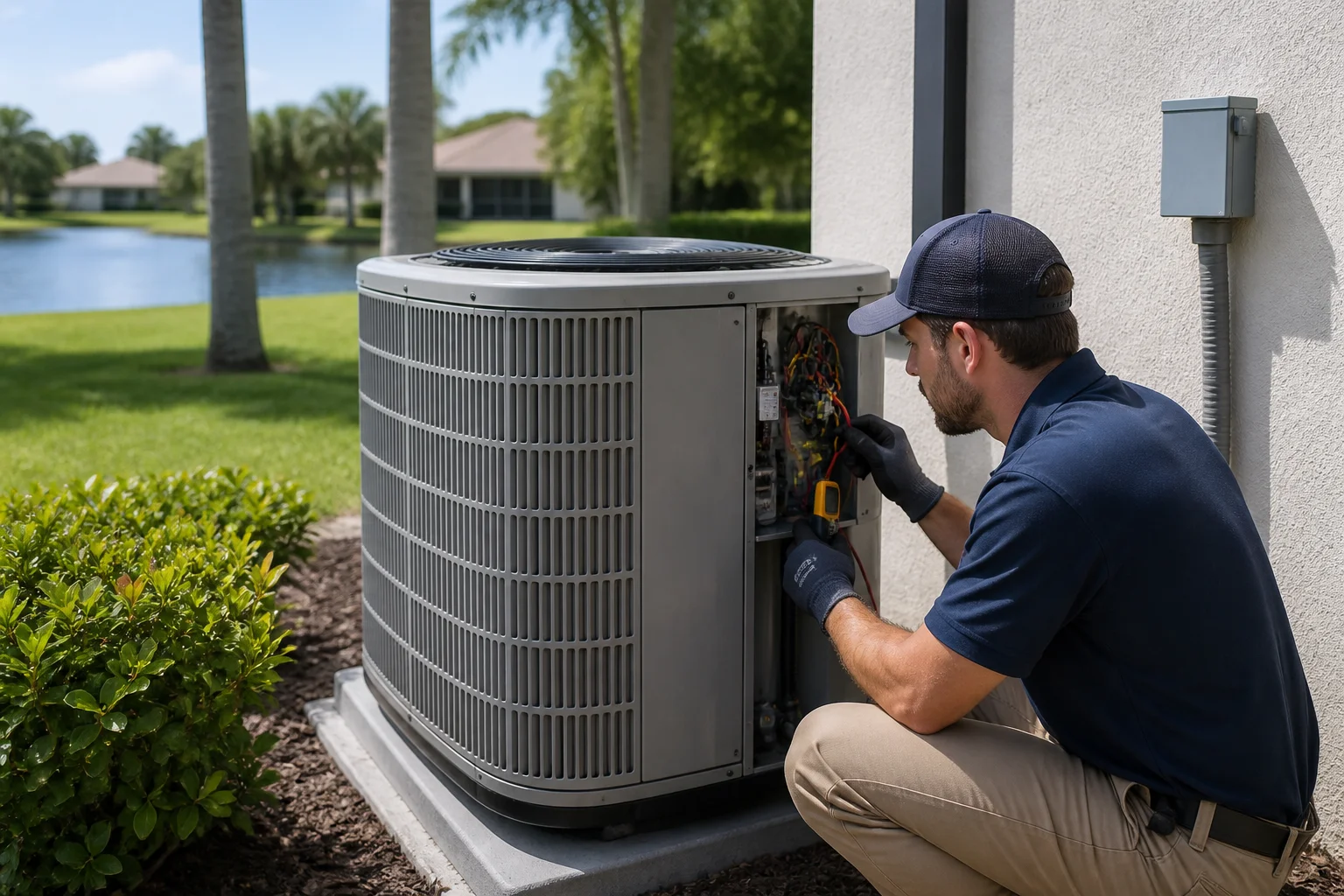
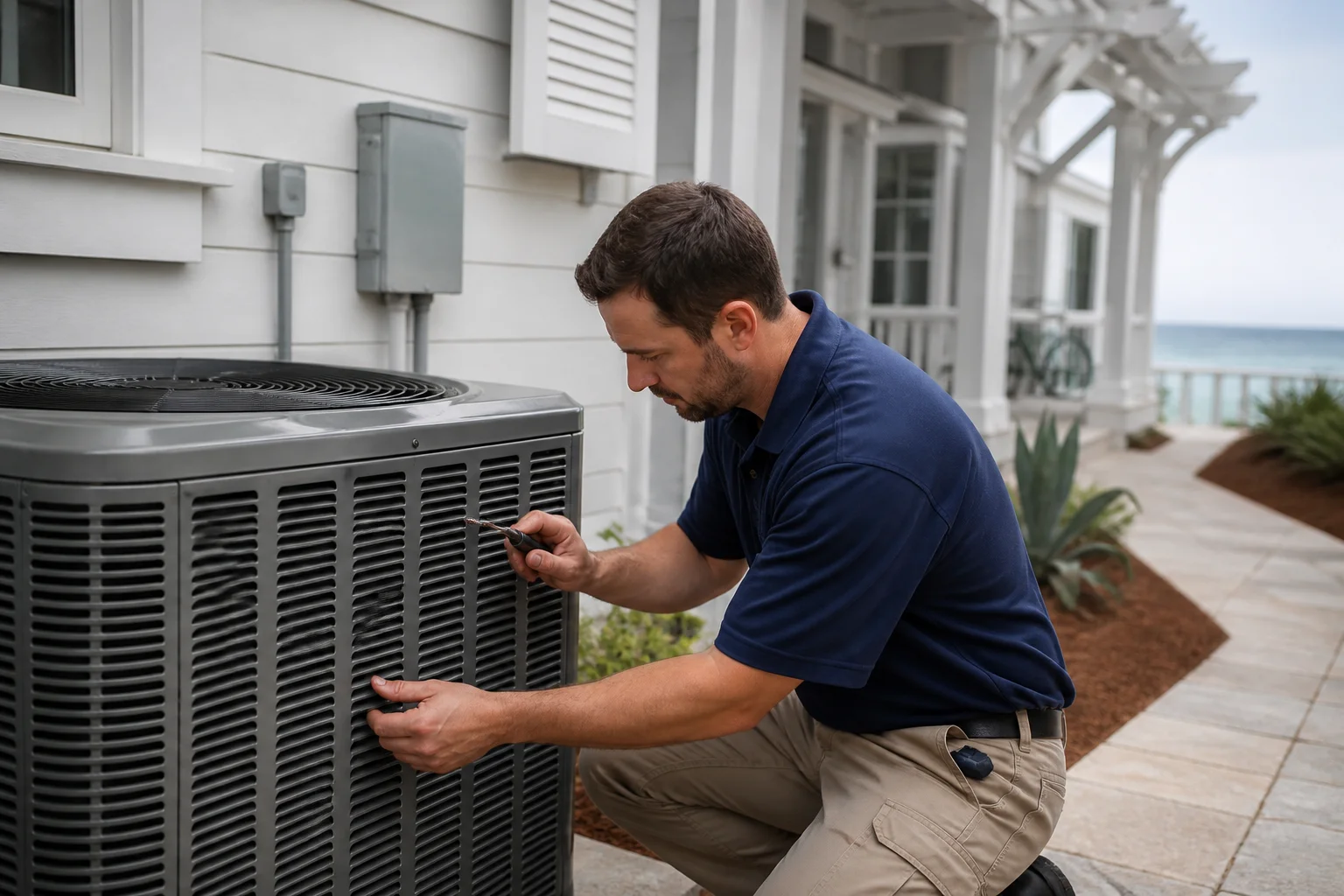
Salt carried through the air can settle on condenser coils, cabinets, fasteners, and electrical connections in outdoor units. That buildup may accelerate corrosion and reduce the condenser's ability to release heat. Storm debris can also obstruct the coil or damage the fan. Outdoor equipment should have adequate clearance and a stable base, but it should not be enclosed so tightly that airflow is restricted.
Inside the home, humid air can enter through gaps around windows, doors, attic openings, and duct connections. Older homes may have aging ducts or limited return airflow. Newer homes can also have problems if tight construction traps moisture or if the HVAC system was not adjusted after a remodel or addition. Local knowledge matters because HVAC service in Seaside must account for building style, occupancy patterns, coastal exposure, and Walton County weather.
Comfort Problems Often Begin with Airflow
An air conditioner cannot cool a home properly if it cannot move enough air. Weak airflow may appear as warm rooms, long cooling cycles, noisy vents, temperature differences between floors, or little air coming from certain registers. The cause is not always the AC unit itself.
Filters, Vents, and Return Air
A dirty filter is one of the simplest restrictions to correct. It can reduce airflow across the evaporator coil, increase operating costs, and contribute to a frozen coil. Filters should be checked regularly, especially in vacation rentals with frequent door openings, homes with pets, and properties undergoing construction or remodeling. The correct filter size and resistance are important. A filter that is too restrictive can cause problems even when it looks clean.
Supply vents should remain open and unobstructed by furniture, curtains, or rugs. Return grilles also need clear space. Closing vents in unused rooms rarely provides meaningful savings and may increase pressure in the duct system. If a room remains uncomfortable with open vents, an HVAC contractor should inspect duct sizing, balancing, insulation, and return air capacity.
Ductwork Hidden in Attics and Chases
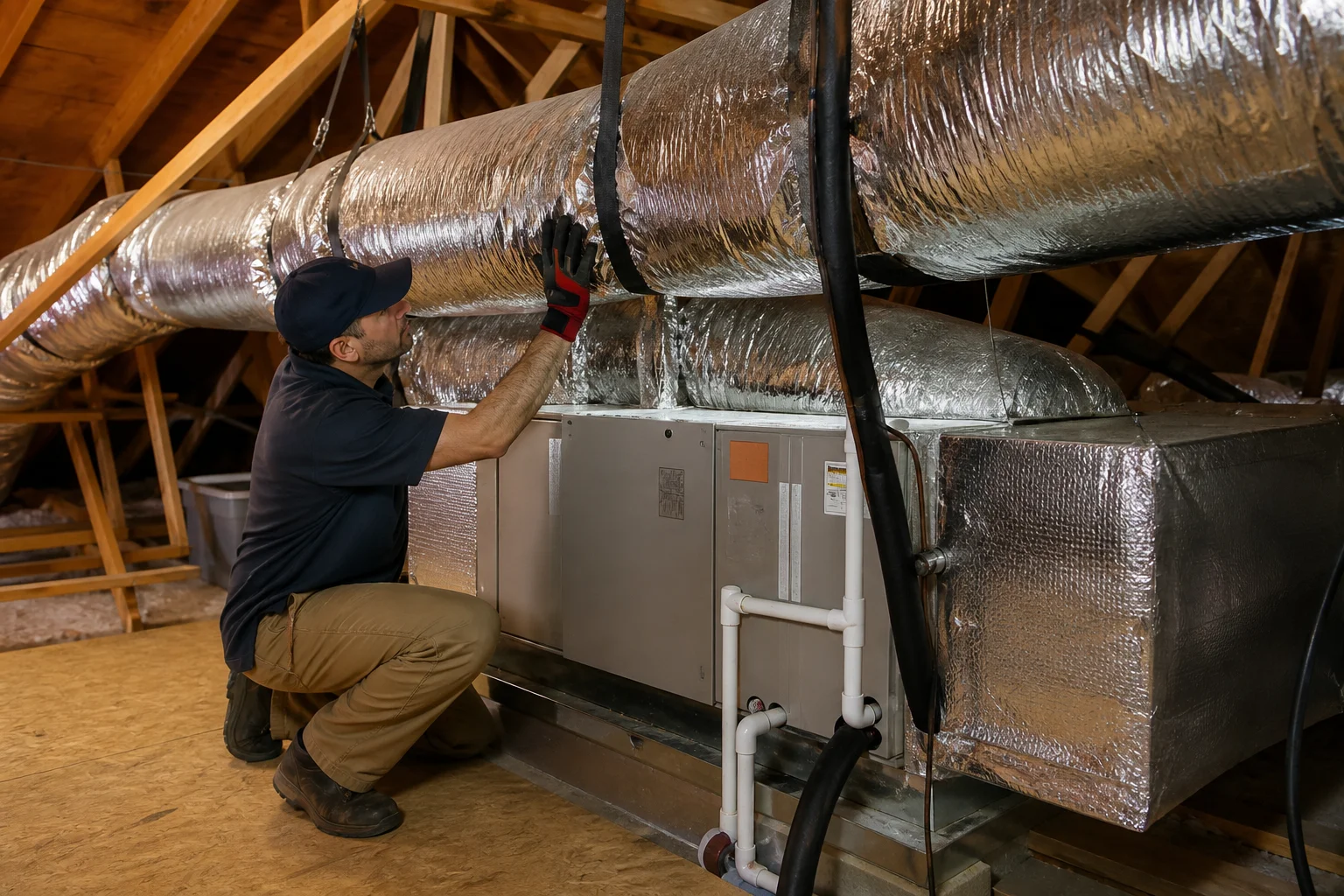
Ducts routed through a hot attic can lose substantial cooling when insulation is damaged or connections separate. Leaks on the supply side release conditioned air before it reaches the rooms. Return leaks may pull hot, humid, dusty air into the system. Both conditions increase run time and make humidity control harder.
Homeowners searching for ductwork repair near me may need more than a visible patch. A proper evaluation can identify crushed flex duct, loose connections, missing insulation, undersized returns, and pressure imbalances. Professional duct sealing in Seaside can reduce leakage and help conditioned air reach the intended spaces.
Humidity Is Part of the Cooling Load
A thermostat can show 74 degrees while the house still feels sticky. That happens because comfort depends on both temperature and relative humidity. During a normal cooling cycle, moisture condenses on the cold evaporator coil and drains away. If the system is oversized, short cycling, dirty, or moving air incorrectly, it may satisfy the thermostat before removing enough moisture.
Persistent indoor humidity can cause musty odors, damp bedding, condensation on vents, swelling wood, and discomfort at otherwise reasonable temperatures. It can also support microbial growth on dusty surfaces. HVAC mold prevention should focus on moisture management, clean drain components, appropriate filtration, and corrected air leaks rather than simply masking odors.
Drain Lines and Evaporator Coils
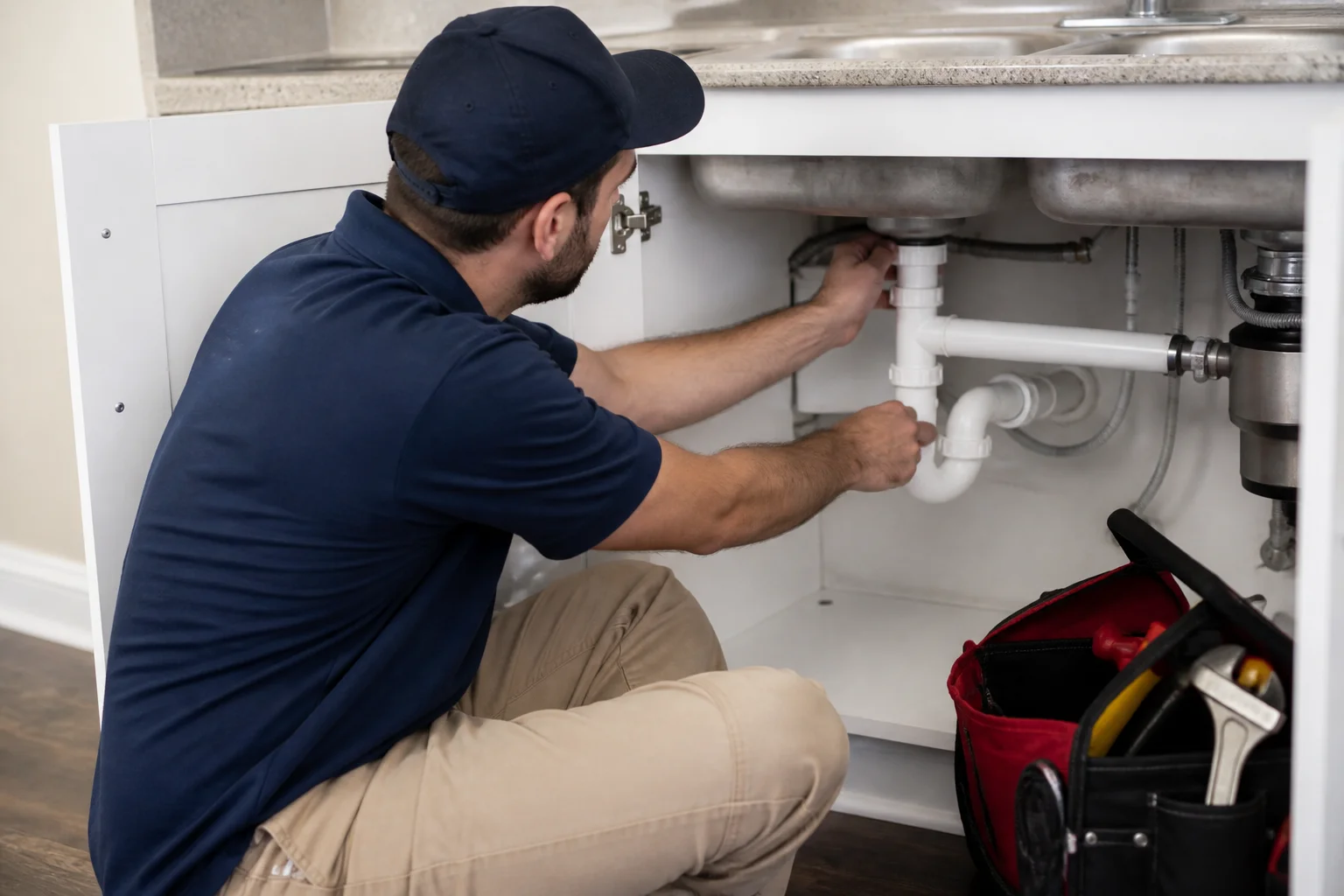
The condensate drain line carries water away from the air handler. Algae, sediment, or debris can block that line, causing water to back up into the drain pan. Depending on the installation, a safety switch may shut the system down. Without proper protection, overflow can damage ceilings, floors, or nearby materials.
A dirty evaporator coil may reduce heat transfer and limit moisture removal. Low refrigerant caused by a leak can also make the coil too cold, leading to ice. If ice appears on the refrigerant line or air handler, turn off cooling and allow the system to thaw. Continuing to operate it can stress the compressor. A search for evaporator coil repair near me should lead to diagnosis of airflow, refrigerant charge, coil condition, and leak location, not an automatic assumption that the coil must be replaced.
When Added Dehumidification Makes Sense
Some Seaside properties benefit from dedicated humidity control, particularly tightly built homes, lightly occupied second homes, and properties where the thermostat is set higher between visits. A whole home dehumidifier can manage moisture independently of the cooling cycle and distribute drier air through the home.
Homeowners searching for dehumidifier installation near me should ask how the equipment will drain, how it will integrate with existing ductwork, and where humidity will be measured. Capacity should be based on the building and moisture load, not selected by guesswork.
Repair Decisions Should Start with Diagnosis
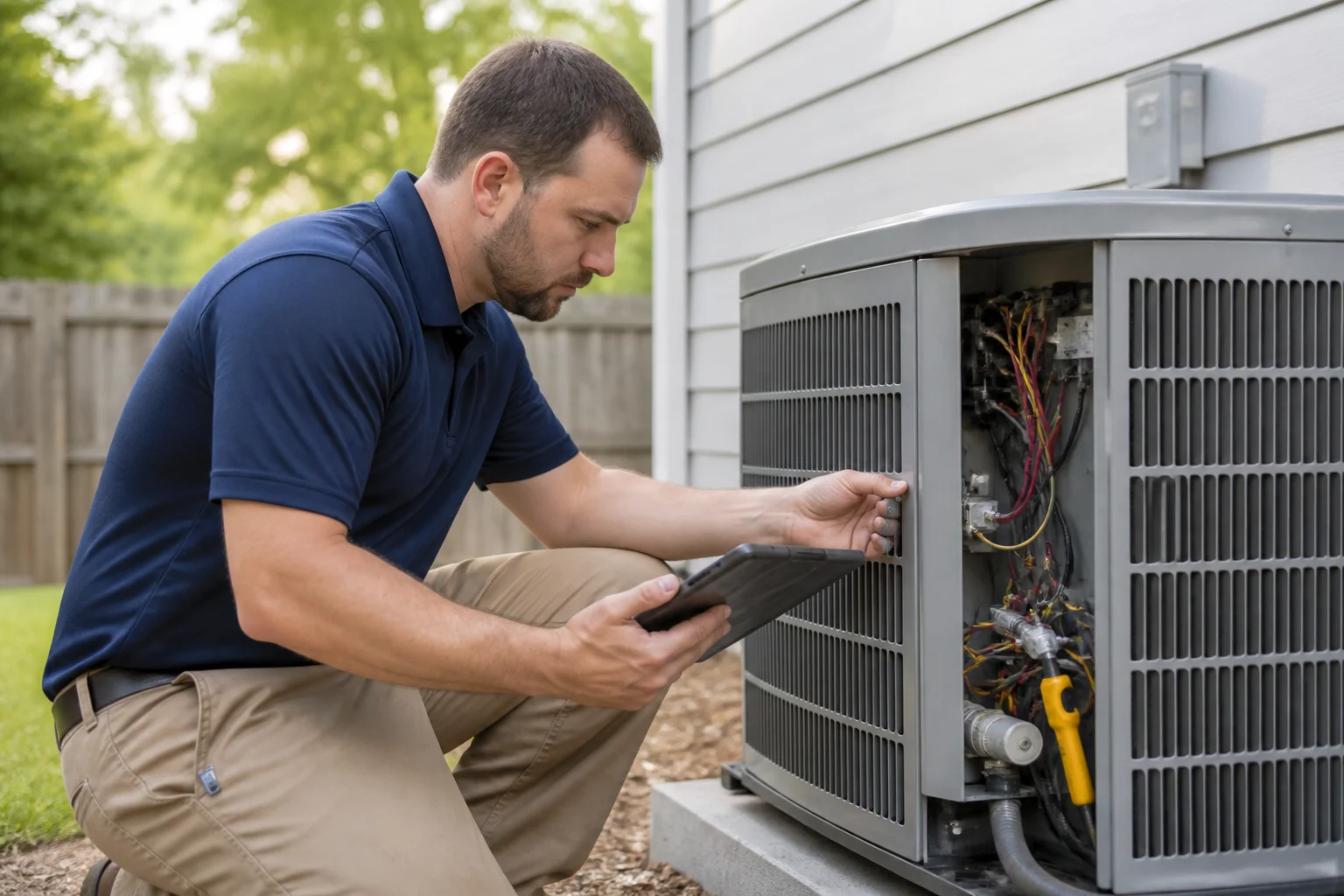
Warm air from vents, unusual noises, repeated breaker trips, water around the air handler, short cycling, or a sudden increase in utility use all justify professional inspection. A technician may test refrigerant pressures, temperature change across the coil, blower performance, electrical components, thermostat operation, drain flow, and static pressure in the duct system.
Refrigerant does not get used up during normal operation. If a system is low, there is likely a leak that should be located and evaluated. Simply adding refrigerant without addressing the leak can lead to recurring cooling loss, compressor damage, and higher repair costs. The right repair depends on the system's age, leak location, overall condition, efficiency, and availability of compatible parts.
People searching for AC repair near me or home AC repair near me often need a quick response, but speed should not replace careful troubleshooting. A failed capacitor, clogged drain, dirty coil, thermostat issue, blower problem, or refrigerant leak can produce similar symptoms. Accurate diagnosis helps avoid unnecessary component replacement.
Maintenance That Prevents Midseason Failures
Preventive HVAC maintenance is especially valuable before Seaside's hottest weather and busiest rental periods. Seasonal demand can make scheduling more difficult after widespread heat or storm events. An inspection completed in advance gives homeowners time to address worn parts, corrosion, drainage issues, and airflow concerns before cooling becomes urgent.
A professional visit may include cleaning accessible coils, checking electrical connections, testing capacitors, verifying refrigerant performance, inspecting the blower, clearing the condensate drain, checking safety controls, reviewing thermostat settings, and measuring system operation. The technician should also look for corrosion around the condenser and damage caused by landscaping, pests, or storms.
Between appointments, homeowners can replace filters as needed, keep vents clear, remove leaves around outdoor units, and watch for water or ice near the air handler. Avoid pressure washing a condenser because strong water pressure can bend delicate coil fins or force moisture into electrical areas. Anyone searching for AC maintenance near me should look for service that evaluates the full system rather than offering only a quick visual check.
Replacement and Installation Planning
An aging system does not always require immediate replacement, but repeated breakdowns, severe corrosion, expensive refrigerant leaks, poor humidity control, and rising energy use may change the calculation. Installation quality is just as important as the equipment rating. A high efficiency unit will not deliver its expected performance with incorrect sizing, restricted ductwork, poor refrigerant setup, or inadequate drainage.
System capacity should be based on a load calculation that considers square footage, insulation, windows, orientation, occupancy, air leakage, and recent remodeling. Additions can alter the original heating and cooling load. Extending existing ducts into a new room without verifying capacity may weaken airflow throughout the house.
Heat pumps are common in Florida because they provide cooling and efficient heating from one system. During colder weather, a heat pump may occasionally enter a defrost cycle, but persistent cold air, ice buildup, or failure to heat needs attention. Homes with furnaces should have burners, venting, safety controls, and heat exchangers inspected as applicable. Heating repair and furnace service may be less frequent concerns than AC repair in Seaside, but reliable heat still matters during cold snaps.
Ductless mini splits can be useful for additions, garages converted to living space, upstairs rooms, or areas that are difficult to connect to central ductwork. Placement, condensate drainage, capacity, and line routing require planning. A mini split is not automatically the best answer for every uncomfortable room, especially when the underlying issue is a duct leak or insulation problem.
For owners considering long term energy options, geothermal energy systems may also be worth discussing when site conditions and project goals align. Commercial property owners can find support through commercial HVAC services in Seaside.
Thermostats, Indoor Air Quality, and Daily Efficiency
A modern thermostat can improve scheduling, provide system alerts, and help owners monitor a property while away. It cannot correct undersized ducts, low refrigerant, or a dirty coil. Thermostat installation should include verification of compatibility, wiring, equipment staging, sensor location, and heat pump settings.
Large temperature setbacks can create long recovery cycles and may allow humidity to rise in an unoccupied coastal home. A moderate temperature setting paired with humidity monitoring is often a better strategy. Vacation rental owners should also use reasonable limits so guests cannot select settings that encourage coil freezing.
Indoor air quality improvements may include better filtration, properly selected air purifiers, fresh air management, duct repairs, and humidity control. Products should address a defined concern. Very dense filters and some air cleaning devices can restrict airflow if the system was not designed for them. An HVAC professional can measure pressure and recommend an option that protects air quality without sacrificing cooling performance.
Storm Readiness and Emergency HVAC Concerns
Before a storm, remove loose objects near the condenser and confirm that outdoor equipment is securely mounted. Do not cover a running unit. After severe weather, inspect the area from a safe distance for flooding, debris, shifted equipment, damaged panels, or exposed wiring. If an outdoor unit was submerged or physically damaged, leave it off until it has been professionally inspected.
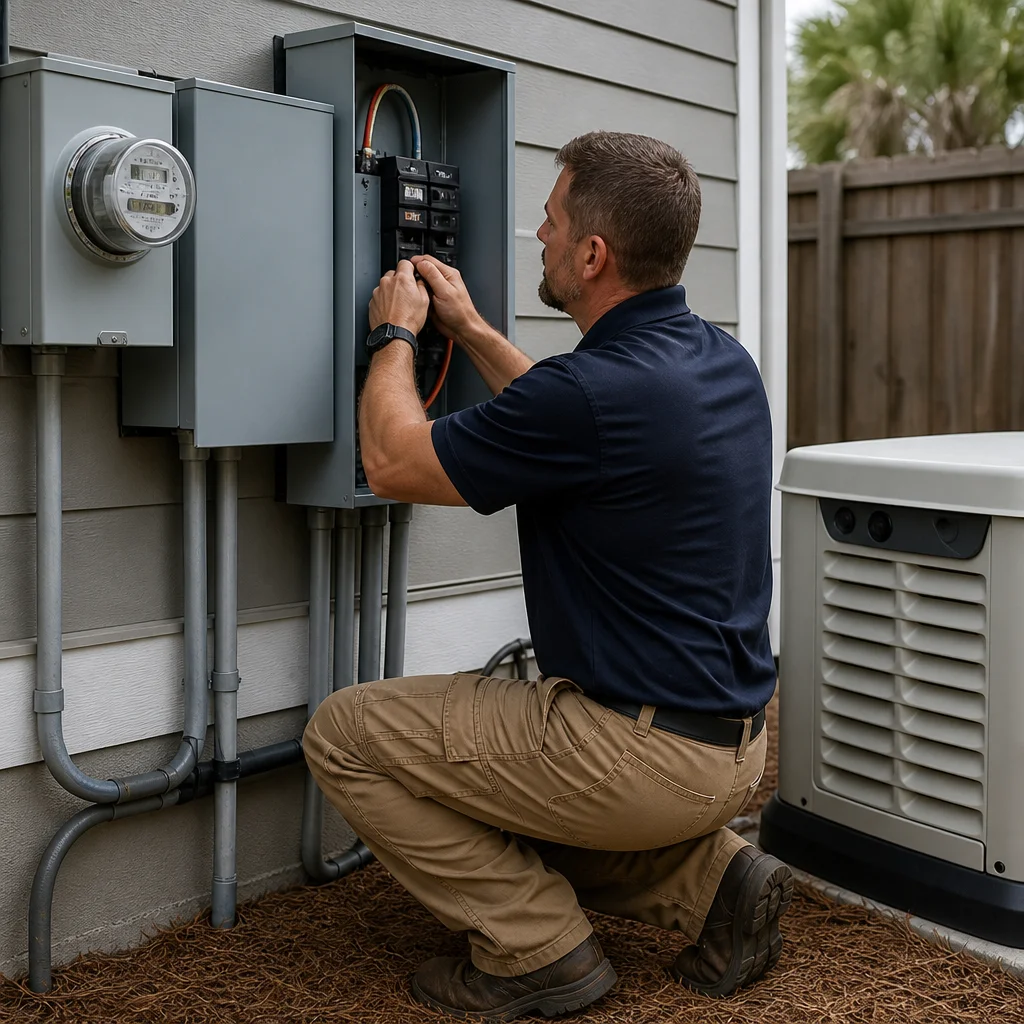
Electrical burning odors, smoke, sparking, repeated breaker trips, severe water leakage, and unusual mechanical grinding are reasons to shut the system down and seek help. A frozen coil should also be turned off rather than forced to continue cooling. Homeowners can review additional preparation steps in this guide to Seaside HVAC emergencies.
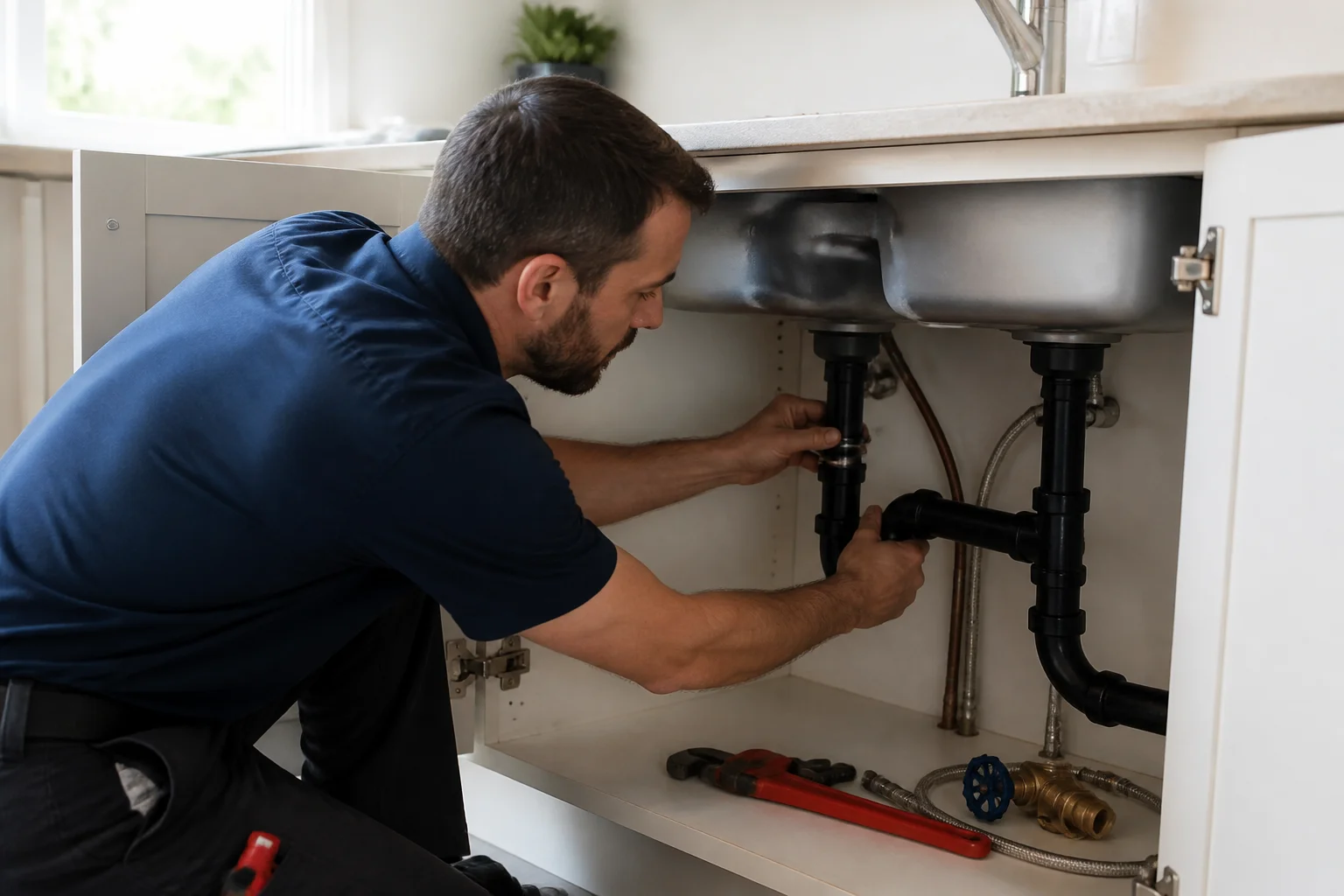
Water near an air handler may come from condensate, but it can also be related to another household system. If the source is unclear, the prevention ideas in this Seaside plumbing planning guide can help owners think through leak response while arranging the appropriate service.
Choosing HVAC Help in Seaside
A local HVAC contractor should understand salt exposure, humidity, coastal construction, vacation rental schedules, and the equipment commonly installed in area homes. Ask whether the proposed work addresses the cause of the problem, how airflow and humidity were evaluated, and what maintenance will be needed afterward.
A Superior Mechanical serves homeowners, rentals, and businesses throughout Walton County. A practical service plan can combine timely repairs, seasonal inspections, duct improvements, humidity control, and thoughtful equipment planning so the system is better prepared for Seaside's demanding cooling season.
Find Air Conditioning Services in Seaside, FL
If you need Air Conditioning Services in Seaside, FL, visit our local service page or contact A Superior Mechanical today.
Map of Seaside, FL
Frequently Asked Questions
How often should an air conditioner be serviced in Seaside, FL?
Most Seaside homes should have professional HVAC maintenance at least once a year, preferably before the main cooling season. Properties with heavy rental use, significant salt exposure, pets, or recurring drain problems may benefit from more frequent inspections and filter checks.
Why does my Seaside home feel humid even when the AC is running?
Possible causes include an oversized system, short cooling cycles, dirty evaporator coils, low refrigerant, clogged drainage, duct leakage, excess outdoor air infiltration, or incorrect blower settings. A technician can measure humidity, airflow, temperature change, and system operation to identify the cause.
Should I repair or replace my coastal air conditioning system?
The decision depends on equipment age, repair history, corrosion, refrigerant type, energy use, comfort, and the cost of the current repair. Replacement may be sensible when major failures are combined with poor efficiency or recurring problems, but a sound system with a repairable component may still have useful service life.
Related Articles
Photo Gallery