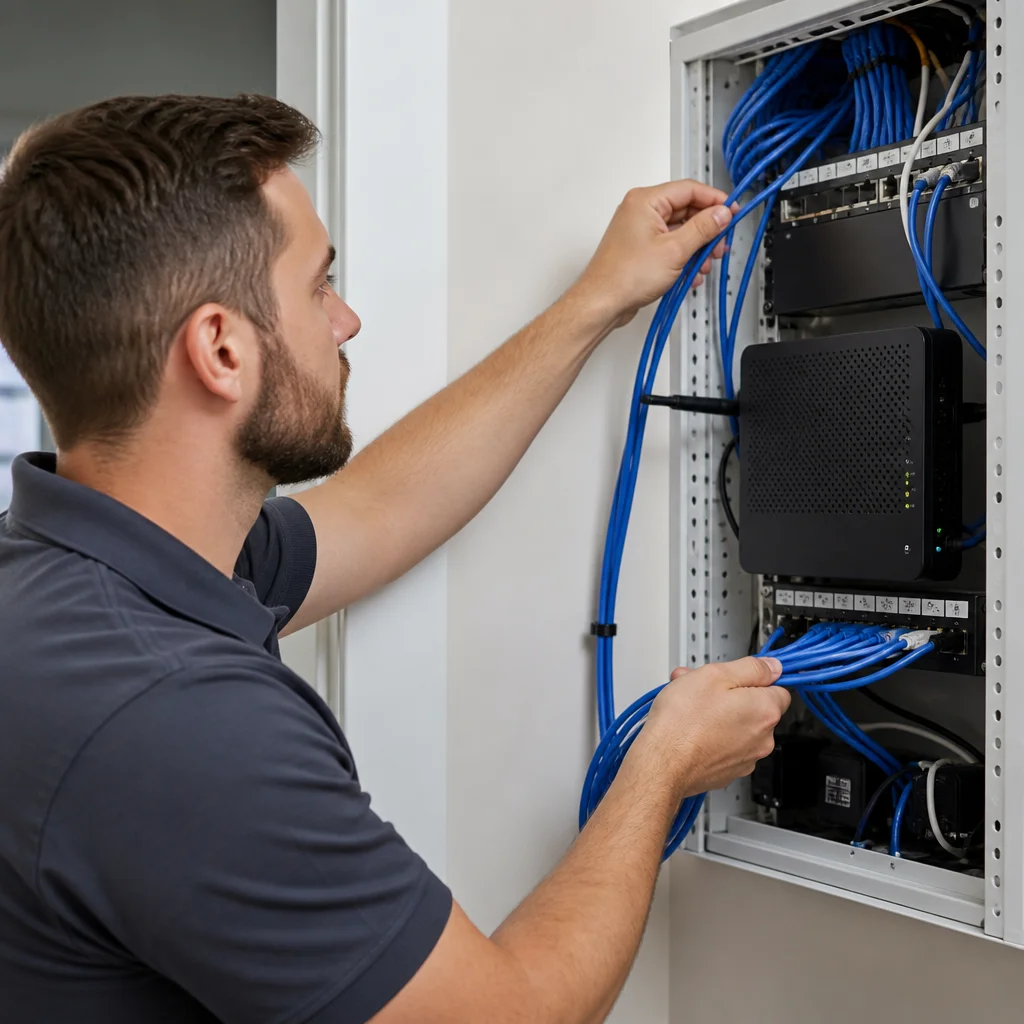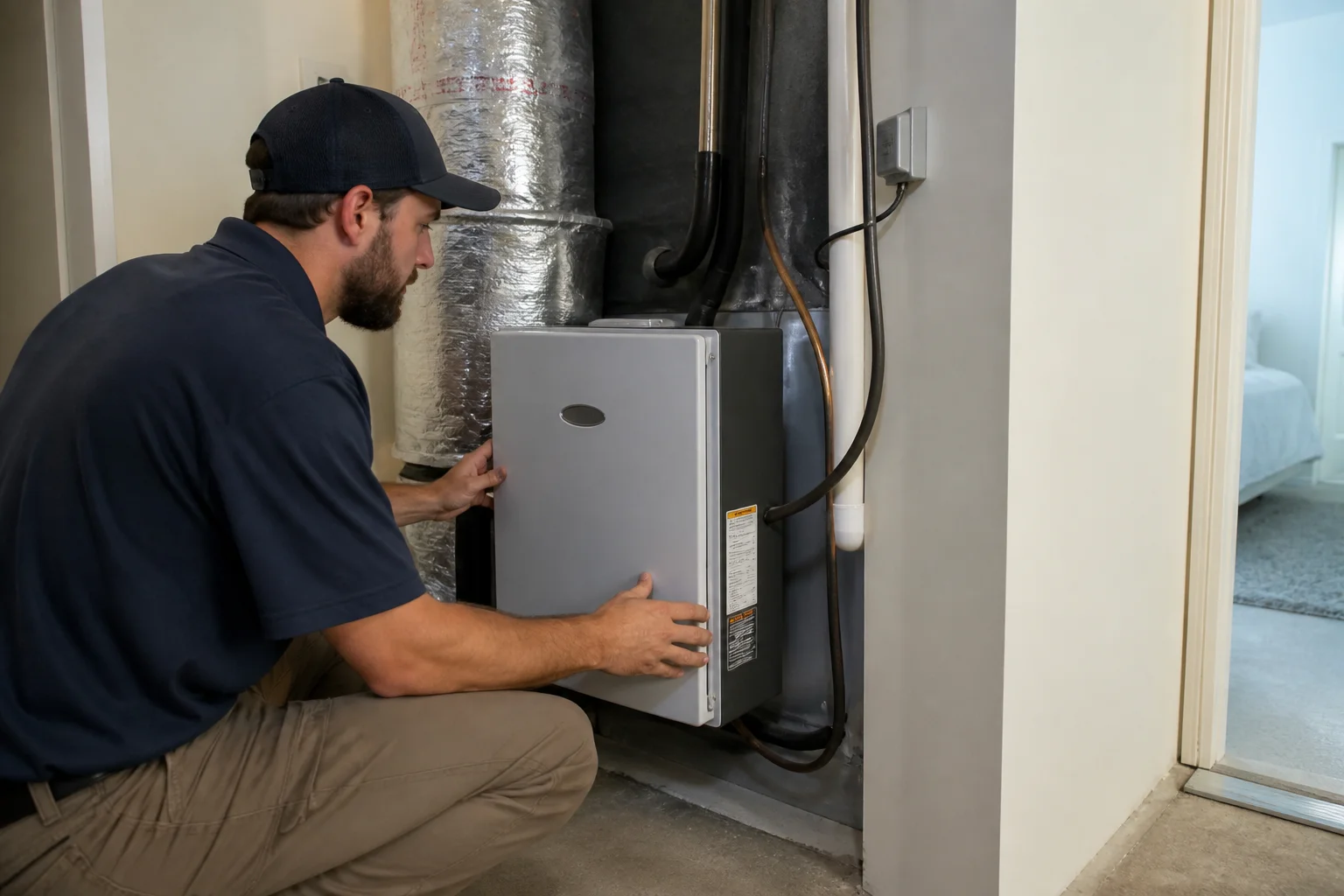
A backup generator is only as dependable as the electrical system connected to it. In Fort Walton Beach, that means planning beyond generator size. The service panel, breakers, transfer equipment, wiring, grounding, outlets, and essential circuits all need to work together safely when utility power is interrupted.
Coastal storms make backup power valuable, but storm season is not the only reason to plan carefully. Older wiring, home additions, vacation rental demand, electric vehicle charging, and modern appliances can place new pressure on an electrical system. A thoughtful plan helps the generator support the loads that matter without masking problems elsewhere in the home.
Backup Power Starts with an Electrical Load Plan
Before selecting a generator, decide what the home truly needs during an outage. A refrigerator, freezer, well or sump equipment, selected lighting, internet equipment, smoke detectors, ceiling fans, and a few convenience outlets may be the priority. Some households also need medical equipment, a home office, or limited air conditioning.
Every load has a running demand, and motors can require additional power when they start. Air conditioners, refrigerators, pumps, and certain power tools may briefly draw much more current than their normal operating load. Simply adding the wattage printed on appliance labels does not always produce an accurate generator size.
A professional load calculation looks at the home's actual circuits and how they will be managed. It can determine whether selected circuit backup, whole home backup, or a system with automatic load shedding is the better choice. Homeowners researching standby generator installation near me should expect this calculation to be part of the planning process, not an afterthought.
A Superior Mechanical provides power backup generator services in Fort Walton Beach for homes, rentals, and businesses that need a coordinated electrical solution.
The Panel Determines How Power Is Distributed
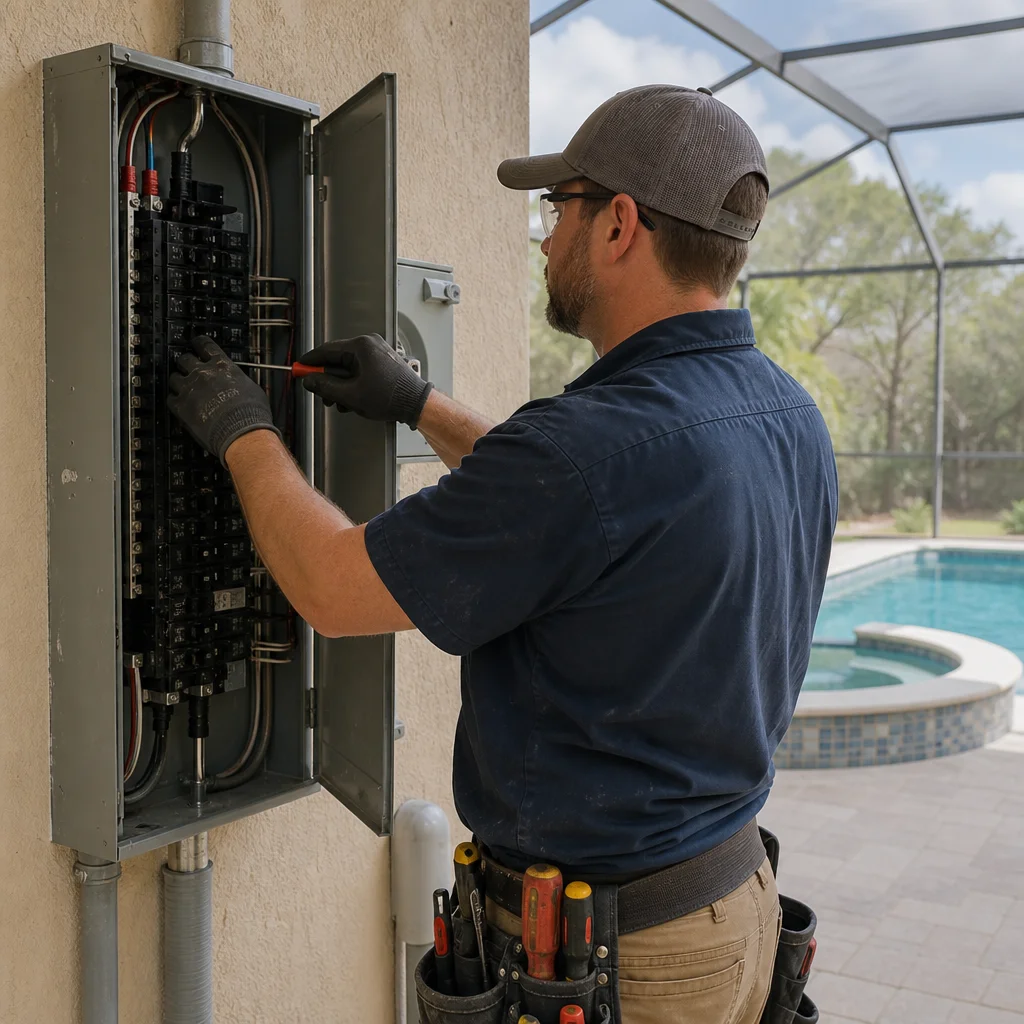
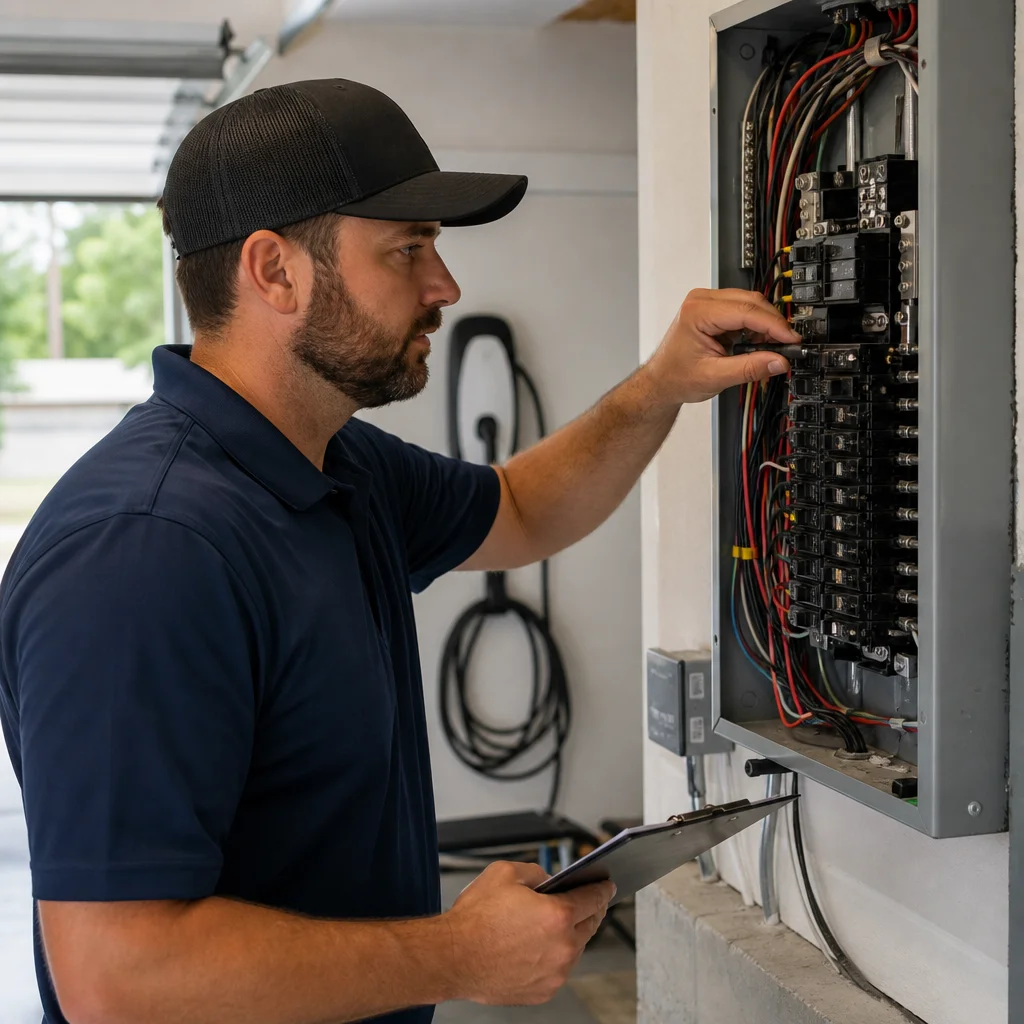
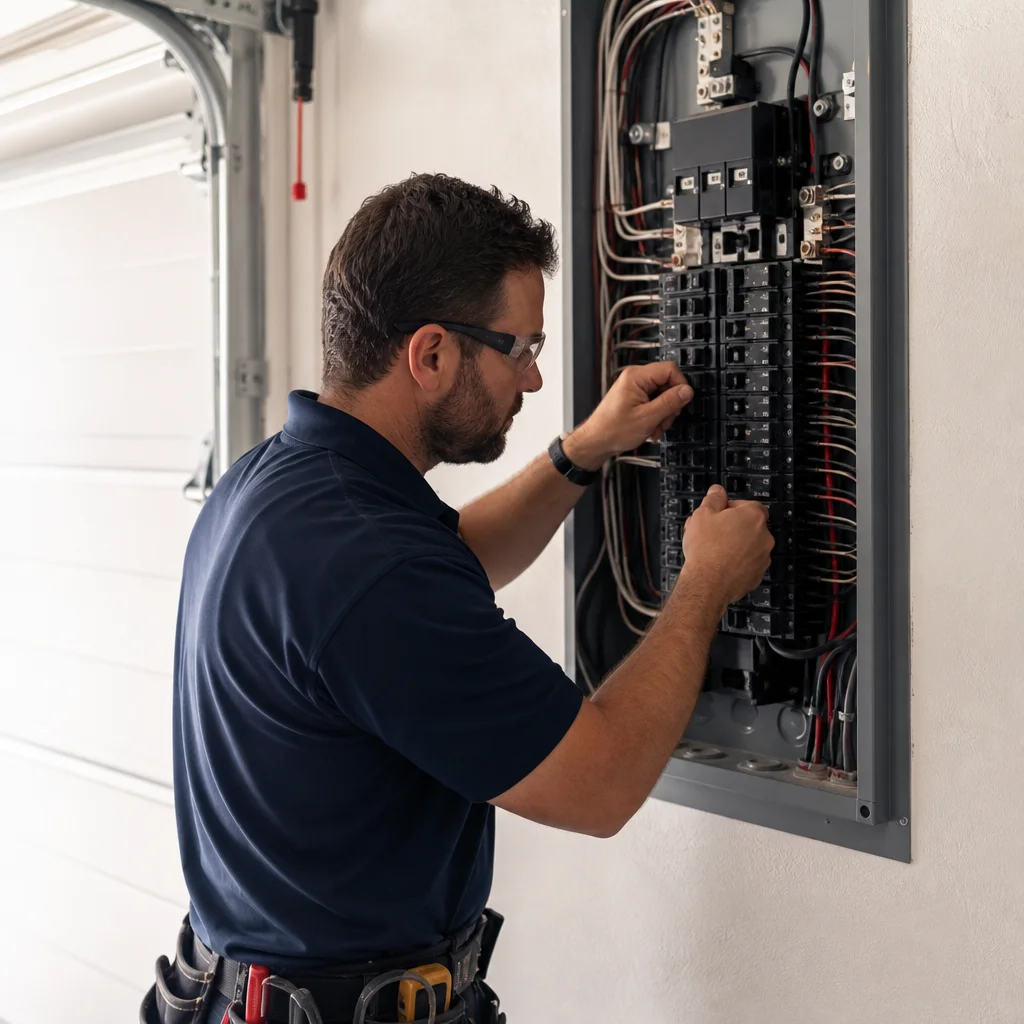
The main electrical panel is the control point for the home's branch circuits. During normal operation, it distributes utility power through breakers. During a generator outage, approved transfer equipment routes generator power only to the circuits the system is designed to serve.
An electrician should inspect the panel for capacity, physical condition, labeling, corrosion, overheated connections, and breaker compatibility. Frequent breaker trips, buzzing, heat, rust, scorch marks, or a cover that no longer fits properly deserve attention before generator installation. Breaker repair should address the cause of the failure rather than simply replacing a breaker that keeps tripping.
Some older Fort Walton Beach homes still have undersized service equipment, crowded panels, obsolete components, or fuse boxes. Remodels and additions may also have left circuits poorly documented. Homeowners searching for an electrical panel upgrade near me may need a load calculation to determine whether a larger panel, additional distribution panel, or service upgrade is appropriate.
A 200 amp panel is not automatically required for every generator project. The correct solution depends on service capacity, existing loads, planned appliances, generator size, and local code requirements. For homes needing broader panel work, circuit breaker panel and rewiring services can address aging equipment and unsafe circuit arrangements. A smart panel installation may also help homeowners monitor loads and prioritize circuits during an outage.
The Transfer Switch Is a Critical Safety Device
A transfer switch prevents the generator and utility supply from energizing the home at the same time. This isolation protects utility workers, neighbors, electrical equipment, and the generator itself. Connecting a portable generator directly to an outlet, sometimes called backfeeding, is dangerous and should never be used as an improvised hookup.
Automatic transfer switches are commonly paired with permanently installed standby generators. They detect a utility outage, signal the generator to start, and transfer approved loads after stable generator power is available. Manual transfer equipment or an approved panel interlock may be used for some portable generator arrangements, depending on the equipment and local approval.
Homeowners searching for generator transfer switch installation near me should ask whether the proposed equipment is listed for the panel, sized for the intended load, and installed with the proper neutral and grounding arrangement. Those details vary by generator design and should be evaluated by a licensed electrician.
The company's generator installation and maintenance service can help coordinate the generator, transfer switch, panel, and ongoing service schedule.
Wiring Must Handle Both Normal and Backup Operation
Generator installation can reveal wiring defects that were already present. Loose connections, damaged insulation, improper splices, shared neutrals, double tapped breakers, and mismatched wire sizes may create heat or unpredictable operation. Older homes can also contain wiring methods that are no longer suitable for modern electrical demand.
Circuits selected for backup should be traced and clearly labeled. Accurate labeling matters when a homeowner needs to reduce demand quickly or when an electrician is troubleshooting after a storm. A circuit marked simply as “bedrooms” may actually serve several rooms, exterior outlets, lighting, or an addition.
If lights flicker, outlets lose power intermittently, switches feel warm, or breakers trip without an obvious overload, a search for electrical wiring repair near me should lead to proper electrical troubleshooting. Installing a generator does not correct loose or damaged wiring. Those conditions need direct repair before they are exposed to repeated transfers and changing loads.
Remodels are a good opportunity to update circuit maps and correct wiring concerns. The guide to electrical safety details in Fort Walton Beach homes explains why small defects can point to larger system issues.
Dedicated Circuits Keep Essential Loads Predictable
Large or important appliances often perform best on dedicated circuits. Refrigerators, freezers, pumps, garage equipment, microwaves, and some medical devices may require their own breaker based on equipment instructions and electrical code. Dedicated circuits reduce nuisance trips and make it easier to decide which loads receive generator power.
Newer homes may also include an EV charger, pool equipment, outdoor kitchens, workshops, or high demand appliances. These loads can substantially affect service calculations even if they will not operate during an outage. An EV charger installation should be considered alongside the generator plan so transfer equipment and load management controls do not conflict.
A homeowner looking for dedicated circuit installation near me should have the panel capacity, conductor size, breaker type, grounding, and equipment requirements checked together. Installing a new breaker without evaluating the full circuit is not a complete solution.
Outlets, Switches, Lighting, and Fans Still Matter
Backup power should reach safe, useful locations. Kitchens need reliable refrigeration and food preparation outlets. Bedrooms and hallways need lighting. Living areas may need internet equipment, ceiling fans, and device charging. Outdoor outlets may support cleanup equipment after a storm, but they need weather resistant covers and the correct GFCI protection.
Loose outlets, cracked receptacles, discolored switches, or plugs that fall out easily should be repaired before those devices are assigned to generator circuits. GFCI and AFCI protection should also be evaluated where required. Electrical device upgrades can improve worn outlets, switches, controls, and other frequently used components.
For homeowners planning a remodel or addition, a room by room electrical plan can help organize outlet installation, switch placement, lighting installation, ceiling fans, and circuit needs before walls are closed.
Surge Protection and Grounding Support the Entire System
Fort Walton Beach homes face lightning, utility disturbances, and repeated outages during coastal weather. A whole home surge protective device can reduce the risk of voltage spikes reaching appliances and sensitive electronics. It does not stop every possible surge, but it adds an important layer of protection at the service or panel.
Point of use surge strips may still be useful for televisions, computers, and networking equipment. They should be listed, in good condition, and plugged directly into grounded outlets. Daisy chaining strips or using extension cords as permanent wiring creates additional hazards.
Grounding and bonding also need to match the transfer equipment and generator configuration. Improper neutral bonding can create objectionable current paths or prevent protective devices from operating as intended. An electrical inspection should verify the grounding electrode system, equipment grounding conductors, service bonding, and generator connections.
Coastal Conditions Change Installation Decisions
Salt air, humidity, wind driven rain, heat, and localized flooding can shorten the life of outdoor electrical equipment. Generator placement should follow manufacturer clearances and local rules while considering exhaust, windows, doors, flood exposure, service access, and storm debris. A generator must never operate in a garage, enclosed porch, or other area where carbon monoxide can accumulate.
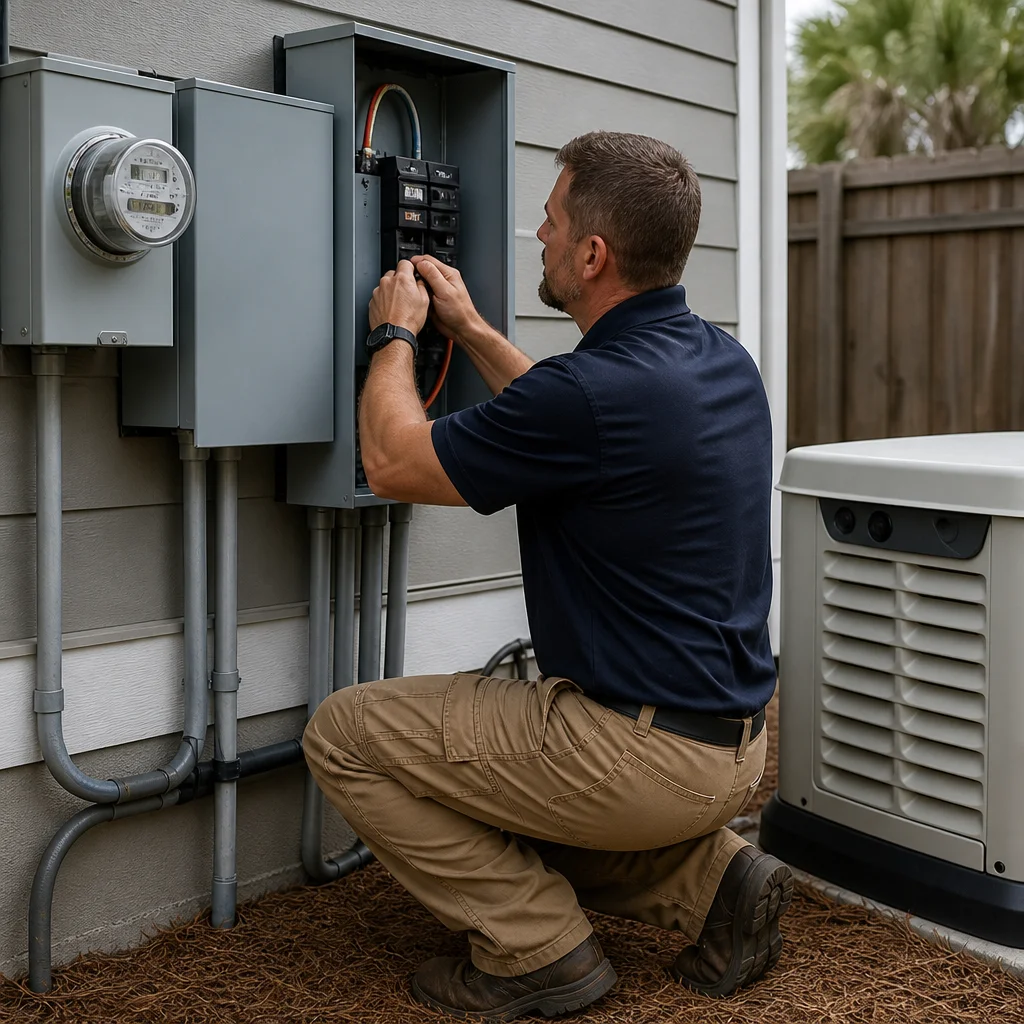
Outdoor disconnects, transfer equipment, meter bases, conduit, and fittings should be suitable for the location. Corrosion around a meter base or panel is more than a cosmetic problem. It can affect connections and enclosure integrity. After severe weather, water intrusion, damaged service conductors, leaning equipment, or exposed wiring should be treated as emergency electrical concerns.
Local knowledge matters because construction varies across Fort Walton Beach. Older neighborhoods may have equipment installed under earlier code editions, while newer homes and coastal remodels often carry greater electrical demand. Properties throughout Okaloosa County may also have different site conditions, utility arrangements, and inspection requirements.
Warning Signs That Need Prompt Electrical Attention
Call an electrician promptly for a burning odor, visible arcing, a hot panel, repeated main breaker trips, melted insulation, smoke, or water inside electrical equipment. If it is safe to do so, turn off the affected power source and keep people away. Do not open damaged equipment or touch wiring near standing water.
A generator that surges, shuts down under modest load, repeatedly trips its breaker, or causes severe light flicker needs troubleshooting. The issue could involve generator output, an overloaded circuit, transfer equipment, loose wiring, or an appliance fault. Continuing to reset a breaker can worsen damage.
Homeowners searching for an electrician near me after a storm should describe any odors, sounds, visible damage, flooding, and generator behavior when requesting service. That information helps the electrical contractor prepare for urgent troubleshooting and determine whether the utility must also respond.
Maintenance Keeps the Backup Plan Ready
A permanently installed generator should be maintained according to the manufacturer's schedule. Typical service may include oil and filter changes, battery testing, air filter inspection, exercise cycle verification, and checks of fuel and cooling components. The exact schedule depends on the model, operating hours, environment, and fuel type.
The electrical side also needs attention. Transfer switches should operate correctly, panel connections should remain secure, surge protection indicators should be checked, and outdoor enclosures should be inspected for corrosion or moisture. GFCI devices, smoke detectors, carbon monoxide alarms, and generator related warning devices should be tested regularly.
Portable generators need their own safe storage and setup plan. Keep fresh fuel only as permitted by the manufacturer and local safety rules, inspect cords before use, and operate the unit outdoors at the required distance from occupied spaces. Use only an approved inlet and transfer method installed for that purpose.
A preseason electrical inspection gives homeowners time to correct code issues, replace damaged breakers, repair outlets, update labels, and test backup equipment before coastal weather becomes urgent. Anyone searching for electrical inspection near me should ask whether the inspection includes the panel, transfer switch, grounding, surge protection, selected circuits, and generator connection.
Build the Generator Around the Home You Actually Use
A reliable backup system reflects daily life in the home. A vacation rental may need simple automatic operation and clear instructions for guests. A household with remote work may prioritize internet, office outlets, and selected cooling. A remodeled property may need to account for new lighting, appliances, an EV charger, pool equipment, or an added living space.
A Superior Mechanical can evaluate the generator and the electrical system supporting it, including panels, breakers, circuits, wiring, outlets, grounding, transfer equipment, and surge protection. Homeowners can request electrical service to plan a new installation, investigate an existing backup system, or correct electrical problems before the next outage.
Find Power Backup Generators in Fort Walton Beach, FL
If you need Power Backup Generators in Fort Walton Beach, FL, visit our local service page or contact A Superior Mechanical today.
Map of Fort Walton Beach, FL
Frequently Asked Questions
Can a backup generator power an entire Fort Walton Beach home?
It can if the generator, transfer equipment, fuel supply, and electrical service are sized for the calculated load. Many homes use load management to prioritize air conditioning, refrigeration, lighting, and essential outlets without running every large appliance at once.
Does generator installation require a transfer switch?
A safe generator connection requires approved transfer equipment that prevents generator power from feeding back into utility lines. The exact equipment may be an automatic transfer switch, manual transfer switch, or approved interlock, depending on the generator and panel design.
Should an older electrical panel be replaced before adding a generator?
Not automatically. An electrician should inspect the panel for capacity, corrosion, obsolete components, damaged breakers, poor connections, and code concerns. Replacement or an upgrade may be recommended if the existing equipment cannot safely support the planned system.
Related Articles
Photo Gallery