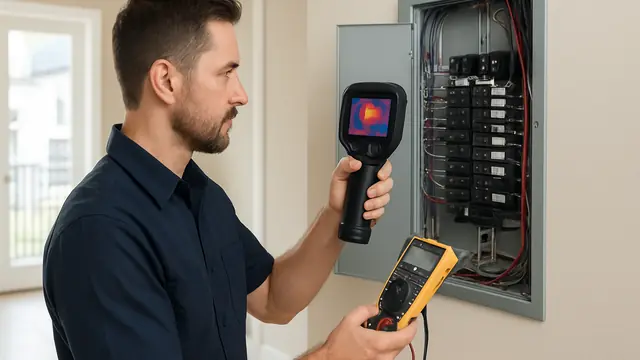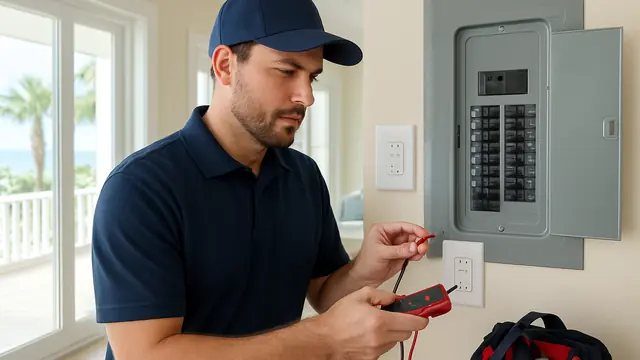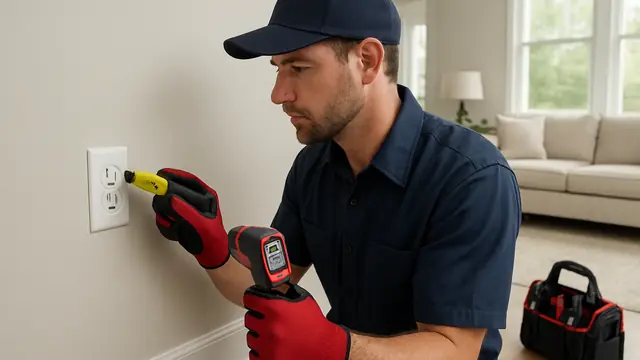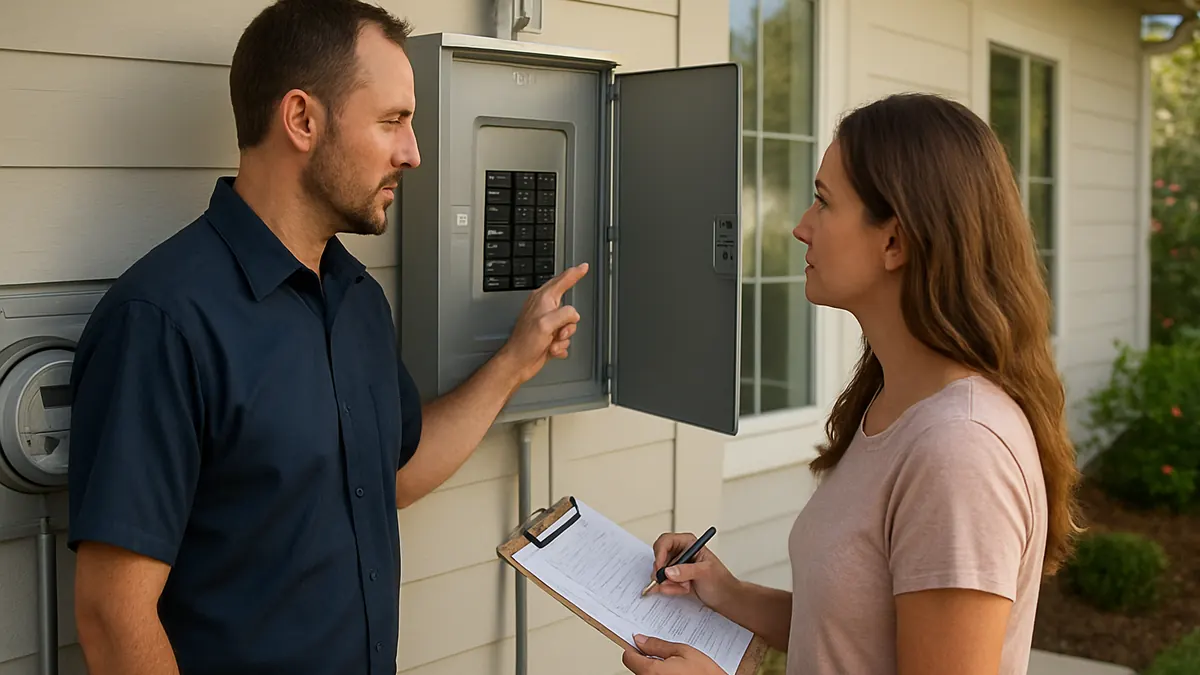
Do not remove an electrical panel cover, touch exposed conductors, bypass protection, or repeatedly reset a fault. Keep clear of smoke, sparks, burning odors, hot equipment, standing water near electricity, and downed lines, then call qualified help.
You may first notice the problem on a busy afternoon: the air conditioner is running, someone starts the dryer, the water heater cycles on, and a breaker trips. Or perhaps you are planning an electric vehicle charger, pool heater, larger HVAC system, or induction range and have been told your electrical panel may not have enough capacity.
That does not automatically mean your 30A home needs a 200-amp electrical service. It does mean the electrical system should be evaluated before new loads are added or warning signs are ignored. The safe immediate action is to stop using any appliance that causes repeated tripping, avoid resetting the same breaker over and over, and schedule a licensed electrical inspection.
A 200-amp service can support several major electrical loads, but the correct size is determined by a professional load calculation, the condition of the existing equipment, and your plans for the property-not by square footage alone.
What a 200-Amp Electrical Service Means
The service rating describes how much current the home's main service equipment is designed to handle. It does not mean the house constantly uses 200 amps. It establishes the capacity of the service conductors, meter equipment, main disconnect, and panel when properly installed.
A home may have a 100-amp, 125-amp, 150-amp, or 200-amp service. Smaller properties can operate safely on less than 200 amps when demand is modest and the equipment is sound. A home with multiple air-conditioning systems, electric water heating, a pool, or vehicle charging may need more capacity.
Common Reasons a 30A Home May Need More Capacity
Several major appliances run on electricity
Electric water heaters, dryers, ovens, heat pumps, pool equipment, and vehicle chargers can create substantial demand. What matters is how many are likely to operate at once and how the circuits are distributed.
The property is being renovated or expanded
Adding bedrooms, a guest suite, detached structure, second HVAC system, or remodeled kitchen can change demand. A panel that served the original home may not support the finished project.
You are converting equipment to electric
Replacing a gas range or water heater with an electric model can increase the calculated load, especially when several conversions are planned together.
You want an electric vehicle charger
Chargers come in different sizes. A licensed electrician should evaluate the service before the charger and circuit are selected.
The panel is crowded, damaged, or outdated
A crowded panel does not always mean the service is undersized. A subpanel, circuit reorganization, or load-management device may help. Deteriorated equipment or inadequate capacity may instead justify an upgrade.
Safe Checks a Homeowner Can Perform
Look at the label on the main breaker, usually near the top of the panel or in an exterior disconnect. The number may suggest the service rating, but it does not confirm that the meter equipment, conductors, disconnect, and panel all match.
List the home's major electrical equipment, including HVAC systems, water heaters, dryers, ranges, pool or spa equipment, pumps, workshops, and vehicle chargers. Add anything planned for the next few years.
Watch for patterns. Does a breaker trip only when two appliances operate together? Do lights dim when a motor starts? Is the panel warm, buzzing, rusted, or producing an unusual odor? Share these details with the electrician.
What You Should Not Attempt
Do not remove the panel cover. Parts of the service equipment may remain energized even when the main breaker is off.
Do not replace a breaker with a larger one to stop tripping. The breaker protects the wiring, and increasing its rating without verifying conductor size can create dangerous overheating.
Do not add tandem breakers, a subpanel, or a large appliance merely because an open space appears available. Physical space does not prove electrical capacity.
Do not work on the meter, service conductors, weatherhead, or main disconnect. Service changes require trained electricians and often utility and permit coordination.
Signs the Situation Is Urgent
Schedule prompt service when the main breaker trips, several circuits lose power together, or breakers repeatedly trip during ordinary use.
Treat burning odors, crackling, visible arcing, melted insulation, scorch marks, or a hot panel as urgent. Turn off power only if it can be done safely without approaching damaged equipment. Call emergency services if there is smoke or fire.
Corrosion or water inside service equipment also needs immediate attention. Outdoor electrical components can deteriorate, but the source and extent of damage must be professionally evaluated.
How an Electrician Decides Whether You Need 200 Amps
The electrician identifies the existing service rating and inspects the meter base, service conductors, grounding and bonding, main disconnect, panel, breakers, and visible wiring.
Next comes a load calculation. This estimates expected demand using the home's connected equipment rather than simply adding every breaker rating. Breaker totals commonly exceed the service rating because not every circuit operates at full load simultaneously.
Planned equipment is included. A home may be adequate today but lack capacity for a future vehicle charger, pool heater, or additional HVAC system.
The electrician also checks whether a failing breaker, loose connection, overloaded branch circuit, damaged bus, or appliance fault is causing the symptoms. Those problems can occur even when the service is large enough.
Repair Options, Beginning With the Least Invasive
A targeted repair may involve replacing a defective breaker, correcting a loose connection, balancing loads between circuits, or repairing a damaged branch circuit.
If service capacity is adequate but circuit spaces are limited, a properly designed subpanel may create room. Load-management equipment can sometimes control when large appliances operate, allowing a new load without an immediate full upgrade.
A panel replacement may be appropriate when the panel is deteriorated but the existing service size remains sufficient.
A full 200-amp upgrade may require new service conductors, meter equipment, a main disconnect, panel, grounding and bonding components, and utility coordination. The scope depends on the existing installation.
Factors That Affect Cost
Cost depends on whether the service is overhead or underground, meter and panel location, accessibility, grounding needs, and the amount of rewiring or repair required.
Permits, inspections, utility scheduling, surge protection, wall repair, equipment relocation, and correction of unsafe existing work can also affect the project. An inspection is necessary before the scope can be estimated responsibly.
Prevention and Maintenance
Arrange an electrical evaluation before major renovations or high-demand appliance purchases. Planning early is easier than changing the service after walls are finished or equipment is delivered.
Keep the panel accessible, dry, and clearly labeled. Do not store items against it or paint over labels. Update the circuit directory when work is completed.
Use licensed electricians for additions and keep permits, invoices, and equipment records. For vacation or second homes, periodic inspections can identify loose connections, corrosion, or unauthorized changes before they interrupt occupancy.
Does Your 30A Home Need a 200-Amp Electrical Service?
The answer should come from a load calculation and complete inspection, not a guess based on age or square footage. Repeated tripping, planned high-demand equipment, a crowded panel, or deteriorated service components are reasons to schedule an evaluation. The solution may be a targeted repair, subpanel, or load-management strategy. In other cases, a 200-amp upgrade provides the capacity the home now requires.
About this guide: This resource provides general homeowner education, not a remote diagnosis. Actual conditions, code requirements, equipment, and safe repair options must be evaluated at the property.