Do not remove an electrical panel cover, touch exposed conductors, bypass protection, or repeatedly reset a fault. Keep clear of smoke, sparks, burning odors, hot equipment, standing water near electricity, and downed lines, then call qualified help.
A kitchen outlet stops working while you are using a coffee maker. You press RESET, but the button will not latch. In another common situation, a garage refrigerator loses power even though the receptacle itself does not have TEST and RESET buttons. For a Callaway homeowner, a GFCI that will not reset usually means the device is not receiving power, it is detecting a continuing electrical fault, or the GFCI has worn out.
Unplug everything on the affected circuit first. Check for moisture, damaged cords, heat, discoloration, or a burnt smell. You may reset the related breaker once by moving it fully OFF and then ON. If the GFCI immediately trips again, the breaker will not hold, or the receptacle is hot or wet, leave the circuit off and call a licensed electrician.
The reset button is not an override. It will remain engaged only when the GFCI has power and does not detect a fault.
The Most Common Reasons a GFCI Will Not Reset
Another Device on the Circuit Is Causing the Trip
One GFCI can protect several ordinary-looking downstream receptacles. A fault at any can trip the device elsewhere.
A refrigerator, power tool, pressure washer, hair appliance, extension cord, or outdoor item may leak current from the intended wiring path. The amount can be too small to trip a standard breaker but large enough for a GFCI to respond.
If the outlet resets after everything is unplugged, reconnect one item at a time and remove the one that causes another trip.
The Circuit Breaker or Upstream GFCI Is Open
- A GFCI usually needs incoming power before it can reset. Move any tripped breaker fully OFF, then ON once.
- Also check for another tripped GFCI. One device may protect outlets elsewhere. The controlling GFCI may not be beside the dead receptacle.
- If the breaker trips again, do not repeat the reset. A persistent overload, short circuit, ground fault, or wiring problem needs diagnosis.
Moisture Is Present
Water and electricity do not have to make direct, visible contact to create a GFCI trip. Dampness inside a box, wet debris across terminals, a leaking appliance, or moisture inside an extension-cord connection may allow a small amount of current to escape.
A splash, leak, or rain entering an exterior cover can keep the device open even after its face appears dry.
The Receptacle Is Worn Out
GFCIs do not last forever. Internal contacts can wear, electronic components can fail, and repeated surges or trips can damage the device. A button that feels loose, refuses to click, or will not hold after the circuit has been cleared may indicate device failure.
There Is a Wiring Defect
Loose hot or neutral connections, overheated terminals, reversed LINE and LOAD conductors, damaged cable, or an improper shared neutral can prevent normal resetting. LINE terminals receive power from the panel. LOAD terminals send GFCI-protected power to other outlets.
Safe Checks Before Scheduling Service
- Unplug every device from the affected and nearby dead outlets. Inspect cords and plugs for cuts, loose blades, water, scorch marks, or melted areas.
- Second, check the breaker once. A breaker must be moved all the way to OFF before it can be reset. If it opens again, stop.
- Third, search for other GFCI receptacles and reset any that have clearly tripped. Common locations include kitchens, bathrooms, garages, laundry areas, and exterior walls.
- Fourth, press TEST and then RESET on the affected device. Use firm finger pressure, but do not hold the button in with an object or tape.
What a Homeowner Should Not Attempt
Do not remove the cover plate or pull the receptacle from the box unless you are qualified to test for voltage and safely work on branch-circuit wiring. Do not replace the GFCI with a standard receptacle to stop nuisance trips. The location may require shock protection, and the trip may be warning of a real fault.
Do not install a larger breaker, disconnect grounding, or randomly exchange LINE and LOAD wires. These changes can create a serious hazard.
Do not continue using a cord or appliance that repeatedly trips the GFCI.
When a Non-Resetting GFCI Is Urgent
Turn off the circuit immediately if you notice smoke, sparks, heat, buzzing, crackling, melted plastic, darkened screws, or a sharp electrical odor. Do the same if water is running into the box or anyone receives a shock.
Repeated breaker trips require prompt attention.
Fast service is also important when the circuit supplies necessary equipment. Do not run an extension cord across a doorway or wet floor.
How an Electrician Finds the Actual Cause
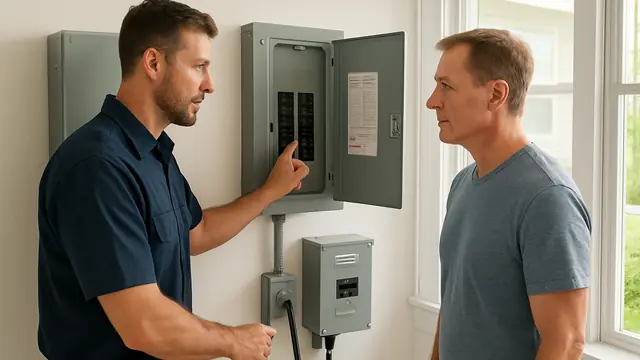
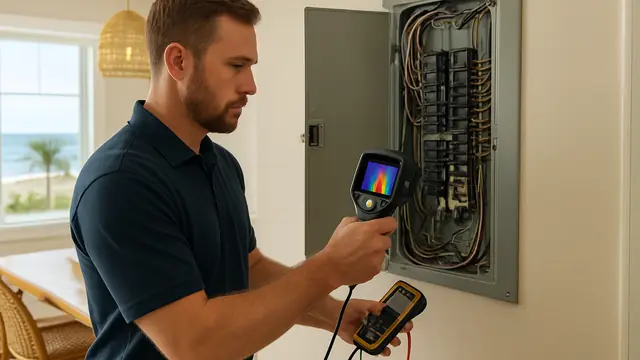
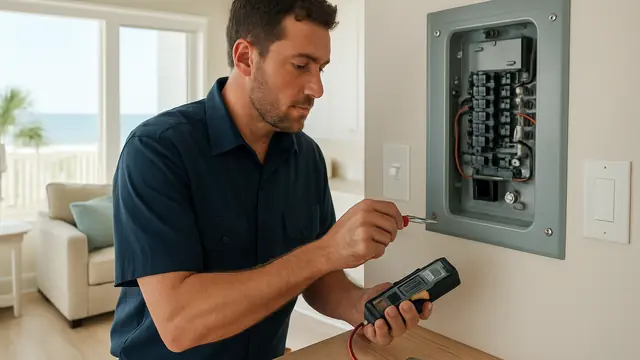
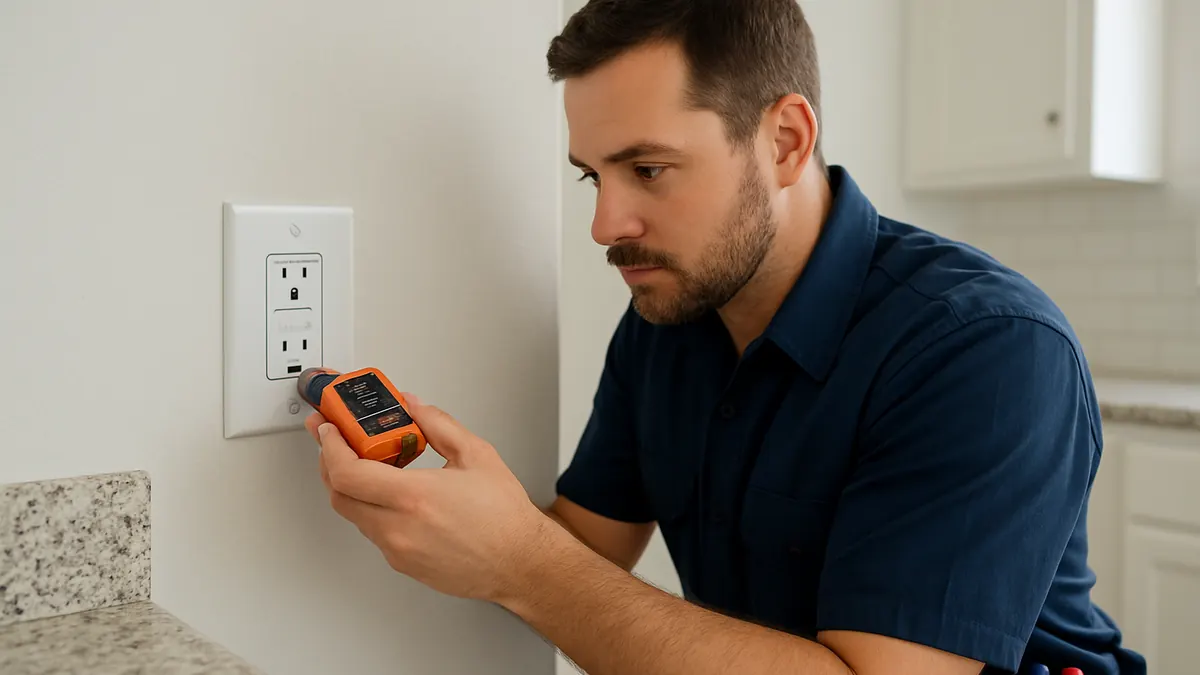
A licensed electrician verifies the breaker, incoming voltage, neutral continuity, and grounding connection. This separates a power-supply problem from a failed GFCI.
Next, the electrician may remove downstream conductors from the GFCI's LOAD terminals. If the device resets with the LOAD disconnected, the fault is downstream. The circuit can then be divided into smaller sections until the problem outlet, cable, splice, or appliance is identified.
If correct power reaches the LINE terminals and the device will not reset with the downstream wiring isolated, the GFCI is usually defective.
The electrician also checks for heat damage, moisture, improper terminals, and neutral-to-ground contact. Testing confirms protection after repair.
Repair Options From Simple to More Involved
The least invasive solution may be removing a defective appliance or resetting an upstream GFCI after the fault is cleared.
A loose connection may be corrected by replacing damaged conductor ends and making an approved termination. A cracked outdoor cover, failed gasket, or wet box may require drying, sealing, and replacement of damaged components.
If the GFCI itself has failed, a compatible new device can be installed and tested. A downstream fault may require one receptacle, splice, or damaged cable section to be repaired. Full rewiring is generally reserved for widespread damage.
Factors That Affect Repair Cost
A straightforward GFCI replacement costs less labor than tracing an intermittent problem through several rooms. Cost is affected by downstream outlets, accessibility, moisture damage, wall access, and appliance testing.
The required device also matters. Weather-resistant or combination-protection receptacles may involve different installation and testing requirements.
How to Reduce Future Trips
Test GFCI devices monthly. Press TEST to confirm power shuts off, then RESET to restore it. Replace a device that does not test correctly.
Keep exterior covers intact and closed. Avoid placing extension-cord connections on the ground or where water can reach them. Repair sink, appliance, and plumbing leaks before they affect electrical boxes.
Inspect frequently used cords and replace damaged ones. Avoid overloaded multi-plug adapters.
What to Do Next
When your GFCI outlet will not reset in Callaway, unplug connected devices, check the breaker and upstream GFCIs once, and stop if the device trips again. Heat, moisture, electrical odors, shocks, or repeated breaker operation make the situation more urgent.
A licensed electrician can distinguish a failed receptacle from a downstream fault, damaged appliance, wet box, or wiring problem. Testing confirms that the repaired circuit is safe and protected.
About this guide: This resource provides general homeowner education, not a remote diagnosis. Actual conditions, code requirements, equipment, and safe repair options must be evaluated at the property.