Do not remove an electrical panel cover, touch exposed conductors, bypass protection, or repeatedly reset a fault. Keep clear of smoke, sparks, burning odors, hot equipment, standing water near electricity, and downed lines, then call qualified help.
You are touring a house in Callaway and trying to picture furniture placement when the kitchen lights briefly dim as the air conditioner starts. In the utility area, one breaker has been marked "do not use," and a receptacle near the sink does not respond when its test button is pressed. Those symptoms may point to an overloaded circuit, a failed safety device, a loose connection, or an unfinished repair. They do not tell you the exact cause, but they justify a closer electrical evaluation before you commit to the purchase.
An electrical inspection checklist before buying a Northwest Florida home in Callaway starts by documenting-not repeatedly testing-anything that sparks, smells hot, or loses power. Do not remove covers. Record where the symptom occurred and request a licensed electrical inspection before buying so you understand safety, capacity, and repair priorities.
Where an Electrical Inspection Checklist Before Buying Should Start
The electrical service brings utility power into the home and distributes it through the main panel. The electrician identifies the service rating and checks accessible equipment for damage, improper openings, or overheating.
The main-breaker number does not answer every capacity question. Actual demand depends on existing equipment and planned additions. A load calculation shows whether the service can reasonably support your intended use.
Check the Main Panel and Any Subpanels
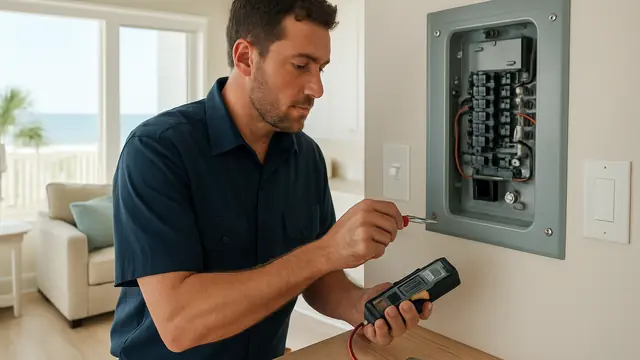
The electrician checks breaker compatibility, conductor connections, and signs of heat, rust, moisture, or damage.
A subpanel is a secondary panel supplied from the main panel. Neutral and grounding conductors generally require proper separation there; improper bonding can place unwanted current on metal parts.
Directories should identify circuits clearly. Circuit tracing can replace vague labels with useful information.
Look for Evidence of Additions or Alterations
Added rooms or appliances may require electrical changes. The work should be evaluated for circuit sizing, box use, cable protection, grounding, and safety devices.
Warning signs include exposed splices, open junction boxes, cords routed through walls, receptacles that are loose in the wall, mismatched device types, and wiring that lacks support. A junction box is an enclosure that protects wire connections from contact and damage. Splices should not be left exposed.
Ask for permits, invoices, and contractor records when significant work is visible.
Verify Outlet, Switch, and Lighting Safety
Operate switches and note flickering, buzzing, pulsing, or delayed response. Pronounced or repeated dimming deserves investigation.
Look for cracked plates, scorch marks, loose devices, missing covers, and plugs that fit poorly. A warm device may indicate a loose connection or excessive load; stop using it.
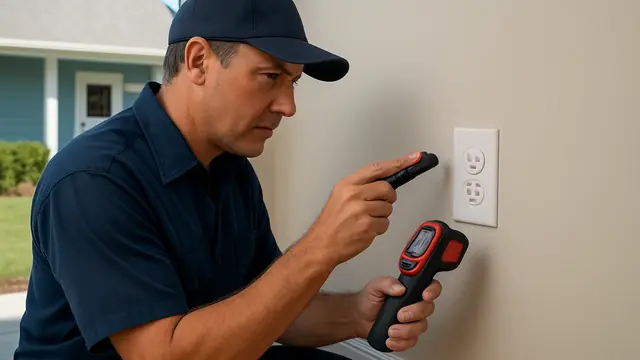
Three-prong outlets should be tested for correct polarity and grounding. Polarity means the hot and neutral conductors are connected to their intended terminals. Reversed polarity can create an avoidable shock hazard even though the outlet appears to work.
Confirm GFCI and AFCI Protection
- GFCIs interrupt power when current appears to leak through an unintended path, helping reduce shock risk.
- AFCIs respond to certain dangerous arcs. An electrician can test existing protection and recommend circuit-specific corrections.
- A GFCI that will not reset may have lost power, detected a fault, been miswired, or failed. Diagnosis matters before replacement.
Safe Checks You Can Perform Before Closing
You may observe and document the system without dismantling it:
- Operate accessible lights and fans.
- Note dead outlets, flickering, buzzing, or unusual heat.
- Look for damaged covers and exposed wiring.
- Review the panel directory without opening the panel.
- Ask which circuits serve major appliances.
- Confirm whether smoke and carbon-monoxide alarms are present and maintained.
- Ask for records of panel, generator, EV charger, or remodeling work.
Use test buttons only with permission.
What You Should Never Do During a Showing
Never remove the panel cover, loosen a receptacle, touch bare conductors, or probe service equipment. Do not climb near overhead electrical lines or handle a damaged exterior mast or conduit.
Do not keep resetting a breaker that trips. A breaker is a protective device, not an inconvenience to defeat. Do not install a larger breaker, substitute a different fuse, or bypass a GFCI to see whether equipment will run.
Avoid relying on a phone charger, lamp, or plug-in tester as proof that a circuit is safe. Those tools show limited information and cannot reveal every connection or hidden defect.
Urgent Warning Signs
Arrange prompt evaluation when the property has burning odors, crackling, active sparking, smoke, visible melted insulation, repeated breaker trips, shocks from metal equipment, water inside electrical enclosures, or a panel surface that feels hot.
Also treat damaged service equipment and exposed conductors seriously. Keep away from the affected area and notify the seller or representative. Where an active emergency exists, qualified personnel may need to disconnect power.
How a Licensed Electrician Performs the Diagnosis
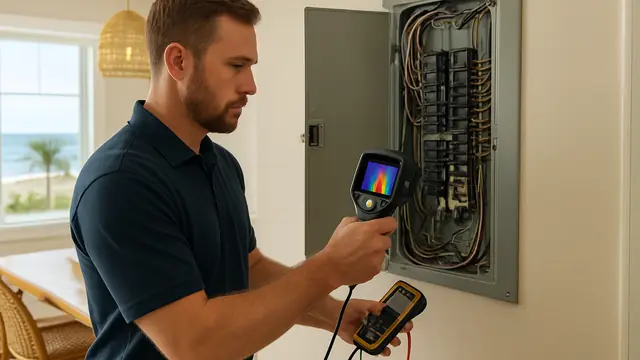
The electrician combines visual inspection with tests for voltage, polarity, grounding continuity, GFCI response, loading, and unusual heat.
The electrician compares conductor size with breaker rating, checks accessible terminations, evaluates grounding and bonding, and looks for improper neutral connections. "Neutral" is the normal return path for current; "ground" is a safety path used during faults. They serve different purposes and should not be treated as interchangeable.
The report should distinguish hazards, recommended repairs, capacity concerns, and optional improvements.
Repair Choices, Starting With the Least Invasive
Minor corrections may include securing a device, covering a junction box, correcting an outlet, replacing a failed GFCI, or improving labels.
When the problem involves one branch circuit, the electrician may repair an accessible splice, replace a damaged cable section, or add a dedicated circuit. A branch circuit is the wiring that runs from the panel to outlets, lights, or equipment.
Panel work may be limited to a compatible breaker or termination repair. Replacement is considered when damage, incompatibility, or capacity makes repair unreasonable.
A service upgrade or substantial rewiring is the more invasive end of the range. It should be recommended only when load calculations, equipment condition, or widespread defects support it.
What Influences Repair Cost
Cost depends on troubleshooting time, wiring access, affected circuits, equipment compatibility, panel space, service capacity, permits, utility coordination, and finish repair.
Request a written explanation that separates safety corrections from capacity upgrades and convenience improvements. That helps you decide what belongs in purchase negotiations and what can be scheduled later.
Maintaining the System After You Purchase
After closing, keep panels accessible, directories current, outdoor enclosures closed, and safety devices tested according to manufacturer guidance.
Before adding high-demand equipment, have load and circuit requirements evaluated. New odors, buzzing, heat, flickering, or trips require attention.
Use the Checklist Before Making the Final Decision
An electrical inspection checklist before buying a Northwest Florida home in Callaway should answer practical questions: Is the system safe to use? Are repairs needed now? Is the capacity appropriate? Were additions wired correctly? What work should be included in the buying budget?
Do not assume that working lights equal a healthy electrical system. Document symptoms, avoid energized components, and obtain a licensed diagnosis before making final decisions.
About this guide: This resource provides general homeowner education, not a remote diagnosis. Actual conditions, code requirements, equipment, and safe repair options must be evaluated at the property.