Do not remove an electrical panel cover, touch exposed conductors, bypass protection, or repeatedly reset a fault. Keep clear of smoke, sparks, burning odors, hot equipment, standing water near electricity, and downed lines, then call qualified help.
You may be considering a new electric range, larger air-conditioning system, workshop equipment, or Level 2 vehicle charger when a contractor asks about your electrical service. You check the panel and see a 100-amp or 125-amp main breaker. Now you are wondering whether the home can safely handle the improvement or whether a 200-amp electrical service is necessary.
Until the system is evaluated, avoid operating multiple high-demand appliances at the same time if that combination has caused tripping, dimming, or heat. Never solve the problem by installing a larger breaker or opening the panel yourself. A licensed electrician can compare the home's calculated electrical demand with the rating and condition of the service equipment.
A 200-Amp Upgrade Is About Capacity, Not Just Panel Size
Electrical service capacity is the current the complete service is designed to carry safely. It includes the utility connection, meter enclosure, conductors, disconnect, panel, grounding, bonding, and overcurrent protection. A larger box or subpanel can add circuit spaces, but it does not increase the amperage supplied to the property.
When a Callaway Home Commonly Needs an Evaluation
Breakers Trip When Large Appliances Overlap
Tripping while the dryer, range, water heater, and HVAC equipment overlap may point to a circuit or service limit. It may instead be a defective breaker, short circuit, loose connection, or appliance problem. Repeated resetting can hide a developing fault.
The Home Has Been Expanded Over Time
Additions, converted spaces, pools, detached buildings, and workshops increase demand. Work completed in stages may never have been reviewed as one total load. The issue may be capacity, circuit distribution, panel condition, or a combination.
You Want to Replace Fuel-Burning Equipment With Electric Equipment
Switching water heating, cooking, or drying from fuel to electricity can add significant load. Review the exact equipment before installation so necessary electrical work is not discovered afterward.
The Existing Panel Has Limited Space
A subpanel may solve a shortage of breaker spaces when the service has adequate capacity. Extra spaces alone cannot correct an undersized service.
Safe Homeowner Checks Before Calling
You can inspect the outside of the equipment and collect information without touching energized parts.
Open only the hinged panel door and read the main-breaker number if plainly visible. Do not remove the screwed-on cover. Record ratings for planned equipment and list current major electric loads. Note whether dimming occurs at motor startup or during overlapping appliance use, and whether a branch breaker or the main breaker trips. From a safe distance, report visible exterior damage, loose covers, or staining; do not touch service equipment.
What Homeowners Should Never Do
Never replace a 100-amp main with a 200-amp breaker; the conductors and equipment may not be rated for it. Do not improvise doubled wires, tandem breakers, circuit moves, or a subpanel without verifying listings and capacity. Never work inside the meter enclosure or service panel because incoming conductors may remain energized.
Urgent Warning Signs
A service-capacity question becomes an urgent electrical problem when you notice a burning smell, smoke, sizzling, visible arcing, melted plastic, or a hot panel cover. Turn off power from a safe, accessible disconnect only if you can do so without approaching damaged equipment. Leave the area and contact emergency services if there is smoke or fire.
Repeated main-breaker trips also deserve prompt service. A main breaker should not be treated like an ordinary switch.
Other urgent conditions include water inside the panel, rust combined with active electrical symptoms, lights becoming dramatically brighter and dimmer, or loss of power on multiple circuits accompanied by buzzing. These may indicate loose service connections or other faults rather than a simple need for more amperage.
How an Electrician Diagnoses Service Capacity
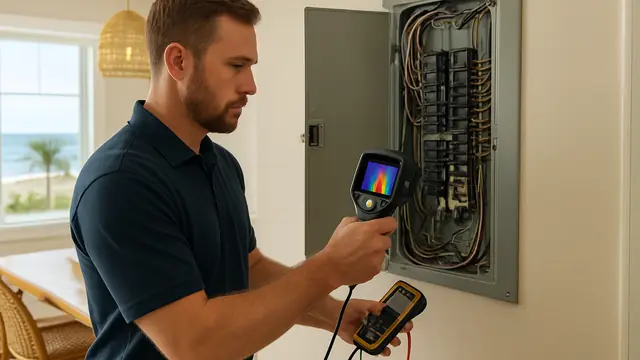
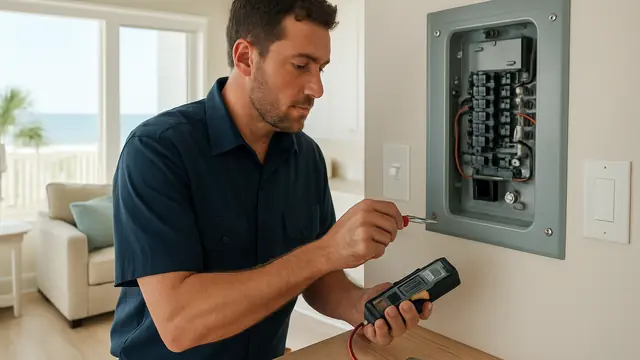
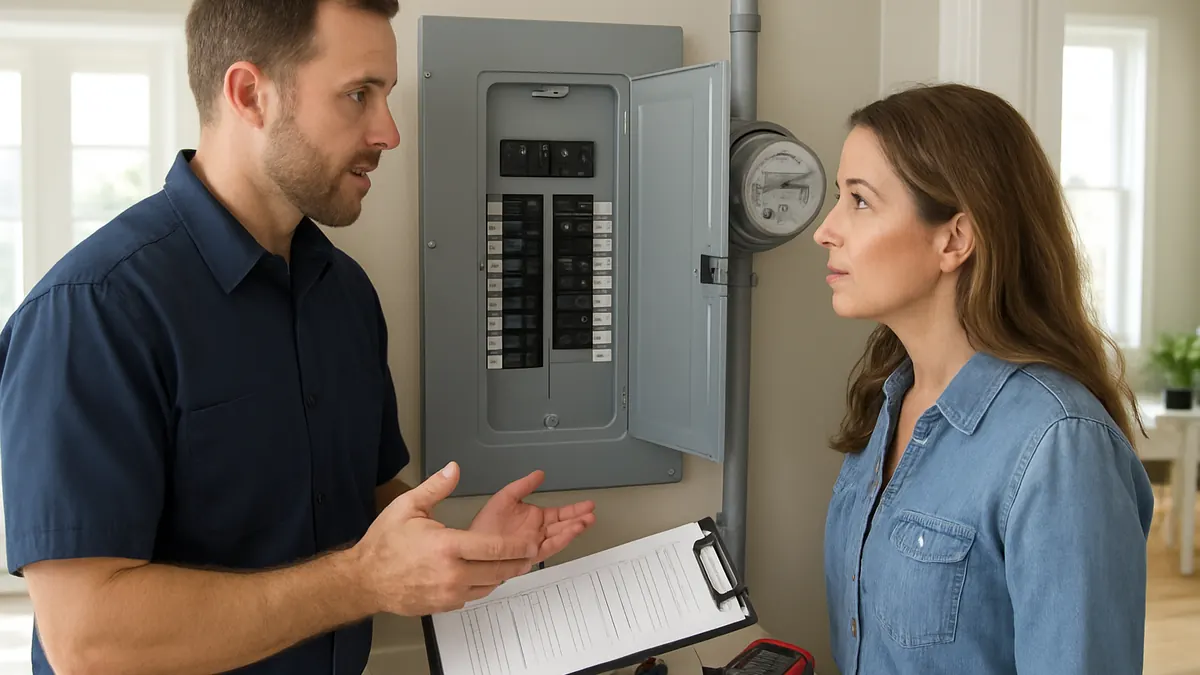
The electrician verifies that the main breaker, panel, service conductors, and meter equipment are properly matched. Inspection looks for heat, corrosion, loose terminations, damaged breakers, improper modifications, and grounding or bonding problems. A formal load calculation covers household and fixed equipment loads while applying permitted demand factors; it is not a sum of breaker ratings. Operating measurements may add evidence. The electrician then defines any panel, meter, conductor, grounding, surge-protection, permit, and utility work.
Repair Choices Before a Full 200-Amp Upgrade
Begin with the defect: replace a bad breaker, correct a loose connection, or repair a damaged circuit. A dedicated circuit can solve a localized overload. Listed load management may allow EV charging by reducing or pausing that load when demand rises. A subpanel adds spaces when capacity is sufficient, while a same-size panel replacement can address damaged equipment. Upgrade to 200 amps when calculated demand and realistic additions make the smaller service insufficient.
Factors That Influence Project Cost
Cost factors include panel location, meter configuration, overhead or underground service, conductor route, grounding upgrades, surge protection, circuit count, accessibility, finish repairs, permits, and utility requirements. Relocation adds complexity. The scope should identify the service rating, included equipment, permit responsibility, expected outage, and exclusions.
Preventing Capacity Problems
Review major electric equipment before purchase, keep the circuit directory current, and save improvement records. Dimming, buzzing, heat, or trips deserve inspection even when power returns. Keep the panel clear and dry. Surge protection helps equipment but does not replace adequate capacity.
Does Your Home Need a 200-Amp Electrical Service in Callaway?
A 200-amp service is not automatically required because your panel is full or one breaker trips. The correct decision comes from inspecting the equipment, calculating demand, identifying planned loads, and considering less invasive options first. That process gives you a clear answer, protects planned equipment, and prevents unnecessary work or an undersized installation that creates another problem later.
About this guide: This resource provides general homeowner education, not a remote diagnosis. Actual conditions, code requirements, equipment, and safe repair options must be evaluated at the property.