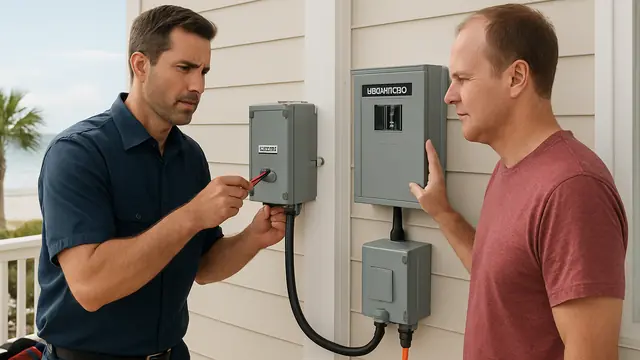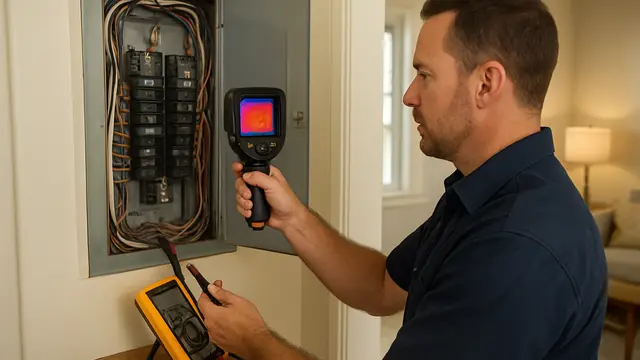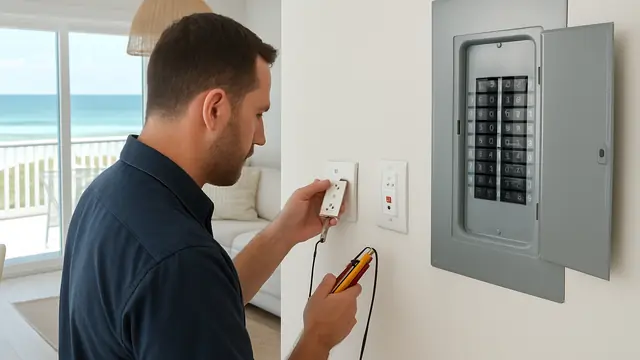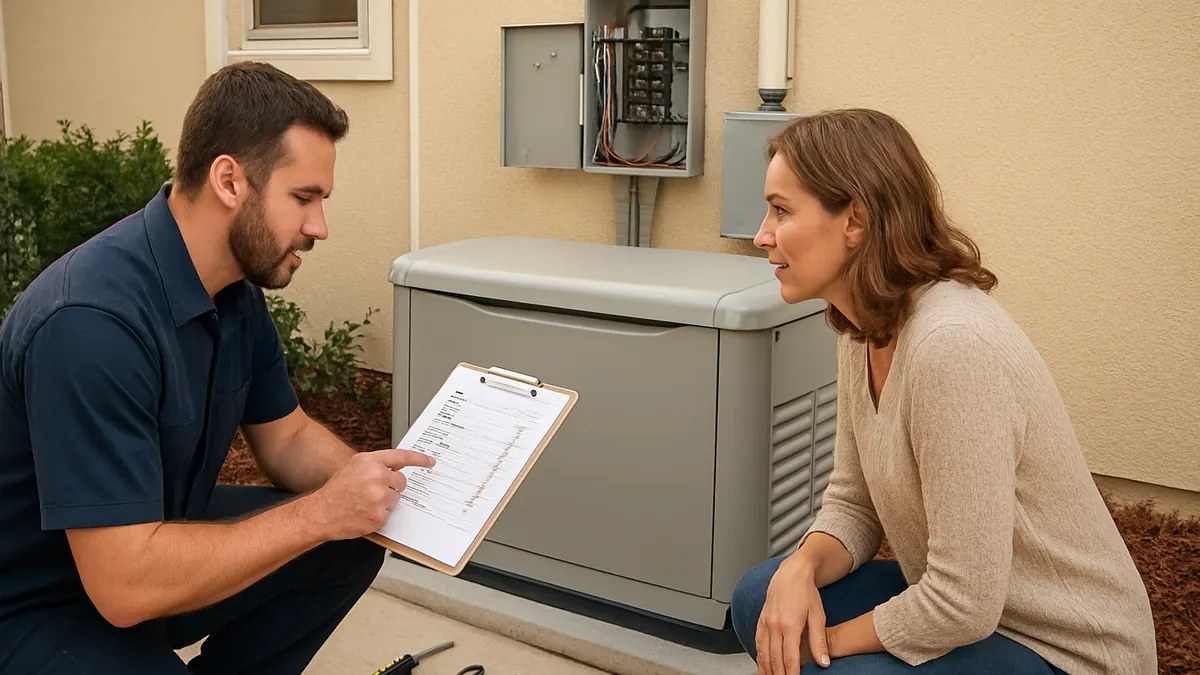
Do not remove an electrical panel cover, touch exposed conductors, bypass protection, or repeatedly reset a fault. Keep clear of smoke, sparks, burning odors, hot equipment, standing water near electricity, and downed lines, then call qualified help.
A power outage begins, your standby generator starts automatically, and the first few minutes feel reassuring. Then the air conditioner attempts to start, the lights dip, and the generator begins to labor. In another home, the generator continues running but certain appliances remain off because the system is shedding loads. These symptoms usually point to one of four issues: the connected demand is too high, a motor is creating a large starting surge, the load-management system is not working correctly, or the generator is not receiving enough fuel. The safe immediate action is to turn off nonessential high-demand appliances and avoid repeatedly restarting equipment that causes the generator to trip or stall.
What size standby generator does your home need in Grayton Beach? The correct answer depends on the appliances and systems you expect to use during an outage, not simply the home's square footage. A proper design accounts for normal running demand, the extra power motors require at startup, the transfer-switch arrangement, the available fuel supply, and whether lower-priority loads can be delayed automatically.
Define What "Whole-Home Power" Means to You
Homeowners often use the phrase "whole-home generator" to describe very different goals.
One homeowner may only need refrigeration, lighting, internet equipment, selected outlets, and one air-conditioning system. Another may expect most rooms, appliances, and outdoor systems to operate almost normally.
An essential-load design powers a defined group of circuits. A managed whole-home design connects more of the electrical system but temporarily turns off selected equipment when the generator is nearing its capacity. A broad-coverage system is designed for fewer restrictions and may require a larger generator, transfer equipment, and fuel supply.
Why Air-Conditioning Startup Matters
Air-conditioning equipment often has one of the largest motor loads in the home. Once the compressor is running, its demand may be manageable. At startup, however, it can briefly require much more power.
This short surge is why a generator may run lights and refrigerators without difficulty but stumble when the compressor starts. The generator must carry the loads already operating and still have enough capacity to start the largest required motor.
Homes with more than one HVAC system require additional planning. The electrician may recommend sequencing the systems so they do not start together, prioritizing one system, or using compatible starting-assistance equipment when appropriate.
Other Loads That Can Change the Required Generator Size
Electric water heaters, ranges, ovens, clothes dryers, pool equipment, pumps, and EV chargers can substantially increase the calculated demand.
Some loads, including clothes drying or vehicle charging, may be postponed until utility power returns. Others, such as refrigeration, cooling, medical equipment, or an essential pump, may need continuous backup.
The sizing calculation should clearly identify which loads are always available, which are automatically managed, and which remain off during generator operation.
Safe Checks You Can Perform Before an Appointment
Make three lists: equipment that must run, equipment you would like to run, and equipment that can wait. Include major appliances, HVAC systems, pumps, pool equipment, and vehicle charging if present.
Photograph accessible nameplates on outdoor HVAC units, pumps, and other large equipment. Do not remove electrical covers or open energized panels.
If an existing generator is struggling, record the fault code and note what was running immediately before the problem. Write down whether the engine changed sound, the lights dimmed, or the generator breaker opened.
You can turn off optional appliances using their normal controls or circuit breakers. Do not repeatedly test the same overload.
What the Homeowner Should Not Attempt
Do not replace a tripping breaker with a larger one. The breaker may be preventing wiring or equipment from overheating.
Do not bypass a load-management module because an appliance is temporarily unavailable. The control may be operating correctly and protecting the generator from overload.
Do not alter transfer-switch wiring, generator conductors, grounding, gas piping, propane regulators, or fuel settings. Improper work can create shock, fire, fuel, and carbon-monoxide hazards.
Do not use an improvised backfeed connection to energize the home.
Signs That Make the Problem Urgent
Schedule prompt service if the generator repeatedly stalls, surges in speed, trips its main breaker, displays overload warnings, or causes severe dimming whenever a large load starts.
Shut the system down if you notice smoke, sparks, melted insulation, damaged wiring, a burning odor, or unusual heat near the generator or transfer equipment.
A gas odor, fuel leak, or damaged fuel line requires immediate attention. Follow the fuel supplier's safety instructions and keep ignition sources away.
If a carbon-monoxide alarm sounds or generator exhaust appears to be entering the home, leave immediately and call emergency services. Do not restart the unit until the installation and exhaust path have been inspected.
How a Licensed Electrician Determines the Correct Size
The electrician begins with your outage priorities, then inventories the electrical service, panels, transfer equipment, HVAC systems, water heating, cooking equipment, refrigeration, pumps, pool equipment, and planned additions.
The load calculation then evaluates normal operating demand and the largest likely motor-starting event. It also considers which appliances can operate together and which can be delayed.
Generator output is checked for the intended fuel. Natural-gas pipe sizing, propane supply, regulator capacity, and available pressure matter because a generator cannot produce its rated electrical output without adequate fuel.
The electrician also verifies conductor sizes, breakers, grounding and bonding, control wiring, placement, maintenance access, clearances, permits, and inspection requirements.
Repair and Installation Options
The least invasive option may be changing the outage-use plan. Keeping an EV charger, pool heater, dryer, or electric oven off can reduce the load immediately.
The next step may be repairing or reprogramming existing load-management controls. A failed module can allow two large appliances to start together.
Additional approved controls can be installed to sequence HVAC systems, water heating, pool equipment, or other loads. Selected circuits may also be moved to an essential-load panel.
Compatible motor-starting equipment may reduce the startup demand of certain HVAC systems. It must be evaluated for the specific equipment and does not replace a complete load calculation.
Fuel-system corrections may solve the problem when the generator is starved for gas or propane under heavy demand.
A larger generator is appropriate when measured demand still exceeds available capacity after practical management options have been considered.
Factors That Affect Cost
Cost depends on generator capacity, transfer-switch type, number of panels, conductor distance, trenching, equipment-pad work, load-management controls, fuel piping, permits, access, and surface restoration.
Crowded, damaged, or improperly configured panels may need correction before installation.
Prevention and Maintenance
Follow the manufacturer's maintenance schedule for oil, filters, spark plugs, batteries, and inspections. Confirm the generator completes its scheduled exercise cycle, but remember that exercising without meaningful load does not prove it can start the air conditioner.
Keep vegetation, stored items, and debris away from the enclosure. Investigate repeated warning codes instead of clearing them. Arrange periodic testing under realistic load, and review sizing whenever you add major electrical equipment.
Choose the Size From a Real Load Plan
What size standby generator does your home need in Grayton Beach? It needs enough capacity to carry the loads you consider essential, start the largest required motors, remain stable as appliances cycle, and operate with the available fuel supply. The best answer comes from a documented calculation and load-management plan, not a square-footage estimate or a neighbor's generator size.
About this guide: This resource provides general homeowner education, not a remote diagnosis. Actual conditions, code requirements, equipment, and safe repair options must be evaluated at the property.