Do not remove an electrical panel cover, touch exposed conductors, bypass protection, or repeatedly reset a fault. Keep clear of smoke, sparks, burning odors, hot equipment, standing water near electricity, and downed lines, then call qualified help.
You are preparing to leave before a hurricane, but the lights briefly dim when the air conditioner starts and one outdoor GFCI receptacle will not reset. That combination may indicate a weak connection, overloaded circuit, failed protective device, or moisture in outdoor equipment. The safest immediate action is to unplug nonessential electronics, leave the problem circuit off, and avoid opening the electrical panel or touching exterior equipment.
A Northwest Florida hurricane electrical checklist in Latitude Margaritaville Watersound should help homeowners protect the electrical system before wind and rain arrive, use backup power safely during an outage, and recognize damage before power is restored.
Begin With a Calm, Written Electrical Plan
Storm preparation is easier when decisions are made before conditions deteriorate. Identify the main electrical panel, the breakers serving refrigeration, HVAC equipment, essential lighting, internet equipment, garage doors, and any medical devices. Make sure the panel directory is readable.
Decide which appliances truly need power during an outage. A refrigerator, freezer, several lights, phone chargers, and limited receptacles may be priorities. Electric water heaters, clothes dryers, ranges, and central air-conditioning systems use much more electricity and may exceed a portable generator's capacity.
Common Hurricane Electrical Problems
Power Surges During Outages and Restoration
A surge is a sudden increase in voltage. Lightning, utility switching, damaged lines, and the restoration of power can all create voltage changes. A surge may immediately destroy electronics or weaken internal circuit boards so they fail later.
Moisture in Exterior Electrical Equipment
Outdoor receptacles, lighting, disconnects, HVAC equipment, and generator inlets depend on covers, gaskets, and enclosures to keep moisture away from energized parts. Wind-driven rain can enter through a cracked cover, loose fitting, or damaged box.
Loose Connections and Intermittent Power
Connections that were already deteriorating may become more noticeable during storm-related voltage changes. Lights may flicker, appliances may restart, or a breaker may trip. A loose connection creates resistance, and resistance produces heat.
Generator Overload or Backfeeding
Portable generators are useful only when connected and operated correctly. Too many loads can trip the generator or overheat cords. Connecting a generator to household wiring without approved transfer equipment can backfeed power into utility lines.
Safe Checks the Homeowner Can Perform
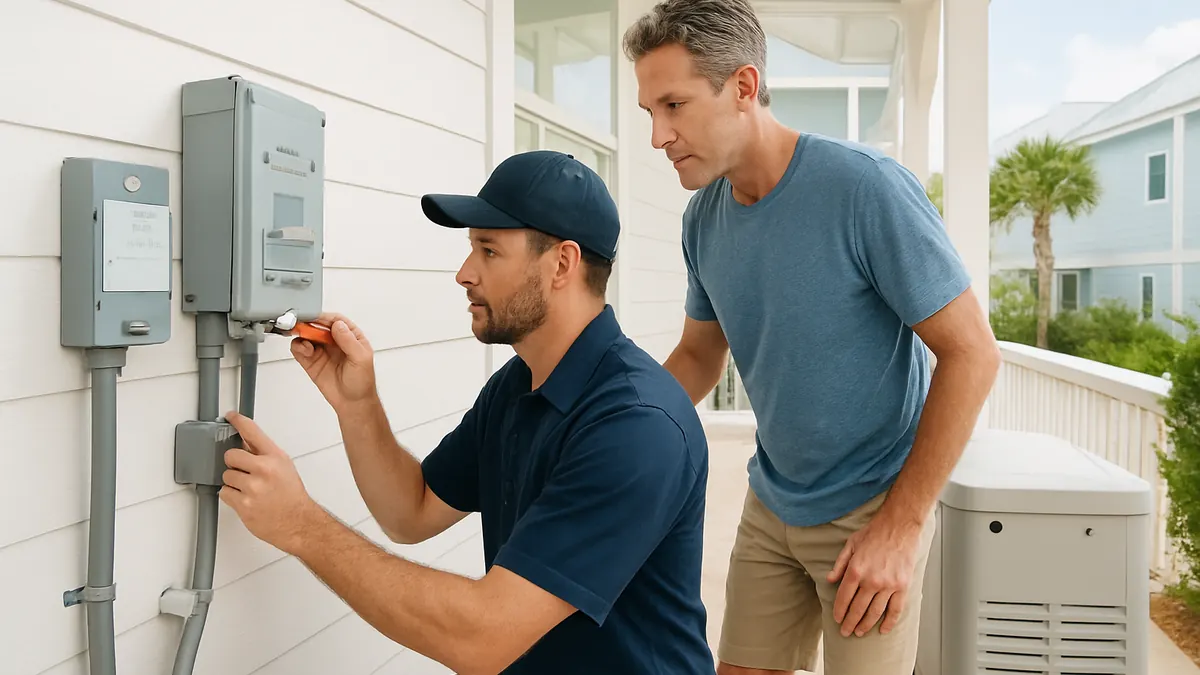
Before the storm, inspect visible exterior electrical covers without removing them. Look for cracks, missing screws, loose fixtures, damaged conduit, rust, or signs that a box has pulled away from the wall. Do not touch service wires, meter equipment, or anything that appears damaged.
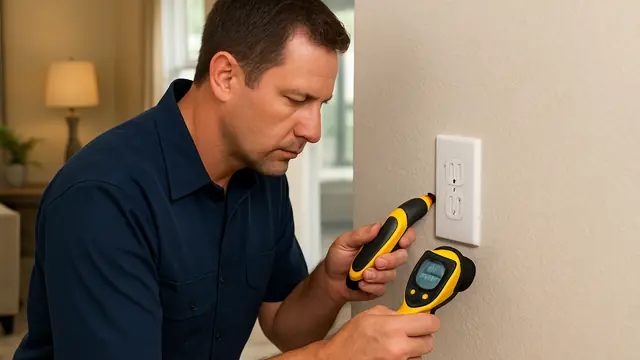
Test accessible GFCI receptacles using the built-in test and reset buttons. GFCI stands for ground-fault circuit interrupter. It is designed to shut off electricity when current leaks along an unintended path, which is especially important near water.
Charge battery banks and unplug unnecessary electronics before severe weather arrives. Leave one lamp switched on so you know when power returns.
After the storm, inspect from a distance before approaching the house. Look for downed lines, damaged service cables, a bent service mast, or a meter enclosure pulled away from the wall. Treat every wire as energized.
What You Should Not Attempt
Do not remove the electrical panel cover. Even with the main breaker off, service conductors inside may remain energized.
Do not reset a breaker repeatedly. If a breaker trips again after one careful reset, leave it off. Repeated resets can energize a damaged circuit and increase the risk of arcing or overheating.
Never connect a portable generator through a dryer outlet, range outlet, or homemade cord. Safe generator use requires approved transfer equipment or a listed interlock installed for the specific panel.
Do not operate a generator in a garage, enclosed patio, or near doors, windows, or air intakes. Carbon monoxide cannot be seen or smelled and can accumulate quickly.
Signs That Make the Situation Urgent
Call for immediate help if you see smoke, sparks, glowing, melted plastic, exposed wiring, or water inside electrical equipment. A burning odor, loud buzzing, sizzling, or popping also requires urgent attention.
Partial power can be especially serious. If some lights become unusually bright while others become dim, the home may have a loose or damaged neutral. The neutral helps keep voltage balanced. When it fails, appliances may receive damaging voltage.
A tingling sensation from an appliance, faucet, railing, outdoor fixture, or other metal surface is another emergency warning. Keep people away and do not continue testing the area.
If utility lines are down, remain well back and report the condition to the utility or emergency authorities. Do not assume a line is harmless because the neighborhood appears to have lost power.
How a Licensed Electrician Diagnoses the Problem
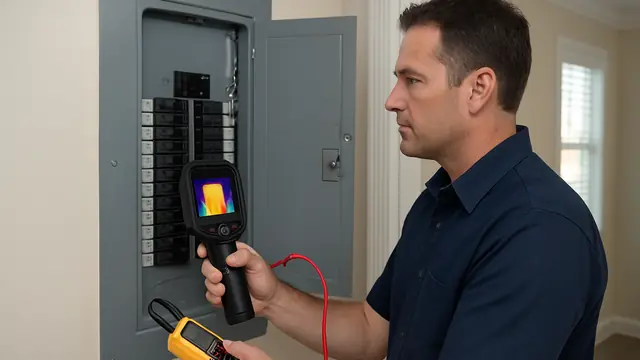
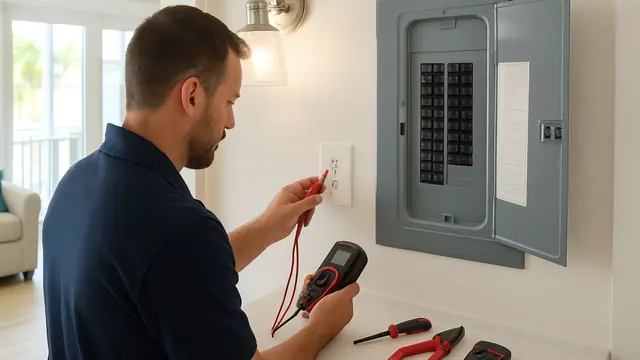
A licensed electrician begins with a visual inspection of the service entrance, meter area, main panel, grounding and bonding, outdoor circuits, HVAC disconnects, and generator equipment.
Voltage measurements can reveal unstable supply, a damaged neutral, or abnormal circuit conditions. The electrician may also test GFCI and AFCI protection. AFCI means arc-fault circuit interrupter and helps detect dangerous arcing.
Generator systems are checked for correct breaker sizing, transfer equipment, inlet condition, grounding configuration, cord capacity, and realistic load demand.
Repair Options From Least Invasive to Most Extensive
The least invasive repair may be replacing a damaged weatherproof cover, failed GFCI receptacle, loose exterior fixture, or worn generator cord.
A single damaged breaker, disconnect, surge protector, receptacle, or section of cable may be replaced without disturbing unrelated parts of the system. Loose connections may be corrected when conductors and equipment remain in serviceable condition.
More extensive work may involve replacing water-damaged panel components, service conductors, the meter enclosure, service mast, or complete electrical panel. Full replacement is considered when equipment is physically damaged, heavily corroded, contaminated, obsolete, or no longer dependable.
Factors That Affect Repair Cost
Cost depends on the number of affected circuits, location of the damage, accessibility, panel type, and whether the problem involves utility-connected service equipment.
The lowest responsible cost usually begins with accurate diagnosis rather than assuming every storm-related symptom requires complete replacement.
Prevention and Maintenance Guidance
Schedule an electrical inspection before hurricane season if the home has recurring flickering, breaker trips, warm outlets, rusted outdoor equipment, or GFCIs that do not operate correctly.
Keep electrical-panel access clear and dry. Replace damaged weatherproof covers. Ask whether whole-home surge protection is appropriate and have grounding and bonding evaluated when service equipment has been altered or exposed to corrosion.
Review the generator plan annually. Confirm the loads it can support, store fuel safely, and never refuel a hot generator.
After a storm, continue monitoring the home for delayed symptoms. Intermittent lights, warm devices, nuisance tripping, equipment failures, and unusual odors may appear days later.
Homeowner FAQs
Should I turn off the main breaker before evacuating?
Not automatically. The right decision depends on flood risk, known electrical damage, and evacuation instructions. Never approach a wet or damaged panel.
Can a portable generator run the entire home?
Only if the generator, transfer equipment, wiring, and load calculation are designed for the full demand. Many portable generators are intended for selected essential circuits.
Is a plug-in surge strip enough during a hurricane?
No. A plug-in strip provides limited protection for connected devices. Whole-home surge protection addresses surges entering through the electrical service, but neither option can prevent every lightning or physical-damage event.
Why will my outdoor GFCI not reset after the storm?
It may have no incoming power, be controlled by another protective device, have failed internally, or be detecting moisture or a continuing ground fault.
Can I use an extension cord through a window?
Only when the cord is outdoor-rated, properly sized, protected from damage, and kept away from water. The opening must not crush the cord or allow generator exhaust indoors.
Complete the Checklist Before the Storm Arrives
A Northwest Florida hurricane electrical checklist in Latitude Margaritaville Watersound should include clear panel labels, protected outdoor equipment, safe generator procedures, surge protection, working alarms, and a cautious post-storm inspection.
Do not ignore flickering, repeated tripping, damaged service equipment, moisture, heat, or burning odors. Addressing those symptoms before the next storm can reduce the chance of a larger electrical failure.
About this guide: This resource provides general homeowner education, not a remote diagnosis. Actual conditions, code requirements, equipment, and safe repair options must be evaluated at the property.