Do not remove an electrical panel cover, touch exposed conductors, bypass protection, or repeatedly reset a fault. Keep clear of smoke, sparks, burning odors, hot equipment, standing water near electricity, and downed lines, then call qualified help.
You return to your Laguna Beach property after a hurricane and find the power on, but an exterior light is hanging crooked and the nearby receptacle cover has blown open. The outlet looks dry, but wind-driven rain may have reached the device and movement may have loosened connections. Keep people away, leave the circuit off if it can be identified safely, and arrange an inspection before use.
A Northwest Florida hurricane electrical checklist in Laguna Beach should cover preparation, evacuation, power restoration, cleanup, and delayed moisture or corrosion problems.
Before the Storm: Reduce Electrical Exposure
Secure objects that can strike outdoor receptacles, lighting, HVAC disconnects, conduit, or service equipment. Inspect outdoor covers without opening them. Cracked, missing, or loose covers should be repaired before the storm. In a coastal environment, rust, pitting, and loose hardware also deserve attention.
Identify circuits serving major appliances, refrigeration, alarms, internet equipment, and essential lighting. Photograph the panel directory, correct unclear labels, and unplug nonessential electronics before severe weather.
For an unoccupied property, decide in advance which equipment must remain energized. The correct plan depends on the property and flood risk; do not make last-minute changes at a wet or damaged panel.
Common Electrical Problems Hurricanes Can Cause
Water Intrusion Into Devices and Boxes
Rain can enter through damaged covers, loose fittings, failed seals, or structural openings. A receptacle or junction box may be wet without an obvious puddle.
Corrosion After the Storm
Moisture and airborne salt can attack terminals, screws, enclosures, and exposed metal. Corrosion increases electrical resistance. Resistance creates heat, which can discolor devices, loosen connections, and eventually damage equipment.
Lightning and Switching Surges
A surge is a brief rise in voltage. Nearby lightning, utility switching, and power restoration can stress sensitive electronics.
Service-Entrance Damage
The service entrance includes the weatherhead, mast, conductors, meter enclosure, and main panel. Wind or debris can pull this equipment away from the structure.
Generator Mistakes
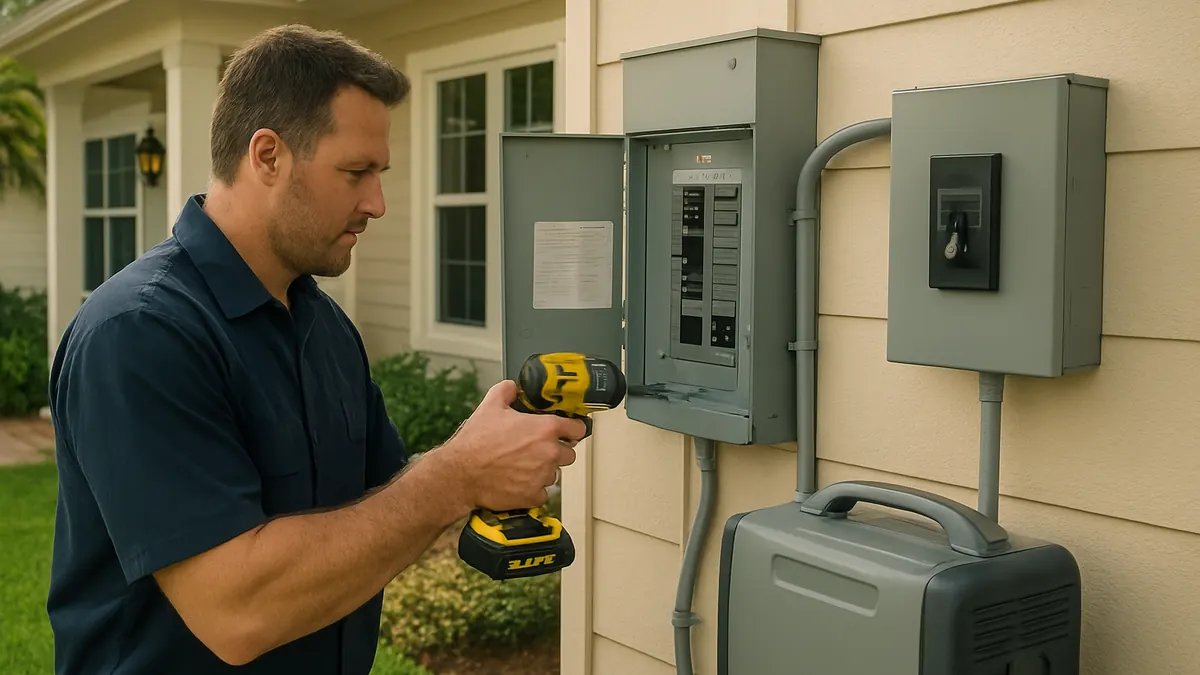
Portable generators create carbon-monoxide and electrical hazards when misused. They must stay outdoors, follow manufacturer clearances, and never backfeed household wiring.
Safe Checks After Returning to the Property
- Approach from a distance and look for downed lines, limbs on wires, or service cables hanging lower than normal. Never drive over or move a wire.
- When conditions are safe, look for damaged covers, loose conduit, displaced fixtures, dented disconnects, or shifted equipment. Do not touch it to test stability.
- Before operating switches, check for burning odors, buzzing, sizzling, heat, smoke, or discoloration.
Check the panel from the outside. If the cover is wet, rust-streaked, bent, warm, or making noise, do not operate it. If everything is dry and undamaged, one tripped breaker may be reset once after connected loads are unplugged. If it trips again, leave it off.
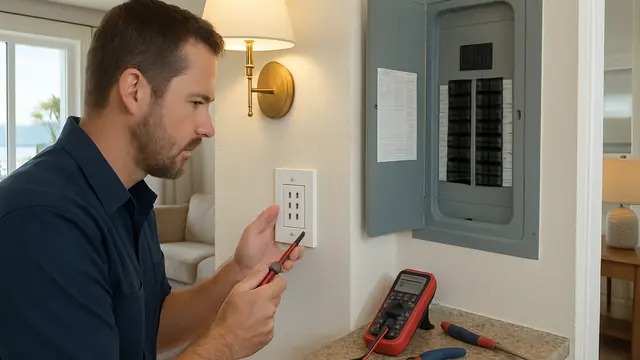
Test GFCI receptacles only after checking for water damage. A GFCI shuts off power when current follows an unintended path. A device that will not reset may be responding to a continuing fault.
What You Should Never Do During Cleanup
- Do not remove receptacles or switches from wet walls. Moisture may be present behind the device even when the room surface looks dry.
- Do not energize a circuit to "see what happens." Breakers are safety devices, not diagnostic switches. Repeated attempts can worsen arcing or overheating.
- Use only outdoor-rated, properly sized extension cords outside. Keep connections out of water and never cover cords with materials that trap heat.
- Do not open the main panel or meter enclosure. Energized service conductors can remain live regardless of the main breaker position.
Do not connect a generator through a range, dryer, or other receptacle. An approved transfer switch or listed interlock prevents utility and generator power from being connected at the same time.
Urgent Electrical Warning Signs
Call for urgent help when the service mast or meter enclosure has pulled away, the panel has been wet, conductors are exposed, or any electrical component is smoking, sparking, popping, or hot.
Treat repeated dimming and brightening as urgent. A loose neutral can create damaging voltage imbalance.
Also act immediately when a person feels a shock or tingling sensation from an appliance, plumbing fixture, outdoor shower, railing, or other metal surface. Keep everyone away and contact emergency services when there is active fire, a downed line, or immediate danger.
If floodwater reached electrical equipment, do not restore power merely because the water has receded. Contaminants can remain inside devices and compromise insulation.
How a Licensed Electrician Evaluates Storm Damage
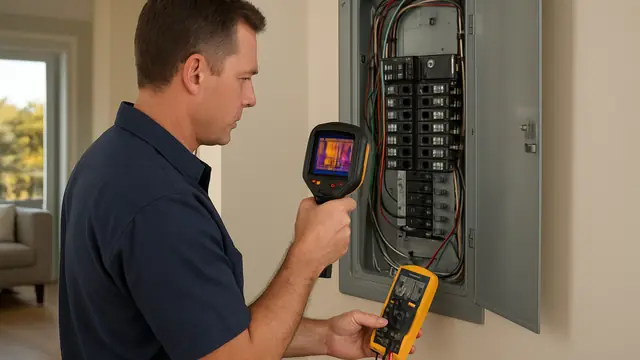
The inspection begins at the utility connection and continues through the service, panel, grounding, circuits, outdoor equipment, and affected rooms.
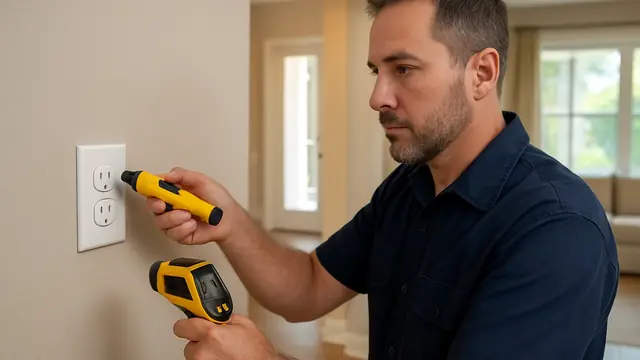
The electrician may test voltage, neutral integrity, breaker operation, and GFCI or AFCI protection. AFCIs help recognize dangerous electrical arcing.
Moisture-affected circuits may be isolated and tested before re-energizing. The electrician also determines whether visible damage is limited to one component or extends farther into the wiring.
For a generator system, the inspection includes the inlet, transfer equipment, breaker arrangement, grounding method, cord condition, and expected load.
Repair Options From Focused to Comprehensive
The first reasonable option may be replacing a broken in-use cover, exterior receptacle, damaged light fixture, failed GFCI, or corroded connection.
If damage extends into one box or section of cable, that portion may be repaired without replacing unrelated circuits. A damaged HVAC disconnect, generator inlet, or surge protective device can often be replaced individually.
Water-contaminated panels, breakers, meter enclosures, or service equipment may require replacement because cleaning may not restore dependable insulation and contacts.
Complete panel or service replacement is reserved for widespread damage, severe corrosion, displacement, obsolete equipment, or conditions that prevent safe repair.
Factors That Influence Repair Cost
Cost depends on exposure, whether damage is limited to one device or reaches the service, and wiring accessibility.
Equipment availability, permits, utility coordination, emergency timing, generator components, and access through finished surfaces also affect cost.
Prevention and Ongoing Maintenance
Have loose outdoor fixtures, cracked covers, rusty boxes, flickering lights, tripping breakers, and nonworking GFCIs corrected before hurricane season.
Consider whole-home surge protection together with point-of-use protection for sensitive electronics. A surge protective device is not a lightning shield, but it can reduce damaging transient voltage that enters through the service.
- Have grounding and bonding inspected after service alterations, repairs, or corrosion. These connections help protective devices operate during faults.
- Exercise generator equipment according to instructions. Confirm fuel, cords, transfer equipment, and load priorities. Test smoke and carbon-monoxide alarms with battery backup.
- After the storm, continue watching for delayed symptoms such as intermittent lights, warm receptacles, nuisance tripping, rust, or equipment that fails days later.
Homeowner FAQs
Should I unplug everything before evacuating?
Unplug nonessential electronics and appliances when it is safe to do so. Some equipment may need to remain energized, so make a property-specific plan before severe weather arrives.
Does whole-home surge protection protect exterior equipment?
It helps reduce surges entering the electrical system, but it cannot prevent damage from flooding, direct physical impact, failed seals, or every lightning event.
Can an electrician inspect the home when utility power is off?
Yes. Much of the physical inspection can be completed without utility power, although some voltage and operational tests require restored service or another controlled power source.
Why did an outlet fail several days after the hurricane?
Moisture, contamination, corrosion, or a weakened connection can cause delayed failure. Stop using the outlet if it becomes warm, discolored, noisy, or intermittent.
Is a generator interlock the same as a transfer switch?
Both can prevent generator power and utility power from being connected simultaneously when properly selected and installed. The correct option depends on the equipment and intended loads.
Must every wet electrical device be replaced?
Not every situation is identical, but many water-exposed devices and components cannot be considered reliable without inspection. The type of water, equipment construction, duration of exposure, and manufacturer guidance all matter.
Finish the Checklist Before the Weather Changes
A Northwest Florida hurricane electrical checklist in Laguna Beach should cover secure exterior equipment, surge protection, safe evacuation decisions, generator procedures, cautious re-entry, and professional evaluation of anything wet or displaced.
Normal-looking power does not prove damaged equipment is safe. Keep any water-exposed, impacted, overheated, or repeatedly tripping circuit off until the cause is identified.
About this guide: This resource provides general homeowner education, not a remote diagnosis. Actual conditions, code requirements, equipment, and safe repair options must be evaluated at the property.