Do not remove an electrical panel cover, touch exposed conductors, bypass protection, or repeatedly reset a fault. Keep clear of smoke, sparks, burning odors, hot equipment, standing water near electricity, and downed lines, then call qualified help.
A hurricane watch is active, and one room suddenly begins flickering while the rest of the house seems normal. That can point to a loose connection, damaged circuit, or unstable utility power. The safest immediate step is to unplug sensitive electronics, avoid repeatedly resetting breakers, and stay away from any outlet or panel that is hot, buzzing, sparking, or producing a burning smell.
A Northwest Florida hurricane electrical checklist in Bid-A-Wee should help you do more than buy batteries. It should help protect people, reduce equipment damage, and show when a licensed electrician needs to inspect the system before or after a storm.
Why Hurricane Electrical Preparation Matters
Hurricanes can affect a home's electrical system in several ways. High winds may damage exterior service equipment. Wind-driven rain can enter outdoor boxes, roof penetrations, meter areas, or damaged walls. Outages and power restoration can create voltage fluctuations that stress HVAC equipment, refrigerators, televisions, computers, routers, and smart-home devices.
The warning may be subtle: a tripping breaker, dimming lights, a GFCI that will not reset, or a panel that sounds unusual. Preparing early gives you time to correct weaknesses before access becomes difficult.
Common Hurricane-Related Electrical Problems
Outdoor Damage and Moisture
Exterior receptacles, disconnects, lighting, pool equipment, air-conditioning equipment, and generator connections are exposed to wind and rain. A cracked box or loose weatherproof cover can allow water to reach energized parts.
Overloaded Cords and Receptacles
During an outage, homeowners may try to run refrigerators, freezers, fans, chargers, and portable appliances from too few circuits. Extension cords can overheat when they are undersized, damaged, coiled tightly, or placed under rugs.
Improper Generator Connections
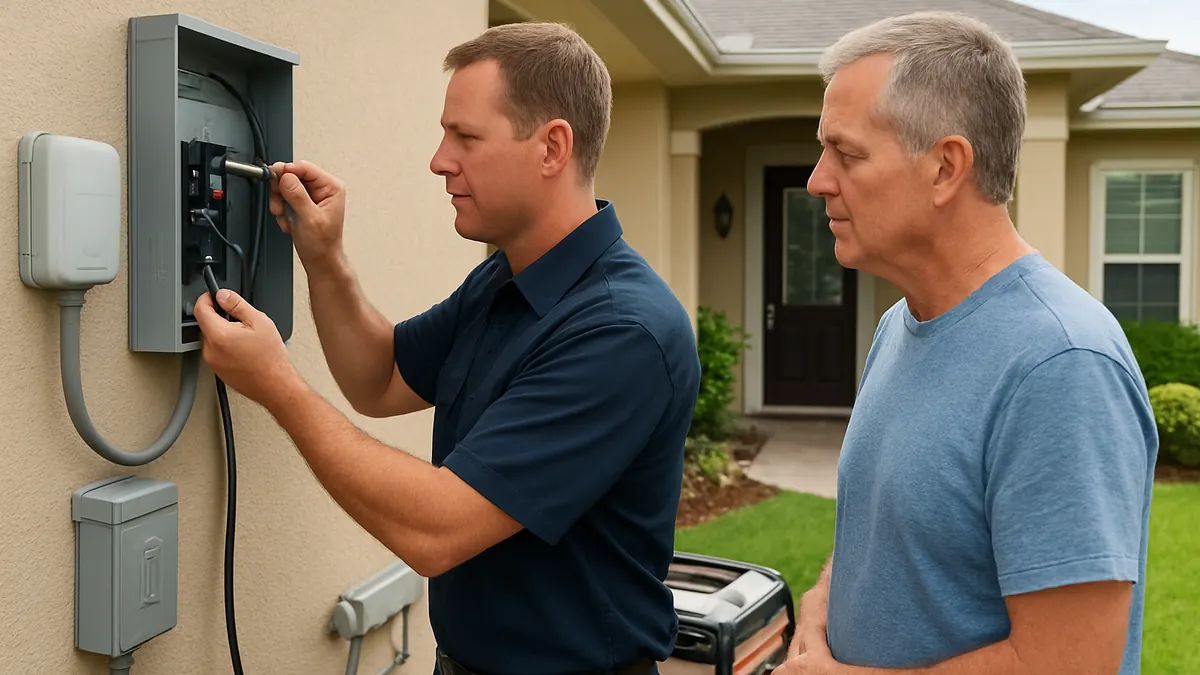
A portable generator connected directly to household wiring without approved transfer equipment can send electricity back toward utility lines. This dangerous condition is called backfeeding. It can injure utility workers, damage equipment, and energize circuits unexpectedly.
Surges and Unstable Voltage
Lightning, downed lines, utility switching, and power restoration can produce voltage spikes. These surges may destroy circuit boards immediately or weaken them so they fail later.
Safe Checks a Bid-A-Wee Homeowner Can Perform
Before the storm, inspect the home without opening electrical equipment. Confirm that exterior receptacle covers close securely. Look for cracked boxes, missing covers, loose fixtures, hanging wires, or damage around the service mast, meter, and weatherhead. Do not touch service equipment; lines feeding the home may remain energized even when neighborhood power is out.
Test accessible GFCI receptacles with their test and reset buttons. GFCI means ground-fault circuit interrupter. It shuts off power when electricity is leaking along an unsafe path, such as through water or a person.
Label the main panel if circuits are not identified. Know which breakers control the refrigerator, freezer, HVAC system, and important medical equipment. Charge battery banks and unplug equipment that does not need to remain connected.
After the storm, inspect from a safe distance. If the meter is pulled loose, the service mast is bent, wires are down, or water reached the panel, do not operate breakers.
What You Should Not Attempt
- Do not remove the panel cover. The main breaker does not de-energize every part inside the panel, and service conductors may still be live.
- Do not touch downed wires, tree limbs on wires, or metal fencing near damaged lines. Treat every wire as energized.
- Do not run a portable generator in a garage, enclosed porch, crawlspace, or near doors and windows. Carbon monoxide can build up rapidly even when a garage door is open.
- Never connect a generator to a dryer outlet with a homemade cord. Safe operation requires an approved transfer switch or interlock designed for the panel and generator setup.
- Do not reset a breaker repeatedly. One reset may be reasonable only when there is no visible damage, water exposure, heat, or burning odor. If it trips again, leave it off.
Signs That Make the Problem Urgent
Immediate professional help is needed for burning odors, smoke, sizzling, popping, visible arcing, a hot panel, water around electrical equipment, or service components pulled away from the house.
Also treat partial power as urgent, especially when some lights become unusually bright while others are dim. This can indicate a damaged neutral connection. The neutral helps keep voltage balanced. When it is loose or damaged, some circuits may receive too much voltage while others receive too little, quickly damaging appliances.
Tingling from appliances, faucets, metal siding, or equipment is another emergency warning. Stop using the area and keep others away.
How a Licensed Electrician Diagnoses Storm Damage
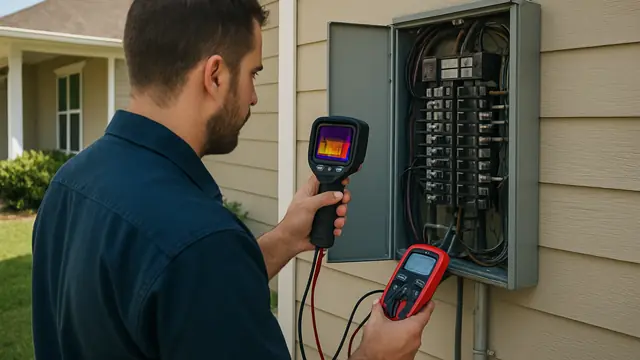
A licensed electrician visually inspects the service equipment, panel, grounding and bonding, outdoor circuits, generator connections, and areas where water may have entered.
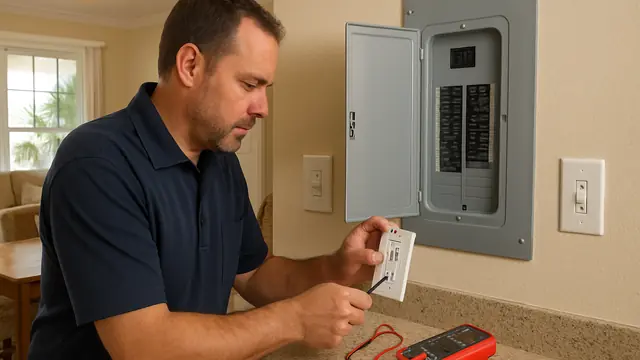
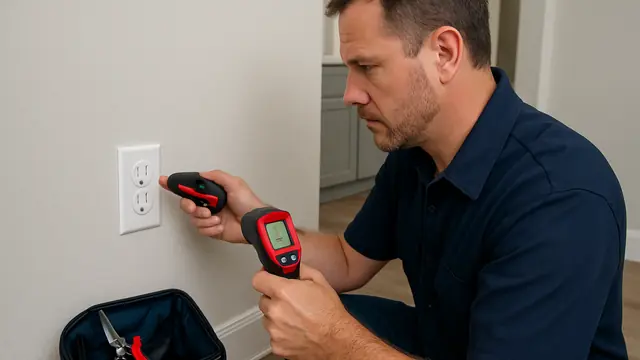
The electrician may measure voltage to identify unstable supply, damaged conductors, or a loose neutral. GFCI and AFCI protective devices may also be tested.
If wiring has been exposed to moisture, additional testing may be needed before it is re-energized. For generator systems, the electrician checks the transfer equipment, breaker sizing, inlet condition, neutral configuration, and intended loads.
Diagnosis matters because storm symptoms overlap. A tripping breaker may be responding to wet equipment, a short circuit, a damaged appliance, or a failed breaker.
Repair Options, Starting With the Least Invasive
The least invasive repair may involve tightening an approved connection, replacing a damaged weatherproof cover, changing a failed GFCI, or repairing one affected circuit.
Damaged outdoor fixtures, disconnects, receptacles, and sections of cable can often be replaced individually. If a surge protective device failed while protecting the system, replacing that device may restore protection.
More extensive work may include replacing water-damaged breakers, panel components, service conductors, the meter enclosure, or the service mast. Full panel or service replacement is considered when equipment is physically damaged, contaminated, severely corroded, obsolete, or no longer dependable.
Factors That Affect Repair Cost
Cost depends on the extent and location of damage, whether utility service equipment is involved, how easily wiring can be reached, and whether parts can be repaired or must be replaced.
Other factors include panel type, breaker availability, permits, utility coordination, and whether finished surfaces must be opened. A clear diagnosis helps prevent unnecessary replacement.
Prevention and Maintenance Guidance
Schedule an electrical inspection before hurricane season if the home has frequent breaker trips, flickering lights, an older panel, previous water intrusion, or visible exterior damage.
Keep the panel area clear and dry. Maintain weatherproof covers. Have whole-home surge protection evaluated, and confirm that grounding and bonding are intact.
Create a written generator plan showing which loads can be supported. Refrigerators, freezers, lights, fans, and selected outlets may be priorities, while central air conditioning, electric water heating, ranges, and dryers require much more capacity.
Photograph the panel directory, service equipment, and major appliances before storm season. These records may help after damage.
Homeowner FAQs
Should I turn off the main breaker before a hurricane?
Not automatically. It may be appropriate when evacuation guidance, flooding risk, or a known electrical problem makes it necessary. Never approach a wet panel. Develop a property-specific plan before the storm.
Can I leave my refrigerator plugged in?
Yes, when power is normal and there are no warning signs. During repeated outages or unstable power, unplugging sensitive equipment may reduce risk. Keep refrigerator and freezer doors closed.
Is a surge strip enough?
No. A plug-in strip may protect certain devices, while whole-home surge protection helps reduce surges entering through the service. Neither can prevent every possible lightning or physical-damage event.
Can wet outlets be used after they dry?
They should be inspected first. Moisture can leave contamination and corrosion inside devices and boxes. A dry appearance does not prove safety.
When may I reset a tripped breaker?
Only after confirming there is no water exposure, burning odor, heat, or visible damage. If it trips again, leave it off and schedule an inspection.
Be Ready Before the Next Storm
A Northwest Florida hurricane electrical checklist in Bid-A-Wee should emphasize safe preparation, proper generator use, surge protection, moisture risks, and clear warning signs. Small corrections made before a storm can prevent larger failures when wind and rain arrive.
If you notice flickering, repeated breaker trips, damaged service equipment, wet electrical components, or overheating, do not wait for the next outage to expose the problem.
About this guide: This resource provides general homeowner education, not a remote diagnosis. Actual conditions, code requirements, equipment, and safe repair options must be evaluated at the property.