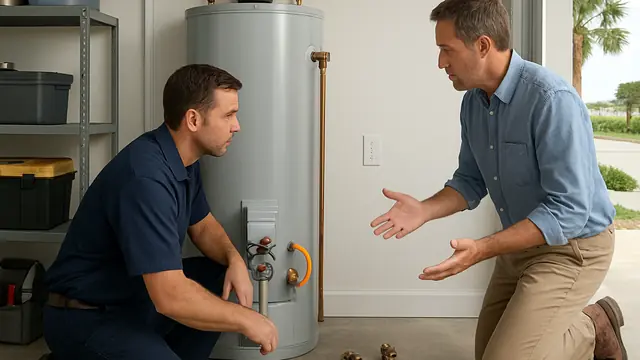
Stop and call for qualified help when plumbing water is near electrical equipment, sewage is entering occupied space, gas or burning odors are present, or a repair would require opening pressurized piping.
You clean the bathroom faucet, and cloudy spots return the next day. Shampoo feels difficult to rinse, the dishwasher leaves film on glasses, or the tap water has a taste your family dislikes. Many Bid-A-Wee homeowners assume one system will solve every concern, but a water softener and whole-house filtration perform different jobs.
The safe first step is to identify the symptom before buying equipment. Note whether the concern is scale, taste, odor, particles, staining, or a sudden change. Do not open pressurized tanks or pour chemicals into plumbing. Testing the water and inspecting the home's plumbing can prevent an expensive wrong choice.
Water Softener Versus Whole-House Filtration: The Basic Difference
A water softener primarily reduces hardness minerals, especially calcium and magnesium. These dissolved minerals can leave white scale, crust around showerheads, soap scum, stiff-feeling laundry, and buildup inside water-using appliances.
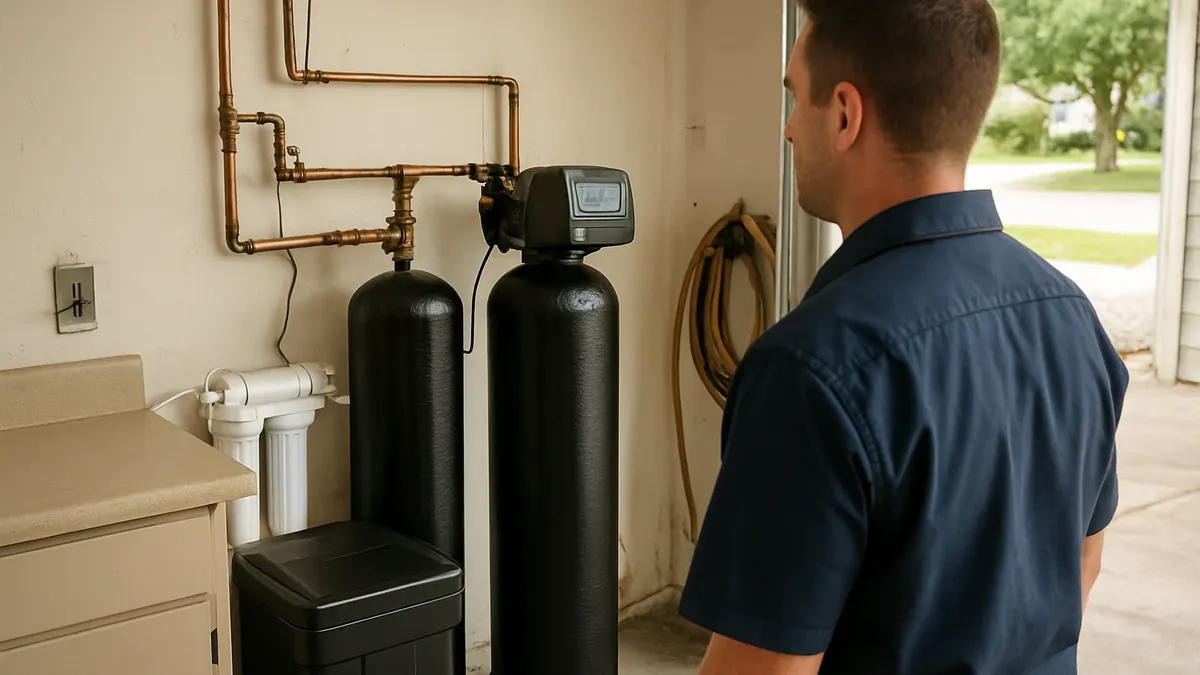
Most softeners use ion exchange. Water passes through resin beads that capture hardness minerals and exchange them for a small amount of sodium or potassium. The resin is cleaned during a regeneration cycle using brine from the salt tank.
A whole-house filtration system targets other water concerns. A sediment filter captures particles. Activated carbon may reduce certain tastes, odors, and chlorine-related concerns. Specialty media may target other substances, but only when selected for a verified need.
A filter does not automatically soften water. A softener does not remove every taste, odor, particle, or contaminant. Some homes need one system, some need both, and some need neither.
What Your Symptoms May Mean
White Spots and Crust
White deposits on faucets, shower glass, and heating elements commonly suggest mineral scale. If testing confirms hardness, a softener is usually the relevant technology.
Unpleasant Taste or Odor
Taste and odor concerns are more often addressed by filtration. Activated carbon is commonly considered, although the right design depends on what is present and how much water the household uses.
Visible Particles or Unusual Staining
Sand, rust-colored flakes, or dark specks may come from the incoming supply, a water heater, aging plumbing parts, or a fixture. Orange, black, or blue-green staining can also have several causes. Color alone is not enough to select equipment.
Poor Soap Performance
Hard water can make soap less effective and leave residue on skin, tubs, and laundry. Because other factors can cause similar complaints, a hardness test should guide the decision.
Safe Checks a Homeowner Can Perform
Fill a clean glass from the cold-water tap and let it sit. Note whether cloudiness disappears, particles settle, or color remains. Cloudiness that clears may simply be tiny air bubbles.
Compare hot and cold water. If odor, discoloration, or particles appear only on the hot side, the water heater may be involved. If the condition appears at every cold fixture, the incoming water or main plumbing deserves attention.
Inspect faucet aerators and showerheads for mineral crust or trapped debris. You may clean an aerator if it can be removed without damaging the finish and reinstalled without cross-threading it.
Check whether the issue affects every fixture or only one. A single-faucet problem may come from that fixture, supply line, or aerator rather than the entire home.
Review any current notice or water-quality report from your provider. Such information is useful background, but it does not identify problems created by private plumbing or a water heater.
What You Should Not Attempt
- Do not choose a softener because one sink has spots. Cleaning residue, a failing fixture, or water-heater sediment can resemble a whole-house hardness issue.
- Do not install a generic filter without understanding its flow rating. An undersized filter can reduce shower pressure.
- Do not incorrectly connect equipment to a drain, electrical source, or water heater. Improper installation can cause leaks, backflow risks, drainage problems, or equipment damage.
- Never mix bleach, acids, or descalers inside treatment tanks unless an approved procedure is being performed by a qualified person.
When the Problem Is Urgent
Call for help promptly if water suddenly turns brown, black, pink, or blue-green throughout the home; develops a sewage, fuel, or solvent-like odor; contains oily material; or is associated with illness.
Also act quickly if a treatment tank leaks, a softener will not stop regenerating, pressure drops sharply, or a drain line continuously discharges.
Follow any official boil-water or do-not-use notice exactly. Household filtration is not a substitute for public-health instructions.
How a Licensed Plumber Diagnoses the Need
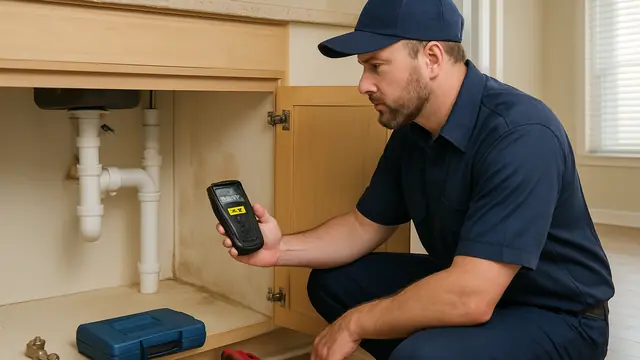
A plumber begins with the complaint rather than the equipment. Testing may include hardness, pH, chlorine-related measurements, total dissolved solids, and indicators connected to staining or sediment. Laboratory testing may be recommended when a concern cannot be reliably identified in the field.
The plumber also checks water pressure, pipe size, available installation space, drainage, electrical access, fixture count, and peak household demand. A system must treat the water without starving showers or appliances.
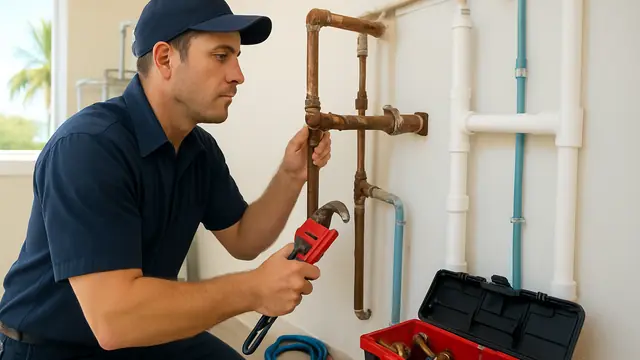
The water heater, aerators, toilet tanks, and exposed piping may be inspected to determine whether the problem originates inside the home. This prevents installing treatment equipment for a plumbing defect it cannot correct.
Treatment Options From Least Invasive to Most Comprehensive
- The least invasive answer may be cleaning an aerator, replacing a deteriorated supply line, or servicing a water heater.
- For a drinking-water concern at one sink, an under-sink carbon filter or reverse-osmosis system may be more practical than treating every gallon entering the home.
- For particles, a properly sized sediment prefilter may help. It should be accessible for cartridge replacement and large enough to avoid excessive pressure loss.
For whole-home taste and odor concerns, a cartridge or backwashing carbon system may be appropriate. For confirmed hardness, a correctly sized softener can reduce scale and improve soap performance.
Homes with separate hardness and filtration concerns may use systems in sequence. Existing equipment may only need programming, valve service, cleaning, or new media rather than replacement.
What Affects Cost
Cost depends on test results, treatment goals, home demand, pipe size, equipment capacity, installation access, drain location, electrical needs, and whether old plumbing must be corrected.
Long-term costs include salt, cartridges, replacement media, regeneration water, and periodic service. An undersized unit may cost more over time through frequent cycling or cartridge changes.
Prevention and Maintenance
Test before treating and keep the original results. Check softener salt levels without overfilling the tank. Replace filter cartridges on schedule or when pressure drops.
Periodically inspect bypass valves, tank connections, and drain lines for leakage. After plumbing work or a long vacancy, flush fixtures safely and watch for changes before returning to normal use.
Choosing Water Softener Versus Whole-House Filtration in Bid-A-Wee
The right decision starts with the symptom and a reliable test. Scale and soap problems point toward softening. Taste, odor, or particles point toward filtration. Mixed symptoms may require staged treatment, while sudden discoloration or strong odors require diagnosis before equipment is purchased.
About this guide: This resource provides general homeowner education, not a remote diagnosis. Actual conditions, code requirements, equipment, and safe repair options must be evaluated at the property.