Stop and call for qualified help when plumbing water is near electrical equipment, sewage is entering occupied space, gas or burning odors are present, or a repair would require opening pressurized piping.
You open the cabinet beneath a sink and notice a flexible gray pipe disappearing into the wall. You may see the same material near a toilet, washing machine, or water heater and wonder whether it is polybutylene. That concern is reasonable because polybutylene, often called PB, was used for pressurized water-supply piping in many homes from the late 1970s through the mid-1990s.
Do not cut, bend, scrape, or pull on suspicious pipe. Check for active moisture, photograph what you can see, and locate the home's main water shutoff. If water is dripping, a stain is spreading, or a ceiling is bulging, shut off the water if it is safe and call a licensed plumber.
How to Identify Polybutylene Plumbing in Bid-A-Wee
Polybutylene is normally found in supply lines that carry hot and cold water to fixtures. It is not usually the larger drainpipe beneath a sink.
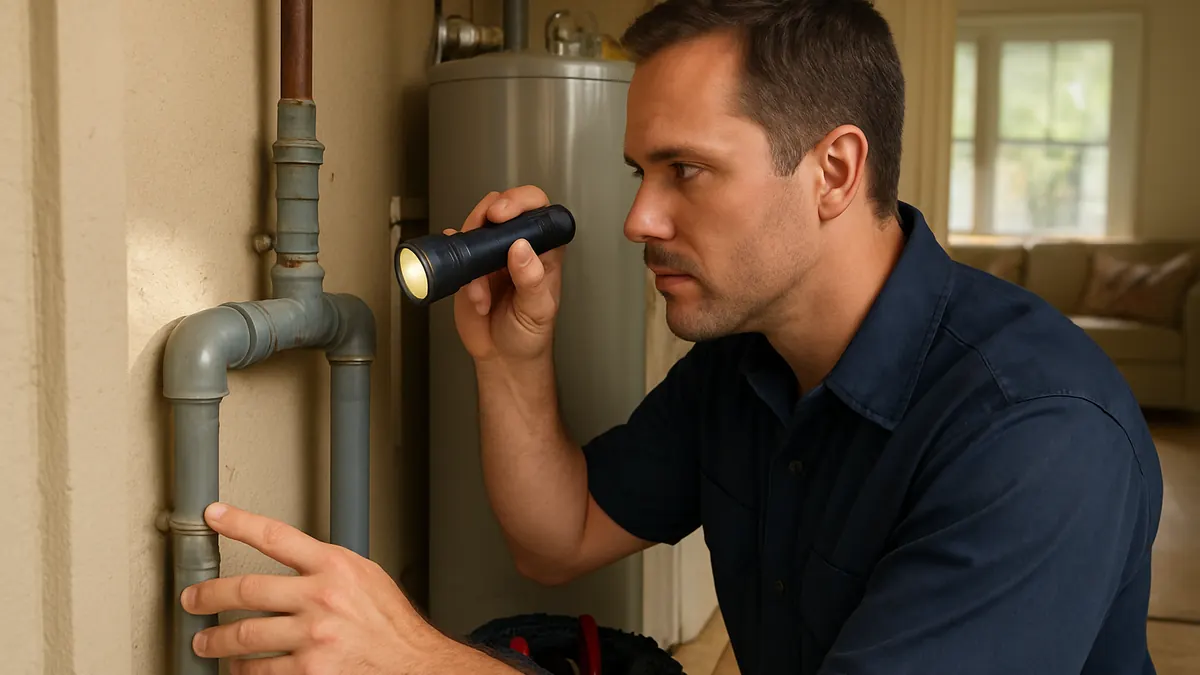
The most familiar PB tubing is flexible and gray, although it can also be blue-gray, black, or occasionally white. Color alone is not proof. Look for printed markings such as "PB," "PB2110," or a manufacturer's name. Printing may be faded, painted over, or turned toward the wall.
Fittings provide another clue. PB systems may have plastic or metal fittings held by copper-colored or aluminum crimp rings. A plumber confirms the material by considering the tubing, markings, fittings, rings, and installation method together.
Where You Can Look Safely
- Begin in accessible areas.
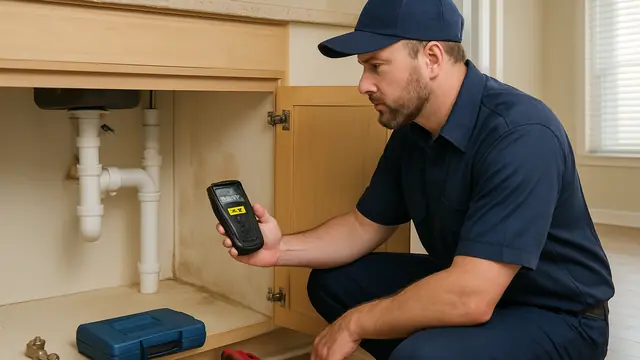
- Under sinks, follow the water line from the shutoff valve toward the wall. Do not confuse the short braided or vinyl faucet connector with the permanent pipe behind it.
- Behind toilets, look at the pipe supplying the fixture. Near the washing machine, inspect only what is visible without pulling the appliance or straining its hoses.
At the water heater, examine the exposed hot and cold lines. Copper or another material immediately beside the heater does not rule out PB elsewhere because transitions may have been installed.
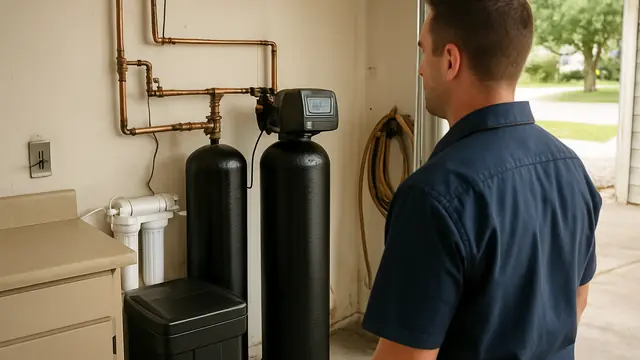
Unfinished garages, utility closets, crawlspaces, and safely accessible attic areas may expose longer runs. Never step between attic framing members. Check more than one location because a home may have been only partially repiped.
Why PB Can Be Difficult to Judge by Appearance
A PB pipe can look clean and dry while deterioration develops inside it. Age, chemical exposure, heat, installation stress, movement, poor crimping, and sharp bends can contribute to weakness.
Leaks may begin at a fitting, along the pipe wall, or at a stressed section. Some start as slow seepage; others release water more suddenly. There is no reliable visual countdown for a particular line, so identification should lead to an informed assessment rather than panic.
Safe Checks a Homeowner Can Perform
Photograph the exposed pipe, markings, fittings, and nearby surfaces. Include a close-up and a wider image showing location.
Look for dampness, yellow or brown staining, bubbling paint, swollen cabinet material, musty odors, corrosion, or dried mineral residue. These signs do not always prove a PB leak, but they justify investigation.
You can also check the water meter while every fixture and water-using appliance is off. Confirm that toilets, irrigation, ice makers, and automatic equipment are not operating. Continued meter movement can indicate a leak, although it does not identify the pipe material or leak location.
Know where the main shutoff is located. Do not force a valve that is corroded, damaged, or difficult to turn.
What You Should Not Attempt
- Do not cut out a sample, bend the tubing to find lettering, or aggressively scrape its surface. Aging plastic can crack when disturbed.
- Do not tighten crimp rings, add an unapproved clamp, glue a split, or treat tape as a permanent repair. A makeshift patch may fail and can hide ongoing water damage.
- Avoid opening walls or ceilings solely to identify the material. Controlled access should be planned after exposed piping and likely routes have been evaluated.
Signs That Make the Problem Urgent
Prompt service is warranted when you find active dripping, wet drywall, water beneath flooring, a growing ceiling stain, repeated leaks, or an unexplained pressure drop accompanied by moisture.
Keep people away from a sagging or bulging ceiling. Shut off the water if safe, and do not stand beneath the damaged area. Water near an electrical panel, outlet, light, or appliance also requires immediate caution. Do not touch wet electrical equipment.
Even without an active leak, identification becomes time-sensitive before a home sale, renovation, insurance review, or extended vacancy. Documentation helps prevent rushed decisions later.
How a Licensed Plumber Diagnoses It
A licensed plumber inspects several exposed locations, reads available markings, evaluates fittings, and traces the likely piping layout. They also look for transitions showing that only part of the home was repiped.
Moisture meters may help locate damp building materials. When leakage is suspected, the plumber may use appropriate pressure or leak-detection methods, chosen carefully so an aging system is not subjected to unnecessary stress.
The inspection should answer three practical questions: Is the material polybutylene? How much remains? Is there evidence of leakage, deterioration, or installation problems?
Repair Options From Least to Most Extensive
If inspection shows the pipe is not PB and no leak is present, no PB-specific work is needed.
For one accessible leak, a localized repair may stop the immediate water loss. This is the least invasive reasonable option, but it does not change the condition of PB elsewhere.
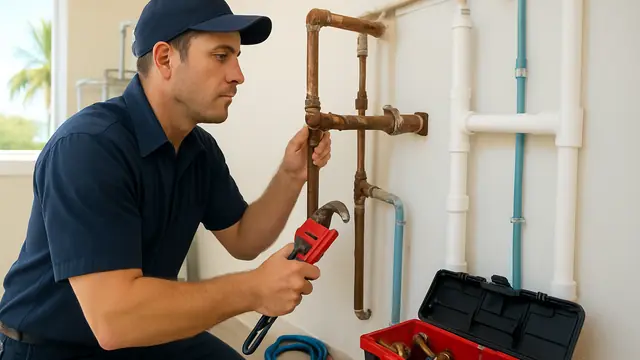
A partial repipe may be suitable when PB is confined to one branch, bathroom, addition, or accessible area. Approved transitions are used to connect replacement piping to material that remains.
A whole-home repipe is the most comprehensive option when PB is widespread, leaks have repeated, or the homeowner wants to reduce future uncertainty. The plan should explain routing, fixture connections, shutoffs, access openings, permitting when required, and responsibility for wall or ceiling repairs.
Factors That Affect Cost
- Cost depends on the amount of PB, number of fixtures, home layout, pipe accessibility, replacement material, and number of finish openings required.
- Mixed piping, cabinets, tile, occupied rooms, and restricted access can add labor. Emergency water mitigation and finish restoration may be separate from the plumbing scope.
- Ask for an estimate that identifies what will be replaced, what will remain, how transitions will be made, and who handles patching and painting.
Prevention and Maintenance Guidance
Keep the main shutoff accessible and make sure household members know where it is. Place leak alarms near the water heater, washing machine, under sinks, and in other vulnerable areas. A professionally selected automatic shutoff system may provide added protection during travel.
Inspect visible supply piping periodically for moisture, residue, corrosion, or new staining. Replace aging appliance hoses and fixture connectors when recommended, while remembering that these components are separate from concealed PB piping.
Once PB is confirmed, create a repair or replacement plan before repeated failures force emergency decisions.
Homeowner FAQs
Is every gray plastic pipe polybutylene?
No. Other piping and connectors can appear gray. Markings, fittings, installation style, and professional inspection are needed for confirmation.
Can a photograph confirm PB?
A clear photograph can provide a strong clue, especially when lettering and fittings are visible. An on-site inspection is more reliable for determining how much remains.
Does one PB leak mean the whole home must be repiped?
Not automatically. A localized repair may be reasonable, but the full system's age, extent, access, and leak history should guide the decision.
Can PB fail without visible warning?
Yes. Internal deterioration may not be visible from outside the pipe, which is why a dry appearance alone cannot establish long-term condition.
Should I shut off the water when leaving town?
For an extended absence, shutting off the main may reduce damage risk if the home's equipment permits it. A plumber can advise whether an automatic shutoff is more practical.
The Right Next Step for a Bid-A-Wee Homeowner
How to identify polybutylene plumbing in a Bid-A-Wee home begins with recognizing flexible gray supply tubing, finding "PB" or "PB2110" markings, and examining fittings without disturbing the pipe. The next step is confirmation. A licensed plumber can determine how much PB remains, check for leakage, and explain choices ranging from a targeted repair to a planned repipe.
About this guide: This resource provides general homeowner education, not a remote diagnosis. Actual conditions, code requirements, equipment, and safe repair options must be evaluated at the property.