Stop and call for qualified help when plumbing water is near electrical equipment, sewage is entering occupied space, gas or burning odors are present, or a repair would require opening pressurized piping.
Your guest calls because the kitchen sink will not drain, the dishwasher has left water in the bottom, and a toilet elsewhere is flushing slowly. In a Hammock Bay rental, that combination may point to a kitchen drain restriction, a shared drain issue, or a blockage that becomes obvious only when the home is occupied.
Ask the guest to stop using the kitchen sink and dishwasher. If wastewater appears in another fixture, limit water use throughout the home. For a small clean-water leak, close the nearest shutoff valve only if it operates normally. Keep guests away from standing water near electrical outlets, appliances, or cords.
Why Vacation Rentals Develop Plumbing Trouble Between Turnovers
Rental plumbing may sit lightly used and then handle several people at once. Showers, toilets, laundry, cooking, and dishwashing can place concentrated demand on drains, fixtures, and the water heater.
A cleaner may test each fixture briefly without recreating full occupancy. A partial clog, slow leak, or weakened component may not become obvious until a stay is underway.
The Most Common Plumbing Problems for Vacation Rentals in Hammock Bay
Kitchen Sink and Dishwasher Backups
Food particles, grease, coffee grounds, and soap residue can collect inside the kitchen drain. Because the sink and dishwasher often use related drainage, a restriction may cause the dishwasher to drain poorly or push water into the sink.
Standing water in the dishwasher does not always mean the appliance has failed. The drain hose, disposal connection, or building drain may be involved.
Garbage Disposal Jams and Leaks
A disposal can jam when hard or fibrous material enters it. Guests may hear humming without rotation or find the unit silent. Leakage may come from the sink flange, dishwasher connection, drain fitting, or disposal body.
Switch the unit off before looking into the opening. Never put a hand or utensil inside.
Toilet Clogs and Weak Flushing
Wipes, excess toilet paper, hygiene products, and foreign objects commonly cause stoppages. Weak flushing may also involve low tank water, a flapper that closes too soon, or a partial obstruction.
If the toilet gurgles when another fixture drains, the problem may be downstream rather than inside the bowl.
Shower and Tub Drain Restrictions
Hair and soap residue can narrow bathroom drains. Water may pool during a shower or take several minutes to disappear.
A single slow shower is often localized. Several slow fixtures, bubbling toilets, or water entering a tub after another drain is used suggest a larger blockage.
Running Toilets
A toilet that refills when nobody has used it is usually losing tank water into the bowl. A worn flapper, chain problem, damaged seal, or fill-valve adjustment may be responsible.
Water-Heater Problems Under Full Occupancy
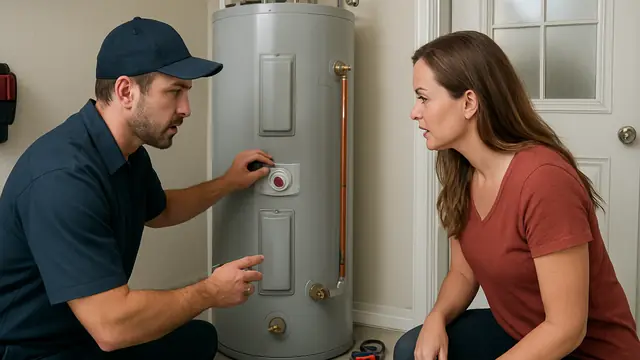
A full rental may consume hot water faster than the heater can recover. Unusually short hot-water duration may also mean a heating element, thermostat, burner, control, or other component is not working.
No hot water, erratic temperatures, repeated breaker trips, or moisture around the heater should be professionally evaluated.
Leaks at Appliances and Fixtures
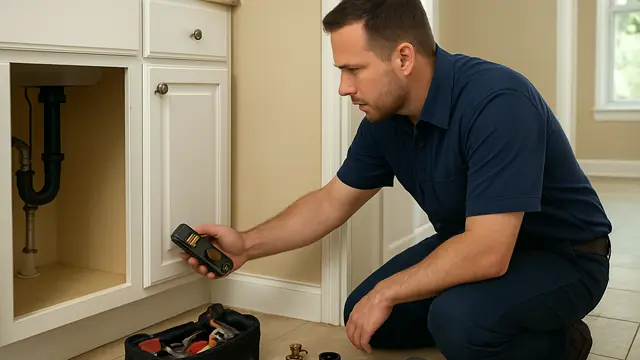
Dishwasher connections, washing-machine hoses, refrigerator lines, faucet supplies, and toilet connections can leak. Some leaks occur only during an appliance cycle, so the area may be dry later.
Safe Checks Before Calling a Plumber
Find out which fixtures were being used when the problem started. Ask whether water rose elsewhere or whether the issue occurs only during dishwasher or washing-machine operation.
For a sink leak, dry the cabinet and watch accessible connections while using little water. For a running toilet, check whether the flapper closes and whether water flows into the overflow tube.
Remove visible debris near a stopper or strainer. A simple toilet clog may be tested with a plunger only when no other fixture is backing up. Stop if the bowl rises or the clog returns.
Check a clearly labeled water-heater breaker once if the whole home lacks hot water. If it trips again, leave it off. Photograph stains, corrosion, and leakage.
What the Homeowner Should Not Attempt
- Do not pour multiple chemical drain cleaners into the system. They may not remove the obstruction and can remain in standing water.
- Do not disassemble a disposal, remove a toilet, open a water heater, alter gas controls, or cut into walls without proper training. Never cap a water-heater relief discharge.
- Do not force a stuck shutoff valve or restart an appliance that has leaked until the source is understood.
Urgent Signs That Require Prompt Service
Treat sewage entering a tub, shower, or floor drain as urgent. Other urgent conditions include an overflowing toilet that cannot be stopped, water near electrical equipment, a rapidly spreading appliance leak, or water passing through a ceiling.
Call promptly if several drains back up, the property has no usable toilet, or the water heater leaks from the tank. A sudden pressure drop with running-water sounds may indicate a significant leak.
If anyone smells gas, leave the property and contact the gas utility or emergency services from a safe location.
How a Licensed Plumber Diagnoses the Problem
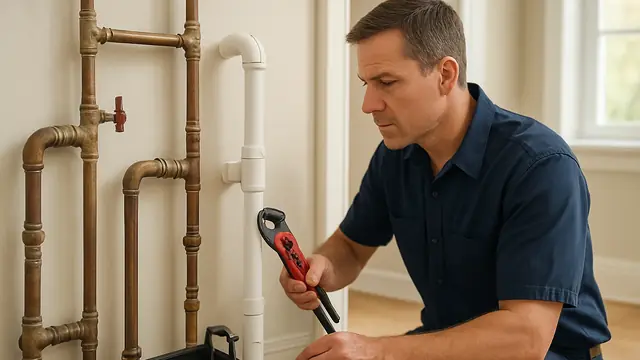
The plumber determines whether the issue involves the supply, fixture, appliance connection, or drainage system. A leak during appliance filling points toward supply-side components, while one during drainage points toward the hose or drain connection.
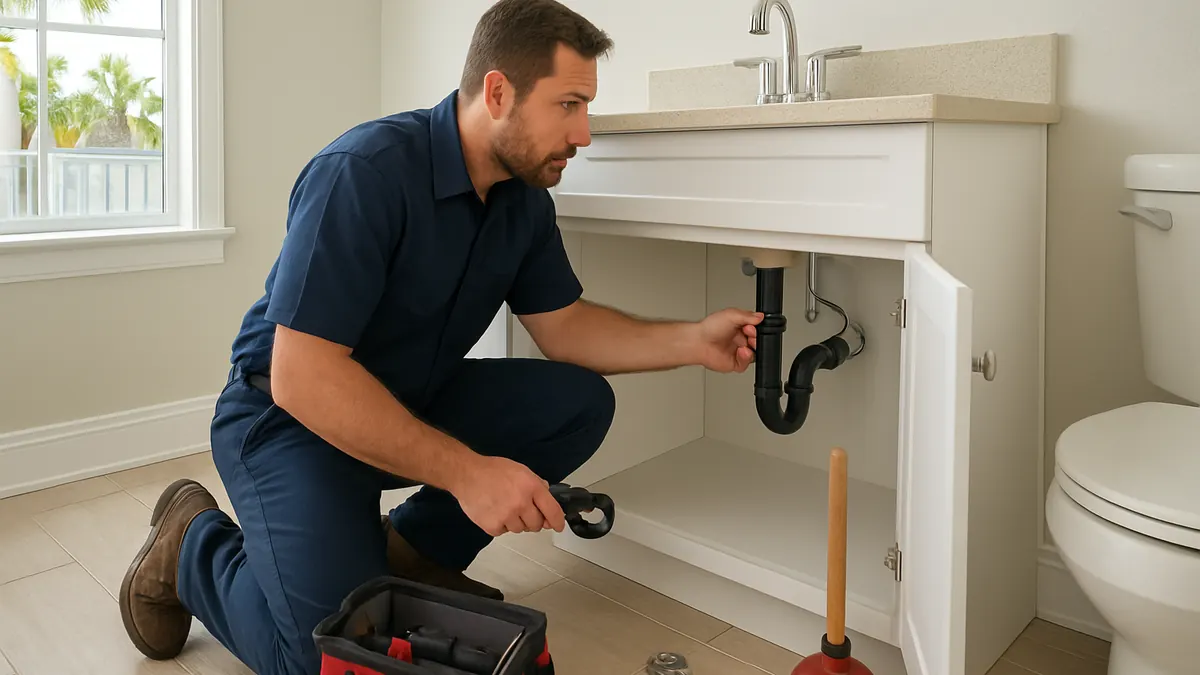
Drain diagnosis may involve removing a trap, using mechanical cleaning equipment, or performing a sewer-camera inspection. Toilets are checked for tank operation, bowl performance, clogs, and base leakage.
Water-heater diagnosis can include testing the energy supply, controls, heating components, safety devices, and tank. Hidden leaks may require moisture readings, pressure testing, meter observation, or fixture isolation.
Repair Options Starting With the Least Invasive
A plumber may begin by clearing a trap, removing a localized clog, adjusting a toilet chain, replacing a flapper, tightening an approved connection, or safely resetting a disposal.
The next step may involve replacing a fill valve, supply hose, appliance connection, shutoff valve, disposal, or water-heater component. A branch drain may need professional cleaning if several fixtures are affected.
Replacement becomes reasonable when a disposal body leaks, a fixture is cracked, a water-heater tank fails, or repeated repairs no longer provide dependable operation.
Typical Factors That Affect Cost
Cost depends on diagnostic time, accessibility, parts, labor, and specialized equipment. A visible dishwasher connection is easier to reach than piping behind cabinets or finished walls.
Recurring backups may require camera inspection. After-hours service, deteriorated valves, multiple affected fixtures, and water-damage restoration can add to the scope.
Prevention and Maintenance Guidance
Make kitchen and appliance checks part of every turnover. Run the sink, observe dishwasher drainage, check beneath the disposal, and inspect accessible supply connections.
Test toilets for proper flushing and make sure they stop refilling. Run showers long enough to identify slow drainage. Check hot-water performance before arrival.
Provide guest instructions about grease, food scraps, wipes, and disposal use. Label the main shutoff and key fixture valves. Arrange professional service when the same drain, toilet, or appliance connection causes repeated trouble.
Address Hammock Bay Rental Plumbing Problems Before the Next Stay
The most common plumbing problems for vacation rentals in Hammock Bay include kitchen and dishwasher backups, disposal failures, toilet clogs, slow showers, water-heater trouble, and appliance leaks. Stop using the affected fixture or appliance, contain clean water when safe, and schedule professional diagnosis before the problem returns during the next reservation.
About this guide: This resource provides general homeowner education, not a remote diagnosis. Actual conditions, code requirements, equipment, and safe repair options must be evaluated at the property.