Stop and call for qualified help when plumbing water is near electrical equipment, sewage is entering occupied space, gas or burning odors are present, or a repair would require opening pressurized piping.
A guest calls shortly after check-in and says the kitchen sink is slow, one toilet will not stop running, and the shower takes several minutes to empty. These may be separate problems, but several fixtures acting up together can mean the plumbing system is struggling under normal occupancy.
Stop using any fixture that is backing up, overflowing, or leaking. Close the local shutoff valve for a leaking toilet or faucet if it turns easily. If water keeps spreading or the source cannot be isolated, shut off the main water supply when safe. Ask guests not to run the dishwasher, washing machine, or additional showers until the problem is evaluated.
A rental may appear fine during a brief turnover and then fail when several guests shower, cook, flush toilets, and wash clothes within a short period.
What Are the Most Common Plumbing Problems for Vacation Rentals in Panama City?
Slow or Backed-Up Drains
Hair, soap residue, grease, food scraps, wipes, paper, and other debris can collect inside drain lines. One slow sink often points to a local clog. Several slow drains, a bubbling toilet, or water rising in a tub when another fixture runs may indicate a restriction in a shared branch or main drain.
A partial blockage may still allow water to pass during light use. That is why a drain can appear acceptable during turnover but fail after a full group arrives.
Running, Clogged, or Leaking Toilets
A toilet that continues running after a flush usually has a worn flapper, failing fill valve, incorrect tank level, or misadjusted float. These parts control how the tank empties and refills.
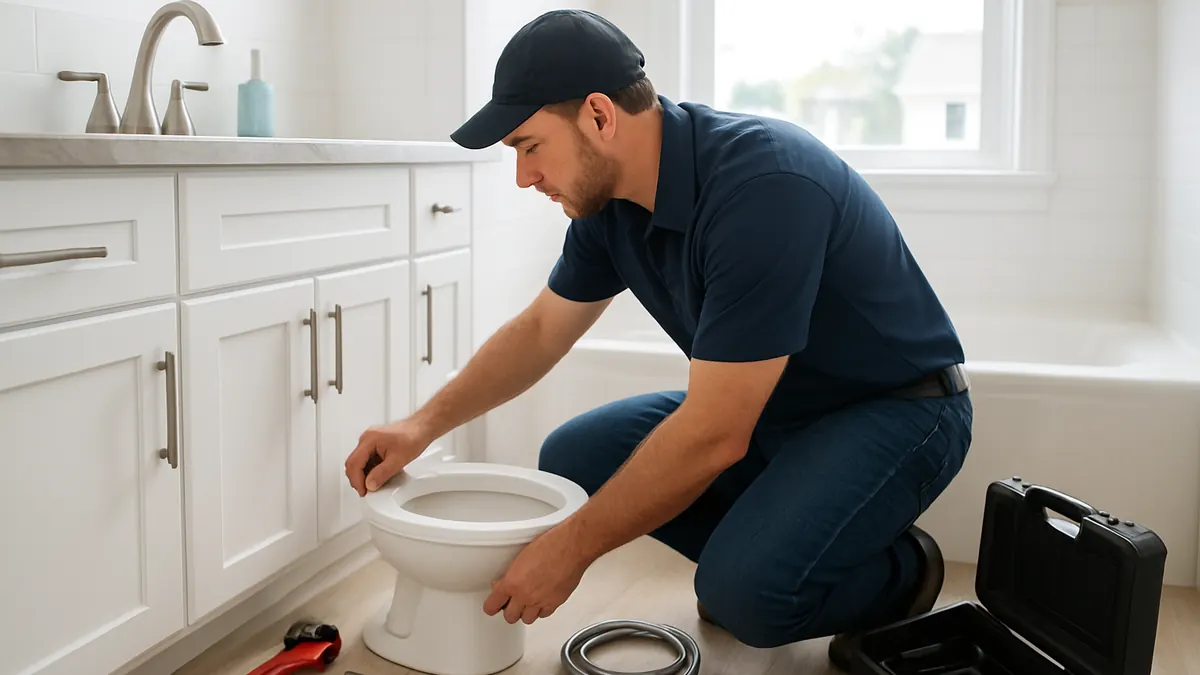
Repeated clogs may be caused by excessive toilet paper, wipes, hygiene products, or an object lodged inside the toilet. Water around the base may come from a loose supply line, tank bolt, failed base seal, condensation, or a cracked fixture.
Kitchen Sink and Garbage-Disposal Trouble
Guests may place grease, bones, shells, coffee grounds, fibrous vegetables, or leftovers into the disposal. The unit may jam, or waste may collect in the kitchen drain. A disposal that hums but does not rotate should be turned off to avoid motor damage.
Water-Heater Complaints
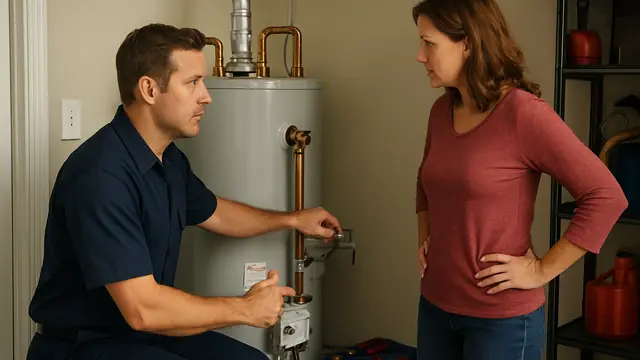
"No hot water" may mean the heater has lost power or gas service, a heating component has failed, or demand is exceeding the system's recovery rate. Inconsistent temperature can also come from thermostat, element, burner, or mixing-valve problems.
Water around the heater may come from a fitting, drain valve, relief valve, or the tank. A leaking connection may be repairable. Leakage from the tank body usually points toward replacement.
Faucet, Appliance, and Supply-Line Leaks
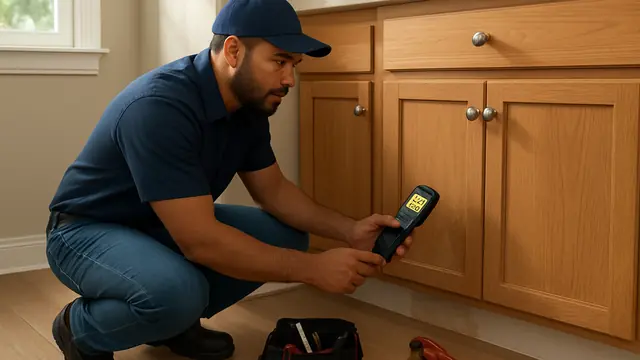
Common leak locations include shutoff valves, toilet connectors, appliance hoses, refrigerator lines, and faucet bodies. Look for swelling, stains, corrosion, peeling finishes, or musty odors.
Safe Checks the Owner or Manager Can Perform
Determine whether one fixture or several are affected and ask what was running when the symptom appeared. Inspect beneath sinks, around toilets, near the water heater, and behind accessible appliances. A dry paper towel around fittings can reveal small leaks.
For a running toilet, remove the tank lid and see whether the flapper closes completely. Do not force parts or bend the float arm. For a slow shower, remove only visible debris from an accessible strainer.
For an electrical water heater, confirm whether the breaker has tripped. One reset may be reasonable, but if the breaker trips again, leave it off and schedule service.
What the Homeowner Should Not Attempt
- Do not pour repeated chemical drain cleaners into a blockage. They may remain in standing water and create a hazard.
- Do not keep flushing a clogged toilet. If water rises, stop immediately. Do not use another fixture when water is coming up through a tub, shower, or floor drain.
- Avoid opening water-heater electrical panels, adjusting gas controls, or blocking a dripping temperature-and-pressure relief valve. That valve is a critical safety device.
- Do not overtighten old valves or plastic fittings. Excessive force can crack a component and turn a slow drip into an uncontrolled leak.
Signs That Make the Problem Urgent
Immediate service is appropriate when sewage enters the home, water flows through a ceiling, a supply line bursts, or no usable toilet remains. A leaking water-heater tank, burning smell, sparking, repeated breaker trips, or strong sewer odor with gurgling also requires prompt attention.
If water reaches electrical equipment or outlets, keep everyone away from the area. Shut off water only when it can be done without entering standing water.
How a Licensed Plumber Diagnoses the Problem
A plumber identifies the symptom sequence and tests fixtures to determine whether the problem is local, in a branch drain, or farther downstream.
Professional drain-cleaning equipment may be used through an appropriate access point. When clogs return, a sewer camera can help identify buildup, foreign objects, damaged piping, or another restriction that cannot be confirmed from the fixture alone.
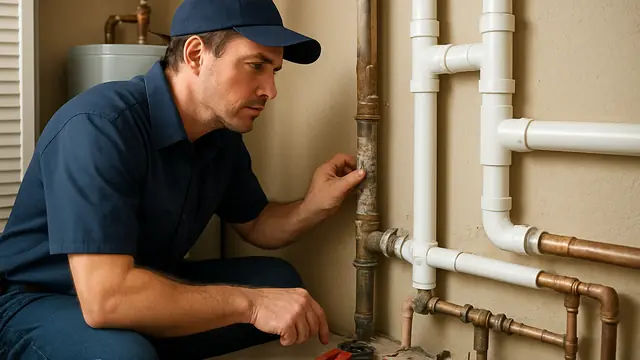
Leak diagnosis may include pressure testing, moisture detection, inspection of valves and connectors, and isolation of individual lines. Water-heater diagnosis can include testing utility supply, thermostats, heating elements, burners, controls, safety devices, and tank condition.
Repair Options Beginning With the Least Invasive
Simple repairs include replacing a flapper, fill valve, supply line, faucet cartridge, trap washer, or appliance connector. A local clog may be cleared without fixture removal.
A deeper blockage may require professional mechanical cleaning. If the problem returns, camera inspection may support a targeted repair rather than immediate replacement of an entire line.
Water-heater repairs can include replacing a thermostat, element, valve, burner component, or damaged connection. Replacement may be appropriate when the tank leaks or the equipment is no longer reliable.
Typical Factors That Affect Cost
Cost depends on location, access, equipment, blockage severity, pipe condition, and water damage. Fixture removal, camera work, wall access, cleanup, parts, and after-hours response can affect the total. Owners should ask what failed and why any larger repair is recommended.
Prevention and Maintenance Guidance
During every turnover, flush toilets, run faucets, verify hot water, watch drain speed, and inspect beneath cabinets and near appliance connections.
Provide written guest instructions. Explain that only toilet paper should be flushed and that grease, shells, bones, and fibrous foods should stay out of the disposal.
Use drain strainers and place wastebaskets in bathrooms. Label the main water shutoff and fixture valves. Make sure cleaners and property managers know where the valves are and who to call.
Record recurring complaints. Repeated trouble at the same fixture is useful diagnostic information.
Take the Next Appropriate Step
The most common plumbing problems for vacation rentals in Panama City are easier to manage when owners respond to the first warning signs. Stop using fixtures that are backing up, isolate active leaks when safe, and arrange professional diagnosis before the next guest cycle places more demand on the system.
About this guide: This resource provides general homeowner education, not a remote diagnosis. Actual conditions, code requirements, equipment, and safe repair options must be evaluated at the property.