Stop and call for qualified help when plumbing water is near electrical equipment, sewage is entering occupied space, gas or burning odors are present, or a repair would require opening pressurized piping.
You return to your Wright home after severe weather and notice changed water pressure, a damp cabinet, or a gurgling shower drain. Testing every fixture at once can worsen a hidden leak or sewer backup.
Begin with a visual inspection. Avoid standing water near electrical equipment. Close the main valve for an active leak only when safely accessible, and stop all water use if sewage is backing up.
This Northwest Florida hurricane plumbing checklist in Wright covers preparation, post-storm inspection, unsafe actions, diagnosis, and repair choices.
Before the Storm, Identify the Plumbing Systems That Must Keep Working
- Locate the main shutoff, meter, water heater, fixture valves, cleanout, and plumbing equipment.
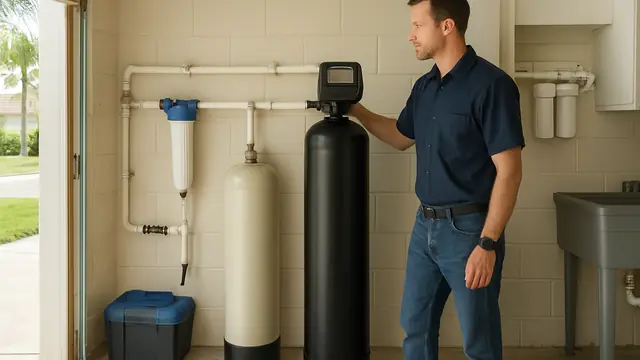
- Identify power-dependent plumbing equipment. Gravity drains may continue working during an outage, while pumps and some treatment systems may stop.
- Store emergency water according to current public guidance and separate drinking water from water intended for cleaning.
- Do not wait until evacuation time to test a questionable valve. A corroded or leaking main shutoff should be evaluated while normal service and safe access are available.
Common Plumbing Symptoms Before or After a Hurricane
Changed Water Pressure
Low pressure throughout the home may involve service, a valve, regulator, filter, pump, line, or leak. One weak faucet suggests a local issue.
Unexplained Meter Movement
Meter movement with known uses off may indicate a leak, although toilets and automatic equipment must be ruled out.
Gurgling and Cross-Fixture Backups
Water rising in a shower when another fixture drains may indicate a main drainage restriction.
Moisture Around Fixtures or Equipment
Water beneath a sink, behind a toilet, around the washing machine, or near the water heater can come from a connector, valve, fitting, drain, or damaged pipe.
Exterior Plumbing Damage
Debris can damage hose bibs, exposed piping, cleanout caps, irrigation components, and visible connections.
Safe Pre-Storm Checks for Wright Homeowners
- Inspect appliance and fixture connectors for cracks, bulges, corrosion, or moisture.
- Flush each toilet and confirm that it stops running. Run water briefly through each drain. Note slow flow, odor, gurgling, or water appearing in another fixture.
- Inspect the water-heater pan and connections without removing panels or touching energy components.
- Clear access to the main valve and fixture shutoffs. Label them when helpful, but do not operate a valve that appears unstable.
- Disconnect outdoor hoses and secure objects that could strike exposed plumbing.
Safe Steps When Returning After the Storm
- Enter only when the property is safe. Look for ceiling stains, bulging drywall, wet floors, sewage, or damaged exterior piping.
- Listen for running water before opening fixtures. If no damage is visible, test one cold-water faucet first.
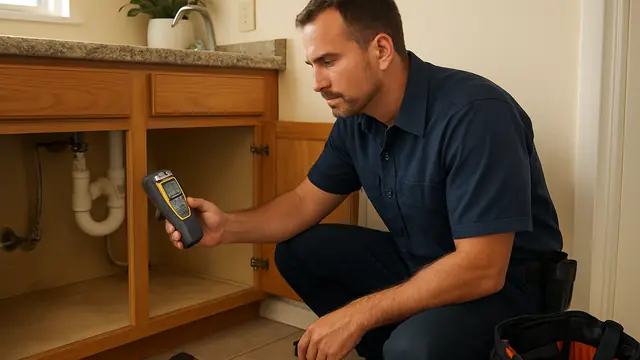
- Observe the meter with fixtures off and check equipment connections safely.
- Follow official water and sewer notices; appearance, odor, or taste cannot confirm safety.
What Homeowners Should Not Attempt
- Do not walk through standing water to reach a valve, breaker, water heater, pump, or appliance.
- Do not climb onto a roof or enter a damaged crawlspace to search for plumbing damage.
- Do not remove a sewer cleanout cap during a backup. Wastewater may discharge under pressure.
- Avoid chemical drain cleaners. They cannot repair structural damage and may remain in backed-up water.
- Do not repeatedly reset breakers or restart equipment that may have been flooded.
- Never force a shutoff or alter a relief valve, backflow device, gas connection, or electrical control.
Signs That Make the Plumbing Problem Urgent
- Sewage entering the home requires immediate cessation of water use. Keep occupants and pets away from the contaminated area.
- Water near electrical equipment is dangerous. Leave the area rather than attempting to reach the source through standing water.
- A split pipe, water flowing through a ceiling, rapid meter movement, sudden major pressure loss, or a sagging ceiling also requires prompt action.
- Sewer-gas odor, service-line damage, or unexplained discoloration also deserves prompt guidance.
- Call emergency services when flooding, electrical hazards, structural instability, or downed power lines create an immediate threat.
How a Licensed Plumber Diagnoses Storm-Related Trouble
The plumber reviews the timing, affected fixtures, service interruptions, and storm exposure.
For low pressure or leakage, diagnosis may include service confirmation, meter and pressure testing, fixture isolation, valve inspection, and specialized detection tools.
For drainage symptoms, the plumber identifies the lowest affected fixture and distinguishes a local clog from a branch or main-line restriction. Cable cleaning, suitable hydro jetting, or a camera may be used.
Water-heater diagnosis includes the tank, connectors, valves, pan, venting, controls, and energy supply.
Repair Options Beginning With the Least Invasive
A low-flow faucet may need aerator cleaning or a local valve repair. A running toilet may need a flapper or fill valve. A leaking appliance connector or fixture supply can often be replaced individually.
A local drain clog may respond to professional cleaning. If the blockage returns, a camera may identify roots, a damaged joint, a foreign object, or a low section.
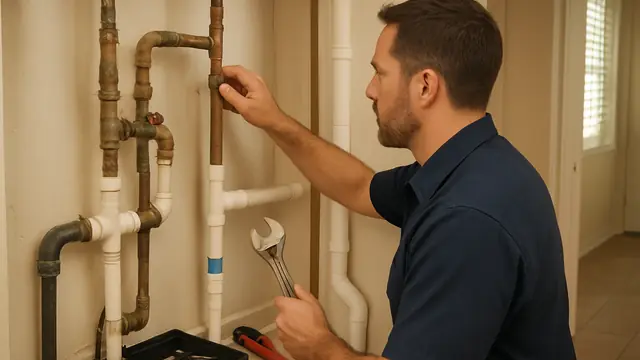
One failed pipe segment may be repaired when surrounding piping remains dependable. Extensive replacement is considered for widespread or recurring failure.
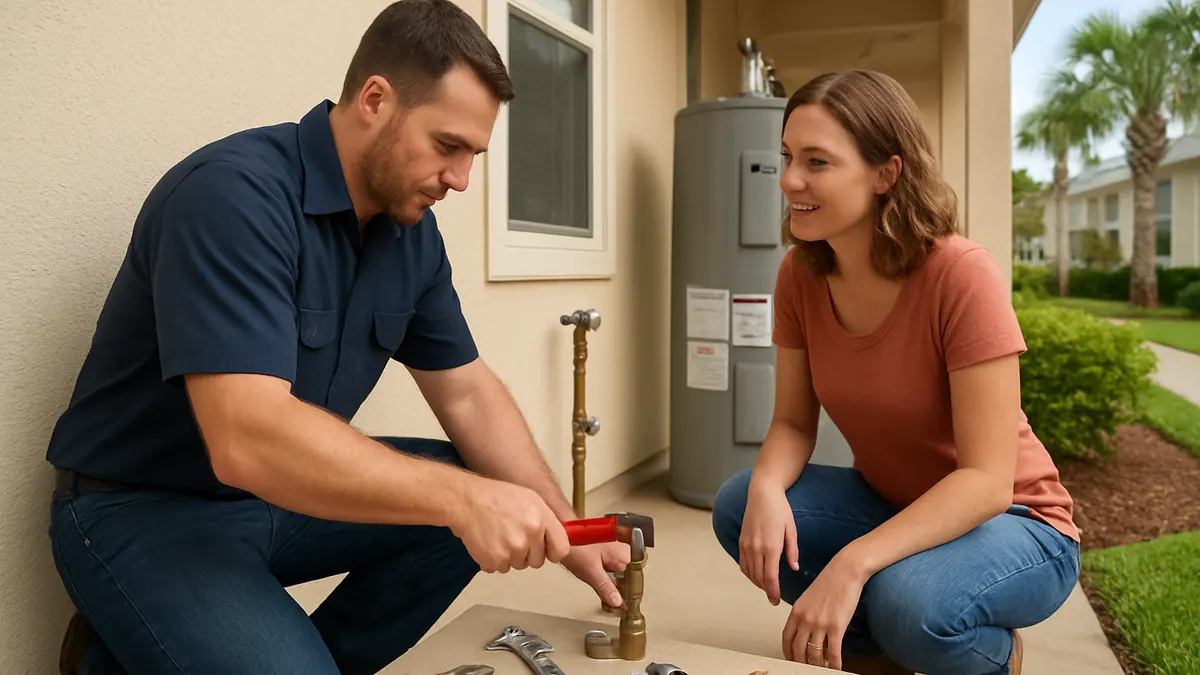
A water-heater connector, valve, or approved serviceable component may be repaired. Replacement is appropriate when the tank leaks, corrosion is severe, or storm damage makes repair unsafe.
A failed main shutoff, regulator, hose bib, or exterior pipe section can often be replaced without repiping the entire home.
Typical Factors That Affect Repair Cost
- Cost depends on the failure, access, pipe material, diagnosis, equipment, permits, safety precautions, and restoration.
- A visible connector replacement is less complex than locating a concealed leak. Clearing a branch drain differs from excavating a buried line beneath a finished surface.
- Post-storm debris, power, and safe access can affect the work.
- The estimate should explain the diagnosis, recommended repair, alternatives, and any work excluded from the scope.
Prevention and Maintenance for Future Hurricanes
- Repair chronic pressure problems, running toilets, recurring clogs, leaking connectors, and unreliable shutoffs before storm season. Replace flexible lines that show deterioration.
- Keep equipment accessible and maintain service records and location photographs.
- After any major storm, perform a careful visual inspection before resuming full water use. Watch the meter, listen for leaks, test drains gradually, and follow official notices.
- Schedule professional evaluation when symptoms change, even if the system still appears usable.
Wright Homeowner FAQs
Should I Test Every Faucet Immediately After Returning?
No. Inspect first and test gradually. Operating many fixtures can worsen an unseen drain backup or supply leak.
Why Is the Water Pressure Low After a Storm?
Possible causes include a broader service issue, a valve, filter, regulator, pump, service line, or leak. Check official information before assuming the problem is inside the home.
Can I Use Clear Water During a Boil-Water Notice?
Use water only as directed by the notice. Clear appearance does not override official safety instructions.
What Does Water Rising in the Shower Mean?
If it happens when another fixture drains, a branch or main drain may be restricted. Stop using water and arrange diagnosis.
Should a Flooded Water Heater Be Restarted?
No. Do not energize or relight equipment that may have been flooded until it receives an appropriate safety evaluation.
Is a Sewer Camera Always Needed?
No. It is most useful for recurring blockages, suspected pipe damage, or locating a defect that cannot be confirmed through simpler diagnosis.
Follow the Wright Hurricane Plumbing Checklist in the Right Order
A Northwest Florida hurricane plumbing checklist in Wright begins before the storm with accessible shutoffs, sound connectors, working drains, and knowledge of power-dependent equipment. After the storm, inspect before testing, follow official water instructions, and avoid standing water, open cleanouts, chemical cleaners, forced valves, and flooded equipment. Prompt diagnosis can often preserve smaller repair options and prevent additional damage.
About this guide: This resource provides general homeowner education, not a remote diagnosis. Actual conditions, code requirements, equipment, and safe repair options must be evaluated at the property.