Camp Creek households do a lot of everyday drinking, cooking, bathing, and laundry with the water that comes out of the tap. When the water is off, it usually does not announce itself with one dramatic event. It shows up in small, repeatable signs: glassware that never looks truly clean, showerheads that build up scale, and laundry that feels like it never got fully rinsed.
This guide breaks down the most common water quality symptoms homeowners notice in Camp Creek, FL, what they often mean, and how water softening and water filtration solutions can help. If you are searching for water treatment near me, clean water systems near me, or water softener service near me, start with the clues your home is already giving you.
Why Camp Creek water can feel harder on your home and your family
Most water softening needs begin with hardness minerals, usually calcium and magnesium. When they are high, they do not just affect taste. They also react with soap, leave deposits on surfaces, and reduce the efficiency of appliances that use hot water. In a warm, coastal region like Walton County, seasonal changes and household water use patterns can make symptoms more noticeable, especially after periods of heavy irrigation or when water demand shifts across the area.
Homeowners often first notice hardness during kitchen routines and bathroom time. A glass that looks fine after washing may still show hard water spots once it dries. A shower that should feel slippery and clean may start to feel rough. Over time, scale buildup around faucets, showerheads, and plumbing can become a maintenance headache and can shorten the life of water-using equipment.
Small water quality symptoms in Camp Creek that are easy to ignore
Here are the most common “quiet” signs that your water may need hard water treatment and possibly additional filtration. Any one sign can have other causes, but patterns usually point back to hardness, sediment, or taste and odor issues.
Hard water spots on glass, dishes, and fixtures
If you see hard water spots on dishes, cloudy film on drinking glasses, or dull spots on chrome and brushed nickel, you are likely dealing with mineral content that is not being controlled. Even when dishes look clean, the residue can remain and show up as streaks after the final rinse.
Look closely at frequently used areas like sink aerators, faucet handles, and the shower valve trim. Hard water spots on glass and fixtures often go hand-in-hand with scale buildup on faucets and showerheads.
Scale buildup around faucets, showerheads, and plumbing
Scale buildup on faucets is not just cosmetic. Deposits inside plumbing restrict flow and can reduce how efficiently water heats and circulates. Showerheads may start to spray unevenly. You may also notice that cleaning mineral residue takes more effort than it used to.
In homes where the water heater runs longer to reach the same comfort level, scale inside tanks and lines can be one contributing factor. If you are also planning a water heater upgrade, it helps to address water hardness so the system lasts longer.
For related guidance, read A Practical Guide to Water Heater Replacement in Camp Creek, FL and the Plumbing Problems That Shorten System Life.
Dry skin or dull hair after bathing
Hard water changes how soap works. Instead of lathering fully and rinsing cleanly, soap can combine with minerals and leave residue. That residue can contribute to dry skin, a tight feeling after showering, and dull hair that does not look as vibrant as it should.
Many Camp Creek families first notice this during the weeks when they switch shampoos or body wash and still do not feel a difference. If your water is the same, the chemistry may be the issue, not the product.
Soap that does not lather or rinse well
Pay attention to how soap behaves. If it takes more product to get the same results, or if towels feel slightly coated after laundry, the water may be hard. You might also see scum rings around sinks and tubs that return quickly.
This is a practical reason homeowners choose an AO Smith water softener or another proven water softening system. Softened water helps soap and detergents work the way they were designed to work.
Metallic, chlorinated, or unpleasant taste
Some taste and odor concerns are related to water chemistry, treatment, or the presence of trace contaminants. Metallic tasting water can also be a clue that your home’s plumbing is interacting with the water, especially when sediment is present.
Even if the taste is subtle, it can show up in cooking water and drinking water. It is common for families to reach for bottled water for drinking, then notice the flavor carries into coffee, tea, and recipes made with tap water.
Cloudy ice cubes
Cloudy ice cubes are one of the clearest “at a glance” signs something may be affecting water clarity. If your ice looks cloudy or milky compared to what you remember, it can indicate fine sediment or air and mineral content that is not being filtered out.
Cloudy ice cubes can also correlate with visible sediment or discoloration concerns in the glass, especially during certain times of the day or after water has sat in pipes.
Poor tasting coffee and cooking water
If your coffee tastes flat or harsh, or your soups and rice seem to cook differently than expected, water quality may be affecting extraction and flavor. Poor tasting coffee water is a common complaint when hardness and sediment are present.
For many homeowners, improving water quality for the kitchen is a priority. A combination approach can help, such as a whole home water filtration system to reduce sediment and a targeted drinking water filter, depending on test results.
Visible sediment, discoloration, and odor concerns
Visible sediment in household water, discoloration in a glass, or an odor that seems to come and go can point to issues beyond hardness. Sediment can be trapped in fixtures and lines, contributing to taste issues and accelerating wear in appliances.
If you see discoloration or sediment, it is smart to get your water tested rather than guessing. The right solution depends on what is actually present.
Appliances wearing out faster
Dishwashers, water heaters, and other water-using appliances can wear faster when scale buildup on internal components is constant. Homeowners often notice that heaters need attention sooner, or that the dishwasher does not clean as effectively even after maintenance.
When hard water treatment becomes part of protecting fixtures and appliances, you usually see fewer scale problems and better performance over time.
How water softening works, and what it does not do
Water softening primarily addresses hardness minerals. A water softener uses a process that replaces calcium and magnesium with sodium or potassium ions. The result is softened water that helps reduce scale buildup on faucets, showerheads, and plumbing surfaces.
Softened water can improve bathing comfort, make laundry feel cleaner, and help dishes and glassware dry without the stubborn mineral film that shows up as hard water spots on glass and dishes.
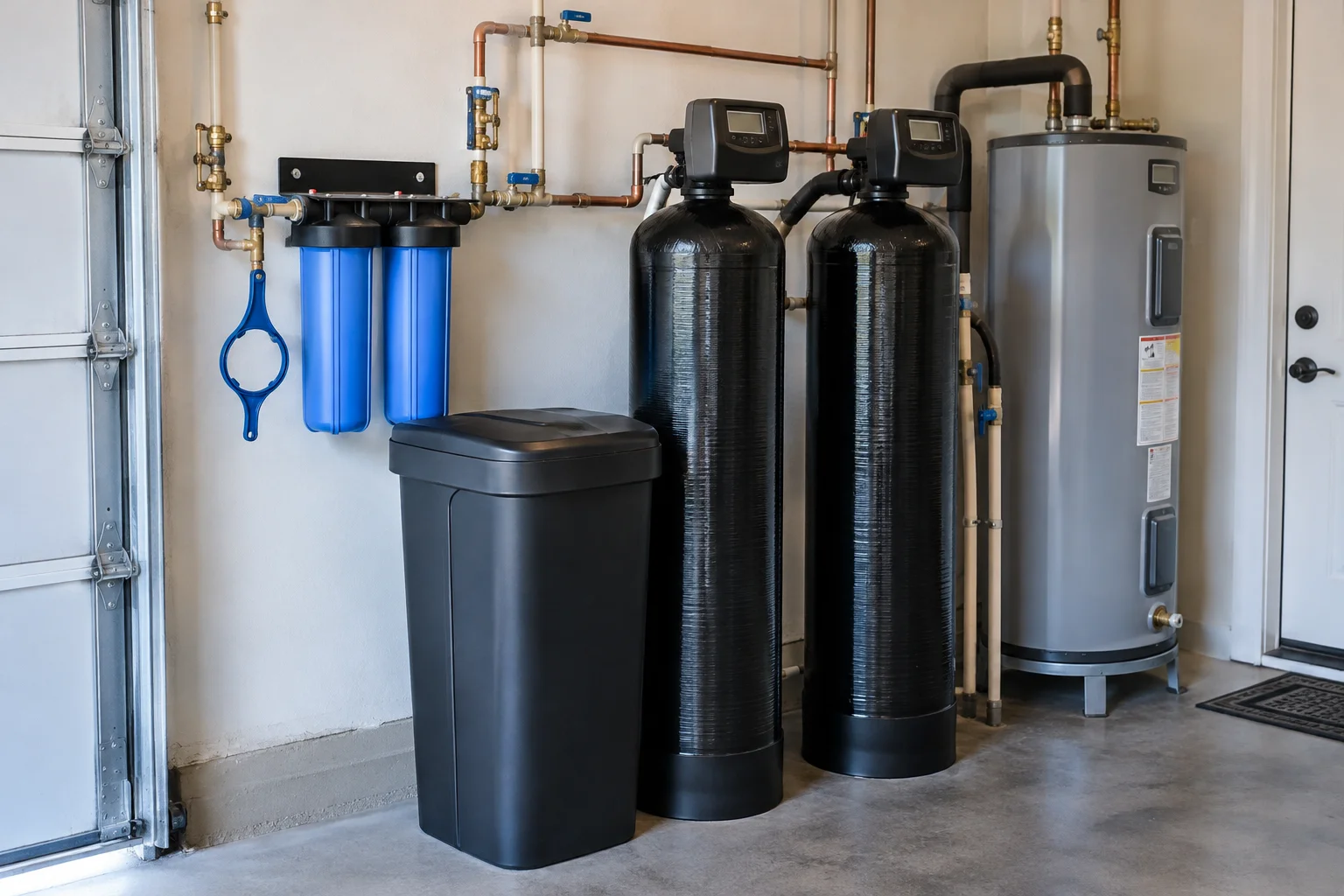
However, softening is not the same as filtration. If your symptoms include sediment, cloudy ice cubes, or unpleasant taste and odor, you may also benefit from water filtration. Many Camp Creek homes do best with a layered approach: water softening for hardness plus filtration for sediment and taste and odor concerns.
Where reverse osmosis and whole home filtration fit in Camp Creek homes
Homeowners often ask whether they should install a reverse osmosis system, a whole house water filter, or both. The best answer depends on the specific symptoms and the results of a water test.
Whole home water filtration for cleaner water throughout the house
Whole home water filtration systems are designed to reduce sediment and other particles before water reaches faucets, showers, appliances, and water heaters. This can help with visible sediment, discoloration, and odor concerns that show up in multiple rooms.
Whole home water filter systems are also a strong foundation for many clean water systems near me searches because they treat water before it becomes a problem in your plumbing and appliances.
Reverse osmosis for drinking water and kitchen use
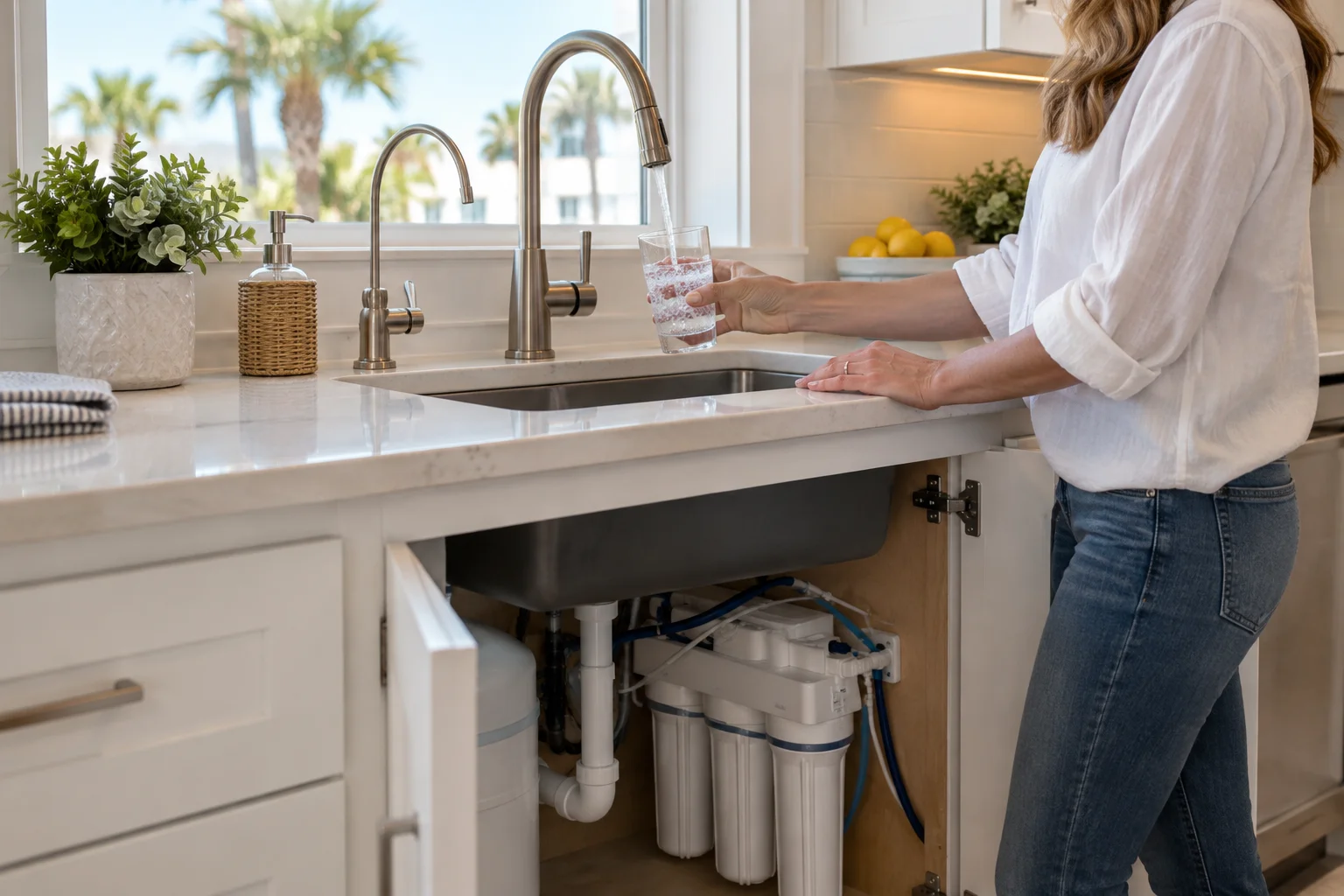
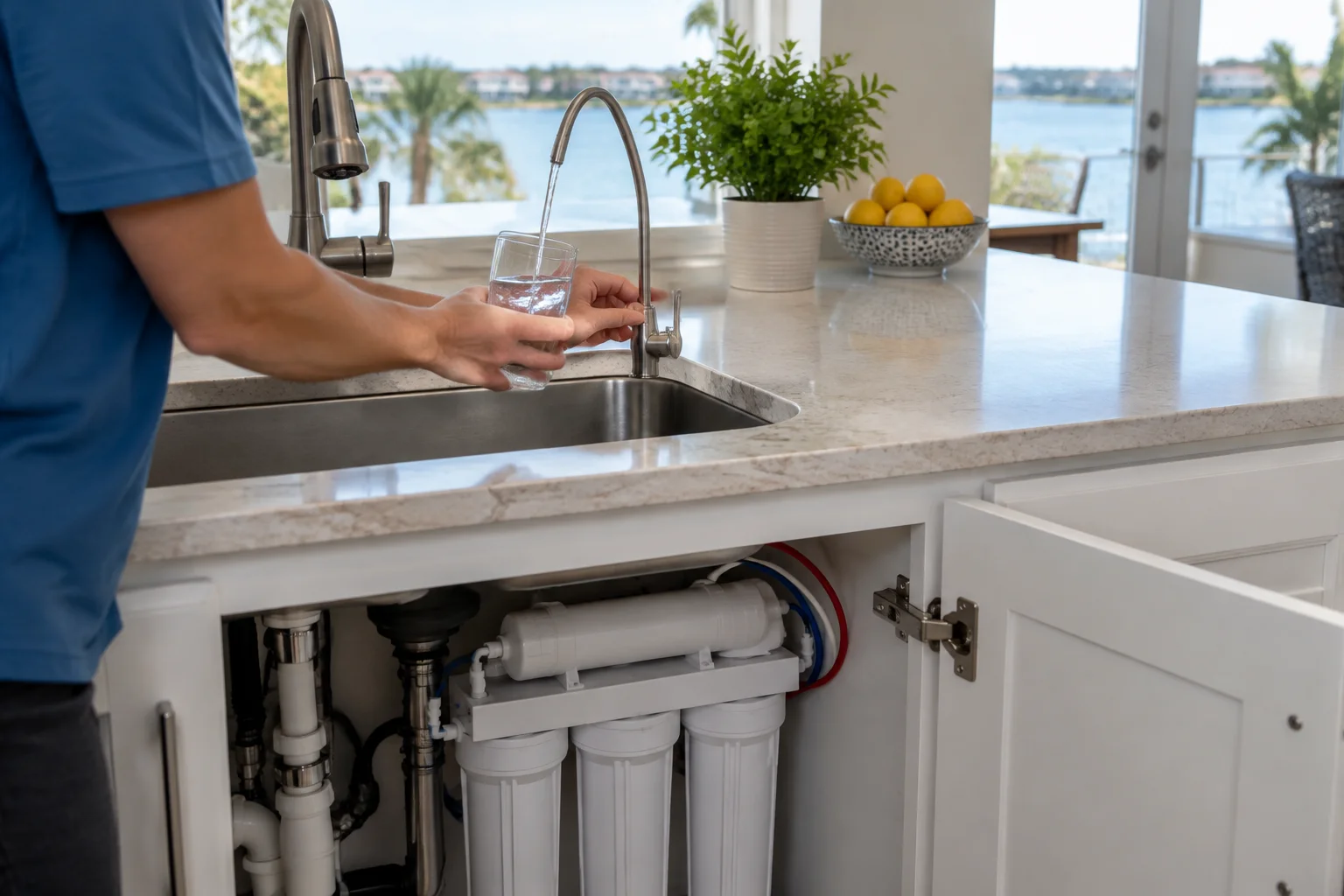
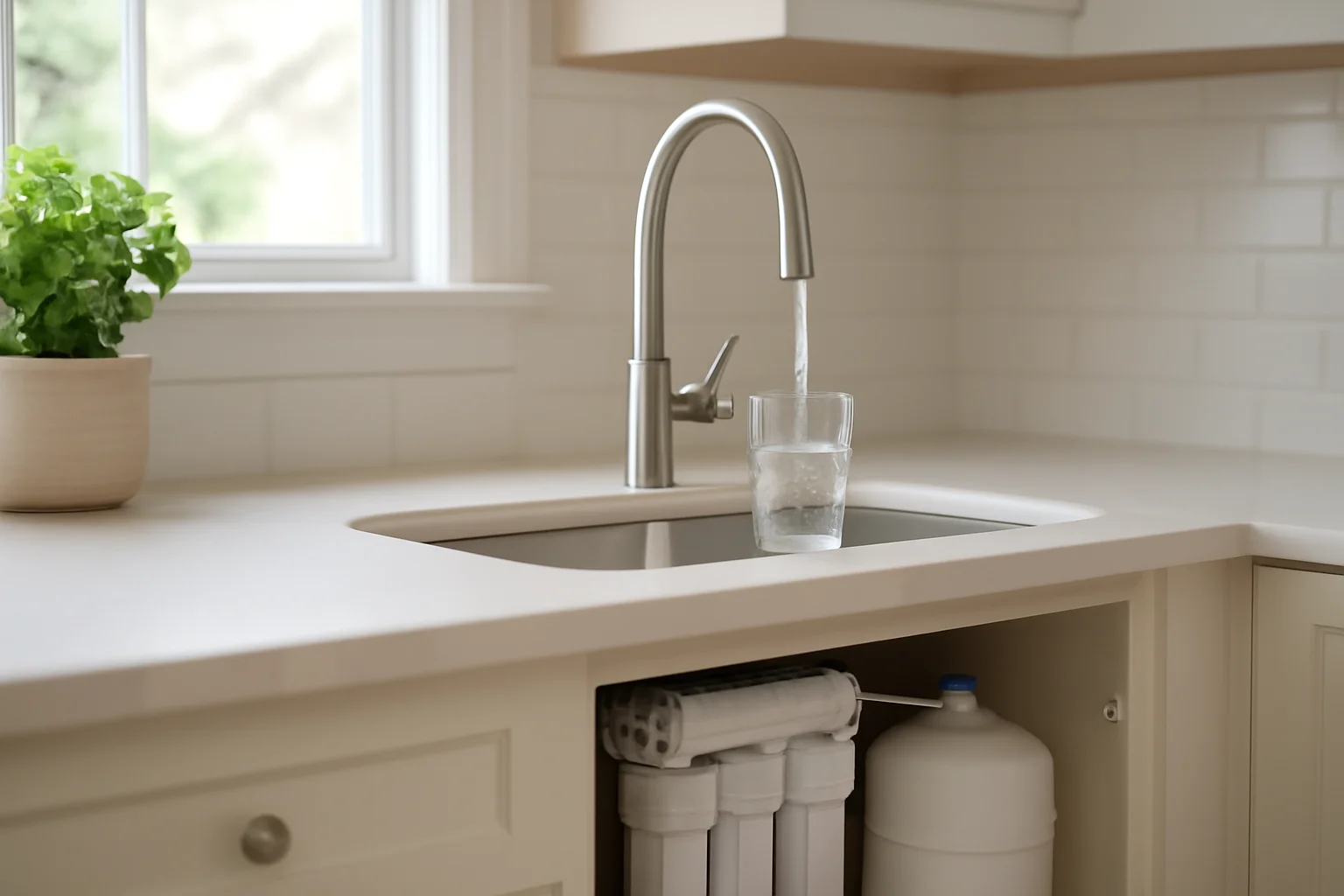
Reverse osmosis (RO) systems focus on improving drinking water quality at the point where you need it most. If your family notices poor tasting coffee and cooking water, cloudiness in ice, or concerns about drinking water taste and odor, reverse osmosis installation near Camp Creek can be a practical solution.
Some households pair RO for drinking water with whole home filtration and a water softener for the rest of the home. That combination can reduce hardness scale while also improving the taste and clarity of water you drink and cook with daily.
When AO Smith water filtration is a smart match
AO Smith is a well-known name in water treatment equipment, including water softeners and filtration systems. Many homeowners like AO Smith water filtration options because they are designed for whole-home performance and consistent results.
If you are comparing systems and searching for water treatment near me, it is helpful to ask a local specialist how AO Smith water filtration or an AO Smith water softener may work with the specific symptoms in your home. A good recommendation should connect your household signs to the appropriate technology.
Real kitchen and bathroom examples that help you spot the pattern
Water treatment issues are easier to diagnose when you connect them to routines. Here are a few common Camp Creek scenarios.
Family dinners: the “same recipe, different taste” moment
It starts subtly. A family recipe tastes slightly off. Coffee tastes harsher. Tea does not taste as smooth. You might notice that ice cubes look cloudy. That is a clue that drinking water and cooking water may need improved filtration, not just softened water.
If you are searching for reverse osmosis installation near me, this kitchen pattern is a strong reason to consider RO for drinking water, while also addressing hardness and sediment for the rest of the home.
Morning showers: the “scrub and still feels rough” problem
After shampooing and rinsing, hair feels dull and harder to manage. Skin feels dry even with lotion. Soap does not lather well. That combination often points to hardness interfering with soap performance and leaving residue.
In these cases, water softening can make a noticeable difference in daily comfort because it helps soap work the way it should.
Laundry day: towels that never feel fully clean
If towels feel stiff, laundry does not smell as fresh, or you see residue that seems to return quickly, you may be dealing with mineral buildup and soap interaction. Softened water often improves how detergents rinse, which can help laundry feel softer and look cleaner.
If you are also dealing with sediment, pairing whole home filtration with water softening can be especially helpful.
Prevention and maintenance tips for Camp Creek homeowners
Even with the right system, maintenance matters. These steps help protect your investment and keep water quality consistent.
Watch your fixtures and glassware for early changes
If scale buildup on faucets starts to reappear, or if hard water spots on glass return after a period of improvement, it can indicate the system needs adjustment or service.
Keep an eye on soap performance
If you suddenly need more detergent or soap stops lathering well, that is often a sign hardness control is not working as expected.
Test water periodically
Household water needs can change. Testing helps confirm whether you are still getting the expected results from your water softener or filtration system.
Address sediment and odor concerns separately
Hardness treatment does not automatically fix sediment and odor issues. If you have cloudy ice cubes, metallic tasting water, or visible discoloration, filtration and possibly RO may be the better fit.
Choosing the right solution in Camp Creek, FL
Camp Creek homeowners usually benefit from a clear, symptom-based plan:
- For hard water scale and soap performance issues, start with water softening, often an AO Smith water softener.
- For sediment, cloudiness, and odor across the home, consider whole home water filtration.
- For drinking water and kitchen taste, consider reverse osmosis installation near Camp Creek, especially when coffee and ice quality are affected.
- For mixed symptoms, many homes use a combination approach so each issue is addressed where it shows up most.
If you are comparing options and want a local recommendation, you can explore our service page for targeted help with water softening in Camp Creek, FL. For broader system options, visit our water filtration and RO and water softener resources. You can also view service coverage details on the Camp Creek page and learn more about service across Walton County.
Why local water treatment service matters in Walton County
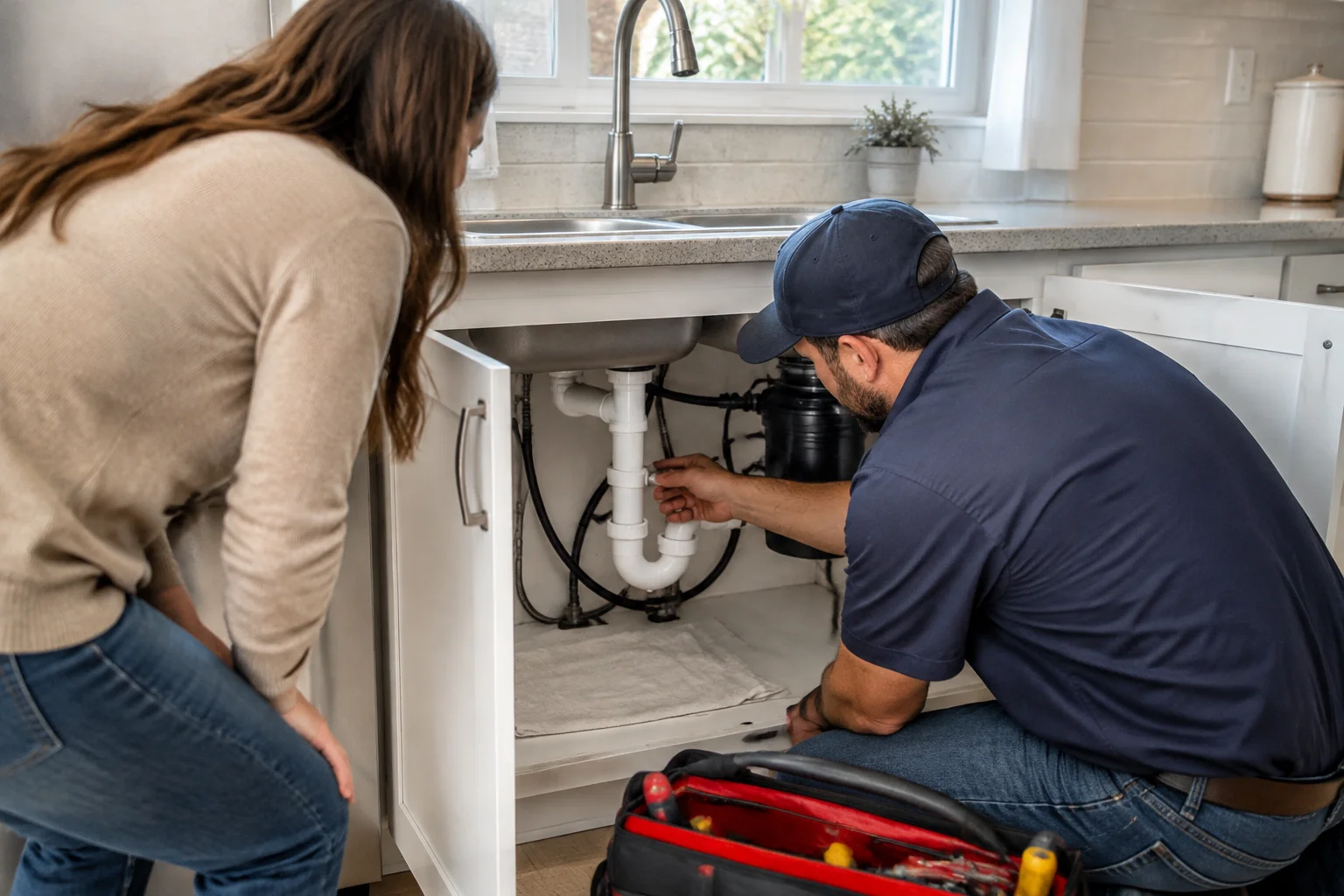
Water treatment is not one-size-fits-all. Camp Creek homes can have different plumbing layouts, water usage patterns, and existing fixture conditions. A local provider can also help you understand how your system should be sized for your household and how to maintain it so it continues to control hardness and protect your plumbing.
When you address water quality early, you can reduce the chances of scale buildup on faucets and showerheads, protect appliances from premature wear, and improve the day-to-day comfort your family feels at the sink and in the shower.
If you are planning a broader plumbing refresh, these reads connect water treatment to overall plumbing performance: How Better Plumbing Management Protects Camp Creek Homes and What Camp Creek Homeowners Often Miss During Plumbing Installation.
Find Water Softening in Camp Creek, FL
If you need Water Softening in Camp Creek, FL, visit our local service page or contact A Superior Mechanical today.
For a broader look at whole-home water filtration, reverse osmosis, and water softener options, visit our water filtration, RO, and water softener page.
Map of Camp Creek, FL
Frequently Asked Questions
What are the earliest signs that my Camp Creek home needs water softening?
Common early signs include hard water spots on glass and dishes, scale buildup on faucets and showerheads, soap that does not lather or rinse well, and dry skin or dull hair after bathing. If these symptoms show up repeatedly, water softening is often the right first step.
Will a water softener fix cloudy ice cubes or metallic tasting water?
A water softener mainly targets hardness minerals. Cloudy ice cubes and metallic or unpleasant taste can point to sediment, taste and odor issues, or other water quality factors. Many homes improve results by combining water softening with whole home water filtration or reverse osmosis for drinking water.
Do I need reverse osmosis if I already have a whole home water filter?
Not always. Whole home water filtration can reduce sediment and improve water quality for bathing and appliances. Reverse osmosis installation is often chosen for kitchen drinking water when taste, odor, or clarity concerns are most noticeable at the tap used for drinking and cooking.
How do I choose between an AO Smith water softener and other water filtration options?
Start with your symptoms and, ideally, a water test. If your main issue is scale buildup on plumbing and poor soap performance, an AO Smith water softener can be a strong fit. If taste, odor, and sediment are prominent, whole home water filtration and possibly AO Smith water filtration or RO may be needed alongside softening.
Related Articles
- How Better Water Softening Changes Daily Life in Camp Creek Homes
- A Practical Guide to Water Heater Replacement in Camp Creek, FL and the Plumbing Problems That Shorten System Life
- How Better Plumbing Management Protects Camp Creek Homes
- What Camp Creek Homeowners Often Miss During Plumbing Installation
Photo Gallery