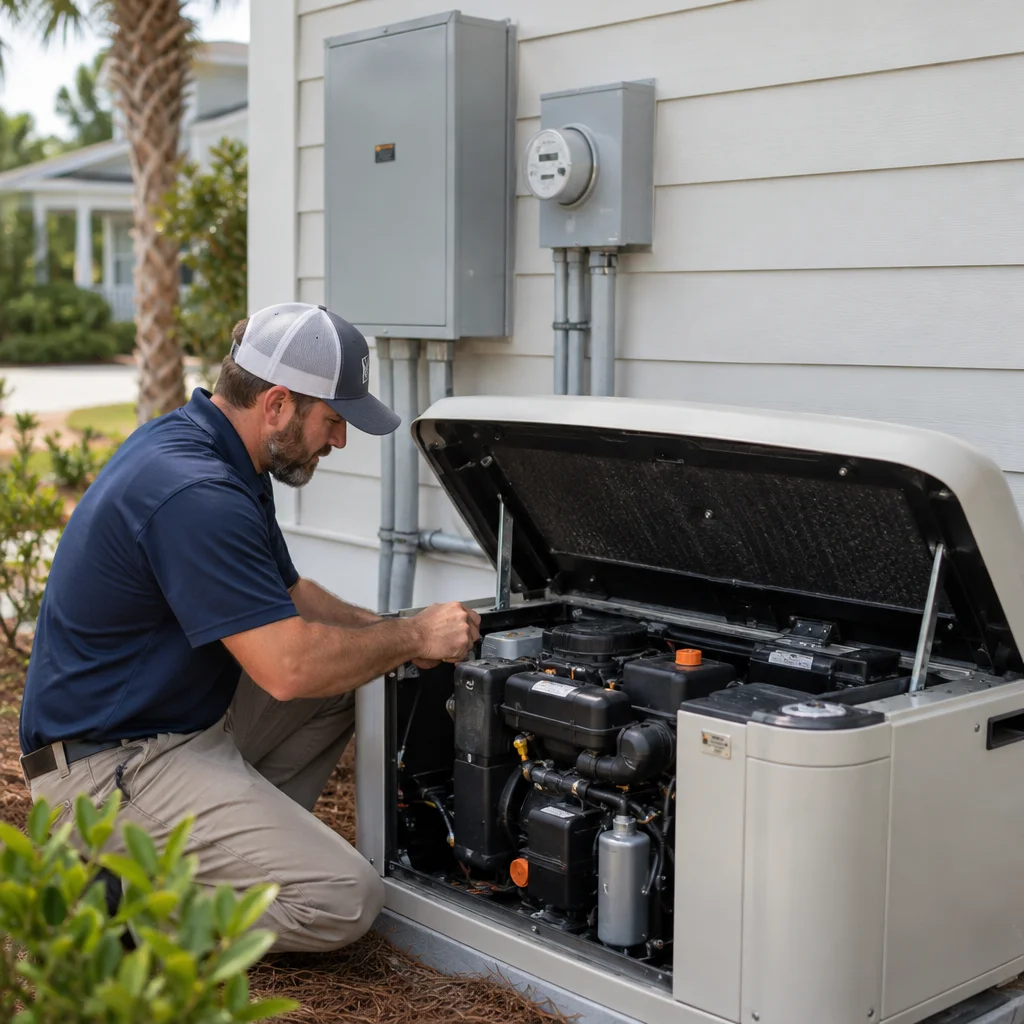
A generator can keep the refrigerator cold, essential lighting working, and selected equipment running during an outage. But dependable backup power starts before the generator arrives. The breaker panel, transfer equipment, wiring, fuel supply, and condition of the home's electrical system all influence how well that investment performs.
Along 30A in Walton County, salt air, humidity, thunderstorms, and tropical weather make those details especially important. Whether you own a full-time residence or a vacation rental, planning power generator installation and maintenance in 30A, FL should include the electrical system supporting it, not just the equipment outside.
Start With the Loads Your Home Actually Needs
Choosing a generator by square footage alone can leave a home short on power or paying for unnecessary capacity. An electrician should review operating loads, motor starting requirements, and which appliances may run simultaneously. A refrigerator, well pump where present, and large cooling equipment behave differently from lamps or phone chargers.
Separate essential loads from conveniences. Refrigeration, selected outlets, necessary lighting, medical equipment, and communications may take priority. Electric cooking, laundry equipment, pool equipment, and vehicle charging can substantially increase demand. Never assume a generator can support every circuit simply because it connects to the main panel.
Whole-home coverage still needs a load strategy
Automatic load management can temporarily disconnect selected equipment when demand approaches generator capacity. For homeowners searching for standby generator installation near me, the useful question is not just which unit fits the property. It is which loads the proposed system will support, under what conditions, and with what controls.
The Panel Determines How Backup Power Reaches Your Rooms
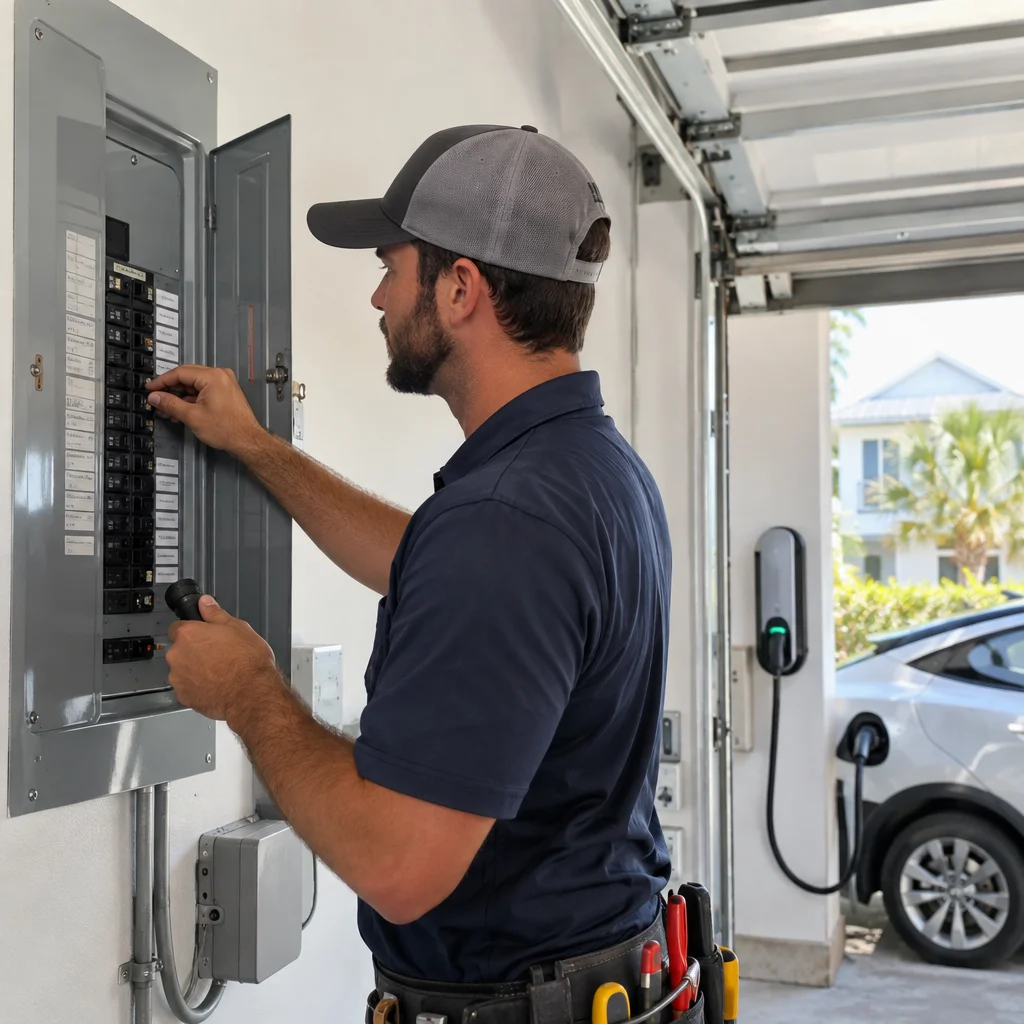
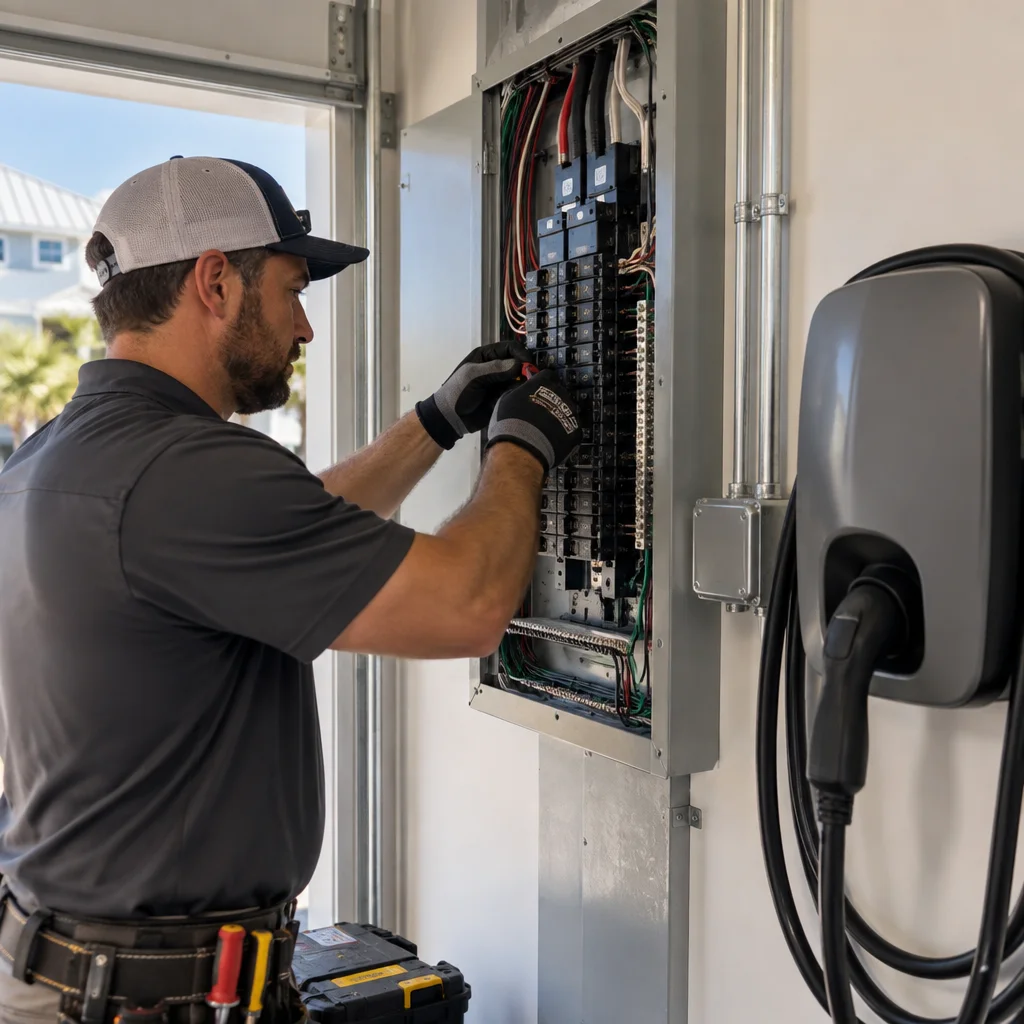
Before installation, inspect the service equipment and breaker panel for corrosion, overheating, damaged components, improper breaker types, and unclear circuit identification. Older 30A homes may have accumulated electrical changes over decades. Newer homes can also have crowded panels after pools, outdoor kitchens, or other additions increase demand.
A generator does not automatically require a panel upgrade. The decision depends on equipment condition, service capacity, available space, compatibility, and the proposed transfer arrangement. Likewise, a 200 amp panel upgrade does not mean a home needs a generator capable of supplying 200 amps continuously.
Frequent tripping deserves diagnosis before backup equipment is installed. A breaker may be responding correctly to an overloaded circuit, damaged wiring, or a faulty appliance. Homeowners searching for breaker panel repair near me should avoid treating every trip as a bad breaker. Never increase a breaker rating without verifying that the conductors and equipment are properly rated.
Accurate circuit labels also matter. They help residents and technicians identify essential loads and isolate problems without guessing during an outage.
Transfer Equipment Is a Safety Requirement, Not an Accessory
A generator must connect through approved equipment that prevents it from energizing utility lines. Backfeeding creates an electrocution hazard for utility workers and can damage equipment when utility power returns. Never connect a generator to a household receptacle or use a cord with exposed male plugs at both ends.
Automatic standby systems commonly use an automatic transfer switch. Other configurations may use a properly designed manual transfer arrangement or a listed, compatible interlock where permitted. Selection depends on the generator, service equipment, loads, and applicable requirements.
A generator transfer switch installation near me search should lead to a discussion of equipment ratings, permits, grounding, bonding, and inspection. Neutral switching affects the grounding and bonding design, so there is no universal wiring arrangement suitable for every generator. These connections require professional design and installation, not improvised instructions followed during a storm.
Coastal Placement Requires More Than an Open Corner
Outdoor equipment along 30A faces persistent moisture and salt exposure. Generator placement should account for drainage, potential flooding, required clearances, exhaust direction, service access, and nearby doors, windows, and air intakes. Property lines, local noise requirements, and neighborhood restrictions may also affect the available location.
A licensed contractor should verify the applicable permit and inspection requirements with the authority having jurisdiction. Flood-zone conditions may affect equipment elevation and anchoring. A convenient location beside a garage is not necessarily a compliant or safe location.
Keep exhaust and fuel planning in the conversation
Stationary generators must follow manufacturer instructions and applicable placement rules. Portable generators must stay outdoors, at least 20 feet from doors, windows, and vents, with exhaust directed away from buildings. Never operate one in a garage, even with the door open.
For fuel-powered systems, qualified professionals must verify fuel availability, supply capacity, and safe connections. A properly sized electrical system cannot compensate for inadequate fuel delivery during extended operation.
Address Weak Wiring, Outlets, and Switches First
Backup power will not correct an unsafe circuit. Loose receptacles, scorched outlet faces, flickering lights, buzzing switches, and persistent hot-plastic odors need attention before installation. In coastal homes, moisture intrusion and corrosion may damage connections and electrical enclosures. Remodels can also leave concealed splices or overloaded circuits if earlier work was incomplete.
An outlet repair near me search sometimes reveals a larger wiring issue rather than a single worn receptacle. A qualified electrician can determine whether the solution is device replacement, wiring repair, a dedicated circuit, or correction of an upstream connection.
Include outlets and switches in the preinstallation review, especially in kitchens, bathrooms, garages, and exterior areas. GFCI protection is required in many locations where shock risk is elevated. Generator power does not remove that requirement, and protective devices should never be bypassed to stop nuisance tripping.
Plan Lighting and Everyday Circuits Around an Outage
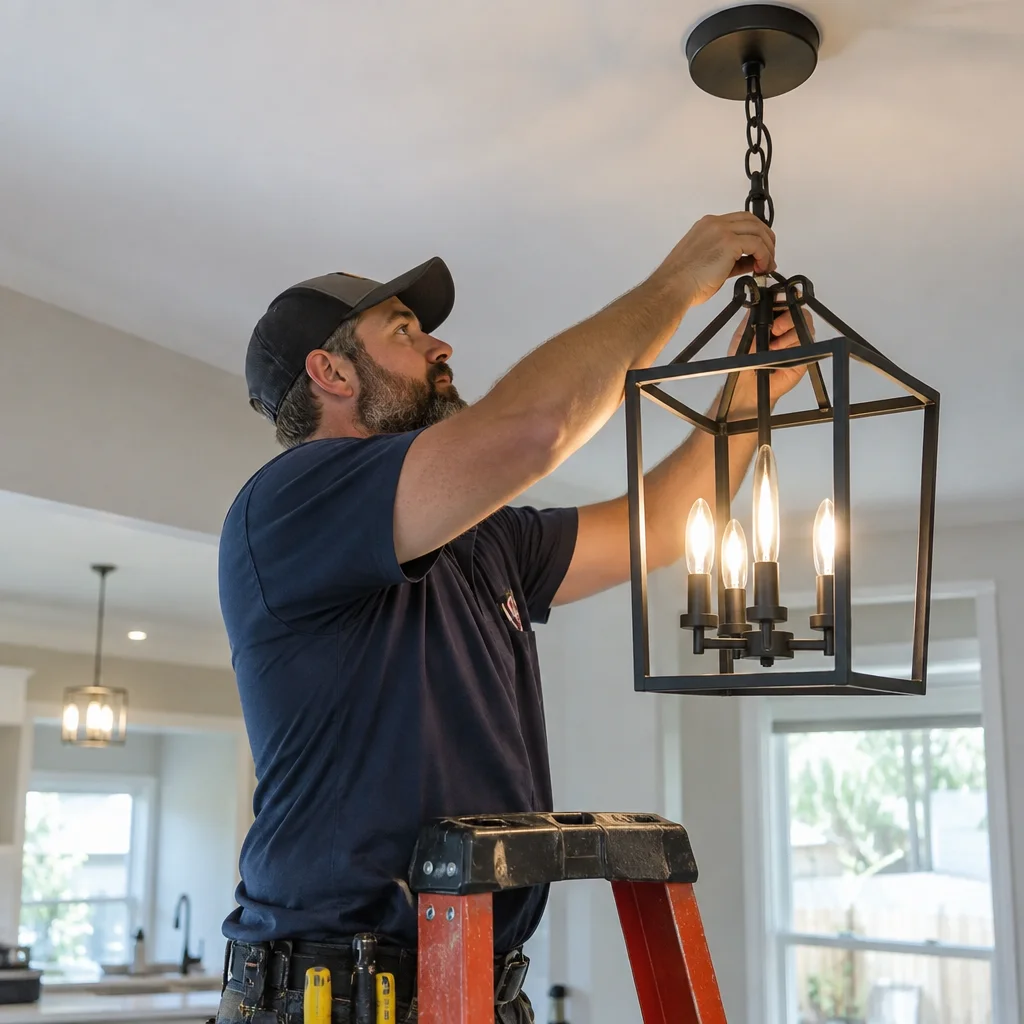
Good backup coverage includes practical lighting, not just major appliances. Consider kitchen work areas, interior stairs, hallways, entrances, and a bedroom or living area. Efficient LED fixtures can reduce lighting demand, although fixture quality, dimmer compatibility, and correct installation still matter.
Ceiling fans can improve comfort with relatively modest electrical demand. They need properly rated support boxes and sound wiring, particularly when installed during remodels. If planned indoor lighting improvements involve new circuits, coordinate them with the generator design so important spaces remain usable during an outage.
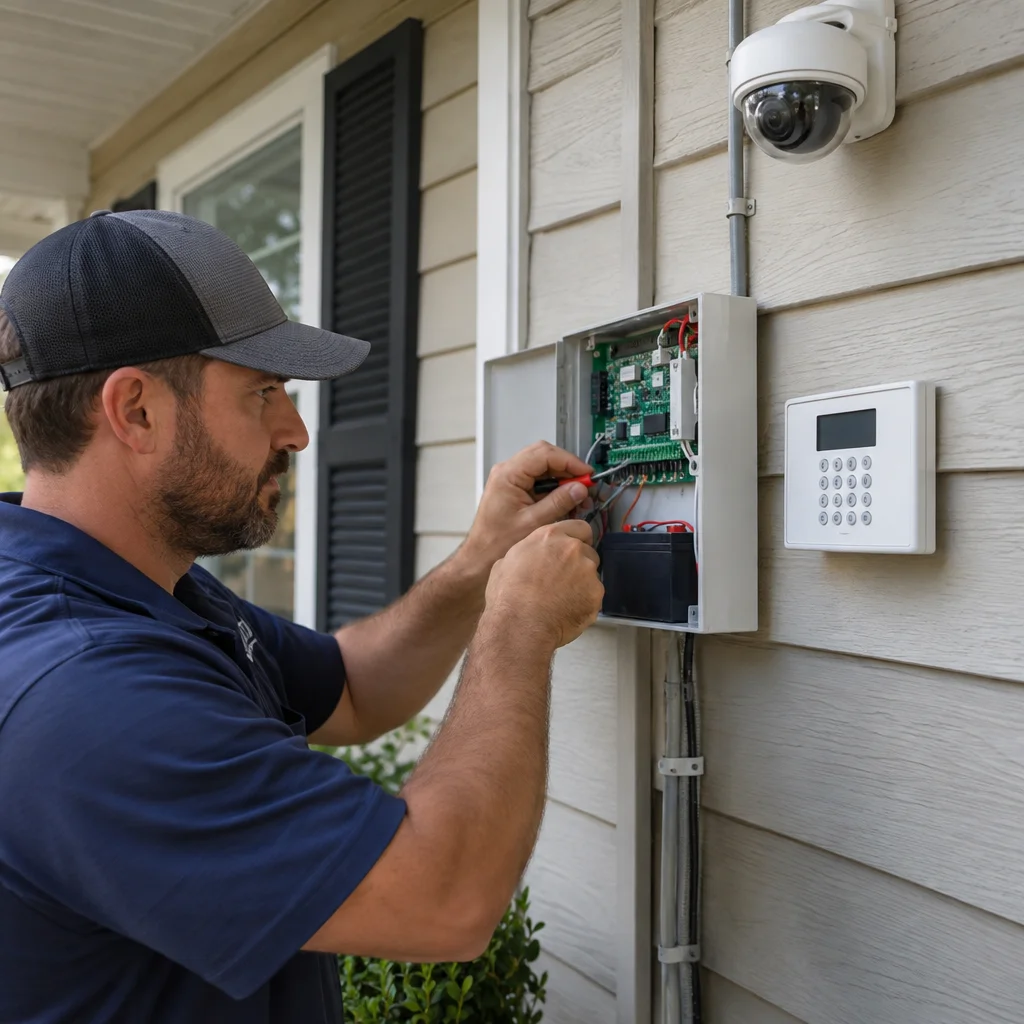
Review smoke detector installation and carbon monoxide alarm coverage as well. Follow applicable requirements and manufacturer instructions for placement, interconnection, replacement, and backup batteries. Generator exhaust makes working CO alarms especially important, but alarms never substitute for safe equipment placement.
Account for EV Chargers, Additions, and Future Demand
A Level 2 EV charger can represent a substantial continuous load. It generally needs a properly designed dedicated circuit and a service load assessment. Decide whether charging should be excluded from generator coverage, limited through compatible controls, or included in the generator sizing calculation.
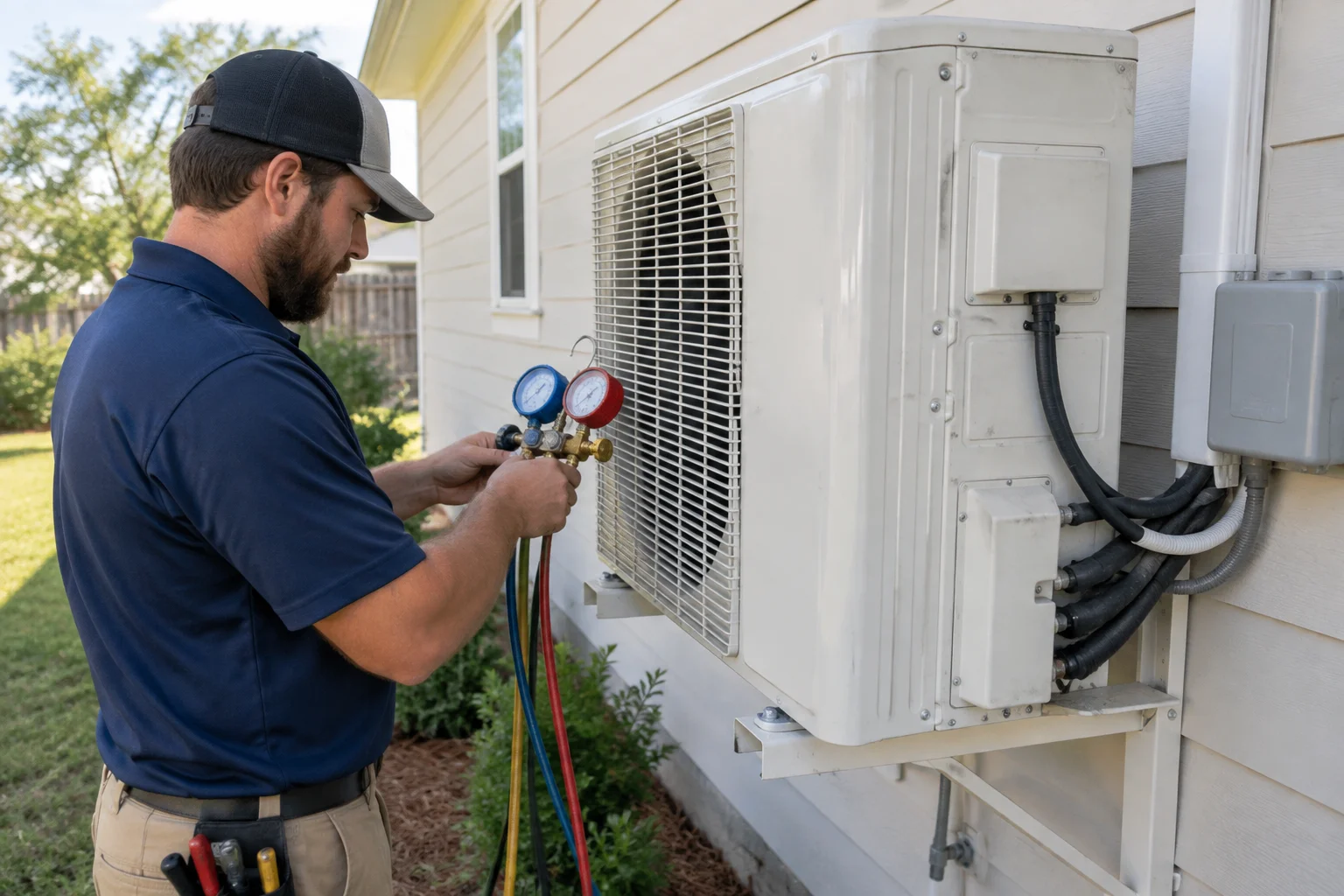
The same forward planning helps with home offices, additions, and converted garages. New electrical demand can change an otherwise suitable backup plan. If a remodel includes supplemental cooling, the equipment discussed in planning ductless mini-splits along 30A should be included in the electrical load review rather than added after generator sizing is complete.
Document future plans early. Leaving appropriate panel capacity and planning conduit routes can simplify later work, though spare breaker spaces alone do not establish available electrical capacity.
Surge Protection and Grounding Support the Overall System
Coastal thunderstorms and utility disturbances make surge protection worth discussing during generator installation. A properly selected whole-home surge protective device can help reduce damage from certain transient overvoltages. Sensitive electronics may also benefit from coordinated point-of-use protection.
Surge protection does not guarantee protection from a direct lightning strike, and a generator is not a substitute for it. Grounding and bonding must also be evaluated as part of the installation. Improper connections can create shock hazards and interfere with protective devices.
A combined review of transfer equipment, surge protection, grounding, and electrical inspections and code updates helps identify issues before the system is needed. Any corrections should follow the code requirements applicable to the work.
Maintenance Keeps Readiness From Becoming an Assumption
Standby equipment needs scheduled service even when outages are uncommon. Follow the manufacturer's calendar-based and operating-hour maintenance intervals. Depending on the model, service may include oil and filters, battery testing, cooling-system checks, enclosure inspection, and review of stored fault codes.
An exercise cycle is useful, but it does not necessarily prove the generator can carry the home's intended loads. Ask whether appropriate load testing and transfer-operation checks are included in the maintenance plan. Electrical connections and controls should be inspected by qualified personnel using proper shutdown and isolation procedures.
Build a routine that fits a coastal property
Keep required clearances open, maintain drainage, and watch for vegetation, nesting pests, corrosion, or storm debris. Do not pressure-wash the equipment or open electrical compartments. Owners can note unusual noises, visible damage, or warning indicators and report them promptly.
For vacation rentals, identify who receives fault notifications and who can authorize service while the owner is away. Keep maintenance records accessible. After extended operation, check whether operating-hour service is due rather than waiting for the next annual appointment.
Know Which Outage Problems Need Immediate Help
If power fails across the neighborhood, check the utility's outage information when safe. If only your home loses power, or the generator runs without supplying expected circuits, the issue may involve transfer equipment, a breaker, controls, or wiring. Avoid repeatedly resetting a breaker or bypassing shutdown protections.
A power outage electrician near me search becomes urgent when there is buzzing, arcing, smoke, burning odor, or visible damage. Keep away from damaged panels, service masts, downed lines, and any water contacting electrical equipment. For fire, injury, or immediate danger, call 911. Report downed utility lines to the utility and keep others away.
Use professional emergency electrical services for building-side hazards, and confirm current response availability. Flood-exposed electrical equipment requires evaluation before reenergizing; drying out does not establish that it is safe.
Put the Electrical Plan in Writing Before Installation
Request a proposal that identifies supported loads, generator capacity, transfer equipment, placement, required electrical repairs, permit responsibilities, and maintenance expectations. Ask how future additions and extended outages will affect the plan.
A Superior Mechanical provides a local starting point for electrical service planning in 30A and property needs across Walton County. Familiarity with coastal exposure, local permitting, and seasonal rental access matters when coordinating installation and follow-up service.
To discuss generator installation and maintenance for your home, contact A Superior Mechanical with your electrical concerns and a list of the equipment you want powered. That information helps turn a general backup-power goal into a practical electrical plan.
Find Power Generator Installation and Maintenance in 30A, FL
If you need Power Generator Installation and Maintenance in 30A, FL, visit our local service page or contact A Superior Mechanical today.
Map of 30A, FL
Frequently Asked Questions
Does my 30A home need a panel upgrade before generator installation?
Not necessarily. An electrician should evaluate panel condition, service capacity, breaker compatibility, available space, and the proposed transfer equipment. Corrosion, overheating, or inadequate capacity may require repairs or an upgrade, but adding a generator alone does not automatically require a new panel.
Can a standby generator power my EV charger during an outage?
It can if the generator, circuits, and load-management design support that demand. EV charging can consume a substantial share of available power, so many homeowners exclude it from backup coverage or use compatible controls to prioritize essential household loads. Include the charger in the initial sizing discussion.
How often should a generator receive maintenance in coastal 30A?
Follow the manufacturer's maintenance schedule based on both elapsed time and operating hours. Coastal exposure may warrant additional inspections for corrosion, drainage problems, and enclosure damage. Arrange service before storm season when practical, and check operating-hour requirements after any extended outage.
Related Articles
Photo Gallery