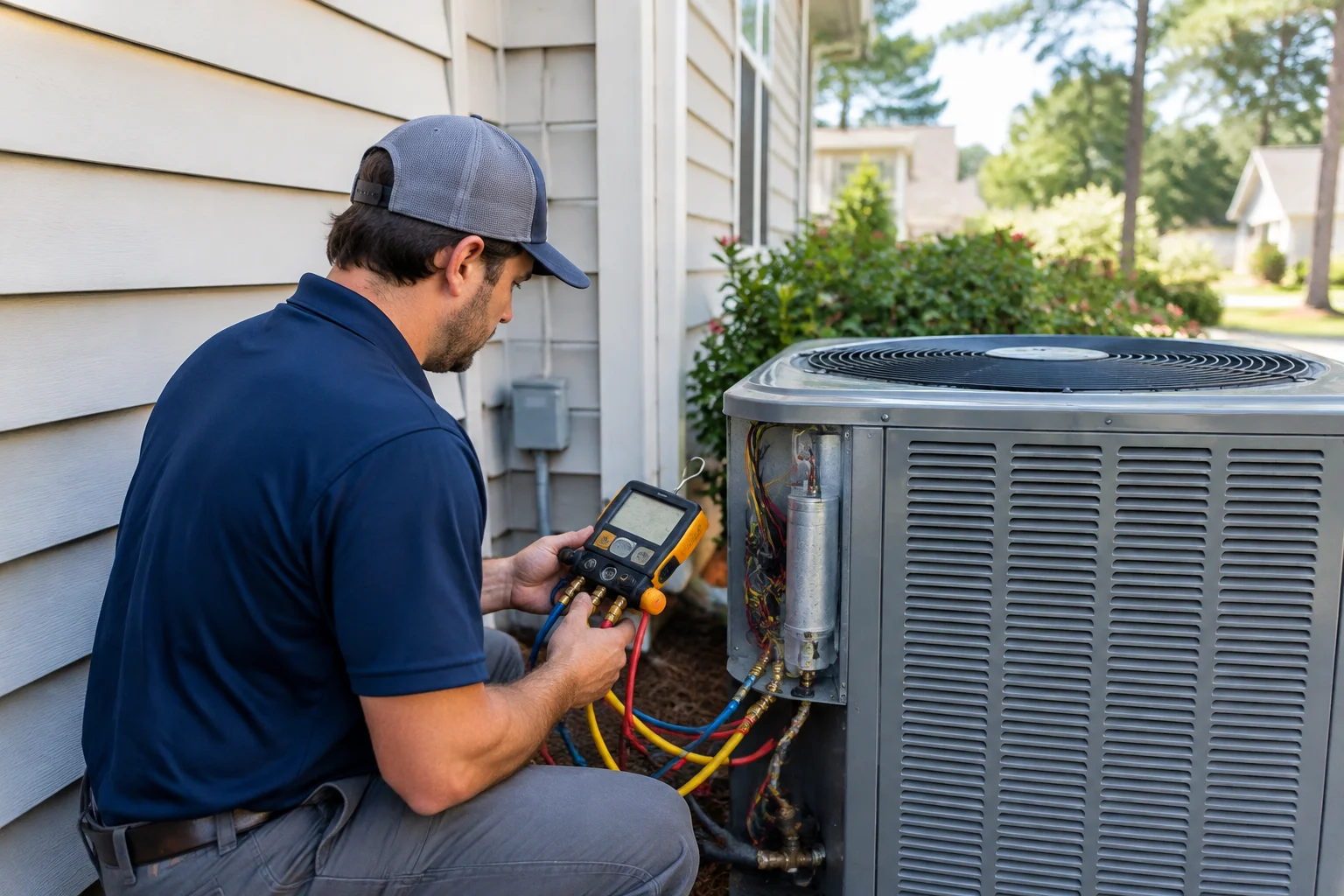
A comfortable Niceville home needs more than an air conditioner that turns on. Bedrooms should cool evenly, indoor air should feel dry enough to be comfortable, and the equipment should run without recurring breakdowns. Those results depend on how the entire system works together, from the outdoor condenser to the last supply vent.
For homeowners planning repairs, replacement, or a remodel, the smartest approach is to evaluate cooling capacity, airflow, moisture removal, and maintenance together. A Superior Mechanical provides air conditioning systems in Niceville, FL, including installation, replacement, repair, and maintenance. Here is how to make informed decisions about yours.
Niceville Weather Changes the Cooling Equation
Niceville's long cooling season combines high temperatures with persistent humidity. During hot afternoons, your system must remove heat from the house. During rainy or milder weather, it may still need to remove moisture even when the thermostat does not call for much cooling. That difference explains why a house can reach its temperature setting yet feel clammy.
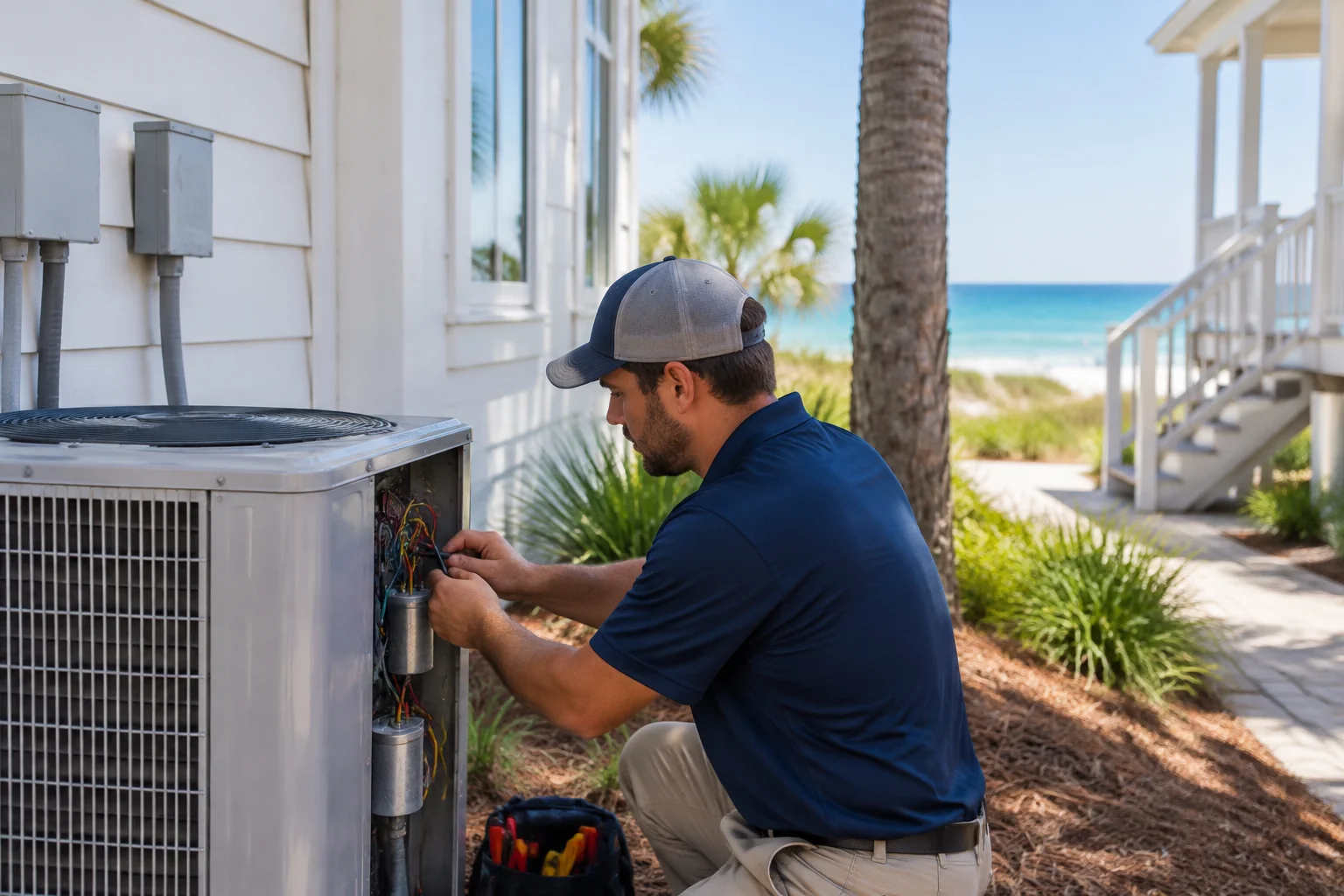
Coastal weather adds other concerns. Salt exposure varies by location, but salt air can accelerate corrosion on outdoor units. Storms can scatter debris around condensers, interrupt power, and expose equipment to standing water. Keeping the outdoor unit accessible and checking its surroundings after storms are practical parts of AC ownership here.
Local homes also vary considerably. Older houses may have aging ducts or limited return air pathways. Newer homes may have tighter construction that changes ventilation needs. An addition or enclosed porch can increase cooling demand without increasing the capacity of the existing ductwork. Good planning starts with the actual building, not assumptions based on square footage alone.
Begin With the Rooms That Do Not Feel Right
Before scheduling air conditioning service, write down where and when discomfort occurs. Is an upstairs bedroom warm only in late afternoon? Does the hallway feel cool while rooms behind closed doors feel stuffy? Does humidity rise overnight? These observations help a technician separate equipment problems from distribution or building issues.
Symptoms worth sharing with your technician
Weak airflow, frequent starts and stops, extended run times without reaching the setpoint, water around the air handler, and unexplained increases in energy use all deserve attention. Rattling, grinding, or new vibration can point to loose parts or motor problems. Musty odors may involve moisture in the system, ductwork, or another part of the house.
Homeowners searching for air conditioner repair near me often assume warm air means low refrigerant. It can, but dirty coils, restricted filters, failed fans, thermostat problems, and duct leaks can produce similar symptoms. Accurate diagnosis matters more than replacing a part based on one symptom.
Match Cooling Capacity to the Home
A larger air conditioner is not automatically a better choice. Oversized equipment can satisfy the thermostat quickly without running long enough to remove sufficient moisture. Undersized equipment may struggle during peak heat. Either situation can leave homeowners paying for comfort they are not getting.
Request a load calculation before replacement
A residential cooling load calculation should consider insulation, windows, orientation, air leakage, ceiling height, and other building characteristics. This is particularly important after window replacements, insulation improvements, remodels, or additions. The capacity of the old unit is useful background, but it is not a substitute for evaluating current conditions.
Installation planning should also address the matched outdoor condenser and indoor evaporator coil, air handler capability, refrigerant piping, drain configuration, and available duct capacity. Variable-capacity equipment can provide longer, gentler cooling cycles when selected and configured correctly. Efficiency ratings alone cannot compensate for poor installation or restricted airflow.
Airflow Is the Connection Between Equipment and Comfort
Your air conditioner can only cool the air that moves through it. A clogged filter, dirty evaporator coil, crushed flexible duct, or undersized return can reduce that movement. Restricted airflow may increase operating strain and contribute to coil icing. Turning the thermostat lower does not correct the underlying restriction.
Check the simple things first
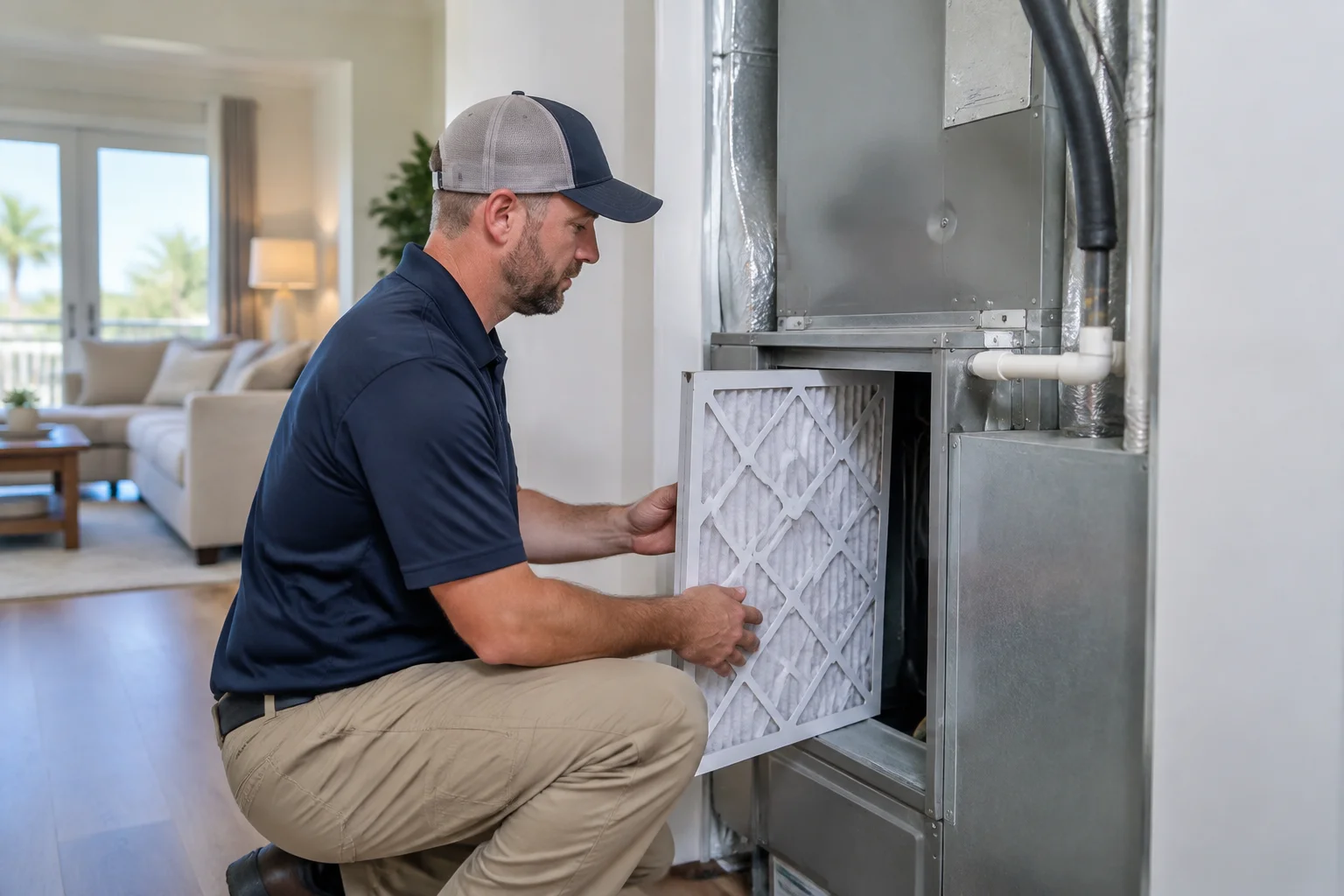
Keep supply vents open and clear of rugs, furniture, and curtains. Avoid blocking return grilles with cabinets or storage. Inspect the filter regularly and replace it according to its condition and the equipment manufacturer's guidance. Heavy cooling use, pets, and renovation dust can shorten the useful life of a filter.
Do not assume the most restrictive filter offers the best result. The filter must fit properly and work within the system's airflow limits. Closing several vents to push air toward a warm room can also increase duct pressure rather than solve the imbalance.
Look beyond the register
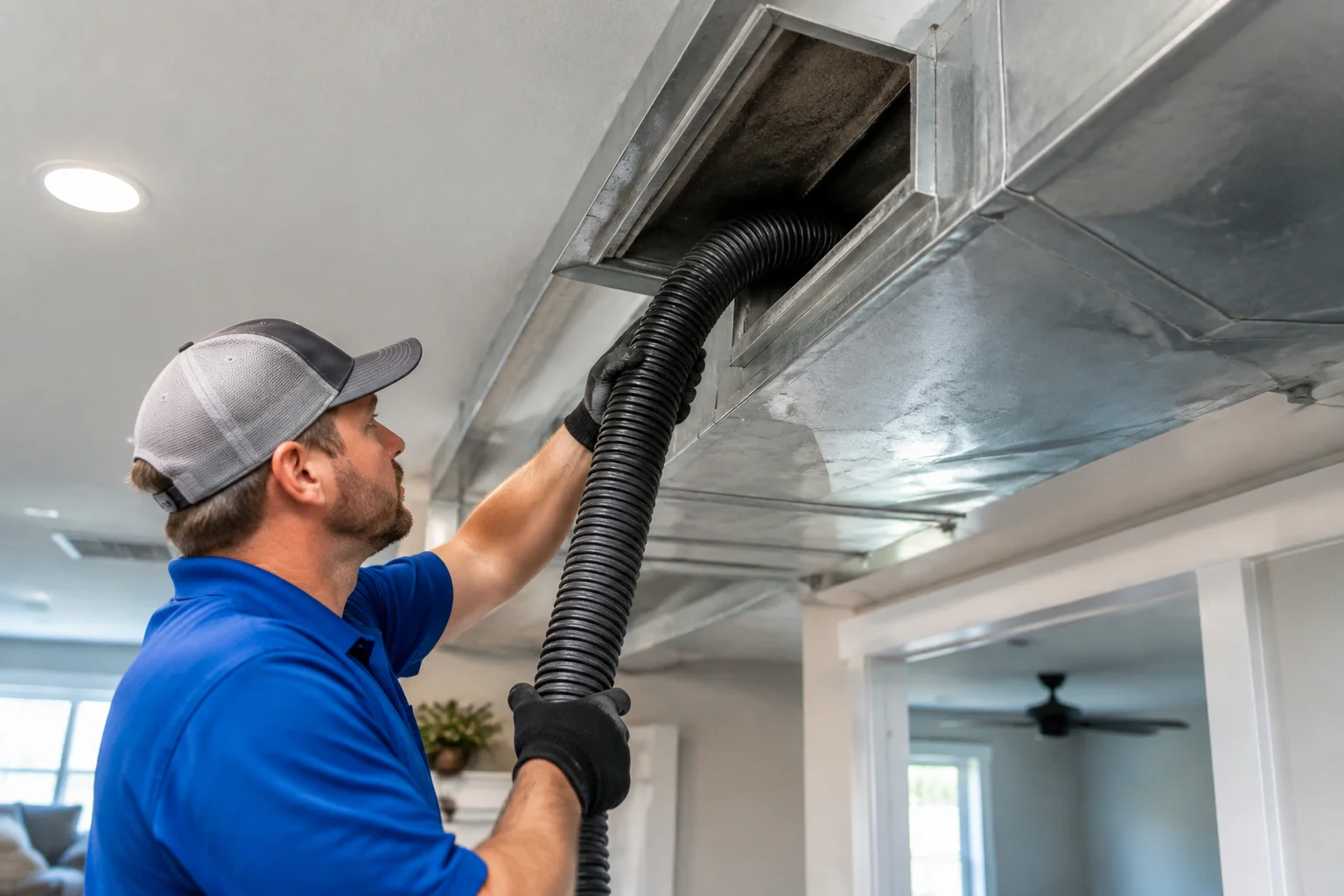
Professional airflow testing can reveal excessive static pressure, inadequate return paths, disconnected ducts, or poor balancing. In Niceville attics, damaged insulation and leaky duct connections can waste cooling and create condensation risks. Homeowners searching for ductwork repair near me should ask whether testing supports targeted sealing, insulation repair, or replacement. Niceville ductwork services can address distribution problems that a new condenser alone will not fix.
Control Moisture Without Overcooling the House
Indoor humidity affects comfort, odors, and moisture conditions around building materials. A practical target for many homes is roughly 40 to 50 percent relative humidity when achievable, while consistently staying below 60 percent. A separate hygrometer can help you track conditions instead of relying only on how the room feels.
If humidity stays high, investigate before adding equipment. Short cooling cycles, duct leakage, outdoor air infiltration, incorrect blower settings, and neglected coils can all contribute. Leaving the thermostat fan set to ON may re-evaporate moisture from a wet coil between cooling cycles. AUTO is generally the better starting point for moisture control unless the system has a specific ventilation or humidity strategy.
When the AC system is operating properly but moisture remains elevated during mild weather, a properly sized whole-home dehumidifier may help. Air filtration and dehumidifier options in Niceville should be selected around the home's needs and duct design. For a closer look at that balance, read planning cleaner, drier air without sacrificing HVAC airflow.
Handle Repairs Before They Become Bigger Problems
Refrigerant circulates in a sealed system and is not normally consumed. If the charge is low, a leak or an earlier charging problem needs investigation. Adding refrigerant without addressing the cause can lead to repeat service calls. Leak repair and charging require qualified professionals using procedures appropriate to the equipment and refrigerant.
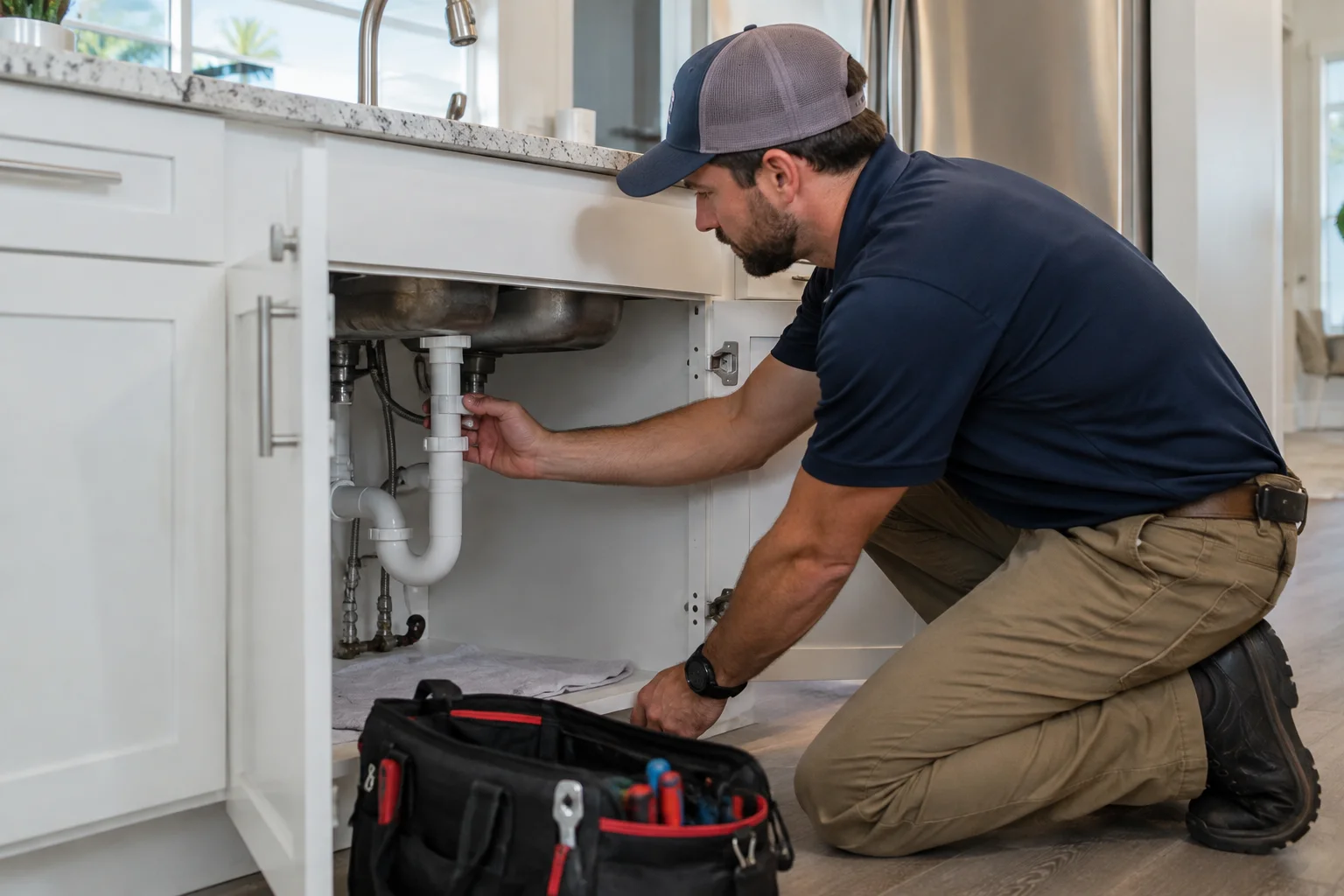
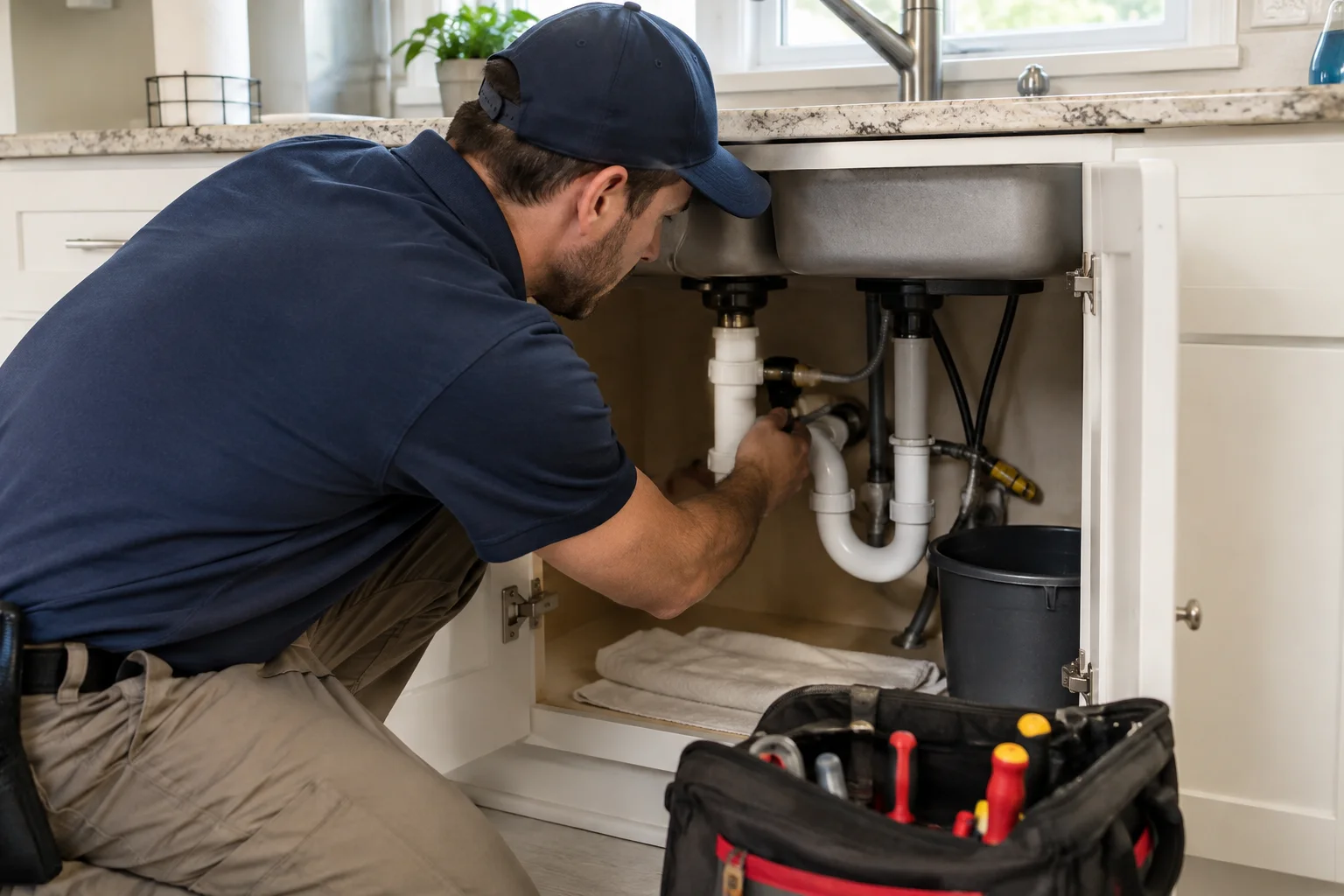
Condensate drain lines deserve equal attention. Cooling removes water from indoor air, and that water needs a reliable drainage path. A blockage can cause overflow, water damage, or a safety switch shutdown. A technician can inspect the drain, pan, trap, and overflow protection where applicable.
If ice forms on refrigerant piping or the indoor coil, turn cooling off and arrange service. Do not chip away ice or keep lowering the thermostat. A stopped outdoor fan, unusual compressor noise, or repeated shutdown also warrants professional diagnosis rather than repeated restarts.
Know which situations need urgent action
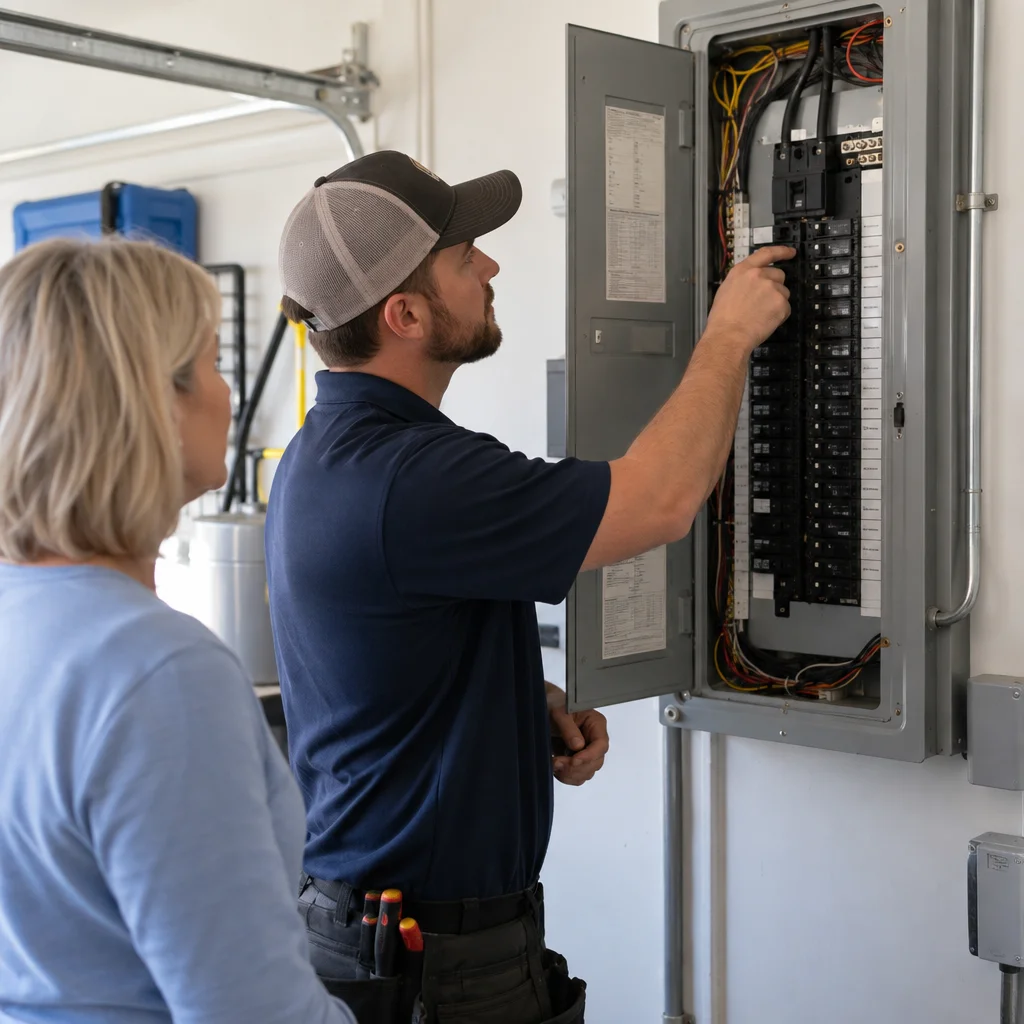
Smoke, a burning smell, repeated breaker trips, or water reaching electrical components require prompt attention. Stop using the system and shut it down only if you can do so safely. Do not touch flooded equipment. If there is smoke or an active fire, leave the area and call emergency services. Cooling loss during extreme heat can also be urgent for older adults, infants, and people with medical vulnerabilities.
Plan Maintenance Around the Cooling Season
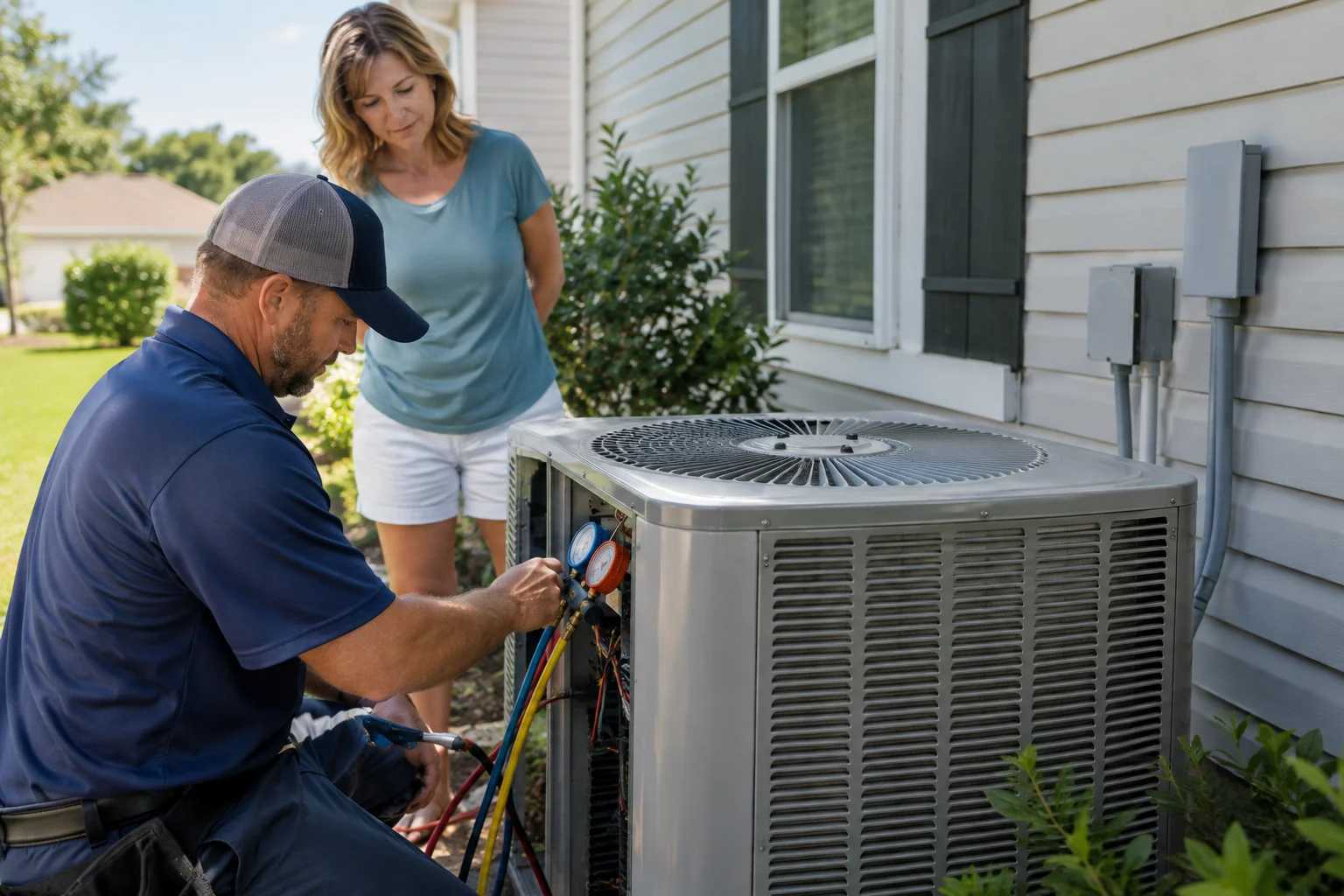
Scheduling service before the busiest hot-weather periods provides time to address developing problems. A homeowner searching for an ac tune up near me should look for more than a quick visual check. Maintenance should follow the equipment's requirements and address the components that affect reliability and performance.
Depending on system type and condition, that may include inspecting coils, checking blower operation, evaluating electrical connections and controls, clearing condensate drainage, and assessing operating temperatures. Refrigerant testing should be guided by the system and observed conditions. Ask the technician to explain any findings and distinguish needed repairs from optional improvements.
Between visits, inspect filters, keep vegetation away from outdoor units according to manufacturer clearances, and watch for drainage changes. After a storm, check for debris from a safe distance. Never pressure-wash delicate condenser fins or open equipment panels yourself. Ask about manufacturer-approved coil care where salt exposure is a concern.
Use Thermostats and Zoning With a Clear Purpose
A thermostat works best when it measures representative indoor conditions. Direct sunlight, nearby supply vents, and other heat sources can distort readings. Before thermostat installation, confirm compatibility with the equipment, including heat pump staging, auxiliary heat, and any communicating controls. Smart features are useful only when the control is configured correctly.
Moderate schedules can reduce unnecessary cooling while avoiding long recovery periods. Smart controls can help track temperature changes, but they cannot repair duct leaks or correct system sizing. For a persistently uncomfortable addition, compare extending the existing system with a dedicated ductless solution.
Ductless mini splits can be useful for additions, converted garages approved for living space, or rooms without practical duct access. Multi-zone layouts still require room-by-room sizing and careful equipment selection. Their filters, indoor coils, blower wheels, and condensate drains also need maintenance. Ductless does not mean maintenance-free.
Include Winter Performance in Your HVAC Plan
Many Niceville homes use heat pumps for both cooling and heating. A problem discovered during summer can affect winter comfort too. Heating maintenance should check controls, defrost operation where applicable, and auxiliary heat. Excessive resistance heat use can increase energy costs, so unusual operation deserves review.
Homes with furnaces need service appropriate to their equipment. Electric furnace service involves elements, controls, airflow, and safety devices. Fuel-burning systems also require combustion and venting checks. A Superior Mechanical's heating services in Niceville provide a place to start when heating repair or heat pump repair needs to be coordinated with cooling concerns.
Choose Service Based on Diagnosis, Not Just Proximity
Searching for hvac service near me is a practical starting point, but ask how a contractor evaluates the whole system. A useful assessment connects equipment condition with airflow, humidity, drainage, and the home's layout. Request a clear explanation of repair options and a written scope before approving replacement.
Local HVAC service matters because coastal exposure, attic conditions, storm recovery, and seasonal demand affect real homes differently. A Superior Mechanical serves homeowners seeking HVAC help in Niceville and provides service across Okaloosa County. Share your comfort concerns, repair history, and any planned renovations so the next service visit supports a practical plan for dependable cooling, balanced airflow, and better moisture control.
Find Air Conditioning Systems in Niceville, FL
If you need Air Conditioning Systems in Niceville, FL, visit our local service page or contact A Superior Mechanical today.
Map of Niceville, FL
Frequently Asked Questions
Why does my Niceville home feel humid even when the AC is cooling?
An air conditioner may reach the temperature setting before removing enough moisture. Oversizing, short cycles, duct leaks, outdoor air infiltration, or incorrect blower settings can contribute. Have cooling performance and airflow checked first. If those are correct, dedicated dehumidification may help during mild, humid weather.
Should I replace my ductwork when installing a new air conditioner?
Not automatically. Existing ducts should be evaluated for sizing, leakage, insulation, damage, and return airflow. Sound ductwork may only need sealing or balancing, while undersized or deteriorated sections may need replacement. Testing helps determine which work will actually improve comfort.
How often should air conditioning systems in Niceville receive maintenance?
Annual professional cooling maintenance is a sensible baseline, ideally before peak summer demand. Heat pumps used year-round also benefit from a heating-season check, following manufacturer guidance. Inspect filters between visits, and schedule service sooner for icing, water leaks, unusual noises, or declining cooling performance.
Related Articles
Photo Gallery