Homeowners in Parker know how quickly indoor comfort can change when the weather shifts. Hot afternoons, humid air, and long cooling seasons put steady pressure on HVAC equipment across Bay County. For homes that need more control than a standard single system can provide, VRF multi-zone systems in Parker, FL offer a practical way to cool and heat different areas of the home with more precision.
VRF stands for variable refrigerant flow. In simple terms, the system adjusts how much refrigerant each indoor unit receives based on the needs of each zone. That makes it a strong fit for households that want bedroom comfort at night, cooler living spaces during the day, and less wasted energy in rooms that are not being used. For many Parker properties, that flexibility can be a real advantage.
Why VRF systems make sense in Parker
Parker sits in a coastal part of Bay County where humidity is a constant part of life. Even when temperatures are not at their highest, the air can feel heavy and sticky. That matters because HVAC systems here are not just fighting heat. They also need to remove moisture efficiently and keep indoor air from feeling clammy.
VRF systems are built for that kind of demand. Instead of running at full output all the time, they can modulate to match the load in each zone. That means the system can work more efficiently during mild days and still keep up when summer heat settles in. In homes with additions, converted garages, bonus rooms, or upstairs spaces that never seem to match the rest of the house, VRF zoning can solve comfort problems that traditional equipment often struggles with.
For Parker homeowners comparing options, it helps to look at the layout of the house, the number of occupants, and how each room is used. A home office, guest suite, and open living area do not always need the same temperature. A VRF setup can give each space its own comfort target without forcing the whole house to follow one setting.
How a multi-zone setup works
A VRF system uses one outdoor unit connected to multiple indoor units. Each indoor unit serves a separate zone, such as a bedroom, kitchen, or den. The system adjusts refrigerant flow to each unit independently, which allows for more exact temperature control throughout the home.
This is different from many traditional systems that rely on one thermostat for a large area. If one room gets too warm while another feels fine, the whole system may keep running longer than necessary. With VRF zoning, the system can shift output where it is needed most. That can improve comfort and reduce energy waste, especially in homes with uneven sun exposure or different insulation levels.
In Parker, that can be especially useful for homes near open water, homes with large windows, or houses that take in strong afternoon sun. Those conditions can create hot spots that are hard to manage with older equipment. A properly designed VRF system can help even things out.
Common comfort issues Parker homeowners notice
Many homeowners start looking at VRF systems after dealing with recurring comfort complaints. Some of the most common include rooms that never cool down, bedrooms that get too cold at night, and family spaces that feel muggy even when the thermostat says the house is cool enough.
Other signs include frequent thermostat adjustments, uneven airflow, and high electric bills during the hottest months. In some homes, the problem is not just equipment age. It is the mismatch between the home’s layout and the system’s design. A single oversized or undersized unit can struggle to keep up, especially in a humid coastal climate.
If your current system is already having trouble, a professional evaluation can help you understand whether repair, replacement, or a zoned solution makes the most sense. For some homeowners, Air Conditioning Repair is the immediate fix. For others, a more flexible system may be the better long-term answer.
Where VRF systems fit best
VRF multi-zone systems are often a good fit for homes with several distinct living areas. That includes multi-story houses, homes with attached in-law suites, and properties with rooms that are used differently throughout the day. They can also work well in homes where ductwork is limited or where adding new ducts would be difficult or expensive.
Some Parker homeowners also look at VRF for quieter operation. Because the system can run at lower speeds for longer periods, it often avoids the hard starts and stops that create more noise. That can be a meaningful benefit in bedrooms, nurseries, and home offices.
It is also worth noting that VRF is not only for residential use. Small commercial properties in the area sometimes use similar systems for flexible comfort control. Businesses that need dependable performance across multiple spaces may also benefit from Commercial HVAC Maintenance to keep those systems operating efficiently over time.
What affects performance in coastal Florida
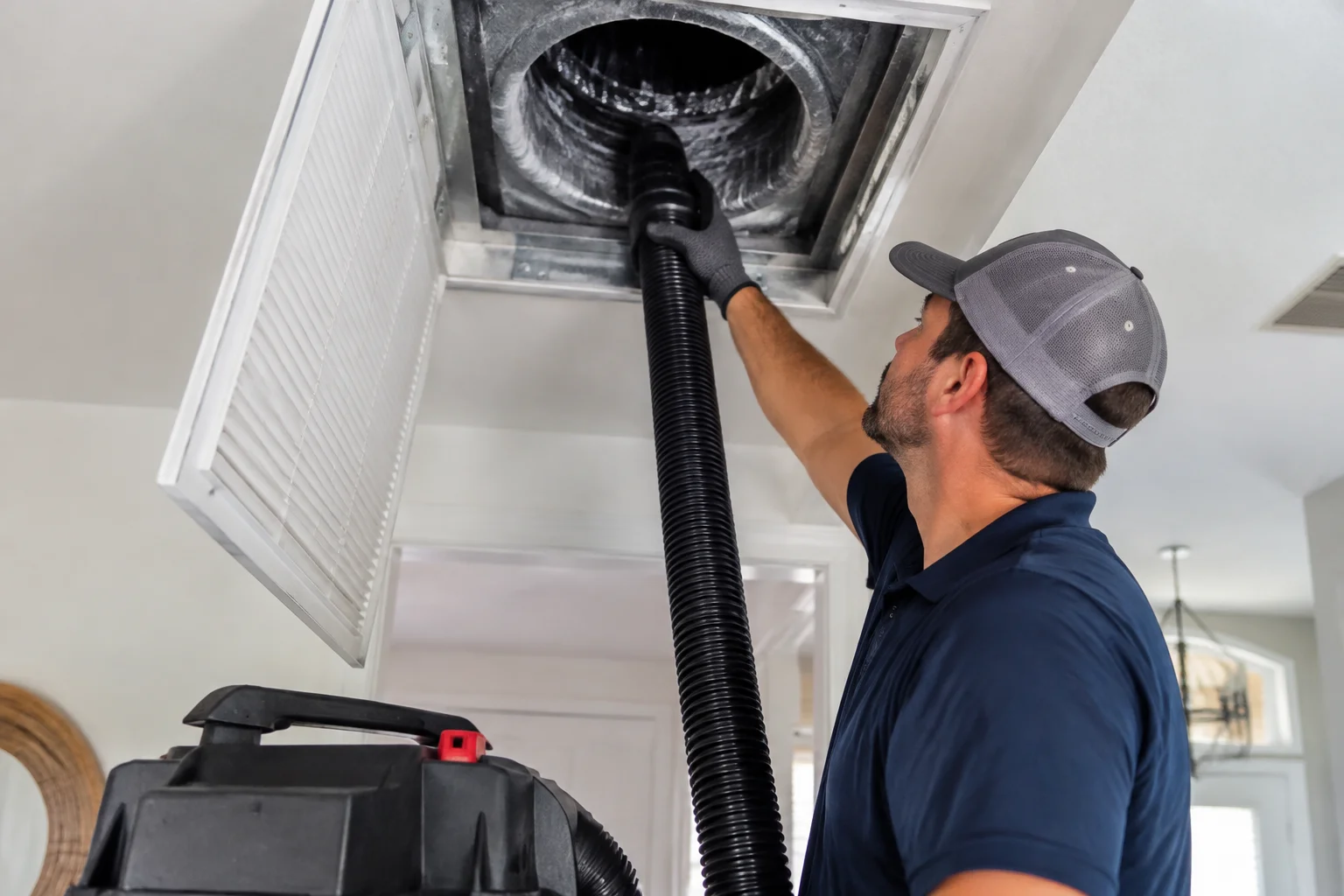
Bay County weather puts extra stress on HVAC systems. High humidity, salt air, and long cooling seasons can all influence how well a system performs and how long it lasts. Outdoor equipment needs proper placement and regular care to stay in good shape. Indoor units also need clean filters and clear airflow paths so they can handle moisture removal effectively.
Moisture control matters just as much as temperature control in Parker. If a system cools the air but does not remove enough humidity, the home may still feel uncomfortable. That is one reason VRF design and installation should be handled carefully. Correct sizing, line set planning, drainage, and zoning all play a role in how well the system performs in real conditions.
Homes in coastal areas can also experience corrosion-related wear over time. That makes local service especially important. A technician who works in Bay County understands the climate, the common equipment issues, and the maintenance habits that help systems last longer here. If you want a broader look at the area and the services available nearby, the Parker service area page and the Bay County service area page are helpful starting points.
Installation details that matter
VRF systems are not a one-size-fits-all product. Good results depend on design. A contractor should look at square footage, insulation levels, window exposure, ceiling height, room use, and airflow needs before recommending equipment. In Parker homes, that kind of planning helps avoid short cycling, uneven temperatures, and moisture problems later.
Proper installation also includes refrigerant line design, condensate management, and thermostat or control placement. If the indoor units are installed in the wrong spots, even a strong system may not feel right. That is why homeowners should work with a team that understands both the equipment and the local building conditions.
For families watching project costs, it can also help to ask about financing options. If a full HVAC upgrade is part of a larger home improvement plan, Plumbing Financing may also be relevant for other household projects, and How Parker Homeowners Can Reduce the Risk of HVAC Financing Problems offers practical guidance for planning ahead.
Maintenance that keeps VRF systems running well
Even efficient systems need regular care. In Parker’s climate, filters can load up faster than many homeowners expect, and outdoor components can collect dust, pollen, and coastal residue. Routine maintenance helps the system keep steady airflow, manage humidity, and avoid unnecessary strain.
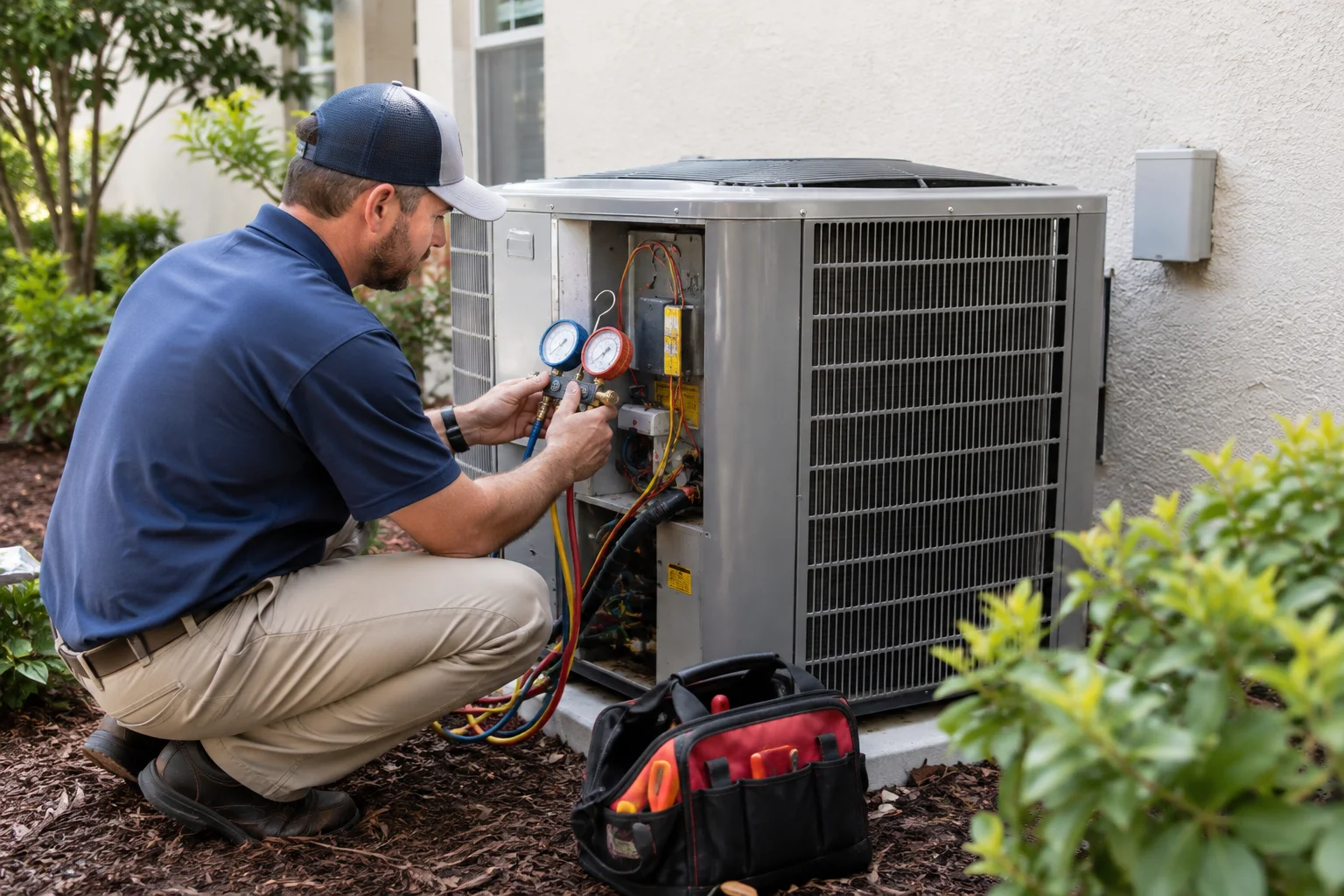
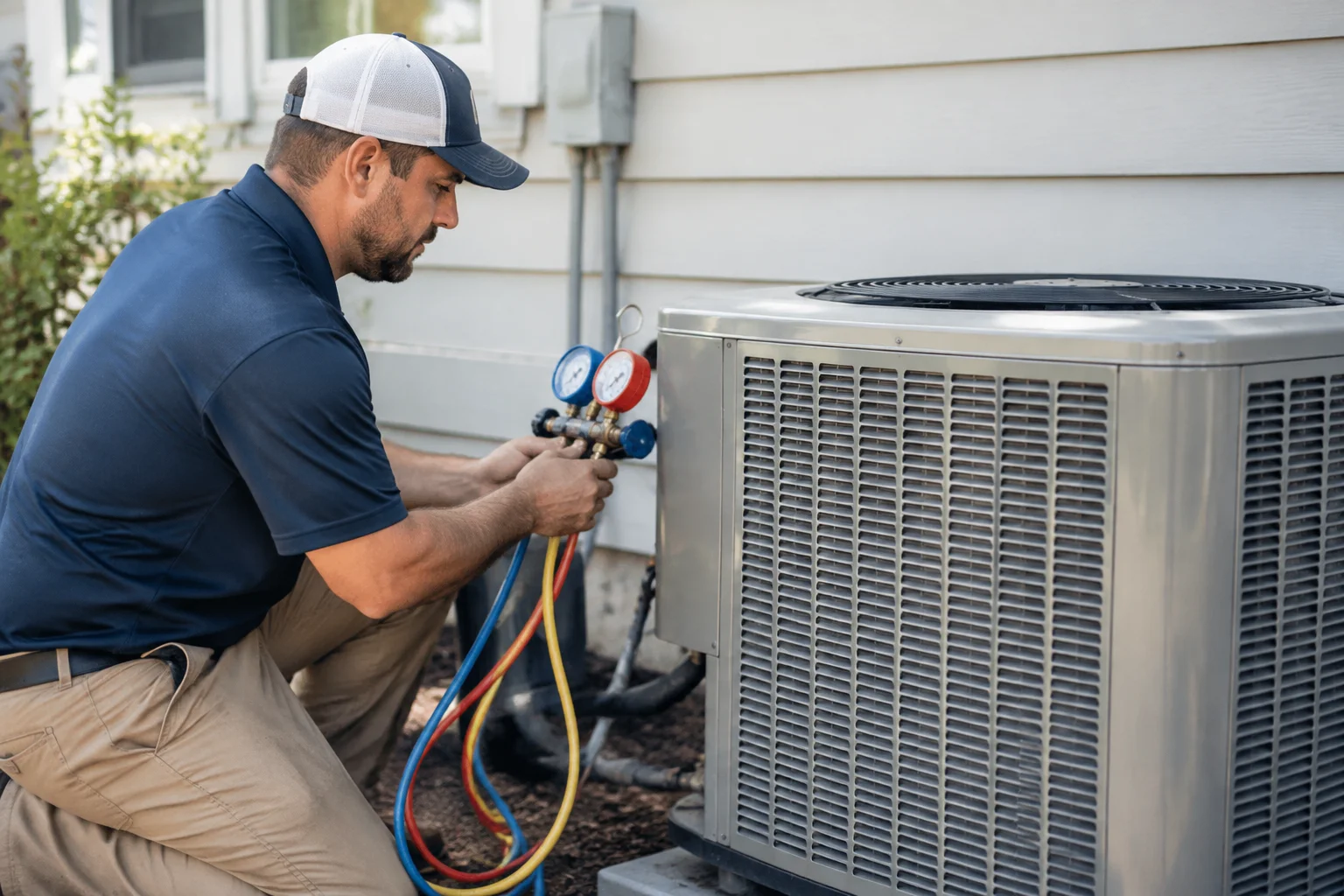
Good maintenance usually includes cleaning filters, checking refrigerant levels, inspecting electrical components, verifying drainage, and making sure each zone responds correctly. Small issues can grow quickly if they are ignored. A zone that is not cooling properly may point to a control issue, a refrigerant problem, or an airflow restriction.
Homeowners who already keep up with seasonal HVAC service may want to pair that with a more focused inspection. A helpful place to start is What to Expect From Air Conditioning Inspection in Parker, FL, especially if the current system has been acting up. Regular inspections are one of the best ways to catch problems before peak summer weather makes them worse.
When a professional should take a look
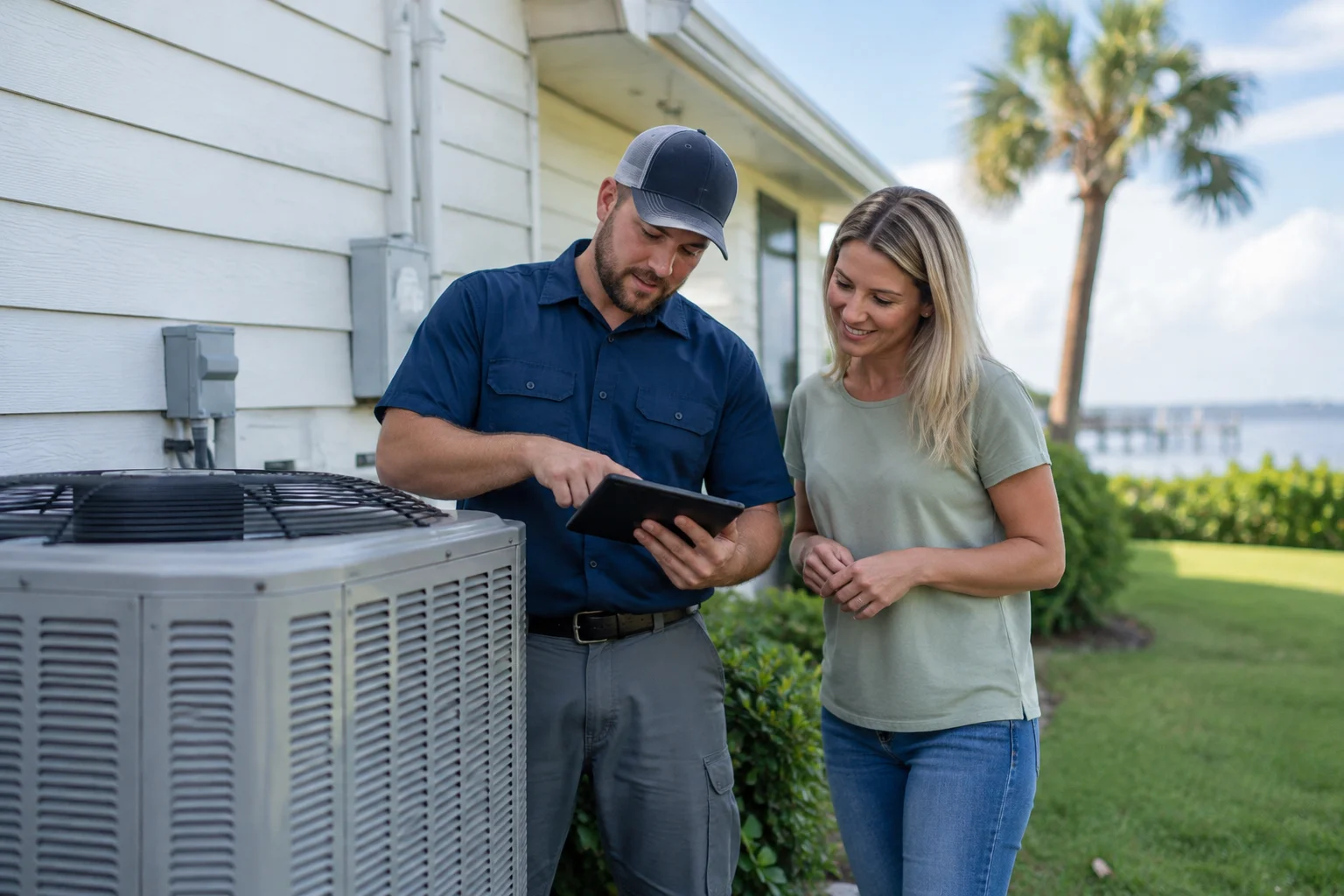
If your home has uneven temperatures, rising utility bills, or a system that seems to run constantly without making the house comfortable, it is worth having a professional evaluate the setup. That is especially true if you have a larger home, a recent addition, or rooms that are difficult to cool with your current equipment.
Persistent humidity is another reason to call. If the air feels damp even when the thermostat is set correctly, the system may not be sized or configured properly for the home. A qualified HVAC technician can inspect the current equipment and help determine whether repair, replacement, or a VRF multi-zone design is the better fit.
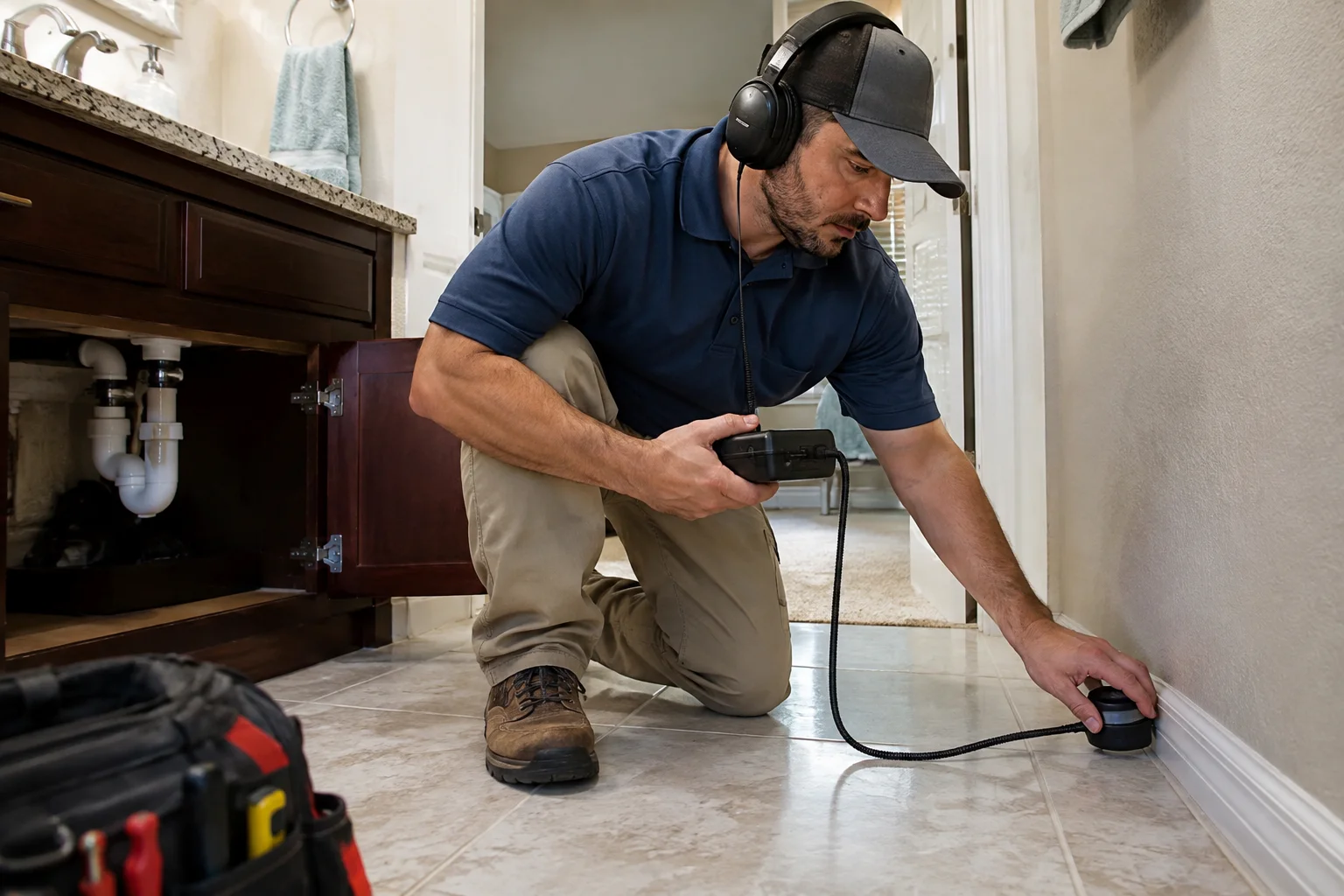
For homeowners who are also dealing with other property issues, local service coordination can save time. Water intrusion, for example, can affect indoor air quality and HVAC performance. If you suspect hidden moisture problems in the home, When to Call for Leak Detection & Slab Leak Repair in Parker, FL is a useful read. Plumbing concerns can also affect renovation planning, which is why it helps to know about When to Call for Toilet Repair & Replacement in Parker, FL if you are updating multiple parts of the home at once.
Choosing local service in Parker
Local HVAC service matters because the right system in the wrong hands can still underperform. Parker homes face a mix of coastal humidity, summer heat, and occasional storm-related wear. A local contractor understands how those conditions affect equipment selection and long-term maintenance. That knowledge helps with everything from load calculations to placement of indoor and outdoor units.
Working with a team that serves Parker and the wider county also makes it easier to keep up with follow-up visits, seasonal maintenance, and future service needs. If you want a system that is designed with the local climate in mind, start with a provider that already works in the area and knows the homes here.
A Superior Mechanical provides VRF multi-zone system design and installation in Parker, FL, with service tailored to the needs of Bay County homeowners. Whether you are replacing an aging system or planning comfort upgrades for a home with tricky temperature zones, the right design can make daily living noticeably easier.
For homeowners who want a quieter, more flexible, and more efficient way to manage indoor comfort, VRF multi-zone systems are worth a serious look. In a place like Parker, where heat and humidity are part of everyday life, the best HVAC solution is the one that matches the home, the climate, and the way the family actually uses each room.
Find VRF Multi-Zone Systems in Parker, FL
If you need VRF Multi-Zone Systems in Parker, FL, visit our local service page or contact A Superior Mechanical today.
Map of Parker, FL
Frequently Asked Questions
What is a VRF multi-zone system?
A VRF multi-zone system uses one outdoor unit connected to multiple indoor units. Each zone can be controlled separately, which helps different rooms stay comfortable without conditioning the whole house the same way.
Are VRF systems a good fit for Parker, FL homes?
Yes. Parker’s hot, humid climate makes zoned cooling and strong moisture control especially useful. VRF systems can work well in homes with uneven temperatures, additions, or rooms that are used at different times of day.
How often should a VRF system be maintained?
Most homeowners should schedule regular HVAC maintenance at least once or twice a year, depending on usage and equipment condition. In coastal Bay County, routine inspections are especially helpful because humidity and salt air can increase wear.
Can a VRF system lower energy use?
It can. VRF systems adjust output based on the needs of each zone instead of running at full capacity all the time. That flexibility can reduce waste, especially in homes where not every room needs the same temperature.
Related Articles
Photo Gallery