In Seagrove Beach, the air outside can change as quickly as the weather. Salt air, humidity, pollen, and sand all make their way into homes, especially in beach houses that sit empty for part of the year or see heavy guest traffic. Over time, those conditions can affect comfort, strain HVAC equipment, and make indoor spaces feel harder to manage than they should.
Good indoor air quality in Seagrove Beach, FL is not just about avoiding dust. It is about keeping moisture under control, helping your system move air properly, and reducing the irritants that can make a home feel stale, musty, or uneven from room to room. For homeowners in Walton County, the right approach can improve reliability as much as it improves comfort.
Why Seagrove Beach homes need a closer look at indoor air quality
Coastal homes deal with a different set of pressures than inland properties. In Seagrove Beach and across Walton County, high humidity is one of the biggest concerns. Moisture in the air can settle into ductwork, insulation, closets, crawl spaces, and wall cavities. That creates a setting where mold, mildew, and odors can develop more easily.
Homes near 30A also tend to bring in more outdoor air through openings, worn seals, or frequent door use. Vacation rentals often cycle through guests, which can increase indoor contaminants from cooking, cleaning products, sand, pet dander, and tracked-in debris. Even a well maintained HVAC system can struggle if the indoor environment is not balanced.
That is why local service matters. A contractor who understands the climate in Seagrove Beach can look at the whole picture, not just the thermostat. A Superior Mechanical works with homeowners, property managers, and businesses that need air quality solutions built for coastal conditions, not generic assumptions.
Common indoor air quality issues homeowners should not ignore
Persistent humidity indoors
If your home feels sticky even when the air conditioner is running, humidity may be the issue. High indoor moisture can lead to condensation on vents, windows, and supply registers. It can also make rooms feel warmer than they are, which often causes homeowners to lower the thermostat and put more stress on the system.
In Seagrove Beach, this problem often shows up during long humid stretches or after a home has been closed up for days. A whole-home dehumidifier or ventilation adjustment may be needed to bring conditions back into balance.
Musty smells and stale air
A musty odor is one of the clearest signs that moisture or microbial growth may be present. Sometimes the smell comes from a damp crawl space. Other times it comes from dirty ductwork, a clogged condensate drain, or an HVAC system that is not removing enough moisture.
Odors are easy to overlook in a beach home because salty air and cleaning products can mask them. If the smell returns after cleaning, it is worth a closer look.
Dust that keeps coming back
When dust settles quickly on furniture, vents, and flooring, the problem may not be the housekeeping. Poor filtration, leaky ducts, and bypass air around the filter can all let more particles circulate. In homes with older duct systems, dust can move through the system and collect in rooms that are used most often.
If you are noticing more dust than usual, it may be time to evaluate filtration and duct conditions together. In some cases, a duct replacement can make a meaningful difference in how clean the indoor air feels.
Uneven comfort from room to room
Air quality and comfort are closely connected. A room that feels stuffy, damp, or overly warm may not be getting enough airflow. A room that feels dry or overly cool can also point to a system that is not distributing air correctly. These issues often go hand in hand with aging equipment, poorly sealed ducts, or limited return air.
Homeowners sometimes assume they need a bigger HVAC unit, but the real issue may be air movement or humidity control. That is why a full evaluation is more useful than guessing.
Allergy flare ups and irritation
Indoor air quality can affect more than comfort. If family members are dealing with frequent sneezing, irritated eyes, coughing, or headaches indoors, the cause may be airborne irritants. In coastal Florida, pollen, mold spores, dust, and pet dander can all contribute.
These concerns are especially common in homes that sit vacant for stretches of time. When the system is not running regularly, moisture and contaminants can build up. For owners of rental properties, that can become a recurring issue between guest stays. Services like Property Management HVAC Services can help keep conditions more consistent.
How indoor air quality affects HVAC reliability
Indoor air quality is often treated as a comfort issue, but it also affects equipment performance. Dirty filters, excess humidity, and restricted airflow can make a system work harder than it should. That can shorten equipment life, increase repairs, and cause breakdowns during the hottest parts of the year.
Moist air is especially hard on coastal HVAC systems. It can lead to corrosion, clogged drains, frozen coils, and short cycling. If your system is constantly running but not keeping the home comfortable, the problem may not be capacity alone. It may be that the air itself is making the equipment less effective.
For homeowners planning ahead, this is also a smart time to review the system as a whole. Some older homes benefit from Air Conditioning Replacement, especially if the current unit struggles with humidity or has a history of repeated service calls.
Practical ways to improve indoor air quality at home
Upgrade filtration
Basic filters catch larger particles, but they may not do enough in a coastal home. Higher quality filtration can help reduce dust, pollen, and other airborne debris that recirculates through the system. The right filter should fit the equipment properly and allow enough airflow for the system to operate efficiently.
A filter that is too restrictive can create a different problem, so this is not about choosing the highest number on the package. It is about matching the filter to the system and the home.
Control humidity at the source
Humidity control is one of the most important parts of indoor air quality in Seagrove Beach. A whole-home dehumidifier can help keep moisture levels steadier, especially during the summer or in homes that are closed up for part of the season. Better humidity control also helps reduce the chance of musty odors and surface condensation.
For many homes, a dehumidifier works best when paired with proper ventilation and a well maintained HVAC system. That combination helps the home feel cooler without overworking the equipment.
Improve ventilation
Fresh air matters, but it needs to be introduced in a controlled way. Tight homes can trap odors, cleaning chemicals, and stale air. On the other hand, uncontrolled leaks can bring in too much humid outdoor air. Balanced ventilation helps replace stale indoor air without creating new moisture problems.
If your home has recently been sealed up, renovated, or used as a rental property with frequent turnover, ventilation may deserve special attention. The goal is to keep air moving in the right way, not just any way.
Check ducts and returns
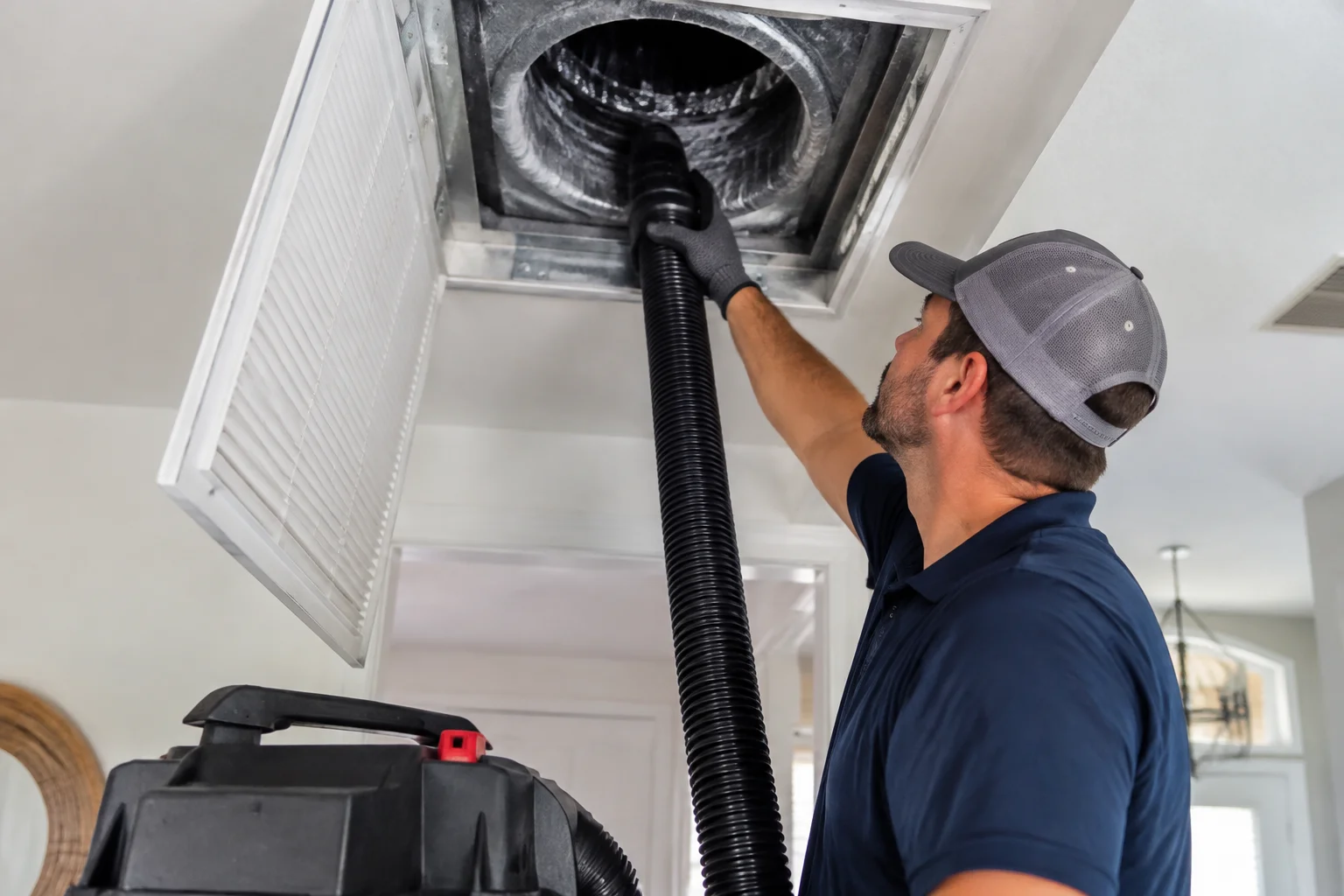
Leaky or dirty ducts can spread dust, moisture, and odors throughout the house. Return air problems can also make it harder for the system to circulate air evenly. In older beach homes, ducts may have been exposed to years of humidity and temperature swings, which can lead to deterioration.
If you suspect the system is pulling in attic air, crawl space air, or musty odors, duct inspection should be part of the conversation. Sometimes the fix is sealing. In other cases, replacement is the more reliable long term answer.
Maintenance habits that help coastal homes stay healthier
Small routine steps can keep indoor air quality from slipping. Replace filters on schedule, keep supply and return vents clear, and watch for condensation around registers or windows. If you have a vacation home, make sure the HVAC system runs often enough to manage moisture even when no one is staying there.
It also helps to schedule seasonal service before peak heat and humidity arrive. That is especially true in Seagrove Beach, where summer conditions can expose hidden airflow or moisture issues quickly. Homeowners who want a broader maintenance plan may find this helpful: Smarter Indoor Air Quality Maintenance for Seagrove Beach Homes That Protects Comfort and Cuts Costs.
For homes that have already shown signs of stress during humid stretches, Seasonal Air Stress in Seagrove Beach Homes: Why Indoor Air Quality Testing Matters More Than Many Owners Realize explains why testing can reveal problems that are easy to miss by smell or appearance alone.
When a professional evaluation makes sense
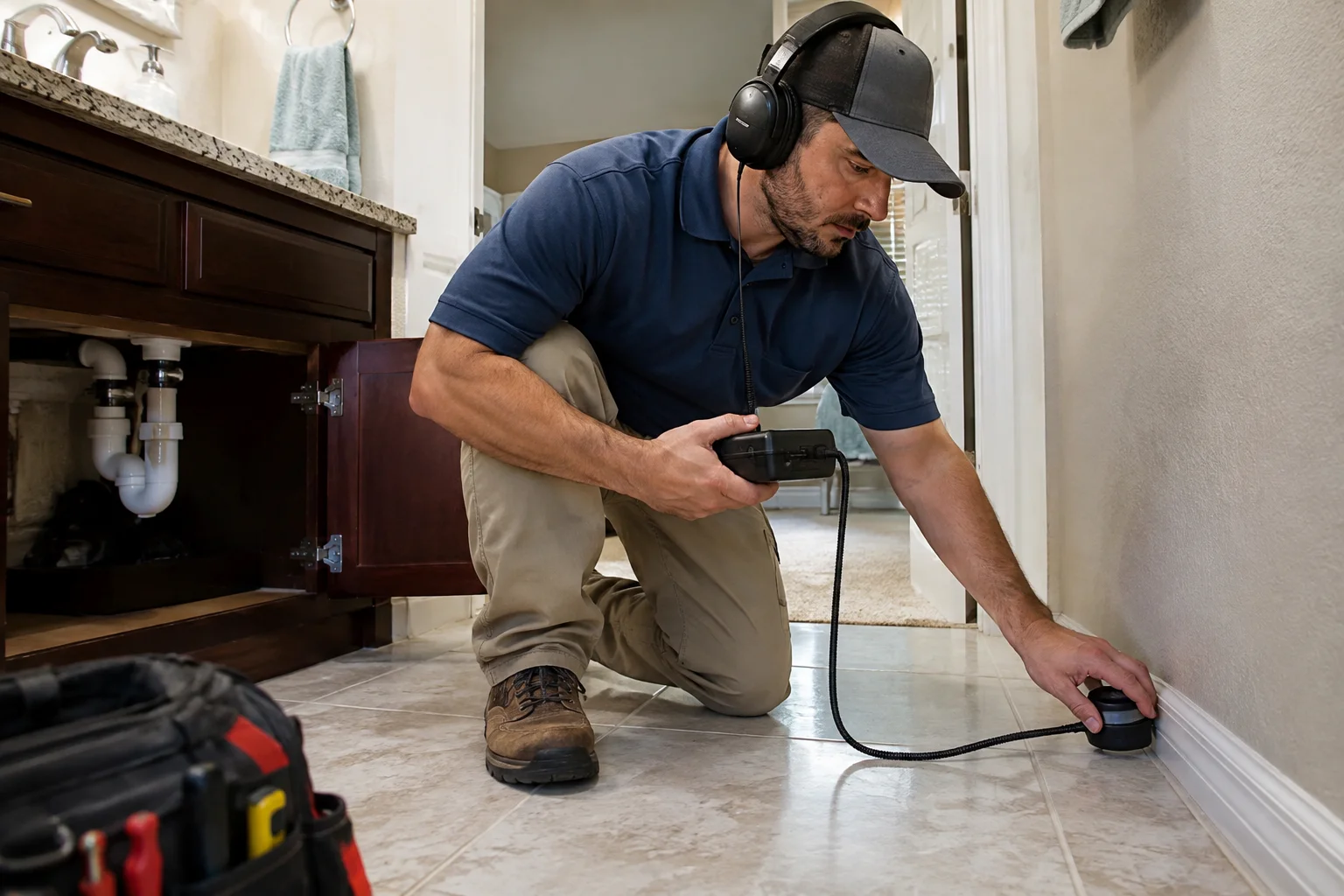
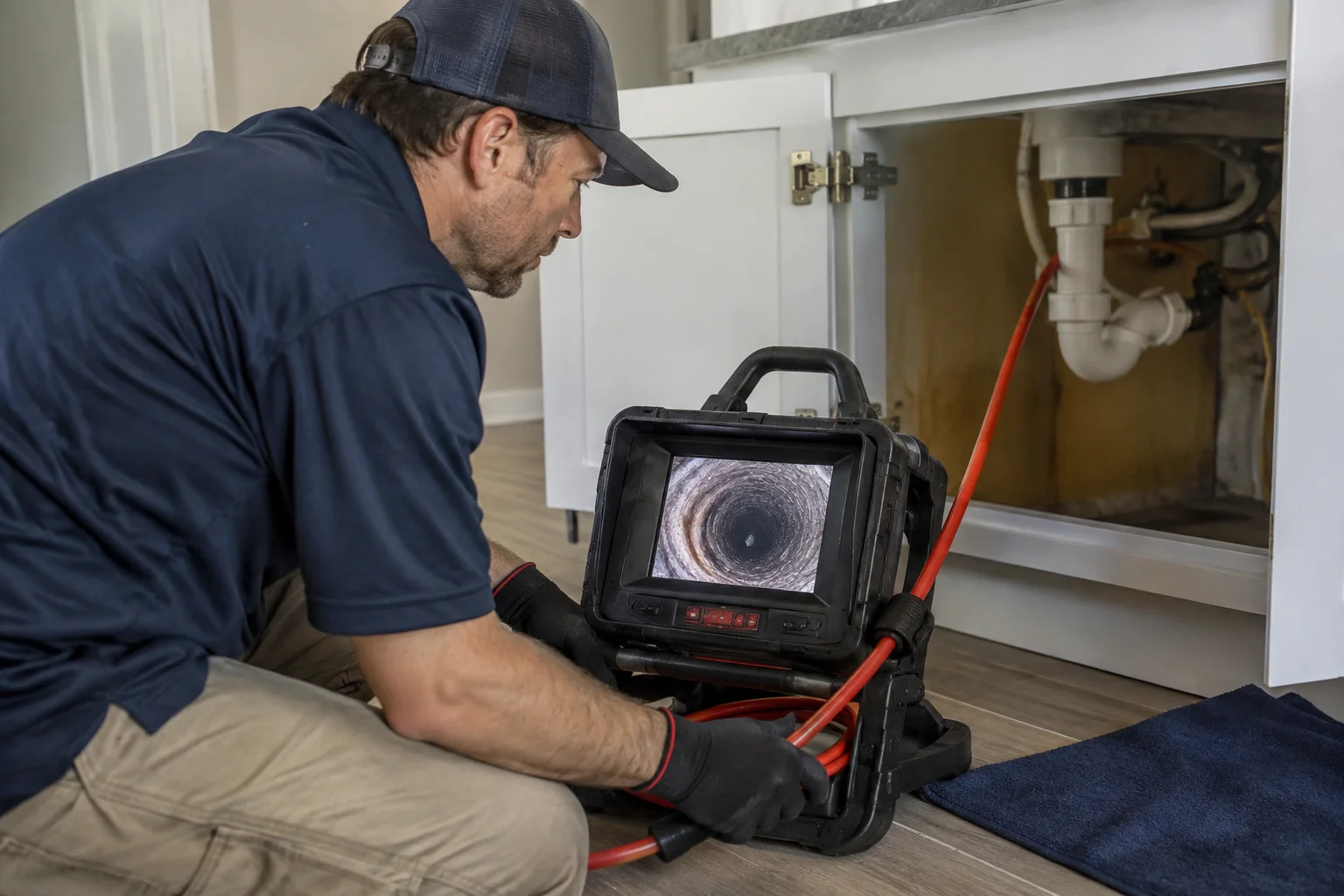
Some air quality issues can be managed with better filters or more frequent maintenance. Others need a trained eye. If the home has a lingering odor, recurring humidity problems, visible mold around vents, frequent filter clogging, or uneven airflow, it is time for a professional evaluation.
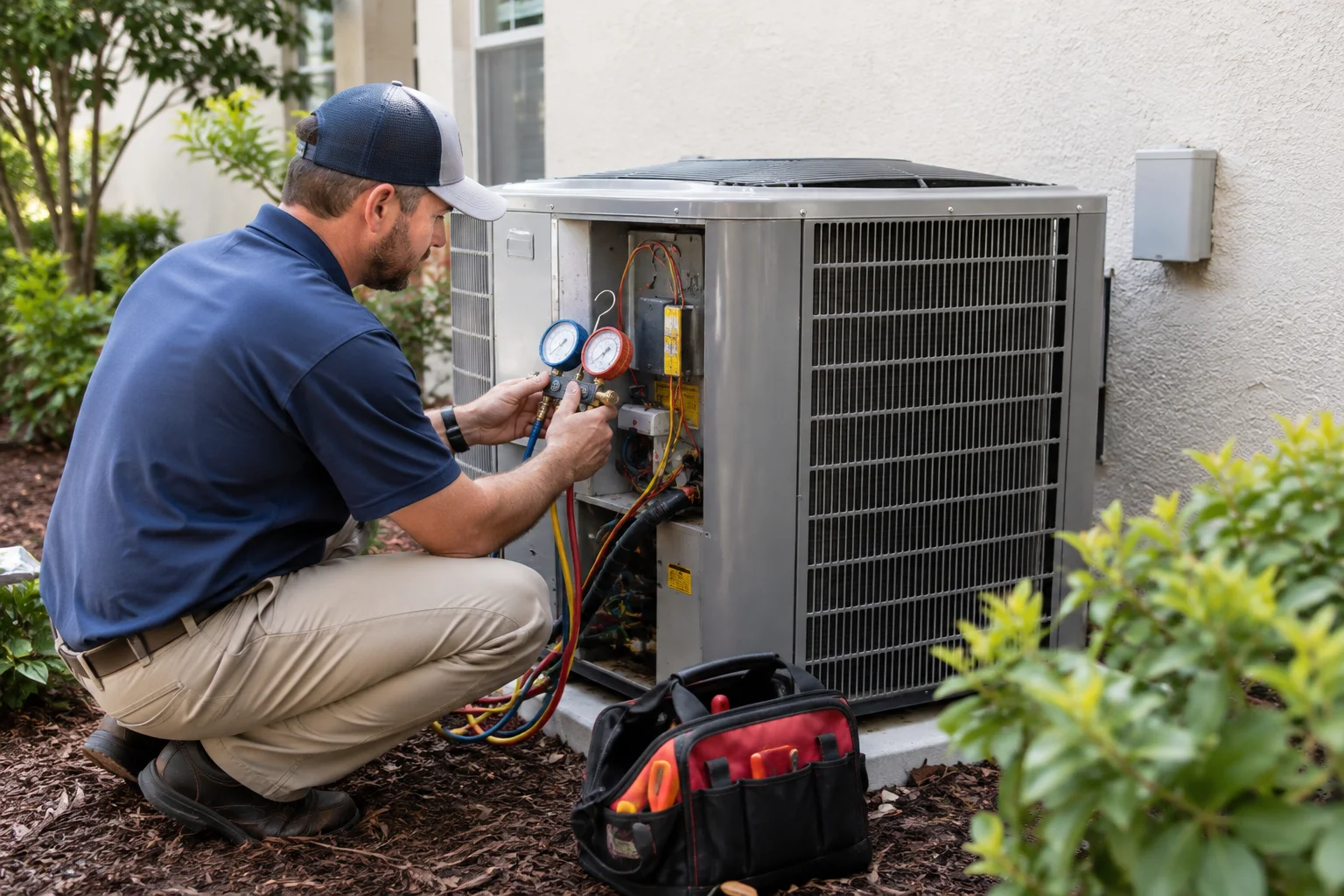
A Superior Mechanical can assess the HVAC system, ductwork, humidity levels, and ventilation needs together. That matters because indoor air quality problems in Seagrove Beach are often connected. A moisture issue can lead to odor. A duct issue can worsen dust. A ventilation problem can make the whole home feel off.
Local homeowners also appreciate having one team that understands how these systems behave in Walton County homes. Whether the property is a full time residence, a second home, or a rental, the right solution should fit the way the house is actually used.
How better air quality supports long term reliability
Cleaner indoor air does more than make a home feel fresher. It helps the HVAC system run with less strain, reduces the chance of moisture related damage, and supports steadier comfort from room to room. In a coastal market like Seagrove Beach, that reliability matters because the environment is constantly working against the system.
For homeowners thinking about upgrades, financing, or a larger equipment plan, it can help to review options before the next busy season arrives. This article offers a useful starting point: How Seagrove Beach Homeowners Can Plan for HVAC Financing Before Seasonal Stress Builds.
Indoor air quality is not a luxury in a beach town. It is part of keeping the home comfortable, protecting the equipment, and avoiding the kind of small issues that turn into expensive service calls later. When the air is cleaner and drier, the whole system tends to work better.
If you are comparing solutions for a home in Seagrove Beach or nearby Walton County, A Superior Mechanical can help with indoor air quality services that are built for the local climate. Learn more about the service at indoor air quality in Seagrove Beach, FL.
Find Indoor Air Quality in Seagrove Beach, FL
If you need Indoor Air Quality in Seagrove Beach, FL, visit our local service page or contact A Superior Mechanical today.
Map of Seagrove Beach, FL
Frequently Asked Questions
Why is indoor air quality such a concern in Seagrove Beach homes?
Seagrove Beach homes deal with high humidity, salt air, pollen, and frequent airflow changes from open doors and seasonal use. Those conditions can lead to musty odors, dust buildup, and moisture related HVAC problems.
Can poor indoor air quality make my HVAC system less reliable?
Yes. Dirty filters, excess humidity, and restricted airflow can make the system work harder, which may lead to higher energy use, short cycling, and more wear on components.
What indoor air quality upgrades help most in coastal Florida?
Common solutions include better filtration, whole-home dehumidifiers, ventilation improvements, duct repairs or replacement, and HVAC based purification options. The right combination depends on the home and how it is used.
How often should a vacation home in Walton County have indoor air quality checked?
Homes that sit vacant or are used as rentals should be checked regularly, especially before and during humid seasons. A seasonal evaluation can help catch moisture or airflow issues early.
Related Articles
- Smarter Indoor Air Quality Maintenance for Seagrove Beach Homes That Protects Comfort and Cuts Costs
- Seasonal Air Stress in Seagrove Beach Homes: Why Indoor Air Quality Testing Matters More Than Many Owners Realize
- A Smarter Way to Approach Commercial HVAC Repair in Seagrove Beach, FL
- How Seagrove Beach Homeowners Can Plan for HVAC Financing Before Seasonal Stress Builds
Photo Gallery