Seagrove Beach homes deal with a mix of coastal humidity, salt air, and long cooling seasons that can make indoor air quality harder to manage than many homeowners expect. When the air inside a house stays damp, dusty, or poorly ventilated, the HVAC system has to work harder. That usually means more wear, higher energy bills, and more comfort complaints from the people living there.
For homeowners, vacation rental owners, and property managers in Walton County, smarter maintenance is not just about changing a filter now and then. It is about building habits that keep moisture under control, reduce airborne particles, and help the system run the way it should. If you are looking for indoor air quality services in Seagrove Beach, FL, A Superior Mechanical can help you match the right solutions to the way your home is actually used.
Why indoor air quality matters more on the coast
Seagrove Beach sits in a climate that encourages moisture. Warm temperatures, frequent humidity, and salty coastal air can all affect the air inside a home. Even well built houses can develop problems if the HVAC system is not maintained with indoor air quality in mind.
Humidity is one of the biggest concerns. When indoor moisture stays too high, it can create a stuffy feeling, encourage mold growth, and make dust mites more active. Salt air can also be tough on equipment, especially if the system is already struggling with clogged filters or restricted airflow. In homes that sit empty for part of the year, air quality issues can build quietly until someone notices musty odors, condensation, or allergy flare ups.
That is why local maintenance matters. A system that works well in a dry inland climate may need a different approach in Seagrove Beach and the rest of Walton County.
Small indoor air quality problems often show up as bigger HVAC costs
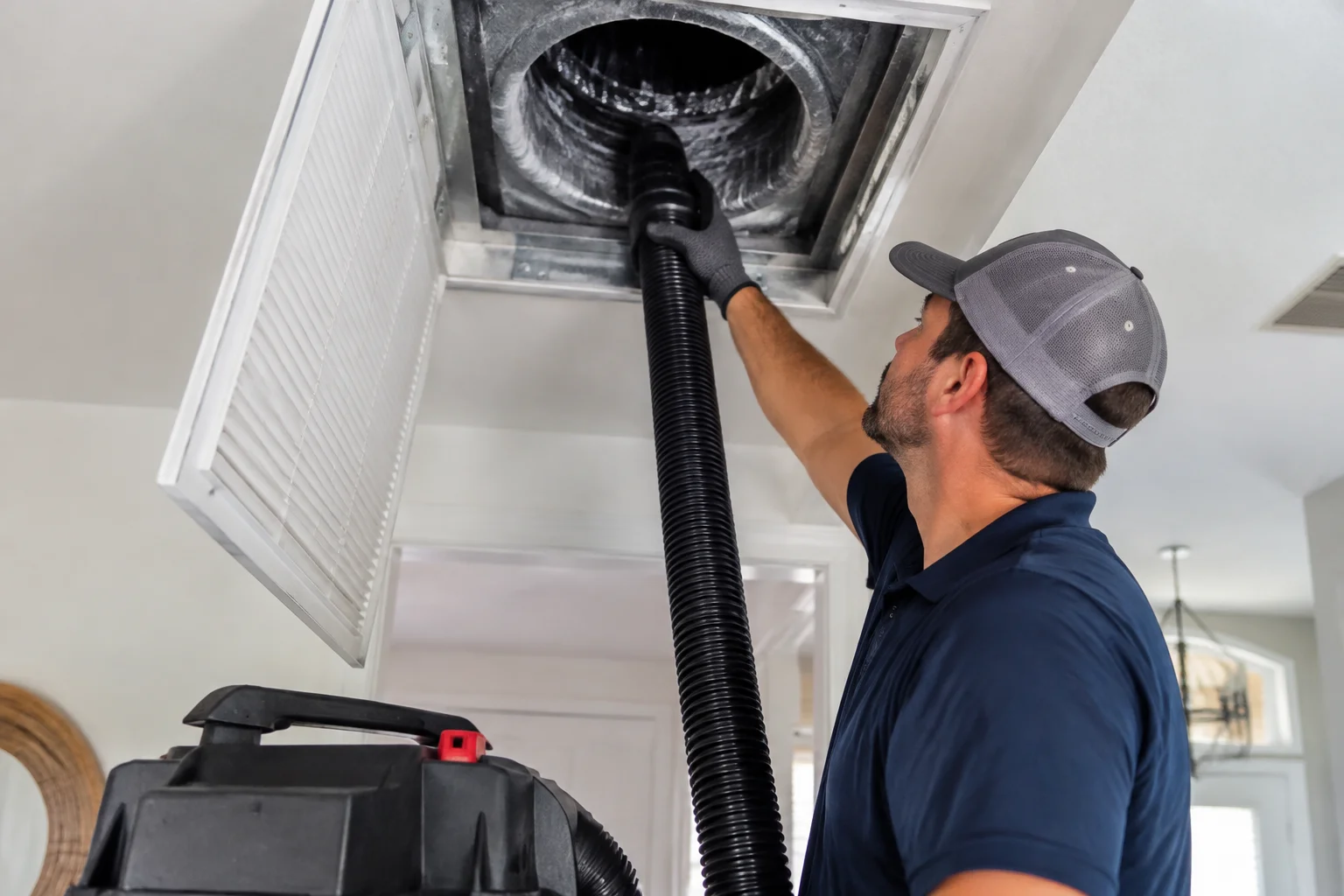
Homeowners sometimes think indoor air quality only affects comfort. In reality, it can also affect equipment life and repair frequency. Dust buildup on coils, dirty blower components, and restricted return airflow all force the HVAC system to work harder. Over time, that can shorten the life of the equipment and increase the chance of breakdowns during the hottest months.
Indoor air quality issues can also make a home feel less efficient even when the thermostat is set correctly. If the air is humid, the system may run longer to reach a comfortable temperature. If the filtration is weak, fine particles keep circulating through the house and settling on vents, furniture, and duct surfaces. If ventilation is poor, stale air and odors can linger, especially in tightly sealed homes or properties that are closed up between guest stays.
For a broader look at how seasonal stress affects homes here, read Seasonal Air Stress in Seagrove Beach Homes: Why Indoor Air Quality Testing Matters More Than Many Owners Realize.
Maintenance habits that help indoor air quality and reliability
Replace filters on a schedule that fits coastal conditions
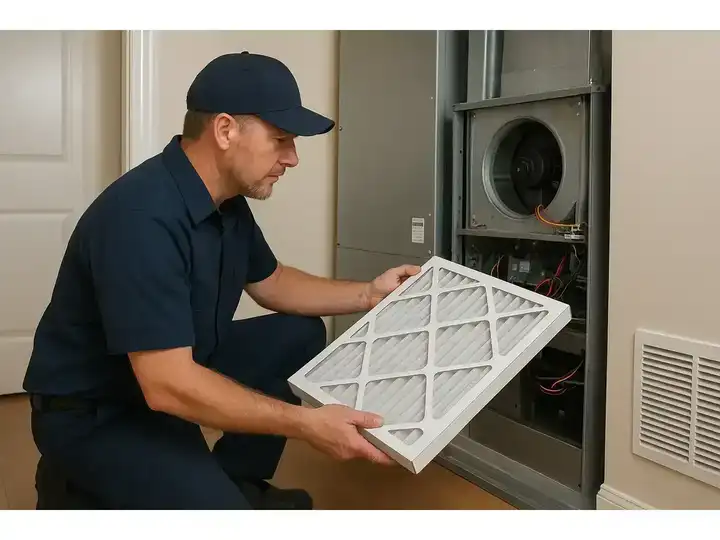
Filter changes are one of the simplest ways to protect indoor air quality, but the right schedule depends on the home. In Seagrove Beach, a filter may load up faster because of humidity, sand, pollen, and general coastal debris. Vacation homes and rental properties may also need more frequent changes because systems sit idle and then run hard when guests arrive.
Check filters monthly during peak cooling season. If the filter looks dirty or feels heavy with dust before the month is up, replace it sooner. A clean filter helps improve airflow, supports better dust control, and reduces strain on the blower and cooling components.
Keep humidity in the right range
Humidity control is one of the biggest parts of indoor air quality in coastal Florida. If indoor humidity stays too high, the home can feel warmer than it is and the AC may run longer than necessary. That extra runtime adds wear and can lead to more service calls.
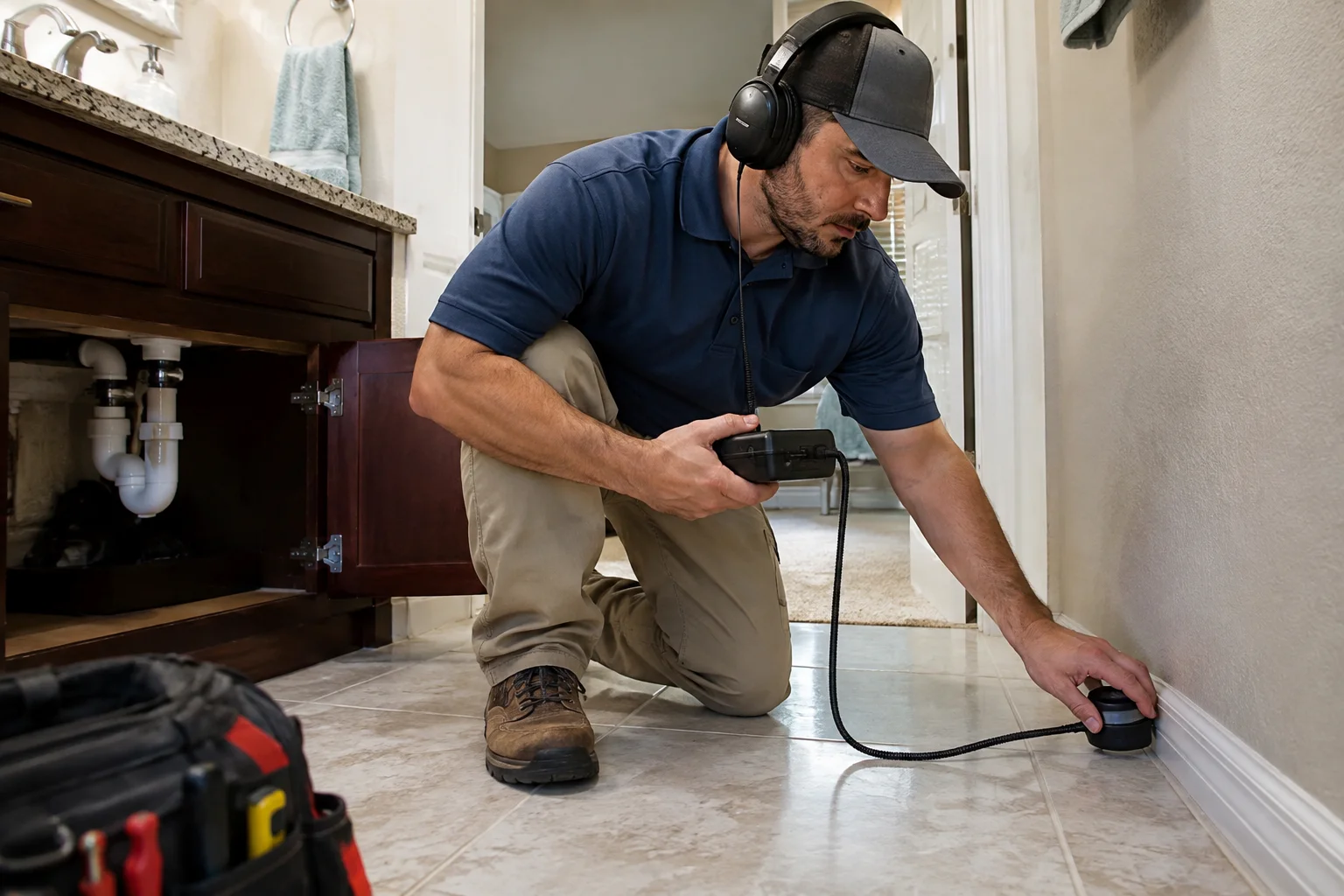
Homeowners should pay attention to signs like condensation on windows, a damp smell in closets, or rooms that feel sticky even when the AC is running. Dehumidifiers, properly sized HVAC equipment, and ventilation upgrades can all help. In some homes, the best solution is a combination of better filtration and targeted humidity control rather than one fix alone.
Watch for airflow problems early
Poor airflow affects both comfort and air quality. If some rooms feel warmer, the system cycles too often, or vents seem weak, there may be an issue with the filter, ductwork, blower, or return air setup. Limited airflow can allow moisture and contaminants to linger longer inside the home.
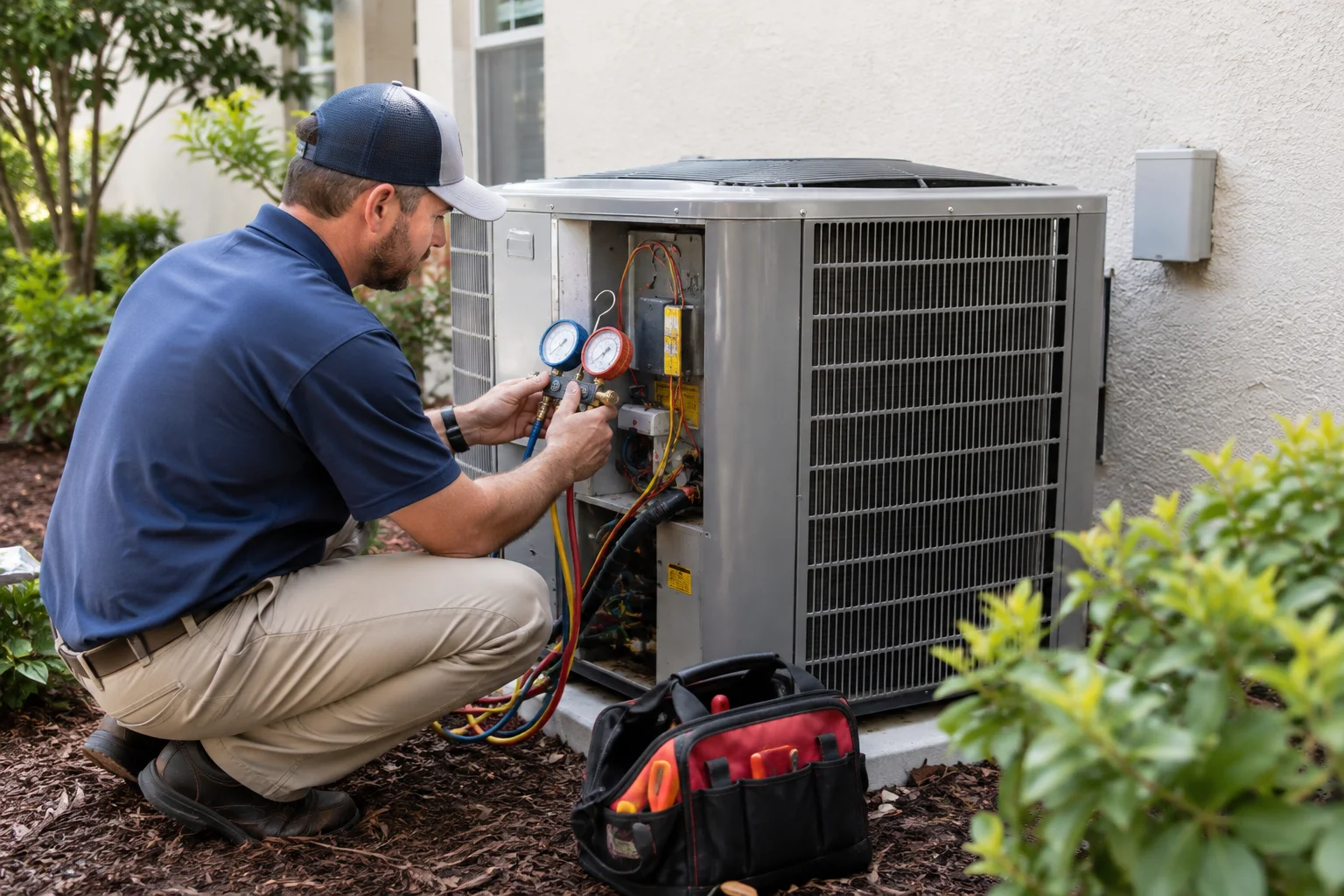
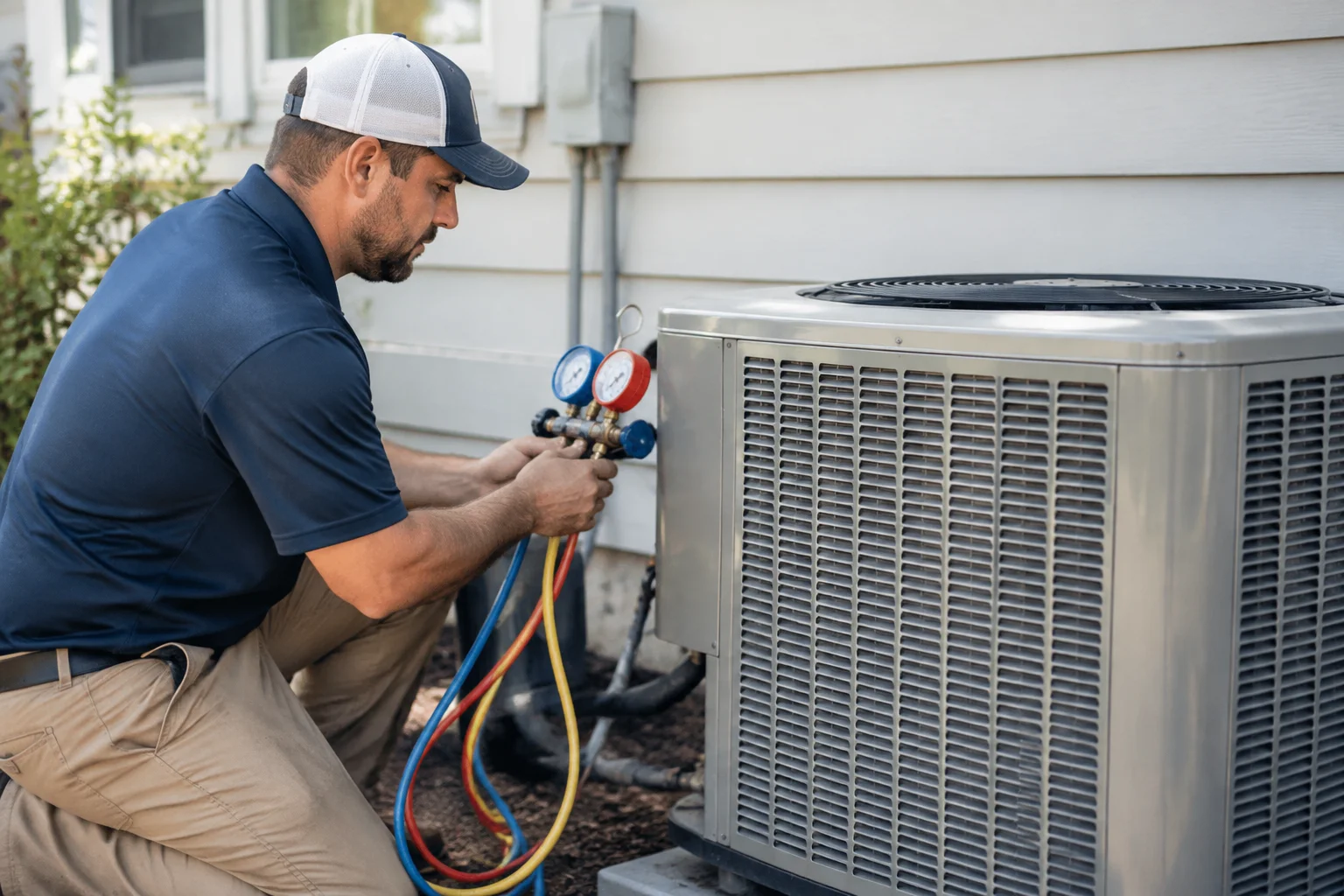
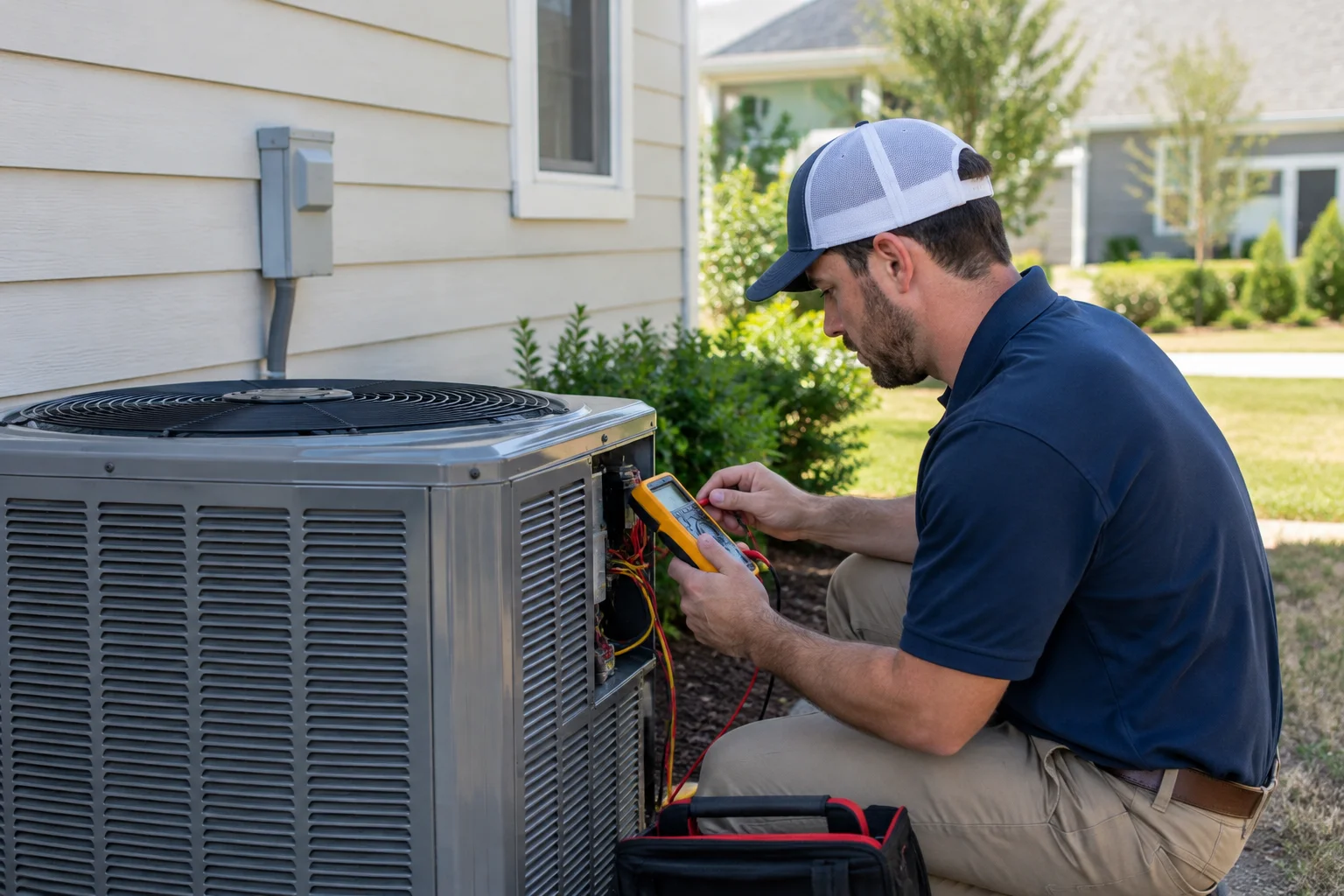
An air conditioning inspection can help identify these issues before they become expensive repairs. During an inspection, a technician can look for dirty coils, blocked drains, worn parts, and signs that the system is not moving air the way it should.
Keep supply and return grilles clear
Furniture, rugs, curtains, and storage items can block airflow without homeowners realizing it. Return vents need open space to pull air back into the system. Supply vents need room to distribute conditioned air throughout the home. When those pathways are restricted, the HVAC system can become less efficient and indoor air quality can suffer.
A quick walk through the house every few weeks can prevent a lot of trouble. Make sure vents are open, dust is not building up around grilles, and nothing is covering the return air path.
Pay attention to odors and moisture after long vacancies
Seagrove Beach has many second homes and vacation properties, which means some systems sit unused for stretches of time. When a house is closed up, moisture can collect and odors can develop. That is especially true if the thermostat is set too high, the system is off for too long, or the home does not have enough fresh air exchange.
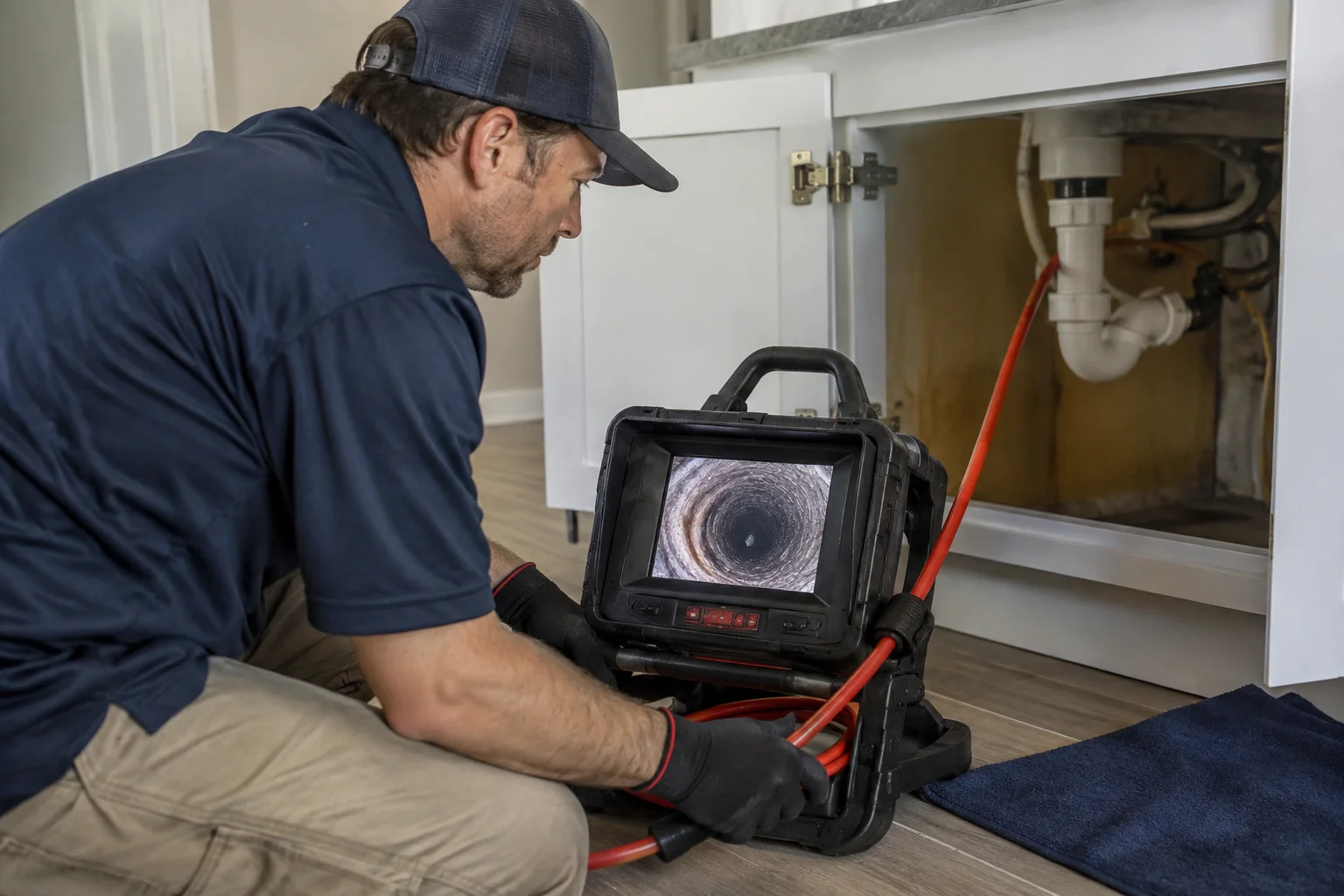
Before a busy season starts, it is smart to inspect filters, check drain lines, and verify the system is removing humidity properly. Property owners who manage multiple homes may want to compare this approach with the advice in Making Smarter HVAC Choices for Property Managers in Seagrove Beach.
Local conditions that make air quality solutions more important
Homes near the beach face different challenges than homes farther inland. Salt can contribute to corrosion on outdoor equipment. Humidity can make it harder to keep crawl spaces and attics dry. Pollen and outdoor debris move inside easily when doors open often during guest turnover or family gatherings.
That is why indoor air quality solutions in Seagrove Beach often work best when they are designed around the home, not just the equipment. In some properties, whole-home filtration is the priority. In others, a dehumidifier or ventilation upgrade makes more sense. Some homes benefit from VRF Multi-Zone Systems because they allow better control in different areas of the house, especially when one part of the home is used more than another.
Newer homes can also benefit from planning early. If you are building or renovating, indoor air quality should be part of the design process, not an afterthought. Learn more about system planning with New Construction HVAC and how it can support better long term comfort.
How to know the home needs professional attention
Some indoor air quality issues can be handled with routine homeowner maintenance. Others need a trained HVAC professional. If you notice any of the following, it is time to have the system checked:
Persistent musty odors, visible dust buildup soon after cleaning, rooms that feel damp or stale, frequent filter clogging, allergy symptoms that worsen indoors, condensation near vents or windows, and uneven temperatures from room to room.
If those problems keep coming back, the issue may be bigger than a filter change. Duct leakage, poor ventilation, an undersized dehumidification strategy, or aging HVAC components may be part of the problem. A Superior Mechanical can evaluate the system and recommend indoor air quality improvements that fit the home and the local climate. For service details, visit the indoor air quality service page.
Maintenance choices that save money over time
Better indoor air quality often pays off in ways homeowners can feel and measure. Clean filters and balanced airflow help the system run more efficiently. Humidity control can make a home feel comfortable at a higher thermostat setting. Better ventilation can reduce stale air and help protect finishes, furnishings, and stored items from excess moisture.
In practical terms, that can mean fewer emergency repairs, less strain on the blower and compressor, and fewer complaints from guests or family members. It can also help homeowners avoid the cycle of replacing parts that were damaged by preventable airflow or moisture problems.
If your system is already showing signs of age, it may be worth comparing repair and replacement options before peak season. Financing can make larger improvements more manageable, which is why some homeowners review How Seagrove Beach Homeowners Can Plan for HVAC Financing Before Seasonal Stress Builds before making a decision.
A practical indoor air quality routine for Seagrove Beach homes
A good maintenance routine does not have to be complicated. Start with monthly filter checks, seasonal HVAC inspections, and regular attention to humidity levels inside the home. Keep vents clear, watch for odors or condensation, and schedule professional service before small issues turn into expensive ones.
For homes in Seagrove Beach, that routine is especially valuable because the environment works against HVAC systems year round. Salt air, humidity, and frequent use during peak seasons all add stress. The right indoor air quality strategy helps the home stay comfortable, protects the equipment, and reduces the chance of surprise repair costs.
If you want a local team that understands how coastal conditions affect HVAC performance, A Superior Mechanical provides indoor air quality solutions tailored to homes and properties across Seagrove Beach and Walton County.
Find Indoor Air Quality in Seagrove Beach, FL
If you need Indoor Air Quality in Seagrove Beach, FL, visit our local service page or contact A Superior Mechanical today.
Map of Seagrove Beach, FL
Frequently Asked Questions
How does Seagrove Beach weather affect indoor air quality?
High humidity, salt air, and long cooling seasons can increase moisture inside the home, make filters load up faster, and create conditions that support mold, dust mites, and stale odors.
What indoor air quality maintenance should homeowners do most often?
Check and replace HVAC filters regularly, keep vents clear, monitor indoor humidity, and schedule seasonal inspections to catch airflow or moisture issues early.
Can better indoor air quality lower HVAC repair costs?
Yes. Cleaner airflow, less moisture stress, and fewer contaminants can reduce wear on the blower, coils, and other components, which may help prevent breakdowns and extend equipment life.
Do vacation homes in Seagrove Beach need different indoor air quality care?
Often they do. Homes that sit empty for periods can develop humidity and odor problems, so it is important to check filters, drains, ventilation, and humidity control before and during occupancy.
Related Articles
- Seasonal Air Stress in Seagrove Beach Homes: Why Indoor Air Quality Testing Matters More Than Many Owners Realize
- A Smarter Way to Approach Commercial HVAC Repair in Seagrove Beach, FL
- How Seagrove Beach Homeowners Can Plan for HVAC Financing Before Seasonal Stress Builds
- Making Smarter HVAC Choices for Property Managers in Seagrove Beach
Photo Gallery