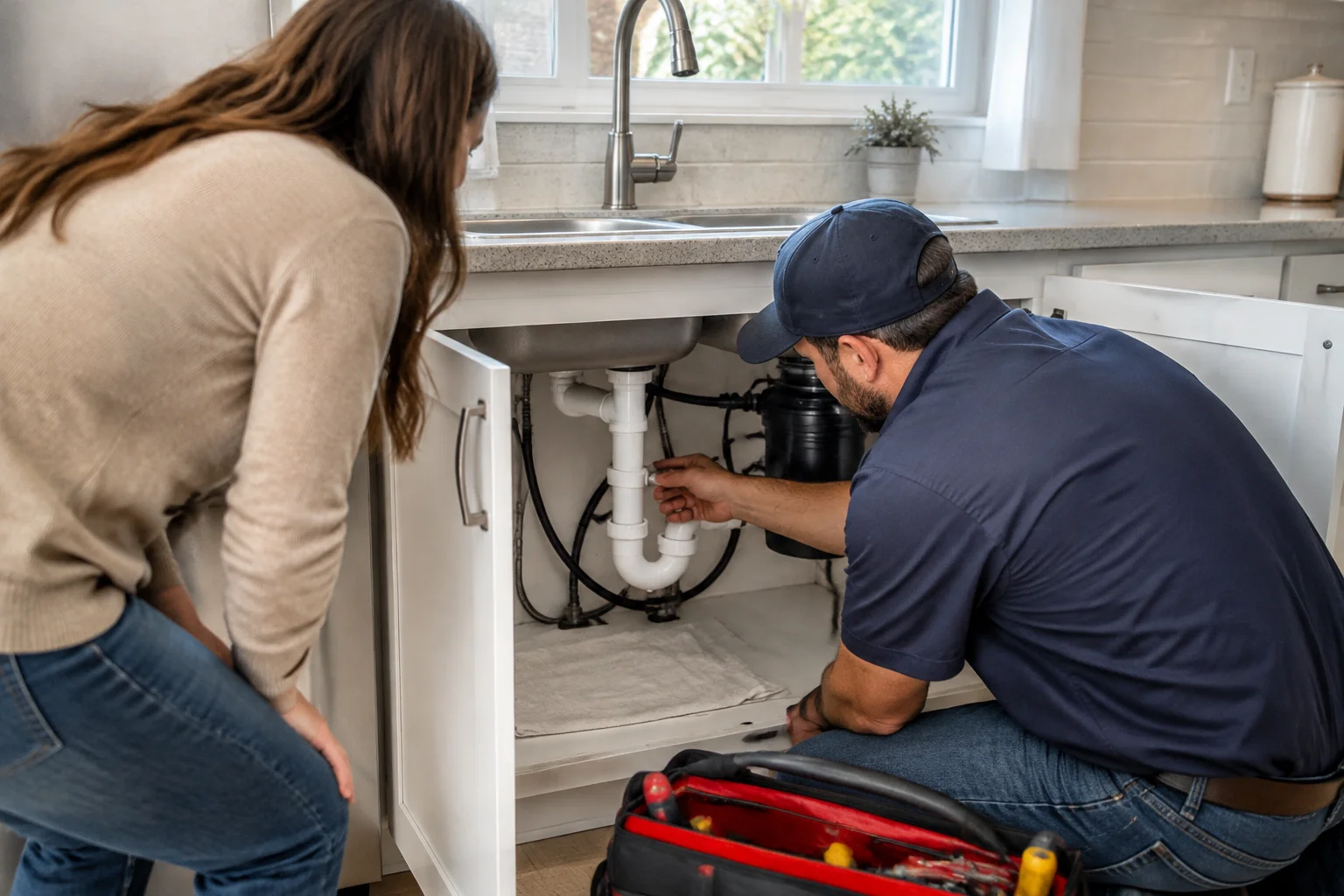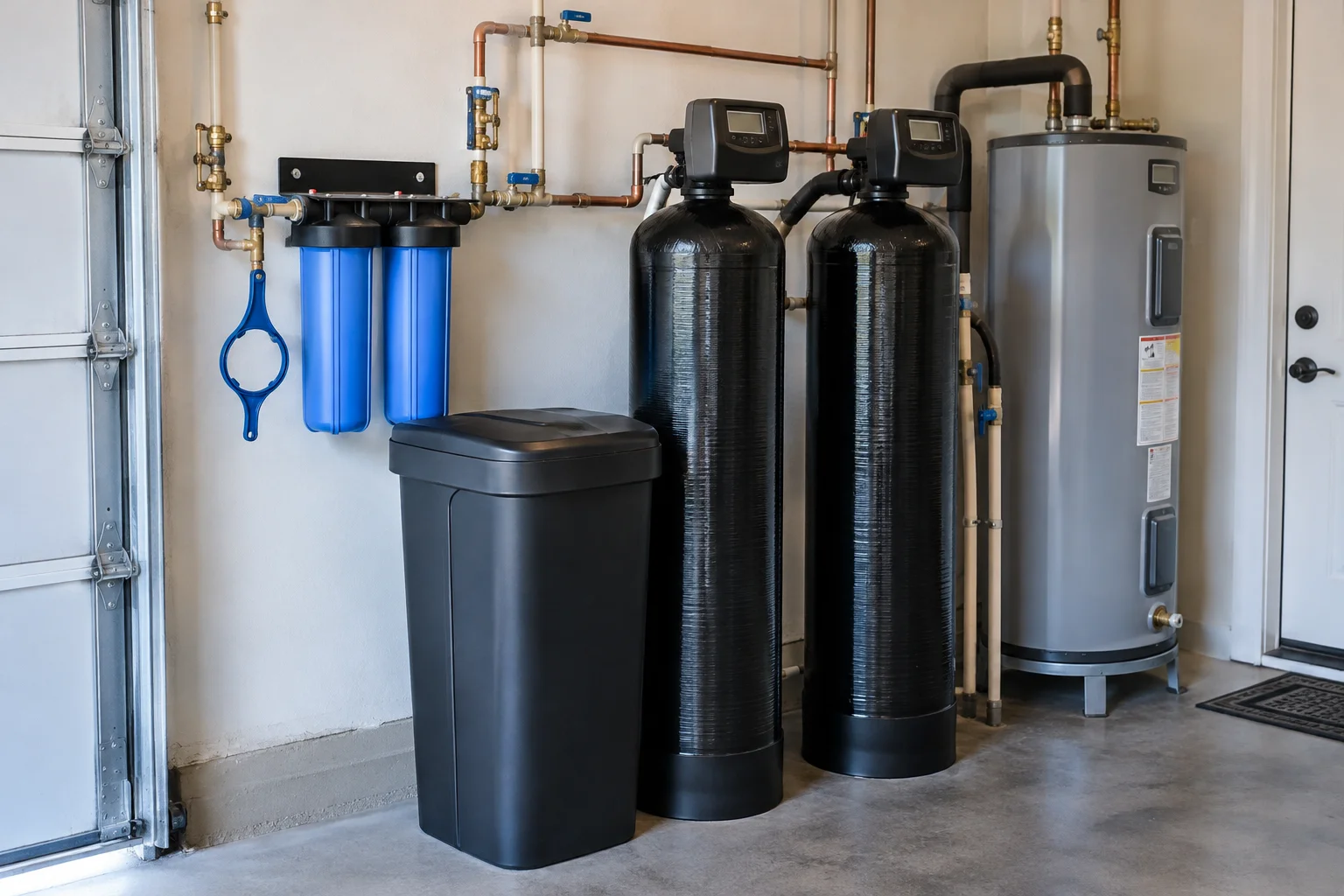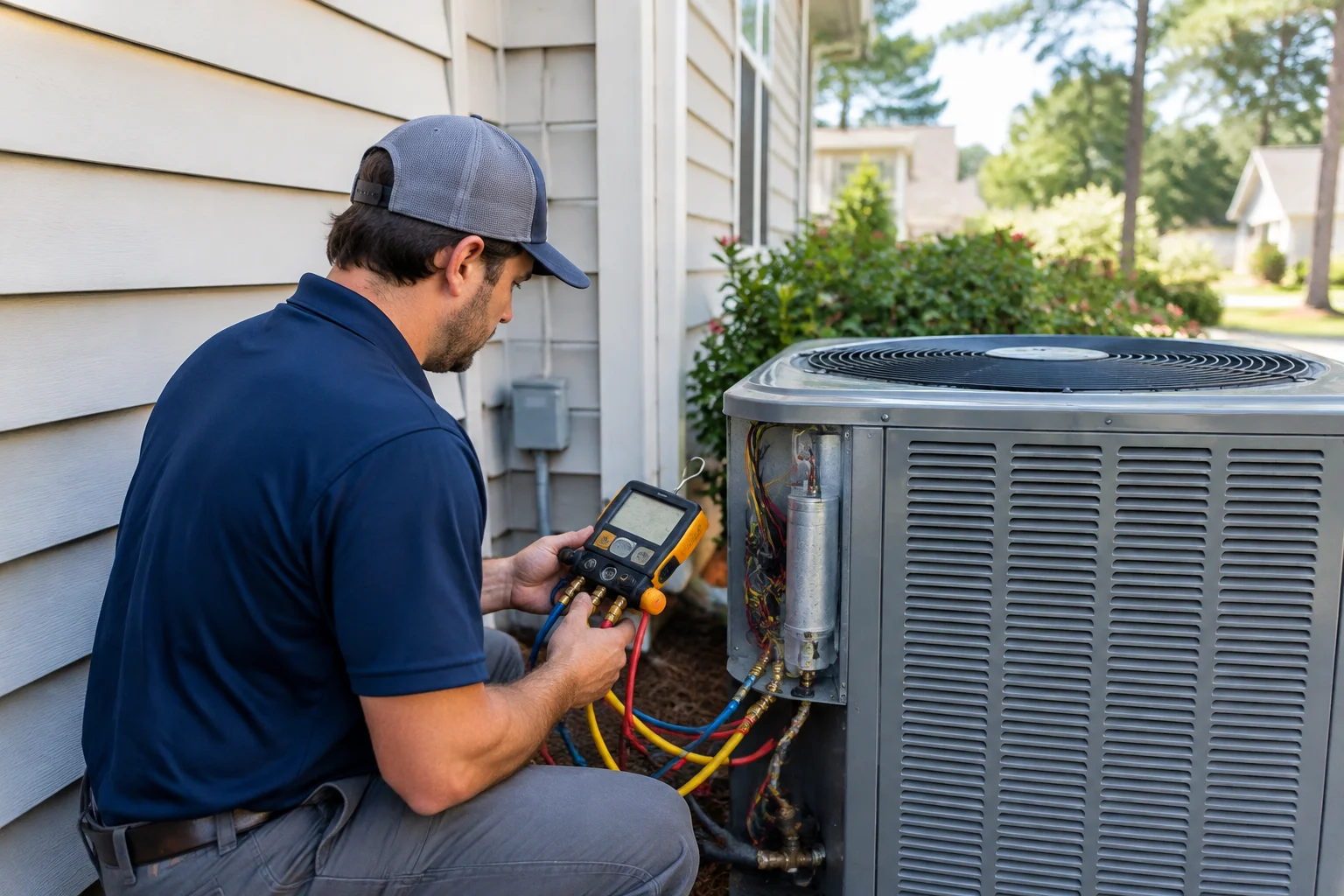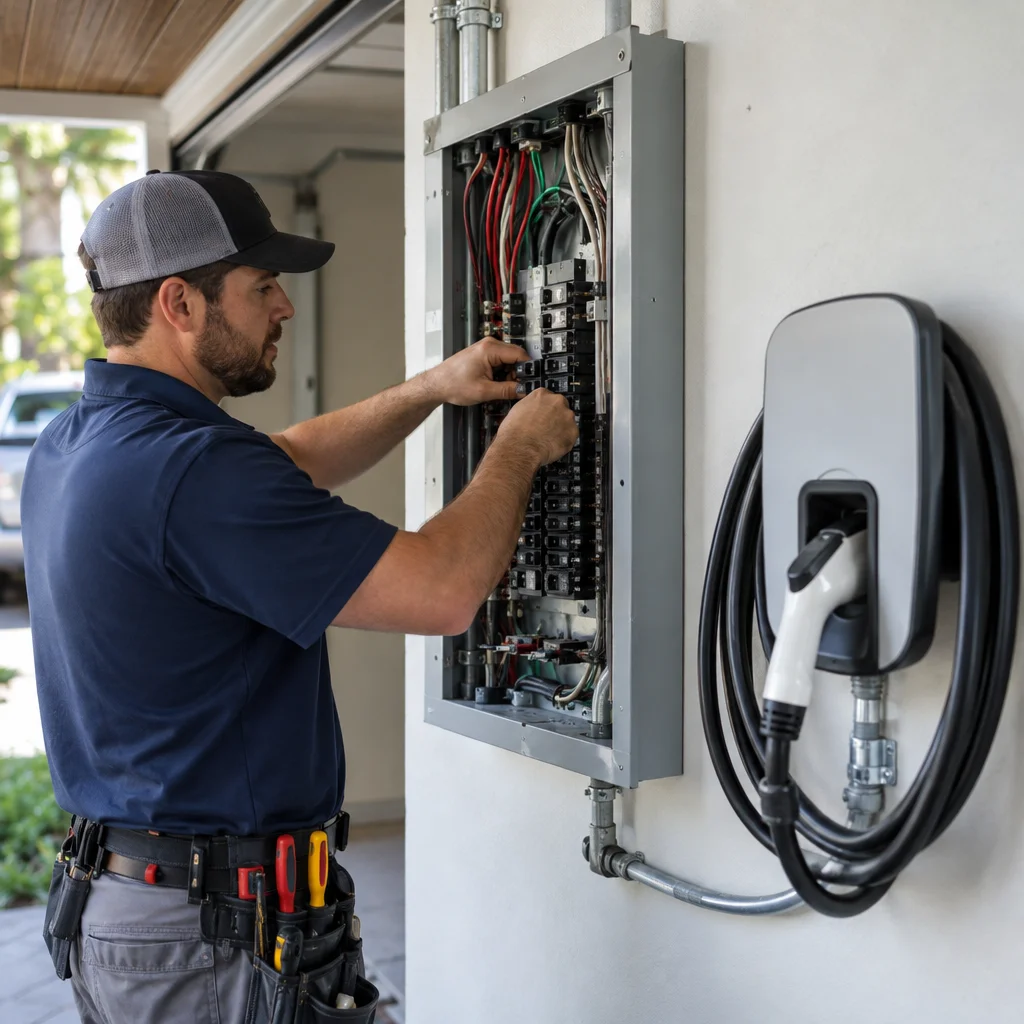
A comfortable building should not depend on someone lowering the thermostat every afternoon. In Lake Lorraine, a cool lobby, a stuffy back office, and a damp storage room can all be symptoms of the same maintenance problem. Commercial HVAC planning means looking beyond whether the equipment turns on and checking how it handles airflow, moisture, occupancy, and daily operating hours.
A Superior Mechanical provides commercial HVAC maintenance in Lake Lorraine, FL, for offices, restaurants, retail spaces, and other commercial properties. For business owners, property managers, and homeowners who also manage a small workplace, a practical maintenance plan helps separate routine upkeep from problems that need repair.
Lake Lorraine's coastal climate changes the maintenance equation
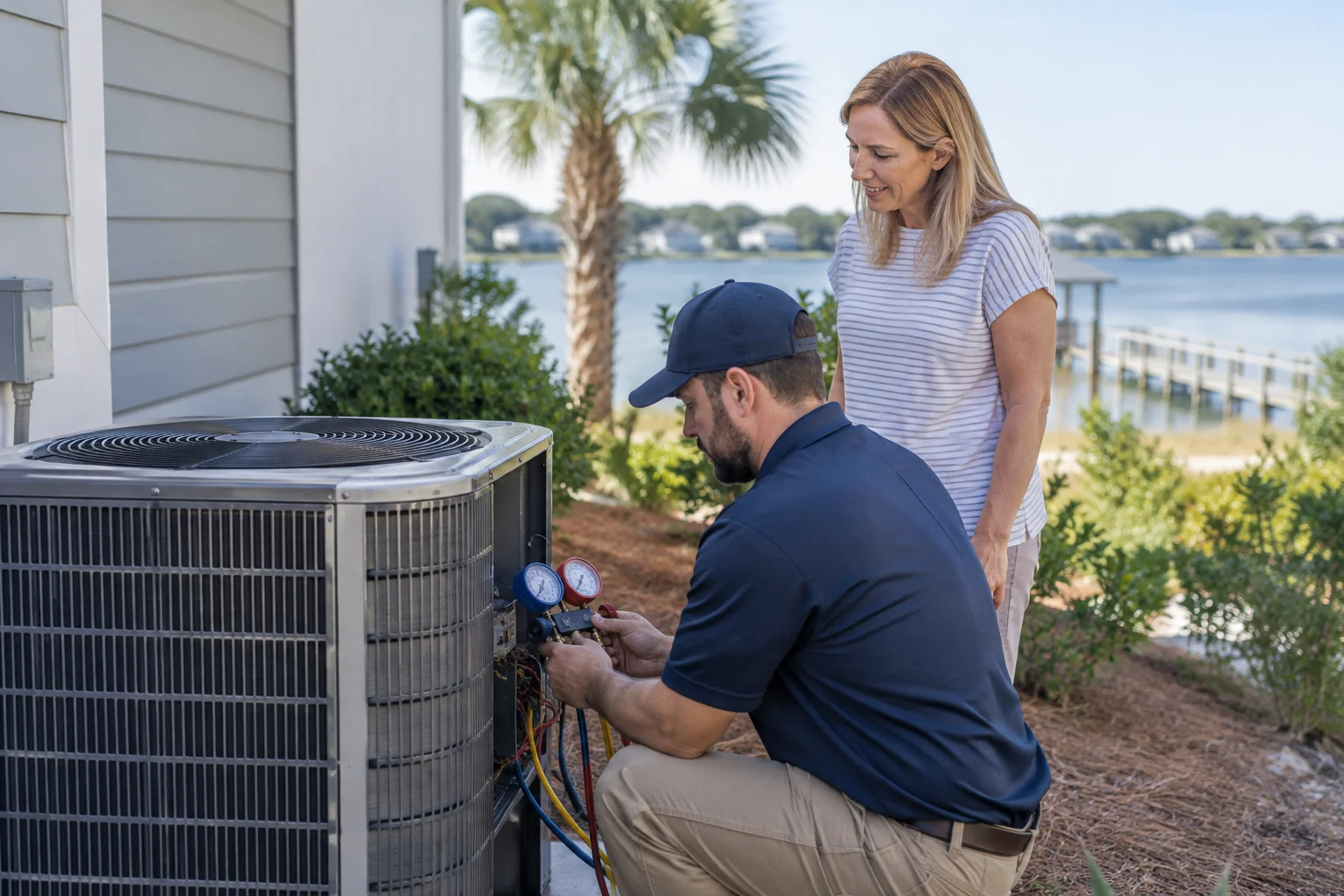
Long cooling seasons and humid outdoor air put sustained demands on local air conditioning systems. Salt air can accelerate corrosion on exposed metal, especially around outdoor units, condenser coils, cabinets, and connections. The amount of exposure varies by location, wind, and equipment placement, so a maintenance schedule should reflect the property rather than follow a generic calendar.
Storms add another layer of concern. Windblown debris can obstruct condensers, while heavy rain can reveal drainage problems around equipment. After severe weather, check accessible areas from a safe distance. Do not operate equipment that has been flooded or approach damaged wiring.
These conditions affect commercial buildings and local homes alike. Older homes may have aging ductwork and limited return airflow. Newer homes may retain moisture when ventilation and cooling are poorly coordinated. Local HVAC service matters because the same coastal conditions can produce very different problems in different buildings.
Start with the building, not just the equipment
A useful maintenance plan begins with an equipment inventory and a conversation about how the space operates. Record system locations, model information, filter sizes, thermostat zones, service history, and recurring complaints. Note which air handlers serve each area and whether equipment is accessible without disrupting customers or tenants.
Match service to occupancy and operating hours
A restaurant with cooking exhaust, frequent deliveries, and long operating hours has different needs from a small office. Retail entrances admit humid air throughout the day. Meeting rooms can become uncomfortable quickly when occupancy increases. These patterns influence filter loading, ventilation needs, and equipment runtime.
Remodels and additions deserve particular attention. A new partition can isolate a return vent, and a converted storage room may become an occupied office without enough supply air. Before assuming the equipment is too small, have a contractor compare the current layout with the system's intended coverage.
Make airflow checks part of every comfort investigation
Weak airflow often shows up before a complete breakdown. Watch for rooms that never reach their thermostat setting, whistling vents, doors that become difficult to open, or unusually long cooling cycles. Dirty filters, blocked returns, blower problems, duct leaks, and dirty evaporator coils can all restrict or misdirect air.
Staff can keep supply vents and return grilles clear of boxes, shelving, and furniture. They should not close large numbers of vents to redirect cooling elsewhere. That can increase system resistance and make the original problem worse.
Measure before changing ducts or fan settings
Professional airflow diagnosis may include static pressure measurements, blower inspection, and checking air delivery at individual outlets. Property owners searching for airflow balancing near me should look for measured findings rather than an immediate recommendation for larger equipment.
Disconnected or damaged ducts need ductwork repair. Leaking joints may benefit from duct sealing in Lake Lorraine, depending on duct condition and access. Sealing cannot correct undersized ducts, crushed flex duct, or missing return pathways, so diagnosis comes first.
Humidity control is a separate comfort goal
A building can reach its temperature setting and still feel clammy. Air conditioners remove moisture as air passes over cold evaporator coils, but that process depends on runtime, airflow, equipment sizing, and the amount of moisture entering the building. Oversized systems may satisfy the thermostat before removing enough humidity.
Frequent door openings, duct leakage, and improperly managed outdoor air can increase the moisture load. Persistent condensation, musty odors, or damp ceiling materials deserve investigation. HVAC maintenance can address contributing conditions, but it does not replace water intrusion repairs or professional assessment of suspected mold.
Use humidity readings instead of guessing
A generally useful indoor relative humidity range is about 30 to 50 percent, although the appropriate target depends on the building and its use. Sustained readings above 60 percent warrant attention. Check more than one room and compare readings during occupied and unoccupied hours.
For homeowners comparing a whole home dehumidifier near me, whole home dehumidifiers may provide supplemental moisture control. Commercial spaces need equipment selected for their own ventilation and moisture loads. Simply installing a residential unit in a business is not a substitute for proper sizing.
Give coils, filters, and drain lines consistent attention
Filters protect equipment and support indoor air quality, but replacement frequency depends on dust, occupancy, operating hours, and filter design. Inspect them regularly and follow equipment guidance. A higher efficiency filter is not automatically better if the system cannot accommodate its pressure drop.
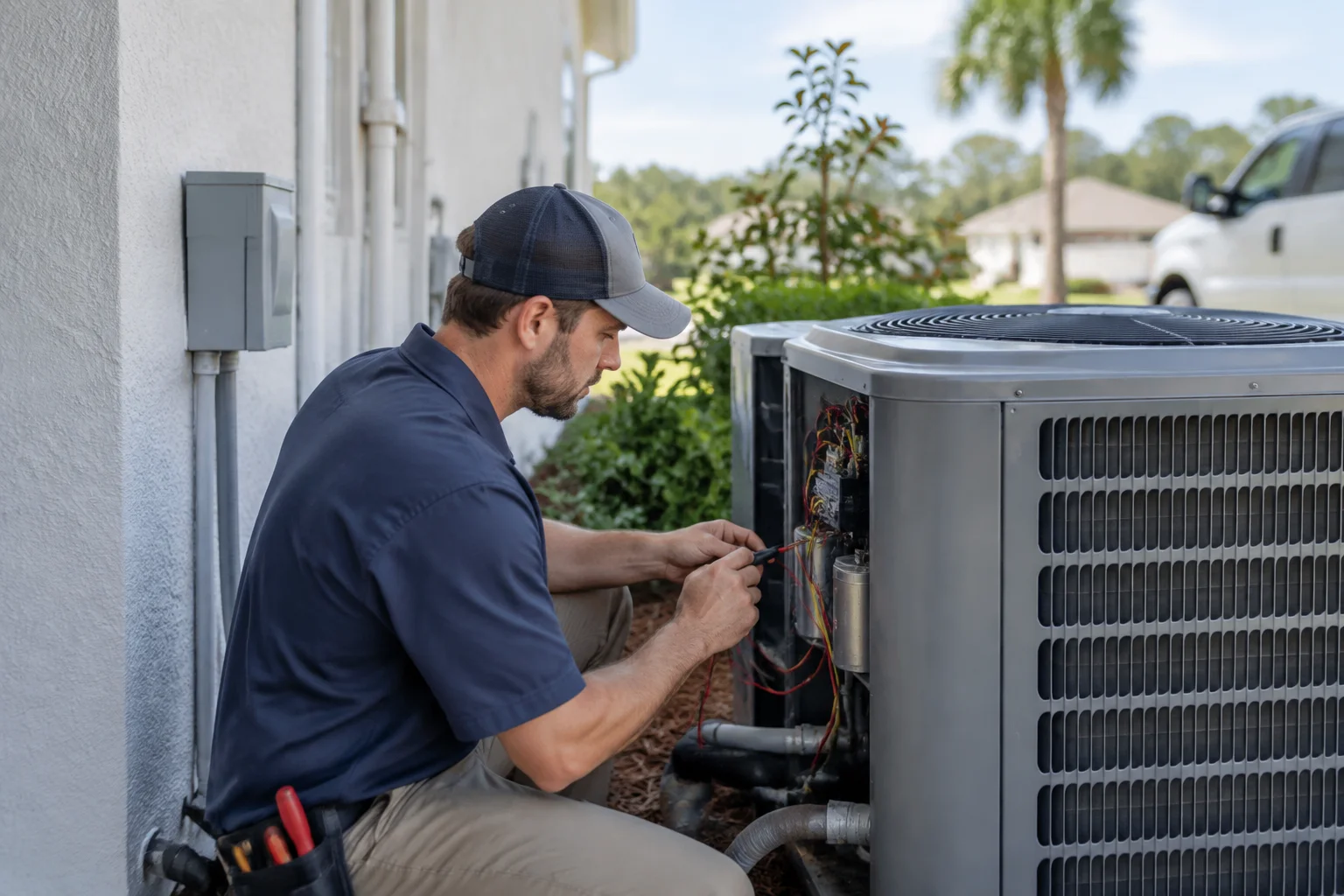
Dirty condenser coils reduce heat transfer outdoors. Dirty evaporator coils can interfere with heat transfer, airflow, and moisture removal indoors. Coastal deposits require appropriate cleaning methods. Pressure washing or harsh chemicals can damage fins and protective coatings, so coil cleaning is best handled according to manufacturer instructions.
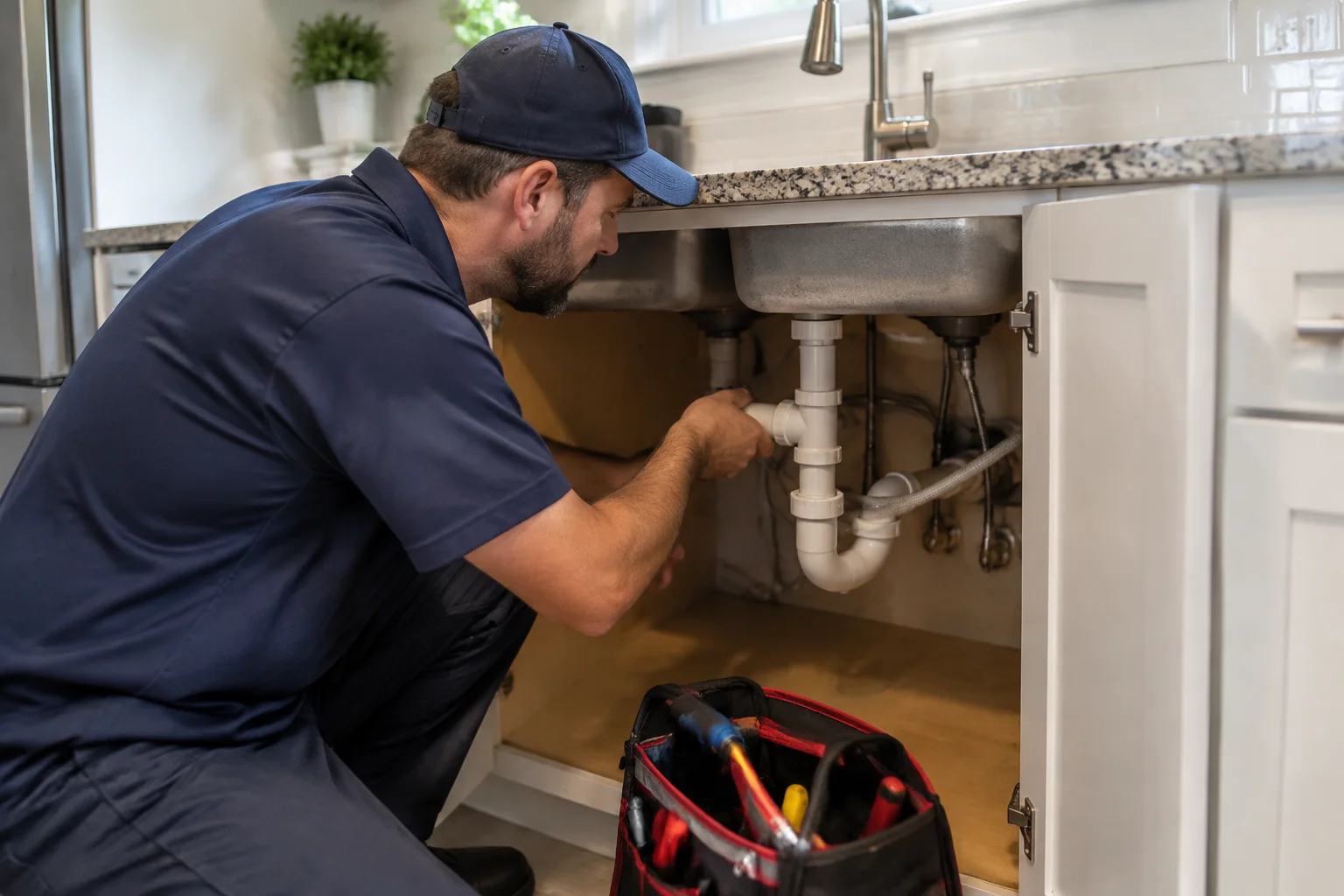
Condensate drain lines and pans also deserve routine checks. Algae, debris, poor slope, or damaged drain components can cause backups and water damage. A technician can verify drainage and test applicable overflow safety devices. Water near an air handler should never be dismissed as normal summer humidity.
Separate routine maintenance from necessary repair
Maintenance can identify developing trouble, but worn components and damaged equipment still need repair. Report new noises, repeated short cycling, ice on refrigerant lines, unexplained increases in operating costs, or cooling that fades during the afternoon. Providing the time and location of symptoms helps narrow the diagnosis.
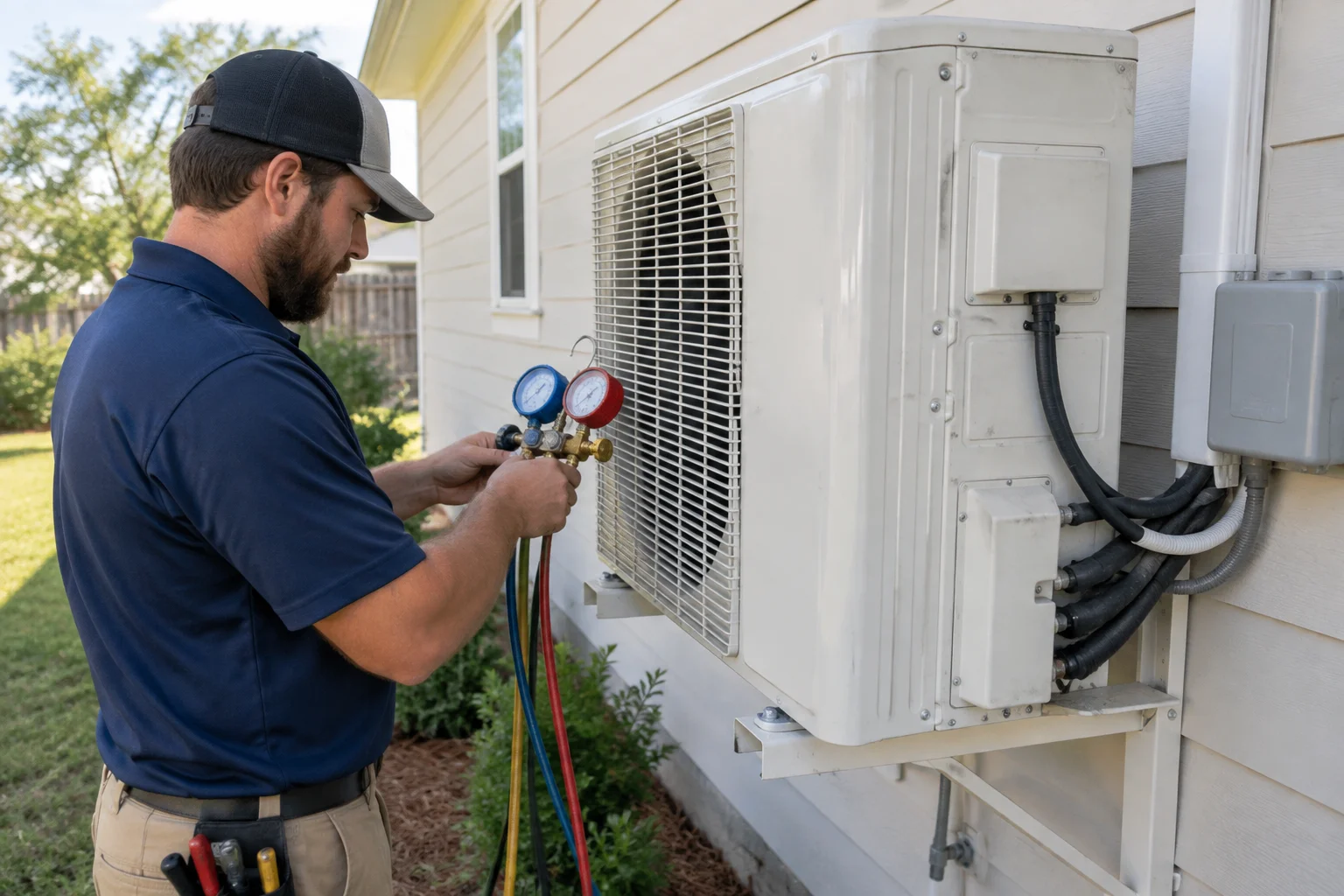
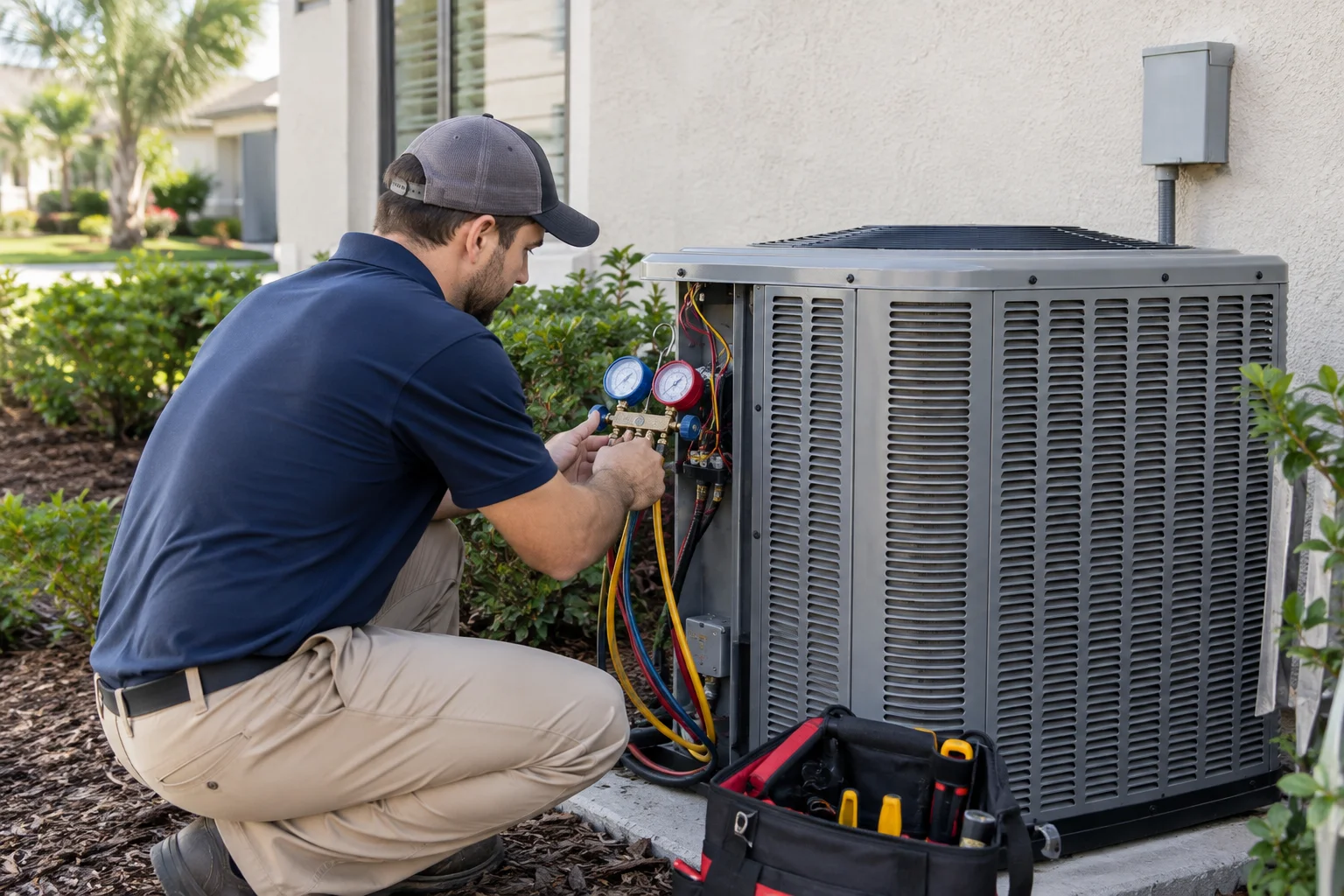
Refrigerant is not a fuel that gets used up during normal operation. Low charge can indicate refrigerant leaks or an earlier charging problem. Repeatedly adding refrigerant without investigating the cause is not a sound maintenance strategy. Leak evaluation and refrigerant work belong with qualified technicians.
Business owners searching for central air repair near me may need a service visit rather than waiting for the next scheduled inspection. A Superior Mechanical's Lake Lorraine air conditioning repair service is a relevant starting point for cooling problems that maintenance alone cannot resolve.
Include heat pumps, furnaces, and mini splits in the plan
Cooling gets most of the attention in Okaloosa County, but heating equipment should not be ignored until a cold morning. Heat pumps need checks of heating operation, controls, and applicable backup heat. Outdoor frost can occur under certain conditions; persistent ice or repeated failure to heat deserves professional evaluation.
Where furnaces are installed, furnace service should include manufacturer-recommended safety and operating checks. Fuel-burning equipment requires attention to combustion and venting. Heating repair should address the actual fault rather than bypassing a safety control to keep the system running.
Ductless mini splits often serve additions, enclosed rooms, or offices with separate schedules. Their filters, indoor coils, blowers, and condensate drainage still need maintenance. They also need appropriate sizing and placement. Adding a mini split can solve a specific zoning problem, but it will not automatically correct ventilation deficiencies elsewhere in the building.
Use thermostat settings to support efficiency, not fight the building
Thermostats work best when their schedules reflect actual occupancy. Review opening hours, weekend use, cleaning shifts, and holiday closures. Avoid extreme cooling setbacks without considering humidity and recovery time. A space that becomes hot and damp overnight may take too long to become comfortable before customers arrive.
Thermostat installation or relocation may help when a sensor sits near direct sunlight, an exterior door, or a heat-producing appliance. In larger spaces, zoning and sensor placement deserve evaluation before staff compensate with unusually low settings.
Energy efficiency also depends on clean coils, correct airflow, sound ductwork, and properly functioning controls. Compare utility use with weather and operating hours rather than judging performance from one bill. Maintenance supports efficient operation, but it cannot guarantee a specific reduction in energy costs.
Build a service calendar around seasonal demand
Schedule a cooling-focused inspection before sustained hot weather and a heating check before cooler conditions arrive. Those visits are a starting point, not a universal service interval. High-use commercial systems may need quarterly inspections or more frequent filter and drainage attention, depending on conditions and manufacturer recommendations.
Keep a simple service log with inspection dates, repairs, filter changes, humidity complaints, and recommended follow-up work. Assign one person to report developing problems so repeated complaints do not get lost between tenants, employees, and management.
Planning ahead also reduces dependence on peak-season appointment availability. Properties across Okaloosa County experience similar seasonal demand. The maintenance considerations discussed in A Coastal Comfort Plan for Commercial HVAC Maintenance in Sandestin offer a useful comparison, although each building needs its own schedule.
Know which problems cannot wait
A routine comfort complaint becomes urgent when equipment creates a safety hazard or threatens significant water damage. Smoke, burning odors, sparking, repeated breaker trips, and water reaching electrical components require prompt action. Shut the system down only if it is safe to do so. For fire, suspected gas leakage, or a carbon monoxide alarm, leave the affected area and contact emergency responders or the gas utility as appropriate.
People searching for emergency HVAC repair near me should describe the hazard, affected equipment, and whether vulnerable occupants are without cooling. Do not repeatedly reset breakers, open electrical compartments, or attempt refrigerant repairs. If conditions become unsafe from heat, move occupants to a suitable cooled location.
Arrange maintenance around the problems you actually notice
Before booking service, gather recent repair records and note rooms with uneven temperatures, dampness, noise, or weak airflow. Ask for findings that distinguish immediate repair needs from preventive work and longer-term improvements. That makes budget decisions more useful than replacing parts without a clear reason.
A Superior Mechanical helps property owners connect those concerns with HVAC service in Lake Lorraine. For commercial maintenance planning, start with the building's equipment, operating schedule, and most persistent comfort complaints. The goal is a manageable service routine that protects airflow, addresses coastal wear, and catches developing problems before they interrupt the workday.
Find Commercial HVAC Maintenance in Lake Lorraine, FL
If you need Commercial HVAC Maintenance in Lake Lorraine, FL, visit our local service page or contact A Superior Mechanical today.
Map of Lake Lorraine, FL
Frequently Asked Questions
How often should a commercial HVAC system in Lake Lorraine receive maintenance?
Cooling and heating inspections before their respective seasons are a useful starting point. Many commercial properties need quarterly service or more frequent filter and drainage checks because of long operating hours, occupancy, dust, or coastal exposure. Follow manufacturer requirements and have the schedule tailored to the building.
Why does a commercial building feel humid even when the AC is cooling?
Possible causes include short cooling cycles, oversized equipment, humid outdoor air entering the building, duct leaks, or ventilation problems. A technician should check indoor humidity, airflow, runtime, and moisture sources before recommending control changes or supplemental dehumidification.
Can commercial HVAC maintenance prevent every breakdown?
No. Maintenance can uncover dirty coils, restricted filters, drainage problems, corrosion, and developing component issues, but it cannot eliminate all failures. Documented inspections and timely repairs help reduce avoidable disruptions and give property owners better information for replacement planning.
Related Articles
Photo Gallery