Breakfast can reveal a lot about your water. A drinking glass comes out of the dishwasher covered in spots. Ice looks cloudy. Coffee tastes slightly metallic, even with fresh beans. In the bathroom, a white crust keeps returning around the faucet, and soap takes more effort to rinse away.
Those frustrations do not necessarily share one cause. Hardness minerals create spots and scale, while disinfectants, sediment, or other substances may affect taste, odor, and appearance. A Superior Mechanical provides water softening services in Lake Lorraine, FL, including AO Smith installation and maintenance. The useful starting point is identifying what is in your water, then choosing treatment that addresses the actual problem.
Lake Lorraine water treatment starts with the individual home
Lake Lorraine's warm, humid coastal setting makes reliable household water especially important. Families refill water bottles through long warm seasons, run laundry after outdoor activities, and rely on showers to rinse away sweat and sunscreen. Humidity also slows bathroom drying, although the mineral residue left behind by water is a separate issue.
Living near saltwater does not automatically mean your tap water is salty or unusually hard. Local water conditions should be checked through your water provider's current quality report and testing at the home. Hardness, disinfectant residual, and sediment can vary with the supply, while household piping and water heaters can influence conditions at individual taps.
Established homes and newer properties may also have different installation needs. Equipment location, pipe condition, available drainage, and household demand all matter. Local service in Lake Lorraine helps connect a test result to a practical treatment plan rather than a one-size-fits-all equipment recommendation.
Reading the clues around your kitchen and bathroom
Spots and scale point toward hardness
Calcium and magnesium dissolved in water can remain on surfaces after droplets evaporate. That is why hard water spots on glass often return immediately after cleaning. Hard water spots on dishes, chalky marks on fixtures, and crust around faucet outlets are useful clues, but a hardness test should confirm the diagnosis.
Scale buildup can also collect around showerheads and inside plumbing components. In water heaters, mineral deposits can interfere with heat transfer and contribute to maintenance needs. Appliances wearing out faster than expected may have several causes, but persistent scale makes water quality worth investigating. Softening helps reduce new hardness deposits; it does not instantly remove years of existing buildup.
Soap, skin, hair, and laundry tell another part of the story
Hardness minerals react with soap, making it harder to lather and leaving residue that may not rinse well. Homeowners may notice a bathtub ring, dull hair after bathing, stiff towels, or laundry that feels less fresh despite extra detergent.
People searching for relief from dry skin from hard water should keep expectations realistic. Softening may reduce soap residue and improve bathing comfort, but dry skin also has medical, environmental, and product-related causes. Softer water can feel more slippery during rinsing, which does not necessarily mean soap remains on the skin.
Taste, cloudy ice, sediment, and odors need separate attention
A metallic, chlorinated, or otherwise unpleasant taste does not prove the water is hard. Chlorine taste in water may relate to the disinfectant used by the provider. Metallic flavors can involve dissolved metals or household piping. Visible sediment, discoloration, and unusual odors deserve investigation before equipment is selected.
Cloudy ice cubes are not a reliable safety test. Trapped air, freezing conditions, and dissolved substances can all influence their appearance. Likewise, clear water can still contain substances you cannot see or smell. Treatment decisions should come from testing, not appearance alone.
Softening, filtration, and reverse osmosis do different jobs
Water softening targets scale-forming minerals
A conventional ion-exchange water softener replaces calcium and magnesium with sodium or potassium ions. This reduces hardness and helps limit new scale on fixtures and water-using appliances. It can also make soap and detergent work more efficiently.
An AO Smith water softener should be selected according to tested hardness, water use, and required flow. Bedroom count alone is not enough. A busy household with simultaneous showers and laundry needs equipment sized for that demand. Softening alone does not reliably address chlorine, sediment, odors, microorganisms, or every dissolved contaminant.
Whole home water filtration addresses selected concerns throughout the house
Whole home water filtration treats water near its entry point. Depending on its design, a whole house water filter may capture sediment or reduce certain chemicals that affect taste and odor. Carbon filtration is commonly used for chlorine reduction, while chloramine treatment requires suitable media and adequate contact time.
AO Smith water filtration includes different product types, so the brand name alone does not identify what a system removes. Review the specific model's performance data, capacity, and applicable third-party certifications. A filter and softener can work together, but their order and configuration depend on the water analysis and manufacturer requirements.
Reverse osmosis focuses on drinking and cooking water
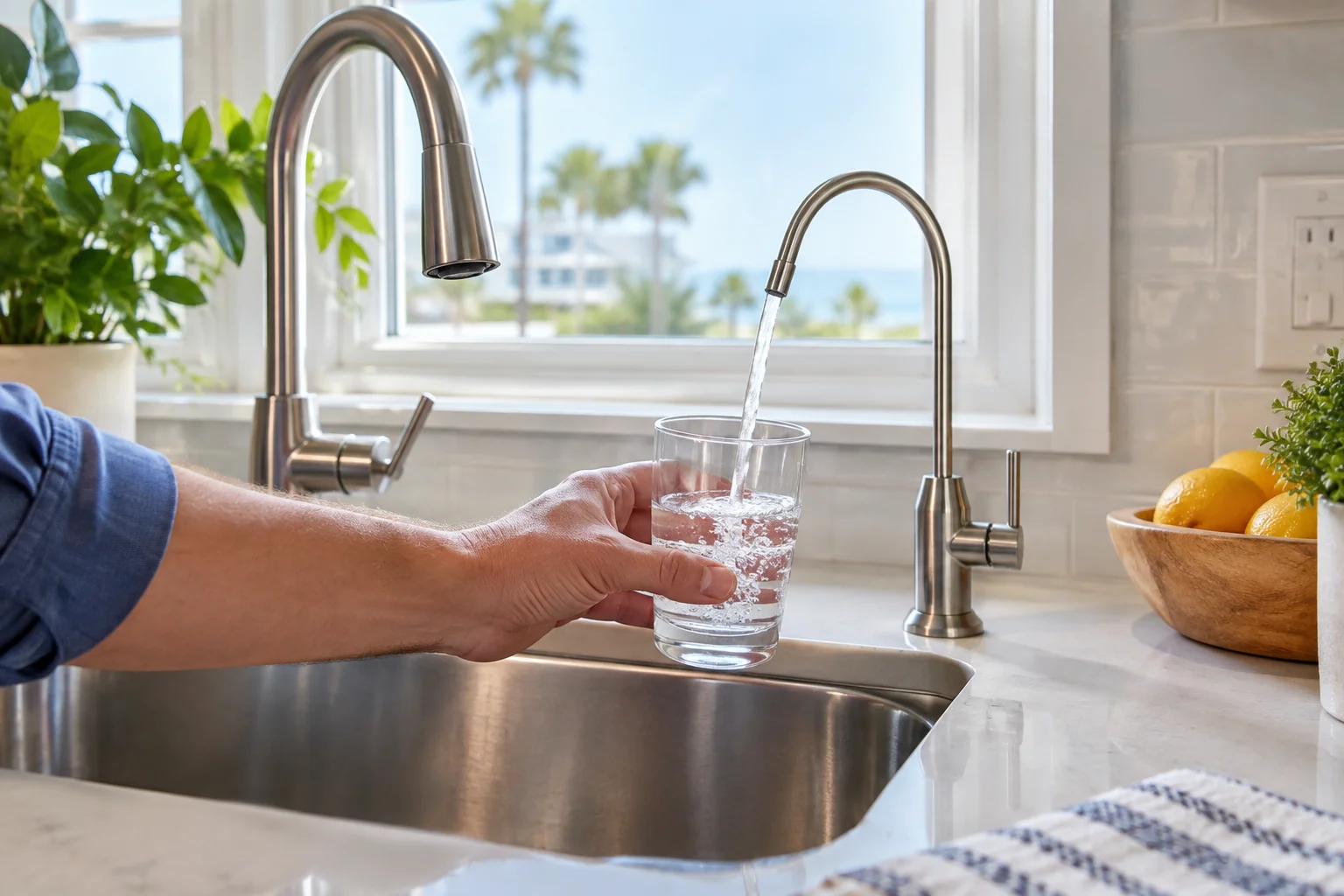
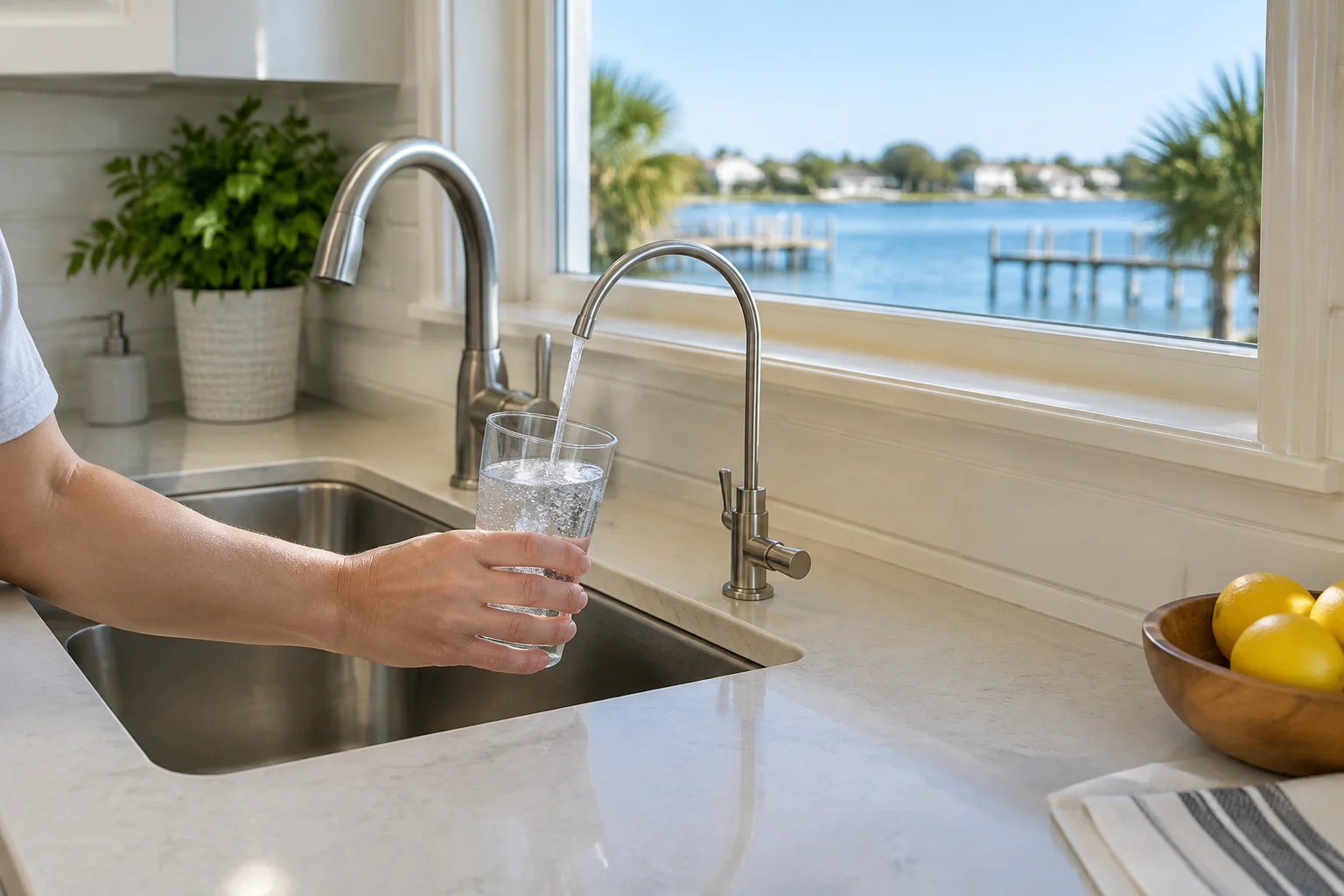
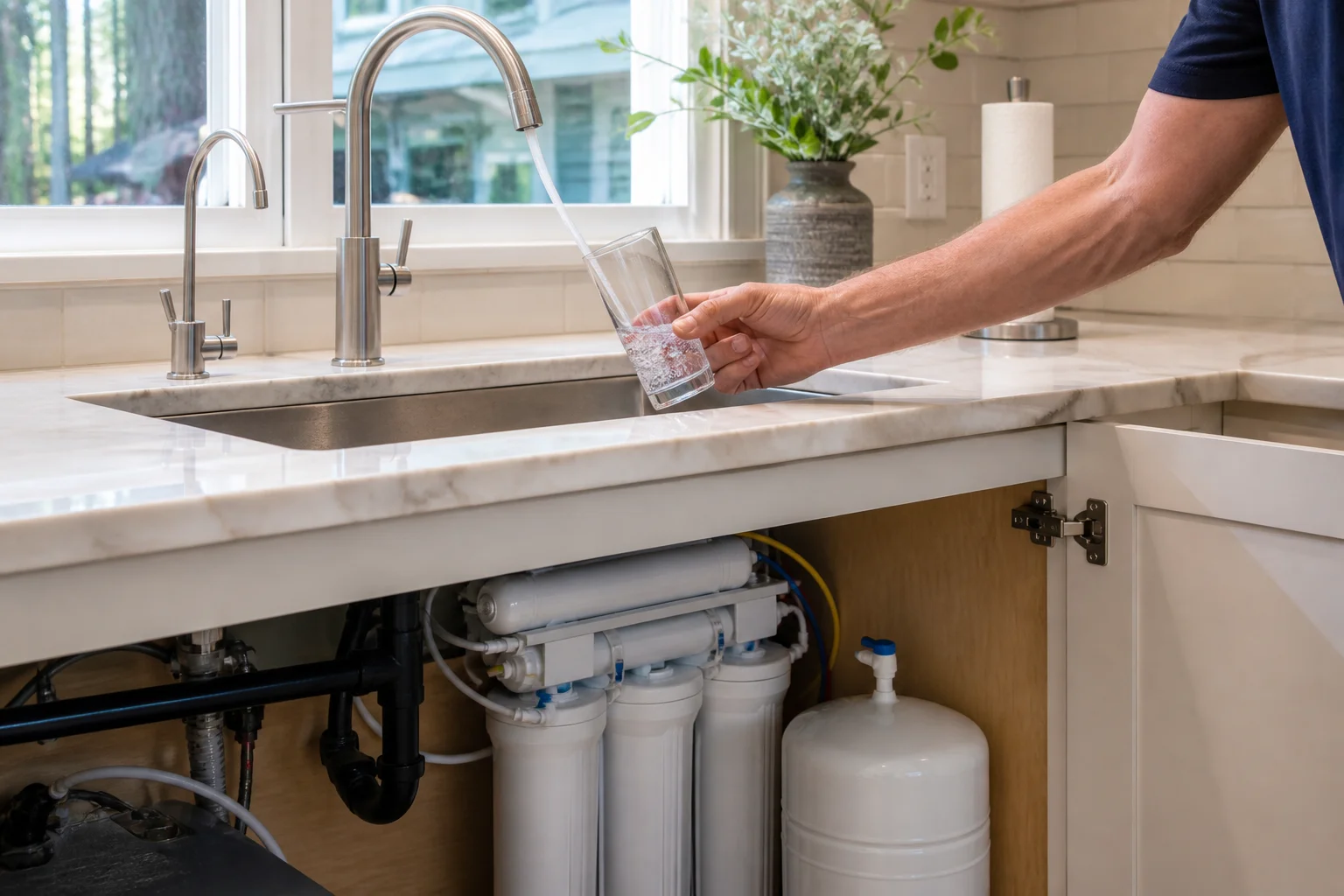
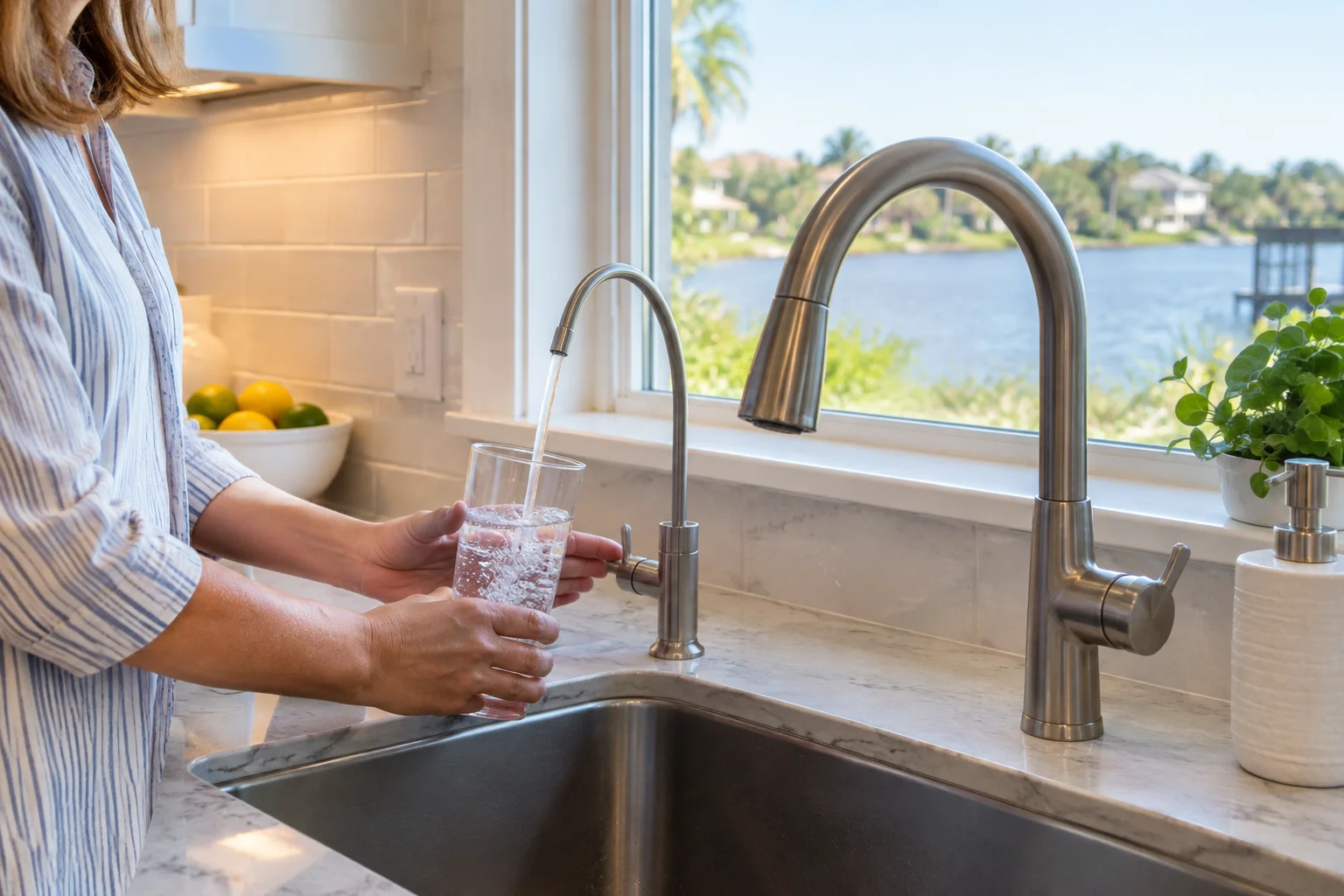
A reverse osmosis system typically serves a dedicated kitchen faucet and can reduce many dissolved substances when properly selected and maintained. It is often considered for better water for drinking and cooking, especially when taste remains a concern after other treatment.
Reverse osmosis is not usually a substitute for whole-home hardness protection. It also requires filter changes, membrane care, and a suitable drain connection. Refrigerator connections need compatible pressure and adequate capacity. A Superior Mechanical's water filtration, reverse osmosis, and water softener options provide a starting point for comparing these different treatment roles.
Better water shows up in ordinary family routines
At the kitchen sink, the goal is simple: water the family enjoys drinking and using. Children filling reusable bottles, parents rinsing produce, and someone setting up tomorrow's coffee all benefit from treatment matched to the source of an unpleasant flavor.
Poor tasting coffee water may reflect disinfectant taste or mineral balance, but dirty equipment and old beans also matter. Very low-mineral reverse osmosis water can change extraction and flavor, so some households prefer a compatible remineralization stage. The same attention to water taste carries into soup, rice, tea, and ice.
In bathrooms and laundry rooms, softening is more about reducing mineral residue than changing drinking-water flavor. Start with detergent manufacturers' recommendations and adjust for softened water rather than automatically using the old amount. For more kitchen-focused examples, see From Spotted Glassware to Better Coffee.
Testing and installation should come before promises
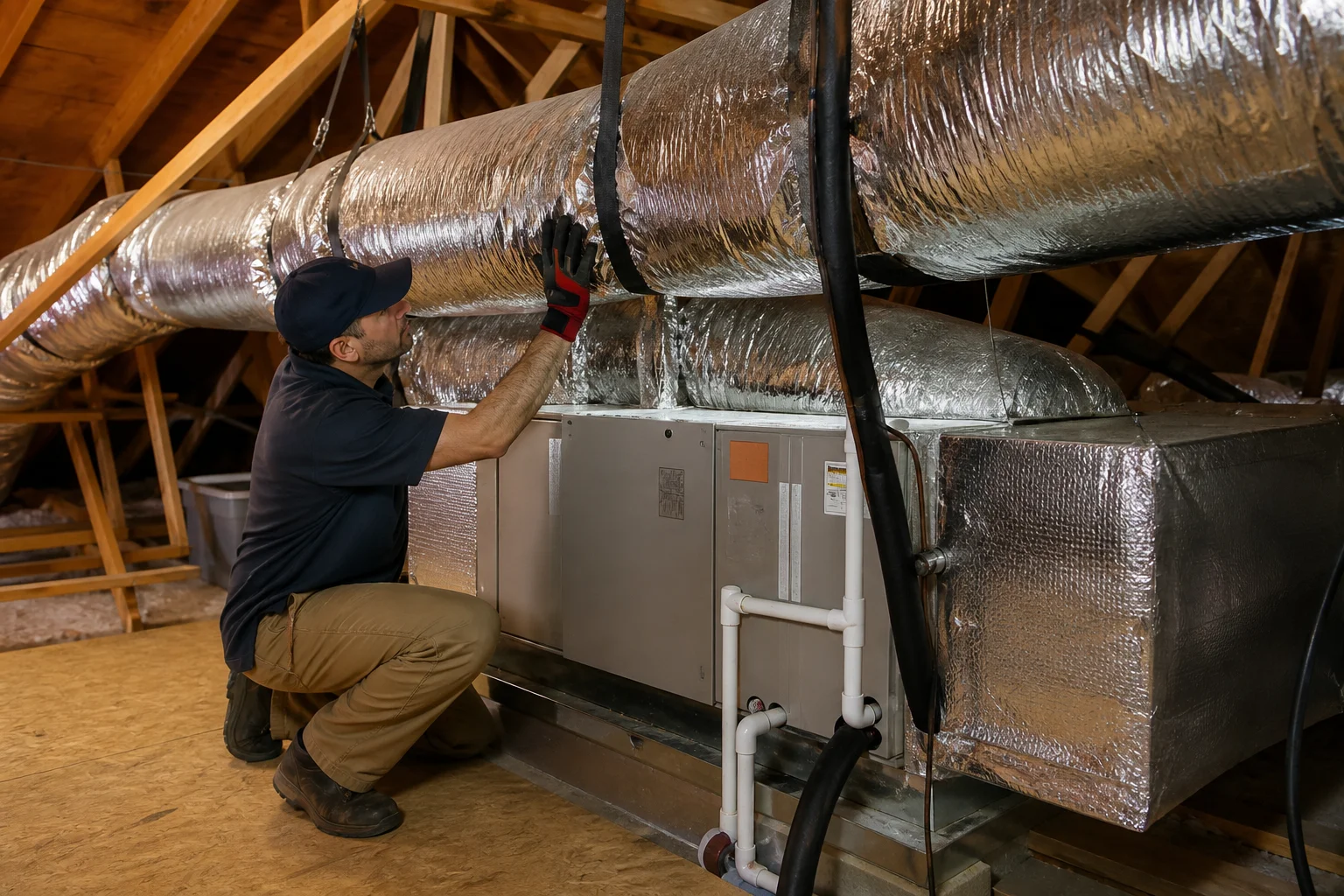
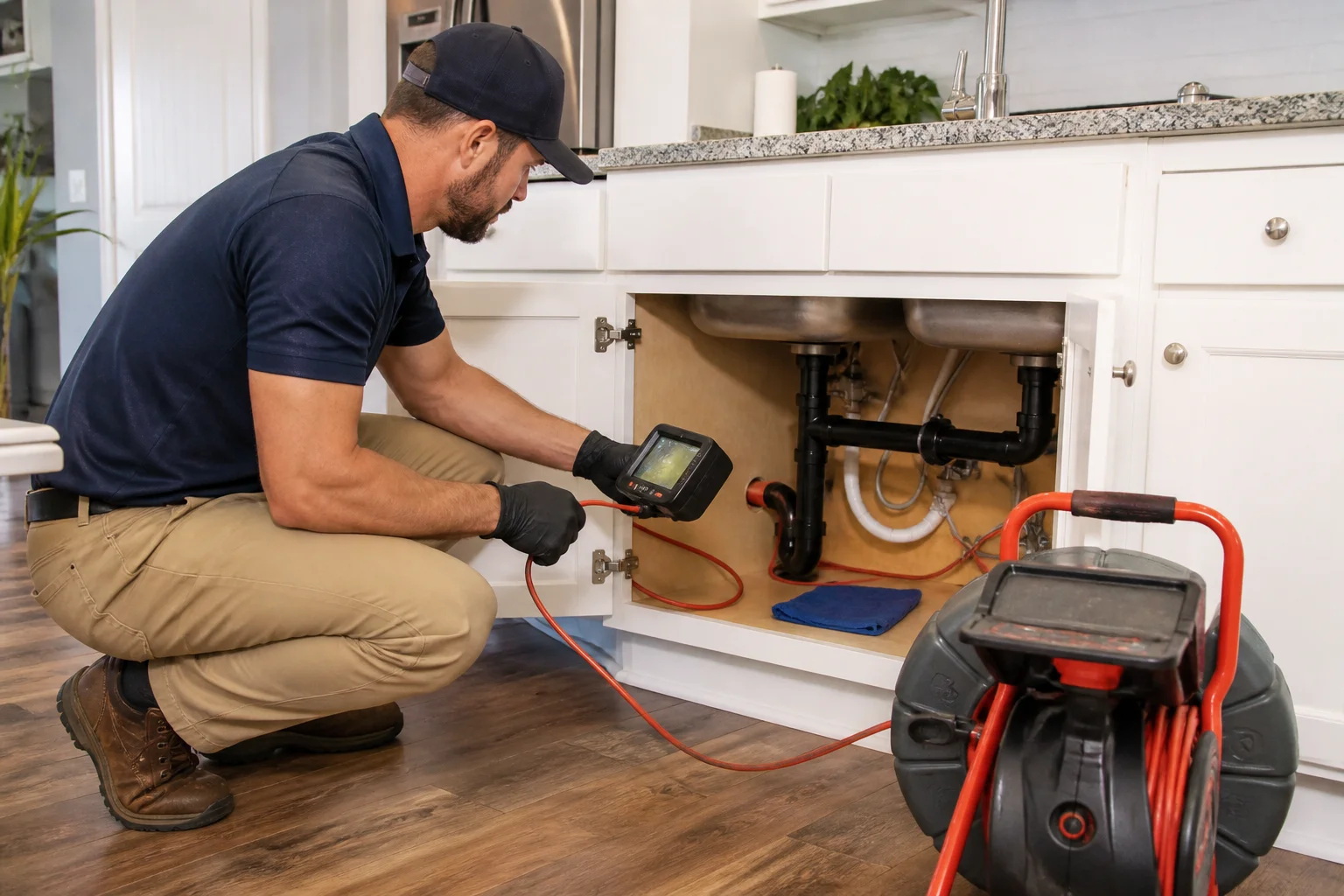
Before recommending equipment, a professional should discuss where symptoms occur, how long they have been present, and whether they affect hot water, cold water, or both. Basic assessment may include hardness, pH, and relevant checks for iron, disinfectant residual, or dissolved solids. Specific health concerns require appropriate laboratory testing.
Homeowners comparing water filtration near me should ask which measured issue each proposed component will address. A total dissolved solids reading alone cannot identify individual contaminants or establish water safety.
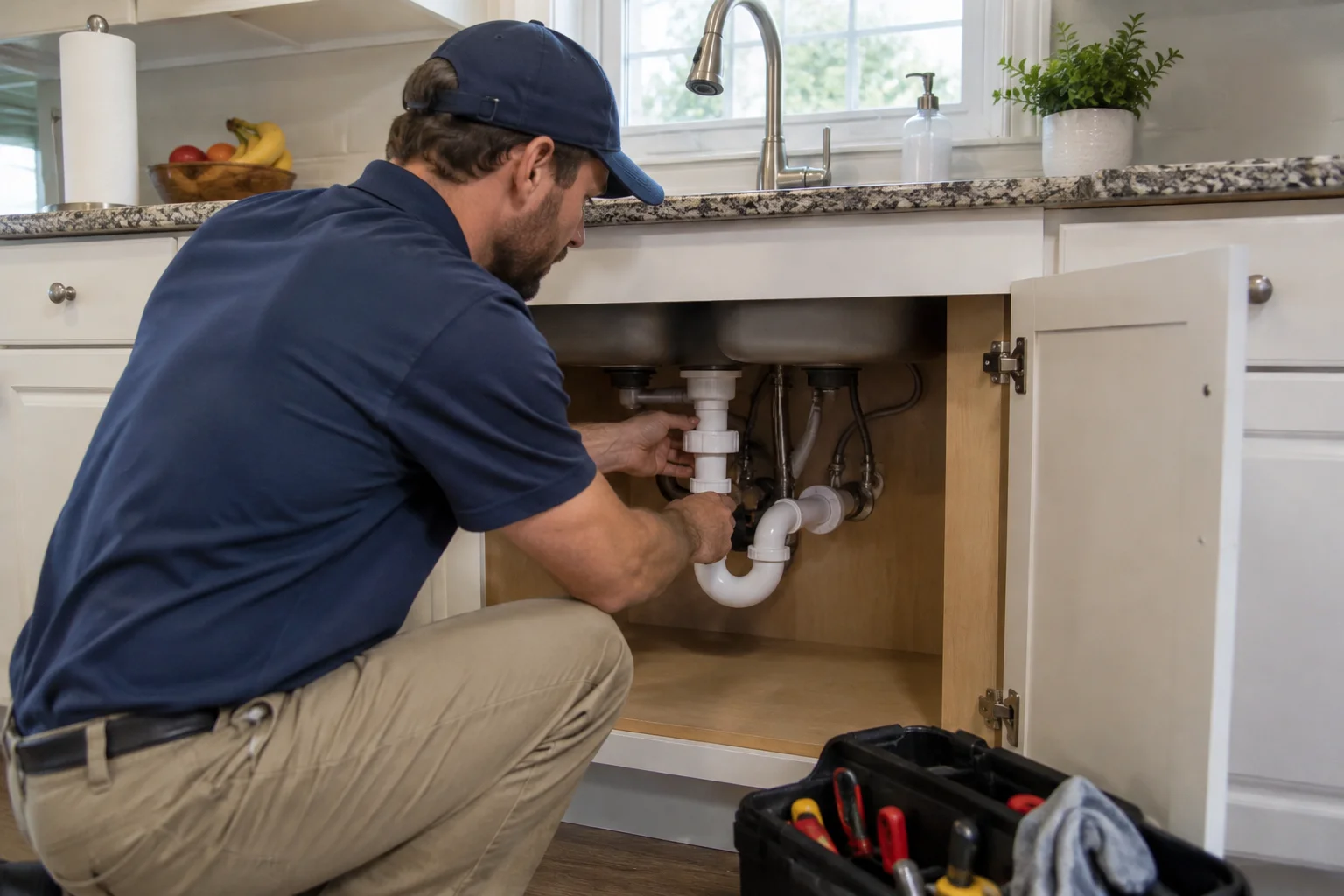
When comparing water softener installation near me, ask about service flow, regeneration settings, bypass access, and drainage. Installation needs may include electrical access, a properly protected drain connection, and local code compliance. Outdoor hose connections may be left untreated where practical to avoid unnecessary salt and water use.
For an installation in a garage or exposed utility area, protection from weather, direct sunlight, and occasional freezing conditions should follow the equipment instructions. Households on sodium-restricted diets should discuss softened drinking water with their healthcare professional and consider a suitable drinking-water arrangement.
Keep treatment equipment working after installation
A softener needs more than occasional bags of salt. Check the brine tank as directed, use the recommended salt, and watch for a salt bridge: a hardened crust that can hide an empty space beneath it. Incorrect settings, clogged components, or regeneration problems can allow hard water to return.
Testing treated water periodically is more useful than judging performance only by how slippery it feels. Unexpected spotting, increased salt consumption, water continuously running to a drain, or error messages should prompt service.
Filter cartridges and media also have limits. Replace them according to the manufacturer's schedule, water conditions, and actual use. Reverse osmosis systems need scheduled prefilter and postfilter replacement, membrane evaluation, and sanitation procedures. Neglected equipment can lose performance even when water still tastes acceptable.
Routine care of the surrounding piping supports reliable treatment too. The article How Preventive Plumbing Care Supports Cleaner Water in Lake Lorraine Homes explains that connection. Treatment equipment cannot repair corroded piping, eliminate every water heater issue, or compensate for neglected filters.
Changes that deserve a professional assessment
Schedule an assessment when scale keeps returning, a softener stops using salt normally, water pressure changes after filtration, or taste and odor remain unpleasant despite routine maintenance. Homeowners searching for a reverse osmosis system near me should also ask whether kitchen treatment will solve the complaint or whether whole-home treatment is needed.
Sudden discoloration, a strong new odor, or an abrupt metallic taste should not be dismissed as ordinary hardness. Check with your water provider about local work or advisories and have household causes evaluated. Follow any boil-water or do-not-drink instructions; a standard softener or household filter does not override them.
If a problem affects only one faucet or only hot water, that pattern helps narrow the investigation. Clean Water and Sound Plumbing: A Lake Lorraine Homeowner's Guide offers additional context, while earlier plumbing maintenance can help identify developing equipment and piping problems before they become more disruptive.
A practical water treatment plan for your Lake Lorraine home
When searching for clean water systems near me, look for a clear explanation of the test results, equipment limits, installation requirements, and ongoing costs. A useful recommendation separates hardness control from taste improvement and any specific contaminant reduction goals.
A Superior Mechanical provides water softening services for Lake Lorraine homes and businesses within Okaloosa County, including AO Smith installation and maintenance. Request an assessment to discuss persistent spots, scale, soap residue, or drinking-water concerns. The right plan may be a properly adjusted softener, targeted filtration, a kitchen reverse osmosis system, or a combination based on what your water actually needs.
Find Water Softening Services in Lake Lorraine, FL
If you need Water Softening Services in Lake Lorraine, FL, visit our local service page or contact A Superior Mechanical today.
For a broader look at whole-home water filtration, reverse osmosis, and water softener options, visit our water filtration, RO, and water softener page.
Map of Lake Lorraine, FL
Frequently Asked Questions
Will a water softener remove chlorine taste and odors?
A conventional water softener targets calcium and magnesium, not chlorine or most odor sources. Suitable carbon filtration may help with disinfectant taste, while other odors require different testing and treatment. A combined system may be appropriate when both hardness and taste are concerns.
How do I know whether my Lake Lorraine home needs water softening?
Recurring hard water spots, chalky faucet deposits, poor soap lather, and scale on showerheads are reasons to test for hardness. A professional can compare untreated and treated water, review household demand, and determine whether you need a new softener or service for existing equipment.
Can an AO Smith water softener work with whole home filtration and reverse osmosis?
Yes, compatible systems can serve complementary purposes. A softener reduces hardness, whole home filtration addresses selected concerns throughout the house, and reverse osmosis treats water at a drinking-water outlet. Equipment sizing, installation order, pressure requirements, and maintenance should follow the specific models' instructions and your water test results.
Related Articles
Photo Gallery