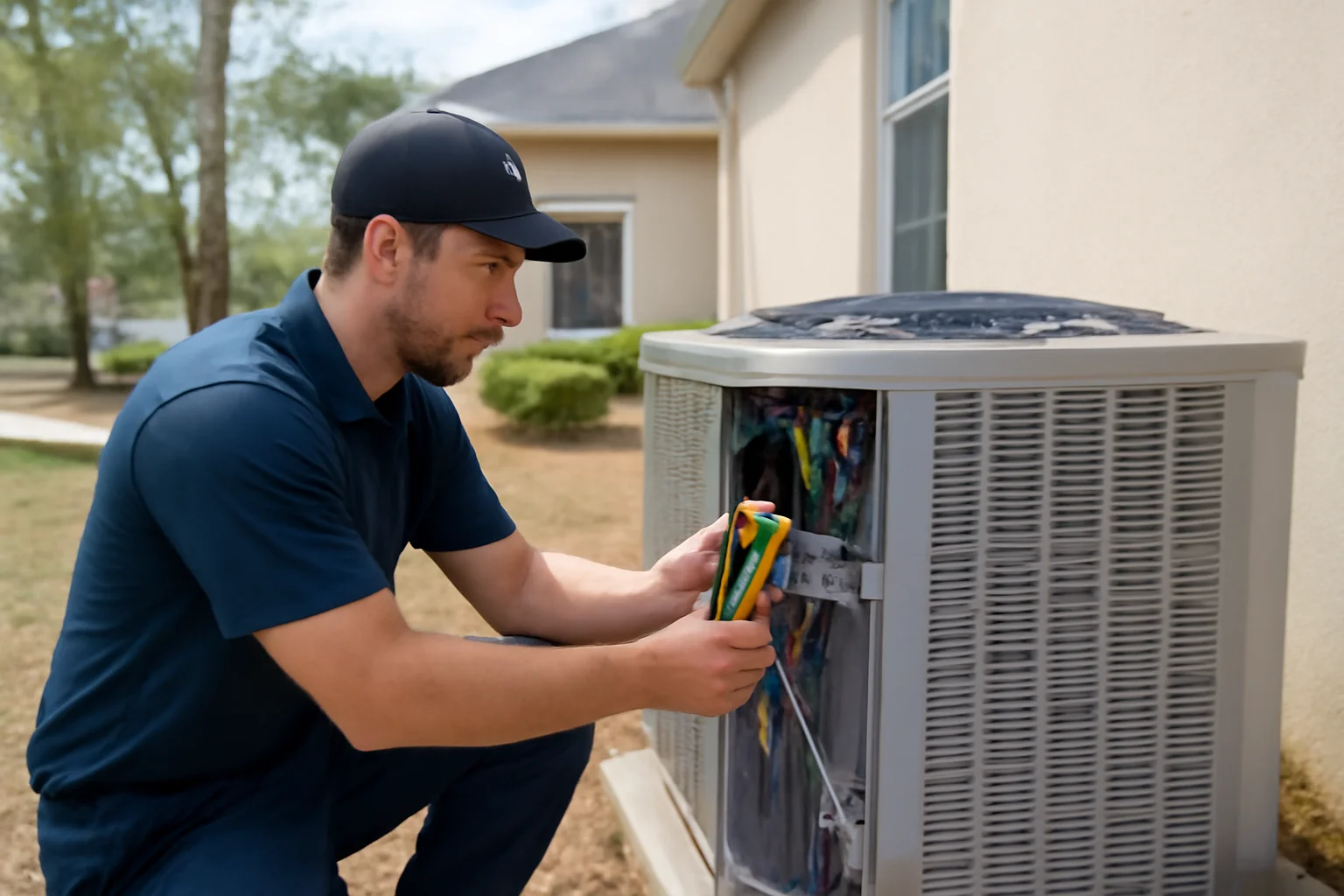
WaterColor, FL has a unique mix of coastal humidity, salt air, and long stretches of warm weather. That climate makes HVAC reliability more important than ever, especially for homes that use geothermal energy systems. Geothermal can deliver efficient heating and cooling by using stable ground temperatures, but the comfort you feel still depends on the HVAC components inside your home, from airflow and ductwork to thermostats, refrigerant systems, and condensate drainage.
This guide focuses on practical, homeowner-friendly habits that help prevent common geothermal related HVAC issues. It also covers what to watch for, why professional service matters in Walton County, and how to plan maintenance so you are not stuck searching for AC repair near me during the hottest weeks of the year.
How geothermal HVAC fits the WaterColor climate
Geothermal energy systems generally use ground source heat exchange to move heat in and out of your home. While the ground loop handles the temperature exchange, your indoor comfort still relies on an integrated HVAC system that may include a heat pump, air handler, ductwork, controls, and a condensate drainage setup.
In WaterColor, the challenge is not just temperature. Humidity is often the bigger factor. When humidity is high and airflow is weak, indoor comfort can drop and indoor air quality can suffer. Salt air exposure can also be a factor for the overall condition of outdoor and near outdoor HVAC components, so keeping the system clean and well maintained matters.
Even though geothermal systems are designed for efficiency, they still use refrigerant systems and mechanical components that require airflow, correct control signals, and proper condensate drainage to work as intended.
Start with airflow: the most common geothermal HVAC comfort problem
Many homeowners assume geothermal issues are mysterious because the ground loop is out of sight. In reality, comfort failures often trace back to airflow. Airflow problems can look like:
- Rooms that never feel as cool as others
- Hot spots near supply vents or stale air near returns
- Inconsistent temperature swings when the thermostat calls for cooling
- Higher indoor humidity because the system cannot remove moisture effectively
Airflow affects cooling performance and humidity control because moisture removal depends on moving enough air across the cooling surface and ensuring the system can operate at the right conditions. If your ducts have leaks, blockages, or poor balancing, the system may run longer to reach setpoints, which can increase wear on components.
If you suspect airflow issues, it is smart to review your ductwork maintenance habits and schedule an air conditioning maintenance visit. For homes where duct leakage or aging ductwork is a persistent concern, you may also want to discuss duct upgrades such as duct replacement.
Humidity control is not optional in WaterColor
WaterColor and nearby areas in Walton County can bring heavy humidity. With geothermal HVAC, humidity control still depends on the indoor air handling process. When airflow is restricted, filters are clogged, or the system is not operating correctly, humidity can linger and comfort can feel “sticky” even when the thermostat is set to cool.
Practical habits that help:
- Use the correct thermostat settings for humidity comfort. If your thermostat supports humidity control features, use them as designed and avoid frequent setpoint bouncing.
- Check and replace filters on schedule. A clogged filter reduces airflow and can cause the system to work harder. If you have pets or dust exposure, you may need to service filters more often.
- Keep supply and return vents clear. Furniture, rugs, and curtains can block airflow. In coastal homes, salt residue can also accumulate around vents, so wiping grilles periodically helps.
If you notice persistent humidity problems, it is worth scheduling an heating services or geothermal-focused HVAC inspection, depending on the time of year and how the issue presents. The goal is to confirm the system is moving air properly and managing condensate drainage as designed.
Condensate drainage: the hidden part of geothermal comfort
When a geothermal system cools, it often produces condensate. That condensate must drain properly through the condensate drainage line and related components. If drainage is slow or blocked, you can get:
- Water around the air handler or in nearby areas
- Musty odors that suggest moisture buildup
- Higher indoor humidity because the system is not removing moisture as effectively
- Potential shutdowns or protection behavior when moisture levels rise
Homeowners can help by keeping the surrounding area dry and unobstructed and watching for early signs of trouble. However, cleaning or troubleshooting drainage should be handled carefully. If you see water where it should not be, do not keep running the system. Contact a professional for evaluation and safe service.
Because geothermal systems integrate with indoor HVAC components, condensate issues can overlap with airflow and indoor air quality concerns. A qualified technician can assess airflow, verify drainage operation, and check related controls during an air conditioning inspection.
Thermostat habits that prevent unnecessary cycling
Thermostats can be one of the simplest factors affecting comfort and system wear. In geothermal systems, frequent cycling can reduce efficiency and increase stress on components.
Try these thermostat habits:
- Allow time for stabilization. After you adjust temperature, give the system time to respond rather than making repeated changes every few minutes.
- Use schedules intentionally. If you are away during the day, set back gradually or use a schedule that matches your routine. Sudden large changes can lead to longer run times.
- Confirm fan operation settings. If the thermostat is set to run the fan continuously, it may increase humidity or cause comfort swings depending on your system design.
If you are troubleshooting comfort problems and your thermostat seems to be “calling” correctly, it still may be an HVAC issue such as airflow, duct leakage, or control behavior. Avoid assuming the thermostat is the only cause.
Refrigerant systems and what homeowners should not attempt
Geothermal HVAC systems typically use refrigerant systems to move heat. Refrigerant is a sensitive, regulated component, and diagnosing refrigerant levels requires trained testing equipment and safe procedures.
Homeowners should focus on symptoms rather than attempting refrigerant diagnosis. If you notice cooling performance that suddenly drops, unusual noises, or repeated system stops with error behavior, schedule professional HVAC repair evaluation. A technician can inspect the system and determine the correct next step after an in-person assessment.
It is not appropriate for homeowners to try to “top off” refrigerant or make adjustments. That can create safety risks and can lead to additional damage if the root cause is airflow restriction, control issues, or another mechanical problem.
Common geothermal-related HVAC symptoms in WaterColor homes
While each home is different, these patterns are common when geothermal HVAC systems struggle in humid coastal climates:
1) The system runs longer but rooms do not feel cooler
This can point to airflow restrictions, duct leakage, clogged filters, or improper operation of the air handling components. In some cases, the thermostat setpoint and humidity comfort needs may not match how the system is set to operate.
2) Indoor humidity stays high even on cool days
Humidity control depends on moisture removal and condensate handling. If drainage is restricted, airflow is weak, or filters are dirty, humidity can remain elevated. That can also affect indoor air quality, including comfort and odor.
3) Musty smells or visible moisture near the air handler
Condensate drainage problems can lead to moisture buildup. Addressing this promptly helps prevent indoor air quality issues and can reduce the chance of system protection events.
4) Uneven temperatures between rooms
Uneven temperatures often connect to ductwork and air distribution. Homes that have older ducts, duct leaks, or poor balancing may need targeted ductwork attention. A duct sealing and performance approach can be especially relevant in coastal areas where air leakage can add to humidity load.
If these symptoms sound familiar, it helps to read about how airflow and sealing can affect comfort. You may find this useful: Why WaterColor Homes Benefit from Better Duct Sealing and Aeroseal Care.
Preventive maintenance habits that matter most
Geothermal systems are built to run, but preventive HVAC maintenance still determines whether your system stays reliable. Here are practical habits homeowners can keep year-round:
- Plan seasonal tune-ups. Schedule service before peak cooling season and before winter heating demand. In Florida, cooling season is often the priority, but checking heating operation helps the system transition smoothly.
- Keep filters clean and consistent. Dirty filters can quickly reduce airflow, which impacts humidity control and can increase system run time.
- Inspect returns and supply vents. Make sure vents are not blocked by furniture, curtains, or storage. In coastal homes, wipe away salt residue buildup around grilles when you notice it.
- Watch condensate drainage. If you ever see water where it should not be, stop and call for service. Do not ignore it.
- Use airflow-minded habits. Keep doors open where appropriate for airflow balance, and avoid closing too many vents at once.
- Track comfort issues, not just temperature. Note humidity discomfort, odor changes, and airflow differences. This helps a technician troubleshoot faster.
For homeowners searching for residential HVAC service near me or air conditioning inspection near me, the best visits are the ones that look beyond temperature and confirm airflow, filtration, indoor air quality factors, and condensate drainage operation.
Energy use and performance: what to monitor
Geothermal energy systems are often chosen for efficient heating and cooling, but energy use still depends on system performance and indoor conditions. In WaterColor, humidity control and airflow can influence how hard the system works.
You do not need spreadsheets to spot issues. Monitor changes such as:
- Noticeably higher energy bills during periods when you did not change your routine
- Longer run times to reach the same comfort level
- More frequent cycling on and off
If you are comparing comfort and energy use and something feels off, schedule an inspection. A technician can evaluate airflow, system operation, and indoor comfort variables without guessing.
How ductwork and indoor air quality connect to geothermal comfort
Geothermal systems can provide excellent comfort when air distribution is correct. When ductwork is leaky or poorly sealed, conditioned air can escape before it reaches rooms, and unconditioned air can enter the ducts. That can raise humidity and reduce comfort stability.
Indoor air quality is also affected by filtration and airflow. If filters are not changed or if duct contamination exists, the system can circulate more dust and particulates. That is one reason duct cleaning and duct performance conversations come up during service.
If you are thinking about duct cleaning or ductwork improvements, it is helpful to consult a local HVAC contractor that understands coastal humidity and airflow demands. You can also explore this related read: Keeping WaterColor Homes Comfortable Without the Emergency Call.
System replacement and major repairs: plan carefully
Geothermal systems are typically part of a longer-term investment, so decisions about repair versus system replacement should not be rushed. Homeowners often search for new AC installation near me when comfort fails, but geothermal HVAC decisions should be based on an in-person evaluation of the entire system, including airflow, controls, condensate drainage, and refrigerant system behavior.
What you can do now to prepare:
- Document symptoms. Note when problems happen, how humidity feels, and whether odors or drainage issues appear.
- Ask for an inspection focused on the whole system. A proper assessment should connect airflow, thermostat calls, ductwork performance, and indoor air quality factors. Avoid relying on remote guesses.
- Consider how you use the home. If you have rentals or changing occupancy, comfort expectations and maintenance schedules may differ. For property-managed homes, consider Property Management HVAC Services.
If you are dealing with cooling performance problems and need AC repair near me, a local geothermal specialist can help determine the correct next step after inspecting your system.
Emergency cooling concerns and why preventive care helps
In WaterColor, the “emergency” part of HVAC often arrives when humidity is high and comfort expectations are immediate. Even if your geothermal system is generally reliable, issues can still happen. The best protection against emergency cooling concerns is preventive maintenance that reduces the chance of clogged airflow paths, drainage problems, and control-related behavior.
When homeowners need emergency help, they may search for emergency AC repair near me. You can reduce urgency by:
- Scheduling maintenance before peak demand
- Replacing filters on time
- Keeping vents clear and monitoring condensate drainage
- Not ignoring early warning signs like musty odors, uneven temperatures, or rising humidity
For WaterColor and nearby communities, it also helps to understand how coastal conditions influence HVAC planning. This article is worth reading: Smart HVAC Planning for Rosemary Beach Homes: Comfort, Airflow, and Coastal Protection.
Choosing a local geothermal HVAC contractor that understands WaterColor
Geothermal energy systems involve integrated HVAC components and performance factors that can be affected by local conditions. A professional local HVAC service matters because the technician needs to understand how your home’s airflow, ductwork, humidity needs, and condensate drainage interact with the geothermal system’s operation.
A Superior Mechanical provides geothermal energy systems support for WaterColor homes and across Walton County. If you want a geothermal-focused evaluation and ongoing care, you can explore our service page here: Geothermal Energy Systems in WaterColor, FL for efficient, sustainable comfort. You can also browse our broader service area coverage at WaterColor, FL and Walton County.
Quick homeowner checklist you can use this month
- Replace or check filters and confirm they match your system requirements
- Walk your home and verify supply and return vents are not blocked
- Check for any moisture, wet spots, or odors near the air handler
- Verify thermostat settings and avoid rapid setpoint changes
- Schedule an air conditioning maintenance visit if you have not had service before peak cooling
These habits are simple, but they address the most common geothermal HVAC problems that show up in humid coastal conditions. When you pair them with professional inspections and preventive HVAC maintenance, you give your geothermal system the airflow, humidity control, and drainage performance it needs to deliver steady comfort.
Find Geothermal Energy Systems in WaterColor, FL
If you need Geothermal Energy Systems in WaterColor, FL, visit our local service page or contact A Superior Mechanical today.
Map of WaterColor, FL
Frequently Asked Questions
What are the most common geothermal HVAC issues in WaterColor, FL homes?
In humid coastal homes, the most common geothermal comfort problems often relate to airflow, clogged filters, ductwork leaks, thermostat settings that cause short cycling, and condensate drainage issues that can increase humidity or cause musty odors. A professional inspection helps confirm the true cause.
How can I tell if my geothermal system has a condensate drainage problem?
Look for signs like water around the air handler, slow draining, recurring musty smells, or indoor humidity that feels higher than normal even when the system runs. If you notice moisture where it should not be, stop running the system and schedule service.
Should I try to troubleshoot refrigerant problems myself?
No. Refrigerant system diagnosis requires specialized testing and safe procedures. If cooling performance drops, the system behaves unusually, or you see repeated shutdowns, schedule an in-person HVAC evaluation rather than attempting repairs.
How often should I schedule preventive maintenance for a geothermal HVAC system?
A seasonal tune-up is a practical approach in WaterColor, with service timed before peak cooling demand and again for heating readiness. If your home has higher dust, pets, or frequent occupancy changes, you may need more frequent filter and inspection attention.
Can better ductwork improve geothermal comfort and indoor air quality?
Yes. Leaky or poorly performing ductwork can reduce airflow, make humidity control harder, and contribute to uneven temperatures. Improving duct sealing and, when needed, duct replacement can support more consistent comfort and healthier indoor air quality.
Related Articles
- Why Commercial HVAC Systems Struggle in WaterColor Homes and How to Stay Ahead of It
- Why WaterColor Homes Benefit from Better Duct Sealing and Aeroseal Care
- Keeping WaterColor Homes Comfortable Without the Emergency Call
- Smart HVAC Planning for Rosemary Beach Homes: Comfort, Airflow, and Coastal Protection
Photo Gallery