A puddle beside the water heater can change your plans quickly. But replacing the tank without checking the surrounding plumbing may leave the original problem unresolved. A leaking supply connection, excessive water pressure, or a hidden hot water line leak can affect the replacement just as it affected the old unit.
For homeowners planning water heater replacement in Panama City Beach, FL, the best approach looks beyond equipment size and price. A Superior Mechanical helps local property owners replace water heaters while addressing the connections, drainage, and installation details that support reliable service.
First, find out where the water is coming from
Water around a heater does not automatically mean the tank has failed. A loose fitting, deteriorated connector, leaking drain valve, or temperature and pressure relief valve discharge can leave a similar puddle. Nearby laundry equipment or an air conditioning condensate line can also make the source confusing.
A leaking connection is different from a leaking tank
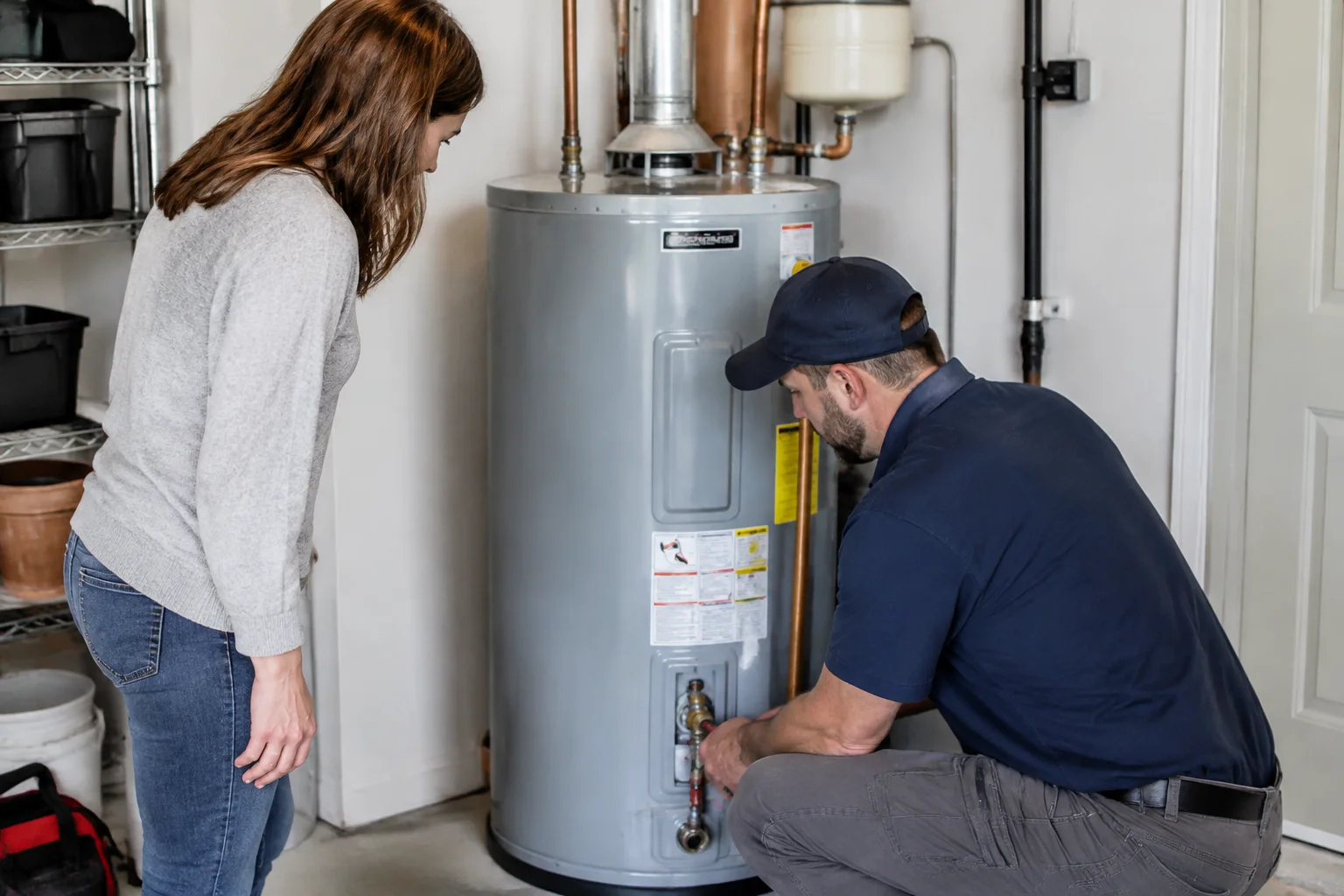
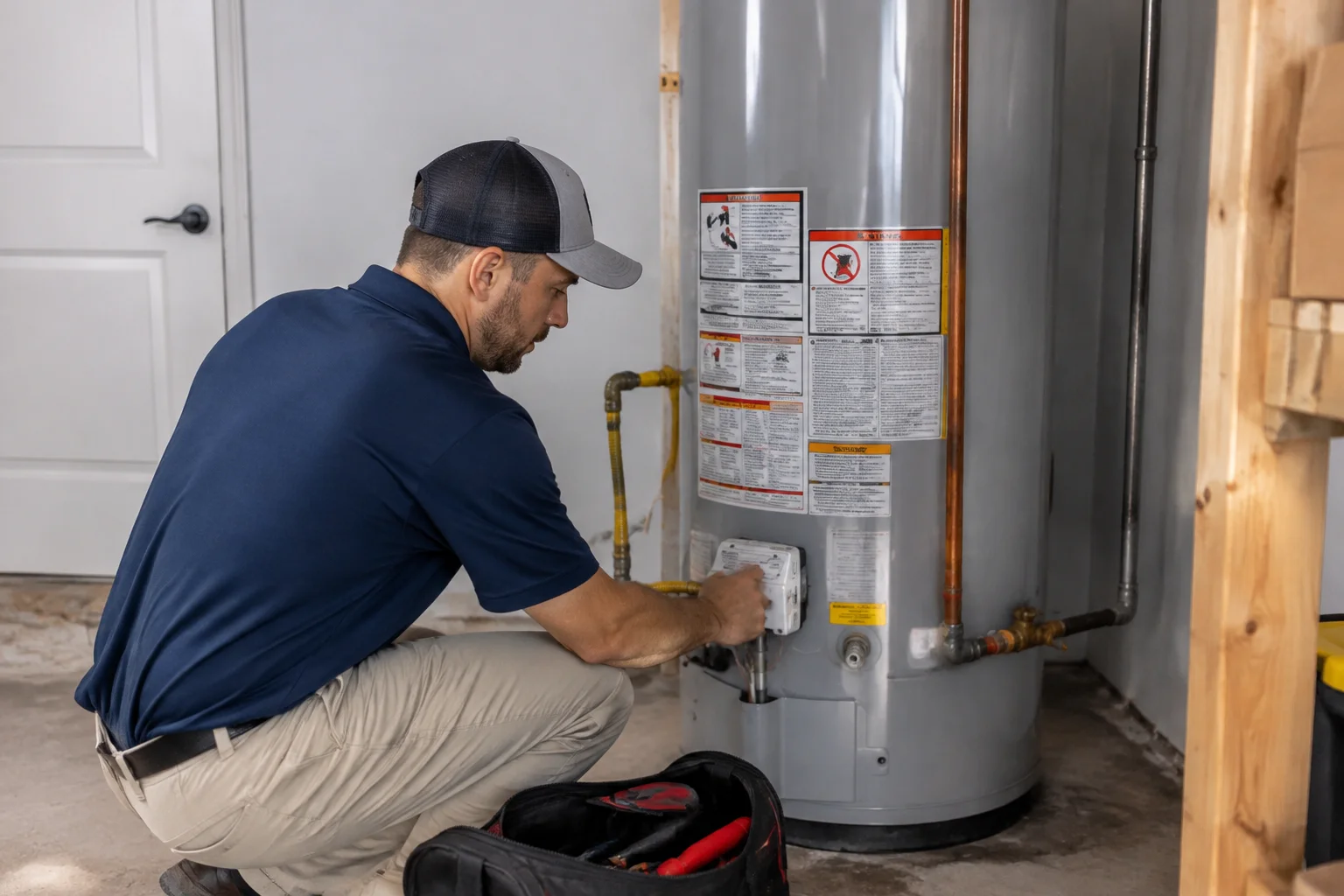
A plumber can inspect accessible fittings and trace moisture before recommending replacement. Some external leaks are repairable if the heater remains in good condition. A confirmed leak through a corroded tank body generally requires replacement because the pressure vessel is not a routine repair item.
Rust streaks, recurring moisture, and corrosion around connections deserve attention even when hot water still works. Our guide to plumbing clues around the water heater explains why small changes should not be ignored.
Know when the situation becomes urgent
Active flooding, steam, scalding water, or heavy relief valve discharge calls for prompt professional attention. Keep away from wet electrical equipment. If safe, close an accessible water shutoff you know how to operate. Shut down the heater's energy supply only if you can do so safely and according to its instructions.
Never cap a relief valve or block its discharge pipe. If you smell gas, leave the building without operating switches or creating sparks, then contact the gas utility or emergency services from a safe location. Do not attempt a gas connection repair yourself.
Decide whether replacement solves the actual problem
Homeowners searching for water heater replacement near me often have inconsistent temperatures, rusty water, or showers that turn cold too soon. Those symptoms warrant diagnosis, not an automatic equipment swap. A failed component, sediment buildup, undersized tank, or plumbing crossover can cause similar complaints.
Age helps inform the decision, but it should not be the only factor. Many conventional tank heaters last roughly 8 to 12 years, with substantial variation based on water quality, maintenance, and operating conditions. Compare repair costs, warranty coverage, corrosion, and household needs before deciding.
Discolored water also needs context. Rusty hot water at several fixtures may point toward the heater or hot water piping. Discoloration in both hot and cold water suggests a broader supply or piping issue. If only one faucet is affected, inspect that fixture and its connections first.
Size the replacement for the way your beach home operates
Panama City Beach properties range from year-round residences to condos, second homes, and vacation rentals. A two-person household has different hot water needs from a rental where several guests shower while laundry runs. Peak demand matters more than bedroom count alone.
Compare usable hot water, not just tank gallons
For a storage water heater, ask about its first-hour rating, which reflects how much hot water it can provide during a busy hour when starting fully heated. Discuss simultaneous showers, tub filling, dishwasher use, and laundry habits. Buying a larger tank without reviewing demand can increase costs unnecessarily.
People comparing water heater installation near me should also ask about access, equipment dimensions, shutoff locations, and removal of the old unit. In a condo or tight utility closet, those practical details can shape the installation as much as capacity does.
Consider tankless equipment with realistic expectations
Tankless water heaters save storage space and heat water on demand, but their output is limited by flow rate and the required temperature rise. Multiple showers can exceed an undersized unit's capacity. Conversion may also require changes to supply connections, venting, fuel delivery, or other infrastructure.
A review of tankless water heater services in Panama City Beach can help you compare options. Tankless equipment does not automatically eliminate the wait for hot water at a distant bathroom; pipe length still matters.
Check pressure and pipes before connecting the new heater
A replacement is a useful opportunity to inspect visible supply piping, connectors, shutoff valves, and supports. Corroded fittings, kinked connectors, or valves that no longer close reliably should be evaluated before the new heater goes into service. New equipment cannot compensate for failing plumbing around it.
Measure water pressure instead of guessing
Excessive pressure stresses water heaters, toilet fill valves, faucet cartridges, and appliance hoses. Banging pipes, recurring fixture leaks, and frequent relief valve discharge can justify pressure testing, although none proves high pressure by itself. Sustained pressure above 80 psi typically requires pressure regulation under plumbing codes.
Thermal expansion also matters. When a check valve, backflow device, or certain pressure regulators create a closed system, heated water needs an approved way to expand. A plumber should determine whether an expansion tank or another approved measure is required and verify proper sizing and setup.
Look beyond the utility room for hidden leaks
A hot water line leak beneath a slab can make the heater run more often while raising water and energy use. Possible clues include an unexplained warm floor area, moisture at flooring edges, or water movement when fixtures and appliances are off. These clues require testing, not guesswork.
If you are searching for slab leak repair near me, arrange diagnosis before assuming a new heater will fix the problem. Leak detection and slab leak repair can help identify whether the trouble is in the heater, an accessible connection, or concealed piping.
Give drains and sewer lines their own inspection
The water supply and drain systems do different jobs, but both affect a successful replacement. Where required, a drain pan and its properly routed drain help manage certain leaks. The relief valve needs its own code-compliant discharge arrangement. Neither should be routed casually into a nearby opening.
A pan is not a guarantee against flood damage, especially if its drain is blocked or a major leak overwhelms it. The plumber should check the existing arrangement, applicable requirements, and whether a leak alarm or automatic shutoff would provide useful additional protection.
Slow sinks or gurgling toilets are not usually caused by the water heater. One slow fixture may have a local blockage, while several backing up together can suggest a building drain or sewer line problem. Stop using affected fixtures if sewage is backing up and seek plumbing help promptly.
Recurring backups may need sewer repair and maintenance, with camera inspection when appropriate, rather than repeated chemical treatments. For everyday prevention, clear drains and sound pipes covers habits that support healthier drainage.
Account for coastal conditions and water quality
Panama City Beach's warm, humid climate makes damp utility spaces worth checking. Salt exposure can contribute to external corrosion where coastal air reaches metal components. Exposure varies by location and installation, so inspect actual conditions rather than assuming every beach-area heater faces the same risk.
Storm-related flooding requires special caution. If a water heater has been submerged or floodwater has reached its controls, do not restart it yourself. Have qualified professionals evaluate it and follow the manufacturer's replacement guidance. A unit that looks dry can still have unsafe internal damage.
Hard water can leave mineral deposits on fixtures and inside water heating equipment, but local hardness should be verified through utility information or testing. Scale can reduce heat transfer and restrict tankless heat exchangers. Sediment can also collect in storage tanks and contribute to noise or reduced performance.
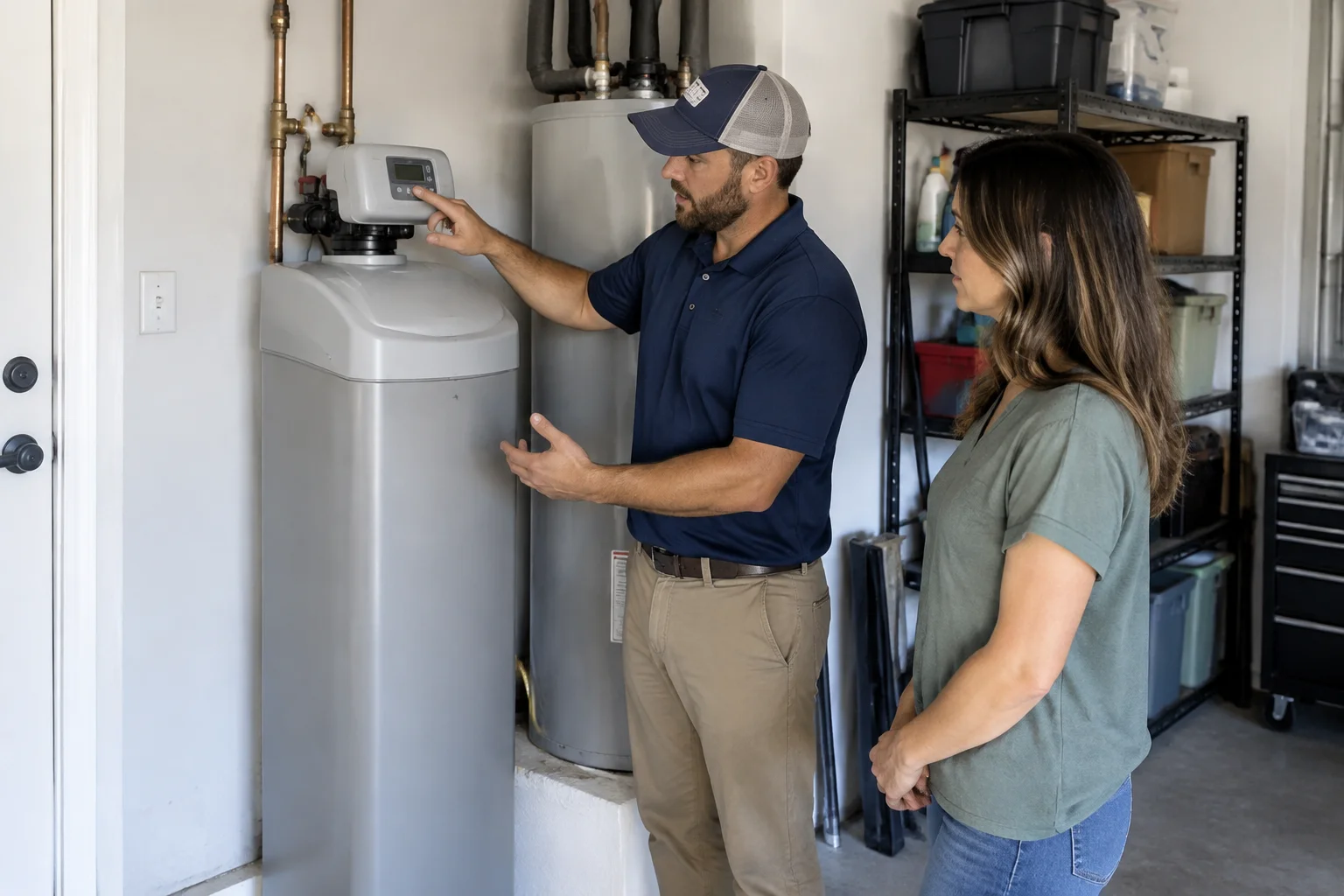
Match any treatment recommendation to the actual water issue. A drinking-water filter is not automatically whole-home scale protection. Ask whether testing supports treatment and what maintenance the chosen heater requires under your property's water conditions.
Use the installation visit to address small plumbing weaknesses
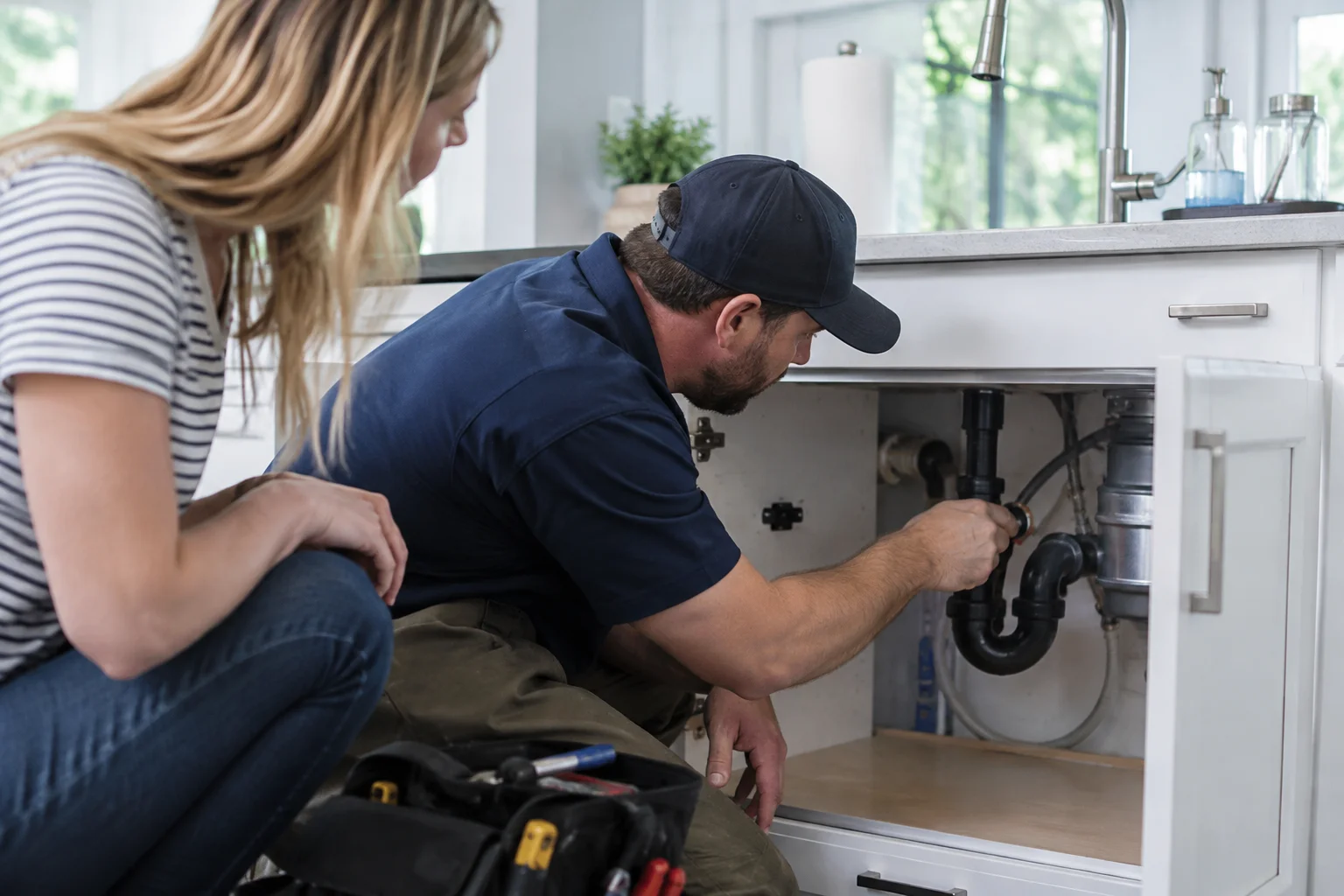
A running toilet or dripping faucet will not usually cause a heater to fail, but it can waste water and complicate the search for unexplained usage. A leaking hot water faucet also wastes heated water. Mention these problems when arranging service so the plumber can plan the visit.
Toilet repair, faucet repair, and small pipe repairs may be more economical before cabinets, flooring, or walls get wet. Our article on small plumbing repairs that prevent bigger trouble offers useful examples. Replacement is not always necessary when a serviceable fixture only needs a component repaired.
Build a maintenance routine around the new heater
Keep the installation paperwork, model number, warranty terms, and service records together. Ask the installer to identify the water shutoff and explain safe operation. Keep storage away from equipment, preserve required clearances, and leave valves and connections accessible for inspection.
Follow manufacturer guidance for tank flushing, anode inspection where applicable, and tankless descaling. Service intervals depend on equipment design, usage, and water quality. Flushing an old, neglected heater is not a guaranteed cure and can reveal valve problems, so get advice before treating it as a simple DIY task.
For rentals and second homes, check for moisture between stays and arrange periodic inspections during vacancies. A connected leak sensor can provide notice when nobody is there. Our Panama City Beach plumbing maintenance guide can help organize checks of heaters, fixtures, drains, and exposed pipes.
Plan a replacement that fits your property
When comparing a local plumber near me, ask what the estimate includes: equipment sizing, old-unit removal, permits and inspections when required, connection updates, drainage, and startup testing. Also ask about scheduling rather than assuming same-day availability, especially during busy rental periods or after storms.
A Superior Mechanical provides water heater replacement in Panama City Beach for homes, rentals, and commercial properties. Local service matters when access restrictions, coastal exposure, and property-specific plumbing conditions affect the work.
Explore our Panama City Beach services or Bay County service area, then request an assessment of your heater and surrounding plumbing. Share any leaks, pressure changes, drain backups, or unusual hot water behavior so the visit starts with the right information.
Find Water Heater Replacement in Panama City Beach, FL
If you need Water Heater Replacement in Panama City Beach, FL, visit our local service page or contact A Superior Mechanical today.
Map of Panama City Beach, FL
Frequently Asked Questions
Does a leaking water heater always need replacement?
No. A leaking connector, fitting, or drain valve may be repairable if the heater is otherwise sound. A confirmed leak through the tank body generally requires replacement. Have a plumber identify the source, and treat active flooding or heavy relief valve discharge as urgent.
What should be checked during water heater replacement in Panama City Beach?
The installation assessment should cover household hot water demand, water pressure, supply piping, shutoff valves, thermal expansion control, drainage, and applicable permit requirements. Coastal exposure, installation access, and rental occupancy can also affect equipment selection and the scope of work.
Will a new water heater fix low hot water pressure?
Only if the restriction is associated with the old heater or its connections. Low hot water pressure can also come from mineral buildup in piping, a partially closed valve, a restricted faucet cartridge, or a leak. Diagnosis before replacement helps avoid installing new equipment without correcting the actual problem.
Related Articles
- Clear Drains, Sound Pipes: Smarter Plumbing Care in Panama City Beach
- Small Plumbing Repairs That Save Panama City Beach Homes from Bigger Trouble
- Plumbing Clues Around the Water Heater That Panama City Beach Families Should Not Ignore
- A Smarter Way to Handle Plumbing Maintenance in Panama City Beach
Photo Gallery