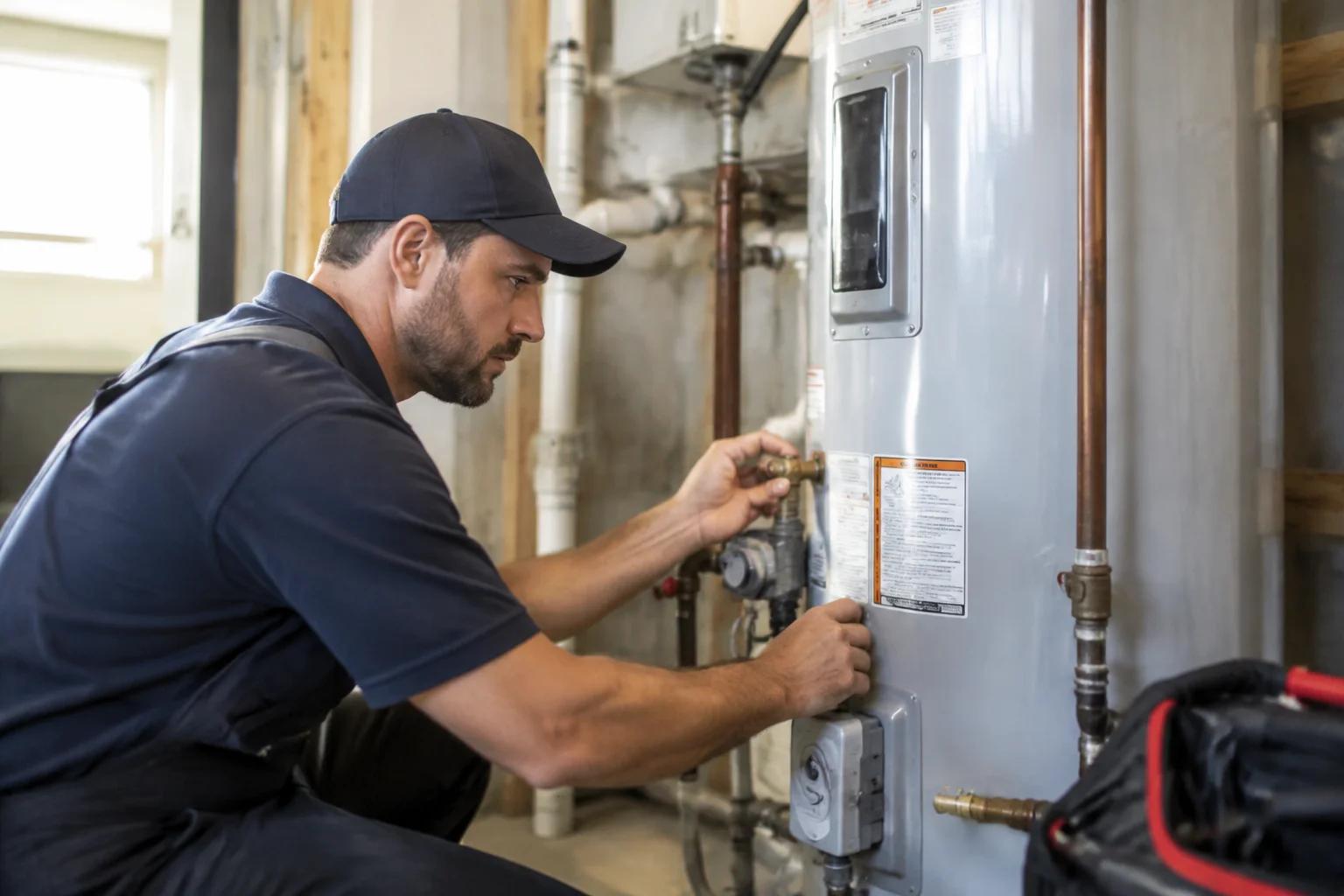
A puddle beside the water heater rarely arrives at a convenient time. Neither does a shower that turns cold halfway through or a hot water tap that suddenly loses pressure. In Wright, FL, these problems deserve attention before they damage cabinets, flooring, or the plumbing hidden beneath your home.
Water heater repair works best when the diagnosis considers the whole plumbing system. Supply pipes, shutoff valves, fixtures, pressure controls, and drainage conditions can all affect the outcome. A Superior Mechanical provides water heater repair in Wright, FL for homes, rentals, and businesses. Here is how to recognize trouble, respond safely, and prevent avoidable damage.
Why Wright homes need a practical plumbing plan
Wright's warm, humid climate can make damp utility spaces harder to dry. Condensation on cool pipes may resemble a supply leak, while a small water heater drip can remain unnoticed behind stored belongings. Heavy rain can also complicate drainage problems, especially where damaged sewer piping allows groundwater to enter.
Plumbing conditions vary between established homes, renovated properties, and newer construction. Pipe materials, past repairs, heater location, and household water use matter more than a home's age alone. A rental with frequent guest turnover may have different hot water demands than a household with a predictable routine.
Local service matters because access, shutoff locations, installation requirements, and property conditions affect repairs. Explore plumbing service in Wright with those details in mind, rather than assuming every loss of hot water needs the same fix.
Handle an active water heater leak safely
If water is spreading across the floor, protect people before investigating the equipment. Keep children and pets away. Do not step into standing water near electrical equipment or touch a wet breaker panel.
Stop the damage without creating another hazard
If you can safely reach the water heater's cold water shutoff, close it to limit additional water entering the tank. A tank may still release stored water afterward. If the valve is stuck or leaking, do not force it. Use the main water shutoff if you know its location and can operate it safely.
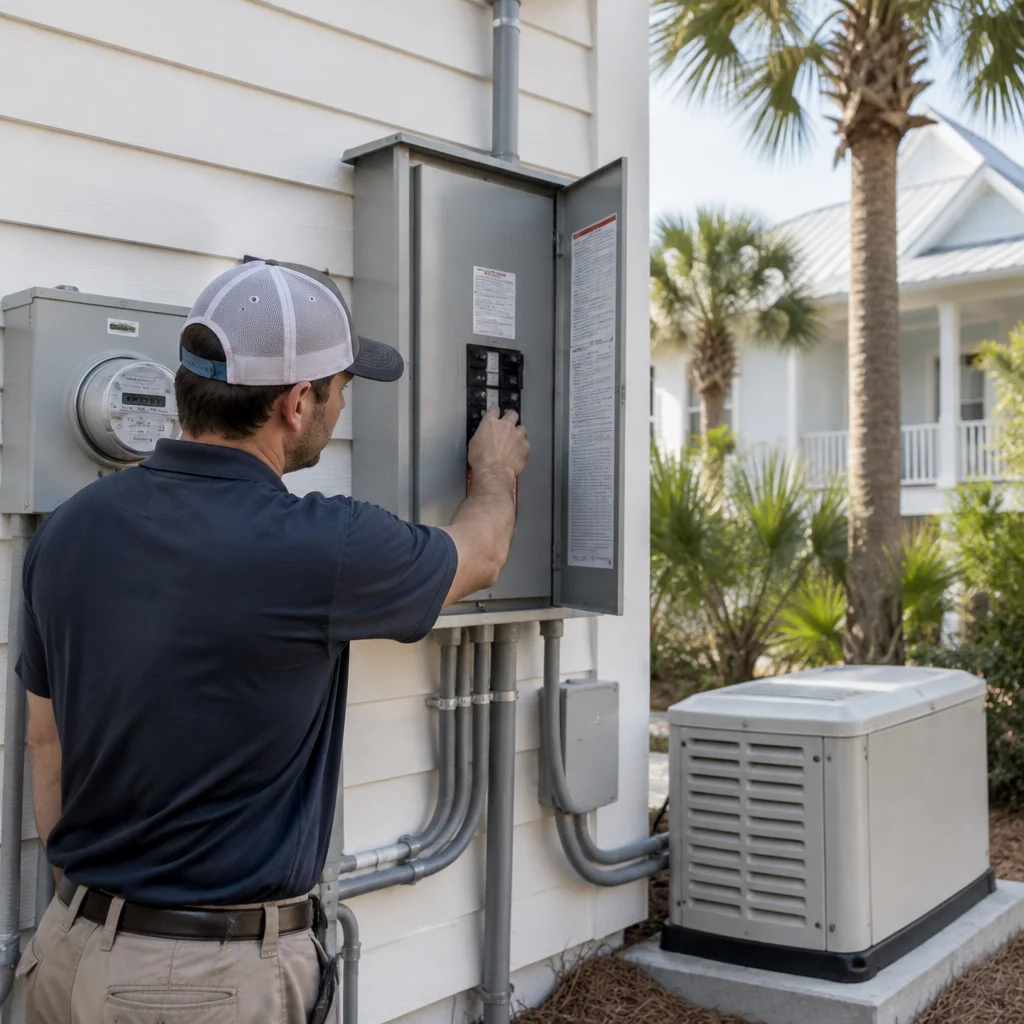
An electric heater should have its power shut off at a safely accessible, dry breaker panel before the tank drains. For a gas unit, follow the manufacturer's shutdown instructions only if conditions are safe. If you smell gas, leave the building, avoid switches and flames, and contact the gas utility or emergency services from outside.
Never plug a dripping temperature and pressure relief valve or cap its discharge pipe. That valve is a safety device. Active flooding, scalding discharge, or a visibly distorted tank calls for urgent professional attention. Tell the plumber exactly what is happening when requesting emergency plumbing help.
Trace the water before blaming the tank
Homeowners searching for water heater repair near me often assume a puddle means the entire heater has failed. Sometimes it does, but water can travel down the jacket from a repairable connection above it. A plumber should identify the source before recommending replacement.
Connections, valves, and nearby pipes
Moisture at the top may come from supply connections, flexible connectors, or a shutoff valve. Water around the bottom may originate at the drain valve or run down from higher up. Corrosion, mineral tracks, and damp insulation provide clues, but none proves the tank itself is leaking without inspection.
A leaking fitting may need replacement or a properly made connection. Blindly tightening it can crack a component or damage an already weakened pipe. Nearby faucet supply lines, laundry connections, and condensation should also be checked.
Tank leaks and relief valve discharge
A confirmed leak through the storage tank generally means replacement, not patching. Relief valve discharge is different. It can indicate excessive pressure, thermal expansion, overheating, or a defective valve. Replacing the valve without checking those conditions may leave the underlying problem unresolved.
Drying the area and watching where moisture first returns can help, provided the equipment is safe to approach. Take photos for the plumber, but do not remove covers or insulation to investigate.
Cold showers, rumbling, and uneven hot water
Not every water heater problem produces a leak. Reduced capacity, temperature swings, and unusual sounds can point to sediment, worn components, or changing household demand.
Look at the pattern, not just the symptom
If every hot water fixture is affected, the heater or shared supply piping deserves attention. If only one shower runs cold, a mixing cartridge or anti-scald adjustment may be responsible. Faucet repair can sometimes solve what initially looks like a heater failure.
Electric heaters can lose heating capacity when an element or thermostat fails. Gas models may have ignition, burner, or control problems. Tankless units may display fault codes related to scale, flow, or other operating conditions. These checks belong with a qualified professional.
Rumbling or popping in a storage heater can indicate sediment buildup. Mineral deposits associated with hard water may reduce performance, but water hardness varies by supply. Testing is more useful than assuming every Wright property has the same water chemistry. A sudden change in hot water demand should also be considered before deciding the equipment is undersized.
Water pressure can turn a small weakness into a leak
High pressure places stress on water heater connections, faucet cartridges, toilet fill valves, and washing machine hoses. A powerful shower does not establish whether pressure is safe. A gauge reading and, when appropriate, monitoring over time provide better evidence.
Residential pressure above 80 psi generally needs correction. A plumber can check the pressure regulator and determine whether thermal expansion is causing pressure spikes as water heats. In a closed plumbing system, an appropriately sized and charged expansion tank may be necessary.
Low pressure needs a different diagnosis. Weak flow at one faucet may come from a clogged aerator. Weak flow only on the hot side may involve a valve, connector, or restricted pipe. Reduced flow throughout the house calls for broader investigation.
For more context, read how a failing water heater can wear down plumbing in Wright homes. The practical lesson is to evaluate the heater and its surrounding plumbing together.
Keep water heater trouble separate from drain trouble
A water heater belongs to the pressurized supply system. Sink drains, toilet drains, and sewer lines carry wastewater away. A failing heater does not ordinarily cause a clogged kitchen drain or a toilet backup.
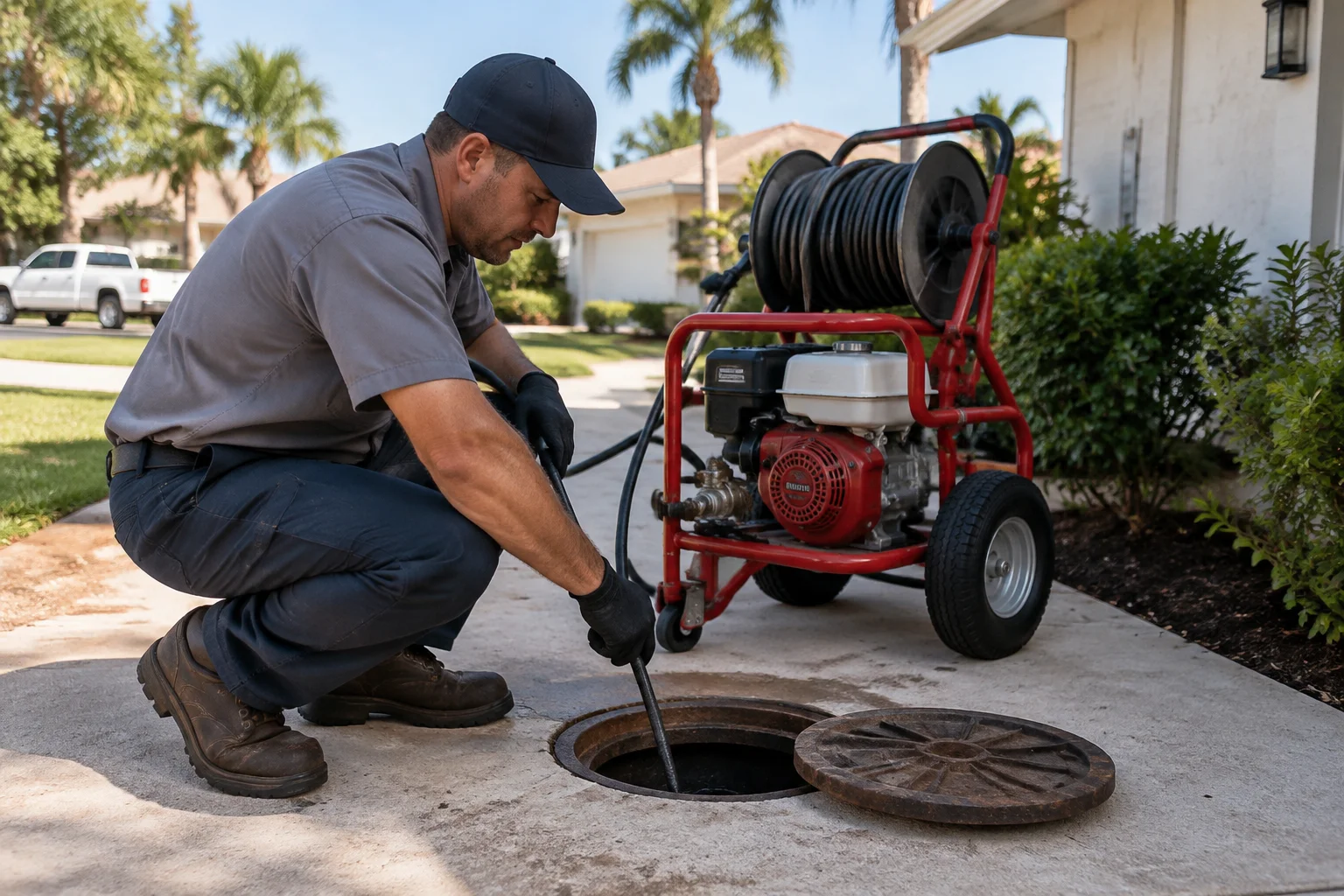
If one sink drains slowly, the restriction may be near that fixture. If several fixtures gurgle or back up together, a shared drain or sewer line problem becomes more likely. Stop unnecessary water use when sewage backs up, keep people away from contaminated water, and request prompt plumbing service.
Homeowners searching for slow drain repair near me should describe which fixtures are affected and whether the problem changes after rain. Drain cleaning may remove a blockage, while recurring backups may justify a camera inspection to check for roots, damaged piping, or other defects.
A water heater drain pan is not a substitute for functional drainage or leak repair. Its outlet should remain unobstructed and discharge to an approved location. Do not connect or reroute relief piping as a DIY solution.
Hidden hot water leaks can mimic heater failure
A heater that runs frequently may be serving a leaking hot water line rather than simply struggling to keep up. Possible clues include unexplained water use, a warm floor area, damp flooring, or water sounds when fixtures are off. None confirms a slab leak on its own.
Before checking your meter for unexplained flow, turn off fixtures and account for toilets, irrigation, ice makers, and other automatic water users. A running toilet or concealed faucet leak can increase consumption without leaving a puddle. Meter movement suggests water use somewhere, not its exact location.
If you are searching for leak detection near me, ask how the plumber will narrow down the source before opening walls or flooring. Read more about protecting plumbing beneath Wright homes. Confirmed slab leaks need a repair plan based on pipe condition, access, and the extent of damage.
Maintenance that protects the heater and nearby fixtures
Consistent maintenance starts with the manufacturer's instructions, not a universal flushing schedule. Water quality, equipment type, age, and usage determine what service is appropriate.
Make visual checks part of your routine
Keep the heater accessible and look periodically for moisture, rust trails, damaged connectors, or changes in the drain pan. Learn where the main and heater shutoffs are located. Consider a water alarm near the heater, especially if it sits inside the living space or in a rarely visited closet.
Have a plumber assess sediment management, the anode rod where applicable, relief valve condition, and expansion control. An older, neglected drain valve can leak after operation, so opening it without a plan is not always a wise first step.
Address water quality and small fixture leaks
Tankless equipment may need descaling according to its manufacturer and measured water conditions. Storage heaters may need sediment removal and corrosion protection checks. Discuss temperature settings with your plumber, balancing scald prevention and household health needs.
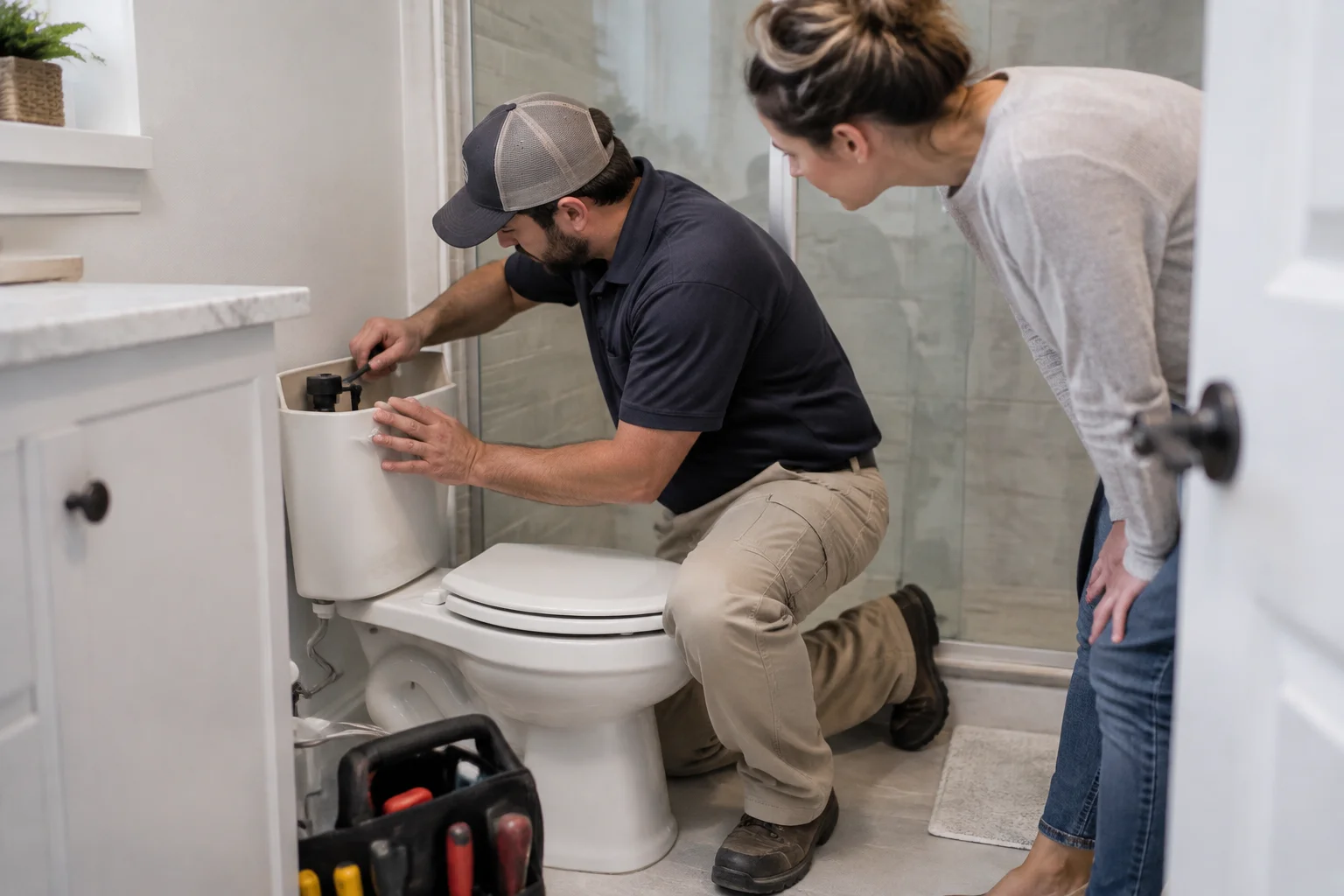
Repair dripping faucets and running toilets rather than treating them as background noise. If worn fixtures need replacing, planning fixture replacement in Wright can help you consider compatibility and shutoff condition.
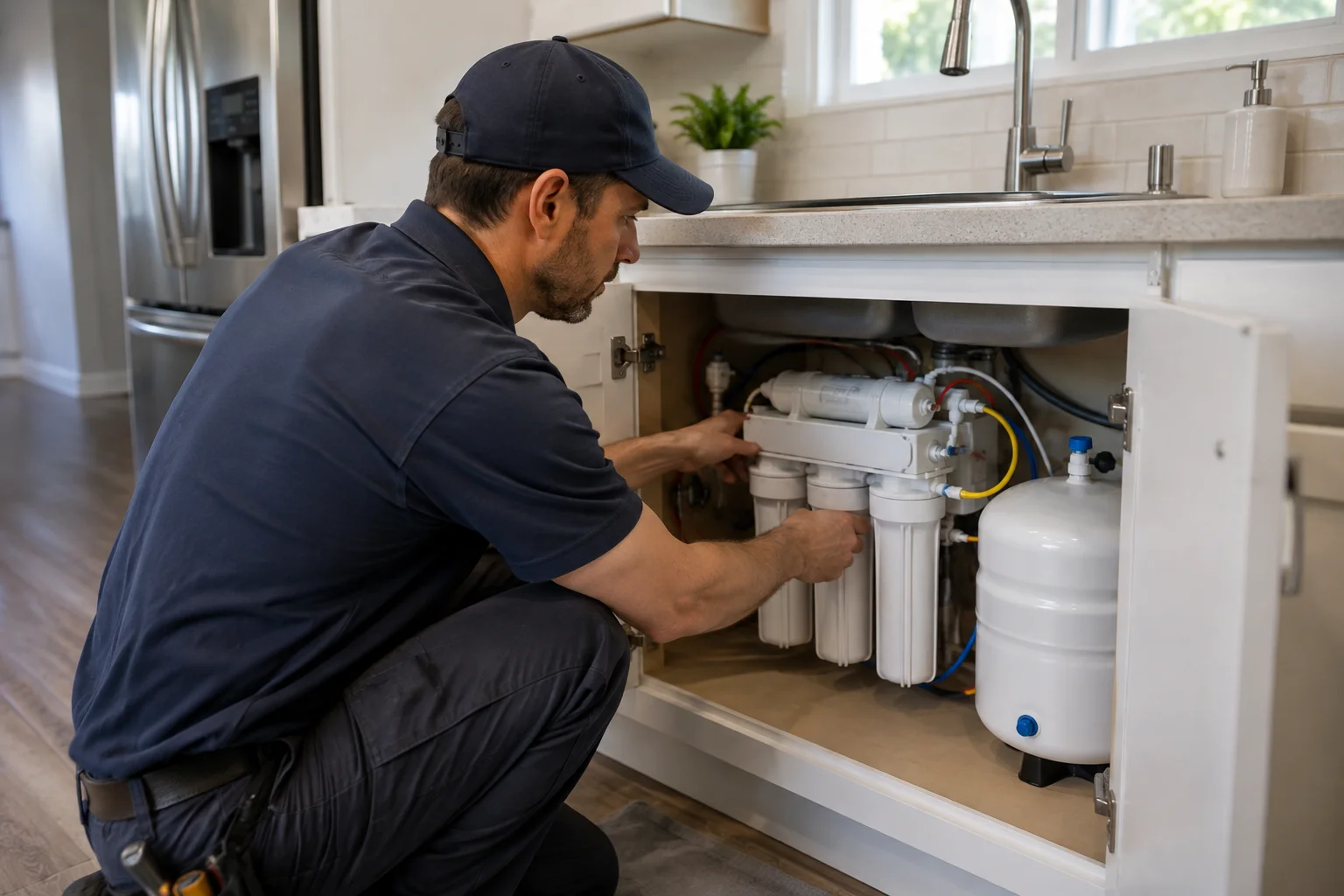
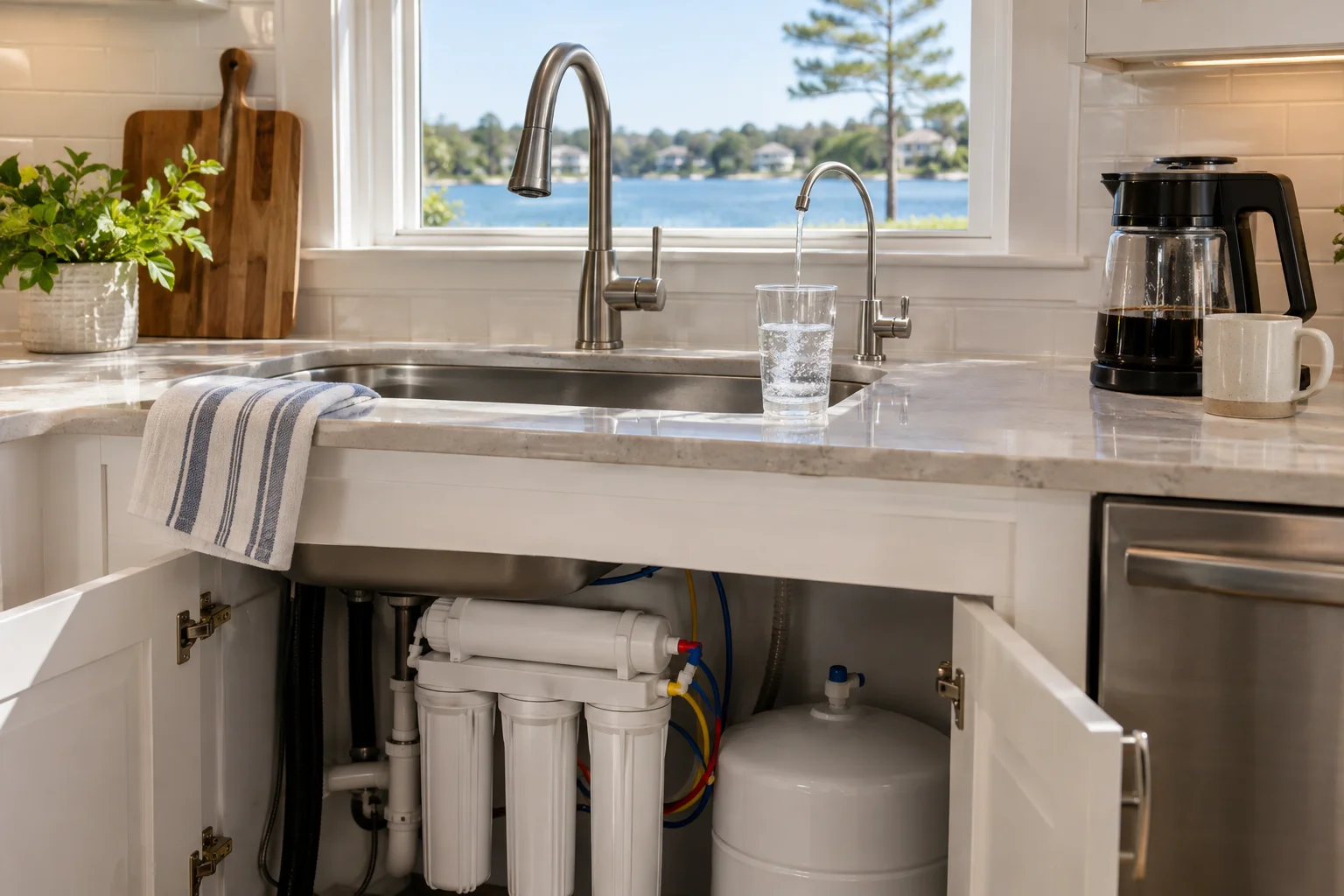
Water treatment should match a verified concern. Point-of-use reverse osmosis systems can address drinking water needs, but they do not ordinarily protect a whole-house water heater from hardness. Ask about testing before choosing treatment.
Choose repair or replacement with the full picture
A sound tank with a failed serviceable component may be worth repairing. A leaking tank, repeated breakdowns, extensive corrosion, or unsuitable capacity may support replacement. Age matters, but it should not be the only deciding factor.
Homeowners comparing water heater replacement near me should request an estimate that addresses installation requirements, valves, expansion control, disposal, and any necessary piping corrections. Compare the full scope rather than the equipment price alone. Ask about warranty coverage and maintenance expectations.
A Superior Mechanical's water heater services in Wright cover the broader service conversation. If a larger project affects your budget, ask about plumbing financing options and review the applicable terms.
Make your Wright plumbing service visit more productive
Before calling, note the heater's model, approximate age, symptoms, and whether every fixture is affected. Mention recent plumbing work, pressure changes, unusual water bills, or recurring drain problems. Photos of the leak and accessible equipment labels can help.
For water heater repair in Wright, FL, contact A Superior Mechanical with those details and explain immediately if there is active flooding or another safety concern. The company serves properties throughout Okaloosa County. A clear description helps focus the visit on restoring dependable hot water while addressing the leaks, pressure issues, or pipe defects that could cause the next problem.
Find Water Heater Repair in Wright, FL
If you need Water Heater Repair in Wright, FL, visit our local service page or contact A Superior Mechanical today.
Map of Wright, FL
Frequently Asked Questions
Does a leaking water heater always need to be replaced?
No. A leak from a supply connection, drain valve, or another serviceable component may be repairable. A confirmed leak through the storage tank generally requires replacement. A plumber should trace the source and check pressure before recommending a solution.
Can a hidden hot water pipe leak make my water heater run more often?
Yes. A leaking hot water line can create ongoing demand, making the heater operate more frequently. Unexplained water use, warm flooring, or water sounds with fixtures off warrant investigation, but these clues do not establish the leak's location without testing.
How often should a water heater in Wright, FL be serviced?
Follow the manufacturer's maintenance schedule and adjust it based on water quality, usage, and equipment condition. Many manufacturers recommend annual maintenance checks. A plumber can determine whether your heater needs sediment removal, an anode inspection, tankless descaling, or pressure and expansion checks.
Related Articles
Photo Gallery