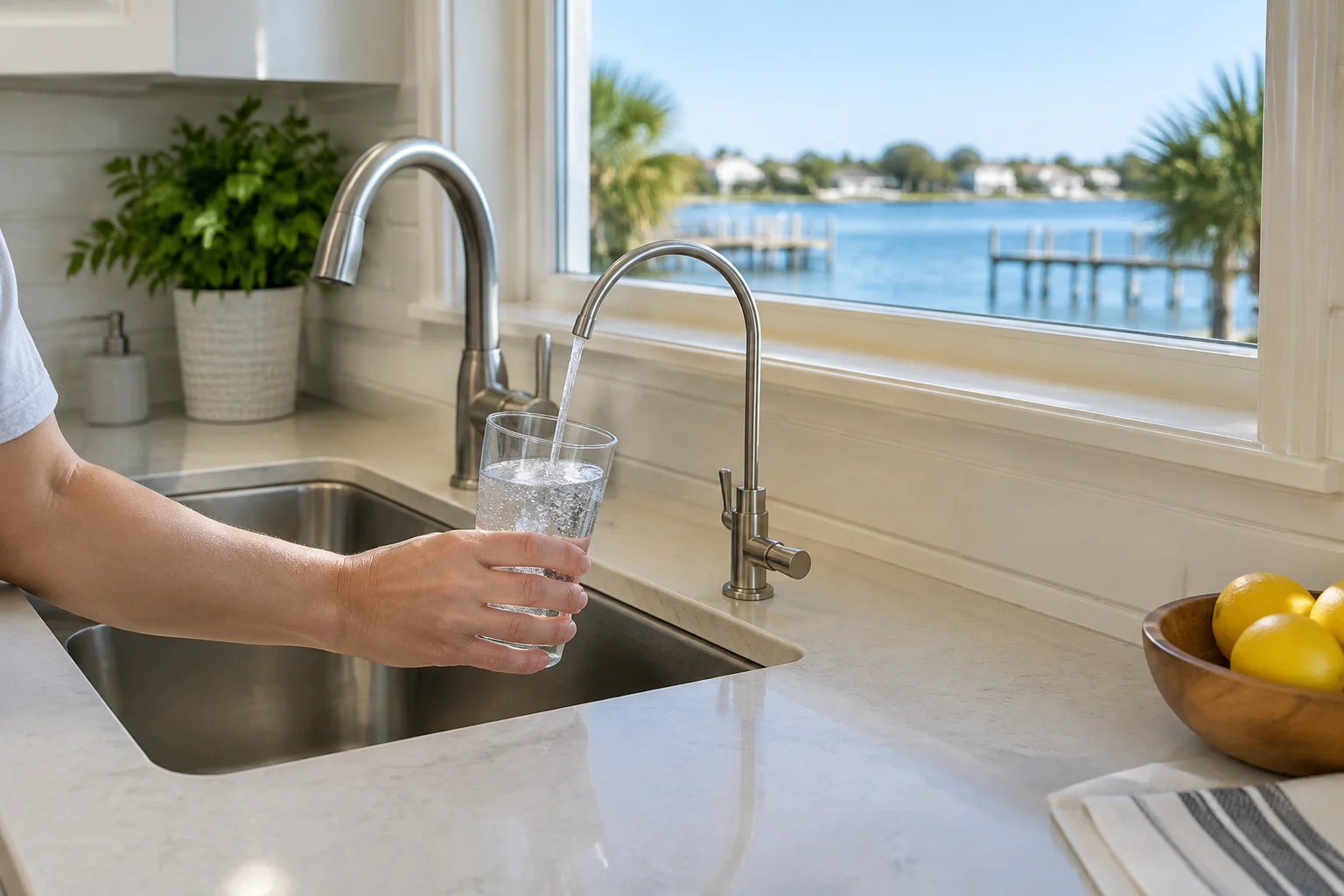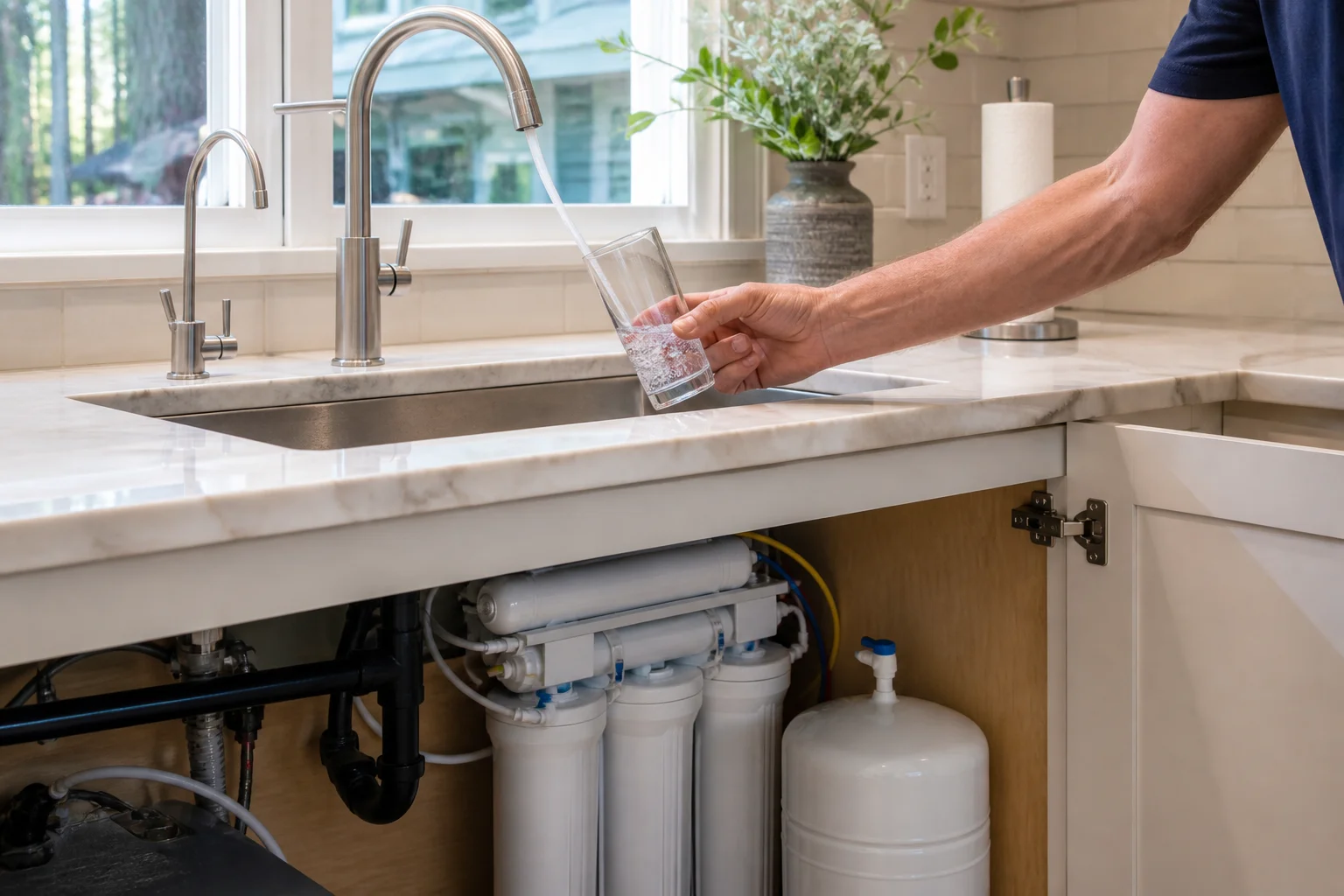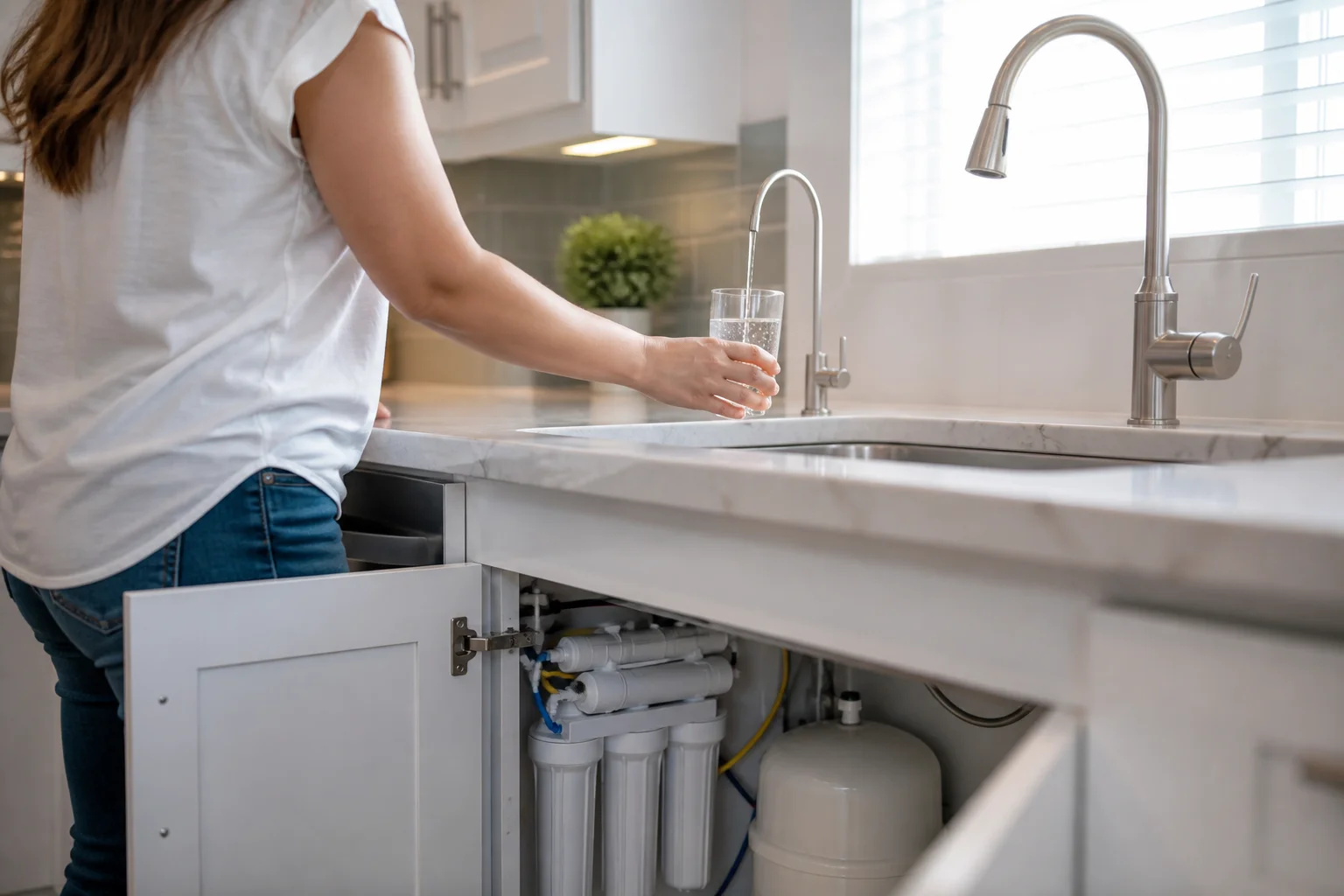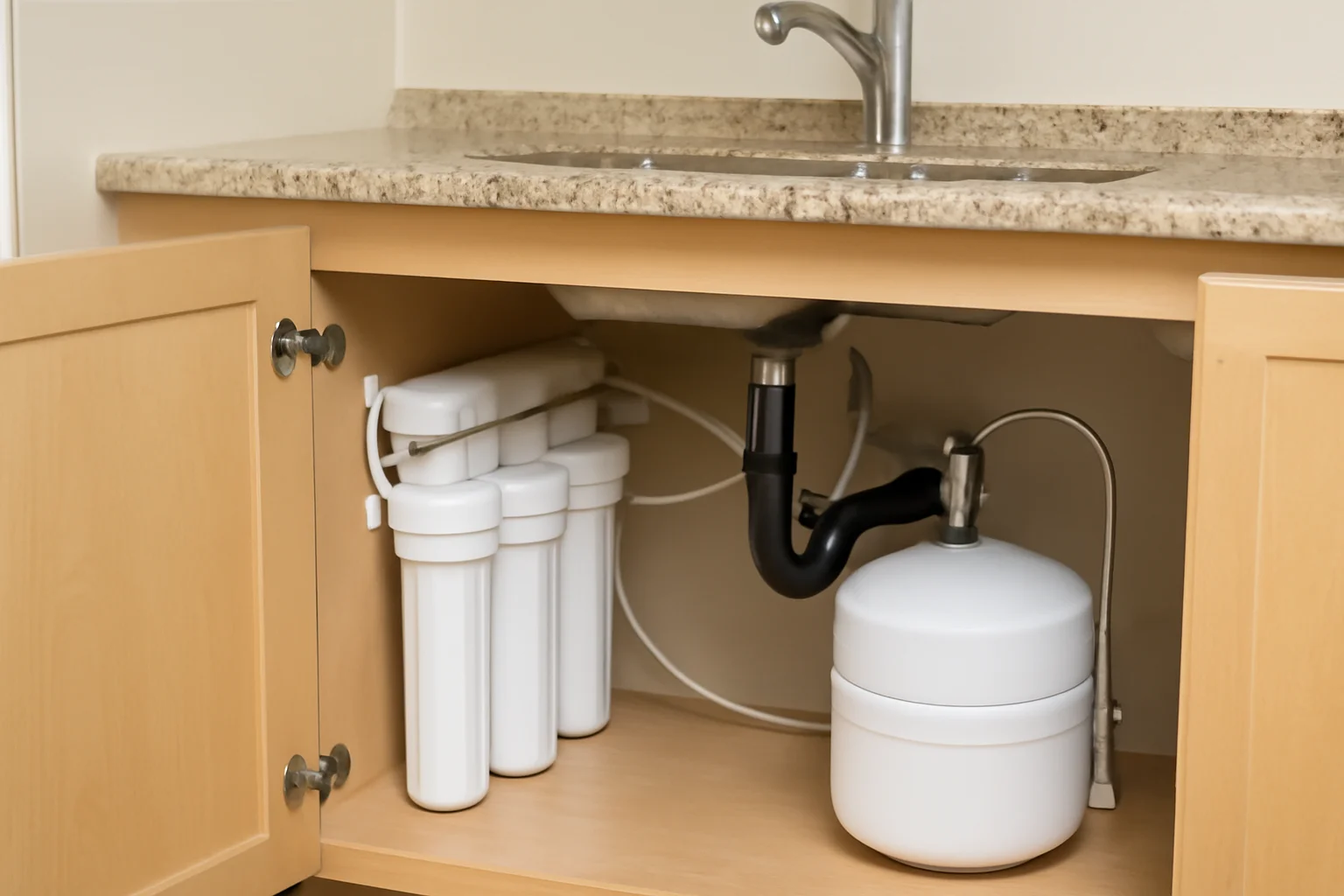
Lake Lorraine homeowners often want the same thing: clean, great tasting drinking water for the kitchen and dependable protection for plumbing and appliances. Reverse osmosis (RO) systems can deliver that, but they are not “set it and forget it.” In our area of Okaloosa County, water conditions and household habits can create problems that show up as hard water spots, scale buildup, cloudy ice, and unpleasant taste or odor. When those symptoms appear, the RO system may be doing its job partially, or it may be struggling due to the wrong setup, worn parts, or unaddressed water hardness.
Why Lake Lorraine water can challenge reverse osmosis systems
Reverse osmosis works by pushing water through a semi-permeable membrane that removes dissolved contaminants. For RO to perform well, the system usually needs correct pre-treatment and properly sized components. When incoming water is harder, higher in minerals, or contains more sediment, the RO membrane can foul faster. That means reduced flow, weaker rejection performance, and more frequent filter or membrane changes.
Lake Lorraine homes may also see the day to day effects of mineral rich water: hard water spots on glass, soap that does not lather, and scale buildup around faucets and showerheads. Those same minerals can contribute to RO performance issues. The visible problems are a clue that the invisible ones are likely happening inside the filtration system too.
Hard water spots on glass and dishes can point to RO stress
One of the first signs homeowners notice is the aftermath of washing. Glassware can look streaky or chalky after rinsing. Dishes may not come out as clean as expected. You might also see spotting on fixtures after the water dries.
Hard water spots are not just cosmetic. They often mean mineral scale is present in the water feeding the RO system. If pre-filters are not keeping up, scale can accumulate where it should not. That accumulation can reduce water flow through the membrane and make the system less effective at producing consistent RO drinking water.
When hard water treatment becomes part of protecting fixtures and appliances, you are also helping the RO system run cleaner and last longer. Many homeowners benefit from pairing reverse osmosis with appropriate water softening or other whole home water filtration strategies, depending on their water test results.
Scale buildup around faucets, showerheads, and plumbing
Scale buildup on faucets, showerheads, and plumbing is a classic hard water symptom. Over time, scale can restrict water flow, trap minerals, and interfere with how fixtures and appliances operate.
RO systems can be impacted by scale too. The RO membrane is delicate. If the water entering the system has too much hardness or sediment, it can lead to membrane fouling. Fouling can cause:
- Reduced production rate, so the RO storage tank fills slowly
- Water that tastes less “clean” or less consistent from day to day
- Higher wastewater ratio, meaning more water is flushed while cleaning the membrane
- More frequent filter changes than expected
If you are seeing scale buildup on plumbing fixtures while also noticing RO performance problems, it is a good time to ask a water treatment professional to review your entire system, including sediment filtration and whether water softener service or another pre-treatment approach makes sense for your home.
Dry skin or dull hair after bathing: the household clue
Many Lake Lorraine families connect water quality to how they feel after a shower. Dry skin from hard water, dull hair, and roughness can happen when minerals and residue build up on skin and hair. Even if your RO system is dedicated to drinking water, the rest of the home water still matters for bathing and everyday comfort.
Homeowners sometimes assume RO fixes everything, but typical under-sink reverse osmosis systems treat only a portion of the water supply. If you want better water for bathing, laundry, and whole home plumbing protection, you may need additional treatment beyond RO. Whole home water filtration or water softening can reduce the mineral effects that lead to dry skin from hard water and that “stiff” feeling after bathing.
For families, this shows up in real kitchen and bathroom routines: children rinsing hands at the sink, a teenager washing hair after practice, and everyone noticing that soap does not rinse as cleanly as it used to. Addressing water quality at the right points can improve those daily experiences.
Metallic, chlorinated, or unpleasant taste and odor
RO is designed to remove many taste and odor compounds. If your RO drinking water starts tasting metallic, chlorinated, or simply unpleasant, the cause is often related to filtration performance. Common reasons include:
- Cartridge or carbon filter exhaustion before the RO membrane
- Membrane aging, leading to reduced contaminant rejection
- Low or inconsistent water pressure that affects how well the system runs
- Incorrect installation or missing components
- Bypass or leak issues that allow unfiltered water into the drinking line
Lake Lorraine households also rely on filtered water for coffee and cooking. When the taste is off, it is noticeable fast. Poor tasting coffee and cooking water can turn into “something feels off” with every recipe. If you are using RO drinking water for beverages, the system should produce water that tastes clean and consistent.
Cloudy ice cubes are another clue. If ice looks hazy or cloudy, it may suggest dissolved gases, mineral content, or filtration problems. While some cloudiness can be normal, a sudden change often points to a filtration issue.
Cloudy ice cubes and “not quite right” beverages
Ice is a great indicator because it concentrates what is in the water. If your ice starts turning cloudy, your family may notice it at the dinner table right away. That can lead to questions like, “Is the RO system working?” or “Do we need to change filters again?”
Homeowners often describe the change like this: yesterday the ice looked clear, today it looks milky, and the coffee flavor seems flatter. That combination of taste and appearance usually means the RO system is not delivering the same water quality as before, even if the faucet still dispenses water at the normal rate.
A professional can check whether the carbon stage is exhausted, whether the membrane needs replacement, and whether the system is producing water at the correct flow and rejection rate.
Appliances wearing out faster: the hidden cost of poor water
Even when you have an RO drinking water system, other parts of your home may still be exposed to hard water. Laundry, dishwashers, humidifiers, and water heaters can see mineral buildup. Over time, that can mean:
- Scale buildup on heating elements
- Shorter appliance lifespans
- More frequent maintenance and replacement
- Reduced efficiency and higher energy use
When appliances wear out faster, homeowners look for a solution that protects both taste and equipment. Reverse osmosis installation near me searches often start because families want better drinking water, but many end up exploring water softener service near me or whole home water filtration to protect the systems behind the scenes.
Soap that does not lather or rinse well
Soap that does not lather is one of the most telling signs of hard water. You may notice that body wash feels like it is not cleaning as well, shampoo feels harder to rinse, and laundry detergent leaves residue. That residue can also contribute to dull hair and dry skin from hard water.
RO systems do not always address these whole-home effects. If you want a consistent “clean rinse” across bathing and laundry, a water softener or whole home water filtration may be a better fit. This is especially important in Florida homes where humidity and water usage patterns can make residue build up more noticeable.
Visible sediment, discoloration, and odor concerns
Some water quality issues are not only about hardness. Visible sediment, discoloration, and odor concerns can show up when pre-filters are overwhelmed or when sediment enters the plumbing supply. If you see:
- Brown or yellow tint in water
- Particles or sediment in a glass
- Odor that changes after heavy use
- Air in the line causing sputtering
it can affect the RO system too. Sediment can clog pre-filters quickly and shorten membrane life. That is why homeowners searching for water filtration near me often want a complete plan, not just an RO unit under the sink. Whole home water filtration can reduce sediment before it reaches the RO system, depending on the home’s plumbing layout and water test results.
How maintenance issues can disrupt reverse osmosis performance
Many RO problems come down to maintenance schedules and system condition. Even a well-designed RO drinking water system can struggle if filters are overdue or if water chemistry changes.
Filters and carbon stages
Most RO systems include a sediment pre-filter and a carbon stage before the membrane. If those stages are not replaced on time, they can fail to protect the membrane and to remove taste and odor compounds. That is when you start tasting metallic or chlorinated notes and seeing cloudy ice cubes.
Membrane aging
The membrane is the heart of the RO system. Over time, it can lose performance due to natural wear, fouling, or mineral buildup. A membrane that is past its useful life may still produce water, but it may not reject contaminants as effectively.
Storage tank and pressure
If the storage tank is waterlogged or the system is cycling incorrectly, drinking water may taste inconsistent. Some homes also experience issues after changes in water pressure or after plumbing work. RO systems rely on stable conditions to run correctly.
Water softening and whole home water filtration: where they fit
Lake Lorraine homeowners often want a practical path that improves drinking water and reduces scale throughout the home. The right combination depends on your water test results, but these are common approaches:
Water softener service for hardness control
Water softening reduces hardness minerals that cause scale buildup on faucets, showerheads, and plumbing. When hardness is controlled, the RO system is less likely to foul quickly. That can mean better tasting drinking water, more consistent RO drinking water system output, and fewer “why is the filter still not fixed?” moments.
Whole home water filtration for sediment and consistency
Whole home water filtration helps reduce sediment and other particles across the home. For families noticing visible sediment, discoloration, and odor concerns, whole home filtration can provide a base layer of protection. It can also complement reverse osmosis installation near me by improving the water quality entering the RO system.
AO Smith water filtration and system matching
Many homeowners consider AO Smith water filtration options because they are designed for reliable home water treatment. Whether you are looking at an RO drinking water system, an AO Smith water softener, or a broader clean water system approach, matching the equipment to local water conditions is key. A Superior Mechanical can help evaluate your needs and recommend a setup that addresses both taste and the scale problems that show up on glass, dishes, and fixtures.
Everyday signs in a Lake Lorraine kitchen and bathroom
Water problems rarely stay in the basement or under the sink. They show up during the most familiar routines.
- Kitchen sink: You rinse dishes and still see spots. The coffee tastes off, and cooking water does not taste “clean.”
- Drinking water: Ice looks cloudy. Water tastes metallic, chlorinated, or unpleasant even though it is coming from the RO faucet.
- Bath time: Dry skin or dull hair from hard water becomes noticeable after a shower, especially in the weeks between filter changes.
- Laundry: Soap does not lather, clothes feel rough, and detergent seems to leave residue.
- Fixtures: Scale buildup around faucets and showerheads returns faster than it used to.
When these patterns line up, it is usually not “one random issue.” It is often water chemistry plus maintenance, and it is exactly the kind of situation homeowners can solve with a coordinated water treatment plan.
Prevention steps homeowners can take between service visits
You can reduce the chance of RO problems by staying ahead of common wear items and by paying attention to changes in water quality.
Watch for taste, odor, and ice changes
If your RO drinking water tastes different, or ice turns cloudy, treat it like a maintenance cue. Do not assume it will correct itself.
Keep an eye on flow rate
Slow filling from the RO faucet or a storage tank that seems to take longer to produce water can indicate filter clogging or membrane fouling.
Follow filter replacement schedules
RO systems depend on timely filter changes. Even if the water looks fine, cartridges that are past their useful life can allow taste issues and membrane fouling to build up.
Consider water testing as part of prevention
Local water conditions can vary over time. A water test helps confirm whether your RO system is matched to hardness, sediment, and other factors in your home. If hard water spots on glass and scale buildup on fixtures keep returning, it may also be time to revisit water softening or whole home water filtration.
Why local service matters for RO systems in Okaloosa County
Lake Lorraine homes are part of Okaloosa County, and local water realities matter. Water chemistry, household plumbing layouts, and how frequently homes are used, such as vacation rentals and second homes, can all influence how quickly RO systems need maintenance. A system used less often can have stagnant water sitting in lines and storage tanks, which can affect taste and odor.
That is why working with a contractor that understands reverse osmosis installation near me and local water treatment priorities makes a difference. A Superior Mechanical reverse osmosis systems for homeowners who want better drinking water, reliable performance, and fewer interruptions to daily routines.
Get your RO system evaluated for Lake Lorraine water conditions
If you are dealing with hard water spots on glass, scale buildup on faucets, dry skin or dull hair after bathing, or metallic and chlorinated taste, your RO system may need more than a quick filter swap. It may need membrane replacement, a review of pre-treatment, or added whole home water filtration and water softening to reduce hardness and protect the plumbing and appliances that your family relies on.
You can explore options and service coverage here: reverse osmosis systems in Lake Lorraine. If you are also considering broader improvements, start with water filtration and RO water softeners. For a wider look at local coverage, visit Lake Lorraine service areas and Okaloosa County service areas.
Homeowners who want to reduce recurring water issues often find these reads helpful: How Preventive Plumbing Care Supports Cleaner Water in Lake Lorraine Homes and Why Earlier Plumbing Maintenance Pays Off in Lake Lorraine Homes. If you are focused on smarter daily habits for RO, check Smart Plumbing Habits for Reverse Osmosis Systems in 30A Homes and Cleaner Drinking Water and Healthier Plumbing: A Rosemary Beach Homeowner’s Guide to Reverse Osmosis Systems.
When your kitchen, bath, and laundry routines start showing the same water quality symptoms, it is a strong signal that your RO system and your home water treatment plan should be reviewed together. A Superior Mechanical helps Lake Lorraine families keep their clean water systems producing dependable, better tasting drinking water for everyday life.
Find Reverse Osmosis Systems in Lake Lorraine, FL
If you need Reverse Osmosis Systems in Lake Lorraine, FL, visit our local service page or contact A Superior Mechanical today.
For a broader look at whole-home water filtration, reverse osmosis, and water softener options, visit our water filtration, RO, and water softener page.
Map of Lake Lorraine, FL
Frequently Asked Questions
Why does my RO water taste metallic or chlorinated?
Metallic or chlorinated taste often means the carbon stage is exhausted, the membrane is aging, or the RO system is not rejecting contaminants as effectively. It can also happen if filters are overdue or if there is a bypass or leak that allows non-RO water into the drinking line.
Can hard water spots on glass mean my reverse osmosis system is failing?
Hard water spots on glass usually point to hardness and mineral scale in the water. If your RO system is only treating drinking water, the spots may be coming from the rest of your home water supply. However, hardness can also foul RO membranes faster, so it is worth having your system and your whole-home water treatment needs checked.
What causes cloudy ice cubes from an RO drinking water faucet?
Cloudy ice can be related to dissolved gases, minerals, or a change in filtration performance. If the ice turns cloudy along with a taste or odor change, it often indicates the RO system needs maintenance such as carbon filter replacement or membrane evaluation.
Do I need a water softener with reverse osmosis in Lake Lorraine?
Not every home needs a water softener, but many do when hardness is high enough to cause scale buildup on faucets and showerheads and to speed up RO membrane fouling. A water test helps determine whether water softening or whole home water filtration should be part of your clean water system.
How often should RO filters and membranes be replaced?
Replacement frequency depends on your water quality, usage, and the specific RO components. If you notice reduced flow, cloudy ice cubes, unpleasant taste, or scale buildup returning quickly, it may be time to inspect and replace filters and evaluate the membrane sooner than expected.
Related Articles
- How Preventive Plumbing Care Supports Cleaner Water in Lake Lorraine Homes
- Why Earlier Plumbing Maintenance Pays Off in Lake Lorraine Homes
- Smart Plumbing Habits for Reverse Osmosis Systems in 30A Homes
- Cleaner Drinking Water and Healthier Plumbing: A Rosemary Beach Homeowner’s Guide to Reverse Osmosis Systems
Photo Gallery