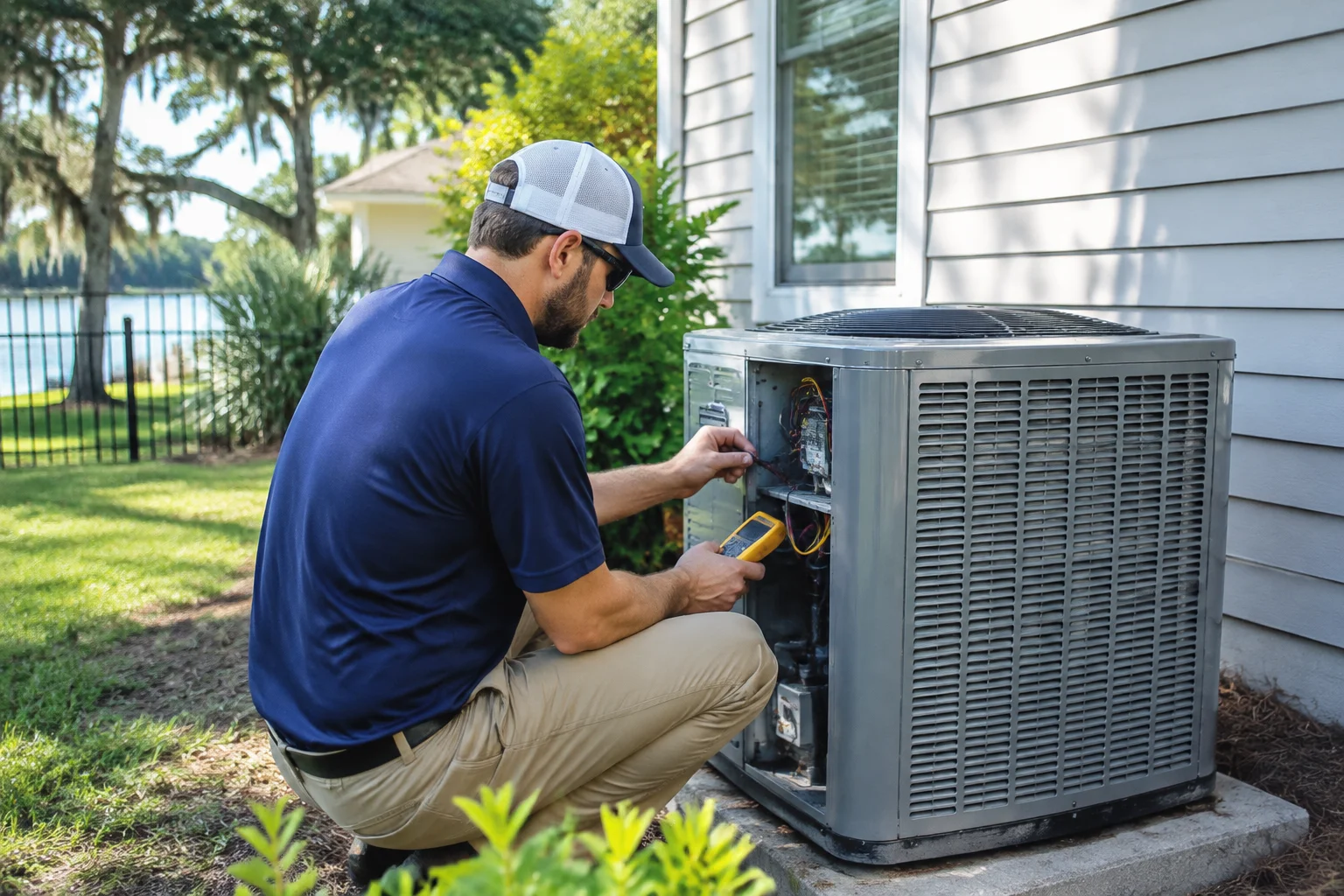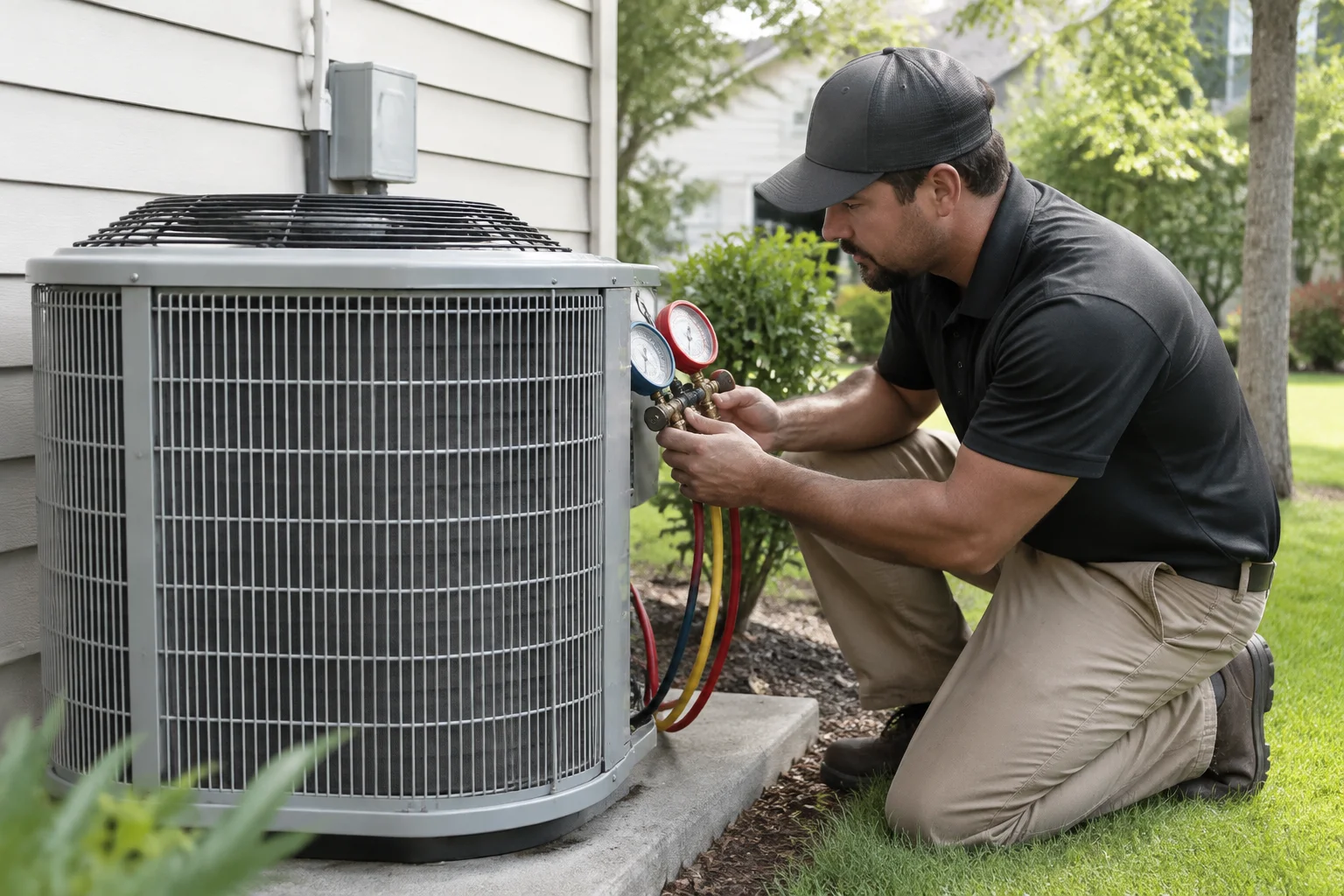
A comfortable Grayton Beach home needs more than cold air. It needs steady temperatures in occupied rooms, enough moisture removal to avoid that sticky feeling, and equipment that can withstand a demanding coastal environment. Ductless mini-splits can help, but their performance depends heavily on sizing, placement, installation, and maintenance.
Whether you are updating an older cottage, finishing an addition, or planning zones in a newer home, the goal is the same: choose equipment around the building and how people actually use it. Here is how to plan ductless comfort in Grayton Beach, FL without overlooking airflow, humidity, or preventable repairs.
Start with the rooms, not the equipment catalog
A mini-split connects an outdoor unit to one or more indoor air handlers through refrigerant lines, wiring, and condensate drainage. Most residential systems are heat pumps, providing both cooling and heating. Single-zone systems serve one area; multi-zone systems connect several indoor units to one outdoor unit.
They are especially useful in older homes with limited space for ductwork, upstairs bedrooms that stay warm, remodels, and additions beyond an existing system's capacity. In newer homes, they can provide targeted comfort or serve as a whole-home solution when the layout supports it.
Why square footage alone is not enough
Proper sizing requires a room-by-room load calculation that considers insulation, windows, sun exposure, ceiling height, air leakage, and occupancy. A shaded bedroom and a west-facing living room may need very different capacities even when their floor areas match.
Oversizing can cause short cycling and poor moisture removal, especially when a system cannot reduce output enough during mild weather. Undersizing may leave rooms uncomfortable during peak summer heat. For multi-zone equipment, the installer should also check minimum operating capacity when only one small zone needs cooling.
Homeowners comparing options after searching for multi zone mini split installation near me should ask how each proposed zone was sized. A Superior Mechanical's ductless mini-split service in Grayton Beach is a starting point for discussing room layouts, equipment choices, and installation needs.
Plan airflow before choosing an indoor unit location
An indoor head needs an unobstructed path to circulate air through its zone. Mounting it above a tall cabinet, behind a curtain, or where furniture blocks discharge can create uneven temperatures. Required ceiling and side clearances vary by model, so installation should follow manufacturer instructions rather than appearance alone.
Placement also affects how the unit senses temperature. Direct sunlight, nearby cooking heat, or a poorly located remote sensor can distort readings. Adjustable louvers help distribute air, but they cannot compensate for a fundamentally poor location.
Closed doors change the comfort plan
One hallway unit usually cannot reliably condition several bedrooms behind closed doors. Bedrooms with different exposures or schedules may need separate indoor heads, or a compact ducted solution designed for those rooms. Independent temperature settings are useful only when conditioned air reaches the intended space.
If a mini-split supplements central HVAC, inspect existing vents and returns too. A hot room may result from a disconnected duct, restricted return airflow, or damaged insulation rather than insufficient equipment. Ductwork repair and duct sealing can sometimes resolve the original problem without adding another system.
Humidity deserves its own design conversation
Grayton Beach's warm, humid weather creates a substantial moisture load. Outdoor air enters through doors, building leaks, and ventilation, while showers, cooking, and occupants add moisture indoors. A room can reach its thermostat setting and still feel damp if the equipment has not removed enough water vapor.
Mini-splits remove moisture as air passes over cold evaporator coils. Variable-speed operation can support longer cooling cycles, but it does not guarantee a particular indoor humidity level. Equipment selection, room loads, operating settings, and building tightness all matter.
Measure moisture instead of guessing
A separate hygrometer helps distinguish a temperature problem from a humidity problem. A practical target is often around 45 to 55 percent relative humidity, with conditions generally kept below 60 percent. Persistent musty odors, clammy bedding, or condensation on cold surfaces deserve investigation even when temperatures seem normal.
Dry mode may help under certain conditions, but its operation varies by manufacturer and may overcool a room. If moisture remains high during mild, rainy weather, consider a dedicated solution. Whole-home dehumidifiers in Grayton Beach can address loads that cooling alone does not manage, with distribution planned for the home's layout.
Avoid leaving windows open while cooling, and use bathroom exhaust fans that vent outdoors. Large temperature setbacks in vacant homes can also allow humidity to rise. Choose away settings based on measured conditions rather than assuming a warmer setting always provides the best savings.
Give outdoor equipment room to survive coastal conditions
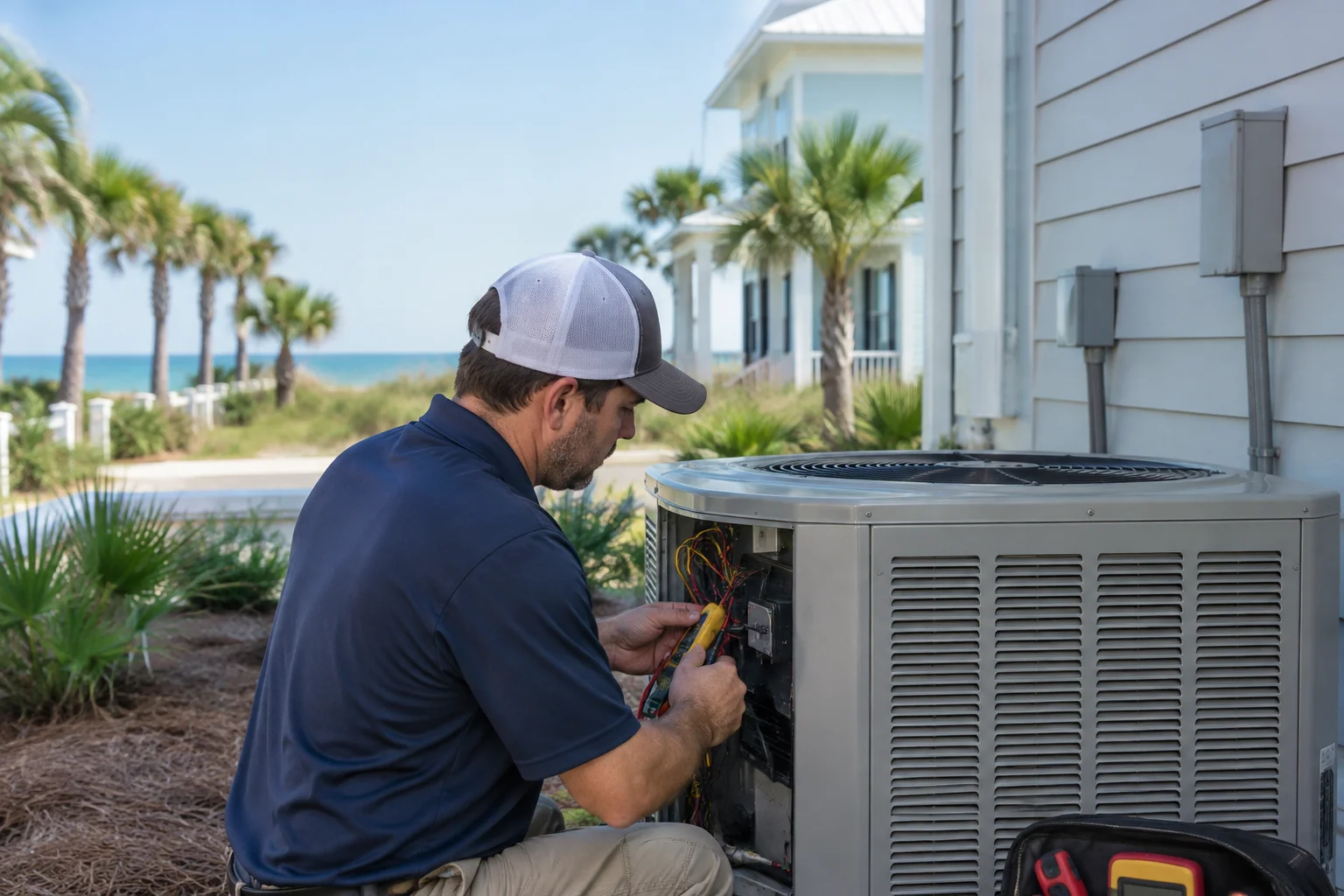
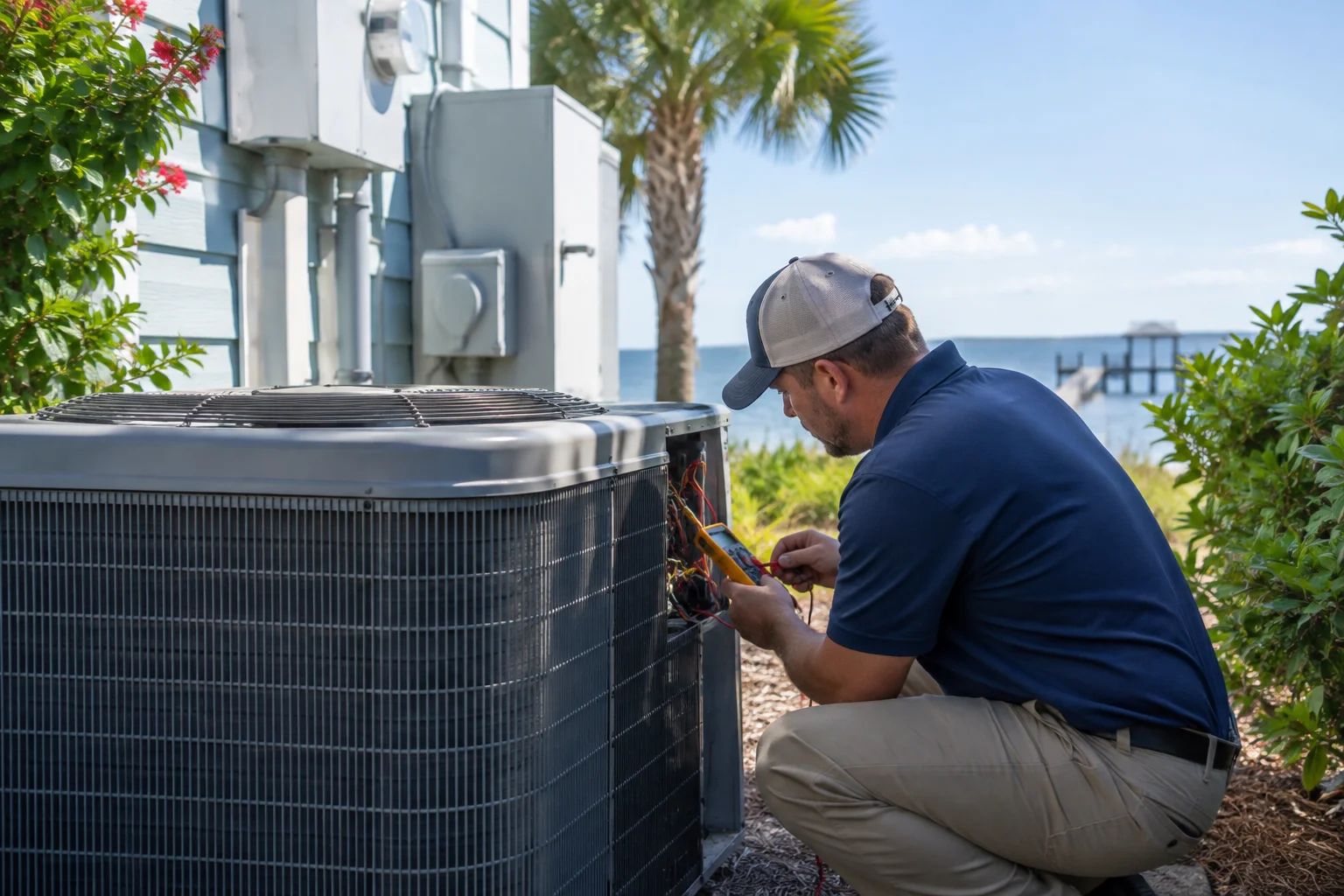
Salt air can accelerate corrosion on outdoor coils, cabinets, and connections. Wind-driven debris, heavy rain, and storms add exposure. Outdoor units need a stable mounting location, appropriate anchoring, and elevation that reflects site conditions and applicable requirements.
Ask about manufacturer-approved coastal protection and maintenance. No condenser is completely immune to salt exposure, and aftermarket coatings are not automatically suitable. Coastal durability depends on equipment selection, installation details, and care over time.
Keep vegetation, stored beach gear, and fencing outside the required clearance area. An enclosure that hides the condenser but restricts airflow can reduce efficiency and increase stress on the compressor. Never operate the system with a protective cover blocking its airflow.
After a storm, inspect from a safe distance for leaning equipment, damaged refrigerant lines, or debris. Do not restart equipment that was submerged or shows electrical damage. Local HVAC service matters because coastal exposure and drainage conditions vary even between nearby properties.
Small symptoms can reveal developing mini-split problems
A change in sound, airflow, or moisture removal is worth noticing before the system stops. Homeowners searching for mini split repair near me often report a unit that still runs but no longer keeps its room comfortable. Several different faults can produce that symptom, so diagnosis should come before parts replacement.
Weak airflow, ice, and uneven temperatures
Dirty filters, a coated blower wheel, or a dirty evaporator coil can reduce airflow. A fan motor problem can do the same. Ice may result from restricted airflow or a refrigerant issue; continuing to operate a frozen unit can cause additional trouble.
Check accessible filters and confirm that nothing blocks the unit. If ice is present, stop cooling and arrange service. Do not chip ice off the coil. Refrigerant does not normally get used up, so a low charge calls for leak assessment and proper repair rather than routine topping off.
Water leaks and musty odors
Indoor dripping can come from a blocked drain line, poor drain slope, a failed condensate pump, or melting ice. Turn the affected unit off if water threatens walls, flooring, or furnishings. Place a container beneath the drip if safe, but do not treat that as the repair.
Musty odors may involve dirty internal surfaces, standing condensate, or moisture elsewhere in the building. Filter cleaning alone will not fix every indoor air quality issue. A technician should inspect the blower, coil, drain pan, and drainage path rather than simply masking the odor.
Maintenance should match the home and its use
A quiet guest room and a busy vacation rental may need different cleaning intervals. Pets, sand, frequent door opening, and continuous summer operation can increase maintenance needs. Start with the manufacturer's filter schedule and inspect more often if filters collect debris quickly.
For washable filters, follow the specified cleaning method and let them dry before reinstalling. Keep indoor intake and discharge openings clear. Leave deep coil cleaning, blower disassembly, refrigerant work, and electrical checks to qualified HVAC technicians.
What a useful service visit should cover
Preventive service should assess indoor and outdoor coil condition, blower cleanliness, drain flow, mounting security, operating performance, and visible line insulation. A technician can investigate unusual noises, corrosion, fault codes, and signs of refrigerant leaks. Pressure checks and other diagnostic steps should follow equipment requirements and observed symptoms.
If you are searching for HVAC maintenance near me, ask whether the visit specifically covers ductless equipment. Mini-split cleaning and troubleshooting differ from a quick inspection of a conventional central air handler. Schedule ahead of peak cooling demand whenever possible, particularly before a rental's busy season.
Use controls that support efficiency and comfort
Steady, moderate settings often work well with variable-speed mini-splits. Repeatedly turning the thermostat far below the desired temperature will not necessarily cool the room faster. Keep settings practical and let the system modulate as designed.
Many residential multi-zone systems require connected indoor units to operate in the same heating or cooling mode. Check this limitation before promising different occupants completely independent operation. Compatible thermostats and remote sensors also matter; generic thermostat installation can interfere with system features if the controls are not designed to work together.
During cooler weather, a heat pump may enter defrost mode, temporarily changing operation and producing outdoor steam. Persistent failure to heat, heavy ice that does not clear, or repeated shutdowns requires heating repair evaluation. If the home also has a furnace, it needs its own maintenance and safety checks.
Decide whether ductless solves the whole problem
A mini-split is not automatically the best answer for every uncomfortable house. If central equipment is aging and ductwork is sound, air conditioning replacement may provide a simpler whole-home solution. During a major remodel, compare ductless zoning with a properly designed central system before construction limits equipment placement.
For homes with both systems, a single comfort complaint can involve multiple causes. Homeowners searching for air conditioning repair near me should explain which rooms are affected, whether doors are closed, and whether humidity rises throughout the house. Local air conditioning repair can help distinguish a central-system problem from a ductless-zone fault.
Remember that most ductless heads recirculate indoor air rather than supply outdoor ventilation. Their filters are not automatically equivalent to high-efficiency central filtration. Indoor air quality planning may also require moisture control, source reduction, ventilation, or appropriately sized air cleaners.
Keep a practical service plan for Grayton Beach weather
Before a breakdown, record model numbers, warranty information, and service history. For rentals, give guests simple operating instructions and a clear contact for leaks or fault codes. The guide to emergency HVAC planning in Grayton Beach offers additional preparation ideas.
Burning smells, repeated breaker trips, water near electrical components, or a rapidly overheating home with vulnerable occupants need prompt attention. Stop using unsafe equipment, avoid repeated resets, and arrange professional help. Seek a cooled location if indoor conditions become unsafe.
For installation planning or an existing comfort problem, contact A Superior Mechanical about HVAC service in Grayton Beach. Share your room layout, humidity readings, and operating concerns so the evaluation starts with useful information. Homeowners elsewhere can also explore service in Walton County for locally informed HVAC planning.
Find Ductless Mini-Splits in Grayton Beach, FL
If you need Ductless Mini-Splits in Grayton Beach, FL, visit our local service page or contact A Superior Mechanical today.
Map of Grayton Beach, FL
Frequently Asked Questions
Can one ductless mini-split cool an entire Grayton Beach home?
A single indoor unit may serve a small, open area well, but it usually cannot reliably cool separate bedrooms behind closed doors. Whole-home coverage requires room-by-room load calculations and an airflow plan, which may include multiple indoor units or compact ducted zones.
Will a mini-split control humidity without a dehumidifier?
A properly selected mini-split removes moisture while cooling, but humidity control depends on the home's moisture load and system runtime. During mild, rainy weather, cooling demand may be too low for adequate drying. Measure indoor humidity and discuss dedicated dehumidification if it consistently approaches or exceeds 60 percent.
How can homeowners protect mini-splits from Grayton Beach salt air?
Choose equipment and approved protective options suited to coastal exposure, maintain required outdoor clearances, and schedule inspections for corrosion and coil buildup. Follow manufacturer cleaning instructions rather than applying unapproved chemicals or coatings. Have storm-damaged or submerged equipment inspected before restarting it.
Related Articles
Photo Gallery