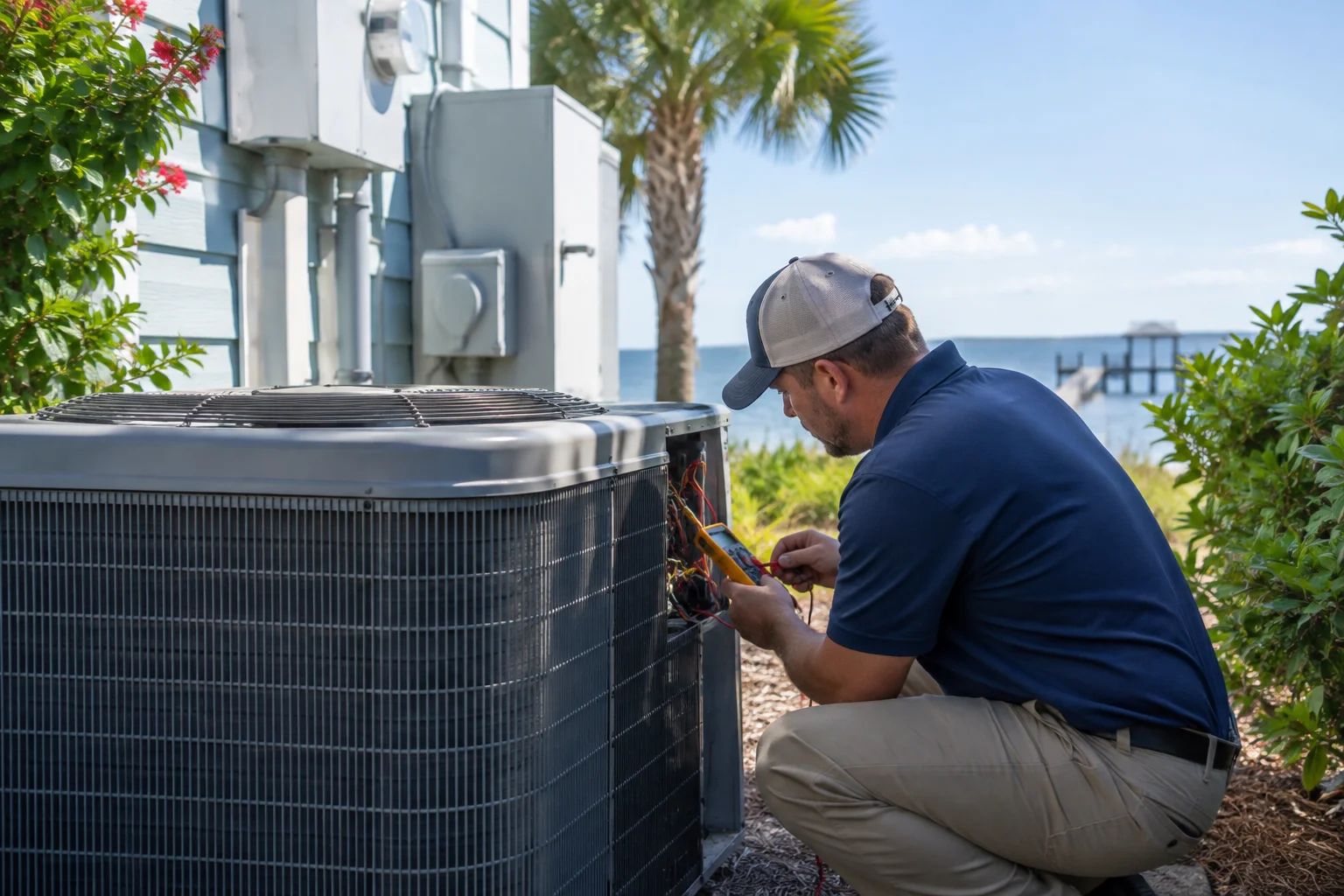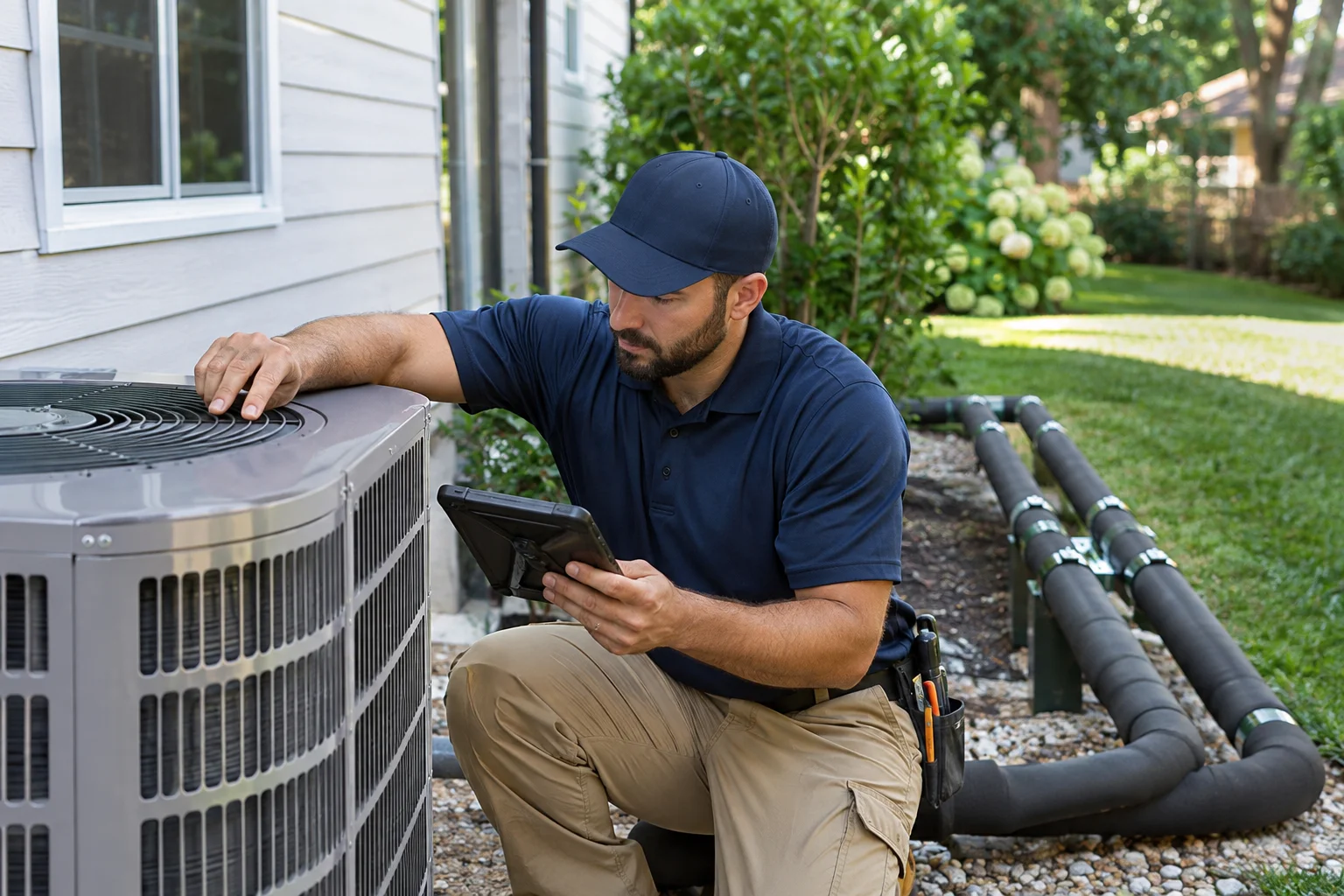
A comfortable home in Wright needs more than cold air coming from a vent. Long cooling seasons, coastal humidity, and storm-related interruptions put pressure on the entire HVAC system. Rooms need consistent airflow, moisture needs somewhere to go, and equipment needs to match the house rather than simply replace whatever was installed years ago.
Geothermal heating and cooling can be worth evaluating when those priorities guide the project. A Superior Mechanical provides geothermal energy services in Wright, FL, including installation, repair, maintenance, and system evaluations. Understanding how ground-source equipment works helps homeowners separate a promising option from a poor fit.
What geothermal means for a Wright home
A geothermal heat pump moves heat between a building and the ground, usually through a buried loop containing circulating fluid. In cooling mode, it transfers indoor heat into the ground. In heating mode, it draws heat from the ground and delivers it indoors. This is ground-source heating and cooling, not electricity generation.
The ground offers more stable temperatures than outdoor air, which can support efficient operation. However, performance depends on the loop design, equipment selection, pumping energy, installation quality, and the home's heating and cooling loads. Geothermal is not automatically the lowest-cost choice for every property.
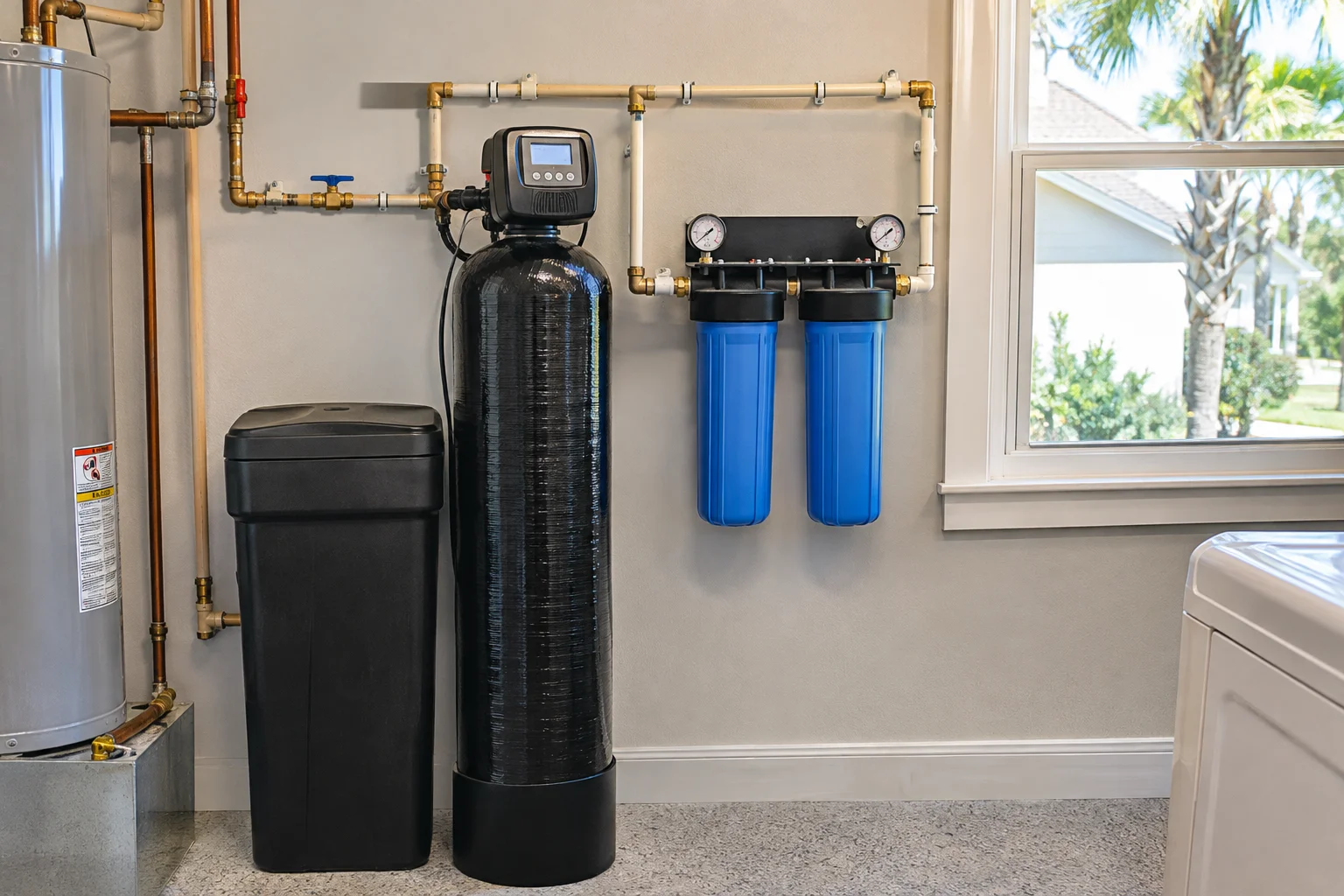
Many residential configurations place the main heat pump indoors and do not use a conventional outdoor condenser. They still rely on components such as a compressor, refrigerant circuit, blower, filters, and condensate drainage. Whether the air handler is integrated or separate, the indoor air distribution system remains essential.
Start with the property and the cooling load
The yard is only one part of the evaluation
Horizontal loops need adequate usable land, while vertical loops require drilling access and a suitable design. Underground utilities, setbacks, soil conditions, groundwater considerations, and access for construction equipment can affect feasibility. A site assessment should identify applicable permitting and installation requirements before anyone promises a particular loop layout.
In Wright's cooling-dominated climate, the ground loop must be designed for the heat the house rejects over time. An undersized loop can struggle even when the indoor unit appears correctly sized. Ask how the proposed design accounts for local conditions and sustained summer operation.
Size the system for today's house
Older homes may have leaky ducts, limited insulation, or uneven room temperatures. Newer homes may be tighter but still need careful moisture management and ventilation. Remodels and additions can change cooling loads enough that the original equipment capacity is no longer a reliable guide.
A room-by-room load calculation should consider windows, insulation, air leakage, orientation, occupancy assumptions, and floor area. Oversizing can cause short cycles and poor humidity removal. Undersizing can leave the system running continuously without keeping rooms comfortable during demanding weather.
Humidity control belongs in the original design
Wright homeowners know that a house can feel clammy even when the thermostat shows the desired temperature. Coastal moisture, frequent door openings, and humid air entering through leaks all contribute. Geothermal equipment removes moisture while cooling, but the system still needs appropriate runtime and airflow to do that effectively.
A practical indoor relative humidity target is often around 40 to 50 percent, with levels generally kept below 60 percent. The right setting depends on the building and conditions. Persistent condensation, musty odors, or elevated readings deserve investigation rather than a colder thermostat setting.
Variable-capacity equipment and compatible controls can help manage changing loads. Some homes benefit from a dedicated dehumidifier, especially during mild but humid weather. Ask how the proposed system handles moisture when little cooling is needed. Whole-home humidification is rarely the first priority in this climate.
Use the thermostat's automatic fan setting unless the equipment instructions or contractor recommend otherwise. Running the blower continuously can re-evaporate moisture from a wet evaporator coil between cooling cycles. Kitchen and bathroom exhaust fans should discharge outdoors, not into the attic.
Better equipment cannot overcome bad ductwork
A ground-source heat pump connected to leaky or restrictive ductwork can still produce hot bedrooms, noisy vents, and disappointing energy bills. Supply leaks waste conditioned air. Return leaks can draw hot, humid attic air into the system, increasing both cooling demand and indoor moisture.
Before installation, have a contractor evaluate duct condition, return-air capacity, insulation, and external static pressure. Crushed flexible ducts, disconnected runs, and poorly sized returns should be addressed. Homeowners searching for duct sealing near me should ask whether testing will identify the leaks and verify the improvement.
Keep supply vents and return grilles clear of furniture. Avoid closing multiple vents to force air elsewhere, since doing so can increase system pressure. Room-by-room airflow balancing is a better solution. For additions or converted garages, a separate ductless mini split may be more practical than extending an already strained duct system.
Recognizing problems before comfort disappears
Weak airflow, ice, and uneven temperatures
A dirty filter, restricted return, blower problem, or dirty evaporator coil can reduce airflow. Ice on the indoor coil may also indicate low refrigerant from a leak. Refrigerant does not normally get used up, so repeated additions without diagnosing the cause are not a lasting repair.
If ice appears, stop cooling operation and arrange service. Do not chip away ice or keep lowering the thermostat. Homeowners looking for air conditioning repair near me should mention whether the equipment is geothermal, since diagnosis may require checking loop temperatures, fluid flow, and circulating pumps as well as the refrigerant circuit.
Water, odors, and unusual cycling
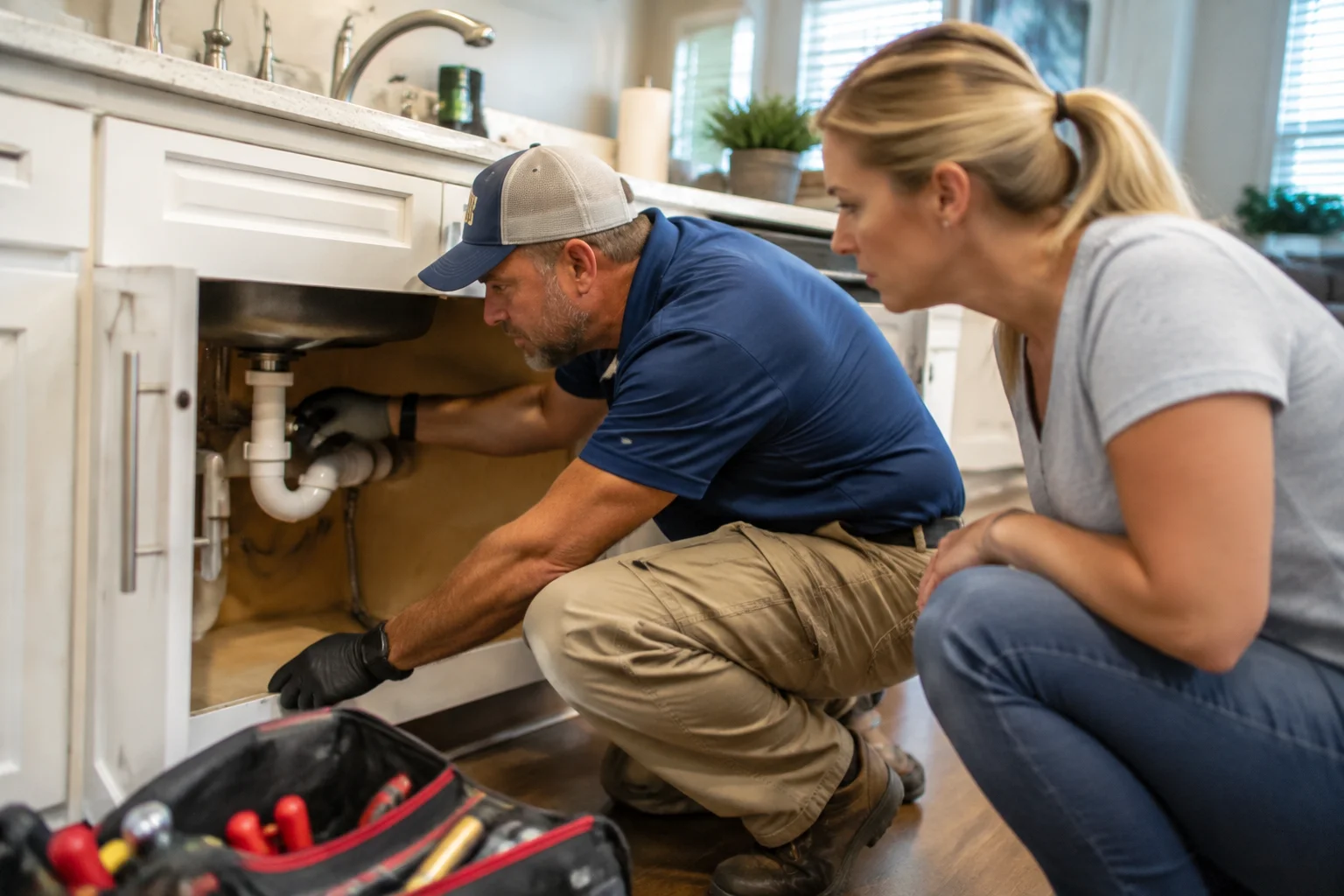
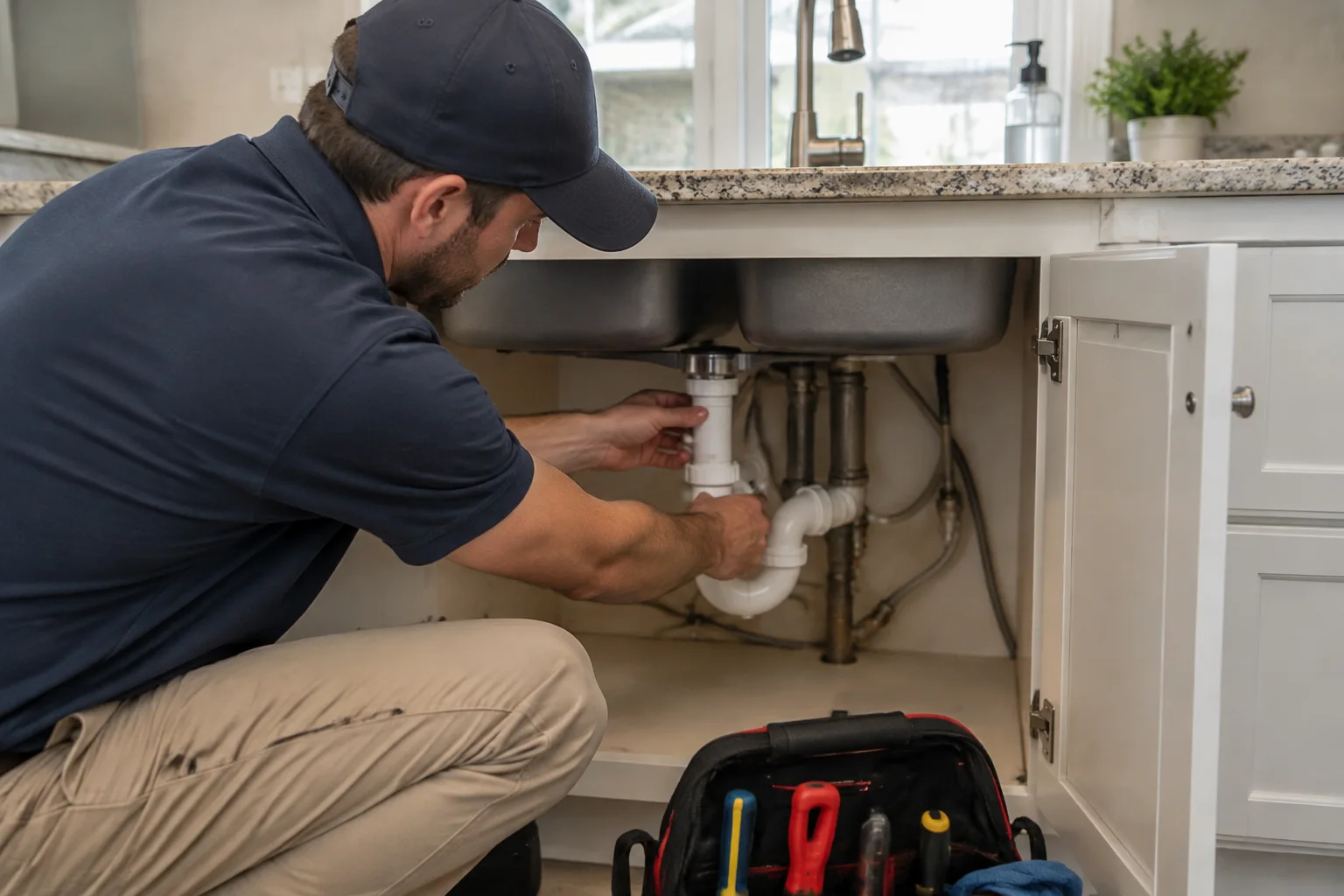
Water around the air handler may come from a clogged drain line, damaged drain pan, or melting coil ice. Musty odors can point to moisture on coils, in drain components, or around wet duct insulation. Rapid cycling may involve sizing, controls, airflow, or another equipment fault.
A Superior Mechanical's air conditioning repair services in Wright are a starting point for cooling concerns. Describe your system type and symptoms when scheduling so the visit can be planned appropriately. Ground-loop problems require different checks than conventional outdoor condenser problems.
Preventive maintenance above and below ground
Buried loops avoid some outdoor exposure, but geothermal systems are not maintenance-free. Accessible loop piping, circulating pumps, controls, electrical connections, blower components, coils, and drainage all need appropriate attention. Loop pressure or flow problems should be diagnosed by someone familiar with the installed system.
Check filters monthly during heavy use and replace them according to their condition and the manufacturer's instructions. A thicker or higher-efficiency filter is not automatically better if the system cannot handle its resistance. Ask about compatible filtration when indoor air quality is a concern.
Professional maintenance should follow the equipment requirements and can include checking operating temperatures, airflow, condensate drainage, refrigerant performance, and loop circulation. An air conditioning inspection can also identify duct or moisture issues before replacement planning begins.
For homeowners searching for seasonal HVAC maintenance near me, scheduling before summer demand rises can make planning easier. Heating operation also deserves a check before cooler weather, including any auxiliary electric heat. Existing furnaces or dual-fuel arrangements need their own manufacturer-recommended service and safety checks.
Coastal weather changes the maintenance conversation
Salt air can accelerate corrosion on conventional outdoor units, particularly exposed coils and metal surfaces. Many geothermal configurations eliminate that outdoor condenser, reducing one source of exposure. That does not make the complete system corrosion-proof or protect it from flooding, electrical faults, or neglected indoor components.
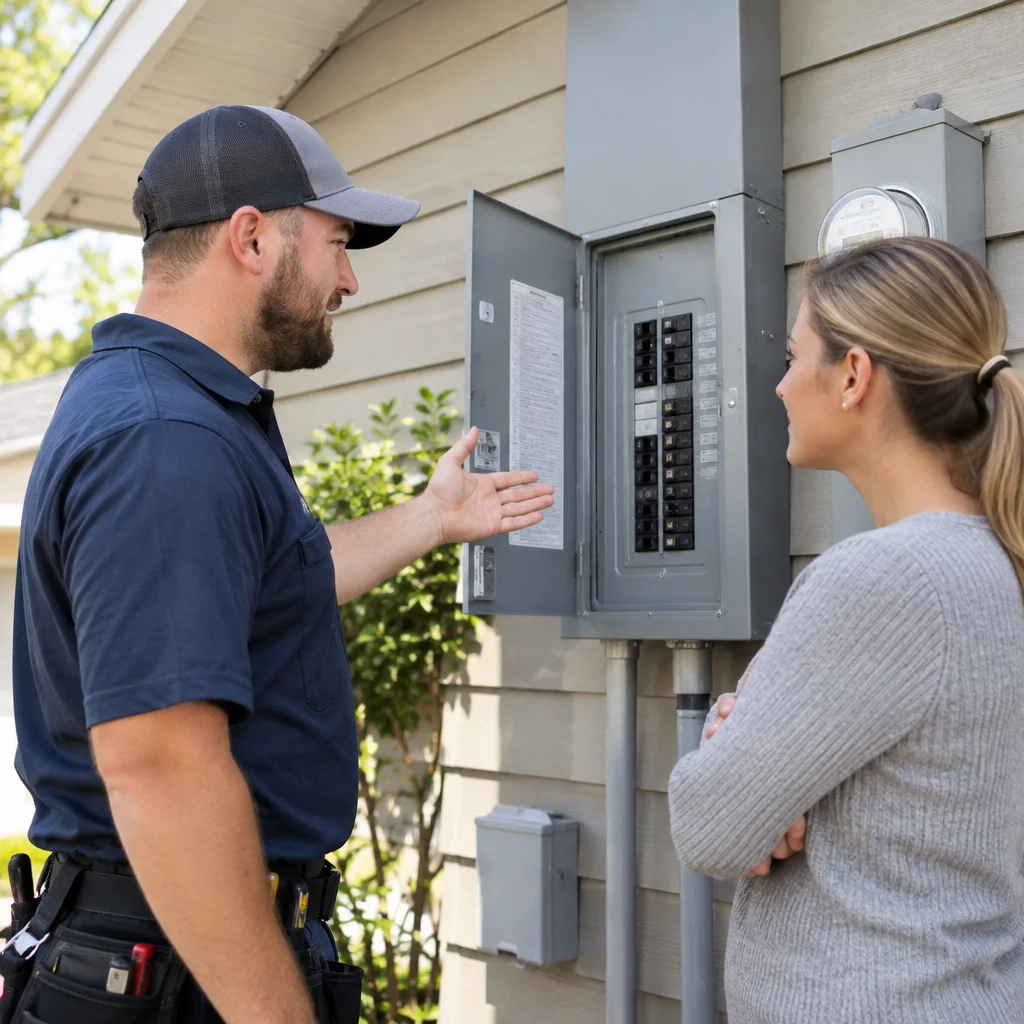
Storm planning should account for equipment placement, drainage around the home, and safe shutdown procedures. After flooding, do not restart affected HVAC equipment until it has been evaluated. After an outage, follow manufacturer guidance rather than repeatedly resetting breakers or forcing the system to restart.
Geothermal equipment still needs electricity for compressors, blowers, pumps, and controls. Backup power must be sized for the actual equipment and starting requirements. Homeowners considering that protection can review generator planning for Wright homes as part of a broader storm-readiness discussion.
Compare efficiency with the whole project in view
Geothermal can offer strong operating efficiency, but the installation cost includes more than the indoor unit. Loop construction, site restoration, duct repairs, controls, and any necessary equipment changes belong in the comparison. Ask for assumptions behind projected savings, including electric rates and auxiliary heat use.
Compare the proposal with an appropriately sized air-source heat pump and other suitable air conditioning systems available for Wright homes. There is no universal payback period. Incentives, if available, should be verified for the installation date and your eligibility rather than assumed.
Comfort improvements also matter. Sealing ducts, improving insulation, and managing air leakage can reduce the load before equipment is selected. A carefully planned air conditioning installation should account for those improvements instead of treating equipment efficiency ratings as the entire answer.
Controls and daily habits that support reliable comfort
A geothermal system needs a thermostat compatible with its stages, accessories, and auxiliary heat arrangement. Smart features are useful only when configured correctly. Homeowners searching for thermostat installation near me should confirm compatibility before buying a device based on appearance or app features.
Moderate, consistent settings often work well with heat pumps. Large temperature setbacks can trigger auxiliary resistance heat during recovery on some systems. Follow recommendations for your equipment rather than assuming every thermostat schedule saves energy.
For rental homes, clear filter instructions and an accessible service history can prevent avoidable problems. The same approach helps busy households. A Superior Mechanical's article on HVAC planning between tenants in Wright explores practical ways to keep comfort and maintenance organized.
Get local help before a small issue becomes an outage
Stop operating the system and seek prompt help for repeated breaker trips, burning odors, severe water leakage, or grinding noises. Smoke or an apparent fire calls for emergency services. During extreme heat, loss of cooling can also become a health concern, especially for older adults and medically vulnerable occupants.
Local service matters because coastal moisture, seasonal demand, and building conditions affect both diagnosis and planning. Explore A Superior Mechanical's HVAC services in Wright and broader Okaloosa County service coverage when arranging an evaluation. Bring your repair history, utility bills, and a list of uncomfortable rooms. Those details help shape a geothermal recommendation around how your home actually performs.
Find Geothermal Energy in Wright, FL
If you need Geothermal Energy in Wright, FL, visit our local service page or contact A Superior Mechanical today.
Map of Wright, FL
Frequently Asked Questions
Can geothermal heating and cooling work in Wright, FL?
Yes, ground-source heat pumps can provide heating and cooling in Wright. Suitability depends on the property's loop installation options, local ground conditions, cooling load, ductwork, and project budget. A site evaluation and load calculation are necessary before selecting a system.
Will a geothermal system solve high indoor humidity?
Not automatically. Geothermal equipment removes moisture during cooling, but sizing, airflow, runtime, duct leakage, and outdoor air infiltration affect the result. Some homes need dedicated dehumidification during mild, humid weather when the cooling system runs less.
What maintenance does a geothermal HVAC system need?
Maintenance typically includes filter care and professional checks of the blower, coils, condensate drainage, controls, refrigerant performance, and ground-loop circulation. Requirements vary by equipment and loop design. Buried loops do not eliminate the need for regular indoor equipment maintenance.
Related Articles
Photo Gallery