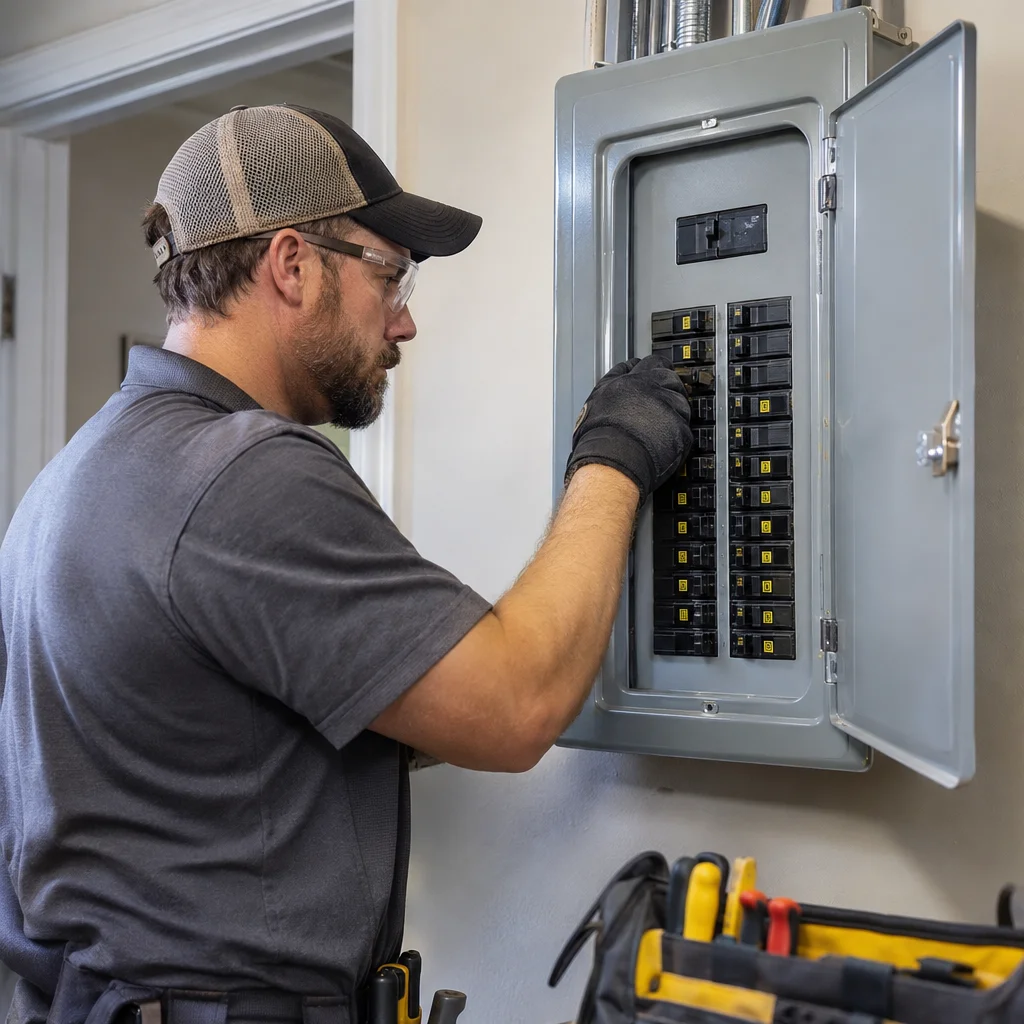
A kitchen remodel can look finished before its electrical system is ready. The new microwave fits, the dishwasher runs, and the refrigerator is plugged in. Then two appliances start together, and a breaker trips. Sometimes the problem is a faulty appliance or connection. Other times, the circuit was never designed to carry that combination of equipment.
Planning dedicated circuits for appliances in Crestview, FL means looking beyond the nearest available outlet. A Superior Mechanical helps homeowners connect appliance requirements with panel capacity, suitable wiring, correct outlets, and required protection. That approach matters in older Crestview houses, newer subdivisions, and homes gaining kitchens, workshops, or additions.
Why an appliance may need its own circuit
A dedicated circuit supplies one appliance or piece of equipment rather than sharing its capacity with unrelated loads. Its breaker, conductors, and connection point must work together to meet the appliance specifications and applicable electrical code. Simply putting a different faceplate on an outlet does not create a dedicated circuit.
Electric ranges, dryers, water heaters, and many built-in appliances need individual circuits. Microwave ovens, dishwashers, disposals, refrigerators, and freezers require closer review of their installation instructions and the applicable rules. A refrigerator does not automatically require a dedicated circuit in every configuration, although an individual circuit may improve reliability and may be required by its manufacturer.
If you are searching for appliance circuit installation near me, have the appliance model number available. Similar-looking appliances can have different voltage, amperage, and connection requirements. Planning from the actual equipment specifications avoids installing a circuit that cannot support the replacement appliance.
Start at the panel, not the empty breaker space
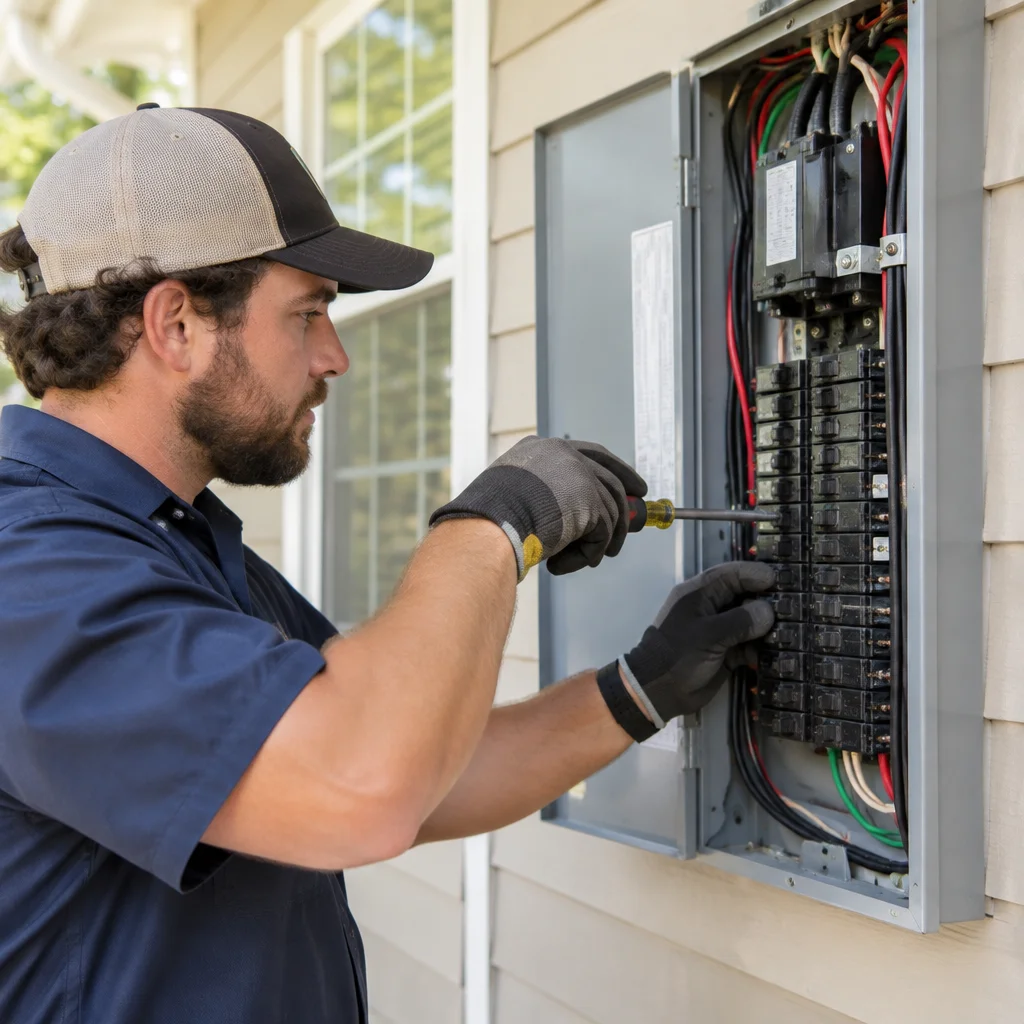
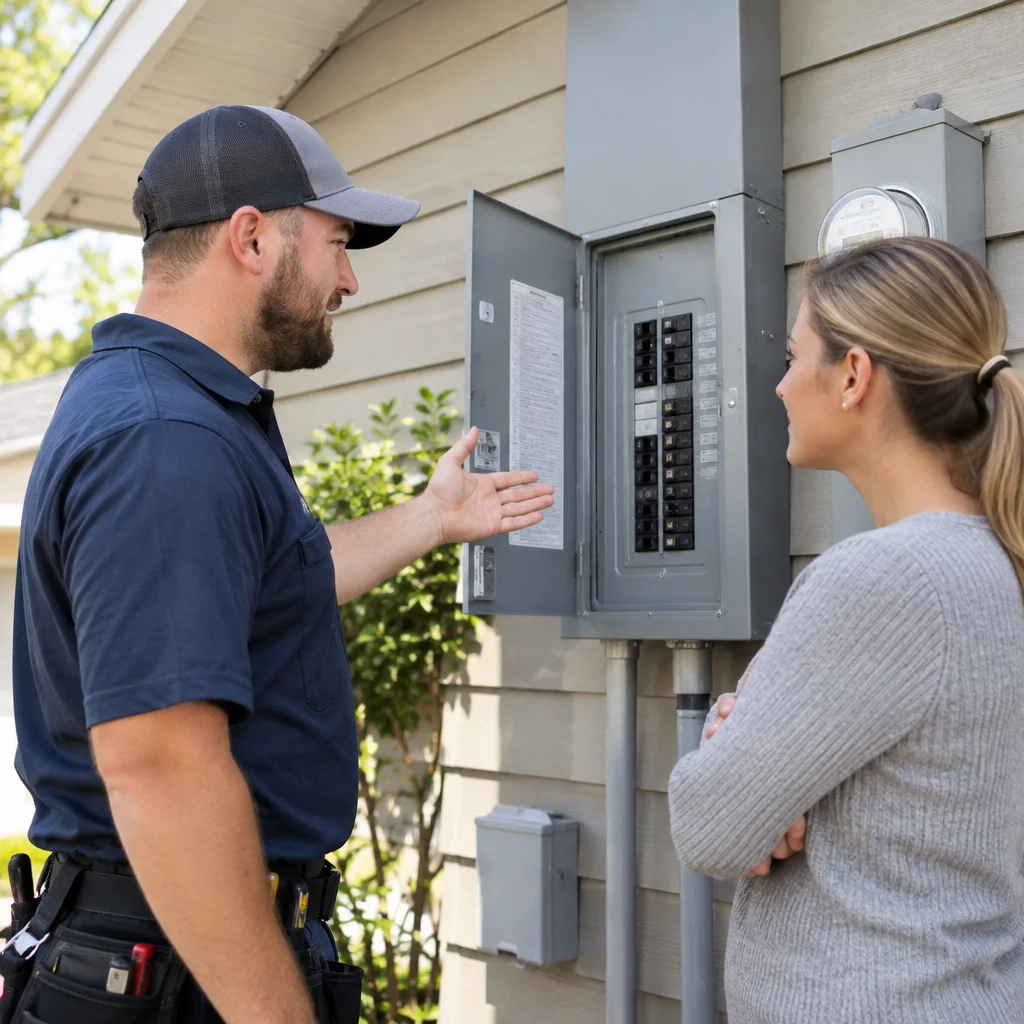
An unused slot in an electrical panel does not prove that the home can support another large load. The electrician needs to evaluate the service rating, panel rating, existing loads, equipment condition, and proposed appliance demand. A load calculation helps determine whether the existing electrical service is adequate.
Panel capacity and panel condition are different questions
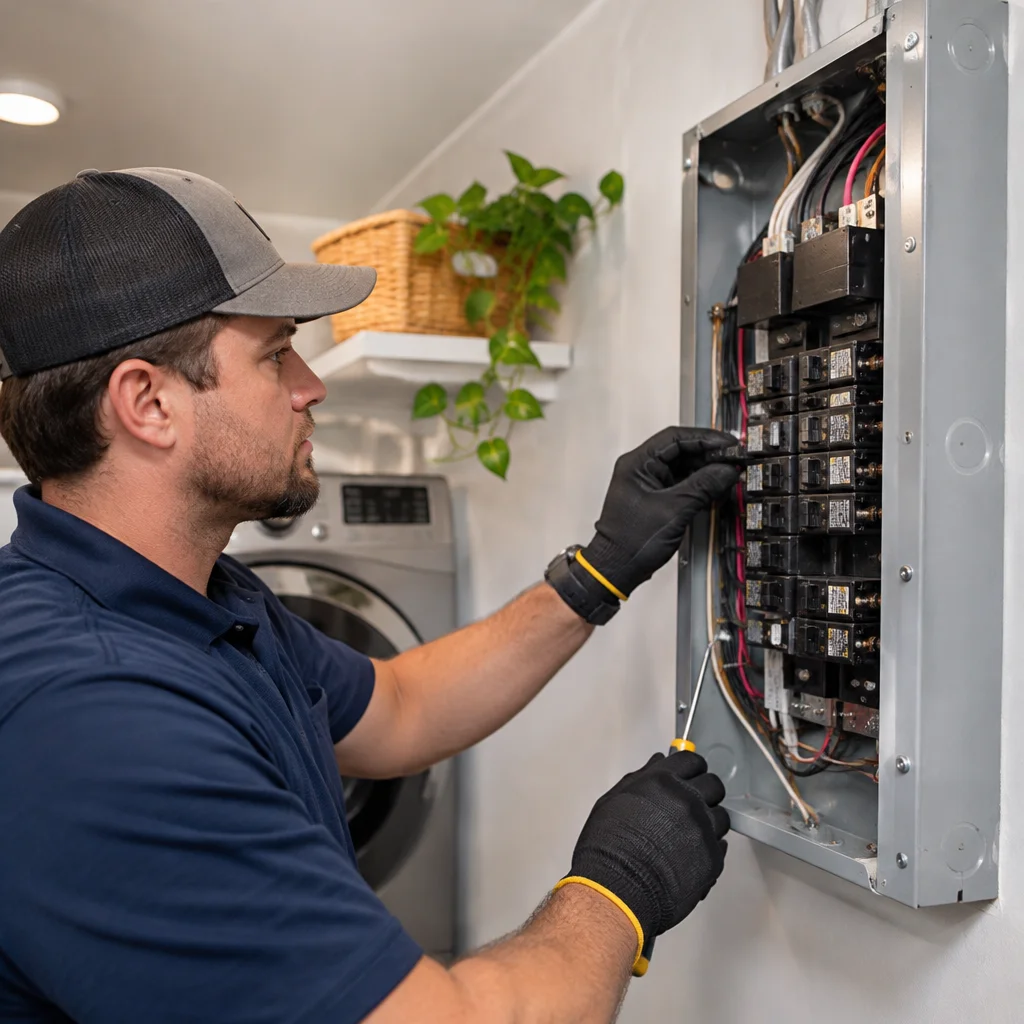
A panel may have sufficient calculated capacity but still need attention because of damaged components, corrosion, overheating, or incompatible breakers. Conversely, a panel in good condition may need expansion or replacement to accommodate the project. Tandem breakers are only appropriate where the panel is specifically listed to accept them.
Homeowners searching for electrical panel upgrade near me should not assume a 200 amp upgrade is automatically necessary. Some appliance projects need only a properly designed branch circuit. Others call for a subpanel, service upgrade, or approved load management. A subpanel adds distribution space, but it does not increase the capacity of the incoming service.
For a broader view of these decisions, this guide to electrical planning for Crestview homes explains how panels, wiring, and everyday safety fit together.
Match wiring and outlets to the appliance
The correct circuit depends on more than a breaker amperage stamped on a handle. Conductor size and type, installation conditions, circuit length, terminal ratings, and appliance requirements all affect the design. Longer runs to a detached workshop or distant laundry room may also warrant a voltage-drop evaluation.
A plug that fits is not proof of a safe connection
Ranges and dryers can have different receptacle configurations, particularly in older homes. An adapter is not a substitute for evaluating the wiring, grounding, and equipment instructions. New installations generally require modern grounding arrangements, while existing installations must be assessed individually under applicable code provisions.
Some appliances are hardwired instead of connected through a receptacle. The electrician should verify the required junction box, disconnecting means, cable protection, and accessibility. Outlet repair may solve a worn receptacle, but it cannot correct an undersized circuit or damaged wiring upstream.
Never install a larger breaker just to stop nuisance trips. Breakers protect circuit conductors from excessive current. Increasing the breaker rating without an appropriate circuit redesign can leave wiring vulnerable to overheating.
GFCI protection and grounding belong in the original plan
Dedicated does not mean exempt from safety protection. Depending on the appliance, voltage, location, and adopted code, a circuit may require ground-fault circuit-interrupter protection, arc-fault circuit-interrupter protection, or both. Kitchens, laundry areas, garages, and outdoor spaces deserve particular attention. Certain 240-volt appliance circuits can require GFCI protection too.
GFCI protection reduces shock risk by detecting current leakage. AFCI protection addresses certain dangerous arcing conditions. Neither replaces correct grounding, secure terminations, or properly selected wiring. A three-slot outlet alone does not establish that a functional equipment grounding path exists.
If a freezer repeatedly trips a protective device, bypassing that device is not a safe fix. The cause could involve appliance leakage, moisture, wiring damage, or another fault. A professional should diagnose the problem and determine the compliant solution rather than removing required protection.
Read the warning signs before resetting another breaker
Repeated breaker trips, warm receptacles, buzzing, scorched outlet covers, flickering lighting, and an appliance that loses power when another starts all deserve investigation. These symptoms do not always mean the house needs additional circuits. Loose connections, failing equipment, damaged conductors, and defective appliances can produce similar complaints.
A search for circuit breaker repair near me should lead to diagnosis, not an automatic breaker replacement. Residential circuit breakers are generally replaced if defective rather than repaired internally. The electrician should also check that the installed breaker is approved for the panel and correctly matched to the circuit.
Persistent dimming when equipment starts, especially across several rooms, can indicate a connection or service issue rather than simple branch-circuit overload. Note which lights and appliances are affected, but do not remove panel covers or attempt to tighten energized connections.
Electrical concerns that should not wait
Smoke, sparks, a burning odor, shock sensations, or a hot and discolored outlet require prompt action. Stop using the affected equipment. Turn off its circuit only if you can safely reach and operate the breaker without approaching heat, water, smoke, or damaged equipment. Do not repeatedly reset a tripping breaker.
For an active fire or immediate danger, leave the area and call 911. Keep away from flooded electrical equipment and fallen service wires. An emergency electrician may be needed, but emergency response and the utility take priority when there is immediate danger.
Crestview weather adds another layer of protection
Crestview is inland, but homes here still experience Northwest Florida humidity, thunderstorms, tropical weather, and outages associated with regional coastal storms. Garages, crawl spaces, and outdoor enclosures can present moisture concerns that affect wiring methods and equipment selection. Water intrusion and corrosion should never be dismissed as cosmetic.
A dedicated circuit helps manage appliance loading, but it does not stop a power surge. Whole home surge protection can reduce exposure to damaging transient voltage when properly selected and installed. It works alongside grounding and bonding, and it cannot guarantee protection against every event or a direct lightning strike.
After storm damage or water exposure, arrange an electrical evaluation before restoring affected equipment. Electrical inspections can identify components that require replacement rather than drying out and reusing them.
Plan backup power and future loads together
Homeowners often want refrigerators and freezers included in their outage plan. Clearly identified appliance circuits make those decisions easier, but a generator still needs enough running and starting capacity for the selected equipment. Electric cooking, water heating, and other large loads may require careful prioritization.
Whole home backup solutions should include an approved transfer arrangement that prevents dangerous utility backfeeding. Never connect a portable generator to a household receptacle. Portable generators belong outdoors, at least 20 feet from doors, windows, and vents, with exhaust directed away from the home.
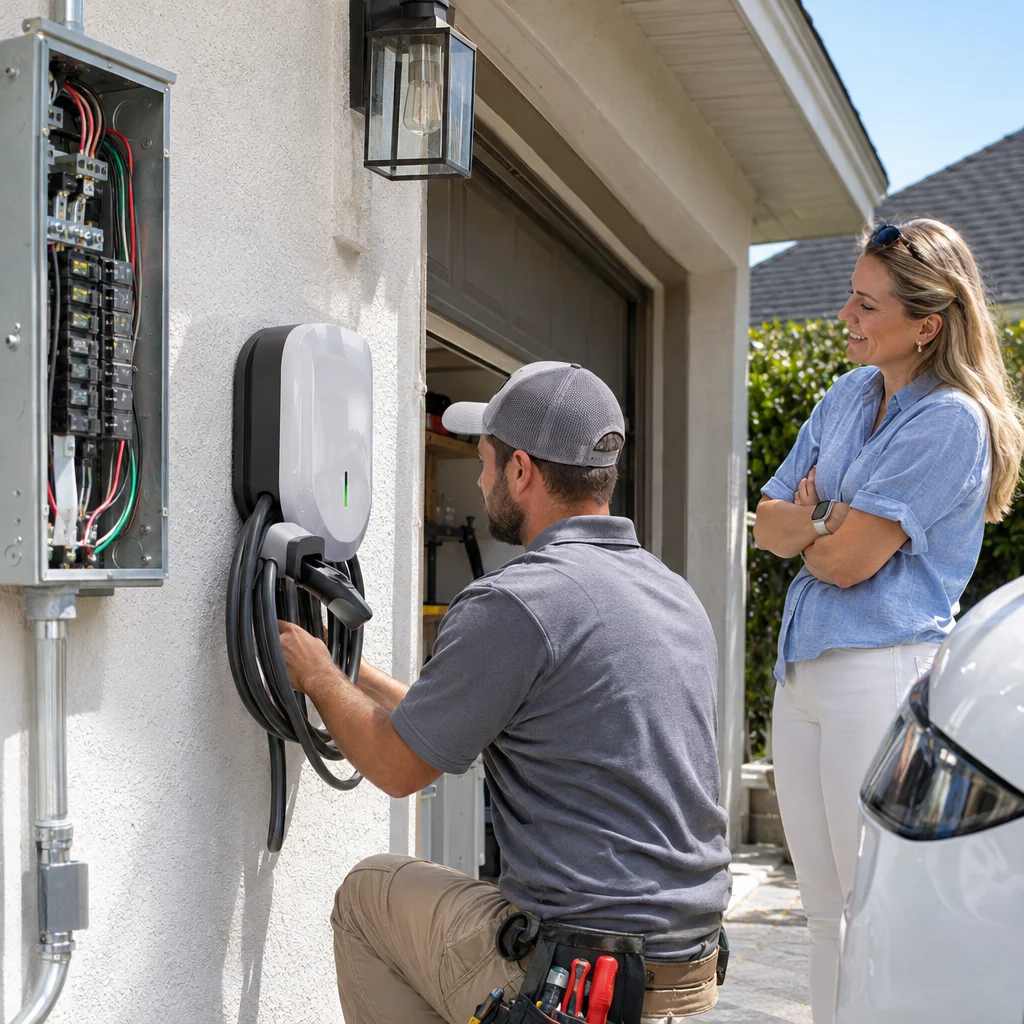
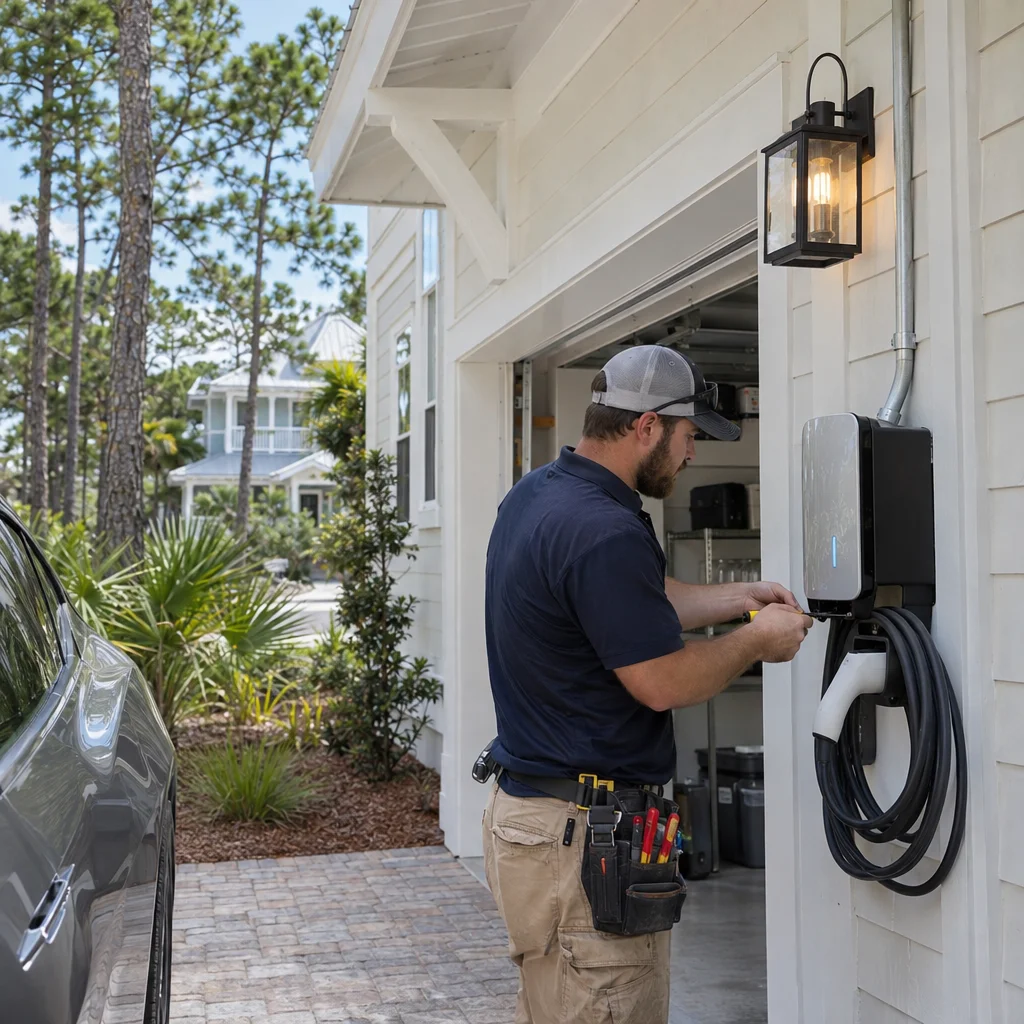
A future electric vehicle can substantially change household demand. Coordinating appliance work with EV charger installation allows the electrician to evaluate the combined load and consider approved energy management where appropriate. Planning ahead can also avoid reopening finished walls later.
Remodels are a useful time to correct hidden limitations
Older Crestview homes may have kitchens or laundry rooms altered several times without a complete electrical redesign. A newer home can also need changes when its owners add a second refrigerator, convert a garage, or choose higher-powered appliances. Neither the home's age nor a recent cosmetic renovation proves that its circuits are suitable.
Before cabinets and drywall go in, map appliance locations and electrical routes. Keep receptacles, junction boxes, and required disconnects accessible. Coordinate lighting installation, switches, and ceiling fan wiring at the same time, while keeping those loads off circuits intended exclusively for appliances.
A remodel review can also identify wiring repair needs, grounding deficiencies, missing protection, and other code corrections. Smoke detector installation and carbon monoxide alarm placement should be reviewed where applicable, especially when the project triggers broader safety requirements. Permits and inspections depend on the work and the authority having jurisdiction.
Simple maintenance supports reliable appliance circuits
Maintain a clear, accurate panel directory so an affected appliance can be isolated without guesswork. Keep the required working space around the panel unobstructed, and check accessible cords and outlet covers for visible damage. Follow manufacturer instructions for testing GFCI devices and other protective equipment.
Avoid extension cords and power strips as permanent appliance connections. Do not push heavy appliances against plugs or pinch cords behind cabinets. If a receptacle no longer holds a plug securely, stop using it and schedule an evaluation. Loose contact can generate heat even when a breaker does not trip.
Schedule local electrical maintenance when symptoms appear, after relevant storm damage, and before major equipment changes. Inspection frequency should reflect the home's condition and use rather than an arbitrary schedule.
Arrange a circuit plan built around your Crestview home
When comparing results for licensed electrician near me, ask whether the proposal includes appliance specifications, a capacity review, the wiring route, required protection, and permit responsibilities. A useful estimate should distinguish a straightforward circuit installation from panel work or existing wiring corrections.
A Superior Mechanical provides electrical service in Crestview within its Okaloosa County service area. Local service matters because installation conditions, inspection requirements, and storm-related concerns need attention specific to the property. If several upgrades are necessary, understanding electrical financing can help you discuss project priorities without postponing urgent hazards.
Before your appointment, gather appliance model numbers, describe any tripping or overheating, and note upcoming remodels or additions. Contact A Superior Mechanical to discuss a dedicated circuit plan that addresses today's appliances without overlooking tomorrow's electrical demand.
Find Dedicated Circuits for Appliances in Crestview, FL
If you need Dedicated Circuits for Appliances in Crestview, FL, visit our local service page or contact A Superior Mechanical today.
Map of Crestview, FL
Frequently Asked Questions
Does every kitchen appliance need a dedicated circuit?
No. Requirements depend on the appliance, its installation instructions, and the applicable electrical code. Ranges and many built-in appliances need individual circuits, while refrigerator requirements can vary. An electrician should review the actual model and installation rather than assume every kitchen outlet needs its own breaker.
Will installing an appliance circuit require a panel upgrade?
Not necessarily. If the existing service has sufficient calculated capacity and the panel can safely accommodate the correct breaker, a new branch circuit may be enough. A full panel, damaged equipment, or increased electrical demand may require additional work. A subpanel provides more circuit space but does not increase service capacity.
Can a dedicated appliance circuit still need GFCI protection?
Yes. An individual circuit can still require GFCI protection based on the appliance, location, voltage, and adopted code. Some 240-volt appliance circuits also require it. Repeated GFCI trips should be investigated for appliance or wiring faults rather than addressed by bypassing required protection.
Related Articles
- A Better Electrical Plan for Crestview Homes: Panels, Wiring, and Everyday Safety
- Understanding Electrical Financing Before Small Problems Turn Unsafe in Crestview
- Comfort Without the Downtime: Commercial HVAC Maintenance in Crestview, FL
- From Spotted Glasses to Better Sips: Water Purification in Crestview, FL
Photo Gallery