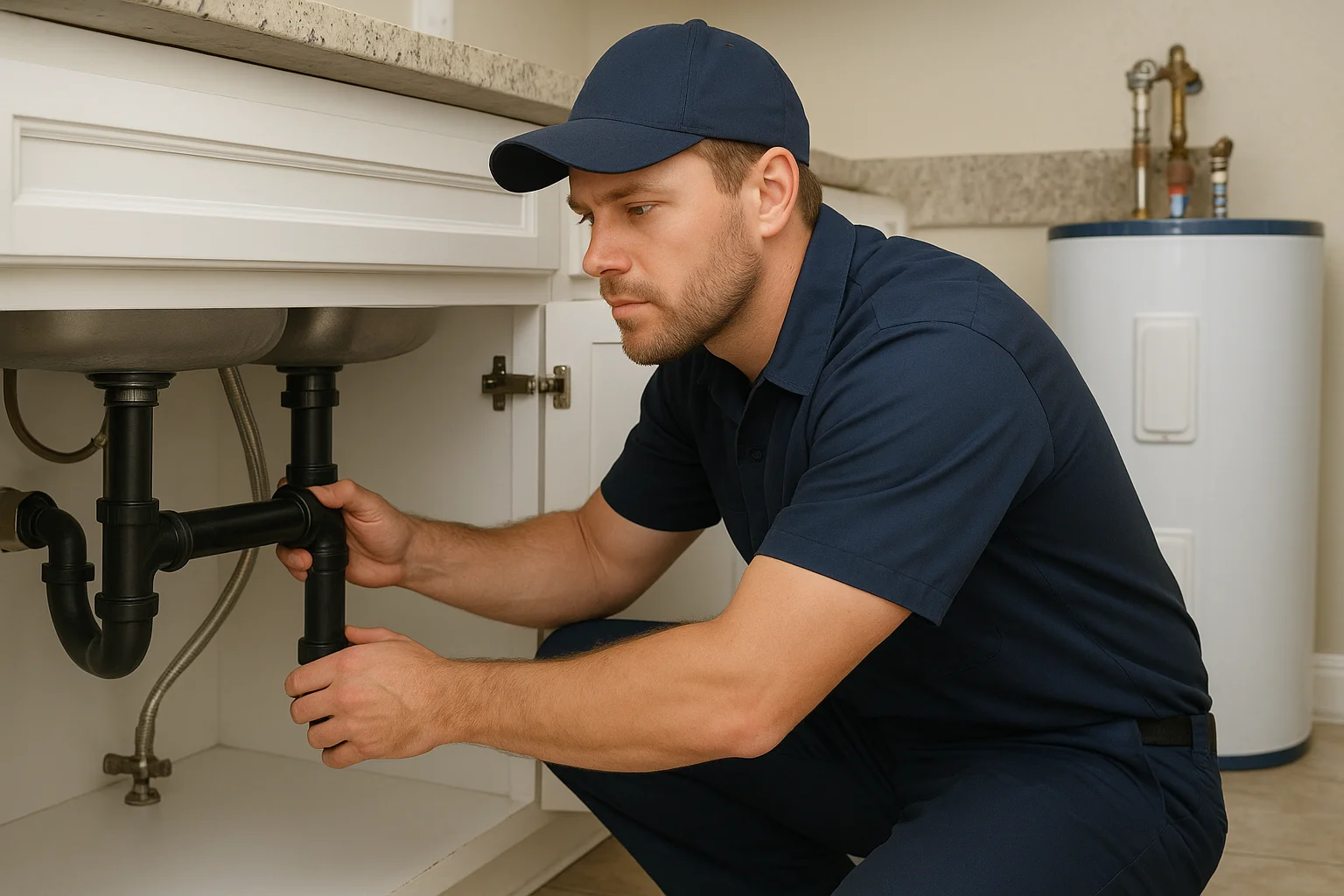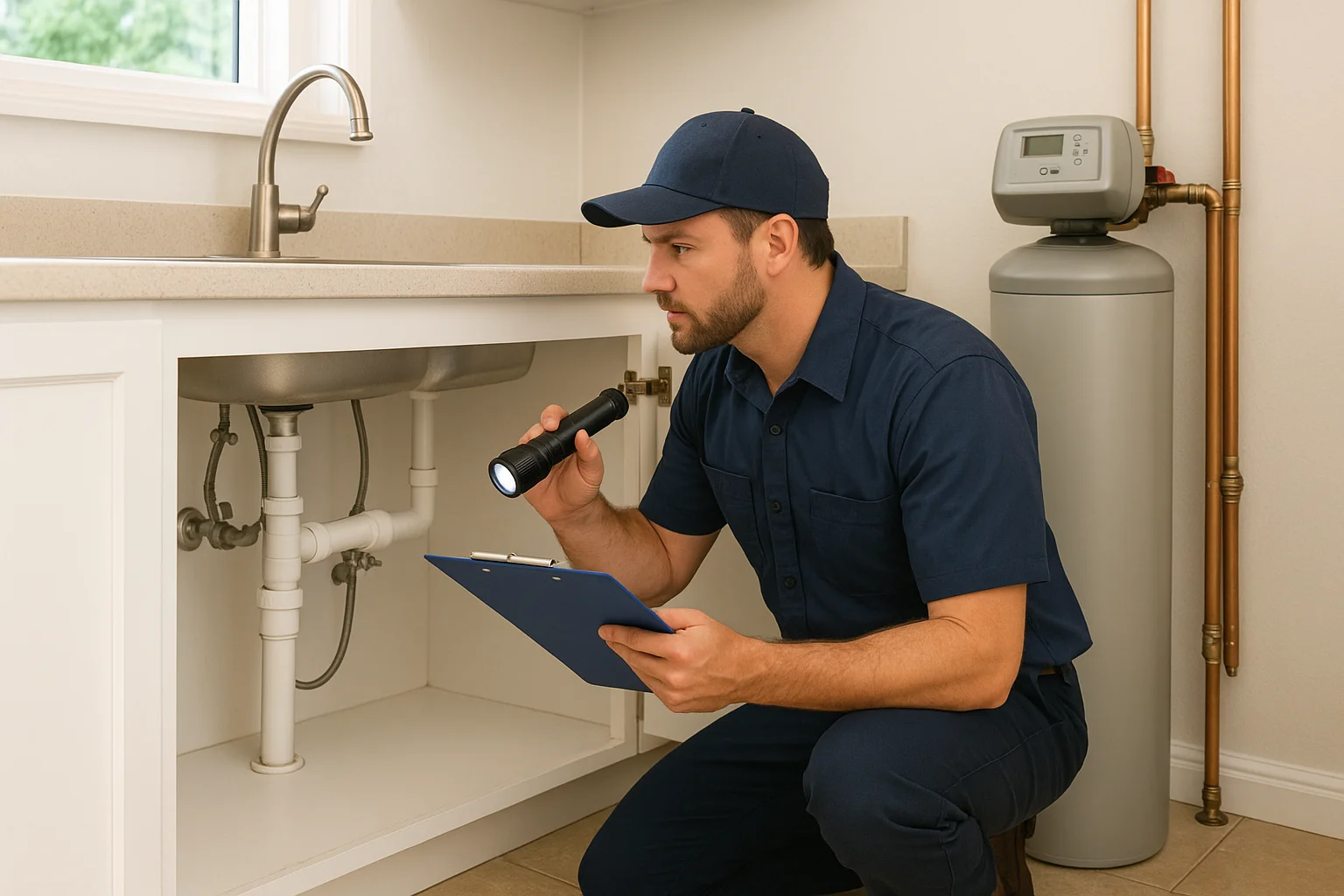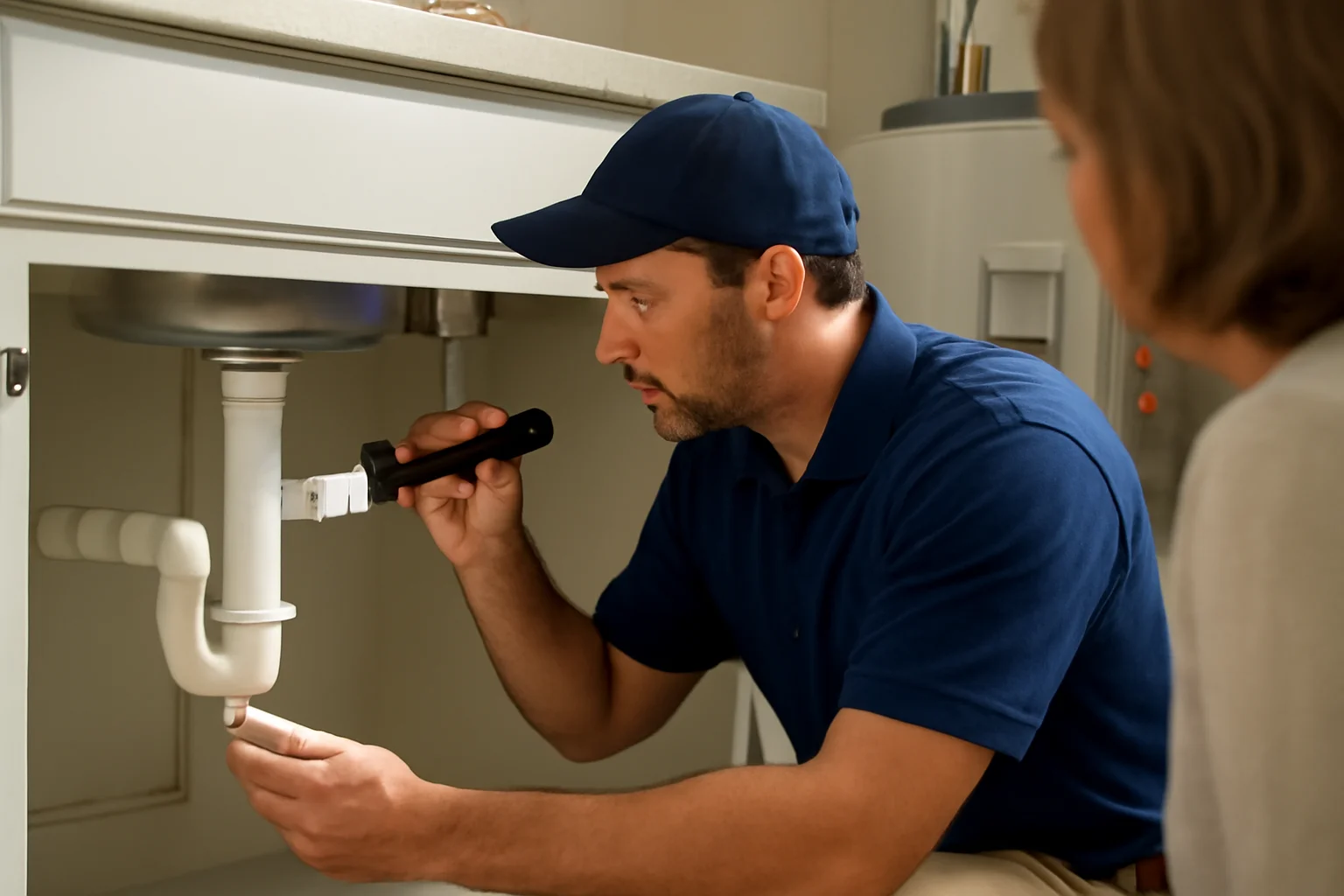
Valparaiso, FL homes sit on concrete slabs, older pipe runs, and water systems that work hard year-round. When a leak starts underground, it can be easy to miss until you see warped flooring, rising water bills, or musty odors. Leak detection and slab leak repair are designed for exactly this problem: finding hidden water leaks early enough to help prevent water damage.
This guide explains how slab leaks happen, what homeowners should watch for, and why a proper plumbing inspection matters. If you are searching for a plumber near me or emergency leak repair near me, the goal is the same: locate the source fast and restore the plumbing system safely.
What a slab leak is and why Valparaiso homes are at risk
A slab leak is a plumbing leak that occurs under a concrete slab foundation. Water may escape from supply lines, drain lines, or pressure lines running through the slab. Because the leak is hidden, water can travel into nearby soil and building materials before you notice it.
Valparaiso homes can be affected by slab leaks for several local reasons. Soil conditions and moisture levels can shift over time. Combined with hard water and normal pipe aging, underground plumbing can develop small cracks. When a pipe segment slowly fails, the leak may start as a tiny seep and grow as the surrounding concrete and soil conditions change.
Common signs of hidden leaks and slab leak damage
Many homeowners first suspect a plumbing issue based on patterns, not visible water. Here are the most common indicators that a leak detection professional should investigate.
1) Water bills that jump without a clear reason
If household water use increases suddenly and you cannot find a running toilet, a stuck faucet, or a new irrigation schedule, you may have a water leak repair issue. Comparing your recent usage against the same season can help you spot changes early.
2) Low water pressure or pressure that fluctuates
Water pressure problems can point to leaks in supply lines, partially closed valves, or failing pipe sections. In some cases, homeowners notice inconsistent pressure, especially when multiple fixtures run. That pattern can support a leak repair diagnosis rather than a simple fixture problem.
3) Damp spots, warm areas, or persistent moisture near floors and walls
Even if a leak is under the slab, you might see moisture on the surface. Sometimes floors feel warmer in one area, or baseboards show discoloration. In humid stretches, moisture can also encourage odors.
4) New cracks in tile, grout, or interior walls
Small changes in moisture and soil can contribute to shifting. If you see fresh cracking around bathrooms, kitchens, or hallways, a slab leak evaluation becomes more important.
5) Musty smells or unexplained humidity
Hidden water can create a damp environment that leads to musty odors. This is especially noticeable near bathrooms, laundry areas, and any location where drains and supply lines converge.
6) Slow drains that do not match normal clog causes
A clogged drain is common, but persistent slow drain repair issues can also be tied to problems deeper in the line. If bathroom drain cleaning near me searches keep turning up temporary fixes, it is worth asking whether leak detection or sewer line help is needed.
Why slab leaks can be hard to find without the right tools
From the outside, a slab leak can look like many other plumbing concerns. A slow leak may not create a visible puddle. A leak in a supply line might mimic fixture or water heater issues. A leak near a sewer line can be confused with a clogged drain or a toilet repair problem.
That is why a home plumbing inspection near me should focus on both symptoms and system-wide checks. Professional leak detection uses methods that can locate where water is escaping, not just where it shows up later.
How leak detection works: the most common methods plumbers use
Leak detection usually combines careful observation, pressure testing, and specialized equipment. The exact approach depends on whether the concern is likely a supply leak, a drain leak, or both.
Pressure testing and system isolation
Technicians can isolate sections of your plumbing and monitor pressure changes. If pressure drops when a section is isolated, it can indicate a leak in that portion of the system. This can help narrow down whether the issue is closer to bathrooms, kitchens, laundry hookups, or other lines running under the slab.
Acoustic and electronic listening equipment
Many slab leaks create sounds as water moves through cracks. Listening devices can help pinpoint the approximate location. This matters in Valparaiso homes because pipes can be routed through walls and under slabs in ways that are not obvious to homeowners.
Thermal imaging for moisture and temperature differences
Where conditions allow, thermal imaging can reveal temperature changes caused by leaking water underground. The goal is to find the leak area so that repair work can be targeted.
Inspection of water use patterns and fixture behavior
Leak detection often includes evaluating whether water use continues when everything is off. A common technique is checking whether the water meter changes when the home is not using water. This can support water leak repair planning and reduce guesswork.
What causes slab leaks in Valparaiso homes
Slab leaks rarely come from one single factor. They usually develop from a combination of stress, aging, and water quality.
Pipe age and material wear
Older homes may have plumbing materials that degrade over time. Even when pipes look fine on the surface, underground segments can thin out from internal corrosion.
Hard water and mineral buildup
Valparaiso households often deal with hard water. Mineral deposits can increase stress on piping and fixtures, and they can contribute to internal wear. Hard water can also affect water heaters and the way water moves through the system.
Shifting soil and foundation movement
Concrete slabs and the ground beneath them can move slightly over the years. That movement can stress pipe joints and cause cracks to appear gradually.
Water pressure that is too high
High water pressure increases strain on pipes and joints. If you have pressure that feels stronger than it used to, or if you notice pressure cycling, it may be contributing to leaks. A plumbing pro can help evaluate water pressure and recommend corrections.
Tree roots and nearby line stress
While slab leaks are typically supply line issues under the foundation, nearby sewer line problems can also cause moisture and plumbing failures. Tree roots can invade sewer lines, leading to leaks and blockages that homeowners might initially interpret as a different issue.
How slab leak repair is typically handled
Once the leak location is identified, repair options depend on the pipe type, access, and the extent of damage. A good plumber will explain repair routes clearly, including the benefits and tradeoffs.
Targeted pipe repair or replacement
In some cases, a technician can access the affected area and repair the section. If the pipe run has multiple weak points, replacement may be the better long-term solution.
Waterline replacement considerations
If a larger portion of the waterline has aged, waterline replacement may be recommended to help prevent recurring failures. This can be especially relevant for older systems where multiple leaks are possible.
Drain and sewer line repair when the leak is not supply-related
Sometimes the “leak” homeowners notice is actually related to drains or sewer lines. If the issue appears near bathrooms, laundry, or main drain routes, hydro jetting or sewer line-focused repairs may be part of the solution, depending on the findings.
Emergency plumbing concerns: what should be treated as urgent
Some leak situations should be treated as emergency plumbing concerns, particularly when water is actively escaping.
Water pooling near walls, under flooring, or near foundation edges
Rapidly rising water bills combined with new moisture or odors
Significant water pressure loss plus signs of dampness
Water heater leaks or unusual water coming from around the heater area
If you are dealing with water leak repair near me needs, time matters. The longer water sits under and around a slab, the higher the risk of damage to flooring, subfloor materials, and nearby structures.
Leak detection and slab leak prevention for homeowners
You cannot prevent every plumbing failure, but you can reduce the odds and catch problems earlier. Preventive steps are often simpler than emergency repairs.
Watch your water meter and track usage
Make a habit of checking your water use patterns. If your household water use changes without a reason, investigate. Meter monitoring is one of the most practical ways to catch leaks before they become visible.
Keep an eye on water pressure
High water pressure can accelerate pipe wear. If you notice pressure surges, hammering noises, or consistently strong flow, consider having a professional evaluate your system. Correcting pressure can help reduce stress on pipes and fixtures.
Maintain fixtures that can mimic leak symptoms
Toilets, faucets, and shower valves can create constant water loss that looks like a hidden leak. If you suspect a leak but cannot find it, keeping Valparaiso toilets reliable with smarter repair and replacement care can help you address one of the most common sources of “mystery” water use.
Use drain care to reduce line strain
Clogs can increase pressure in drain lines and contribute to backups. Keeping drains clear supports healthier flow through pipes. For homeowners dealing with recurring buildup, scheduling drain cleaning can be more effective than repeated DIY attempts.
If you have recurring slow drain issues, ask for a targeted assessment rather than only clearing the surface clog. Persistent slow drain repair can sometimes point to deeper plumbing concerns.
Stay proactive with water heater service
Water heaters are part of the same plumbing network. A failing water heater can leak, affect pressure, or create performance issues that lead homeowners to suspect other plumbing problems. For homeowners searching for water heater replacement near me or water heater service, preventive maintenance can also help you catch problems early. Learn more with water heater maintenance and water heater services.
Schedule periodic home plumbing inspections
A home plumbing inspection near me search is most useful when it leads to a full system review, not a quick look at one fixture. A professional can check water pressure, inspect visible pipe runs, evaluate fixture performance, and help you build a maintenance plan that fits your home.
For long-term reliability, homeowners can also pair plumbing maintenance with other home upkeep. If your household has older ductwork or you are managing overall indoor air comfort, you can explore cleaner air paths in Valparaiso homes while still keeping plumbing inspections on schedule.
Questions homeowners should ask a leak detection plumber
When you call a local plumber near me, you want answers that show the process will be systematic and thorough. Consider asking:
“Is this likely a supply leak under the slab or a drain or sewer line issue?”
“What tests will you run to confirm the location and severity?”
“How will you protect my home during repair and cleanup?”
“Do you recommend pipe repair or waterline replacement based on the condition of the run?”
“Will you check related fixtures like toilets and faucets that can cause similar symptoms?”
Good leak detection should not feel like guessing. It should be a process that narrows down the cause and explains next steps clearly.
Why local plumbing service matters in Okaloosa County
Valparaiso plumbing problems come with local realities. Homes may have different foundation types, older pipe routes, and regional water quality that can influence mineral buildup. Local plumbers understand common plumbing issues in the area, including how hard water can affect fixtures and how soil conditions can impact underground plumbing over time.
Choosing a plumbing team that serves Valparaiso and across Okaloosa County can help you get faster scheduling, clearer communication, and service that fits the way local homes are built and maintained.
Get help for leak detection and slab leak repair in Valparaiso
If you suspect a hidden leak, do not wait for the problem to become visible. A small slab leak can lead to major water damage, and it can also create confusing symptoms that look like toilet repair, faucet repair, drain clog problems, or water heater issues.
A Superior Mechanical provides leak detection and slab leak services for Valparaiso homeowners who want their plumbing system evaluated with care and repaired with confidence. If you also have related concerns like waterline replacement, hydro jetting, or ongoing plumbing maintenance, the same local service approach can help you keep repairs from turning into repeated emergencies.
For example, homeowners who are dealing with a water heater system that is struggling can benefit from pairing slab leak attention with appropriate water heater service. For households focused on long-term reliability, keeping hot water reliable in Valparaiso starts with a smarter installation offers helpful context on how plumbing decisions affect performance.
When to call A Superior Mechanical for leak detection
Call promptly if you notice changes in water use, unexplained dampness, pressure changes, new cracks, or recurring drain problems that do not respond to simple fixes. If you are searching for emergency leak repair near me, the sooner a professional can identify the leak, the better your chances of limiting damage to floors, walls, and the surrounding foundation materials.
For Valparaiso homeowners looking for a reliable plumbing partner and practical solutions, leak detection and slab leak repair should be handled with the right tools, the right tests, and a repair plan that targets the source.
Find Leak Detection and Slab Leak in Valparaiso, FL
If you need Leak Detection and Slab Leak in Valparaiso, FL, visit our local service page or contact A Superior Mechanical today.
Map of Valparaiso, FL
Frequently Asked Questions
How can I tell if I have a slab leak instead of a clogged drain or a toilet issue?
Slab leaks often show up as increased water bills, damp areas near the foundation, pressure changes, or new cracks. A clogged drain or toilet problem usually affects one fixture or one drain route. A professional home plumbing inspection near me can confirm the source using testing and system checks.
Will leak detection damage my home?
Most leak detection methods are non-destructive. Technicians typically use pressure testing, listening equipment, or thermal imaging to locate the leak area. Repair work is targeted only after the leak location is confirmed.
What should I do right away if I suspect an active water leak?
Turn off the water to the affected area if you can do so safely, reduce water use, and look for visible moisture. If you have pooling water, strong odors, or rapidly worsening signs, contact an emergency plumber for water leak repair near me support.
Can hard water make slab leaks more likely?
Hard water can contribute to mineral buildup and internal wear in plumbing systems. Over time, that wear can increase the risk of leaks, especially in older pipes or sections under stress. This is one reason local plumbing maintenance matters in Valparaiso.
Do I need water heater service if I suspect a slab leak?
Not automatically, but plumbing symptoms can overlap. A water heater leak or performance issue can change how water flows and may create confusion. A Superior Mechanical can evaluate your system and recommend appropriate water heater services or repairs if needed.
Related Articles
- Keeping Hot Water Reliable in Valparaiso Starts with a Smarter Installation
- Keeping Valparaiso Toilets Reliable With Smarter Repair and Replacement Care
- Comfort Clues Hidden in the Ductwork: Why Valparaiso Homes Benefit from Cleaner Air Paths
- Why Battery Backup Systems Falter in Valparaiso Homes and How to Keep Them Ready
Photo Gallery