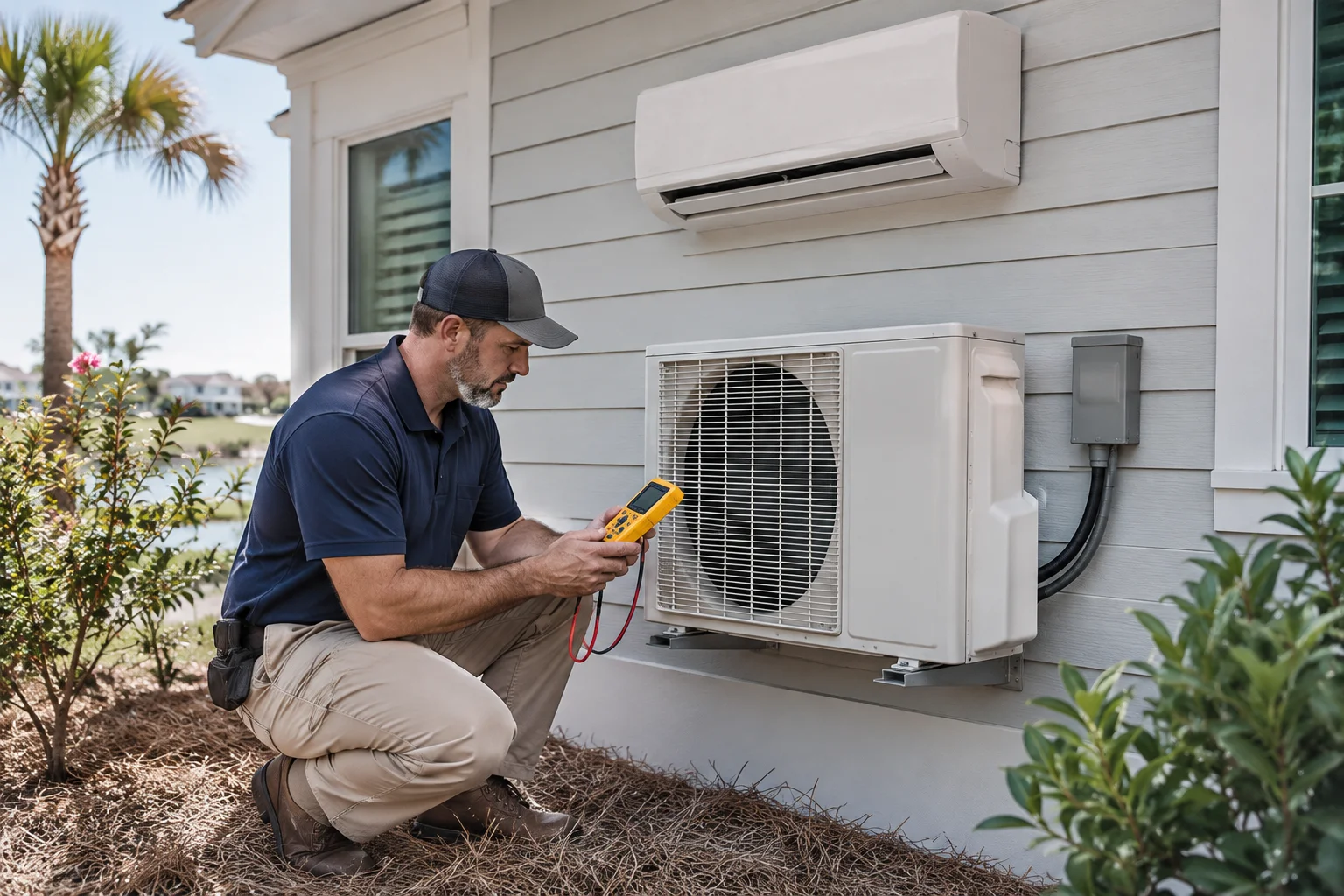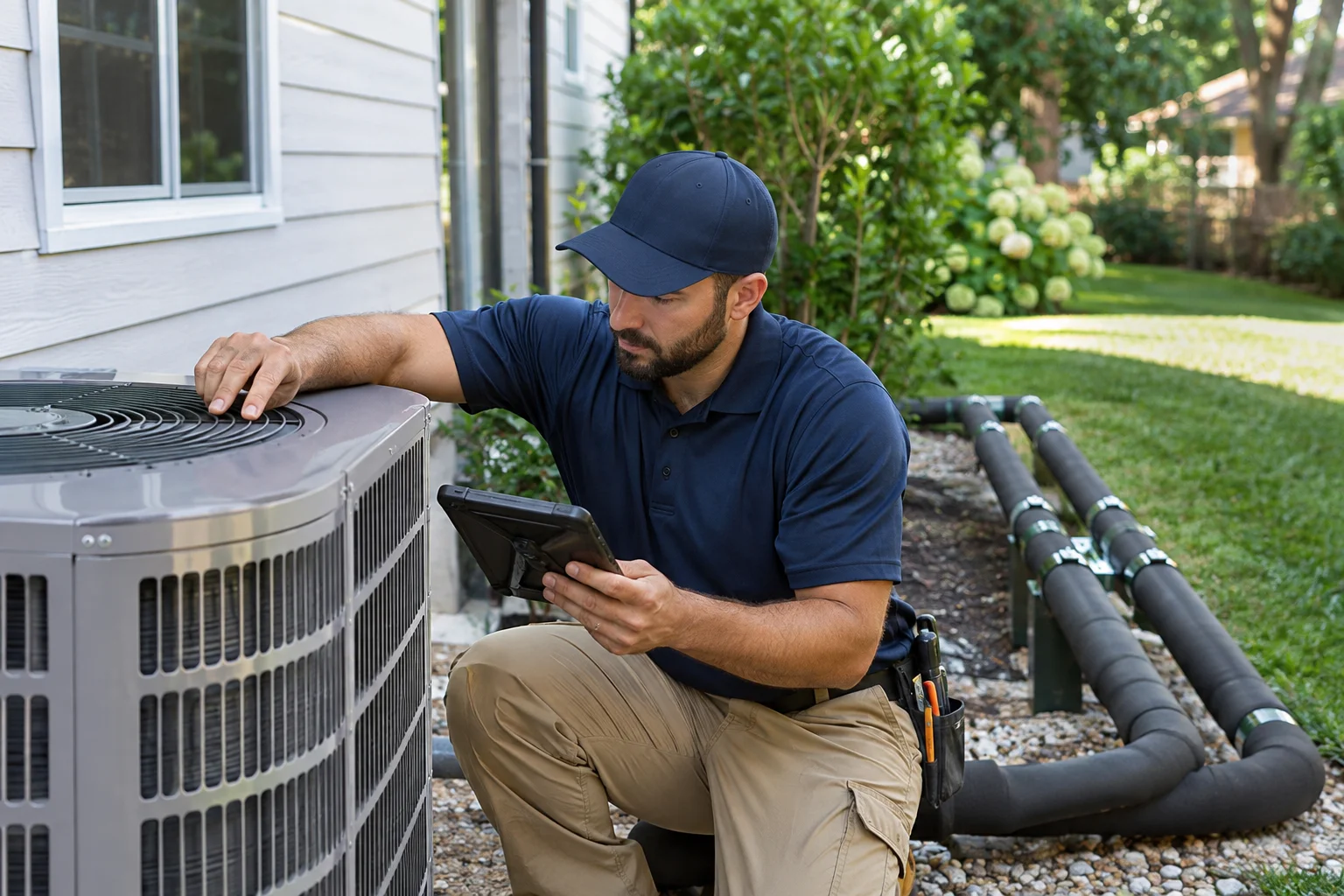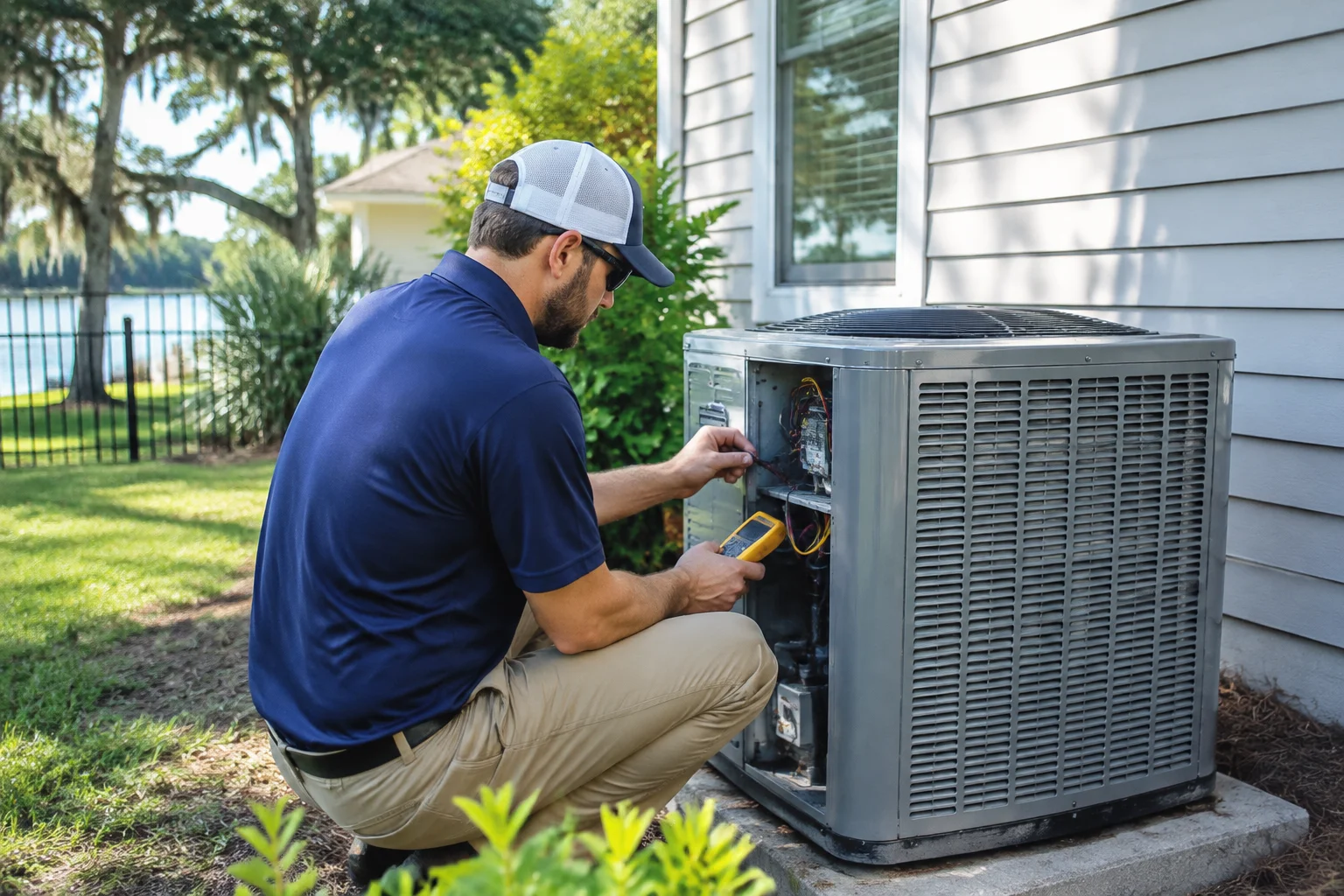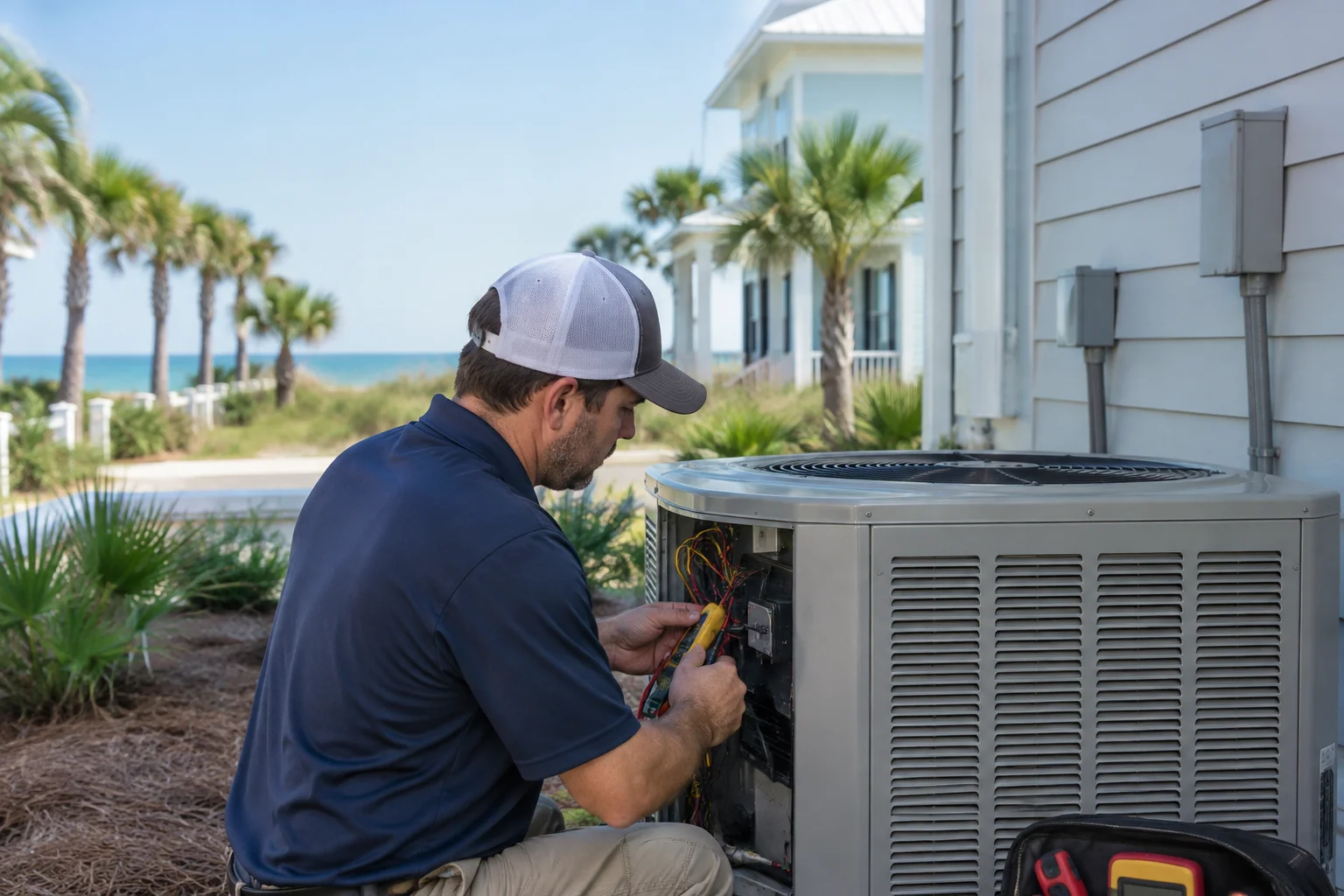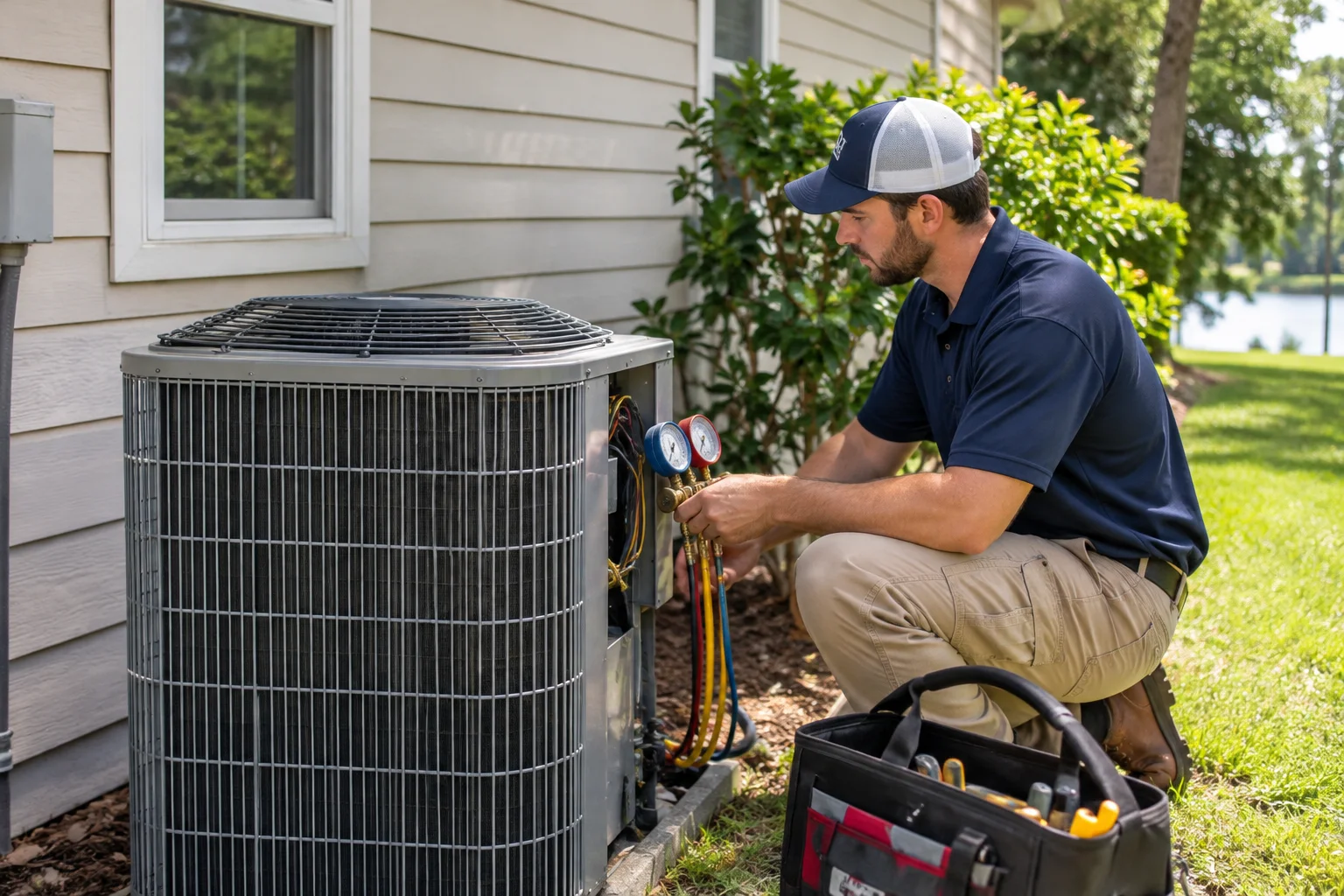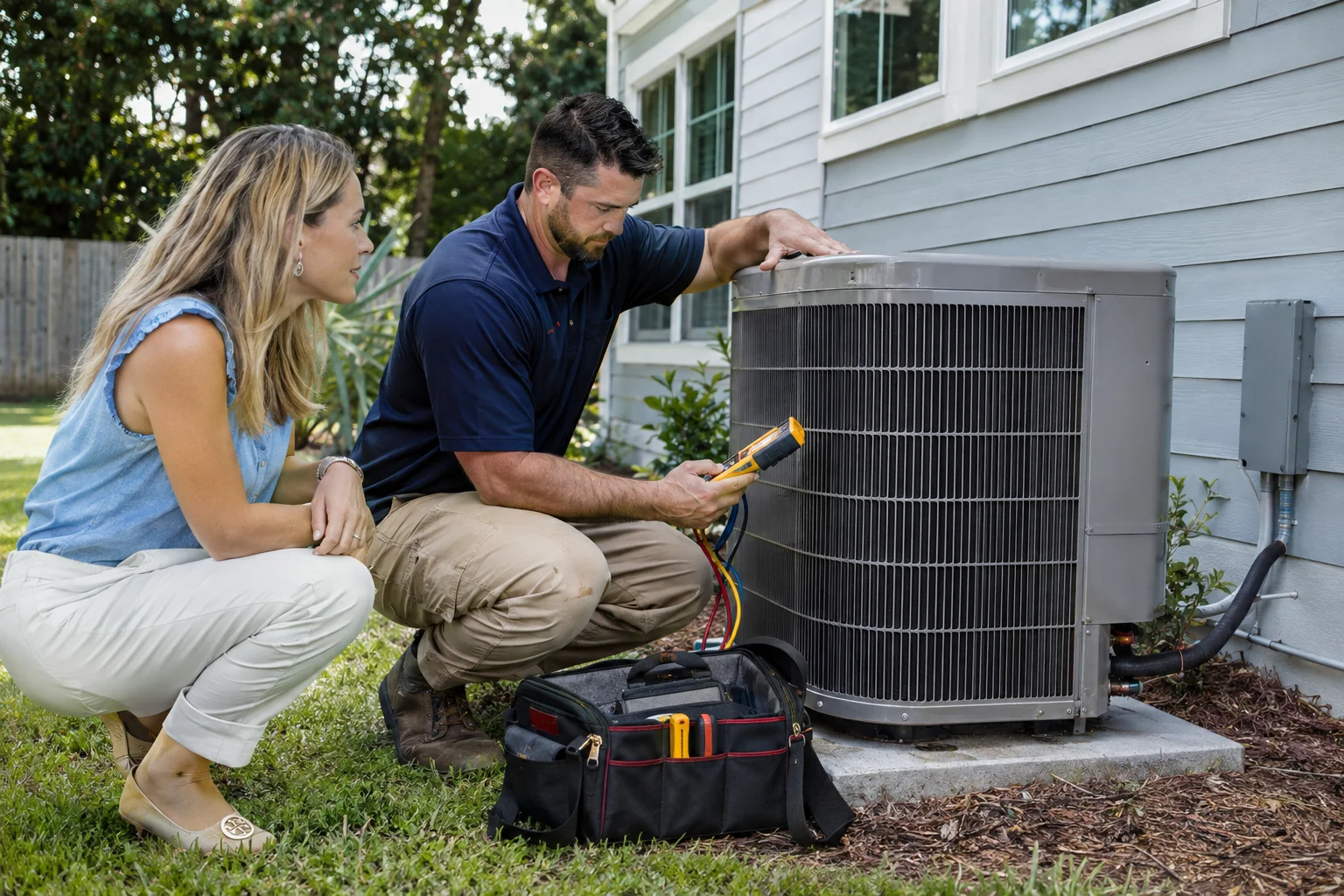
A comfortable Cinco Bayou home needs more than cool air coming out of a vent. During long, humid summers, the HVAC system must also remove moisture, distribute air evenly, and operate reliably through heavy seasonal demand. Geothermal heating and cooling can support those goals, but the installation needs to fit both the house and the property.
A Superior Mechanical provides geothermal energy services in Cinco Bayou, FL, including installation, replacement, repair, and maintenance. For homeowners considering this technology, the useful starting point is a whole-home evaluation: equipment sizing, ground-loop feasibility, duct condition, humidity control, and long-term service needs.
How Geothermal Fits a Coastal Florida Home
A geothermal heat pump moves heat between your home and the ground rather than relying on outdoor air as its primary heat source or sink. In cooling mode, it transfers indoor heat into the ground. In heating mode, it brings heat from the ground into the home. Most residential closed-loop systems circulate fluid through buried piping to accomplish that exchange.
Unlike conventional air-source heat pumps, typical ground-source systems do not need an outdoor condenser exposed to salt air. That removes one common coastal exposure point, but it does not make the system maintenance-free. Indoor equipment, loop circulation components, electrical controls, filters, and condensate drainage still require attention.
Cinco Bayou's coastal weather makes moisture management especially important. Warm temperatures, humid nights, and extended cooling seasons place demands on both equipment and ductwork. Geothermal can offer efficient operation, but actual utility savings depend on system design, installation quality, electricity rates, and the equipment being replaced.
The Property Assessment Comes Before the Equipment Choice
Ground loops need a site-specific plan
Available land, underground utilities, soil conditions, groundwater conditions, and installation access all affect ground-loop design. Horizontal loops generally require more usable yard area. Vertical loops reduce the surface footprint but require drilling access and appropriate subsurface evaluation. Neither approach should be selected from lot size alone.
A property near the bay does not automatically qualify for a water-based or open-loop system. Water quality, environmental requirements, permitting, and discharge restrictions can make those options unsuitable. A properly designed closed-loop system keeps its circulating fluid separate from groundwater.
The house needs its own evaluation
Before choosing capacity, a contractor should assess insulation, windows, orientation, air leakage, and room-by-room heating and cooling loads. Older homes may have leaky envelopes or undersized returns. Newer homes can have ventilation needs that a simple equipment swap misses.
Remodels and additions change these calculations. A finished garage or enclosed porch may need a separate comfort strategy rather than additional duct branches attached to an already strained system.
Right-Sized Equipment Helps Control Humidity
Oversized cooling equipment can lower the thermostat reading quickly while leaving the house clammy. Short cycles limit the time available for moisture removal at the evaporator coil. Geothermal equipment is not exempt from this problem, so capacity should follow a load calculation rather than the size of the previous unit.
Variable-capacity or staged equipment can help match changing loads when correctly selected and configured. However, equipment features alone cannot compensate for excessive outdoor air infiltration, duct leaks, or incorrect airflow settings.
A practical indoor relative humidity target is often around 40 to 55 percent, although conditions vary. Persistent readings above 60 percent warrant investigation. Use a separate humidity monitor to check bedrooms and living areas instead of relying only on how the air feels.
During mild but humid weather, cooling demand may be too low to provide enough dehumidification. Dedicated humidity control may be appropriate after checking drainage, ventilation, air leakage, and equipment operation. Lowering the thermostat repeatedly is rarely the best long-term solution.
Good Airflow Makes the Investment Work
Geothermal equipment can only deliver its rated performance when air moves through the system correctly. Restricted return air, dirty filters, crushed flex duct, and poorly sized supply branches can cause uneven temperatures, noisy vents, and elevated operating costs.
Homeowners searching for duct leakage repair near me often notice a back bedroom that never cools or an upstairs space that feels damp. Those symptoms deserve testing rather than an automatic recommendation for larger equipment. A technician can measure static pressure, evaluate airflow, and inspect accessible duct connections.
Leaky ducts in an unconditioned attic can lose cooled air or draw hot, humid air into the system. Targeted ductwork repair and duct sealing in Cinco Bayou may improve comfort without increasing equipment capacity. Severely damaged, contaminated, or incorrectly sized ducts may need replacement.
Keep supply vents open and returns clear of furniture. Closing vents to redirect cooling can increase pressure and create new airflow problems. The same distribution principles are explored in Comfort Beyond the Thermostat: Planning Better AC in Cinco Bayou.
Thermostats, Filters, and Indoor Air Quality
Controls must match the system
Thermostat installation involves more than choosing a screen or phone app. Geothermal systems may require controls compatible with multiple compressor stages, variable operation, humidity settings, or auxiliary heat. Incorrect setup can reduce efficiency or bring on backup heat unnecessarily.
For many heat pump systems, modest temperature adjustments work better than large daily setbacks. Recovery settings should be checked so the system does not use expensive auxiliary heat when it is not needed. A review of heating control systems can help align comfort settings with equipment capabilities.
Filtration should support airflow
Use the filter size and filtration level the system can accommodate. A restrictive filter can reduce airflow even if it promises better particle capture. Check filters monthly during heavy use and replace them according to their condition and manufacturer guidance.
Indoor air quality improvements begin with moisture control, clean components, and appropriate ventilation. Whole-home filtration may help reduce airborne particles, but it cannot fix an active moisture source or replace needed cleanup.
Recognizing Trouble Before Comfort Disappears
Weak airflow, longer run times, unexpected utility increases, musty odors, or repeated shutdowns should not be dismissed as normal summer behavior. A geothermal system shares many indoor service concerns with conventional air conditioning, including dirty coils, blower problems, clogged drain lines, and control faults.
Ice on accessible refrigerant piping or a coil can indicate restricted airflow or a refrigerant problem. Turn cooling off and arrange service rather than chipping away ice or continuing to run the equipment. Refrigerant leaks require diagnosis and repair by a qualified technician, not repeated topping off.
Ground-loop issues are different from refrigerant leaks. Poor loop circulation, abnormal fluid pressure, pump trouble, or inadequate heat exchange require measurements that go beyond a standard thermostat check. Homeowners searching for heat pump repair near me should confirm that the contractor can service their specific geothermal equipment.
If the home still uses a conventional system, air conditioning repair in Cinco Bayou can address immediate comfort problems while a longer-term geothermal assessment is scheduled.
A Maintenance Plan for Humidity, Salt Air, and Storm Season
Routine HVAC maintenance should follow the equipment manufacturer's schedule and account for local operating conditions. A geothermal service visit may include inspecting electrical connections, checking blower performance, cleaning accessible components, testing condensate drainage, and evaluating refrigerant and loop-side operation.
Air handlers and evaporator coils need attention even without an outdoor condenser. A clogged drain line can trigger a safety switch or allow water to damage nearby materials. Ask the technician to check drain pans, traps where required, and overflow protection rather than treating drainage as an afterthought.
If your property also has outdoor units for an addition or separate zone, salt air and storm debris remain concerns. Keep vegetation clear according to manufacturer requirements and have corrosion evaluated during service. Do not pressure-wash delicate coils or apply unapproved cleaners.
Schedule preventive visits ahead of peak summer demand when possible. Homeowners searching for ac maintenance near me should ask whether the visit covers geothermal-specific checks. After flooding, do not restart submerged equipment until a qualified professional has inspected it.
Comparing Geothermal With Other Comfort Options
Geothermal is worth evaluating when a homeowner plans to stay in the property, has a feasible loop installation site, and wants to compare long-term operating costs. Upfront costs can be higher than those of conventional systems because excavation or drilling is part of the project.
Ask for a comparison that includes installation scope, expected energy use, maintenance, warranty terms, and any site restoration. Treat projected savings as estimates, not promises. Verify current incentive eligibility separately before including it in a budget.
A modern air-source heat pump may be a better fit when yard access or project cost limits geothermal options. An air conditioning installation assessment can help compare alternatives using the same load and duct information.
Ductless mini splits can serve additions or spaces without practical duct access. Existing furnaces also deserve a condition and compatibility review if they will remain as part of a heating plan. Furnace service, heating repair, and geothermal planning should support one coordinated design rather than separate equipment decisions.
Urgent Problems and the Value of Local Service
A burning smell, smoke, repeated breaker trips, or water reaching electrical components calls for immediate attention. Shut the system down if it is safe to do so, and do not repeatedly reset a breaker. For smoke or fire, leave the home and contact emergency services. Loss of cooling during extreme heat can also become urgent for vulnerable occupants.
When an HVAC near me search becomes necessary, describe the equipment type, thermostat messages, unusual sounds, and whether airflow is present. Those details help the service team prepare. Avoid opening electrical compartments or attempting refrigerant work yourself.
Local HVAC service matters because coastal exposure, attic duct conditions, storm damage, and seasonal workloads affect repair and replacement decisions. A Superior Mechanical provides HVAC services in Cinco Bayou and serves the broader Okaloosa County area.
For a geothermal consultation, gather recent utility bills, equipment model information, maintenance records, and notes about uncomfortable rooms. Ask for a plan that explains ground-loop feasibility, humidity control, duct corrections, and ongoing maintenance. That gives you a practical basis for choosing a system that fits your home.
Find Geothermal Energy Services in Cinco Bayou, FL
If you need Geothermal Energy Services in Cinco Bayou, FL, visit our local service page or contact A Superior Mechanical today.
Map of Cinco Bayou, FL
Frequently Asked Questions
Can geothermal heating and cooling work on a small Cinco Bayou property?
Possibly. Vertical ground loops can require less surface area than horizontal loops, but drilling access, underground utilities, subsurface conditions, and permitting still matter. A site assessment is needed before determining whether geothermal is practical for the property.
Will a geothermal heat pump solve high indoor humidity?
A properly sized and configured geothermal system removes moisture while cooling, but it cannot automatically correct duct leaks, outdoor air infiltration, or ventilation problems. Some homes also need dedicated dehumidification during mild, humid weather when cooling demand is low.
What maintenance does a geothermal HVAC system need?
Maintenance includes filter checks, airflow evaluation, condensate drain inspection, and service of indoor coils, blowers, and controls. A qualified technician should also evaluate loop circulation and refrigerant-side performance as appropriate for the equipment. Follow the manufacturer's service schedule and report unusual noises, shutdowns, or declining comfort promptly.
Related Articles
- Comfort Beyond the Thermostat: Planning Better AC in Cinco Bayou
- Less Scale, Fewer Surprises: Water Softening and Plumbing Care in Cinco Bayou
- Smarter Hot Water in Cinco Bayou: A Homeowner’s Guide to Leaks, Drains, Pipes, and Prevention
- From Spotted Glasses to Better Coffee: Water Softening in Cinco Bayou
Photo Gallery