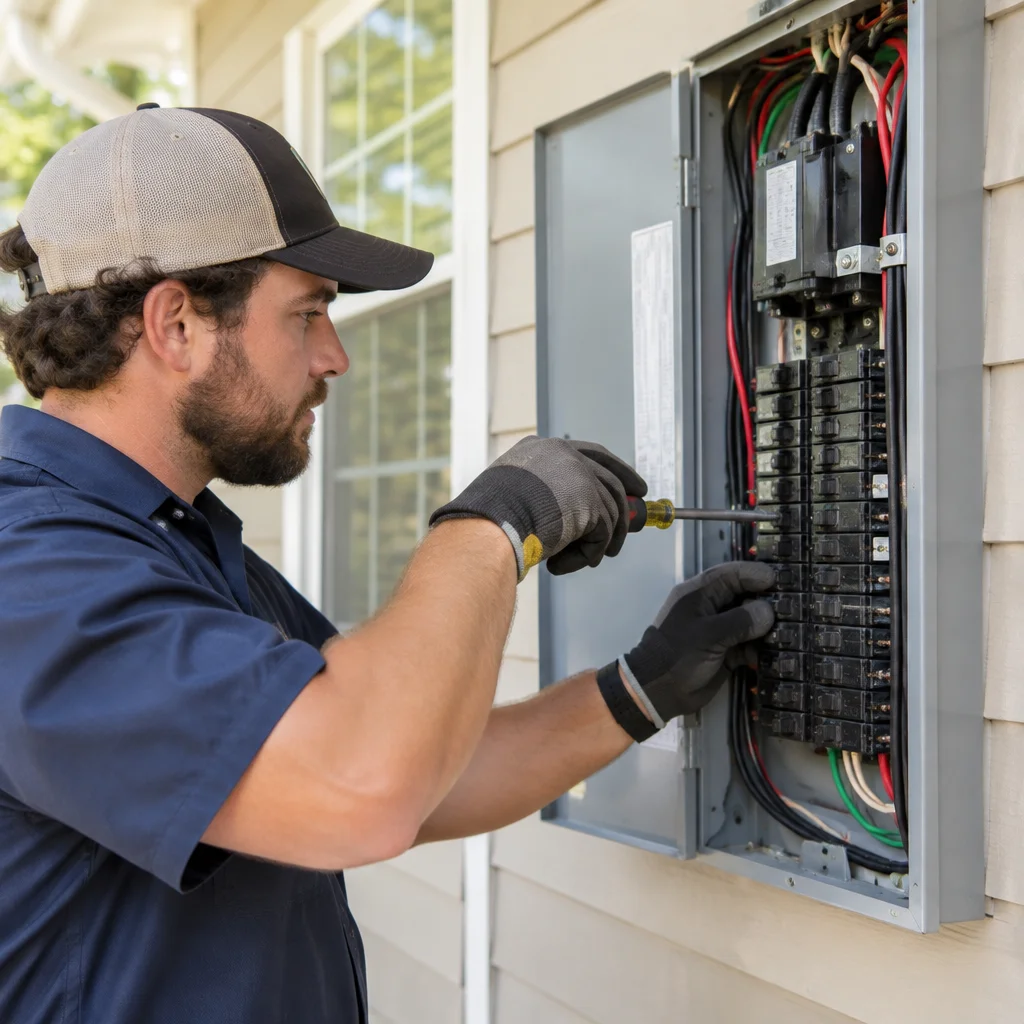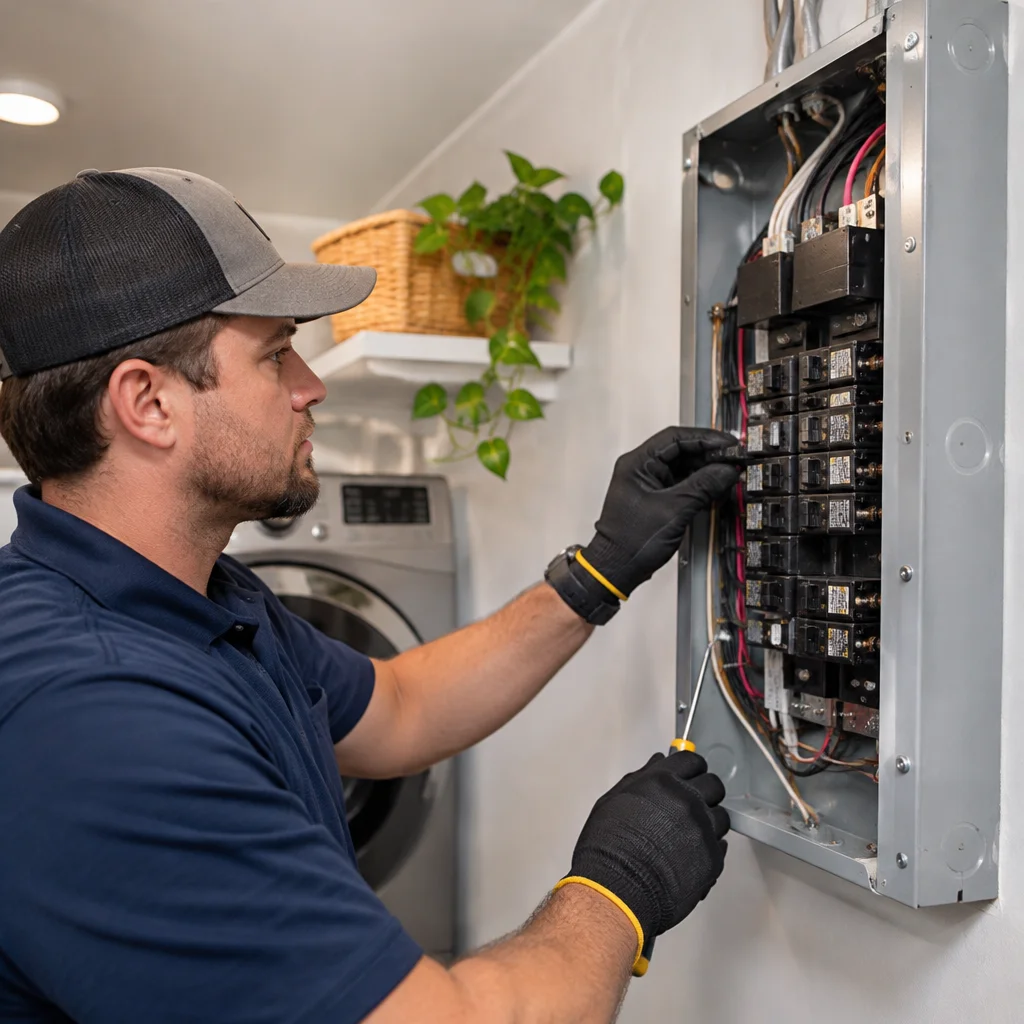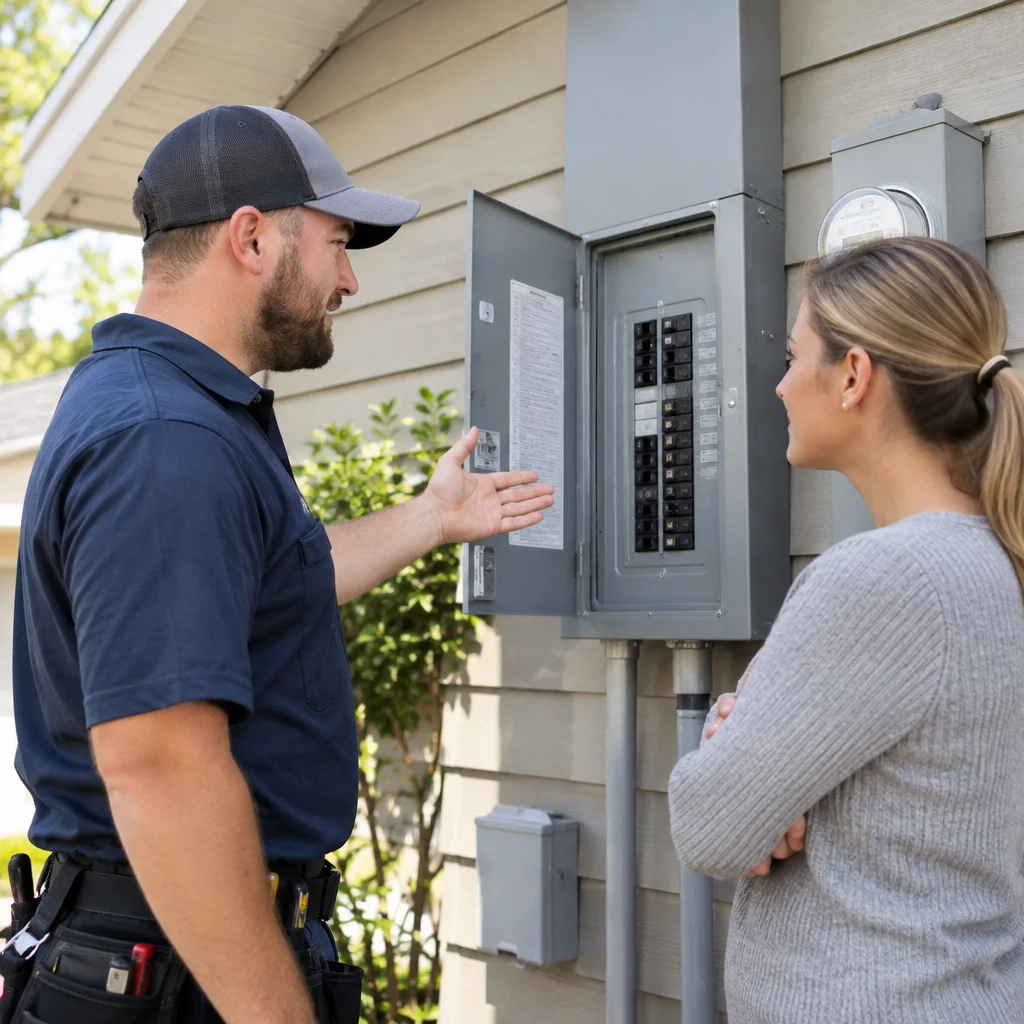
A porch light that turns on before sunset is convenient. So is checking the house from your phone after leaving WaterColor. But dependable smart home integration starts with equipment you rarely notice: the electrical panel, branch circuits, wiring connections, grounding, and outlets that keep everything powered.
In WaterColor, FL, those systems also contend with humid summers, coastal exposure, and storm-related power disturbances. Whether you are updating an older home, finishing an addition, or personalizing newer construction, electrical planning should come before buying connected devices. A Superior Mechanical helps homeowners approach smart home integration in WaterColor as an electrical project, not simply a collection of apps.
Start With the House, Not the Device List
Begin by deciding what you want the home to do. Perhaps you want exterior lighting schedules, remote access to selected switches, occupancy-based lighting, or better visibility into energy use. Identify which features must keep working without internet service and which can tolerate interruptions.
Next, match those goals to the existing electrical system. Older homes may have limited receptacle placement or switch boxes without neutral conductors. Newer homes can have adequate overall capacity but still need additional circuits for a garage workshop, outdoor kitchen, or EV charger. Remodels and additions often expose earlier alterations that deserve inspection before new equipment is connected.
Homeowners searching for a licensed electrician near me should look for someone who evaluates the wiring behind the proposed upgrade, not just the device compatibility. Our article on better electrical planning for WaterColor homes explores that connection between convenience and infrastructure.
Make Sure the Panel Can Support the Plan
Available breaker spaces do not equal available capacity
A panel with empty spaces is not automatically ready for more demand. An electrician should assess service capacity, panel condition, existing loads, and the calculated demand of proposed equipment. Smart switches usually add little load, while EV charging, electric cooking, pool equipment, and larger additions can materially change the calculation.
Electrical panel upgrades in WaterColor may be appropriate when equipment is damaged, unsuitable, or unable to support the planned load. However, a larger panel is not the default solution to every problem. Circuit changes or an approved load-management system may address some projects without increasing service capacity.
Investigate tripping before adding controls
Repeated breaker trips can indicate overloads, short circuits, ground faults, or equipment problems. A breaker that trips is providing protection, even when the interruption is inconvenient. Never increase its amperage simply to stop tripping; the conductor size and connected equipment must support the circuit rating.
What homeowners call breaker repair often involves diagnosing the circuit and, when warranted, replacing a defective breaker with a type listed for that panel. A connected monitor may help identify usage patterns, but it cannot correct a loose connection or replace required protection.
Check Wiring Before Installing Smart Switches
Many smart switches require a neutral conductor in the wall box. Some older switch arrangements do not provide one, and a grounding conductor must never be substituted for a neutral. Certain listed devices work without a neutral, but their load requirements and compatibility still need verification.
Box capacity matters too. Smart controls can be deeper than conventional switches, leaving less room for conductors and connectors. A crowded box, damaged insulation, or loose splice should be corrected rather than pushed behind a new faceplate. Multi-location switching also requires compatible devices and the correct wiring arrangement.
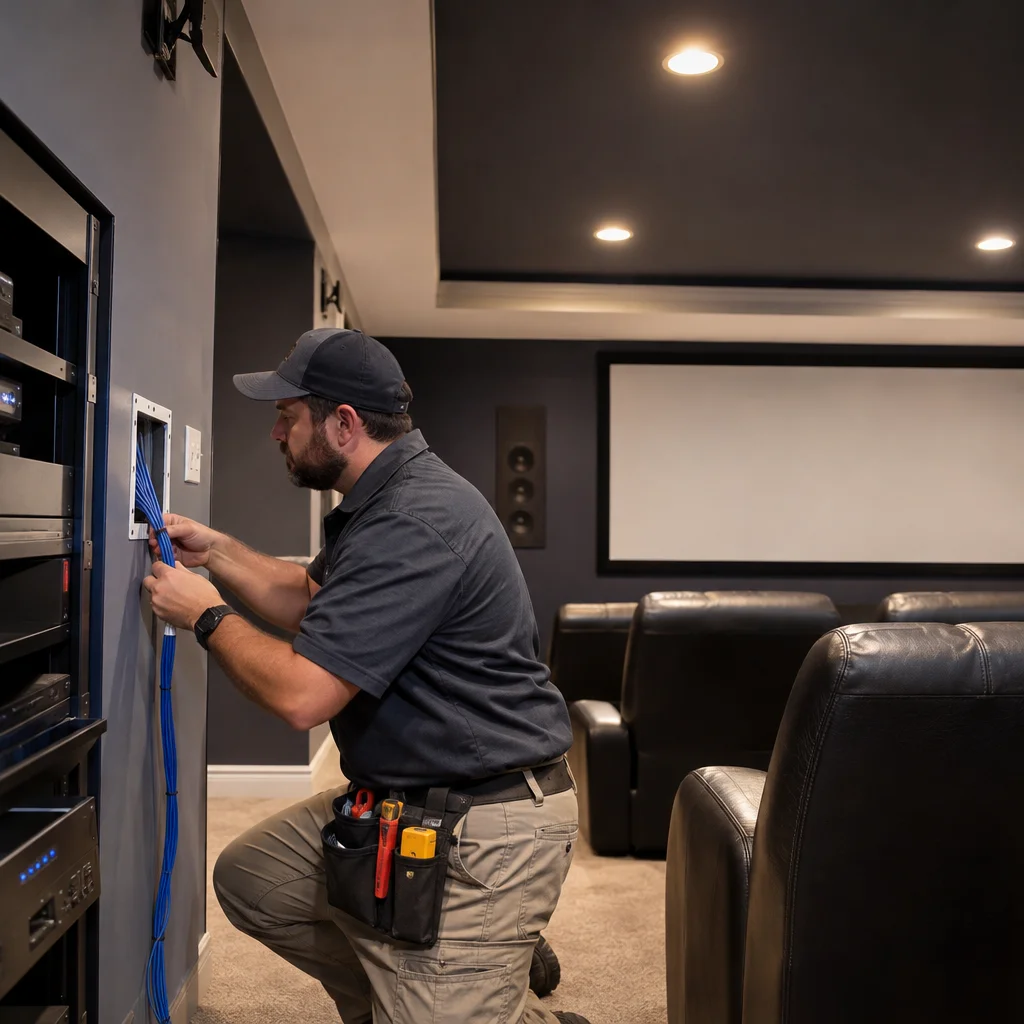
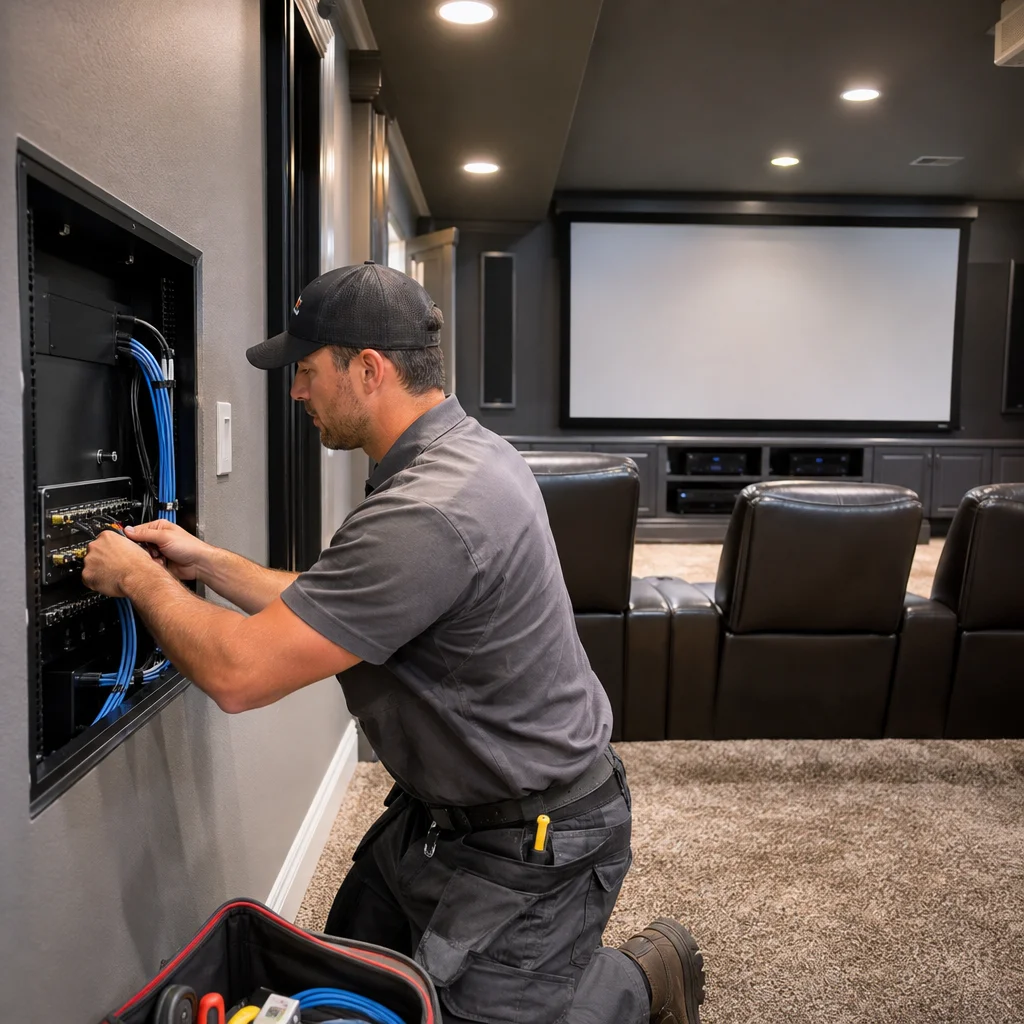
During a remodel, plan power and data pathways while walls are accessible. Hardwired network connections can improve reliability for access points and security equipment, while properly located receptacles reduce extension-cord use. Electrical and communications wiring must follow applicable separation and installation rules. Persistent flickering or intermittent operation calls for wiring repair and troubleshooting before automation is added.
Put Outlets and Protective Devices Where They Belong
Smart plugs are useful for suitable plug-in loads, but they are not substitutes for permanent wiring. Check their ratings and manufacturer restrictions before connecting appliances, motors, or other substantial loads. Portable heaters generally should connect directly to an appropriate wall receptacle, following the heater manufacturer's instructions, rather than through a smart plug.
For outdoor cameras, patio lighting, and connected landscape equipment, inspect the entire power path. Coastal moisture and salt exposure can deteriorate receptacles, covers, and fittings. Outdoor installations need equipment suitable for the exposure, including weather-resistant receptacles and appropriate covers where required.
GFCI protection reduces shock risk in required locations, including many outdoor, kitchen, bathroom, and garage applications. AFCI protection addresses certain arcing hazards where required. Neither replaces proper grounding or sound wiring. If a receptacle feels loose, shows discoloration, or stops supplying power, arrange outlet repair rather than repeatedly resetting protective devices.
An electrical inspection near me search can be a useful starting point when past modifications are unclear. Electrical inspections and code updates in WaterColor can identify missing protection, unsuitable connections, and code corrections that should precede new controls.
Make Lighting and Ceiling Fans Work Together
Lighting installation should account for the fixture, lamp, dimmer, and control system as a group. An incompatible LED and dimmer combination may flicker, buzz, or fail to dim smoothly. Selecting supported components is usually more effective than trying to solve a hardware mismatch through app settings.
For WaterColor homes with porches, guest rooms, and open living areas, layered controls can be especially useful. Keep convenient manual operation at entrances and bedside locations. Exterior schedules should reflect seasonal sunset changes, and bathroom lighting should provide useful illumination at mirrors without depending entirely on motion detection.
Ceiling fans need controls rated for fan motors, not ordinary light dimmers. Some fans with electronic receivers require their manufacturer's compatible controller. Through ceiling fan services, an electrician can verify support boxes, wiring, and appropriate damp or wet location ratings before integrating a fan into connected routines.
Protect Electronics From Coastal Power Disturbances
Thunderstorms and utility disturbances can affect connected equipment throughout a Walton County home. A coordinated surge protection approach may include a properly installed panel-mounted surge protective device and suitable point-of-use protection for sensitive electronics. No surge device guarantees protection against every event, particularly a direct lightning strike.
Grounding and bonding should be evaluated as part of that plan. These systems perform essential safety functions, and defects cannot be solved by adding a surge strip. Have an electrician assess visible corrosion or suspected storm damage rather than opening the panel yourself.
Consider a properly sized uninterruptible power supply for networking equipment if brief outages interrupt monitoring or remote access. It will not power the whole house, but it can support selected devices for a limited period. The preventive approach discussed in our Hammock Bay smart home planning article also applies to WaterColor: address electrical vulnerabilities before relying on automation.
Plan Backup Power Around Essential Circuits
Generator installation should begin with priorities. Refrigeration, selected lighting, communication equipment, and other essential loads may matter more during an outage than running every circuit. Starting loads, fuel supply, generator capacity, and transfer equipment all influence the design.
A generator must connect through appropriate transfer equipment or another approved arrangement that prevents backfeeding the utility. Never connect a portable generator through a household receptacle. Operate portable generators outdoors, at least 20 feet from the home, with exhaust directed away from doors, windows, and vents.
If you are comparing generator installation near me options, ask how the proposed system will interact with smart controls and load management. Some devices need time to reconnect after power returns. Test normal operation and backup behavior under professional guidance, and maintain working carbon monoxide alarms. Remote notifications are helpful, but they do not replace life-safety alarms.
Include EV Charging in the Same Electrical Conversation
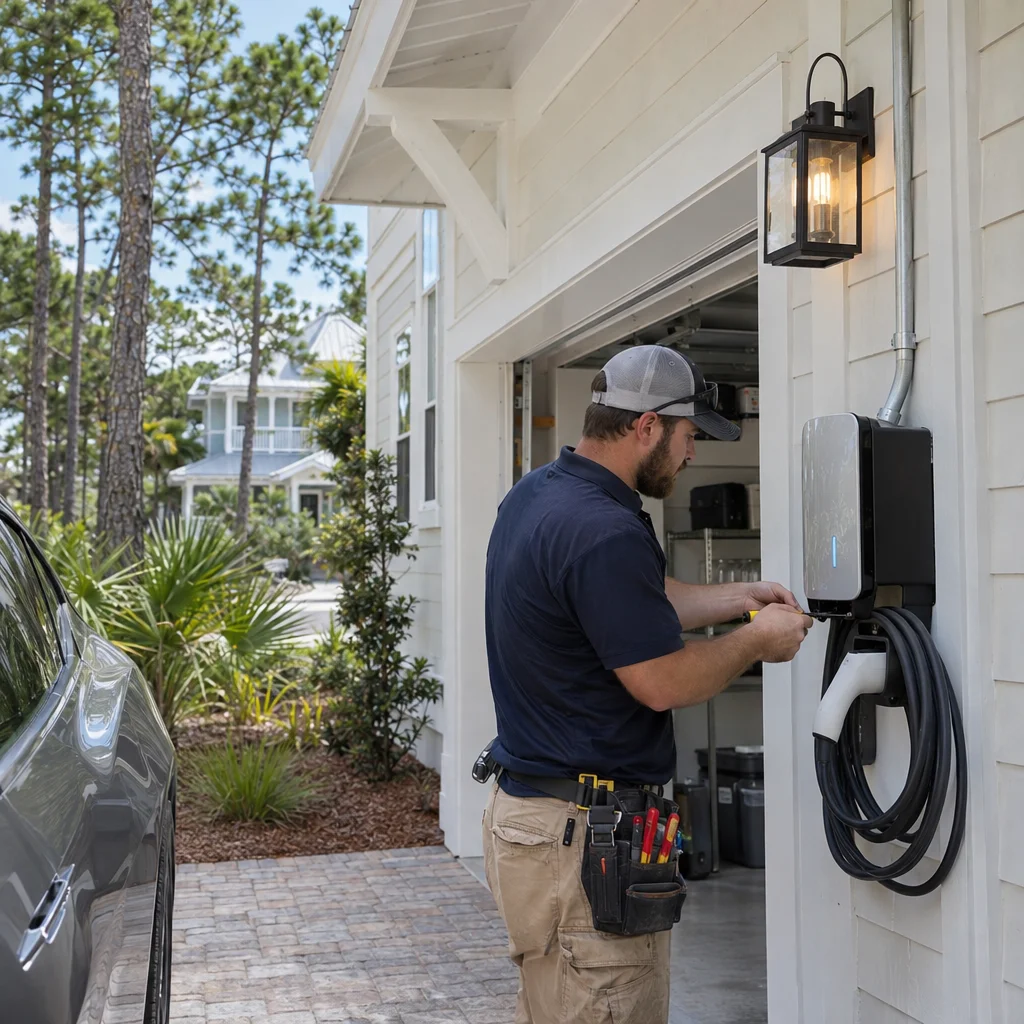
An EV charger can be one of the largest new loads in a home. Its installation should account for the service calculation, circuit rating, conductor sizing, equipment location, and required protection. A dedicated circuit is generally needed for typical residential Level 2 charging installations.
With EV charger installation in WaterColor, homeowners can coordinate charging schedules and evaluate compatible load-management options. Scheduling charging overnight may be useful, but a timer alone does not replace a compliant load calculation or approved energy-management design.
Consider future additions before selecting the location. A second vehicle, garage storage changes, or an outdoor parking arrangement can affect cable reach and equipment exposure. Planning now can avoid relocating wiring later.
Use Maintenance to Catch Problems Automation Cannot Fix
Smart systems can report lost connections or unusual energy use, but routine electrical maintenance still matters. Follow manufacturer instructions for testing GFCI devices, smoke alarms, and carbon monoxide alarms. Replace alarm batteries and complete units according to their instructions and service life.
For smoke detector installation, verify required placement, power supply, and interconnection under applicable rules. Connected alerts are supplemental; occupants still need properly installed audible alarms. Avoid mixing incompatible alarm models or assuming a phone notification provides adequate protection.
Periodically check accessible cords, outlet covers, and outdoor enclosures for damage without dismantling equipment. Update circuit labels after electrical work. For a second home, arrange inspections when warning signs develop rather than relying exclusively on remote monitoring. Coastal exposure, storm history, and equipment condition should inform maintenance frequency.
Know which symptoms need urgent attention
Burning odors, crackling, scorching, repeated trips, or unusual heat at switches and outlets warrant prompt professional attention. Stop using the affected equipment. If there is smoke, active sparking, or fire, leave the area and call 911. Do not touch wet electrical equipment or enter standing water to reach a panel.
When a power outage electrician near me search follows a partial loss of power, report whether neighbors are affected and whether lights are unusually bright or dim. Those details can help distinguish a utility issue from an internal fault, but do not attempt the diagnosis yourself. Avoid repeatedly resetting a breaker that immediately trips.
Build a Practical Upgrade Plan for Your WaterColor Property
A useful project sequence is straightforward: inspect existing conditions, correct hazards, confirm capacity, add necessary circuits, then install and test connected equipment. Keep documentation for devices, circuit changes, permits, and inspections. Confirm who will handle commissioning, app access, and homeowner instruction.
Local service matters because coastal installations involve exposure conditions, applicable permitting requirements, and coordination with the serving utility when necessary. A Superior Mechanical supports homeowners in WaterColor and across Walton County with electrical planning that connects daily convenience to the condition of the home.
Before purchasing a cart full of smart devices, contact A Superior Mechanical to discuss your goals, existing electrical concerns, and planned renovations. Starting with the panel, wiring, and protective devices gives lighting, security, and energy-management upgrades a more dependable foundation.
Find Smart Home Integration in WaterColor, FL
If you need Smart Home Integration in WaterColor, FL, visit our local service page or contact A Superior Mechanical today.
Map of WaterColor, FL
Frequently Asked Questions
Does smart home integration require a panel upgrade?
Not always. Smart switches and sensors usually add little electrical demand. An upgrade may be necessary if the panel is damaged, unsuitable, or lacks capacity for larger additions such as EV charging. An electrician should assess equipment condition and calculate the proposed load before recommending changes.
Can smart switches be installed in an older WaterColor home?
Often, yes, but the wiring and switch boxes need evaluation first. Some smart switches require a neutral conductor that older boxes may not contain. Compatible listed alternatives or wiring changes may be possible. Grounding conductors must never be used as substitutes for neutrals.
Will smart home devices work during a storm-related power outage?
Most require electricity, and remote features often also require internet service. Some controls retain local operation without internet, but not without power. A properly designed backup power system can support selected circuits, while a battery backup can temporarily power networking equipment. Surge protection helps address certain voltage disturbances but does not supply backup electricity.
Related Articles
- Behind Every Smart Upgrade: Better Electrical Planning for WaterColor Homes
- Smart Home Integration in Bluewater Bay Starts With Better Electrical Planning
- Smart Home Integration in Hammock Bay That Helps Protect Electrical Systems Before Problems Start
- Keeping WaterColor Businesses Comfortable: A Smarter Commercial HVAC Maintenance Plan
Photo Gallery